← DianaUribe.fm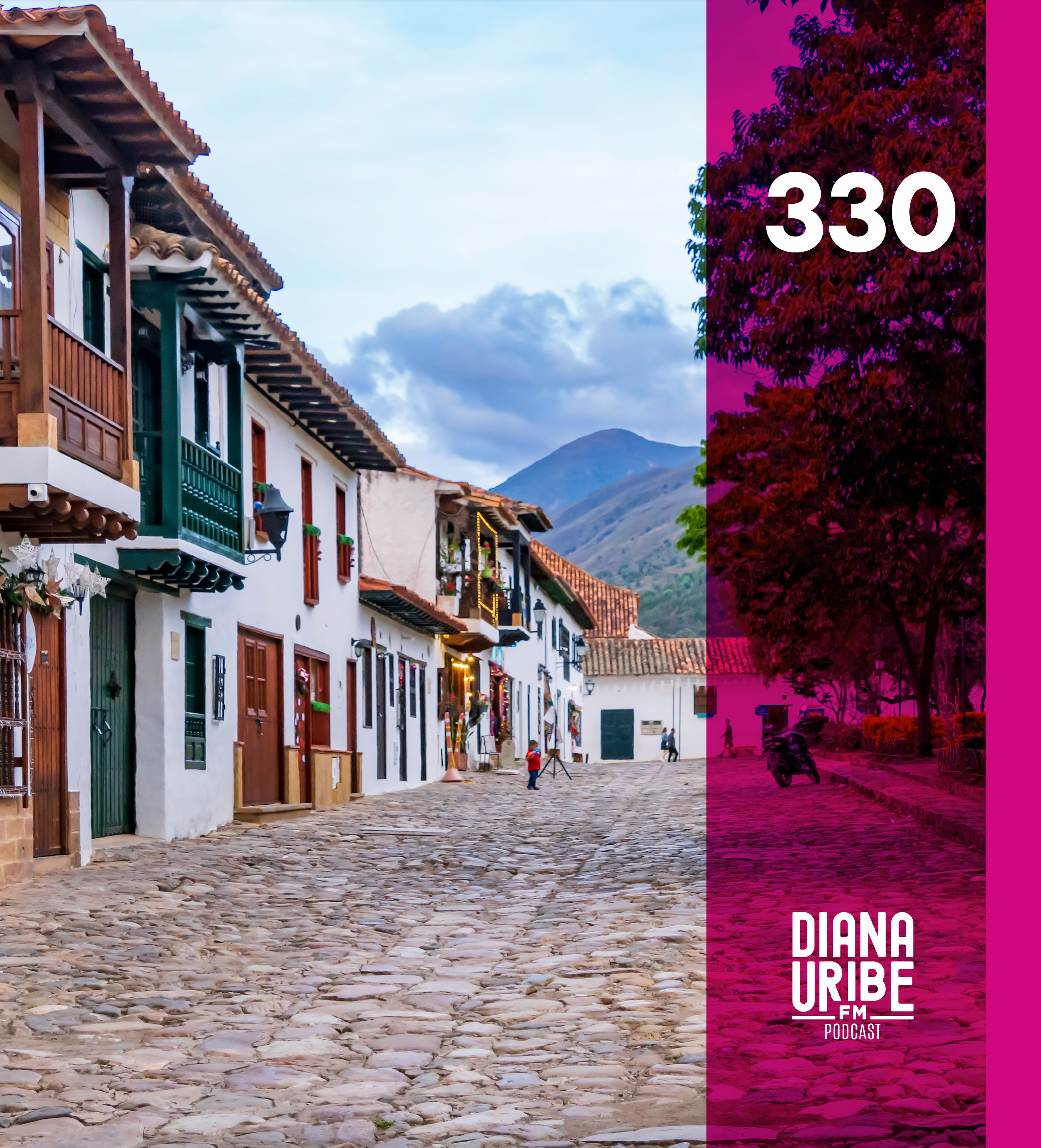
Loading summary
Transcript20 lines
- [00:01]
Diana Uribe
Life with CIDP can be tough, but the Thrive Team, a specialized squad of experts helps people living with CIDP make more room in their lives for joy watch RARE WELL DONE An all new.
- [00:14]
Lowe's Advertiser
Reality series Rare Well Done offers help and hope to people across the country who live with the Rare Disease. CIDP Watch the latest episode now exclusively on RarewellDone dot com if your vibe is the earlier, the better Lowe's early Black Friday deals are a no brainer Get up to thirty five percent off select major appliances and rewards Members get free delivery Haulaway basic installation and a two year Lowe's Protection plan when you spend two thousand five hundred dollars or more on select LG major appliances valid through eleven four loyalty program SUBJECT TO TERMS AND CONDITIONS Visit Lowe's dot com terms for details SUBJECT TO CHANGE LG member Offer excludes Massachusetts, Maryland, Wisconsin, New Jersey and Florida Selection varies by locations Select locations only wall supplies last close DOT com Buenas.
- [01:01]
Diana Uribe
Bienvenidos a descubrir los Pueblos Patrimonio de Colombia, el país de la belleza, porque la belleza está en los detalles. Hoy, en nuestra serie de Pueblos Patrimonio hay tres joyas, pero las más, o sea, como las más divinas de todas, como las más bellas, siendo todos y cada uno teniendo lo suyo. Pero hay afectos grandes también, uno debe decirlo. Vamos a hablar de Barichara, vamos a hablar de Villa de Leiva y vamos a hablar de Mongui. ¿Cómo les queda el ojo divino? Entonces, son regiones diferentes. Barichara está en Santander y Barichara es todo un ecosistema alrededor, mientras que Villa de Leyva y Mongui están en Boyacá. Boyacá y Santander son regiones límites y son como dos límites planetarios, porque cada cual es única y maravillosa en su estilo, son estilos muy distintos de todas maneras, en la misma coordenada de la montaña donde están, estos son pueblos de un reconocimiento turístico muy grande a nivel histórico, a nivel de patrimonio nacional, a nivel cultural, a nivel natural, inmaterial, de ecosistemas, de antiguas civilizaciones, porque debajo de cada una de estas tres joyas hay unos asentamientos históricos importantísimos, milenarios, antiguos. Están puestas sobre grandes civilizaciones que tuvimos en el caso de Barichara, los Guani, en el caso de Villa de Leyva, los Muiscas, todo el mundo muisca que es en el caso de Villa de Leyva y Monguí. Entonces, primero pues hay que tener en cuenta que hubo grandes civilizaciones debajo y que se pusieron sobre pueblos que ya tenían una cultura poderosa y milenaria. Y estamos hablando de pueblos que tienen un patrimonio histórico arquitectónico y que tiene una conservación absolutamente rigurosa y además hecha con todo cariño de sus edificaciones coloniales, iglesias, trazados. Tanto Barichara como Villa de Leyva y Moguí han mantenido toda la herencia urbana y han hecho realmente esfuerzos por preservarse como son a lo largo del tiempo. También son patrimonios inmateriales porque están hechas de saberes, de conocimientos, de fiestas religiosas, de leyendas que explican el origen de los pueblos, de diferentes formas de conocimiento que se han preservado a través de los milenios de técnicas artesanales pasadas de una generación a otra, como los balones cocidos de Monguí, como los tejidos de Barichara. Saberes que se han preservado de una manera maravillosa y que son inmateriales en su conocimiento, como conocimiento mismo. Entonces, por otro lado, estos pueblos están vinculados a territorios y a naturalezas sagradas, hermosas, maravillosas. Villa de Leyva tiene cerca del santuario sagrado de Iguaque, de donde viene Bachué, que es uno de los paisajes que hacen parte de la identidad cultural, espiritual e histórica de ellos. Y también Barichara tiene el gran mirador, que eso es una cosa bellísima hacia el cañón del río Suárez y es también un paisaje de la memoria. Y Mongui está rodeado de unas montañas frías y del páramo más bonito de todos. Ellos dicen que es el páramo más lindo de todos, el que lo rodea y el que está bonito porque ahí habitan los espíritus. Entonces vamos a proceder a hablar de todos estos pueblos tan maravillosos y a contarnos y a viajar por ellos, a imaginarlos. Empezamos por uno de los pueblos que dice que es el pueblo más bonito de Colombia y es el pueblo más bonito de Colombia, o sea, no es exagerado. Barichard.
- [05:48]
Narrator or Local Guide
Barichard es muy bonito, muy alegre y muy cordial. Con sus calles empedradas y su estilo colonial. Con sus calles empedradas y su est. Colonial. Por su gente que es tan buena. Barichar es sin igual. Es orgullo de Colombia y monumento nacional. Es orgullo de Colombia y monumento nacional. Dios bendijo a Barichara, la dejó como modelo. Por eso es que Barichara en las sucursales del cielo. Dios bendijo a Barichara, la dejó como modelo. Por eso es que Barichara es la sucursal del cielo.
- [06:30]
Diana Uribe
Barichara empieza su fundación entre la religión y la leyenda, porque también al lado estos pueblos patrimonios hay una gran cantidad de misticismo, de religión, de leyendas, de peregrinaciones. Hay todo un espectro espiritual que también enmarca la existencia de estos pueblos y también le da toda la fuerza. Entonces hay diferentes datos, ¿No? Hay unos que en 1702 un campesino de la región aseguró haber visto la imagen de la Virgen María grabada en una piedra. Entonces que de ahí viene no solamente la fundación, sino la tradición de la piedra. Se volvió un objeto de devoción y fue donde se construyó una iglesia en honor a la Virgen. Con los años la iglesia se transformó en una tremenda catedral de la Inmaculada Concepción que se levantó después en la piedra arenisca con diez columnas monolíticas que impresionan y que recuerdan el nombre que originalmente significa Barichara en lengua guane, que es el lugar del descanso. Pero hay un debate sobre la fundación porque también hay otros datos y otras posibilidades, pero digamos es como el registro que tiene sobre ello para estar embarichada todo el tiempo.
- [07:52]
Narrator or Local Guide
Muy poquito. Paseando por sus veredas Santa Elena y Paramito. Paseando por sus veredas Santa Elena y Para Mito. Los que van al mirador siempre los recordarán. Los paisajes de Cabrera de la Fuente y de Galán. Los paisajes de Cabrera de la Fuente y de Galán.
- [08:20]
Diana Uribe
Pero acá hay una cosa muy importante. Barichara es un conjunto de cosas por las cuales no solamente es un pueblo patrimonio, sino que es un lugar encantado. Barichara es un centro de una vibración energética muy poderosa donde hay una luminosidad especial todo el año con el sol y un clima del bosque seco tropical que durante el verano el bosque se oculta. Es una forma muy diferente porque parece que todo estuviera seco, pero en realidad todo se está concentrando de energía y está como hibernando para que cuando llegue la época de las lluvias todo vaya a florecer. Entonces el ecosistema del bosque seco tropical pues era muy extendido en toda Colombia, pero se ha ido perdiendo una gran cantidad de colonización. En Baricharas está bastante bien preservado y un poco tiene la dinámica diferente a como nosotros nos han enseñado las estaciones desde las miradas nórdicas, desde las cuales nos cuentan las estaciones que en el invierno es donde todo se guarda para florecer en la primavera y en el verano. Aquí no aquí pasó lo contrario, aquí en el sol, sol del verano, todo se recoge para acumular la energía para poder florecer y dar todos sus frutos en el invierno cuando empieza la temporada de las lluvias. Entonces por un lado tenemos un ecosistema absolutamente maravillos, por otro lado, pues además porque esto está rodeado de viene el río Suárez, viene el río Fonce y forman el Cañón del Chicamocha. Y el Cañón del Chicamocha es una de las maravillas del mundo y es el segundo en profundidad y extensión después del Gran Cañón del Colorado. Y por eso es que les decía cuando hicimos cuando la película de Adiós al amigo, que no se van a perder una película que muestra la grandeza enorme del cañón. Resulta que en Barichara los oficios vienen desde el conocimiento de los guanes. Esta tierra está hecha sobre donde estuvieron la civilización guane alrededor, en todos los alrededores. Y los guane son gente que tiene muchísimos oficios y muchísimos conocimientos. Hay muchas historias sobre los guanes que se suicidaron en masa antes de que llegaran los españoles, porque eran muy amigos de los Tayronas y los Tayronas ya les habían dicho lo que significaba que llegaran los españoles. Entonces hay muchas leyendas y muchas historias sobre lo que pasó con los guanes. Hay muchas tumbas guanes que todavía no se han explorado. Falta muchísimo estudio de la civilización guane en Santander, hay mucho más sobre los Muiscas y sobre otras civilizaciones nuestras, pero sobre los guanes aún están abiertas muchas preguntas. Entonces ellos como tales, nosotros no los conocimos así, pero sí conocemos sus oficios, conocemos su cultura, conocemos la transmisión de sus saberes. Ellos tienen una historia sobre las mantas tejidas, hay todo un conocimiento de los guanes. Ese conocimiento de los guanes se ha transmitido de generación en generación y eso es lo que hace que en Barichara haya saberes, saberes artisanales que se han transmitido por todas las familias. Entonces por un lado está toda la inmensa geografía, están las tumbas de los guanes que se han encontrado en los riscos, en las cuevas, todos los vestigios de esta civilización. Barichara pudo haber sido en ese momento un centro ceremonial de los guanes y por eso hay cuatro iglesias, teniendo en cuenta que en la colonización española donde había centros ceremoniales o santuarios, ahí se ponían iglesias para establecer, digamos, la dominación religiosa evangélica sobre el mundo indígena, eso se hizo en todo el continente, entonces la manera como se hicieron las iglesias también nos da la indicación de cuántos centros ceremoniales había debajo y por eso creemos que esto era un lugar de un centro ceremonial por las catedrales y que estaba hecho ahí precisamente por el ser el centro energético de este punto de radiación del sol que hace que haya fenómenos únicos y mágicos. Hablamos del suicidio colectivo de los guanes porque además en las tumbas hay venenos que todavía están activos, que se sabe que familias enteras se suicidaron antes de la llegada de los españoles y precisamente para evitar la llegada de los españoles, lo que nos da una una sombra de espanto de lo que tuvo que haber sido eso. Barichar está marcado por la piedra, por las calles empedradas, amplias y de tonos dorados. Las casas tienen toda la tradición de la tierra, tienen toda la tradición de la tapia pisada y tienen la mezcla del conocimiento ancestral que tenían los guanes sobre la construcción más las tejas que van a ser ya un invento español que se van a dar muy bien en estos tonos y en estos colores de Barichara. La tierra es amarilla, tiene un color amarillento y caminar sobre la tierra te da el color amarillo en los pies, por eso los habitantes originarios de Barichara se les dice pati amarillos y las personas que han ido a vivir todo su amor a Barichara se les dice patiafueras. Cuando estemos en Villadileyva también vamos a ver que están los vinculados que es todos los enamorados de todas estas maravillas, entonces ellos son muy ricos en la conservación de las piedras, esto es un propósito artístico y patrimonial que Barichara sea lo que Barichara es hoy, o sea esto es una construcción de respeto, entonces están las piedras, está los tonos rojos, las capillas, las iglesias. Uno de los lugares mágicos es el cementerio, es bellísimo el cementerio de Berichara y las esculturas, las lápidas, el arte popular. ¿Ibarichara tiene por un lado el conocimiento de la piedra, todo el sentido arquitectónico de lo simbólico está hecho con todo el modelo de la fundación de indias que era, acuérdese que el modelo de la fundación de indias era este de Amero, era esta estructura cuadrada de la plaza con las iglesias, con la iglesia alrededor, todo eso que es lo que también nosotros llamamos arquitectura colonial y esta arquitectura colonial por un lado viene de la colonia española pero también viene de la influencia árabe que eran los que tenían adentro de las casas, los aljibes, las fuentes de agua, los jardines y afuera las grandes paredes, como era también las construcciones islámicas, donde afuera estaban los muros y adentro las grandes riquezas, entonces eso también viene de la parte española y como esto ha logrado un nivel de preservación tan grande, pasan cosas, por ejemplo un día había una, había un encuentro de tunas, de todas las tunas de Suramérica, venían de todos, venían del Perú, de todas partes y en las luces de navidad y en el encuentro de tunas parecía que estuviéramos en el siglo XVI, porque la gente se viste como la tuna se viste como se vestían las tunas antiguamente, entonces cualquier variación en el paisaje te puede hacer meterte en otro siglo inmediatamente, porque? Porque pues está ahí el escenario de la historia.
- [16:37]
Poet or Singer
Yo te daré un cascabel, el otro me tomo quita y tú me das esa miel que llevas en la boquita.
- [16:53]
Diana Uribe
Entonces alrededor de Barichara hay unos miradores maravillosos, está el Salto del Mico o el Salto de la Cruz, que realmente un abismo insondable que contempla el valle del río Suárez, la cadena montañosa también los montes de los Yariguíes que se pueden ver, está enmarcada en un telón de montañas y de miradores maravillosas, logra unas sensaciones de calma maravillosas, los balcones, las entradas de la capilla, es un lugar digamos, tanto arquitectónica como naturalmente maravilloso. Los oficios que también fue lo que trajeron que mucha gente empezara a fijarse en Barichara y van a atraer a los arquitectos, a los pintores, porque resulta que allá toda la práctica de la tierra, de la pintura de la tierra, la práctica de los oficios que se han dado de generaciones en generaciones, han hecho que otros vayan a querer sumarse a los oficios que ya había allá, o sea, es la cultura de Barichara lo que trae el que Barichara se haya vuelto un centro cultural, porque esencialmente lo era desde un principio, entonces pues van a llegar allá desde toda la alfarería, porque estos son alfareros de muy vieja data, por toda la maravilla del barro y de la arcilla que lo rodea, entonces eso va a hacer que más adelante, bueno, van a pasar muchas cosas en la historia de Barichara. Barichara es muy antigua, Barichara vivió momentos de esplendor y increíbles En el siglo XVIII, por la época, por las bonanzas del tabaco, por ser un centro de acopio y un centro comercial de comercio muy grande en el siglo XIX. También en el siglo XX tuvo de todo, tuvo guerras, tuvo perdones, tuvo reconciliaciones que le dieron la posibilidad de florecer como hoy florece y se fue volviendo un centro cultural cada vez más grande. Después allá va a llegar, ahí están los grandes pintores como Mansur y mucha gente que son grandes pintores de allá. También llegaría después Belisario y Dalita y Talita daría marco al taller de los oficios, que es una de las cosas más bonitas que ellos tienen, los talleres de los oficios y los talleres del papel. Ellos están vinculados al cine de una manera muy particular, desde cuando se firmó una de las producciones más importantes en la historia de la televisión en Colombia, los pecados de Inés de Hinojosa, hasta la más reciente de las producciones, Encanto, cuando llegaron los de Disney y se encontraron con Barichara y casi se mueren. Y empieza toda esa comunicación para tratar de explicar a una Colombia mágica como las casas de Barichara están vivas porque la misma, el mismo material de la tapia pisada respira el frío y el calor. Por eso la casa de Encanto es una casa viva y es donde se presentan todas estas historias que hablamos en esa manera de narrarnos que además llevó a Disney a un Oscar en animación por la película de Encanto, inspirada en Barichara fundamentalmente y alrededor de la cual se narra toda Colombia. Eso es parte de los destinos cinematográficos que Barichara en su infinito encanto atrae. La novela de Próspero Morales acerca de esta protagonista en el siglo XVI, de un mundo en que las mujeres, uno que todavía no estaba hecho para las mujeres y donde Inés de Hinojosa era de una ruptura absolutamente impresionante, fue filmado allá como un escenario totalmente natural, porque Barichara, precisamente por su nivel de conservación, es un túnel del tiempo. Entonces tú te vistes de determinada manera y ya quedaste en el siglo XVI. Lo mismo pasa en Villa de Leyva. Entonces esto va desde Los pecados de In hasta el Festival de Cine Verde, un festival ambientalista que se hace allá. Y también cuando la gente va aprovecha para entrar en contacto con las artesanías, con la talla de la piedra, con los tejidos. Hay carpinteros de oficios, de generaciones de familias, familias que son talladores de piedra, familias que son tejedores, familias que son carpinteros, pero que lo han sido muchas generaciones atrás, o sea, hay conocimientos que allá se han preservado de una manera tan poderosa como la piedra misma. Cuando estamos hablando del patrimonio, estamos hablando del patrimonio tanto de la piedra como del saber de la arquitectura, como de la energía, como de la belleza tan impresionante que tienen. Entonces hay toda una herencia gastronómica muy poderosa que es hecha de las comidas de Santander, del mute, del maíz, de la papa, de los granos, de la pepitoria, porque las técnicas por ejemplo de la arepa santandereana que hacen un proceso en que la mezclan con la ceniza, antes la mezclaban con las hormigas culonas, ahora después los españoles la mezclaron con el cerdo y esto da un sabor único. Y las hormigas culonas son un milagro, un milagro porque son unas hormigas que dar un poco de tiempo hibernando, que van a alimentar un hongo que cuando está listo florecen, que salen y vuelan y que se dedican a hacer el amor entre todas las hormigas y los hormigos y luego las reinas se meten y van a generar una enorme cantidad de hormigas y esto no tiene propiedad privada, en la medida que la gente va por las hormigas, donde quiera que las hormigas estén, independientemente de cuál sea el predio y con eso se hace una gran cantidad de alimentos, porque con eso se hacen sal, con eso se hacen ajís, con eso se hacen una gran cantidad de espacios gastronómicos que son muy queridos en Barichara. Al lado de Barichara está el Camino Real de Guane, que es un camino real desde tiempos coloniales y que tiene senderos patrimoniales. Guane también es un sitio muy importante para visitar cuando se va a Barichara. Está el puente grande de Calicante, que es un de los duros de la ingeniería colonial y allá se ve digamos, porque está hecho en materiales originales de la época, es como una especie de museo a cielo abierto, es una conservación de todos los trazos y es una cosa impresionante lo que es Barichara. Por un lado están todos los caminos coloniales, pero también están los caminos de Lenguera Lengerke, un personaje alemán que va a ser una impronta muy grande en Santander, tanto en Barichara como en Zapatoca, como en toda la región y que va a crear una cantidad de caminos sobre los caminos reales que ya existían allá, pero que va a generar, digamos, todo un dinamismo en la región. Ellos tienen varias concesiones alemanas, desde la Nicolás de Federman hasta la de Querque. Por lo tanto en el norte de Boyacá y en Santander hay un montón de gente con unos rasgos muy distintos, porque son monos ojiazules, porque vienen de las concesiones alemanas. Entonces por allá viene ahí de todo. Y por supuesto el acento, mano, que eso sí es de allá. Entonces eso es particular de Santander, que también es parte de sus patrimonios, la manera tan particular como los santandereanos hablan con su acento y la forma tan recia y decidida con que lo atienden a uno. Entonces, bueno, pero imagínense que yo me fui, bueno, aparte de todas las fiestas que ellos tienen, que son maravillosas, en una feria del libro que hubo en este año, yo salí de Barichara, salí de una presentación en Barichara, en la librería de Barichara, en Aljibe y me fui para Villa de Leyva. Y resulta que esa sensación es maravillosa porque uno sale de un lugar tan absolutamente mágico como es Barichara, donde todas las casas antes tenían aljibes, luego los aljibes los taparon cuando llega los acueductos y hoy por hoy hay problemas de agua tratando de volver a encontrar los aljibes que originalmente daban una agua subterránea fresca a Barichara. Pero entonces imagínense que yo me fui de Barichara para Villa de Leiva, porque en Villa de Leiva había una villa de letras. Villa de Leiva tiene una actividad cultural impresionante, oiga, y se baja uno de un lugar a otro y queda absolutamente asombrada y maravillada de este país. ¿Uno dice, pero cómo es que yo me bajo de un lugar tan bonito como Barichara y resulta que llego a un lugar tan hermoso como Villa de Leyva? Es un contraste de ruta que te hace sentir que estás viviendo en mundos mágicos de muy diferentes lugares en el tiempo. Es como salir de una maravilla a otra, pero permanecer en el estado del encantamiento a través de las montañas que se tienen que atravesar de un lugar a otro. Es una ruta bellísima.
- [26:35]
Poet or Singer
Como un fantasma en la noche hasta despuntar la aurora interrumpo tu silencio que hay en ti dulce señora para cantarte estos besos te anhelé con ansias los al contemplar tu hermosura que más y más.
- [27:01]
Diana Uribe
Entonces uno llega ya a Boyacá, aquí hemos salido de Santander, volveremos a Santander cuando estemos en Socorro y cuando estemos en Girón, pero ahorita nos vamos para Boyacá y llegamos ni más ni menos que a la villa de don Andrés Días. Venero de Leyva.
- [27:20]
Poet or Singer
Villa de Leyva, la más linda de las flores que en Boyacá floreciera el Edén, el paraíso, Una de mis pa que señ Eres nidito de amores, señora Villa de Leiva Si algún día tienes la dicha contempla el amanecer que tiene esta linda tierra. Tierra que me vio nacer Inclinado a tu belleza y dulzura de mujer. Se detiene en el ocaso, Se detiene en el ocaso el sol de tu atardecer. Eres nirito de amores, señora. Villa de Ley.
- [28:23]
Diana Uribe
Entonces es uno de los pueblos más reconocidos del país y está en la mitad de los guardianes de la piedra. Esa fue fundada en 1572 y la declara monumento nacional en el 54. El fundador era Hernán Suárez de Villalobos, fundado por la comisión de don Andrés Díaz. Venero de Leyva fue el primer presidente de la Real Audiencia del Nuevo Reino de Granada. La Real Audiencia era un poder realmente cohesionador en términos institucionales para lo que van a ser las fundaciones ya de las ciudades como tales. Entonces la funda como un lugar de descanso y de retiro para los soldados españoles que venían cumpliendo las campañas militares del Nuevo Reino de Granada. Entonces era villa del descanso para los veteranos. Y desde el principio pues es trazada con el lugar de Indias. Les hago esta le repito esto porque es que toda América Latina está hecha así, porque como es una gran colonización española, las ciudades fueron fundadas de acuerdo con un manual de fundación de ciudades que tiene la misma forma. Eso es una locura en el cine, porque las películas pueden ser indistintamente filmadas en cualquiera de nuestras ciudades y de una u otra manera uno se siente en la misma ciudad y como pues en mi caso, yo soy latinoamericana, entonces pues no la veo distinta, sino hasta cuando uno va a otras ciudades de otras partes del mundo y se da cuenta que esa no es la única manera de hacer ciudades, sino que la manera como se hicieron en América Latina. Ella tiene lo suyo, su clásico trazado español con las calles empedradas, las manzanas rectangulares y fue una de las ciudades ideales durante la época de la colonia. Allá se establecieron los dominicos en el convento de Seomo, a 13 kilómetros de la villa, y ahí está la incrustación de fósiles. ¿Por qué? Porque Villa de Leyva era un mar, hace mucho tiempo era un mar, y por todas partes no lo recuerdan, Nos recuerdan los fósiles, nos recuerdan que allá hubo dinosaurios, nos recuerdan que esto es un lugar muy, muy antigu geológicamente hablando, es un lugar muy antiguo. Por eso los fósiles la van a enmarcar por todas partes. Y también pues toda la civilización, la gran civilización muisca, que es la que está sentada por encima de donde se hizo la ciudad de Villa de Leyva y todo a su alrededor. Entonces ella tiene capas de historia, tiene capas de geología, tiene capas marinas, tiene capas antiguas, tiene dinosaurios, tiene. Después, la gran civilización muisca, una de las más importantes de todo el relato de nosotros en la era prehispánica, y va a ser en la época hispánica muy importante también. Va a ser importante en todos los diferentes niveles de la historia y de la geología, y hoy día lo es. Originalmente se llamaba Villa de Nuestra Señora de Santa María de Leyva, ahora la llamamos Villa de Leyva más sencillito. Cuando se hacen festivales de literatura se les llama Villa de Letras, porque ella también atrae toda la cultura, todas las civilizaciones, todos los encuentros. Ella es pues, por todo lo bonita que es y todo. Entonces, pues enmarca toda una gran cantidad de actividades culturales que vienen desde siempre.
- [31:50]
Poet or Singer
Canción de madrugada aquí en Villa de Leiva El frío en las calzadas Arriba las estrellas Canción de plaza inmensa, silenciosa y despejada Canción de pasos prontos de voces y de ruanas Canción de pasos prontos de voces y de ruanas Entonces.
- [32:30]
Diana Uribe
Allá estaban las grandes comunidades muiscas, y eso implica que había un gran mundo allá. Luego hubo reasentamientos de los pueblos indígenas con el sistema tenaz de las encomiendas, y los españoles ocuparon las mejores tierras y desplazaron a las comunidades indígenas hacia otros lugares, porque pues ellos eran los que venían en plan de conquista y y de construcción de asentamientos, son políticas de asentamiento de un imperio colonial. Entonces ellos van a transformar en esa medida la geografía social y cultural de la Nueva Granada. Y por eso uno no siente el asentamiento exactamente ahí, porque las comunidades indígenas fueron desplazadas, pero las comunidades indígenas eran realmente grandes civilizaciones. En Villa de Leiva, como en Barichara, se conectan diferentes tiempos de la historia de Colombia en el mismo lugar. Por eso es que dan esa sensación de túnel del tiempo y por eso es que son tan fílmicas. Entonces allá convive el mundo prehispánico de los Muiscas, los restos fósiles, la geología, el urbanismo colonial, la vida contemporánea es donde la naturaleza es tan poderosa. Alrededor de eso está Iwake y uno ve las montañas además porque las montañas que rodean van teniendo una diferente coloración del sol a lo largo del día. Entonces usted no ve la misma montaña siempre, aunque la esté mirando, porque esas montañas van teniendo una luminosidad cambiante y esa luminosidad cambiante va a dar una sensación de que uno está parado en alguna parte como del arcoíris entre la montaña y el cielo. Y como son tan altas y tan bonitas, entonces solamente sentarse a mirar la coloración del sol en el día en la montaña ya es sentarse cerca a lo sagrado. Y si, detrás de eso está la gran laguna de Iguaque. Nosotros en las montañas tenemos lagunas sagradas y en la laguna sagrada habitan los espíritus y esos espíritus que habitan se le rendía tributo a través del oro. La leyenda del Dorado es una leyenda de pagamento, porque digamos, cuando los españoles vienen detrás del oro y ven que le echan oro a una laguna o creen que le echan oro a una laguna, ellos no entienden que eso es un pagamento. Un pagamento es un agradecimiento a la tierra y al agua por todos los beneficios que da, una manera de reconocer con humildad y con amor lo que se le debe a la naturaleza. Y en eso consisten nuestras lagunas en Colombia. Y ahí está una de las más tremendas, escarpadas y sagradas, la laguna de Iguaque, que se ve justo detrás. También está El Infierno, que es un observatorio astronómico y ceremonial donde los Muiscas medían los ciclos lunares, sembraban y adoraban al sol y a la fertilidad y mantenían un vínculo espiritual con la tierra. Los muiscas eran grandes astrónomos y hoy Villa de Leyva es un sitio mundial de astronomía y es un sitio donde se hace el festival astronómico todos los años. Cada una de estas diferentes acervos va a ser honrada de alguna manera por algún festival. Entonces pues allá está el festival, el Congreso Astronomía, están también por los vientos tan particulares, el Festival de las Cometas, está el Festival de las Velitas, están los congresos de historia, todos, porque allá también pasó toda la historia. También allá es donde está el Museo Antonio Nariño, el de Ricaurte, la primera reunión de las Provincias Unidas de Nueva Granada. Entonces aquí hay mucha historia de la colonia, de los asentamientos, de la república, de la formación de país, de todo esto acá. Y por eso, digamos, atrae a los historiadores ella misma todo el tiempo, porque hay muchas cosas que pasaron por allá. Entonces, a nivel geológico y a nivel está el cronosaurio, un reptil marino de más de 7 metros, hallado en la zona que hoy se exhibe en el Museo Paleontológico. Está también la ciencia clasificado este animal y le ha puesto el nombre de monquirasaurios, en honor a la vereda de Monquir, que fue donde se encontró el fósil. La plaza mayor de Villa de Leyva tiene 14 mil metros cuadrados, eso es mucho, es una de las plazas más grandes de Colombia. Pero mira que a ella le pusieron las piedras hace poquito. Parece milenaria ella, pero ella estaba en tierra y como a mediados del siglo XX le pusieron la piedra, las piedras hace relativamente poco. Eso es una trampita y una trampita histórica ahí, pero le da todo el enmarco, o sea, la plaza se ve fantástica con esas piedras. Y uno caminando por ese empedrado de Villa de Leyva se siente que ha llegado a un lugar verdaderamente mágico, porque la altura de las casas, precisamente por la preservación de la arquitectura colonial, la altura de las montañas detrás de las casas, la luz de la montaña, el atardecer y la luz de sus faroles durante la noche proyectado sobre las piedras, da una sensación absolutamente mágica. Entonces los balcones de madera, el patrimonio arquitectónico, todas las ferias que atrae, todos los eventos que atrae, el primer Congreso de las Provincias Unidas de la Nueva Granada, los personajes como Antonio Nariño y Camilo Torres, que son tan importantes en nuestra historia, específicamente pues porque Antonio Nariño trajo los derechos humanos y sin derechos humanos estaríamos perdidos y con ellos estamos en las que estamos, imagínate sin ellos. Entonces también está la casa de Antonio Ricaurte, que está en el himno nacional Ricaurte, San Mateo, en Átomos volando de ver antes que Vida con llamas escribía porque se voló él cuando estaba en un momento de nuestra independencia. Entonces ahí hay una arquitectura de toda la fidelidad. También están los grandes santuarios de flora, de fauna, todo lo que hay alrededor de caminos y todas las celebraciones que están llegando a Villa de Leyva y las que van llegando porque ya de Leyva atrae cada vez más celebraciones, ahora con las librerías, ahora digamos la riqueza cultural. Esto es un centro de riqueza cultural importantísima y también al igual que Barichara, lugares de mucha práctica espiritual, de sanaciones, de descanso, de yoga, porque atraen precisamente por lo mágico de su entorno. Barichara con los faroles a media luz que se ve toda la noche maravillosa cuando uno va caminando y las puertas están a medio abrir. Y Villa de Leyva también tiene los faroles con un clima diferente porque Villa de Leyva es fría y Barichara tiene esa calidez en el día, que es ese clima del bosque seco tropical que durante el día es cálida pero de noche refresca porque los árboles se refrescan. Villa de Leyva es fría. Debe advertirse eso para que lleven diferente ropa de una otra. Sí, porque es distinta. Villa de Leyva es fría que arriba y Mongui más. Entonces porque es que eso es lo que nos va pasando con los pisos térmicos, que tenemos que tener ropas distintas para cada uno de los pisos térmicos, porque a medida que uno va recorriendo la cordillera de este país se va quitando el saco o se lo va poniendo y la vegetación cambia drásticamente de un piso térmico a otro. Entonces en Villa de Leyva se come ajiaco y se come también cocido joyacense y las almojábanas y las mogollas y tiene sabe qué vino, tiene viñedos. Esto es una cosa bien impresionante porque es relativamente reciente, pero ya tiene sus viñedos y tiene toda una tradición cultural. Entonces ella tiene su trazado colonial perfecto, ella fue protagonista en la independencia, tiene su arqueología, su riqueza fósil, tiene el Observatorio Muisca, tiene. Es paisajísticamente maravillosa, tiene el desierto, los pozos azules, el santuario de Iguaque, tiene todas las luces y las cometas. Entonces pues es uno de los lugares donde se reparte el paraíso entre los pueblos patrimonios de Colombia. Esto es la locura y les recomiendo que se vayan de un lado para otro porque así mantienen el nivel del asombro y pueden llegar a pasar de un lugar mágico a otro lugar mágico. Situarse en los faroles y mirar esa sensación con que la gente se siente en los andenes a ver pasar la tarde.
- [41:43]
Folk Singer or Local Musician
Mi vereda parece un pesebre, hay casitas en todo lugar. Allá arriba vive mi abuelita y por allá va con Vive don Pascual y Rodríguez, Buitragos, Guerrero, Ruises, Castellano, Torres por doquier. Y María Sauronas, Carmela y otros cuantos lindos nombres de mujer Y María Sauronas, Carmela y otros cuantos lindos nombres de mujer Y de arriba, y de arriba la abraza un camino, la abraza un camino por el que pasamos, por el que pasamos todos los campesinos Lleno de florecita de mucho color Donde yo me pongo mis citas de amor, Donde yo me pongo mis citas de amor.
- [42:35]
Diana Uribe
Un poquito más frío nos vamos para Monguí, que es el último destino de nuestro relato, también en Boyacá, de Boyacá en los campos, altiplano cultiboyacense. Acordémonos que el altiplano multibuyacense es más o menos del tamaño del Salvador, 27.000 kilómetros cuadrados. Esto es casi un país, ¿Ve? Entonces, y pues es un mundo en sí mismo el altiplano.
- [42:56]
Folk Singer or Local Musician
En los montes, potreros, quebradas mil conversas te dejan oír. Por allá una mirlita se anuncia y un mirlo en su canto le dice que sí hablan tonos ovejas, marranos, burros, vacas, bueye. Y ahora en el corral un gallito corre a su gallina pero ella no quiere dejarse alcanzar Un gallito corre a su gallina pero ella no quiere dejarse alcanzar Y de arriba abajo, y de arriba abajo abraza un camino, abraza un camino por el que pasamos, por el que pasamos los campesinos Y en nuestro florecita de mucho color Donde yo me pongo visitas de amor Donde yo me pongo visitas de amor.
- [43:50]
Diana Uribe
Entonces ahí está Mongui. Es menos conocido a la hora del té que Villa de Leibe y Barichara, pero no menos divino. Fue fundado en 1601 y conserva una herencia colonial impecable y una devoción religiosa que la hemos visto que está muy cercana a los pueblos patrimonios y tiene un rasgo impresionante que fue el que se convirtió en el centro de la fabricación de los balones artesanales de fútbol de Colombia. Eso no es poca cosa para un país tan tremendamente futbolero como somos nosotros, eso no es poca cosa. Pues tanto que tiene estatuas a los balones ahí en la plaza, o sea, como para si uno le parece que eso no es lo suficientemente importante, mire que lo tienen en forma de estatuas y además en las épocas en que todo se ha ido reemplazando por la artesanía china, pues por la manufactura china, que eso siga siendo el lugar de los balones en Colombia, es muy importante porque ahí hay una preservación de saber y de conocimiento y de cultura que ha superado incluso los tremendos embates del mercado, que no son poca cosa. Entonces del 4 de junio de 1601 es su fundación. Esto se vuelve uno de los lugares más antiguos de Boyacá y de todo el altiplano cundibuyacense. Se le atribuye a Alonso Domínguez Medellín y al fraile franciscano Juan Blas de la Redonda, que es un ejemplo del poder civil y el poder religioso fundando un mismo pueblo. Son dos instancias que van a crear un poder colonial y un poder religioso y la influencia de los franciscanos aquí va a ser muy importante. Entonces antes de la llegada de los españoles había comunidades muiscas como en toda la zona y eso implica todo lo anteriormente dicho, sus conocimientos sobre las telas, sobre la astronomía, todos los grandes conocimientos que tenían. Y luego el sistema de encomiendas va a reorganizar otra vez esto. El sistema de encomiendas es que los encomenderos venía, se le daba una concesión de explotación sobre un territorio a un español para crear alrededor de eso un sistema económico y de vasallaje, se llamaba la encomienda. Entonces ese español que llegaba hacía desplazamientos de la población de acuerdo con los intereses de la concesión que le habían dado para explotar ese territorio, eso llamó un encomendero y fue parte de las formas como se fue, digamos, desarrollan, como los españoles fueron asentando el dominio digamos administrativo, político y económico a través del sistema de las encomiendas. Eso desplaza a las poblaciones locales y hace que en los centros donde habitaban tradicionalmente no estén todavía en el corazón, porque pues esto quedó bajo un imperio. Entonces y esas son pues cosas que pasan con los imperios, que hay reorganizaciones de territorio, hay sistemas que han hecho desplazamientos grandes y que hay un sistema religioso sobre otro. Monquí va a ser marcada por una orientación religiosa porque van a ser como una advocación a la Virgen de Monguí, que es donde se va a construir la principal basílica, pero la basílica, o sea una cosa tremenda. Entonces uno de los templos más imponentes de Boyacá y hay que ver que Boyacá tiene templos, digamos, destacarse ahí no es cosa fácil porque es uno de los lugares que está más conectado por la gran y majestuosa arquitectura de los templos y conecta los asentamientos con los caminos regionales y los franciscanos vienen a promover los puentes de calicanto, que son obras hechas con cal, piedra y clara de huevo y todavía se sostienen ahí. Estamos hablando de 1600 y siguen cuatro siglos después. Entonces Monge tiene una tradición y un oficio muy particular, muy bonito que es el forrado en oro, en marcos, en espejos, en láminas, que es una tradición que se mantiene intacta desde hace muchísimo tiempo y que no es tan tan apreciada ni tan conocida, pero es muy importante los marcos que ellos hacen en el forrado de oro, es otro de sus grandes y maravillosos talentos y saberes. Entonces Mongui es fundado cerca de Suamoxi, Sogamos, su antigua capital de los muiscas, porque ahí estaban también donde estaba el Templo del Sol. Y hay una cosa que es importante, hay una comunicación entre el altiplano y los Llanos Orientales y eso genera que las dos regiones se vayan retroalimentando, siendo los Llanos Orientales una región ARD y Boyacá una región fría, pero están interconectados. Entonces Mongui es construida fundamentalmente con piedra y la conexión la hacen a través de uno de los lugares únicos del mundo y está rodeada por todo este marco que nos va a dar a los Llanos, por todo este marco de piedra y también por toda su riqueza y la construcción del balón. Ellos hacen más de 300.000 balones al año en sus mejores épocas y abastecían el mercado de Colombia y de América Latina. Es la artesanía de la precisión, 6 a 8 horas haciendo un balón. De estos, los más resistentes fueron considerados y son considerados los más duraderos y los más los más confiables en un país donde el fútbol realmente es un rasgo de identidad nacional colectiva, como es el caso de Colombia. Monguí se vuelve patrimonio en el siglo XX y eso lo hace un patrimonio antiguo y contemporáneo, porque tiene toda esta historia colonial, arquitectónica, muisca, pero el tema de los balones los sitúa en la actualidad. Entonces, o sea, el balón como la manufactura, la hechura artesanal de los balones como patrimonio vivo, porque existe actualmente, o sea, cuando estamos hablando de patrimonios también estamos hablando de oficios, saberes, artesanías, conocimiento no solamente de los materiales de construcción, sino de los conocimientos de lo que está alrededor. Y tienen el páramo más bonito del mundo dicen ellos que es el páramo de Osetá. El páramo de Osetá es un paraíso natural que tiene un ecosistema tremendo que alberga los páramos en sí son paraísos de unas biodiversidades y unos patrimonios y unas riquezas increíbles, porque son los que de ahí sale la el agua que nosotros nos hace tan hídricos, la cantidad de ríos que nosotros tenemos y la cantidad de agua de la que gozamos en este país, recurso cada vez más importante, viene de los páramos y los páramos son formaciones únicas, porque es que son muy pocos países en el mundo los que tienen los páramos, o sea, somos nosotros, Panamá, Venezuela, Perú, de resto hay que explicarles que es un poco páramo, Sí, porque no, pues no, eso es muy difícil. Vaya, explique usted que es un páramo, por Jesús, vaya y cuente que es un frailejón y verá que eso es sumamente una plantica así acolchonadita y todo. Descríbala sin haberlo visto y cuente que es un páramo a quien nunca ha visto un páramo. Aquí hay un bosque alto andino que es propio del páramo o Z significa la casa del sol. Él se encuentra 4.000 metros de altura, el páramo de Ocetarío y es impresionante por los paisajes, por los monolitos, por la Caja del Rey, la Cascada de Penagos, la Peña del Águila, entre otros muchas cosas maravillosas. Hay conejos, conejos habaneros, tigrillos, venados de cola blanca, también se pueden ver el Cóndor de los Andes y ya no más con eso uno se muere. Él ahí por ahí también hay frailejones que eran las residencias de las divinidades muiscas, o sea, las divinidades muiscas a 4.000 metros de altura residían en los frailejones. Es un lugar maravilloso, acolchonado y caliente para que la divinidad se encuentre en el riguroso frío de un páramo. En las gastronomías, pues sopitas, sopita caliente toca aquí está la mazamorra chiquita, el ajiaco, los cocidos boyacenses, los cuchucos, también están las La arepa boyacense también es divina, también es deliciosa y también tiene lo suyo, porque también a lo largo de los pueblos patrimonios nos podríamos ir en el solo relato de las arepas y la diversidad ahí es muy grande, o sea, si uno se va metiendo a las arepas en lo que va siendo Santa Fe de Antioquia, ahí ya se metió con la arepa paisa, por Santa Fe de Antioquia, por Jericó y por allá, pero si usted se mete por Santander, entonces la arepa le queda cenizada con esta mezcla y nos queda esa arepa santandena. Pero si usted se mete por Boyacá, la arepa boyacense es una verdadera delicia, tiene un toquecito dulce y ese queso tan bien hecho, tan maravilloso. Entonces el solo tour de las arepas por Colombia, te digo, esto ya es la locura, porque puede terminar usted cualquier día de estos con un arepa huevo en la cuenta y eso es una verdadera maravilla. Entonces pues está toda la parte gastronómica, está la imponente Basílica, está el puente, está la artesanía, está todo digamos la mezcla de todo esto. Entonces toda esta mezcla de entornos mágicos, místicos, sagrados, ecológicos, maravillosos, de puentes, de caminos, de encantos, de arquitectura, de música, de arte, de saberes, de conocimientos, de gastronomías, de grandes serranías, hace que estos tres pueblos, cada uno en su punto y en su región, sean Pueblos Patrimonios con toda la belleza, la conservación, la poesía, la espiritualidad, la gastronomía, la iluminación, los diferentes climas y la belleza de habitarlos y el orgullo de que sean parte de Colombia en los Pueblos Patrimonios. Entonces desde los espacios de los Guanes, de los Muiscas, de los Yarigíes, del Alto del Mico, de la gran Barichara, de la imponente Villa de Leyva, de Monguí, de sus balones, de sus gastronomías, de sus faroles, del páramo de Osetá y de todas las bellezas de la laguna de Iwaque, de los dinosaurios, del paso, de todos los diferentes momentos de la historia, por cada uno de estos tres paraísos patrimonio de nuestra historia, la narración de Ana Uribe. Y para ustedes feliz día, cualquier día que sea. Agradecimiento especiales en Monguí a Wilson Morales, en Villa de Leyva a Laura Fulla y en Barichara a Alejandra Espinosa Uribe. Este podcast fue grabado en Los Gatos Estudios y fue posible gracias al equipo de dianauribe FM que está integrado por Diana Uribe, Diana Suárez, Milena Beltrán y la edición y musicalización de Eduardo Corredor Fonseca en la investigación. Investigación Arturo Jiménez, Elvira Moreno y Daniel Mesa.
- [56:08]
Libsyn Ads Narrator
Marketing is hard but I'll tell you a little secret It doesn't have to be Let me point something out You're listening to a podcast right now and it's great You love the host, you seek it out and download it. You listen to it while driving, working out, cooking, even going to the bathroom. Podcasts are a pretty close companion. And this is a podcast ad. ¿Did I get your attention? You can reach great listeners like yourself with podcast advertising from libsyn Ads. Choose from hundreds of top podcasts offering host endorsements or run a pre produced ad. Like this one across thousands of shows to reach your target audience and their favorite podcasts with libsyn Ads. Go to libsynads Dot Com. That's L I B S. Dash y Dash Nads Dot Com today.