← DianaUribe.fm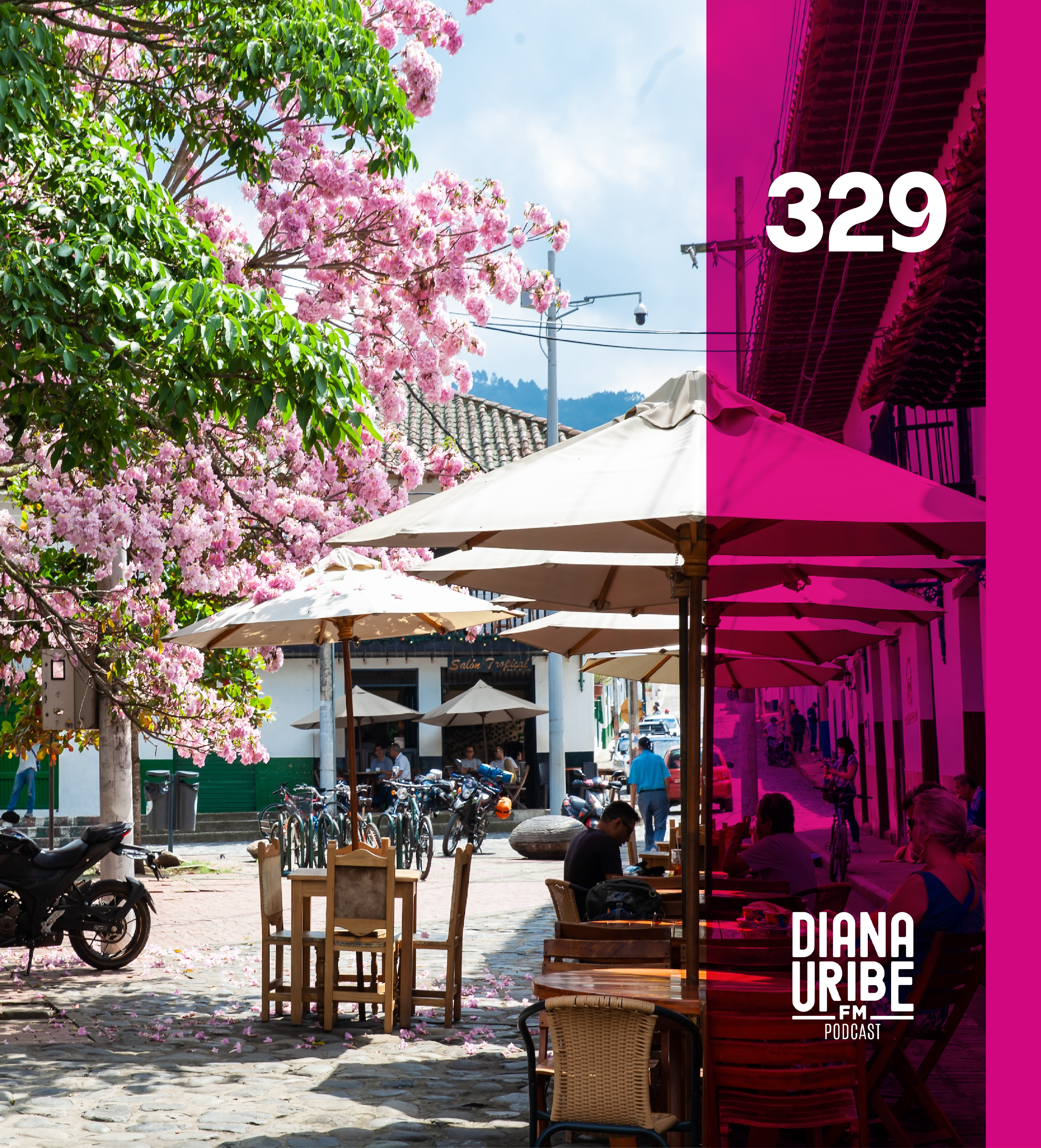
DianaUribe.fm
Pueblos Patrimonio IV: Honda, Villa de Guaduas y Pore
00:54:42
Nuestro cuarto capítulo de la serie Pueblos Patrimonio de Colombia se ocupa de Honda, Villa de Guaduas y Pore, territorios que a pesar de encontrarse separados en su geografía, están unidos por varios elementos importantes. Estos tres pueblos se...
Loading summary
Transcript48 lines
- [00:00]
Jeff
Morning, Zoe got donuts.
- [00:02]
Zoe
¿Jeff Bridges, Why are you still living above our garage?
- [00:05]
Jeff
Well, I dig the mattress and I want to be in a T Mobile commercial like you teach me. So, Dana.
- [00:12]
Narrator Diana Uribe
Oh, no.
- [00:14]
Zoe
I'm not really prepared. I couldn't possibly at t mobile get the new iPhone seventeen pro on them. It's designed to be the most powerful iPhone yet and has the Ultimate Pro Camera System.
- [00:24]
Jeff
Wow. Impressive. Let me try. T Mobile is the best place to get iPhone Seventeen Pro because they've got the best network.
- [00:31]
Zoe
Nice, Jeff.
- [00:32]
Narrator Diana Uribe
Free.
- [00:32]
Jeff
¿You heard them? T mobile is the best place to get the new iPhone Seventeen Pro on us with eligible traded in any condition. ¿So what are we having for lunch?
- [00:42]
Zoe
Dude, My work here is done.
- [00:44]
T-Mobile Commercial Voice
The twenty four monthly build credit is on experience beyond for well qualified customers plus tax and thirty five dollars. Device connection charge credits ended. Balance due if you pay off earlier. Canceled finance agreement. IPhone seventeen pro. Two hundred fifty six gates one thousand. Ninety nine dollars. Ninety nine cents and new line minimum one hundred dollars. Plus a month plan without a paypost. Taxes and fees required Best mobile network in the US based on analysis by Oaklove Speed Test Intelligence data One H twenty. Twenty five.
- [00:59]
AI Agent Commercial Voice
Visit T Mobile Dot Com AI agents are everywhere automating tasks and making decisions at machine speed. But agents make mistakes. Just one rogue agent can do big damage before you even notice. Rubric Agent Cloud is the only platform that helps you monitor agents set guardrails and rewind mistakes so you can unleash agents not risk. Accelerate your AI transformation at Rubric Dot Com.
- [01:31]
Narrator Diana Uribe
Buenas. Bienvenidos a descubrir los pueblos patrimonio de Colombia. El país de la belleza. Porque la belleza está en los detalles. Hoy vamos a hacer un recorrido por tres maravillosos pueblos de Colombia. Estos son particularmente significativos, importantes, arraigados a nuestras más profundas tradiciones históricas. Porque cada uno de ellos fue escenario de varios de los momentos más importantes de nuestra historia. Porque son bellísimos. Son los caminos del Magdalena. Vamos a hablar de Honda, de Guaduas y de Porsche. Estos pueblos están a diferentes altitudes. Eso hace que geográfica e históricamente sean fundamentales en muchas formas de nuestro relato. Porque en la región andina central hay diferentes altitudes, lo que hace que existieran muchísimos cultivos, diversidad de intercambios entre una cantidad de productos, puntos de encuentro. Entonces, aquí se encontraban las culturas indígenas de las tierras altas y de las tierras bajas. En Guaduas era el paso entre los Muiscas y los Panches, entre los pueblos llaneros y andinos, onda en el Magdalena, y la transición entre la cordillera y el valle. Entonces, digamos, para la gente que no está familiarizada con este país, nosotros tenemos tres cordilleras, y esas tres cordilleras que nos atraviesan tienen además un hilo conductor geográfico que atraviesa toda Colombia, que es el río Magdalena. Y el río Magdalena va a determinar nuestra historia, y sigue determinando nuestra historia todavía. Entonces, la posición de este recorrido hace que haya diferentes altitudes, diferentes conexiones entre la cordillera, el llano. Nosotros tenemos las tres cordilleras, que es como se ramifica la cordillera de los Andes cuando llega a Colombia. Pero una vez que terminan las tres cordilleras, en una. En una cosa que nosotros llamamos el pie de monte llanero, se abre una llanura gigantesca, gigantesca, gigantesca, que atraviesa toda Venezuela, una buena parte de Venezuela se conoce como los Llanos Orientales, en Colombia y en Venezuela los Llanos, pero es una sola región enorme que hermana dos países. Entonces, este recorrido enlaza todas estas historias y por eso es tan particular. Y pues está toda la. Todo lo que va a ser el recorrido del Magdalena, y particularmente una cuenca del Magdalena en Honda, es el que produce una forma de pesca y de abundancia que ha hecho que esto desde siempre haya sido un asentamiento muy importante en épocas prehispánicas, porque ahí hay uno rápido y ahí hay una particularidad del río que genera unos fenómenos de pesca enormes, enormes, y de una gran abundancia, sistemáticamente, una vez al año, que conocemos con el nombre de la subienda. Entonces, eso hace que siempre haya habido gente habitando la región y que estas rutas naturales, culturales y antiguas vayan a ser después las rutas que van a tener los españoles cuando empiecen a asentar el imperio en la Nueva Granada. Entonces, son pueblos que fueron fundados durante la colonia, son todos muy antiguos. Muchos de los pueblos patrimonios que hemos visto y veremos fueron fundados durante épocas republicanas, en el siglo XIX, en el proceso de colonización antioqueña, unos, por ejemplo. Pero estos no, estos vienen desde las eras coloniales, son más o menos alrededor de 1500 que se fueron fundando cada uno de ellos. Entonces, son muy antiguos dentro de la antigüedad qué significa el reino de la Nueva Granada dentro de historia hispánica, y muy antiguos en términos prehispánicos. Entonces, por lo tanto, fueron una base importantísima de las rutas comerciales de los virreinatos, fueron cuna de muchos procesos de la independencia, fueron, en el caso de Honda, el punto más importante del Magdalena, porque entre Barranquilla y Honda era que se dio toda la. Como la modernización también de Colombia. Era desde donde se embarcaban para Cartagena y Europa, que llegaban todos por el Magdalena. Guaduas fue el paso entre Bogotá y Honda, por el camino real, o el camino de lo más importante que teníamos en esa é la sal, que era la que determinaba todo nuestro comercio y era un lugar de descanso para los viajeros y los arrieros y los comerciantes. Entonces, todo esto está estratégicamente unido por la historia. Y está la ruta hacia los Llanos Orientales, que va a ser muy importante también durante la época de la independencia. Tiene otro antecedente que para nosotros es súper, súper, súper importante, la Expedición Botánica. Porque la Expedición Botánica fue esta misión especial de empezar a dibujar, a narrar, a comprender, a estudiar las maravillas de nuestro país. Y eso fue tan importante que nos dio suficiente sentido de propia valía, de construcción histórica y de construcción de pueblo, como para poder crear una campaña de independencia como la que hicimos. Digamos, el factor que nos dio la fuerza para poder emprender una campaña de independencia por este territorio, tiene mucho que ver con Expedición Botánica. Entonces ahí estuvo Francisco Javier Matiz, que era Orión Dúo de Guaduas, y es considerado el mejor pintor de flores del mundo. Y esto, donde los pintores de flores son tan impresionantes, es realmente algo muy importante. En Honda uno ve la casa de la Expedición Botánica, pero José Celestino Mutis, por el calor que hay en Onda, es una temperatura fuerte, dijo que él no podía vivir allá en ese calor, y luego la trans trasladó a Mariquita. Pero en Onda hay un capítulo importante. Entonces, eso es una parte. Otra parte tiene que ver con el escenario, con dos escenarios de independencia. Uno es el de los Comuneros, que no fue una rebelión de independencia, pero fue una rebelión muy impresionante que se hizo contra las reformas borbónicas, cuando se le una gran cantidad de impuestos. No solamente fueron reformas que a nivel administrativo fueron muy importantes, a nivel de virreinatos, a nivel de la organización misma del imperio español en América, sino que a nivel de impuestos fueron muy onerosas para, por un lado, financiar las reformas y por otro lado, financiar las guerras en las que estaba constantemente metida España. Esto va a llegar a que en 1781 vaya a haber una rebelión de proporciones enormes en todo el territorio, que se conoce como la rebelión de los Comuneros, porque era una rebelión de la gente del común. Era un momento histórico en que nosotros estábamos desarrollando otro tipo de población, una población que no era ni la población indígena, ni la población española, era una población mestiza, que quedaba, digamos, directamente afectada por este tipo de impuestos. Los criollos también, pero esta población quedaba en una situación de muchísima presión con los impuestos. Esta rebelión tiene, digamos, su epicentro narrativo en la región de Santander, en la región de Socorro y de los Comunes. Pero la rebelión está en todo el territorio y articuló el mundo de Guaduas, de Honda y de Pore. Por ahí pasaron los comuneros. Y también por ahí pasaría otro de los capítulos definitivos en nuestra historia, que es la independencia. Porque lo que es en Pore es donde estuvo la campaña libertadora, en los Llanos Orientales. Y ahí era donde estaban los ejércitos de la campaña libertadora esperando. En 1818 se reunieron todos esperando para empezar la gran campaña de 1819, que nos llevaría a la independencia en toda América Latina, pero también a la independencia de Colombia. Y también Guaduas es el lugar donde está una de las figuras más icónicas de toda Policarpa Salavarrieta, la Pola, que va a ser un personaje de una gran importancia histórica, porque nosotros tuvimos dos, digamos, dos intentos de independencia con España. El primero fue el movimiento de Juntas. Y el movimiento de Juntas fue el nacimiento político de toda América Latina, que se dio en el momento en que Napoleón invade España, la fractura, fractura la corona y queda solamente la Junta de Cádiz. Y a partir de la Junta de Cádiz, entonces, se va a dar, como una réplica política, el movimiento de Juntas por toda la América española, como una manera de ejercer un nacimiento político de todos nosotros. Ese movimiento es un movimiento político y muchos de ellos estarían directamente sobre una independencia total de España, otro sobre otro tipo de trato con España. Ambas cosas no se habían definido todavía y forman parte de lo que es este periodo. Pero más adelante, cuando Napoleón es derrotado, cuando Fernando VII sale de la cárcel, cuando desconoce todo lo que ocurrió en su ausencia, va a intentar, bueno, la restaura en Europa, por un lado, que es volver a poner a todos los reyes que habían sido depuestos durante el proceso de la revolución. Pero luego de eso va a venir un equivalente a lo que se llamó la Restauración en Europa, que se llama la Reconquista, que es cuando los ejércitos españoles vienen a echar por tierra todo el esfuerzo del movimiento de juntas y bañar en sangre el intento de independencia político que se había hecho en esta primera etapa. Cuando eso ocurre, cuando la reconquista, muchísima gente murió en ese momento y ahí es cuando es fusilada Policarpa Salavarrieta, una mujer aguerrida que luchó en toda esta época junto con otro, una generación entera realmente de patriotas y de gente con unas capacidades y posibilidades históricas muy grandes de entendernos y de pensarnos como pueblo, va a ser sacrificada, iba a ser víctima de esta represión. Y entre ese grupo de gente que estaba además Subaraín, Rosa Zárate de Peña, el mismo Francisco José de Caldas, mucha gente de esta primera y brillante generación que a raíz de la Expedición Botánica había creado una idea y una conciencia de propio valía, lo suficiente para plantear todo un proyecto histórico como el que hicimos, van a morir ahí y a ella la van a fusilar. Esta mujer se va a volver un icono en la historia colombiana. Esto va desde el pueblo de Guaduas, que es el pueblo de ella, hasta los billetes. Y en Guaduas todo, digamos, ella es un símbolo importantísimo. Se le conoce con la abreviatura de La Pola, es la forma familiar como llamamos Apolicarpa Salavarieta, pero ya recorre todo el país. Usted ve en Bogotá el monumento de La Pola, se ve en Guaduas, tu todo está dedicado a La Pola. No le digo que está en los billetes de 10.000 está la pola, o sea, es uno de los íconos más importantes. Entonces ella va a formar parte de lo que le da la importancia histórica a Guaduas como tal, como la cuna de La Pola. También en este recorrido nos encontramos con todos los procesos de la cultura criolla, de los procesos de mestizaje, de la presencia rural. Aquí se encuentran muchas formas de Colombia y de lo que el Reino de la Nueva Granada y las integraciones entre toda esta cantidad de pueblos que se van a dar cita histórica en este continente y particularmente en este país, donde el encuentro, digamos, entre las comunidades indígenas milenarias habitando acá, entre el plan de conquista y colonización española como imperio único en toda esta zona en América Latina, y los pueblos africanos que fueron traídos en la deuda histórica terrible y el crimen histórico de la esclavitud, se van a dar cita con otros pueblos europeos, algunos que alcanzaron a llegar en algo que va a formar algo completamente diferente a cada uno de ellos, que se llama el mestizaje. Entonces aquí van a surgir los criollos. Y en todo esto se va a redefinir la historia. Y cada uno de estos tres pueblos patrimonio lo son porque están en la ruta de todos los sucesos históricos más importantes que nos definen a nosotros como pueblos. Por eso, por su importancia histórica y por su bagaje definitivo en los resultados últimos de lo que hoy somos como países que son pueblos patrimonio, son pueblos de una arquitectura bellísima, son pueblos coloniales, son pueblos que revelan el paso de la historia en nuestro país. Y están alrededor de la Magdalena, El río de la Magdalena Del páramo de.
- [16:28]
Singer (Cumbia of Magdalena River)
Las Papas hasta Bocas de Ceniza Del páramo de las Papas hasta Bocas de Cenizas El gran río Magdalena majestuoso se desliza El gran río Magdalena majestuoso se desliza Cruza bañando las calles de Neiva, tierra del Huila Cruza bañando las calles de Neiva, tierra del Huila Pasa por Cundinamarca y baña todo el Tolima Pasa por Cundinamarca y baña todo el Tolima Oye qué linda, oye qué buena cumbia del río Magdalena, como la bailan por sus riberas, sus pueblos y sus veredas.
- [17:20]
Narrator Diana Uribe
El río Magdalena en sí mismo es su protagonista de nuestra historia. Él mismo tiene su propia historia. Hay un personaje que ha dedicado su vida al río Magdalena, que es Waze Davis, que nos ha hablado de mucho y que tiene una tesis que un día le había contado un mamo que el día que se descontamine por completo el río Magdalena existirá una paz en Colombia completamente. Porque dice que nuestro destino está ligado al destino del río de la Magdalena, que el río Magdalena nunca nos ha abandonado, que ha definido nuestro destino, nuestra historia, nuestro pueblo. Entonces se recomienda la lectura del libro El río para estas historias que estamos contando, porque todo, todo tiene que ver con el río de la Magdalena.
- [18:07]
Singer (Cumbia of Magdalena River)
Abraza las tierras bellas de caldenses y antioqueños Abraza las tierras bellas de caldenses y antioqueños Y de Boyacá, su puerto, que tiene ambiente llanero Y de Boyacá, su puerto, que tiene ambiente llanero. En tierra santandereana besaba Rancabermeja En tierra santandereana besaba Rancabermeja.
- [18:41]
AI Agent Commercial Voice
AI Agents are everywhere automating tasks and making decisions at machine speed. But agents make mistakes. Just one rogue agent can do big damage before you even notice. Rubric Agent Cloud is the only platform that helps you monitor. Agents set guardrails and rewind mistakes. So you can unleash Agents Not Rift. Accelerate your AI transformation at rubric dot com. That's R U B dash. R I K dot com.
- [19:12]
LifeLock Commercial Voice
October is cybersecurity awareness month, a reminder that your digital life is always a risk. Every day hackers steal identities, drain bank accounts and open fraudulent accounts. Lifelock is here with tips to help prevent you from becoming a victim. Use strong passwords, set up multifactor authentication on your accounts, report, scan and update the software on your devices And for peace of mind get Lifelock. Lifelock monitors, millions of data points a second for threats to your identity. If your identity is stolen, a Lifelock US based restoration specialist will fix it guaranteed or your money back. Plus Lifelock plans include the million dollar protection package, meaning lifelock will reimburse you to your plan's limits. If you lose money due to identity theft, stay smart, stay safe and stay protected. Get comprehensive identity protection with a thirty day free trial at Lifelock dot com. Use promo code news. That's Lifelock dot com promo code news for thirty days free terms apply.
- [20:11]
Singer (Cumbia of Magdalena River)
Atlántico y Magdalena Y se muere entre Bolívar, Atlántico y Magdalena. Oye qué linda. Oye qué buena cumbia del río Magdalena, como la bailan por sus riberas, sus pueblos y sus veredas.
- [20:31]
Narrator Diana Uribe
Entonces, la ciudad de Honda, vamos a empezar a contar cada una de estas historias. La ciudad de Honda se llama la ciudad de los puentes, porque además el primer puente metálico que se hizo lo hicieron en estas tierras, lo hicieron allá y es uno, digamos, de los grandes orgullos. El primer puente de Sudamérica que lo va a elaborar Josh Strauss, el puente Navarro, el mismo que diseñó el puente de San Francisco. Y esto por acá en Onda, bien abajo en el cañón, conozco de un.
- [21:03]
Poet or Singer
Lugar donde conserva la leyenda de un moán que sale al río Magdalena.
- [21:12]
Un sitio engalanado por los puentes por donde cruzan sus gentes de tierra caliente.
- [21:22]
Es un hermoso valle entre montañas, tiene.
- [21:26]
Ríos que la fallan y un donaire que no encaña. Ciudad de un fino toque colonial, es patrimonio nacional. Cuando usted venga va a alegrarse al ver.
- [21:42]
Narrator Diana Uribe
Es un pueblo patrimonio desde el 2010. Año de fundación 1539 se fundó Honda, tiene 26.144 habitantes, tiene 309 kilómetros cuadrados que en el departamento del Tolima es caliente, una Temperatura promedio de 29 a 30 grados centígrados, caliente. Y es un pueblo que tiene toda clase de atractivos y en este momento tiene un florecimiento cultural impresionante, es un momento en que la ciudad está en un punto, el pueblo está en un punto maravilloso de su historia. Allá se celebra el Carnaval de la Subienda, porque es un fenómeno natural impresionante, de abundancia, de pesca, de cultura, el Festival de la Subienda que es el que siempre la ha dado por conocida, la Semana Santa, las fiestas de San Pedro, el Festival del verano, durante mucho tiempo ha habido el Magdalena Fest y también el festival de los Murales femeninos, o sea, Honda mueve una gran cantidad de movidas, de posibilidades culturales permanentes, porque usted llega a onda, usted no se imagina la ciudad tan bella, las historias tan maravillosas que vas a encontrar ahí, la arquitectura colonial, las casas con letreros todavía en árabe, porque la gran migración que venía del imperio turco otomano, la gran migración árabe va a pasar desde Barranquilla hasta Honda por todo el Magdalena, entonces es muy importante la presencia de los pueblos árabes que se conocerían como turcos, porque venían todos del imperio turco otomano, que van a estar allá. Entonces ella mezcla por un lado la belleza de su arquitectura colonial, pero también por otro lado la garganta del río que tiene una mirada absolutamente impresionante sobre el Cañón del Magdalena, los ecosistemas, los pájaros, los peces, la economía pesquera del río, digamos, todo esto va a hacer que haya una cantidad de festivales gastronómicos, de lechona, de tamal, de viu, de pescado, de cocina ribereña, de platos tradicionales del Magdalena. Ellos dicen que la suya es la mejor, porque también dicen eso los Torres y también dice la gente del Espinal, entonces vamos a verlo, aunque es delicioso porque cada uno lo y cada uno puede tener razón. Entonces ellos tienen los avistamientos de aves, Tiene más de 300 especies que se pueden mirar allá, tiene los avistamientos de monos nocturnos en el bosque seco, tiene el avistamiento de los árboles nativos que son para la gastronomía y para la medicina, tienen senderos que conectan con las montañas a nivel, digamos, natural, a nivel cultural, el patrimonio arquitectónico va a ser muy impresionante, llega a través del Magdalena y se va volviendo un punto de descanso de los viajeros y luego se va volviendo una arquitectura colonial republicana jamaiquina, un punto de encuentro y un eje de desarrollo del país. Y tiene la calle de las Trampas, que es la calle colonial más emblemática porque está recorrida en un diseño de zigzag, esta estructura de zig zag de las calles permitía que la gente espiara sin ser vista, entonces genera una forma acaso caprichosa pero muy bien planeada para poderse defender y da un estilo muy particular de arquitectura, sus calles son únicas, tiene diferentes niveles, la misma ciudad tiene diferentes niveles y fue el puerto más importante fluvial en el Magdalena durante toda la época de la colonia, porque es que en Honda se movió mucha plata, muchísimo dinero por todas sus características esto fue uno de los sitios de mayor riqueza económica. Muchos de los pueblos patrimonios fueron pueblos que vivieron grandes bonanzas, que llegaron a tener épocas de muchísimo esplendor y que tienen en su característica patrimonial la huella de pasados opulentos y grandes. Y también hay una casa de imprenta en Ondas que es bien importante y está el mercado que era uno de sus mercados construidos entre 1917 y 1935 y que anteriormente fue un convento de 148 columnas y tiene tiene una un antiguo cuartel de la Ceiba que fue lo que transformó en el Museo del Río de la Magdalena, que eso sí es una de las cosas que no se pueden perder cuando vaya el Museo del Río Magdalena no es el más grande del mundo, es un museo pequeño, pero es un museo que te cuenta toda la importancia del río en la historia de Colombia y te lo cuenta en los diferentes momentos de su historia, desde las épocas más opulentas hasta las épocas de violencia, también en tiempos pasados y no tan pasados te cuenta la historia de las brujas, también hay una de las leyendas del Mohán que atraviesa toda Colombia, digamos hay una hay una belleza en este museo y todo lo que significaba en ese momento el río Magdalena y los certificados y la papelería de todos los marinos que llegaban allá y los timones y las atarrayas y los grandes mitos y leyendas que están alrededor del río Magdalena. Entonces es muy, muy particular y recomendado esta pequeña joya, este museo bellísimo que queda, el Museo del Río Magdalena. La gastronomía actualmente es una gastronomía muy importante porque se ha venido desarrollando alrededor de la oferta turística cultural, alrededor de la feria del Libro, alrededor de toda la cantidad de actividades culturales y de gente que está visitando Honda, pues se ha desarrollado también una gastronom francamente deliciosa y maravillosa. Es un punto de encuentro y es un punto que cada vez está recibiendo más, más importancia, más miradas, cada vez se descubre más esta joya maravillosa que es Honda, con la cual empezamos nuestros pueblos patrimonios con mucho cariño para la gente de Honda, porque es una belleza, es una belleza llegar allá y estar allá. El otro es la tierra de Policarpa. Seguimos con Guaduas, Villa de Guadu Oh.
- [28:50]
Poet or Singer
Ciudad de los virreyes, la villa que tanto quiero, cuna de mi noble ancestro, el orgullo del Guaduero, Villa de Cundinamarca, pueblo blanco de viajeros, Oh Guaduas de mis amores, vestida de gran leyenda que hasta San Miguel Arcángel se extasió con su belleza, paraíso de esperanza, denle al Pancha y su grandeza es la villa más querida, dama de Cundinamarca, un crisol de los recuerdos de la historia y la llorancia o ciudad de los virreyes, señorial mi noble Guadua.
- [29:48]
Narrator Diana Uribe
Villa de Guaduas, La tierra de Policarpa Salavarrieta es patrimonio desde 2010, fue fundado en 1572, tiene 38.000 habitantes, 760 kilómetros de su cuadrado. Ella queda en Cundinamarca muy al límite, muy al límite entre Cundinamarca y Tolima y a veces es más tolimense que de Cundinamarca porque queda ahí como en el punto de paso.
- [30:20]
Poet or Singer
Madre de nuestra heroína que de amor forjó la historia Policarpa dio su vida para Colombia y su gloria. Sus paisajes son caricias, inspiración de poetas por Salto de Versalles donde el río es una fiesta. Señora de mis amores, dama de Cundinamarca, oh ciudad de los virreyes, señorial mi noble Guado.
- [30:53]
Narrator Diana Uribe
Ella tiene un clima más temperado, más moderado con respecto a Honda, porque el clima de Honda es bastante caliente, el de Guaduas es más temperado, tiene una diferente altura, entonces, entonces uno puede llegar allá para las ferias y las fiestas. En enero es el natalicio de la Pola, en marzo la celebración de la Semana Santa y en julio el baile de las Cintureras, que eran unas muchachas jóvenes que trabajaban allá y que esto es una gran tradición cultura porque ellas trabajan en tejidos, en bordados, en un montón de trabajos y una vez en una determinada festividad hacían unas danzas que eran muy atractivas y muy llamativas y que se van a convertir en una tradición de la ciudad y se celebra la Ronda de la Virgen del Buen Suceso y esto tiene pues ferias comerciales ganaderas, porque en un punto de encuentro de tantos caminos y es la celebración de fin de año Guaduero, que es donde va llegando todo el mundo. ¿Y por qué se llama Guaduas? Porque eso está rodeado de gramíneas, de bambús, que lo hacen absolutamente maravilloso. La guadua en Colombia es bellísima y aquí en particular entonces porque es una planta, es la planta más larga que hay, neotropía, y es el tercer municipio más grande de Cundinamarca. Y esto tiene una cantidad de cascadas, digamos el mismo ecosistema de la guadua tiene cascadas, tiene caminatas, tiene el Salto de Versalles, que son cascadas de 40 metros, tiene los ríos de San Francisco, Guadual y Limonal, tiene las inspiraciones de la leyenda Panche de Cuampo y Calidad, una especie de Romeo y Julieta enamorados que se suicidan juntos para poderse ver en la eternidad. Tiene el mirador de la Piedra Capira, el valle del río de la Magdalena y los nevados del Ruiz, Santa Isabel y Tolima, que son una cosa absolutamente impresionante, ese contraste entre altitudes y clima de los ríos, los valles y los nevados y los miradores que pueden haber hacia allá. Y era camino real durante la colonia y ese camino real unía a Onda con Guaduas. Uno ve allá por ejemplo, las presentaciones de cine al aire libre sobre la plaza. Es un punto también muy importante de la Expedición Botánica que estábamos viendo que pasó por allá y también del movimiento de tropas de la independencia. Y fue pues allá está la casa de los virreyes, que era donde se reunían, era una estancia temporal en los viajeros que venían de la costa, viajes largos hacia Bogotá, que eran por donde pasaban los virreyes del reino de la Nueva Granada que se quedaban allá. Era un camino real y era un camino de sal entre Honda, Santa Fe de Bogotá. Y eso era muy importante pues porque la sal determinaba, siempre determinó una parte muy importante de nuestra historia. Eran caminos de radio y era la Plaza de la Constitución, la plaza principal de Guadas. Están las rutas comerciales de la época del virreinato que tienen 155 kilómetros de distancia unas de otras. Estaba la Real Audiencia, digamos las encomendadas que iban hacia la Real Audiencia de Santa Fe, que eran de Alfonso de Olalla y Hernando de Alcocer. Y se construía para poder emplear animales y para hacer los transportes de los productos que se redujeran en 20 días. Era un atajo de muchos caminos y era la ruta por donde pasaba la Expedición botánica. Entonces el 14 de noviembre, con todo lo que les he contado de La Pola, se celebra una cosa muy importante, es la celebración del día de la mujer colombiana por La Pola, es el reconocimiento a las mujeres de todo el país con la orden de Policarpa Salavarrieta por ser una heroína tan importante durante la independencia. Las mujeres durante la independencia podían ejercer un trabajo de espionaje súper importante, que fue lo que hizo también Manuelita Sáenz, Rosita Campuzano, todas estas mujeres que estuvieron metidas en el proceso de independencia. Ella era mensajera, ella era informante para las tropas patriotas, ella era la que ayudaba a reclutarlas, ella aprovechaba su posición como costurera en las casas españolas para poder entender, escuchar la información y transmitirla y contarles a las tropas cuáles eran los movimientos militares y cuáles eran la movida y lo que estaban pensando en ese momento los españoles, lo que generaba la posibilidad de hacer la gran conspiración de la independencia. A ella la arrestan en 1817 las autoridades españolas porque descubrieron que ella le estaba informando a los patriotas que estaban existiendo en el llano. Y a ella la van a detener con todos sus amigos, también con Juan Suaravín y todos ellos le van a hacer un juicio y la van a ejecutar y la van a condenar a muerte por traición. Y el 14 de noviembre de 1817 la fusilaron en la Plaza Mayor de Bogotá a los 22 años. Esta mujer que era costurera y su ejecución se hizo como parte de esta época tan terrible que fue la reconquista, para hacer una especie de escarmiento a cualquiera que estuviera trabajando en el logro de las ideas de la independencia. Y ella se convirtió en el símbolo de la libertad, de la resistencia, del coraje y eso hizo que todo el pueblo esté alrededor de ella. La figura central que se va dando.
- [37:07]
Poet or Singer
Allá, cuentan que fue una al anochecer que entre las pesan y habla se vio correr y siempre la acompañaba un sueño desde su alma de acabar algún día al ejército realista. Espiar a los enemigos fue su deber y al ejército patriota fortalecer La sangre cubre la patria, la muerte ya desembarca, viene a la reconquista del ejército realista.
- [37:51]
Narrator Diana Uribe
Y aquí digamos, aparte de ella y con la idea de las mujeres que atendían a los viajeros y que corrían los caminos reales. Está también la historia de las cintureras, que son las mujeres que hacen los envueltos, las chiras. La chira es una harina, eso es particular de allá y es uno de los sabores más deliciosos. Y hay amasijos, bizcocherías, hay bebidas de maíz, hay guarapo, fiambres, guadueros. Cada uno de estos lugares es destino gastronómico y hay cantidades de cosas maravillosas. Y ahí hay técnicas que combinan la antigua cocina indígena, la cocina española y que se produce el hojaldre. Y es un lugar muy bonito, con una arquitectura colonial muy hermosa, con lugares como donde se reunían los virreyes que dan una instancia muy bella y muy apacible.
- [38:41]
Poet or Singer
El frío de alguna tarde llevó el destán un sargento a nuestra diosa fue a detener. Han capturado a Viviano Queriendo llegar al llano siembra más injusticia a ejército realista. Amando a su gran Alejo Sabara Policarpa dobló su cuerpo para morir maldijo a la sucia España En sus últimas palabras Policarpa, mujer del pueblo, mujer de lucha y tranquilidad en tus manos se encendió el fuego como una ruta de libertad Coraje su firme aliento para la tropa que va a pelear en la montaña aún lleno sus vidas van a entregar. Policarpa, mujer del pueblo.
- [39:46]
Narrator Diana Uribe
Y por último, el último pueblo que vamos a tratar en este capítulo queda un poquito más lejos de nuestro relato en términos geográficos, pero también muy importante en términos de la ruta. Es clave durante la época de la independencia. Se llama Por una herencia encantadora. Este es el último de los que. Uno de los últimos que nombraron patrimonio, porque lo fue desde el 2021. Año de fundación 1644. Tiene 12.000 habitantes y 786 kilómetros cuadrados. Queda en el Casanare. El llano es uno solo, pero lo llamamos de dos maneras. Hay unos que son los llanos de San Martín que quedan en el departamento del Meta y hay otros que son los llanos del caso. Eso también es caliente, promedio de temperatura 27 grados, pero se puede calentar más. Se llama así por San José de Pori, que es en el patrón. Y allá hay unas celebraciones increíbles, la celebración del mango, la celebración del día del campesino, que también en todo el país se da. También está la fiesta de la Cuna de la Libertad, la fiesta de la fundación de Pore la feria del emprendimiento de las familias que inspiran el día de la llaneridad. La cultura llanera es una cultura muy particular, es una cultura ganadera, es una cultura de grandes de grandes extensiones de vaquería, de cantos y de arpas. La sonoridad de la cultura llanera, la música llanera es una de las más bellas del mundo. Esa manera como ellos recitan de forma infinita su mirada hacia una llanura que se extiende hasta dónde va toda la posibilidad del horizonte.
- [42:17]
Poet or Singer
Cuando estoy pensando en ti todo en la vida se acaba Le pregunto a los luceros y en vez de ellos me contesta la nostalgia que por qué motivo lloro, que se olvida, hay que olvidarla Que la predestinación es la ilusión que se alcanza o no se alcanza. Que en la vida no hay destino, que uno mismo es quien lo labra. Se presentan mil caminos y hay que saber cuál es el que uno se traza. Tú escogiste el del vino, yo escogí el de la esperanza y el que quiere ser mejor hasta derriba montañas. Yo que pinté tu hermosura sobre la nube más alta y que bajé las estrellas que iluminaron tu cara despejé los nubarrones de la lluvia cuando pasa para que el sol mañanero alumbrara en tu ventana. Cuando verás que el amor siempre fui yo quien te amó, te amará y te ama que mi cariño es el mismo y aunque te encuentres casada mis brazos están abiertos esperando tu llegada. ¿No ves que mi corazón solitario no se amaña y mis pies están cansados? ¿Por qué no ayudas a cortar la distancia? Lo que te quiero decir es que regreses mañana porque si tú no regresas mi pobre vida se acaba.
- [43:44]
Narrator Diana Uribe
El día de la llaneridad es muy importante porque esto ya es llano, llano adentro y el llano genera otra forma de habitar el universo, entender el mundo, entender el universo mítico, entender las vastas llanuras y porque va a ser muy importante esto durante durante la época de la colonia y luego la independencia. Lo fundaron en 1644 Adriano Vargas y Francisco Enciso y se volvió un tesoro colonial en la mitad del gran y hermoso departamento del Casanare que tiene lo suyo, o sea el Casanare es un destino en sí mismo, tiene una cantidad de pueblos absolutamente maravillosos. Los recorridos por las carreteras del Casanare por el llamado son increíbles y en 1818 esto llegó a ser capital de la provincia de la Nueva Granada por 48 horas. Pero eso sigue siendo un imaginario importante para los poreños, porque la provincia de la Nueva Granada pues era grande. Nosotros nunca fuimos tan importantes como el Virreinato de la Nueva España o como el Virreinato del Perú, éramos los otros virreinatos, digo, los otros virreinatos éramos nosotros, el Virreinato del Río de la Plata, pero pues dentro de nuestra historia para nosotros era muy importante, éramos el Virreinato de la Nueva Granada. Y allá es donde se van a encontrar en plena época de independencia, como les digo, después de la reconquista, después de este baño de sangre que hubo, después del movimiento de juntas, entonces hay que volver a ponerse de acuerdo para una campaña de independencia que va a ser continental. Porque queda claro que ninguno de nosotros hubiéramos podido lograr esa independencia del imperio español solos. Era algo que no se podía pues lo intentaron al principio en Twitibay, en Suquisaca, en Bolivia, muy cerca en el Alto Perú lo intentaron en la rebelión quiteña, lo intentaron, pero ninguno de ellos, sobre todo entre más cerca quedaran de Luz Lima, más pequeñas posibilidades tendrían de éxito. Entonces de pronto se esto tiene que ser un esfuerzo continental, lo tenemos que hacer todos. Y eso, el hacer este proyecto histórico de independencia nos hermanó, hizo que nosotros seamos una cultura que tiene tantos rasgos comunes y más adelante cuando tomemos la decisión de tener el español como idioma, la religión católica, como la religión digamos oficial de América Latina, porque era la colonización española, fue una colonización misionera. Entonces aquí cuando ya se toma la decisión histórica de resolver esto a través de batallas y de sacar a los españoles en últimas de Lima, que era lo que decía San Martín, mientras hay españoles en Lima, esto no ha terminado, por eso la última batalla va a llegar allá. Entonces hay una secuencia de batallas que realmente se entienden si se ven a escala continental. Lo que pasa es que cada una de esas batallas van a dar origen a un estado nacional que va a tomar el nombre de esa batalla como una definición histórica. Pero esto se tiene que entender es en conjunto, porque en conjunto fue. Entonces dentro de este gran proyecto histórico del nacimiento de un continente de lo que sería América Latina, por fue el punto donde se van a encontrar las tropas de Santander y de Bolívar para lo que va a ser la batalla Boyacá y la batalla de Boyacá en la historia de Colombia, la batalla definitiva de la independencia. Ya le digo, todo esto se ve a gran escala, que uno pueda ver Pichincha, Bomboná, Carabobo, Boyacá, hasta llegar a Junín en el Perú. Pero en la parte que corresponde a Colombia, donde se van a encontrar para la gran batalla es en Pore. Entonces eso lo hace, digamos, un escenario muy importante dentro de la ruta de la independencia. Y en 1818 se funda la declaración de Pore que da la vía libre al Estado Libre y soberano del Casanare. Casanare es totalmente protagónico en nuestra historia de independencia. Y ahí Santander obedeció órdenes de Venezuela y organizó el ejército de los Llanos y los guías del cazador, que va a ser importantísimo en el resultado de la batalla de Boyacá. Esta historia de toda la ruta independentista, de las guardias, de toda la cantidad de tropas que estaban aguardando en pobre, de las decisiones entre Bolívar y San Martín, le dan a Pore su carácter heroico y le dan a por su fundamento dentro de la gran historia de la independencia. Pues esto va a llevar a la batalla de Boyacá y la batalla de Boyacá va a llevar a la independencia de esta parte del país. Entonces todo esto queda, hay unas ruinas de por con restos de las iglesias, de los campanarios, de las murallas, de la antigua cárcel colonial que se puede abrir, que se puede ver. Y el casco urbano tiene un trazado español clásico. Acuérdense que nosotros teníamos. Todas nuestras ciudades se van a fundar de acuerdo con un manual de fundaciones de ciudades de India que tenían en esa época en España, que era el damero, el cuadrado con la plaza y la alcaldía enfrente. Y entonces, pues esto tiene el trazado clásico. Entonces la plaza central, las calles empedradas, las casonas de tejas rojas, las ruinas de la antigua iglesia, las murallas que protegían el poblado y las piezas vivas que quedan ahí para dar testimonio de toda la historia que había ahí. Y esto genera por un lado la cultura llanera, que es preponderante y poderosa, y Libertad Libre es una cultura indómita, una cultura que tiene su propia narrativa dentro de la narrativa de Colombia. Allá también está el canto del trabajo del llano, de una música que les digo que es absolutamente impresionante. La banda sonora del llano y de Pore es muy especial.
- [50:19]
Poet or Singer
Y la novillo por la loma, el cabestrero, Póngale amor al camino y olvide su comedero, Ay, oí.
- [50:48]
Narrator Diana Uribe
El canto del trabajo del Llano fue reconocido como Patrimonio inmaterial de la humanidad y es uno de sus mayores orgullos. Hay ferias folclóricas, hay muestras artesanales de todas estas tradiciones que están vivas allá. Hay una fortaleza del trabajo de la tierra y de las mujeres llaneras y hay una la Casa Museo Antaño Llanero, que es un homenaje a todo esto, a la vida tradicional de los llaneros. Y está la reserva del cerro Samairicote con 8.600 hectáreas, que es un pulmón enorme y que ahí hay toda clase de fauna, allá hay tigrillos, ahí hay venados, hay toda clase de aves. Ahí está, digamos, por un lado toda la concentración histórica de las grandes batallas que se dieron allá, pero también esta fauna maravillosa. ¿Por qué hacemos eso? Digámoslo de la independencia, porque es que la independencia es un relato fundacional en la historia de América Latina y en la historia de Colombia, porque es a partir de ahí que empezamos a tener una vida republicana y que nos vamos a independizar del imperio español. Por eso por es tan importante en este relato. Ahí está, es donde se encuentran las vertientes del río Meta, la cuenca del río Pauto y ahí es donde hay toda una economía ganadera y esto es un lugar muy importante a nivel de la agricultura porque es muy fértil y está el plátano, la yuca, los cultivos de arroz, ya no es la despensa de Colombia, allá es donde se genera la mayor cantidad de comida. Y esto tiene una vida y una forma. La gente se levanta a las 4 de la mañana, se va para la sabana, atraviesa esos grandes y tiene toda una memoria. El Dr. Luis María Bastidas es historiador y poeta y él se dedica a recuperar la memoria de por toda la fuerza de lo que significa el carácter de su gente y se pore, es una ventana abierta a un pasado glorioso con todo su patrimonio arquitectónico y con todas sus visitas. Es muy importante el baile sobre el joropo y eso no tiene parangón en la vida, o sea, el joropo es una cosa impresionante. Están las cabalgatas, está el joropo, están las ruinas que les cuento que están por allá. Está la gastronomía, está lo que llaman la mamona, que es una ternera a la llanera, que es un plato delicioso de allá. Y es una manera de viajar en el tiempo porque es un pueblo muy tranquilo, muy especial. Es como si uno se hubiera bajado en el túnel del tiempo y hubiera quedado como en una instancia que se abriera donde uno no se imagina que va a pasar todo esto, que es cuando uno va por y es la puerta que nos invita a la inmensidad del llano. Y la inmensidad del llano es de verdad una cosa gigantesca, como muchísimas cosas en este país y es un punto de raíz, un punto de relato, un punto de encuentro con las raíces históricas y narrativas y naturales y poderosas de lo que es Colombia. Con esto recorremos estos pueblos patrimonio que son bellísimos y que nos traen un destino histórico común, poderoso y manifiesto de nuestro relato de lo que hoy es país. Esto es muy importante porque los relatos de país deben recogerse también de todas las vertientes y las cuencas de la historia patrimonial y viva para que nosotros nos reconozcamos en referentes que son poderosos y grandes y que constituyen una manera de identificarnos en todos estos relatos distinta a los relatos bélicos, a los relatos, digamos, que a veces nos inundan y no nos permiten ver esto, estos pueblos, esta col, esta manera de encontrarnos en estos climas, en estas tradiciones, en estas gastronomías y eso es parte de lo que hacen estos relatos tan importantes y tan esclarecedores en nuestro concepto de nosotros mismos como pueblos patrimonios donde tenemos historias increíbles, fantásticas y maravillosas que narrar acerca de nuestro pasado y de nuestro presente. Entonces, desde los espacios de la garganta del Gran Río, de la Magdalena, del esplendor de Honda, de la belleza de Guaduas, del personaje de la Pola, de las épocas gloriosas en las que el Magdalena determinaba nuestra historia, de la gesta libertadora de Pore, de la expedición Botánica, del tiempo colonial, de los enlaces entre todos los diferentes pueblos indígenas que dieron a esta ruta un valor cultural, histórico, comercial, milenario y antiguo en el tiempo, en la narración de Ana Uribe, para ustedes feliz día, cualquier día que se sea. Agradecemos con mucho cariño y muy particularmente en Guaduas a Joana Montenegro, en Onda a Nadia Paola Dávila, en Pore a Mónica Inocencio y a Luis María Bastidas en memoria a quien dedicamos este relato que formaba parte de nuestras historias y muere durante el proceso. Entonces inmemoriam para él, con un agradecimiento a toda la gente que con tanto cariño y con tanto amor nos expone las bellezas de estos pueblos maravillosos que estamos narrando en esta serie, queremos invitarlos a que viajen por Colombia, el país de la belleza, Descubran los Pueblos Patrimonios, porque la belleza está en los detalles. Este episodio fue posible gracias al Ministerio de Comercio, Industria y Turismo, FONTUR, Red Turística de Pueblos Patrimonios, fue grabado en Los Gatos Estudios y fue posible gracias al equipo de dianauribe FM, que está integrado por Diana Uribe, Diana Suárez, Milena Beltrán y la edición y musicalización de Eduardo Corredor Fonseca. En la investigación, Arturo Jiménez, Elvira Moreno y Daniel Mesa.
- [57:47]
Jeff
¿Morning, Zoe got donuts?
- [57:49]
Zoe
Jeff Bridges. ¿Why are you still living above our garage?
- [57:52]
Jeff
Well, I dig the mattress and I want to be in a T Mobile commercial like you. Teach me, Saldana.
- [57:59]
Zoe
Oh, no, I'm not really prepared. I couldn't possibly at T Mobile get the new iPhone Seventeen Pro on them. It's designed to be the most powerful iPhone yet and has the Ultimate Pro camera system.
- [58:11]
AI Agent Commercial Voice
Wow.
- [58:11]
Jeff
Impressive. Let me try. T Mobile is the best place to get iPhone Seventeen Pro because they've got the best network.
- [58:18]
Zoe
¿Nice, Jeffrey, you heard them?
- [58:20]
Jeff
T mobile is the best place to get the new iPhone Seventeen Seventeen Pro on us with eligible traded in any condition. So what are we having for lunch.
- [58:29]
Zoe
Dude, My work here is done.
- [58:31]
T-Mobile Commercial Voice
Twenty four monthly bill credit is on experience beyond for well qualified customers plus tax and thirty five dollars. Device connection charge credit send it balance due if you pay off for lear cancel finance agreement iPhone Seventeen pro two hundred fifty six gigs, one thousand, nine hundred, ninety nine dollars, ninety nine cents and new line minimum one hundred. Plus a month plan with auto pay for taxes and fees required best mobile network in the US based on analysis by Oklahoma speed test intelligence data one H twenty twenty five. Visit T mobile.
- [58:47]
AI Agent Commercial Voice
Dot com AI agents are everywhere automating tasks and making decisions at machine speed. But agents make mistakes. Just one rogue agent can do big damage before you even notice. Rubric Agent Cloud is the only platform that helps you monitor agents set guardrails and rewind mistakes so you can unleash agents, not risk accelerate your AI transformation at Rubric Dot Com. That's R U B R I K. Dot Com.