Podcast
Digital Ag Expert Connections
Hosted by Climate FieldView · EN
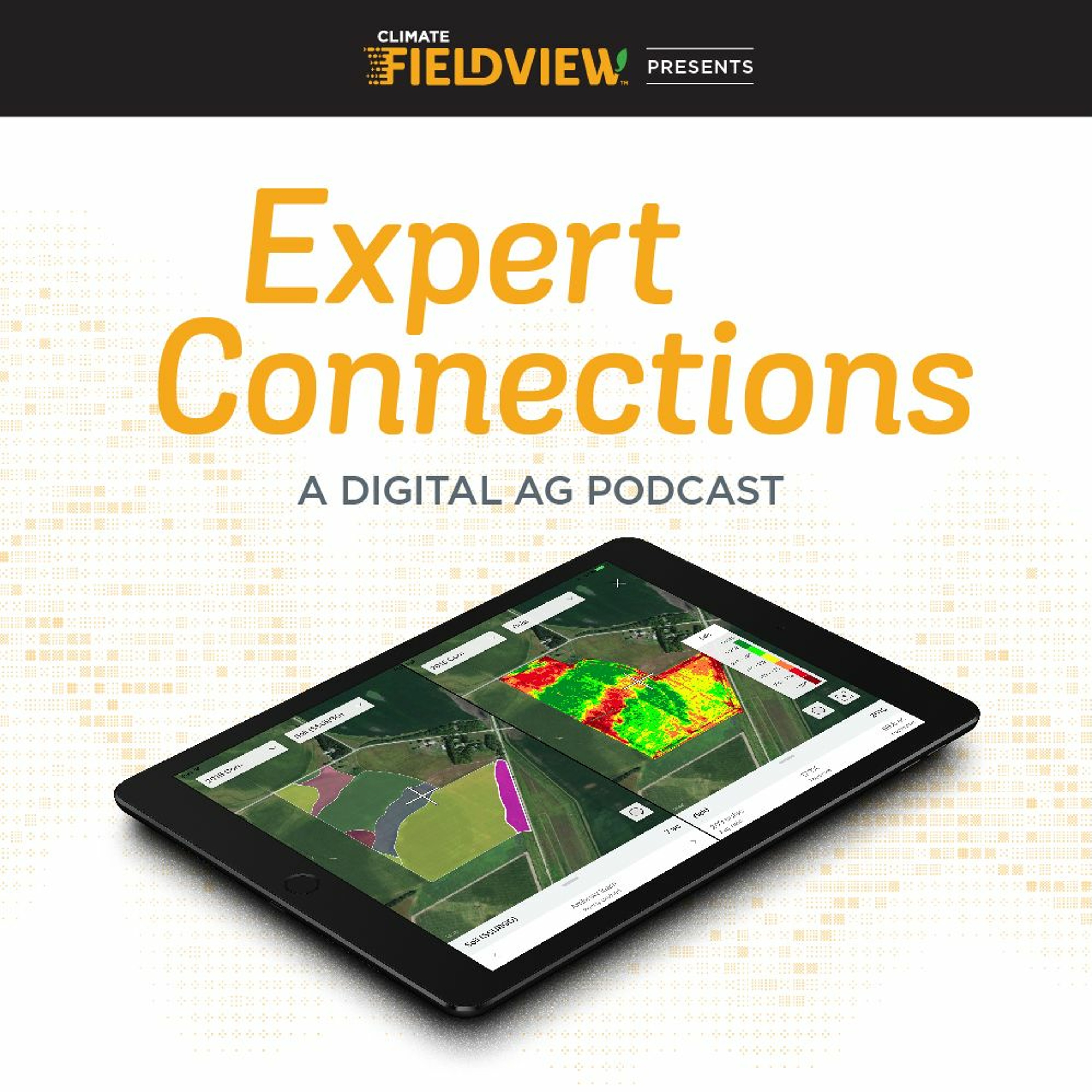
Welcome to Expert Connections, a digital ag podcast. In this series, we’re digging deeper into the technology and innovations that are helping farmers make better decisions throughout the season. Join host Meghan Grebner as she talks to industry leaders about the impact and future of digital agriculture.
To learn more, contact your Climate FieldView™ dealer or visit Climate.com.
10episodes
Episodes
Newest firstAll episodes
Analyzing Rainfall On Each Field With Jeff Massey
Sep 19, 201800:08:13Tap to summarizeHarvest is underway and rainfall can significantly impact which fields are ready for the combine. The Climate Corporation's leading weather expert, Jeff Massey, sat down with us to discuss his team’s emerging research on rainfall. By providing a more data-driven understanding of weather patterns, growers can make more informed decisions throughout the seasons.
Transcribe →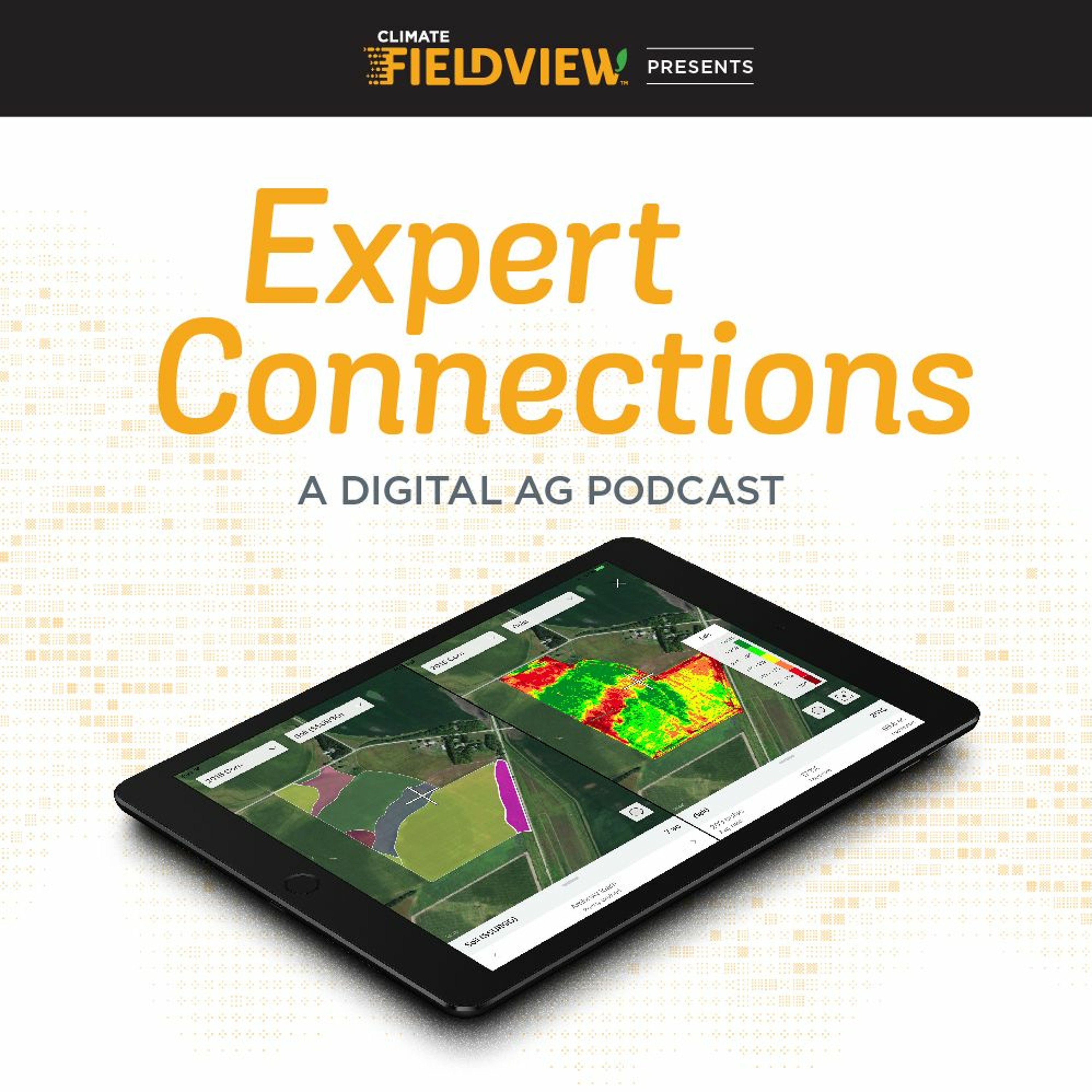
How Machine Learning Is Changing Seed Selection
Aug 28, 201800:12:22Tap to summarizeSelecting the right hybrid can feel more like art than science. With all the factors to consider, growers are often forced to make these critical decisions with limited data. Placement Science Lead for The Climate Corporation, Tonya Ehlmann, shared what’s ahead in predictive technology and how these innovation in machine learning will make seed section and placement more sophisticated and data-driven.
Transcribe →
The New Precision of In-Season Scouting with Bret Sitzmann
Aug 22, 201800:09:42Tap to summarizeSpotting issues early and protecting yield are always top of mind when approaching harvest. But how do you manage in-season threats in the face of volatile weather patterns, spreading disease and insect pressure? Bret Sitzmann, Director of Product Marketing at the Climate Corporation explains how Climate FieldView™ can help you optimize your inputs by making in-season scouting more efficient.
Transcribe →
How Remote Sensing Connects To Field Health With Keely Roth
May 2, 201800:09:25Tap to summarizeEarly detection is an essential aspect of field health. But even the most experienced crop scout can only be in one place at a time. Remote sensing expert Keely Roth shares how advances in image analysis can provide farmers with both a broader and more detailed perspective of their fields. Learn how Climate FieldView™ is making crop scouting, monitoring vegetative growth and other areas of field health more detailed and efficient.
Transcribe →
Start Your Planting Season on the Right Foot with Luke Samuel
Apr 2, 201800:09:27Tap to summarizeWith crop production margins seeming to narrow year after year, farmers are looking for more opportunities to help them maximize profitability. On this episode, Commercial Product Director for The Climate Corporation Luke Samuel talks about how Climate FieldView™ can help farmers dig into their data to build a planting plan that optimizes the variability in their fields. To find out how FieldView™ can help start your season off right, review their planting checklist at support.climate.com.
Transcribe →
Expanding FieldView™ Compatibility with Cory Spaetti
Mar 16, 201800:09:44Tap to summarizeNo matter how valuable a new innovation might be, if it isn’t compatible with your equipment, it doesn’t do you much good. On this episode, Cory Spaetti, Senior Product Manager of Equipment Compatibility for The Climate Corporation, details the efforts to expand compatibility for the FieldView™ Drive. To find out more about compatible equipment, visit climate.com/support.
Transcribe →
Setting the Standard for Service with Jeff Hamlin
Mar 7, 201800:17:29Tap to summarizeFrom webinars to support hotlines, The Climate Corporation continues to lead the industry when it comes to assisting farmers in this new digital age. On this episode, Jeff Hamlin, the Director of Learning and Development at The Climate Corporation discusses webinars and other ways the company is helping farmers stay informed and up-to-date on the latest improvements to their digital ag platform, Climate FieldView™.
Transcribe →
The Advantages of Advanced Seed Scripting with Susan MacIsaac
Feb 8, 201800:10:16Tap to summarizeDetermining the optimal seeding density is among the most important decisions a farmer can make this time of year. In every field, there are consistently low and high yielding areas. How farmers manage those zones can drastically impact profitability. In 2017, farmers using advanced seed scripting in Climate FieldView™ saw an average increase of 5 bu/ac compared to users who wrote their own scripts*. On this episode, Susan MacIsaac, Discovery Science Lead for The Climate Corporation, talks about how this tool can turn variability into an opportunity. *Assumptions: Comparing 281,000 ac in 4,179 fields More than 25% of field had script Products maturity ranges between 95-115 range Limiting comparisons to the same county; represents 79 counties 10 Midwest states Minimum of 3 Advanced & DIY Seed scripts in a county to be compared
Transcribe →
The Importance of Research Partnerships with Frank Dohleman
Jan 16, 201800:07:05Tap to summarizeResearch partnerships, both private and public, are a crucial component to help farmers sustainably maximize their productivity. On this episode, Frank Dohleman of The Climate Corporation explains how these partnerships drive innovation and improve the science behind digital agriculture tools like Climate FieldView.
Transcribe →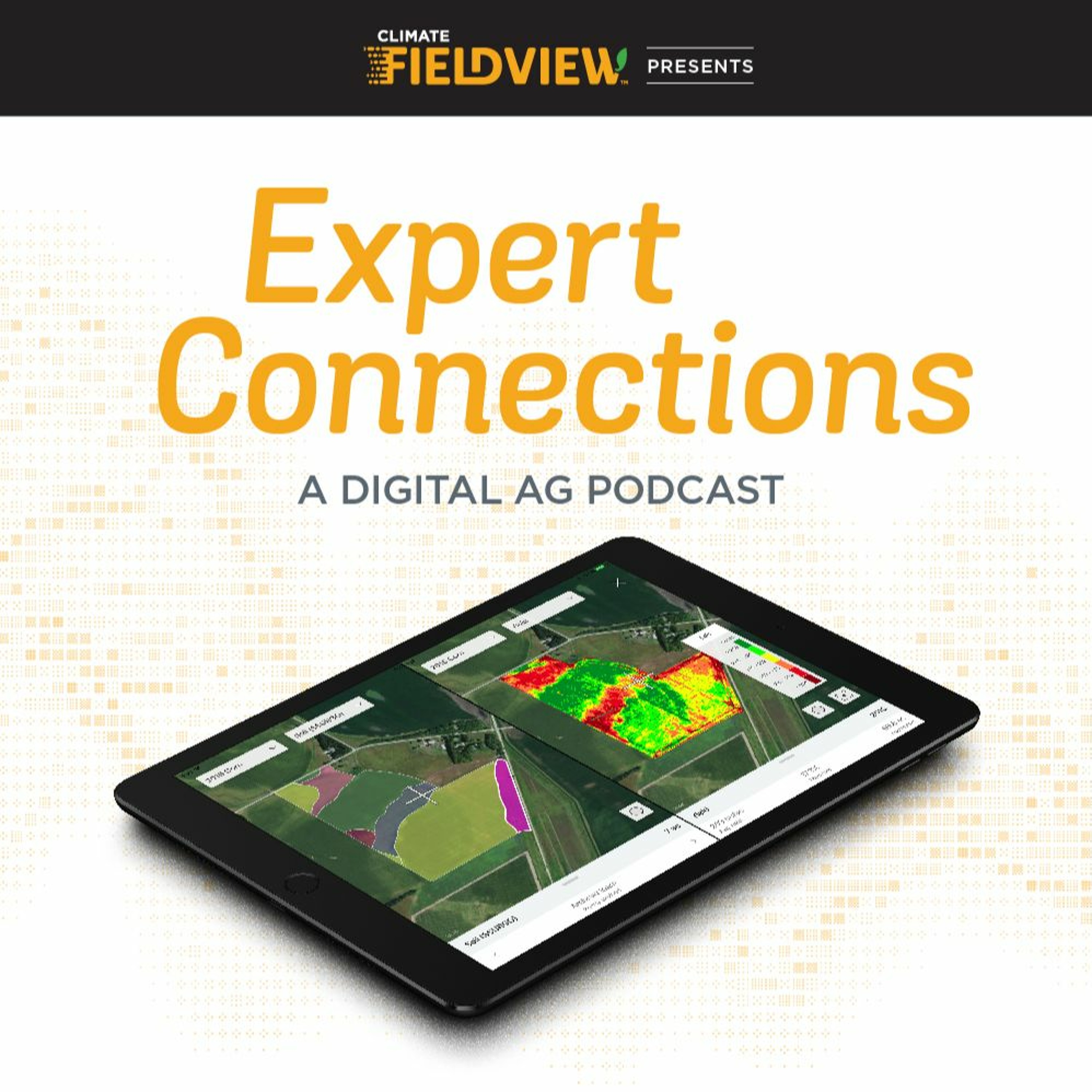
The Impacts of Winter Weather with Jeff Massey
Jan 10, 201800:07:31Tap to summarizeThis winter, consistent northerly winds from Canada and the Arctic have caused record low temperatures across the midwest. Combined with a lack of insulating snow, this kind of cold weather can damage winter crops and challenge livestock producers. On this episode, Atmospheric Science Technical Lead Jeff Massey from The Climate Corporation helps explain the positive and negative impacts of this kind of unseasonable weather and what to expect in the coming months.
Transcribe →