
Podcast
Digital Dialogue
Hosted by Institute for Digital Transformation · EN
Digital Dialogue Podcast: Leading the Conversation in Digital Transformation
🎙️ 𝗘𝗻𝗴𝗮𝗴𝗲. 𝗟𝗲𝗮𝗿𝗻. 𝗧𝗿𝗮𝗻𝘀𝗳𝗼𝗿𝗺.
Join us most Tuesdays at noon ET for Digital Dialogue, the go-to podcast for insights into the evolving world of Digital Transformation. Hosted by the Institute for Digital Transformation, this LinkedIn Live series brings you expert perspectives, actionable strategies, and interactive discussions.
https://www.institutefordigitaltransformation.org/
🌐 𝗪𝗵𝗮𝘁 𝗠𝗮𝗸𝗲𝘀 𝗗𝗶𝗴𝗶𝘁𝗮𝗹 𝗗𝗶𝗮𝗹𝗼𝗴𝘂𝗲 𝗨𝗻𝗶𝗾𝘂𝗲?
Every episode features industry leaders and transformation experts addressing the hottest trends, biggest challenges, and most innovative solutions impacting businesses today. Whether you're a seasoned leader or just beginning your transformation journey, you'll gain valuable insights tailored to your needs.
💬 𝗬𝗼𝘂𝗿 𝗩𝗼𝗶𝗰𝗲 𝗠𝗮𝘁𝘁𝗲𝗿𝘀
More than just a podcast, Digital Dialogue invites you to be part of the conversation. During live sessions, post your questions, share your thoughts, and connect with experts and fellow viewers in real time.
🎥 Missed an Episode? No Problem!
All past episodes are available on the Institute for Digital Transformation’s YouTube channel and your favorite podcast network.
📅 New episodes are available most Tuesdays at noon ET on LinkedIn
🔗 𝗥𝗲𝗴𝗶𝘀𝘁𝗲𝗿 𝗻𝗼𝘄! Explore and sign up for upcoming episodes on the Institute’s LinkedIn Event page.
https://www.linkedin.com/company/institute-for-digital-transformation/events
Stay ahead of the curve with Digital Dialogue—the premier destination for insights, innovation, and the future of digital business.
Part of the Digital Transformation Broadcast Network. https://DigitalTransform.tv/
5episodes
Episodes
Newest firstAll episodes

The Role of Service Management in Digital Transformation
Apr 29, 202500:33:28Tap to summarizeThe Role of Service Management in Digital Transformation (S1 -E5 )𝗛𝗼𝘀𝘁:Roy Atkinson 𝗚𝘂𝗲𝘀𝘁𝘀:Patti Blackstaffe Ken Gonzalez Greg Sanker 🔑 𝗞𝗲𝘆 𝗜𝗻𝘀𝗶𝗴𝗵𝘁𝘀This episode explored the pivotal role of service management in driving digital transformation across modern organizations. The discussion highlighted how service management extends far beyond IT to influence governance, culture, and business outcomes. Thought leaders shared practical guidance and real-world examples of aligning strategy, governance, and technology to achieve lasting transformation. The session provided actionable insights for leaders seeking to future-proof their organizations and maximize their digital transformation efforts.🔑 𝗞𝗲𝘆 𝗜𝗻𝘀𝗶𝗴𝗵𝘁𝘀🔗 Governance as an Enabler: Effective governance was emphasized not as rigid control but as a framework that aligns policies, procedures, and knowledge with organizational goals. Instead of limiting autonomy, good governance enables teams to act decisively and deliver value.🎯 Starting Where You Are: The conversation reinforced the importance of leveraging existing strengths and tools rather than discarding them during transformation. Starting from the current state enables organizations to adapt essential practices for new challenges instead of reinventing the wheel.🤝 Business Outcomes First: A recurring theme was the necessity to center service management and digital transformation around customer and business outcomes. Attendees learned why understanding who you serve and what they value leads to more impactful and sustainable change than a narrow focus on technologies or process maturity.🧑🤝🧑 People and Culture Matter: The panel reminded viewers that technology alone does not drive transformation. Culture, empathy, and collaboration are essential components for enabling individuals to embrace new ways of working and adapting to rapid change.⚖️ Transformation vs. Modernization: The distinction between incremental improvement and true transformation was made clear. While technology upgrades may be necessary, genuine transformation is about a fundamental shift in how an organization operates and delivers value—not simply implementing new tools.💃 𝗙𝘂𝗻 𝗙𝗮𝗰𝘁: 🕺Roy, Greg, and Ken are “recovering musicians.” Roy highlighted that successful governance in organizations can be compared to making music: creativity thrives within constraints, much like musicians work within scales and time signatures.🔮 𝗘𝘅𝗽𝗲𝗿𝘁 𝗔𝗱𝘃𝗶𝗰𝗲🧑🤝🧑 Patti emphasized that transformation required a focus on relationships and broad enterprise collaboration, highlighting that service management extended across departments like HR and facilities, not just IT. She advised organizations to rethink governance as a way to empower autonomy while aligning to business outcomes, rather than viewing it solely as compliance or control.💡 Greg stated that successful transformation hinged on integrating the organization’s vision with day-to-day execution, stressing that governance should enable adaptability and agility rather than create rigidity. He recommended leaders actively listen to stakeholders and focus on measuring what mattered most for the business, instead of just chasing process maturity.📈 Ken suggested beginning transformation efforts by clearly identifying customers, understanding their needs, and assessing their satisfaction with existing services. He cautioned against over-focusing on maturity levels and technology, instead encouraging organizations to let customer value drive change initiatives.🎙️ Roy summarized that technology acted as an enabler or "force multiplier," but was not the heart of transformation; he urged viewers to start with business outcomes and people rather than tools. He concluded by highlighting the critical role of organizational culture and support for change, noting that successful transformation demanded putting people and processes first.👀 𝗪𝗮𝘁𝗰𝗵 𝘁𝗵𝗲 𝗥𝗲𝗽𝗹𝗮𝘆!Catch the replay to discover more behind-the-scenes stories, critical shifts in digital business thinking, and pragmatic advice that can reshape your perspective on digital transformation. #DigitalTransformation #ServiceManagement #ITGovernance #BusinessOutcomes #OrganizationalChange #EnterpriseIT #LeadershipDevelopment #ITCulture #PeopleProcessTechnology #ChangeEnablementPart of the Digital Transformation Broadcast Network.Powered by: Institute for Digital Transformation
Transcribe →
Digital Experience Value Engine
Apr 29, 202500:37:27Tap to summarizeDigital Experience Value Engine (S1 -E4 )𝗛𝗼𝘀𝘁:Charle Araujo 𝗚𝘂𝗲𝘀𝘁𝘀:Jamey Heinze This episode spotlighted the concept of the "Digital Experience Value Engine" and its significance in redefining digital transformation for modern enterprises. The discussion centered on how transformative value is created today, moving beyond traditional efficiency-driven approaches to a model focused on holistic digital experiences for customers, employees, and partners. The event provided a pragmatic view on shifting business models, operating paradigms, and digital strategies to keep pace with evolving customer needs and expectations. 🔑 𝗞𝗲𝘆 𝗜𝗻𝘀𝗶𝗴𝗵𝘁𝘀🌍 𝗖𝘂𝘀𝘁𝗼𝗺𝗲𝗿-𝗖𝗲𝗻𝘁𝗿𝗶𝗰 𝗧𝗿𝗮𝗻𝘀𝗳𝗼𝗿𝗺𝗮𝘁𝗶𝗼𝗻:The heart of digital transformation is no longer just about efficiency and process optimization; it now centers on delivering meaningful, digitally enabled experiences for customers. This shift has empowered customers, giving them increasing control and reshaping the dynamics of value creation in business.🔄 𝗘𝘅𝗽𝗲𝗿𝗶𝗲𝗻𝗰𝗲 𝗮𝘀 𝗩𝗮𝗹𝘂𝗲 𝗘𝗻𝗴𝗶𝗻𝗲:True digital change requires integrating customer, employee, and ecosystem (partner) experiences to drive continuous transformation and innovation. The discussion highlighted how enterprises must evolve their business, operational, and management models to support this interconnected value engine.📊 𝗙𝗿𝗼𝗺 𝗧𝗲𝗰𝗵𝗻𝗼𝗹𝗼𝗴𝘆 𝗔𝗱𝗼𝗽𝘁𝗶𝗼𝗻 𝘁𝗼 𝗠𝗶𝗻𝗱𝘀𝗲𝘁 𝗦𝗵𝗶𝗳𝘁:Organizations often limit themselves by viewing digital initiatives as discrete projects or "bolt-ons" to existing processes. Success comes from a fundamental mindset shift that treats digital transformation as a complete rethinking of how value is delivered—there is no end point.📉 𝗨𝗻𝗱𝗲𝗿𝘃𝗮𝗹𝘂𝗲𝗱 𝗘𝗺𝗽𝗹𝗼𝘆𝗲𝗲 𝗘𝘅𝗽𝗲𝗿𝗶𝗲𝗻𝗰𝗲:While customer experience receives much attention, the employee experience is equally essential. Satisfied, empowered employees directly impact company performance and competitiveness, especially in today’s environment of talent scarcity.💃 𝗙𝘂𝗻 𝗙𝗮𝗰𝘁: 🕺Jamey pointed out that, thanks to social media, brands had to realize they no longer fully control their own image—citing the famous example of "United Airlines breaks guitars" as a turning point when customer voices reshaped how companies manage their reputation.🔮 𝗘𝘅𝗽𝗲𝗿𝘁 𝗔𝗱𝘃𝗶𝗰𝗲📈 Jamey advised technology companies to deeply understand their customers' urgent problems and to communicate in the customer's own language, emphasizing real-world benefits over features. He also recommended that organizations revisit their core focus and values to ensure product-market fit and create distinctive competencies that genuinely improve customer and employee experiences.🚀 Charles encouraged organizations to see digital transformation as a continuous journey rather than a finite project, emphasizing the need to fundamentally shift business, operating, and management models around customer, employee, and partner experiences. He further suggested that both technology providers and enterprises must prioritize experience-driven value and be willing to rethink their approach in order to gain a true edge in the digital era.👀 𝗪𝗮𝘁𝗰𝗵 𝘁𝗵𝗲 𝗥𝗲𝗽𝗹𝗮𝘆!Catch the replay to discover more behind-the-scenes stories, critical shifts in digital business thinking, and pragmatic advice that can reshape your perspective on digital transformation. Part of the Digital Transformation Broadcast Network.Powered by: Institute for Digital Transformation
Transcribe →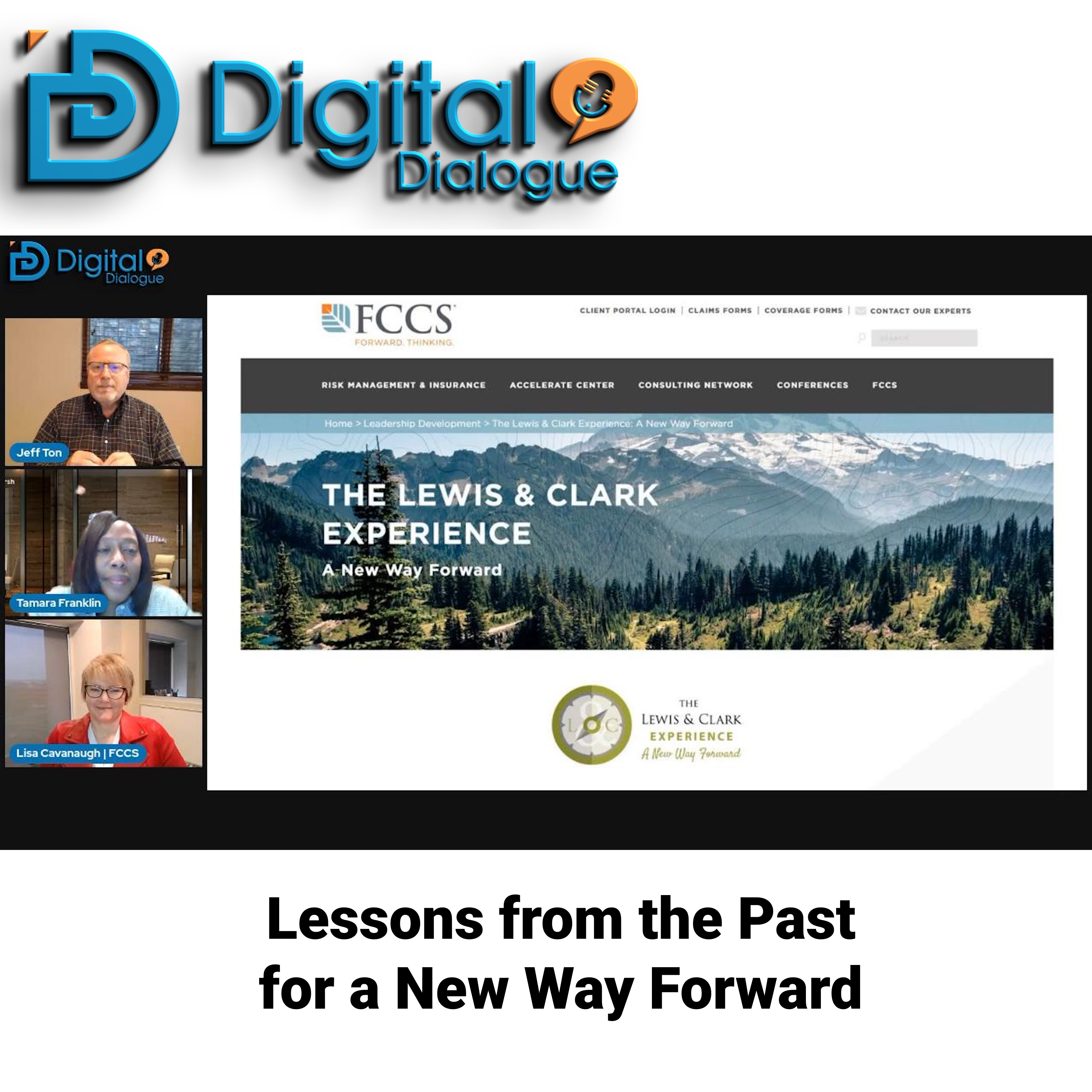
Lessons from the Past for a New Way Forward
Mar 4, 202500:32:22Tap to summarizeLessons from the Past for a New Way Forward (S1 -E3 )Host: Jeff TonGuests: Lisa Cavanaugh Tamara FranklinThis episode discussed extracting leadership lessons from historical events to guide modern leaders in the digital era. The panel explored how metaphors from history, such as the Lewis and Clark expedition, can inform and transform leadership skills.🔑 Key Insights:📝 Journaling as a Tool: Journaling was highlighted as a powerful leadership tool that helps crystallize thoughts and emotions, providing clarity and a record of personal growth. It allows leaders to reflect on their experiences, thereby enhancing self-awareness and decision-making capabilities.🚀 Building a Team of Leaders: The importance of cultivating a team where everyone embodies leadership traits was discussed. This concept aligns with the idea that, like in the Lewis and Clark expedition, transformative leadership requires capable individuals at every level.🤝 Co-Leadership Dynamics: The episode explored the benefits and challenges of co-leadership, emphasizing trust and complementarity as crucial elements. The synergy achieved through diverse skill sets and mutual support can drive success in complex projects.🧠 Diversity in Teams: Diversity of thought, experience, and skills within a team leads to better outcomes, echoing the composition of the Lewis and Clark expedition. Such diversity fuels innovation and resilience in facing challenges.🔄 Resilience and Adaptability: The theme of resilience, encapsulated by the mantra "proceed on," was emphasized as a guiding principle. In uncertain or demanding situations, resilience allows teams to adapt and continue moving forward.💃Fun Fact: 🕺The concept of co-captains was a unique arrangement for Lewis and Clark, requiring a deep level of trust and collaboration between two leaders. This dynamic partnership was similar to modern business practices where leadership roles might be shared to combine different skills effectively.🔮 Expert Advice:📓 Lisa Cavanaugh reflected on the importance of taking a break to rest, reorient, and realign after achieving significant goals, as this allows teams to build energy and resilience for future challenges. She emphasized that celebrating milestones is crucial to maintaining motivation and recognizing the accomplishments achieved by the team.🌿 Tamara Franklin highlighted the value of resilience, likening it to managing cycles of rest and realignment, which she found critical for keeping teams focused during challenging times. She mentioned that learning to navigate through these cycles can greatly enhance team dynamics and outcomes.🎉 Jeff Ton underscored the significance of celebrating victories and how it can boost morale and team cohesion, especially for leaders working independently. His pers🎧ྀི Listen to the Replay:Watching the replay, viewers can gain insights into how historical leadership lessons can apply to modern digital transformation, enhance team dynamics, and improve personal leadership skills through storytelling and reflection.Part of the Digital Transformation Broadcast Network.Powered by: Institute for Digital Transformation
Transcribe →
Digital Transformation Manifesto Workgroup
Mar 4, 202500:32:28Tap to summarizeDigital Transformation Manifesto Workgroup (S1 -E2 )Host: Hans GilliorGuests: Michael Arulfo Chidozie Ofoegbu Randyl Tabajonda The episode focused on how to leverage the Digital Transformation Manifesto, aiming to clarify its practical applications for professionals. The panel explored topics from certification to maturity models, providing a rich discussion on strategies to engage digital transformation practitioners.🔑 Key Insights:📚 Importance of Thought Leadership: Publishing thought leadership is critical for shaping the strategic visions of organizations. By circulating well-researched documents and studies, organizations can frame their approaches around established frameworks. 🧩 Role of Technology: Technology must be embedded within business operations, acting as an enabler rather than a support function. This integration is crucial for remaining competitive in a fast-evolving market. 🌍 Relevancy and Compliance: Compliance with existing laws and regulations in digital transformation will soon be mandatory. Organizations that adapt quickly will gain a competitive edge. 🔧 Certification vs. Maturity Models: There is a debate on whether certification or maturity models offer better value for organizations. While certifications validate knowledge, maturity models provide actionable steps for continuous improvement. 📊 Customer-Centricity: Effective digital transformation should enhance both internal operational efficiency and external customer experiences. Balancing these priorities will aid in achieving overall business goals.💃Fun Fact: 🕺Michael compared digital transformation to getting a puppy! Initially fun and exciting, but soon revealing the long-term commitment and training required. This analogy highlights the evolving challenges of digital transformation.🔮 Expert Advice:📈 Chi emphasized the importance of a balanced approach, combining both individual skills and organizational processes to drive digital transformation effectively. He noted that areas such as people, processes, and data management should be considered equally.💡 Michael discussed the significance of publishing thought leadership to shape organizational thinking around digital transformation. He also highlighted the value of organizing conferences to foster community engagement.🔍 Randyl pointed out the duality of digital transformation, which benefits both internal efficiency and external customer experience. He suggested embedding technology as an enabler to stay ahead in the market.📊 Hans summarized that a mix of maturity models and certifications could best support organizations in measuring and improving their digital transformation efforts. He also encouraged practitioners to join and contribute to the community workgroup.🎧ྀི Listen to the Replay:The discussion delivers valuable strategies for embedding technology within business processes, ensures compliance, and provides expert viewpoints on certifications vs. maturity models. Part of the Digital Transformation Broadcast Network.Powered by: Institute for Digital Transformation
Transcribe →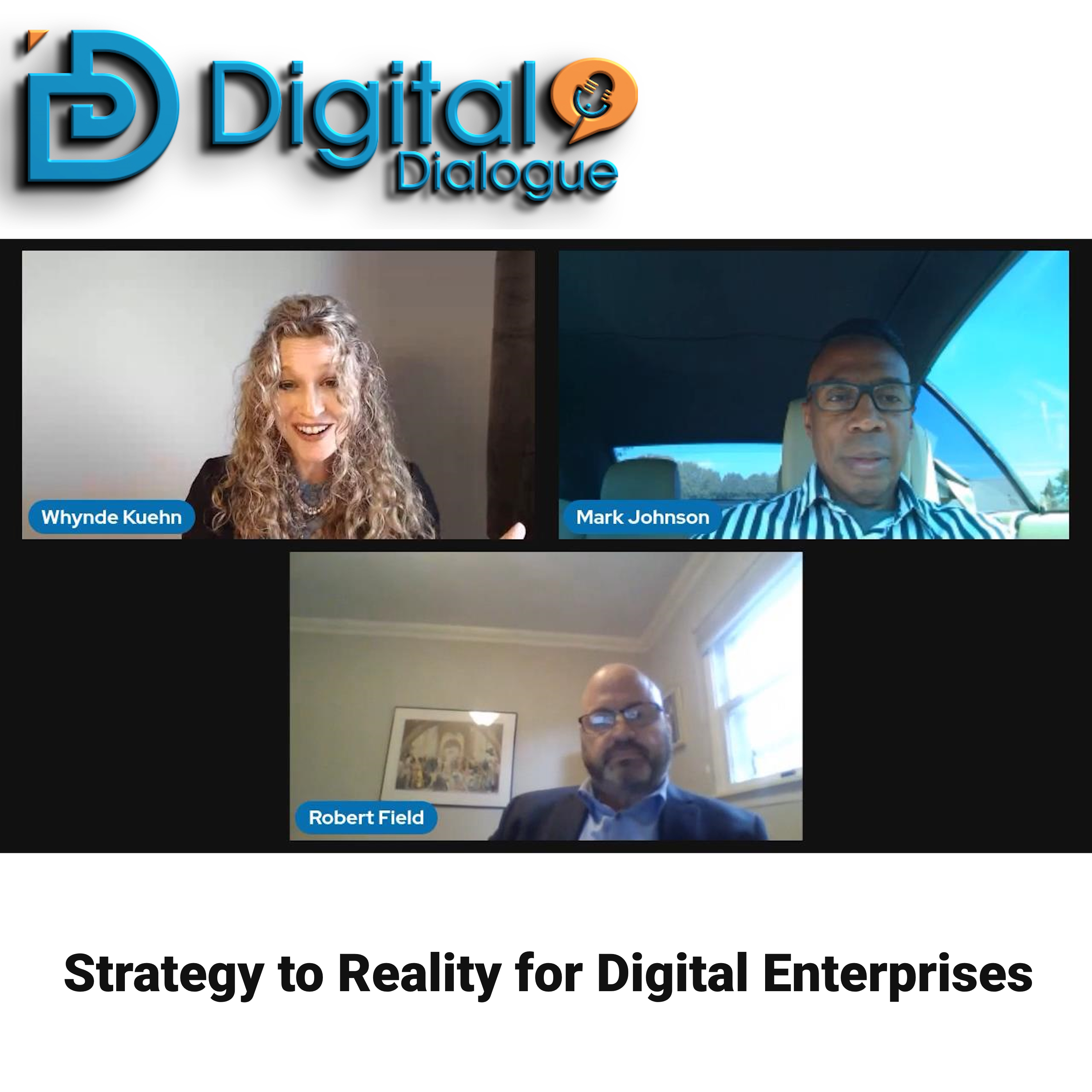
Strategy to Reality for Digital Enterprises
Mar 4, 202500:34:28Tap to summarizeStrategy to Reality for Digital Enterprises (S1 -E1 )Host: Whynde Kuehn Guests: Robert Field Mark Johnson In this episode, we delve into the intricacies of turning strategy into reality for digital enterprises. Our speakers offered their profound insights on how business architecture plays a pivotal role in effective digital transformations. They shared practical strategies and real-life applications to ensure your organization can make well-informed decisions in the fast-paced digital landscape.🔑 Key Insights:🔍 Business Architecture Importance: Understanding and implementing business architecture allows organizations to translate strategies into actionable steps, making operations more agile and resilient.📊 Digital Transformation's Role: Digital transformation is not just about incorporating new technologies but rethinking the entire business model to enhance customer service and supply chain efficiency.🔗 Alignment and Integration: Achieving success in digital transformation requires both alignment and integration of business and IT strategies. Without this, organizations risk working in silos and missing critical business objectives.📚 Educational Tools: Resources like Whynde Kuehn’s book "Strategy to Reality" offer essential frameworks and tools that every organization should utilize for effective strategy execution.🛠 Human Change Management: Organizational success often hinges on effective human change management. Understanding and leveraging this dimension is crucial for aligning teams and executing strategies smoothly.💃Fun Fact: 🕺Did you know that in the late 1800s, companies had a role specifically for managing the transition to electrical power called the "Chief Electrification Officer"? This historical tidbit was shared to illustrate the evolving nature of business roles in response to technological advancements.🔮 Expert Advice:📚 Mark Johnson: Mark emphasized the importance of knowledge as a powerful tool to drive action within organizations. He also highlighted that doing the same thing repeatedly and expecting different results is a definition of insanity, not success.🤝 Robert Field: Robert stressed the necessity of a strategic business architecture roadmap to avoid chaos and ensure alignment with business goals. He emphasized the importance of a partnership between IT and business functions to successfully implement transformative initiatives.💡 Whynde Kuehn: Whynde underlined the critical role of human change management in the successful execution of strategies. She also noted the opportunity for business and IT leaders to read and implement the concepts in her book, "Strategy to Reality," to bridge strategy and execution effectively.🎧ྀི Listen to the Replay:Discover how leading experts are bridging the gap from strategy to execution, ensuring that digital transformation efforts are aligned, integrated, and successful. Equip yourself with practical tools and real-life applications that will empower your organization to thrive in the dynamic digital world. #DigitalTransformation #BusinessArchitecture #StrategyExecution #CIO #DigitalEnterprise #TransformationLeadership #DataAnalytics #ChangeManagement #ITStrategy #TechInnovationPart of the Digital Transformation Broadcast Network.Powered by: Institute for Digital Transformation
Transcribe →