Podcast
Disruption Drive
Hosted by Hari Sripathi · EN
Welcome to your front-row seat to reimagining Mobility!
🚗✨ Join top innovators, engineers, and visionaries as we dive into the game-changing tech and bold ideas reshaping how we move, work, travel and commute.
Curious about how autonomous vehicles will revolutionize your daily rides? Wondering how AI is transforming factories, classrooms, and beyond? Or just want to stay ahead of the curve in a world of constant disruption?
Hit subscribe and buckle up—your journey to the future starts here!
19episodes
Episodes
Newest firstAll episodes
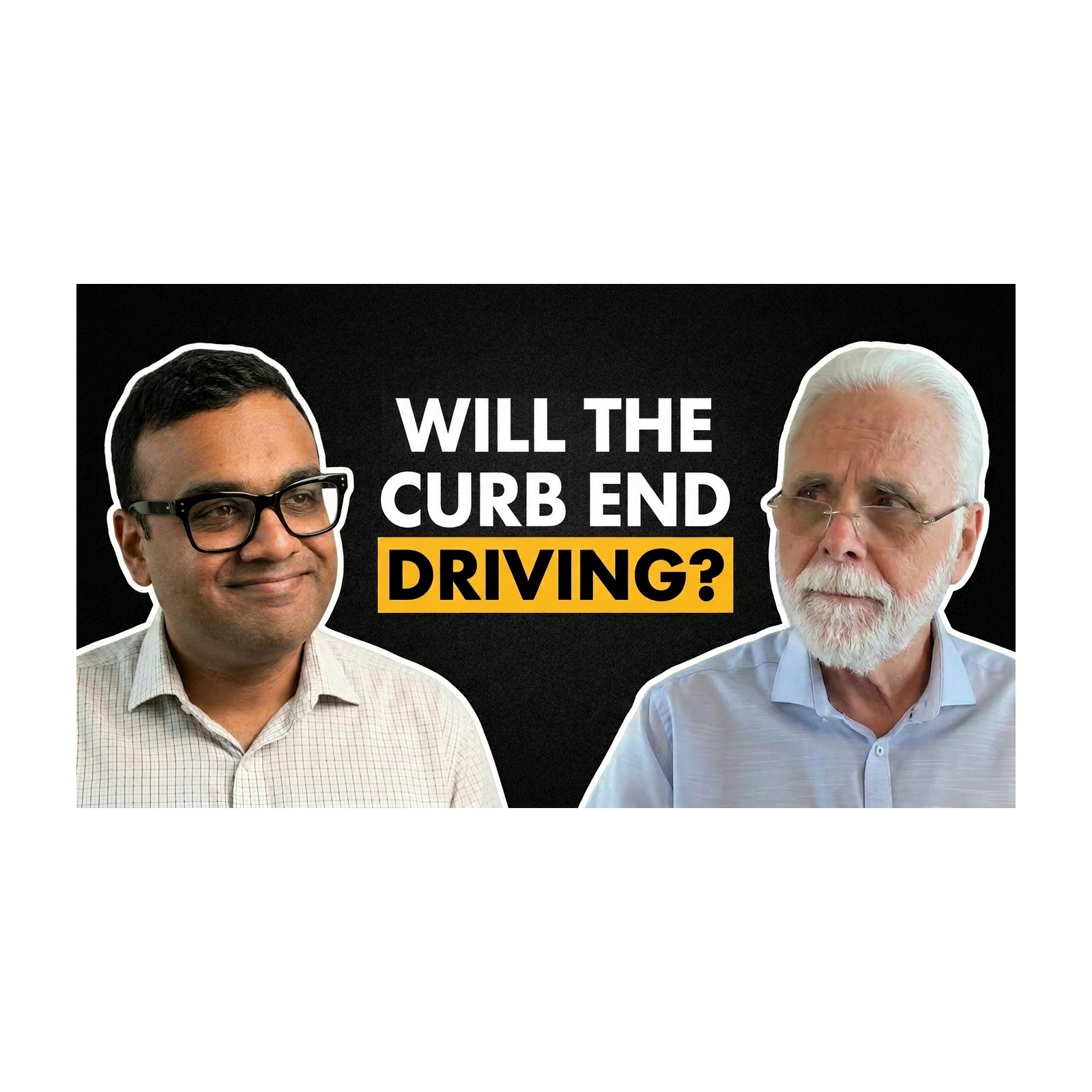
Will the Curb End Driving? (Bern Grush, Urban Robotics Foundation & Pudocity)
Jun 1800:28:49Tap to summarizeToday, we dive deep into the future of our streets, our sidewalks, and the very fabric of our cities with one of the most unique thinkers in the entire mobility ecosystem. When he looks at transport, he does so through the lens of social good, public policy, and human harmony, combining insights from Design, Systems engineering and human Behavioral Economics. Bern Grush is the Co-Founder and Executive Director of the Urban Robotics Foundation, and the lead architect behind the ISO 4448 standards—essentially drafting the global 'rules of the road' for how sidewalk delivery robots and humans share public spaces. He is also the author of the definitive textbook, The End of Driving.I chat with him about the limits of Disruption and if the Curb is the true barrier.We chat:How far will AVs penetrate in the next two generations?How does a City need to manage Parking henceforth?How should we define the hierarchy of social needs on the curb?How does a robot make the judgment call of how to park?Who pays for expanded V2X infrastructure? How should States, Cities and the Federal governments work together?
Transcribe →
Are We Even Doing the Right Things on Transport (Kelly McGuinness, Hunter College)
Jun 1100:20:57Tap to summarizeMy next guest is a true expert on all things Transportation. Kelly McGuiness is Director of the Sam Schwartz Transportation Research Program at the Roosevelt Public Policy Institute at Hunter College New York where she works as the right hand to the peerless sage of the road Sam Schwartz. I had a hard time deciding on a topic for her since Kelly is truly one of the deepest minds focused on not just commercialization but the societal impacts of Transport, Technology and Commerce. And so we decided on a rather philosophical discussion of - Are we even doing the right thing? We talk: Do the best Economies have the best Transport? Is job protection the right mandate against technology disruption? What have we learnt on congestion from ridehailing? Where should the common man be skeptical about promises on safety? Who wins an AV arms race?
Transcribe →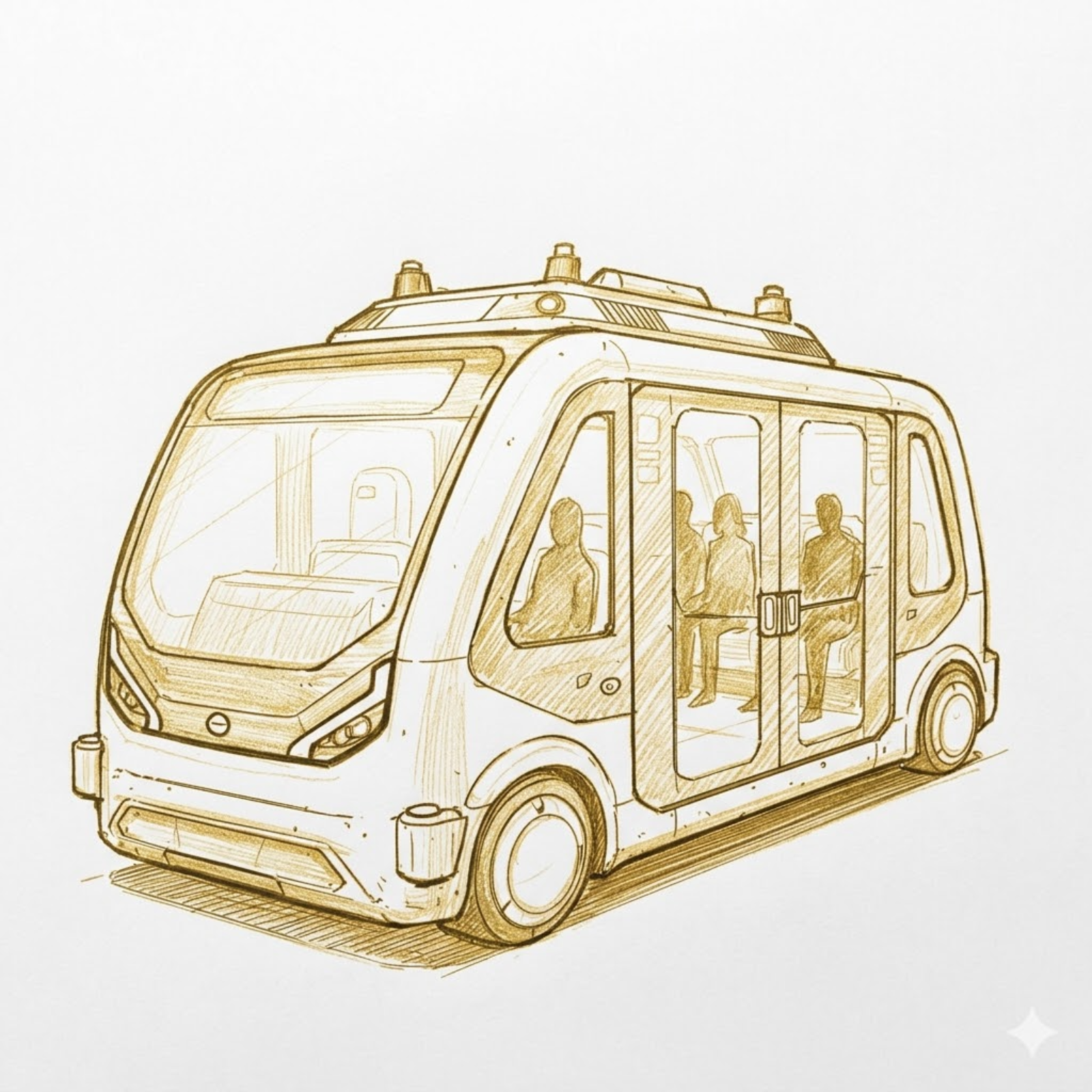
Serving the Unsung Hero of Public Transit with L4 Autonomy (Cemre Kavvasoglu, ADASTEC)
May 2900:26:06Tap to summarizeThe world of Autonomous Vehicles can often feel like an already crowded house. But if you look deep, the unsung workhorse on the road remains - the Bus. AdasTec is currently the only major player building Level 4 Autonomous Driving capability for the City Transit bus system. This endeavor is not just technologically bold, it is truly the most socially impactful bet of our time. By automating public transit, they are focused on ensuring the benefits of generational disruption flows not just to a privileged few, but to “All”. Joining me on the show is Cemre Kavvasoglu who holds a variety of hats at ADASTEC including Product Management, Operations and Research - clearly one of the most important people, right at the center of the most complex interplay of technical, operational and societal future of Autonomy and Public Transport
Transcribe →
A Robot Coworker on a Farm Near You (Kevin Leiter, COO Burro AI)
May 400:23:21Tap to summarizePhysical AI has often been explained as a story of labor replacement. My next guest isn't coming for the farmer’s job—he is building their newest coworker.The story of Physical AI has often been sold as one of labor replacement.But in the vineyards and raspberry fields, Burro is forging new paths - Autonomous systems that are rugged enough for the grit, affordable enough for the orchard, and smart enough to work side-by-side with a human crew.We are standing on the edge of a world where the best grapes you may eat depend on a robot having picked themThis episode on Disruption Drive, I am joined by Kevin Leiter, COO of Burro.AI to discuss the dirty, dusty, and brilliant reality of off-road farm autonomy.
Transcribe →
Parking the Autonomous Car (with Jim Gibbs, CEO Meter Feeder)
Apr 2200:20:55Tap to summarizeWhile Goldman Sachs projects autonomous vehicles and robotaxis to grow at 90% CAGR, fleet experts generally agree the state of the art robot will be soon defeated by a metal kiosk on the curbside. The taxi cannot feed a coin slot and probably not download many consumer software that vary city to cuty- creating a very real likelihood of empty cars just circling around causing even more congestion while Municipalities lose money.My guest today is solving that problem - in the first week of April 2026, Meter Feeder delivered the first ever machine to machine, completely automated parking payment in the United States. I welcome Jim Gibbs, who is building the parking payments for the Future of Mobility
Transcribe →
Engineering the Open Road with Mapless AI (Jeff Johnson, CTO Mapless AI)
Apr 600:21:20Tap to summarizeWhile we chase the technological vision of Full Self Driving cars, millions of legacy driven vehicles already ply on our roads. Mapless AI isn’t waiting for a driverless future; they’re retrofitting today’s cars to be operated from afar, prioritizing resilient engineering and safe unit economics over integrated HD maps. My guest is working on turning existing fleets into remote-ready assets. He believes while giants build a new autonomous vehicle, a more pertinent task is the bridge to Autonomy for the existing vehicle. He is a Technology leader who has the stellar pedigree of the most important Engineering leaps in Autonomous Technologies: with leadership stints at Bosch, Apple and Uber ATG. And he is now a pioneer in Open Road remote access. Welcome Jeff Johnson, CTO of Mapless AI,.
Transcribe →
Silicon Meets Soil: Autonomy on the Farm (Tim Bucher, AgTonomy)
Mar 2900:23:42Tap to summarizeFor ten thousand years, the 'cutting edge' of civilization was tiny seeds with the promise of food sunk into the Earth. Farming is our oldest technology; it is the engine that created our calendars, our cultures, and our very survival. Today, we are standing at the very beginning of a digital revolution that promises to change the landscape of the earth as profoundly as the first plow. My next guest is perhaps the most strategic operator in automation because he bridges these two seemingly impossible worlds. He is also a veteran of the trenches of Silicon Valley. He has worked directly for the most impactful architects of our modern era: Bill Gates, Steve Jobs, and Michael Dell. But Tim is also a sixth generation farmer who carries the weight of Agricultural heritage in his blood. Tim Bucher is the CEO of Agtonomy, and he’s building the robots that will drive the farms of tomorrow.
Transcribe →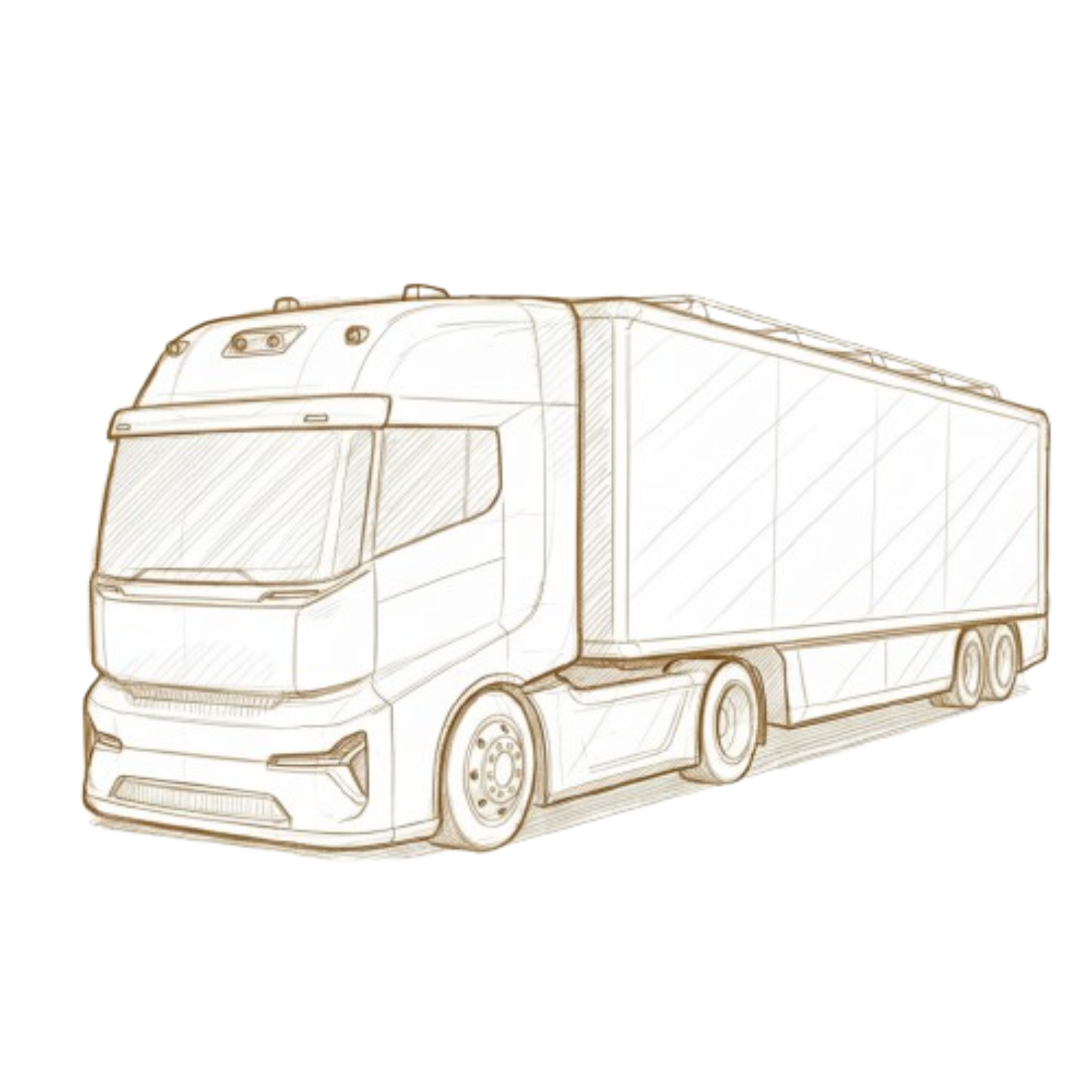
Bot Auto and the Profit First Playbook for Autonomous Trucking (Paul Lam, Bot Auto)
Mar 1800:28:47Tap to summarizeIn the autonomous vehicle industry, credibility has long anchored in safety. But while safety is non-negotiable, it’s also an intangible baseline to drive adoption. On the flip side, we see headlines dominated by miles driven and total revenue, metrics that often leave stakeholders wondering if the needle is being moved at all. Bot Auto has decided to bypass the vanity metrics to obsess over a single, measurable, tangible bottomline: Cost Per Mile. By building a 'Transportation as a Service' model, they aren't just aiming to be safer; they’re aiming to prove that the way to win the autonomy race is to make it both safer and cheaper than the status quo. Today, we're explore if this 'profit-first' philosophy is the key to unlocking true adoption. My guest Paul Lam, is CFO and Chief Strategy Officer at Bot Auto
Transcribe →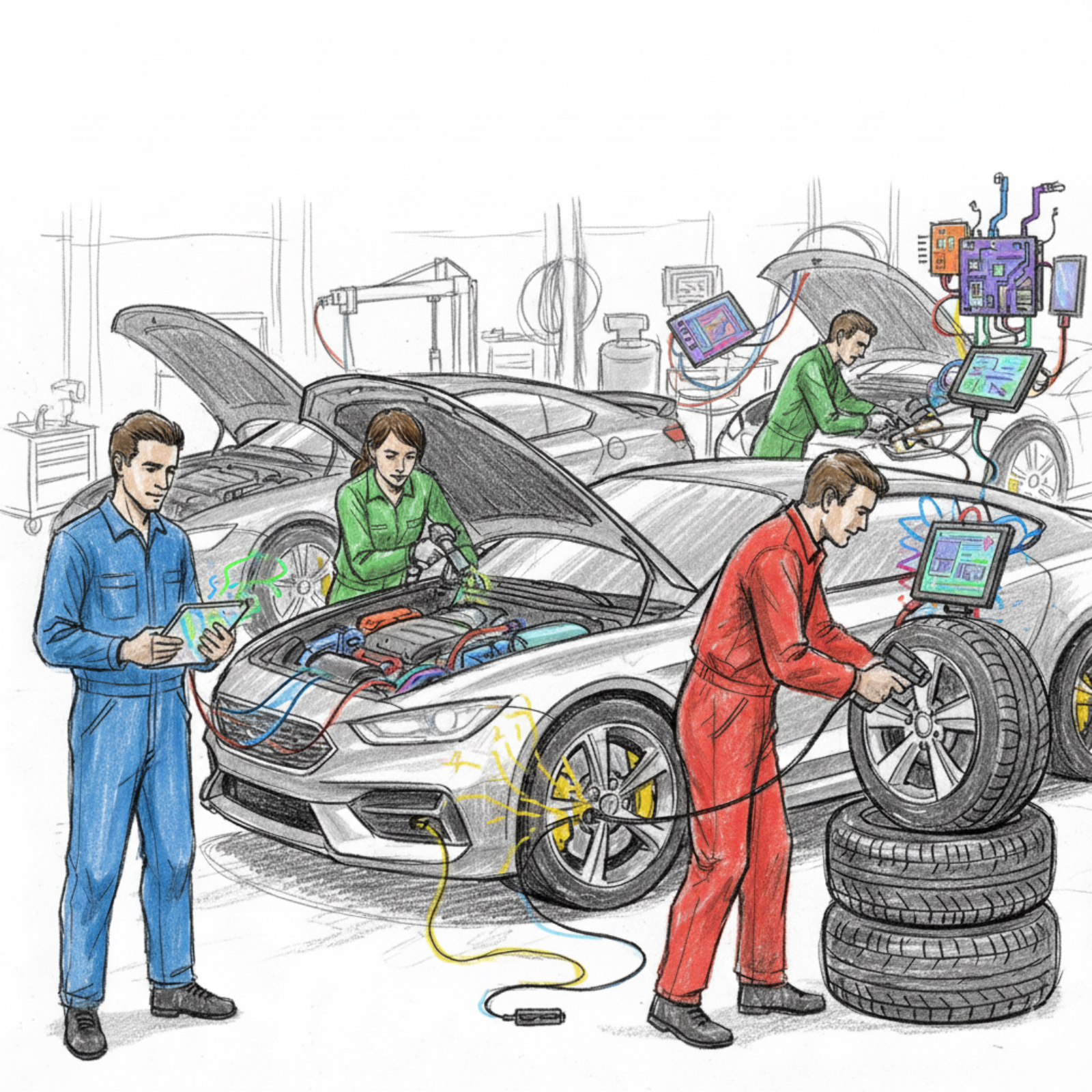
Building the Human Touch: Remotics Builds the Workforce for Autonomy (Sergio Oliveira, Remotics)
Mar 1100:19:18Tap to summarizeOn this podcast entirely focused on the massive Disruptions in Mobility, I always make it a point to ask: What does the "Human in the Loop" look like?My guest today is building the answer to that question. While the automation industries races to perfect Physical AI pouring Billions to make Technology smarter, Remotics is training the Human Behind it. In fact, they may be the first company we’ve featured that is guaranteed to create more jobs than they displace.Joining me is Sergio Oliveira, President and Chief Growth Officer of Remotics. His team leads a global service organization dedicated to implementing human intelligence at the very edge of Physical AI, ensuring that as machines move into our world, they do so with a human touch.
Transcribe →
Making Autonomy Work Where It is Needed the Most (Toby McGraw, Beep)
Mar 300:21:29Tap to summarizeThe traditional history of innovation follows a predictable script. New, transformative technology almost always starts as a luxury—a high-priced toy for early adopters. Eventually getting adopted as aspirational consumers surge. Beep flips that script. They take 'Space Age' technology of Autonomous Vehicles and putting it to work right now where it’s needed most: in our transit agencies, our universities, and our public squares. They are solving the 'clunky' problems of the 'Old World'—congestion, labor shortages, and accessibility—by making high-tech transit a public utility rather than a private privilege. I am joined today by Toby McGraw, Chief Revenue Officer at Beep and one of the foremost experts on Transport Systems
Transcribe →