Podcast
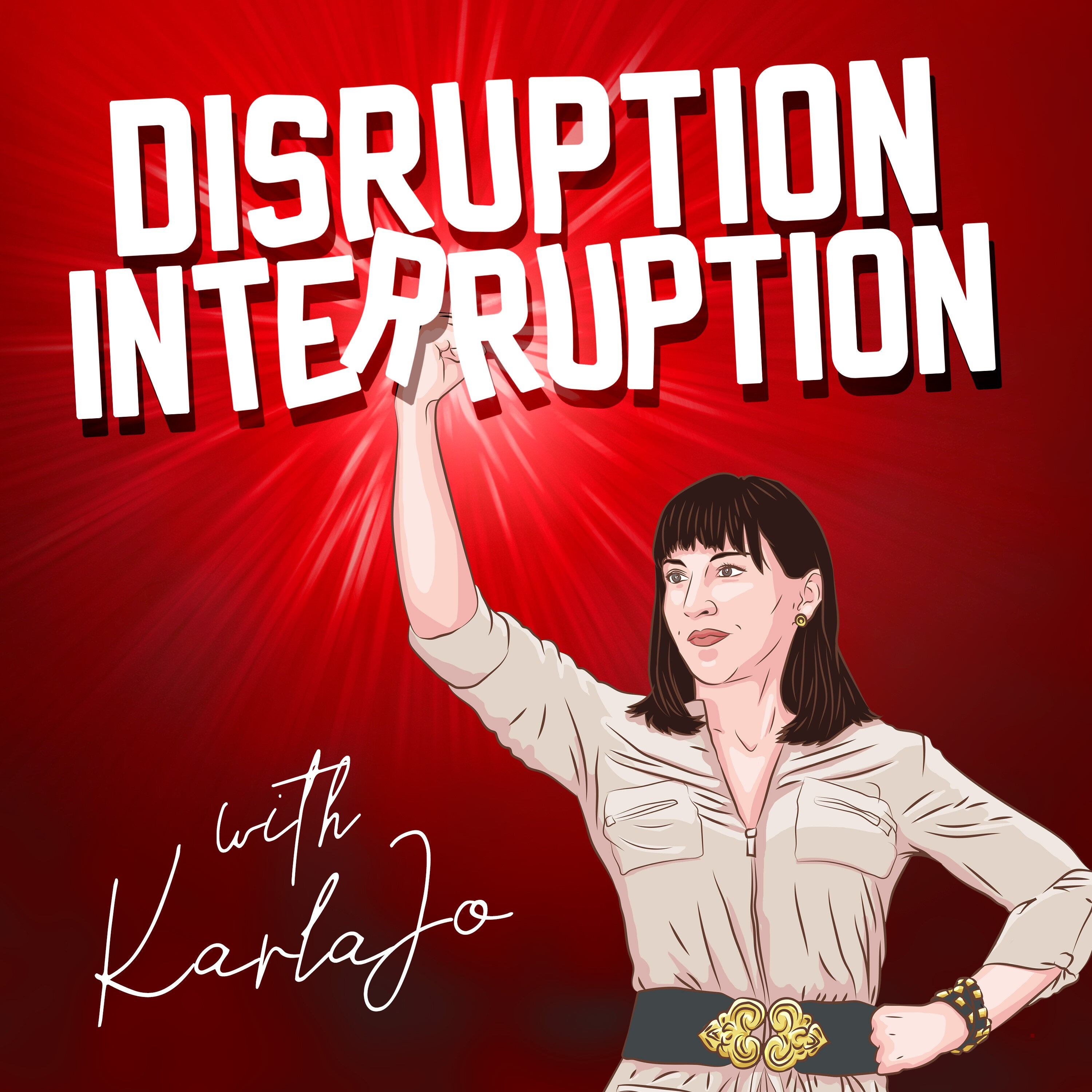
Disruption / Interruption
Hosted by JoTo PR · EN
When did you say ”THAT’S IT! I’VE HAD IT!”? Time to Disrupt and Interrupt with host Karla Jo. Every week KJ interviews professionals who are disrupting their industries and altering economic networks that have been antiquated with bull-headed predecessors holding up the progress.
KJ delves into uncovering more from industry rebels and innovators that you didn’t know you needed in your life.
16episodes
Episodes
Newest firstAll episodes
Disrupting the AI Hype: Building Tech for Real-World Economic Survival with Sean Reel
2w ago00:42:04Tap to summarizeSean Reel, Executive Director of Ignite Bermuda, joins host KJ to break down why traditional startup accelerators have a fundamentally broken model and what it actually takes to help businesses survive. Over seven years, Sean has built an ecosystem that flips the standard 80% failure rate into an 80% success rate by focusing on mindset over money and skills. He shares how startup principles including MVPs, enablement coaching, and AI-powered language models are now directly relevant to mid and large-size companies forced to innovate faster than ever. The conversation spans AI panel testing, social entrepreneurship, and what it means to build great people, not just great businesses. Key Takeaways: 7:50 — What is actually killing startups that have money and skills? 8:39 — How does the enablement model differ from traditional coaching? 13:05 – When does AI-powered product testing become a viable alternative to expensive focus groups? 27:18 — Who is the real output of a high-performing accelerator? Quote of the Show (31:01):"The three things we're missing or short of is time, money, and health. Don't trade them in the wrong order." – Sean Reel Join our Anti-PR newsletter where we’re keeping a watchful and clever eye on PR trends, PR fails, and interesting news in tech so you don't have to. You're welcome. Want PR that actually matters? Get 30 minutes of expert advice in a fast-paced, zero-nonsense session from Karla Jo Helms, a veteran Crisis PR and Anti-PR Strategist who knows how to tell your story in the best possible light and get the exposure you need to disrupt your industry. Click here to book your call: https://info.jotopr.com/free-anti-pr-eval Ways to connect with Sean Reel:LinkedIn: https://www.linkedin.com/in/seanreelukCompany Website: http://www.ignitebermuda.com How to get more Disruption/Interruption: Amazon Music - https://music.amazon.com/podcasts/eccda84d-4d5b-4c52-ba54-7fd8af3cbe87/disruption-interruption Apple Podcast - https://podcasts.apple.com/us/podcast/disruption-interruption/id1581985755 Spotify - https://open.spotify.com/show/6yGSwcSp8J354awJkCmJlD YouTube: https://www.youtube.com/results?search_query=disruption+%2F+interuuptionSee omnystudio.com/listener for privacy information.
Transcribe →
Disrupting Black Swan Events: How We Could Have Seen It Coming, with Dr. Jeffrey Edwards
3w ago00:31:26Tap to summarizeDr. Jeffrey Edwards, founder and chief risk strategist of FFERM Technologies, joins host KJ to challenge the financial industry's decades-old reliance on likelihood and impact heat maps for risk management. He traces that methodology back to a 1984 Department of Defense weapons framework that was never designed for financial services, and explains why it leaves institutions blind to risk contagion, compounding, and black swan events. The episode makes a compelling case that the next major financial collapse is not unpredictable. It is just being measured with the wrong ruler. Key Takeaways: 4:58 — Where did the financial industry's risk management framework actually come from? 14:28 — What happens when two separate risk events collide at the same time? 15:32 – When should an institution stop relying on the heat map as its primary risk tool? 23:19 — How does FFERM Technologies transform a risk score into something actually useful? Quote of the Show (13:09):"Math can guide you down the wrong path if you're asking and looking at it the wrong way." – Dr. Jeffrey Edwards Join our Anti-PR newsletter where we’re keeping a watchful and clever eye on PR trends, PR fails, and interesting news in tech so you don't have to. You're welcome. Want PR that actually matters? Get 30 minutes of expert advice in a fast-paced, zero-nonsense session from Karla Jo Helms, a veteran Crisis PR and Anti-PR Strategist who knows how to tell your story in the best possible light and get the exposure you need to disrupt your industry. Click here to book your call: https://info.jotopr.com/free-anti-pr-eval Ways to connect with Dr. Jeffrey Edwards:LinkedIn: http://www.linkedin.com/in/drjeffreyedwardsCompany Website: https://www.ffermtech.com/site How to get more Disruption/Interruption: Amazon Music - https://music.amazon.com/podcasts/eccda84d-4d5b-4c52-ba54-7fd8af3cbe87/disruption-interruption Apple Podcast - https://podcasts.apple.com/us/podcast/disruption-interruption/id1581985755 Spotify - https://open.spotify.com/show/6yGSwcSp8J354awJkCmJlD YouTube: https://www.youtube.com/results?search_query=disruption+%2F+interuuptionSee omnystudio.com/listener for privacy information.
Transcribe →
Disrupting Legal Access: How Automation Makes Justice More Affordable with Saumya Banker
4w ago00:27:58Tap to summarizeSaumya Banker, co-founder and CEO of Donna AI, joins host KJ to pull back the curtain on the operational dysfunction hiding inside the legal industry. After watching his cousin's divorce case drag on due to missed communication, opaque billing, and overwhelmed staff, Saumya interviewed 75 lawyers and job-shadowed firms to map the real workflow. What he found: 40% of small law firm work is purely administrative, and AI can handle it. Donna AI is building the operating system for solo and small personal law firms so lawyers can take on more clients, charge less, and give more people a real shot at justice. Key Takeaways: 4:51 — Why hourly billing is broken and who's really paying the price 8:27 — What Saumya found when he job-shadowed 75 lawyers across different practice areas 16:22 — When a case stalls, who ends up paying the real price 18:39 — What Donna AI actually automates inside a small law firm Quote of the Show (1:00):"AI is not here to take your job. It's here to supercharge you. The folks who use AI are going to take the jobs of the folks who don't." – Saumya Banker Join our Anti-PR newsletter where we’re keeping a watchful and clever eye on PR trends, PR fails, and interesting news in tech so you don't have to. You're welcome. Want PR that actually matters? Get 30 minutes of expert advice in a fast-paced, zero-nonsense session from Karla Jo Helms, a veteran Crisis PR and Anti-PR Strategist who knows how to tell your story in the best possible light and get the exposure you need to disrupt your industry. Click here to book your call: https://info.jotopr.com/free-anti-pr-eval Ways to connect with Saumya Banker:LinkedIn: http://www.linkedin.com/in/saumyabankerCompany Website: https://donnaanswers.com How to get more Disruption/Interruption: Amazon Music - https://music.amazon.com/podcasts/eccda84d-4d5b-4c52-ba54-7fd8af3cbe87/disruption-interruption Apple Podcast - https://podcasts.apple.com/us/podcast/disruption-interruption/id1581985755 Spotify - https://open.spotify.com/show/6yGSwcSp8J354awJkCmJlD YouTube: https://www.youtube.com/results?search_query=disruption+%2F+interuuptionSee omnystudio.com/listener for privacy information.
Transcribe →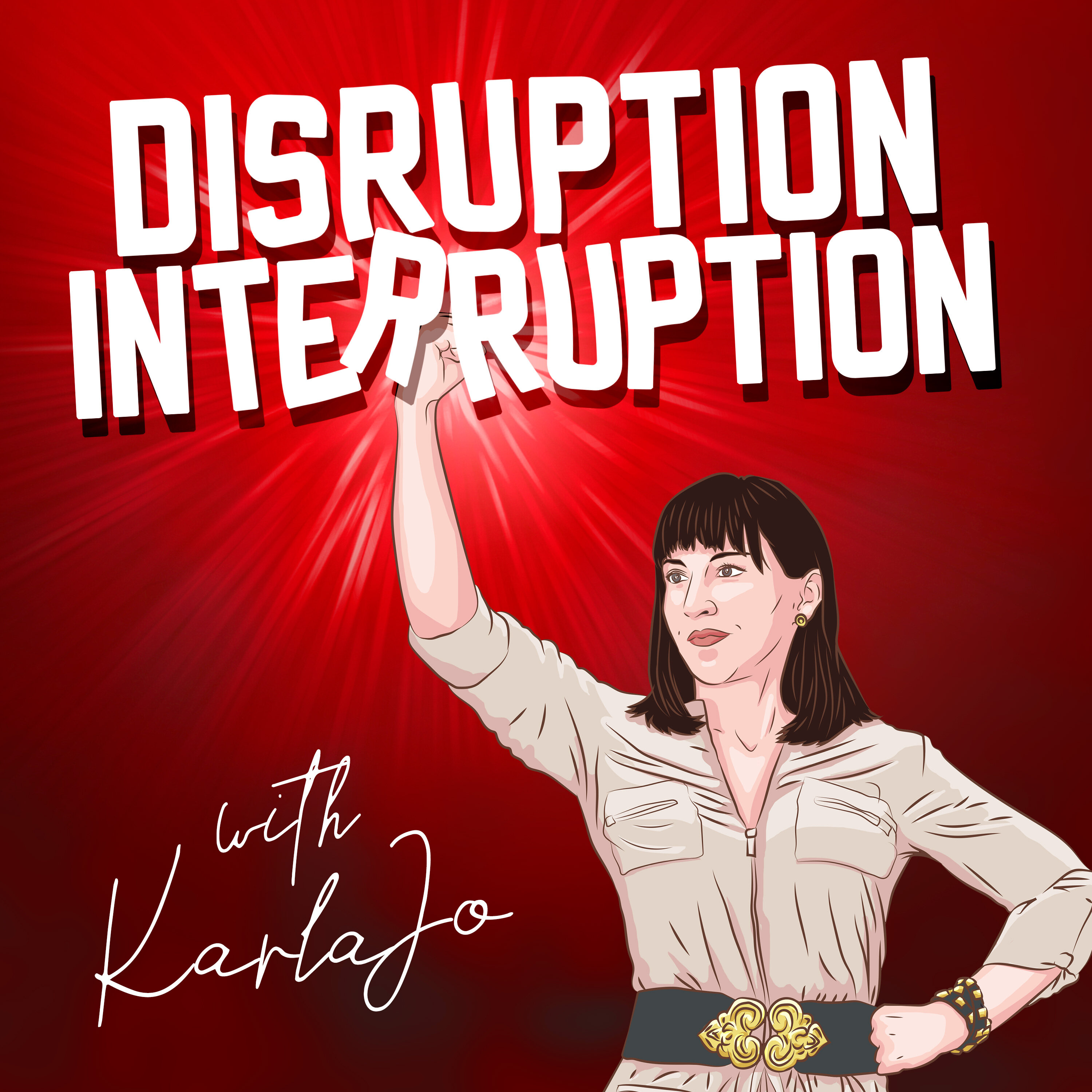
Disrupting the Financial Lie: Why Your Accountant’s Vocabulary is Killing Your Business, with Lukas Swid
Jul 1000:28:08Tap to summarizeLukas Swid, Chairman and CEO of Helcyon, joins host KJ to expose the silent epidemic killing small businesses: financial blindness. Drawing on 25 years of operating across five continents, Lukas reveals how reactive accounting leaves owners in the dark until it's too late. Helcyon delivers plain-language financial assessments straight to your inbox, catching anomalies, waste, and fraud in real time so business owners can act before the damage is done. Key Takeaways: 4:02 — Most small businesses fail not because of their product, but because they have no visibility into what is breaking until it's too late. 8:30 — Real-time financial reconciliation is the difference between catching fraud early and losing everything to a trusted partner. 15:50 — Revenue going up means nothing if cost of customer acquisition, tax obligations, and recurring revenue gaps are silently draining the business. 22:26 — Helcyon delivers a CFO-level financial digest directly to your email, removing every excuse a business owner has for not knowing what's happening. Quote of the Show (16:23):"We translate them for you like a doctor translates lab results — so you have it in plain English, exactly what they mean."— Lukas Swid Join our Anti-PR newsletter where we’re keeping a watchful and clever eye on PR trends, PR fails, and interesting news in tech so you don't have to. You're welcome. Want PR that actually matters? Get 30 minutes of expert advice in a fast-paced, zero-nonsense session from Karla Jo Helms, a veteran Crisis PR and Anti-PR Strategist who knows how to tell your story in the best possible light and get the exposure you need to disrupt your industry. Click here to book your call: https://info.jotopr.com/free-anti-pr-eval Ways to connect with Lukas Swid:LinkedIn: http://www.linkedin.com/in/lukasswidnycCompany Website: https://helcyon.ai How to get more Disruption/Interruption: Amazon Music - https://music.amazon.com/podcasts/eccda84d-4d5b-4c52-ba54-7fd8af3cbe87/disruption-interruption Apple Podcast - https://podcasts.apple.com/us/podcast/disruption-interruption/id1581985755 Spotify - https://open.spotify.com/show/6yGSwcSp8J354awJkCmJlD YouTube: https://www.youtube.com/results?search_query=disruption+%2F+interuuptionSee omnystudio.com/listener for privacy information.
Transcribe →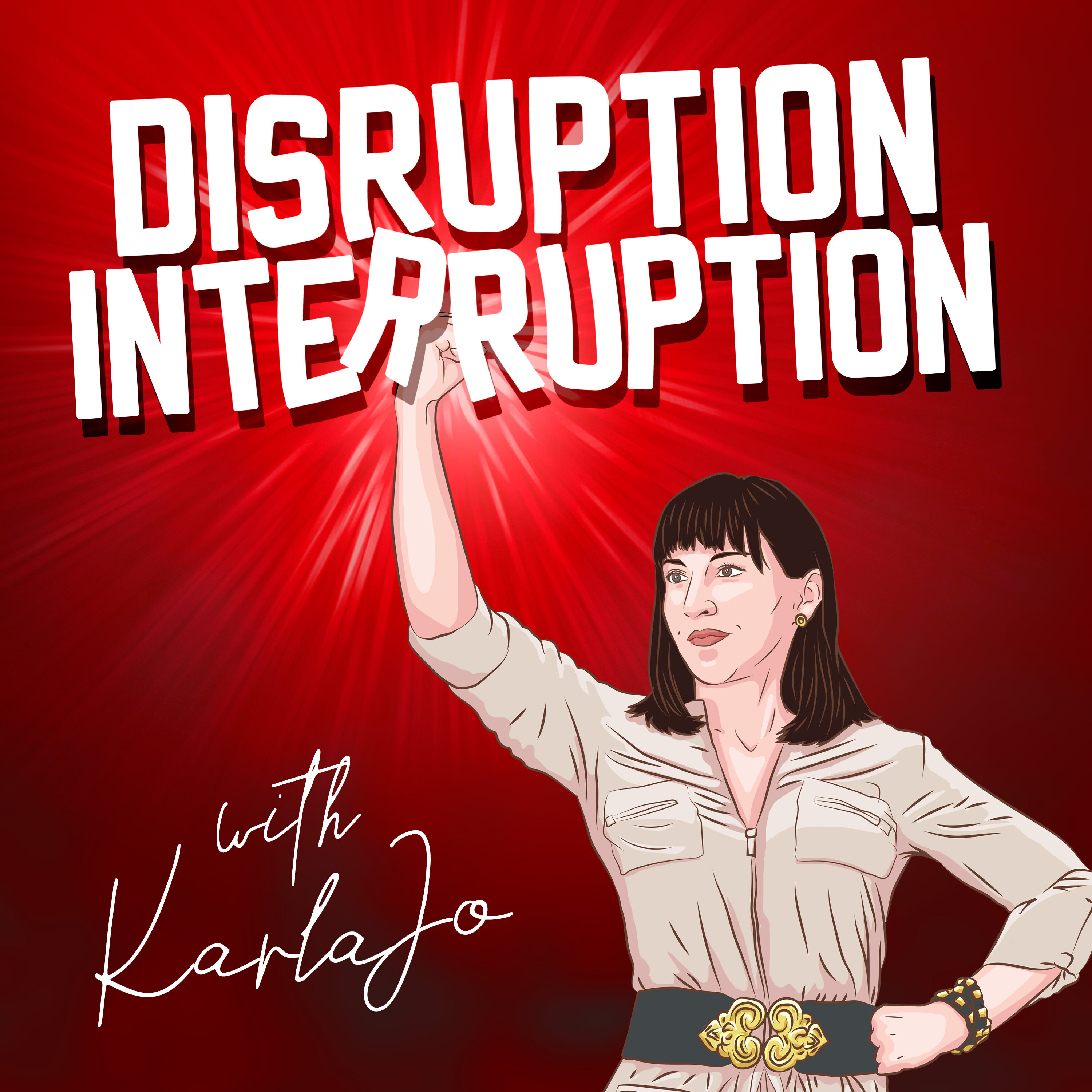
Disrupting the UK's Healthcare Journey: Why It’s Easier to Book a Flight Than a Surgery, with Andrew Archibald
Jul 200:37:37Tap to summarizeAndrew Archibald, CEO of MEDMIN, breaks down why the UK's private healthcare sector has been stuck in operational chaos — and what he's doing to fix it. Built on a model where NHS consultants moonlight as private practitioners with zero business infrastructure, the system has forced brilliant surgeons to spend Sunday mornings writing their own invoices. MEDMIN steps in as a total practice management partner, handling admin, billing, marketing, and patient relations so doctors can focus on medicine. The results speak for themselves: new-to-practice consultants see 300% income growth within three years. Andrew also makes the case for embracing AI tools as a non-negotiable business move, and shares how MEDMIN is scaling toward a UK-wide brand that serves both doctors and patients. Key Takeaways: 3:34 — Curiosity is a professional strategy: Andrew attributes his entire career trajectory to a compulsion to understand how systems work and why they break, which drives him toward roles others avoid. 6:08 — COVID exposed a healthcare system already running on empty: the UK's waiting lists doubled during the pandemic and have never fully recovered because the NHS was underfunded through the 2010s before the crisis hit. 15:17 — The problem is personal: top-tier surgeons are spending Sunday mornings reconciling invoices instead of recovering, and that hidden administrative tax is the core inefficiency MEDMIN was built to eliminate. 24:42 — The ROI of removing friction is measurable: consultants who join MEDMIN as new-to-practice doctors grow their earnings by 300% between year one and year three. Quote of the Show (19:21):"People have just learnt to put up with inadequate systems. The healthcare system in the UK is very poor at investing in technology, in the administrative things that make the whole thing get better. And it's about time to say: stop accepting it." — Andrew Archibald Join our Anti-PR newsletter where we’re keeping a watchful and clever eye on PR trends, PR fails, and interesting news in tech so you don't have to. You're welcome. Want PR that actually matters? Get 30 minutes of expert advice in a fast-paced, zero-nonsense session from Karla Jo Helms, a veteran Crisis PR and Anti-PR Strategist who knows how to tell your story in the best possible light and get the exposure you need to disrupt your industry. Click here to book your call: https://info.jotopr.com/free-anti-pr-eval Ways to connect with Andrew Archibald:LinkedIn: http://www.linkedin.com/in/andrew-archibald-363050aCompany Website: https://medmin.co.uk How to get more Disruption/Interruption: Amazon Music - https://music.amazon.com/podcasts/eccda84d-4d5b-4c52-ba54-7fd8af3cbe87/disruption-interruption Apple Podcast - https://podcasts.apple.com/us/podcast/disruption-interruption/id1581985755 Spotify - https://open.spotify.com/show/6yGSwcSp8J354awJkCmJlD YouTube: https://www.youtube.com/results?search_query=disruption+%2F+interuuptionSee omnystudio.com/listener for privacy information.
Transcribe →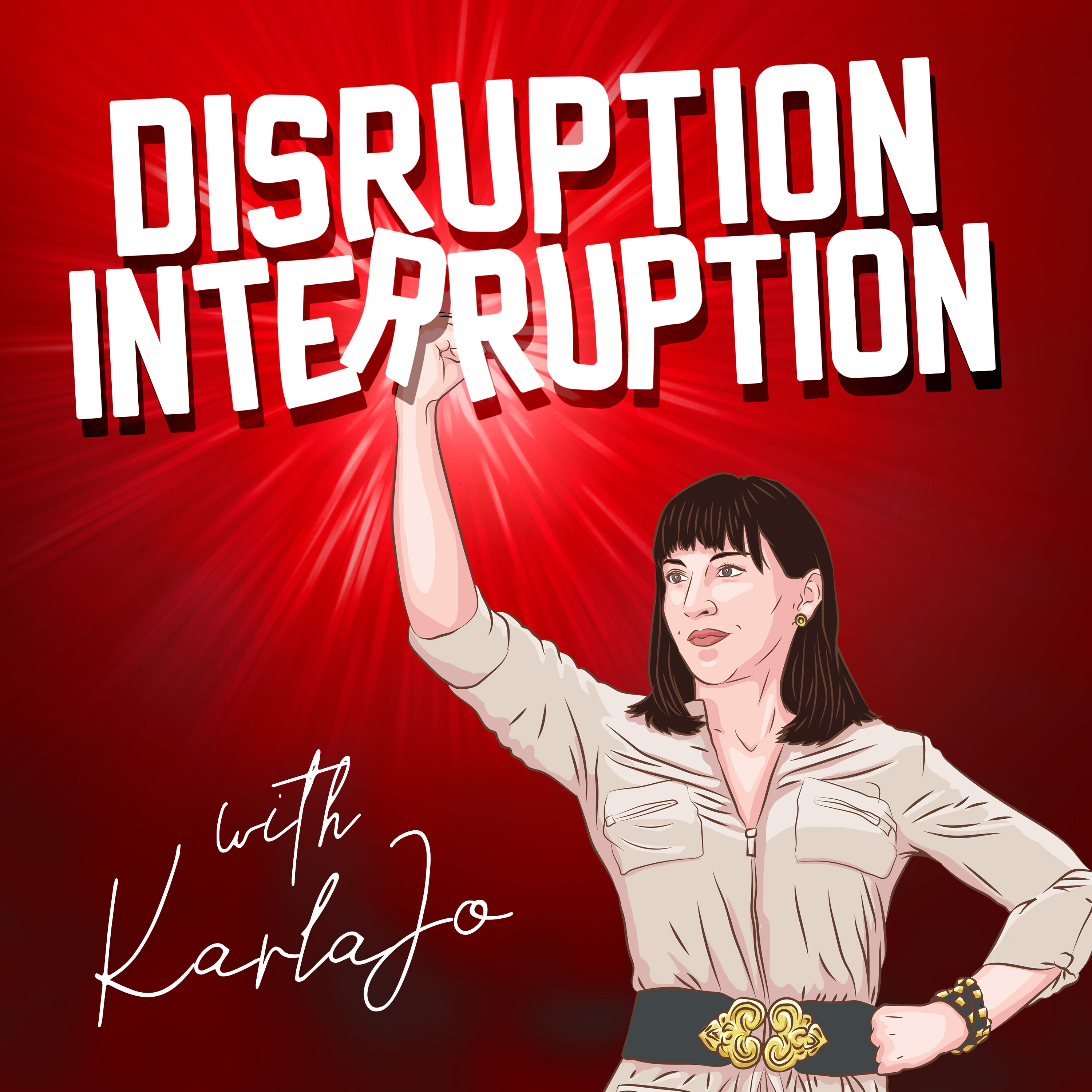
Disrupting Youth Sports: Why the $19B Industry Forgot the Parents with Alex Hocevar
Jun 2500:34:35Tap to summarizeYouth sports is a $19 billion industry built around athletes and coaches that has completely overlooked the most consistent adult in every young athlete's life: the parent. Alex Hocevar, co-founder of Supporter, spent 25 years in digital transformation before his own experience navigating the NCAA recruiting process with a competitive swimmer daughter revealed a massive gap in the system. He breaks down why parents are the missing leg of the youth sports stool, how Supporter delivers contextual, jurisdiction-aware guidance in real time, and why shifting the industry's mindset is the real challenge ahead. Key Takeaways: 7:53 — Parents in youth sports land on a spectrum between disengaged and overbearing, and both extremes ultimately hurt the athlete. 17:14 — The NCAA recruiting process is a clear example of how parents are left without direction, often unaware of critical timelines and pathways until it is too late. 20:07 — Supporter fills three specific gaps that generic AI tools miss: context for the individual athlete, jurisdiction-aware answers, and guidance calibrated to the parent's own knowledge level. 27:25 — The biggest challenge for a new sports-parent platform is breaking into the fragmented ecosystem of clubs, leagues, and organizations at scale. Quote of the Show (29:00):"You go to ChatGPT, Claude, Perplexity, whatever, and it'll give you an answer, and it'll sound authoritative. The reality is once you get under the covers on what it's saying, it's not necessarily the best answer for you." — Alex Hocevar Join our Anti-PR newsletter where we’re keeping a watchful and clever eye on PR trends, PR fails, and interesting news in tech so you don't have to. You're welcome. Want PR that actually matters? Get 30 minutes of expert advice in a fast-paced, zero-nonsense session from Karla Jo Helms, a veteran Crisis PR and Anti-PR Strategist who knows how to tell your story in the best possible light and get the exposure you need to disrupt your industry. Click here to book your call: https://info.jotopr.com/free-anti-pr-eval Ways to connect with Alex Hocevar:LinkedIn: https://www.linkedin.com/in/alex-hocevar-6032ba5aCompany Website: http://www.supporterapps.com/ How to get more Disruption/Interruption: Amazon Music - https://music.amazon.com/podcasts/eccda84d-4d5b-4c52-ba54-7fd8af3cbe87/disruption-interruption Apple Podcast - https://podcasts.apple.com/us/podcast/disruption-interruption/id1581985755 Spotify - https://open.spotify.com/show/6yGSwcSp8J354awJkCmJlD YouTube: https://www.youtube.com/results?search_query=disruption+%2F+interuuptionSee omnystudio.com/listener for privacy information.
Transcribe →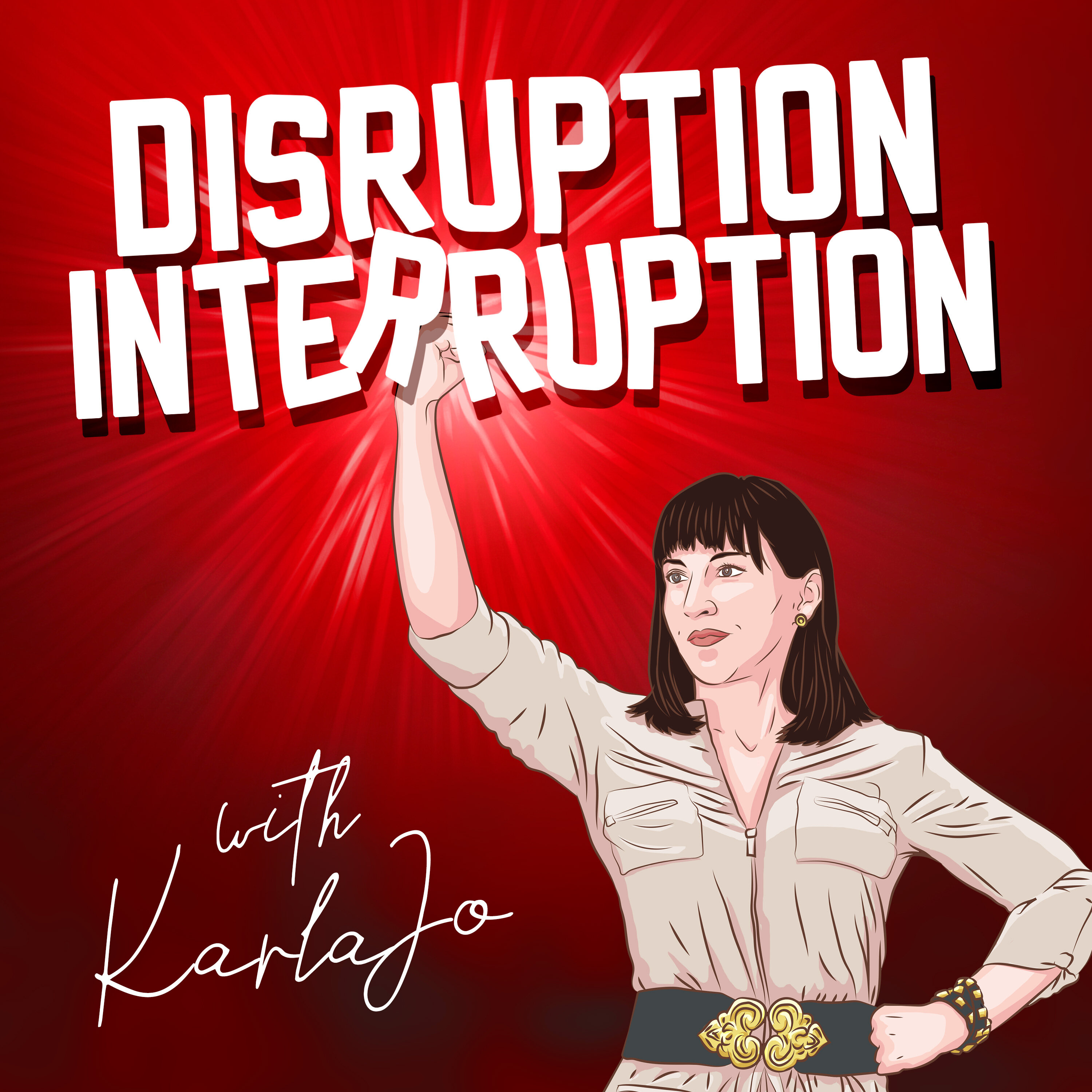
Disrupting the Senior Care Crisis: Why the System is Failing, and AI is the Only Way Out with Aparna Pujar
Jun 1800:32:34Tap to summarizeAparna Pujar, CEO and founder of Zemplee, joins host KJ to share how a personal experience as a remote caregiver for her aging parents in India sparked the creation of a passive, AI-powered senior care platform. She breaks down why the senior care industry is broken, why episodic care is no longer enough, and how continuous, lifestyle-integrated monitoring can reduce hospital days, prevent falls before they happen, and give older adults the dignity of staying home. Key Takeaways: 3:30 — Aparna founded Zemplee out of a deeply personal caregiving crisis, not a business opportunity, and her own parents were the first test cases. 7:58 — The senior care market is split: roughly 20% of seniors live in institutional settings while 80% live at home with little to no proactive monitoring until a crisis forces the issue. 25:27 — Zemplee's technology is fully passive and lifestyle-integrated, meaning sensors collect data in the background without adding any cognitive burden to the senior or caregiver. 26:17 — Women will spend a significant portion of their lives as caregivers and then eventually as care seekers, making the design of a better system a personal stake for nearly everyone. Quote of the Show (1:00):"Everybody gets older… we have to design our future." — Aparna Pujar Join our Anti-PR newsletter where we’re keeping a watchful and clever eye on PR trends, PR fails, and interesting news in tech so you don't have to. You're welcome. Want PR that actually matters? Get 30 minutes of expert advice in a fast-paced, zero-nonsense session from Karla Jo Helms, a veteran Crisis PR and Anti-PR Strategist who knows how to tell your story in the best possible light and get the exposure you need to disrupt your industry. Click here to book your call: https://info.jotopr.com/free-anti-pr-eval Ways to connect with Aparna Pujar:LinkedIn: https://www.linkedin.com/in/aparnapujar/ Company Website: https://zemplee.com How to get more Disruption/Interruption: Amazon Music - https://music.amazon.com/podcasts/eccda84d-4d5b-4c52-ba54-7fd8af3cbe87/disruption-interruption Apple Podcast - https://podcasts.apple.com/us/podcast/disruption-interruption/id1581985755 Spotify - https://open.spotify.com/show/6yGSwcSp8J354awJkCmJlD YouTube: https://www.youtube.com/@disruptioninterruption4539 See omnystudio.com/listener for privacy information.
Transcribe →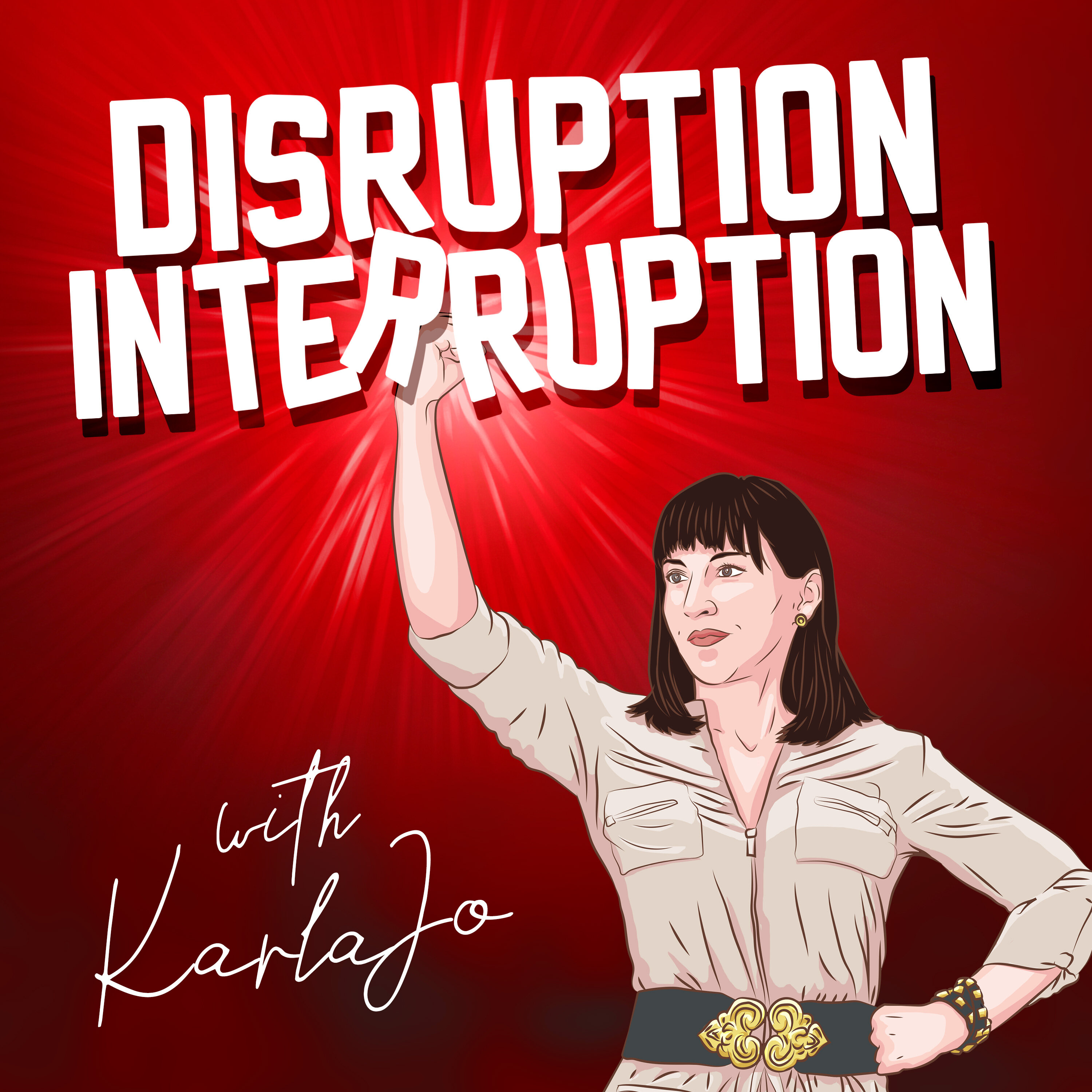
Disrupting Venture Capital: Why the 10-Year Lockup Is Dead with Rafe Furst
Jun 1100:39:43Tap to summarizeRafe Furst is a World Series poker champion, five-time founder, and author of the number one bestselling book on venture capital. He joins host KJ to challenge the VC status quo. Rafe breaks down why the 10-year lockup model is broken, how misaligned incentives are quietly killing early-stage innovation, and why the future of venture capital runs on blockchain. He also shares the story behind The Crypto Company and their newly acquired Frame blockchain, which aims to unify liquidity across fragmented crypto ecosystems. Four Key Takeaways: 3:32 — VCs have quietly abandoned true venture capital by flooding money into later stages. Early-stage investments are treated as lottery tickets rather than genuine bets on founders and their vision. 20:22 — The number one structural flaw in venture capital is not bad founders or bad ideas. It is the total absence of liquidity for a decade or more, which creates misaligned incentives for everyone involved. 21:57 — Liquidity is the magic unlock for early-stage investing. Blockchain technology is the most powerful mechanism to finally deliver that liquidity to founders, investors, and employees alike. 37:47 — AI and blockchain are converging at an exponential pace. Founders who start building on-chain infrastructure now will be positioned to ride the wave rather than get swept away by it. Quote of the Show (38:03):"The way to not get swept away is to get in front of the wave." — Rafe Furst Join our Anti-PR newsletter where we’re keeping a watchful and clever eye on PR trends, PR fails, and interesting news in tech so you don't have to. You're welcome. Want PR that actually matters? Get 30 minutes of expert advice in a fast-paced, zero-nonsense session from Karla Jo Helms, a veteran Crisis PR and Anti-PR Strategist who knows how to tell your story in the best possible light and get the exposure you need to disrupt your industry. Click here to book your call: https://info.jotopr.com/free-anti-pr-eval Ways to connect with Rafe Furst:LinkedIn: https://www.linkedin.com/in/rafefurst/ Company Website: https://www.thecryptocompany.com/ How to get more Disruption/Interruption: Amazon Music - https://music.amazon.com/podcasts/eccda84d-4d5b-4c52-ba54-7fd8af3cbe87/disruption-interruption Apple Podcast - https://podcasts.apple.com/us/podcast/disruption-interruption/id1581985755 Spotify - https://open.spotify.com/show/6yGSwcSp8J354awJkCmJlD YouTube: https://www.youtube.com/results?search_query=disruption+%2F+interuuptionSee omnystudio.com/listener for privacy information.
Transcribe →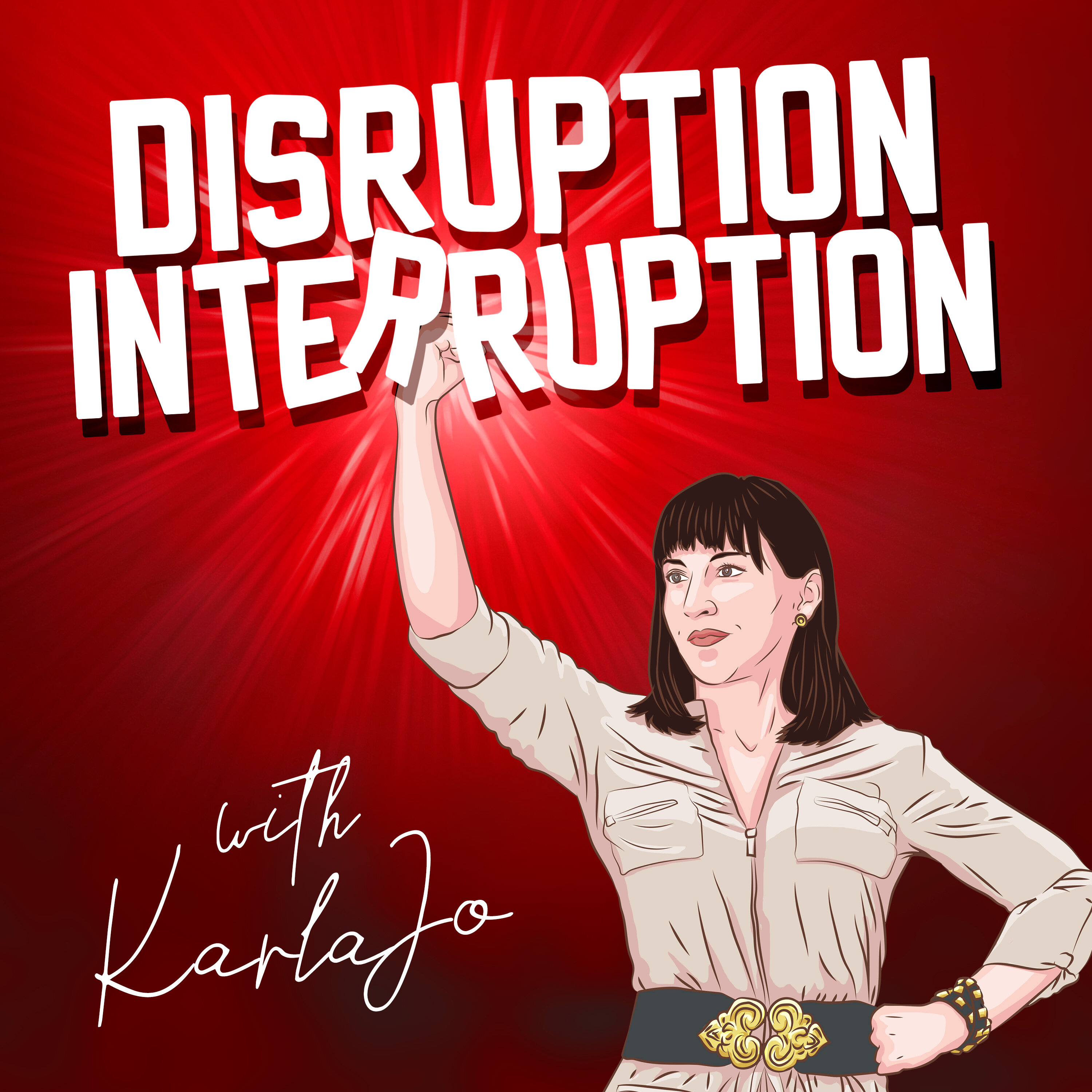
Disrupting Talent: Why AI is Creating the Generalist Team, with Cassiano Surek
Jun 400:35:19Tap to summarizeCassiano Surek, CTO at Beyond, joins host KJ to explore how artificial intelligence is fundamentally reshaping the workforce, enterprise structure, and even how we shop. Cassiano argues that the era of hyper-specialized talent is giving way to competent generalists who can orchestrate AI tools across the full stack, and that the companies embracing this shift are already pulling ahead. The conversation spans team architecture, the flattening of corporate hierarchies, the dawn of agentic commerce, and a surprising personal project built to lighten the mental load of moms everywhere. Four Key Takeaways: 3:39 — Curiosity is the core driver of innovation. It won't always pay off, but the compounding of near-wins over time is what ultimately leads to breakthroughs. 12:36 — Corporate hierarchies are contracting dramatically. AI enables fewer, more versatile people to do more, making deep layers of management increasingly obsolete. 17:26 — The workforce is shifting from deep specialists to competent generalists, people who can work across the full solution stack using AI tooling, unlocking a new era of entrepreneurial creativity. 17:26 — Agentic commerce is already here. AI agents will soon shop on your behalf, fundamentally disrupting how merchants, brands, and consumers interact, possibly by this Christmas. Quote of the Show (12:37):"A success is made of many almost quasi successes... It's an endless journey of exploration." — Cassiano Surek Join our Anti-PR newsletter where we’re keeping a watchful and clever eye on PR trends, PR fails, and interesting news in tech so you don't have to. You're welcome. Want PR that actually matters? Get 30 minutes of expert advice in a fast-paced, zero-nonsense session from Karla Jo Helms, a veteran Crisis PR and Anti-PR Strategist who knows how to tell your story in the best possible light and get the exposure you need to disrupt your industry. Click here to book your call: https://info.jotopr.com/free-anti-pr-eval Ways to connect with Cassiano Surek:LinkedIn: http://www.linkedin.com/in/cassianosurek Company Website: http://www.bynd.com/ How to get more Disruption/Interruption: Amazon Music - https://music.amazon.com/podcasts/eccda84d-4d5b-4c52-ba54-7fd8af3cbe87/disruption-interruption Apple Podcast - https://podcasts.apple.com/us/podcast/disruption-interruption/id1581985755 Spotify - https://open.spotify.com/show/6yGSwcSp8J354awJkCmJlD YouTube: https://www.youtube.com/results?search_query=disruption+%2F+interuuptionSee omnystudio.com/listener for privacy information.
Transcribe →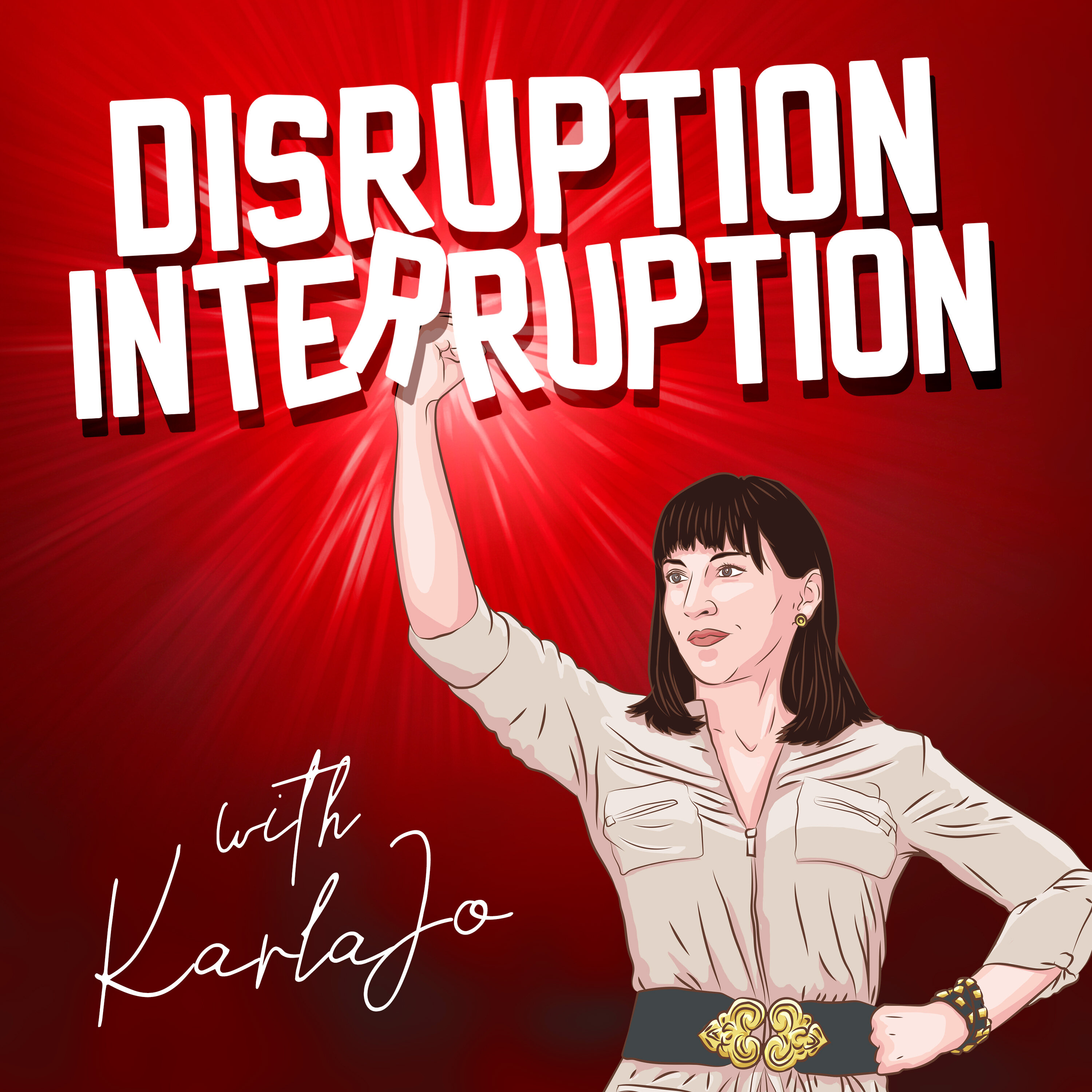
Disrupting Digital Gaslighting: Vaclav Vincalek on Reclaiming Truth in the AI Era
May 2800:32:16Tap to summarizeIn this episode of Disruption/Interruption, host KJ sits down with Vaclav Vincalek, serial entrepreneur and founder of HISWAI (Human Intelligence Supported with Artificial Intelligence). Vaclav makes a compelling case that we've been living in an era of digital manipulation — where search engines like Google are actually marketing engines, and AI tools like ChatGPT are language models masquerading as knowledge systems. He breaks down the foundational flaws in how we find and trust information online, and introduces HisWay as a transparent, human-first alternative that puts the power of judgment back in the hands of the user. Four Key Takeaways: Google is a marketing engine, not a search engine (7:50) — Google's objective is profitability through advertising, not delivering the best search experience. The system is designed to keep you searching — and clicking ads — not to get you to the truth efficiently. LLMs are language models, not knowledge models (14:35) — ChatGPT and similar tools absorb vast amounts of unvalidated data. There's no mechanism to assess accuracy, no way to make the system forget wrong information, and no guarantee that the same question will yield the same answer twice. AI language is hacking your brain (17:25) — Because these systems use natural, human-sounding language, we instinctively treat them as intelligent, trustworthy peers. That's a design flaw being exploited — it creates false confidence and dangerous echo chambers. The future of search is transparency, not answers (27:09) — Rather than being told what is true, users should be shown where information comes from so they can trace it, judge it, and own their conclusions. HISWAI is building toward a "personal web" — a private, ownable information layer that you control. Quote of the Show (14:35):“You have a system which is built on false technology or false premise, and it's disguised as, 'Whoa, look at this! It talks almost like us, so it has to be like us.' And it's not true." — Vaclav Vincalek Join our Anti-PR newsletter where we’re keeping a watchful and clever eye on PR trends, PR fails, and interesting news in tech so you don't have to. You're welcome. Want PR that actually matters? Get 30 minutes of expert advice in a fast-paced, zero-nonsense session from Karla Jo Helms, a veteran Crisis PR and Anti-PR Strategist who knows how to tell your story in the best possible light and get the exposure you need to disrupt your industry. Click here to book your call: https://info.jotopr.com/free-anti-pr-eval Ways to connect with Vaclav Vincalek:LinkedIn: https://linkedin.com/in/vincalek Company Website: https://hiswai.com/ How to get more Disruption/Interruption: Amazon Music - https://music.amazon.com/podcasts/eccda84d-4d5b-4c52-ba54-7fd8af3cbe87/disruption-interruption Apple Podcast - https://podcasts.apple.com/us/podcast/disruption-interruption/id1581985755 Spotify - https://open.spotify.com/show/6yGSwcSp8J354awJkCmJlD YouTube - https://www.youtube.com/results?search_query=disruption+%2F+interuuptionSee omnystudio.com/listener for privacy information.
Transcribe →