Podcast
Dive Bomb Squadcast
Hosted by Ashur Tolliver · EN
Dive Bomb Industries was founded in 2011 to provide waterfowl hunters with ultra-high-quality products at unbeatable prices, backed by unmatched customer service. Over the years, Dive Bomb has become the fastest-growing waterfowl decoy company in the world.
The Dive Bomb Squadcast is the go-to podcast for novice and veteran waterfowlers alike, offering insights into our products, hunting strategies, and life on the road. We’ll take you behind the scenes at Dive Bomb Industries, sharing tips for maximizing success in the field, the gear that worked (and what didn’t), and the adjustments we made along the way.
Tune in to hear from guests across the globe as they share their stories, experiences, and how they use Dive Bomb gear to gain an edge in the field. Expect exciting product updates, expert advice, hilarious stories from the road, and much more.
Join us for an inside look at the lives of the #DIVEBOMBSQUAD!
20episodes
Episodes
Newest firstAll episodes
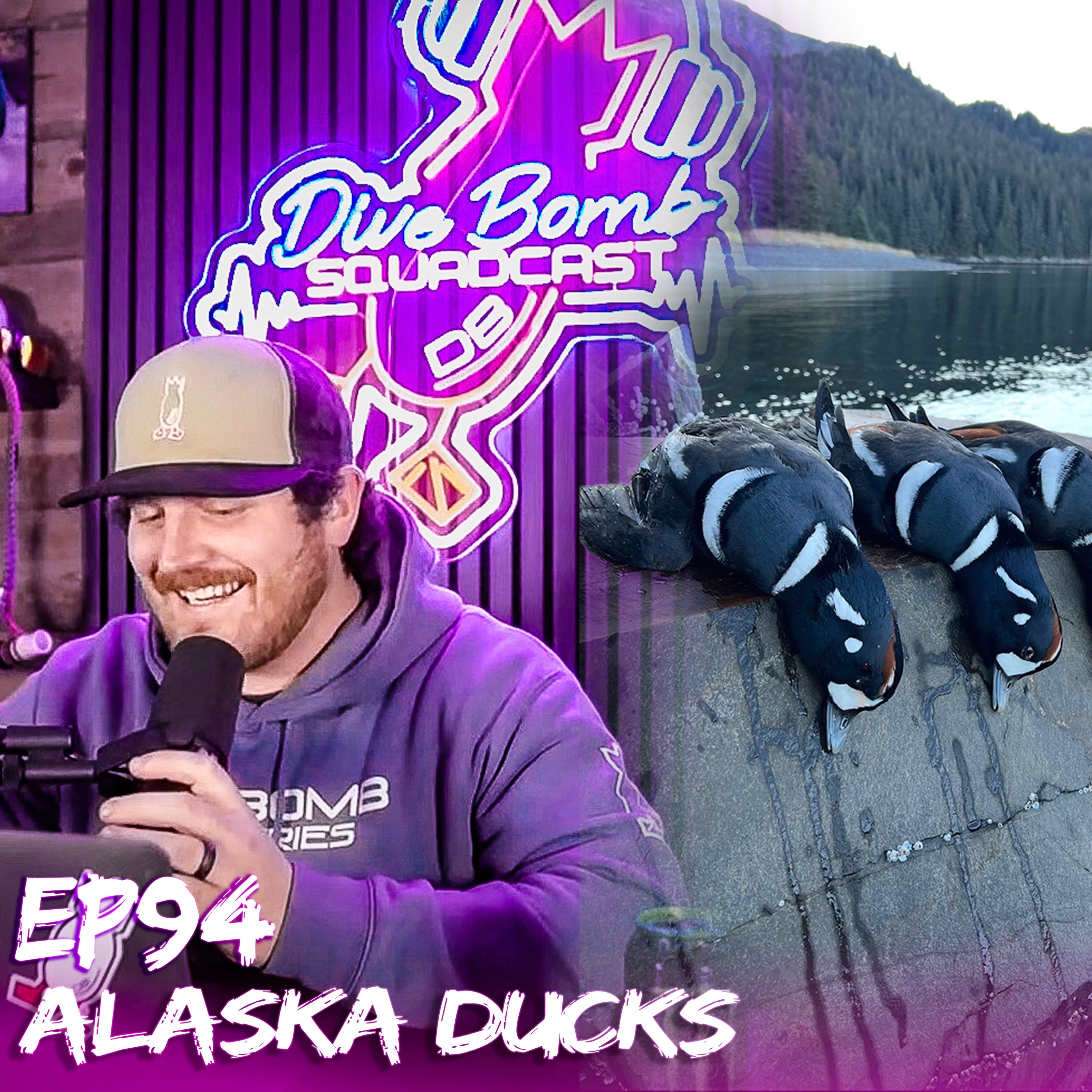
Ep 94 - Alaska Hunting Trip of a Lifetime & Late Winter Updates
Mar 900:33:38Tap to summarizeIn this episode of the Dive Bomb Squad Cast, Matt Judy breaks down his unforgettable trip to Kodiak, Alaska. From chasing harlequin ducks and sea ducks to navigating some of the wildest country in North America, this one was the full Alaska experience.Matt dives into what made the trip special, lessons learned along the way, and the gear and preparation it takes to hunt in a place like Kodiak. Between close calls, tough conditions, and the kind of stories only Alaska can deliver, this episode gives you a real look at what the adventure was actually like.If you’ve ever thought about making the trip north for sea ducks, this is one you won’t want to miss.Subscribe for more real-world waterfowl content every week.
Transcribe →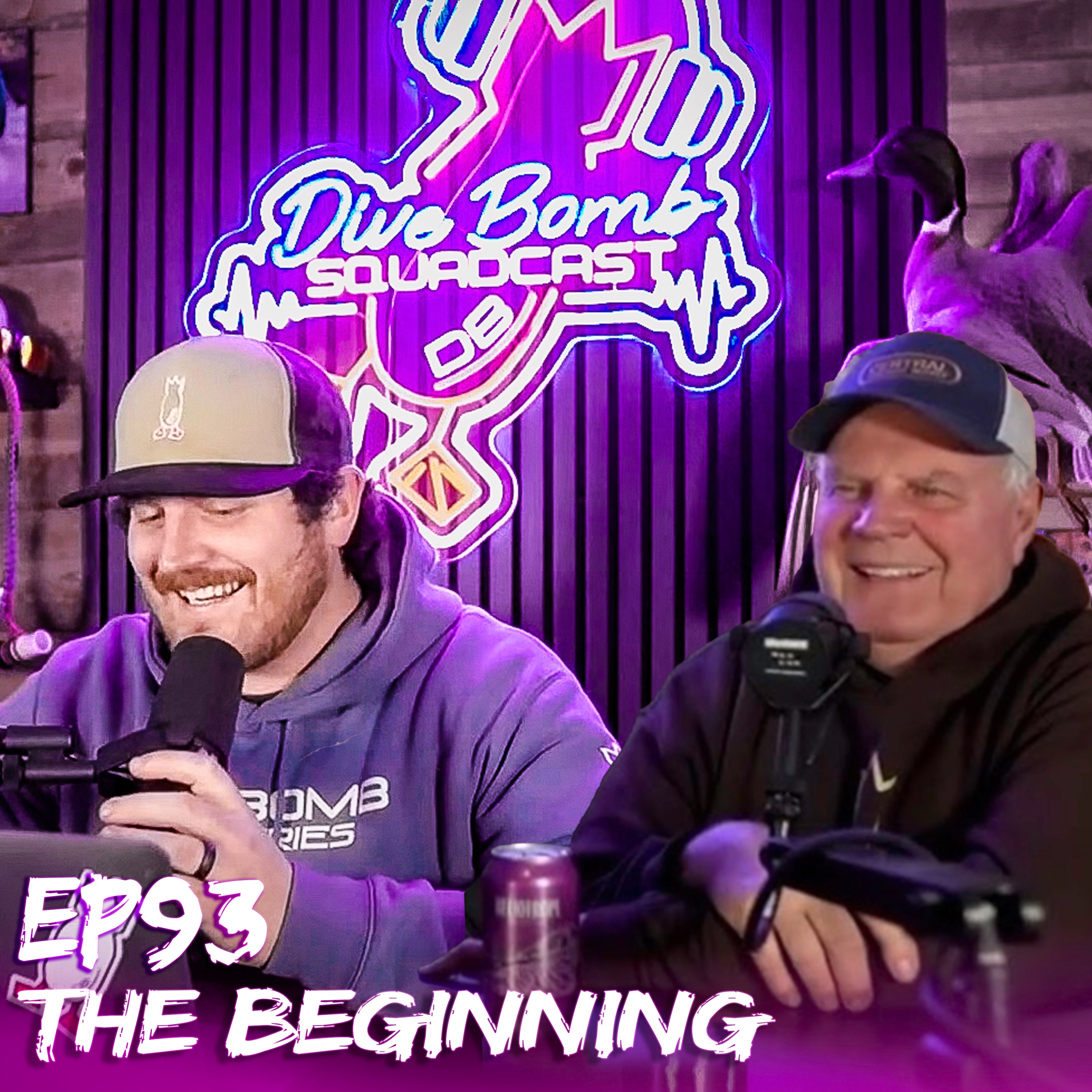
Ep 93 - Hunting With Your Dad & Swamping a Boat?!
Feb 900:42:38Tap to summarizeIn this episode of the Dive Bomb Squad Cast, Matt Judy is joined by a special guest who’s been there since the very beginning — his dad. The two sit down to reflect on their earliest hunting memories, how their approach and techniques have evolved over the years, and the hunts that left a lasting impact on both of them. The conversation goes beyond the field, touching on family dynamics, mentorship, and the importance of community within hunting culture. Through stories, lessons learned, and plenty of perspective, this episode highlights the bond between father and son and how shared experiences in the outdoors help shape who we become.
Transcribe →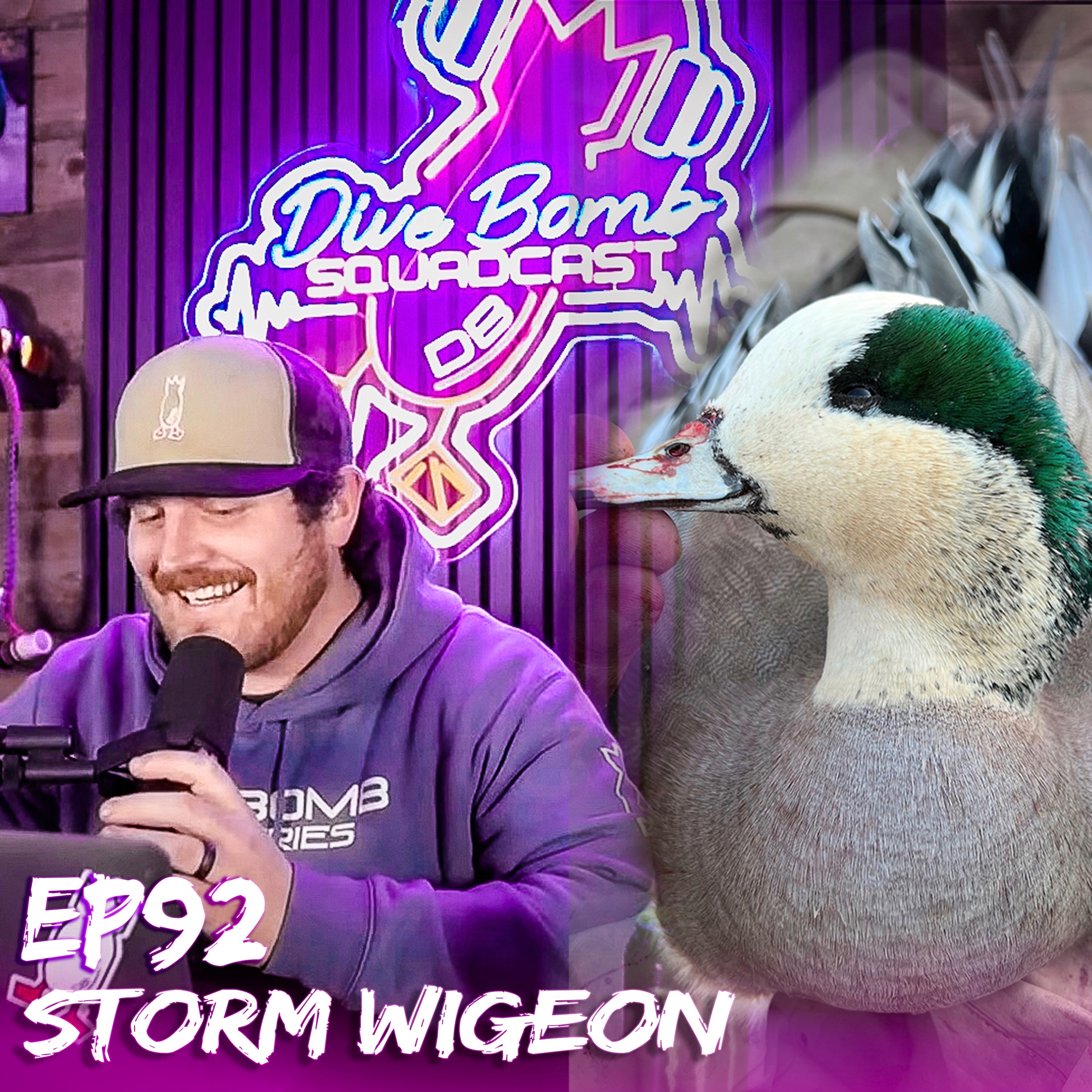
Ep 92 - Storm Wigeon Myths & Late-Season Reflections
Jan 2600:24:41Tap to summarizeIn this episode of the Dive Bomb SquadCast, Matt Judy reflects on the closing stretch of duck season and dives into the realities of wigeon hunting. From late-season conditions to solo hunts with his dog, Matt shares personal experiences and field insight from another year in the marsh.The conversation breaks down the common misconceptions around “storm wigeon,” including why they are often misidentified, how rare true specimens actually are, and why their appearance comes from genetic mutation rather than age or subspecies. Matt also talks about the constant stream of photos hunters send asking if their birds qualify—and the high personal standard he holds for calling one a true storm.Beyond the birds themselves, this episode touches on why solo hunts can be some of the most rewarding, the importance of enjoying time in the field, and the mixed emotions that come with the end of another season.
Transcribe →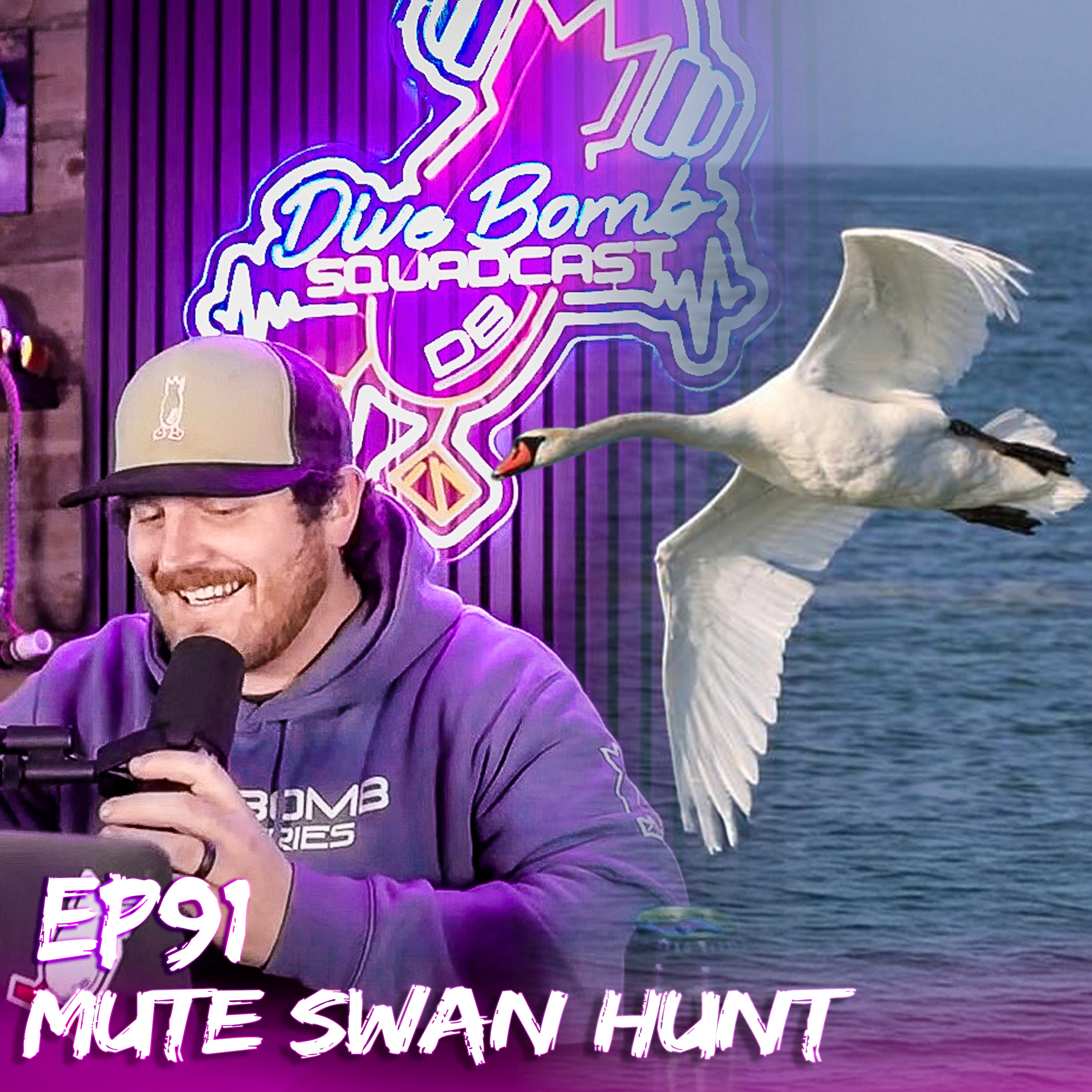
Ep 91 - Hunting Californias Invasive Mute Swan
Jan 1200:43:34Tap to summarizeIn this episode, Matt Judy sits down with Zane Halsey — one of the first hunters to take part in California’s brand-new legal season on invasive mute swans, which opened January 1, 2026.We break down what the new season really means, why mute swans were declared invasive, what the hunt was like, what gear and loads were used, the challenges of identifying swans correctly, and what it takes to hunt them ethically and legally. This episode dives into the first wave of what could become a major shift in how invasive waterfowl are managed.
Transcribe →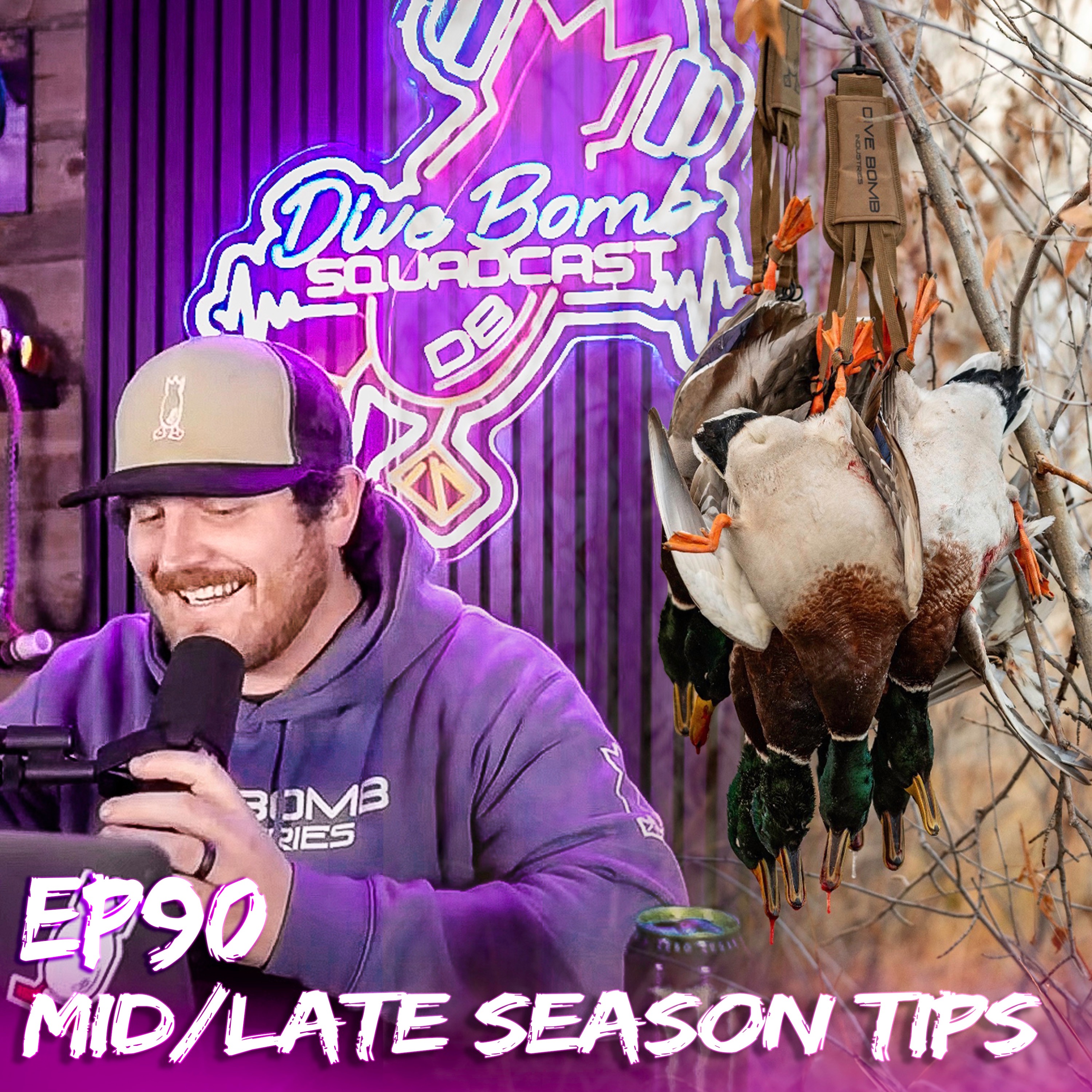
Ep 90 -Late Season Duck Tips & The Changes That Matter
Dec 2900:33:33Tap to summarizeOn this episode of the Dive Bomb SquadCast, Matt Judy breaks down what it takes to stay on birds as the season pushes into late winter. From short-grass field setups to downsizing decoy spreads and dialing in your calling, Matt walks through the adjustments that separate average hunts from consistent limits when birds have seen it all.He shares real-world experiences from recent hunts, product setups he’s leaning on, and the small changes that can make a big difference once pressure is high and birds are educated. It’s a reminder that late-season success comes from adapting, paying attention, and never quitting the learning curve.If you’re grinding out the end of the season and still chasing birds, this episode is packed with tactics to help you finish strong.
Transcribe →
Ep89 - Absolute Chaos, Duck Stories & Old Friends
Dec 1501:01:35Tap to summarizeOn this episode of the Dive Bomb SquadCast, Matt Judy sits down with close friends to reflect on years of duck hunting together and the friendships built along the way. From early mornings and changing tactics to learning how to read birds and adapt to the conditions, the guys talk about how their hunting has evolved over time.They dive into the highs and lows of the season, the challenges that come with tough hunts, and the unforgettable moments that only happen when massive migrations are in the air. More than anything, this episode highlights the camaraderie, laughs, and shared passion that keep friends coming back to the blind year after year.If you’ve ever hunted with the same crew long enough to build stories that last a lifetime, this one will hit home.
Transcribe →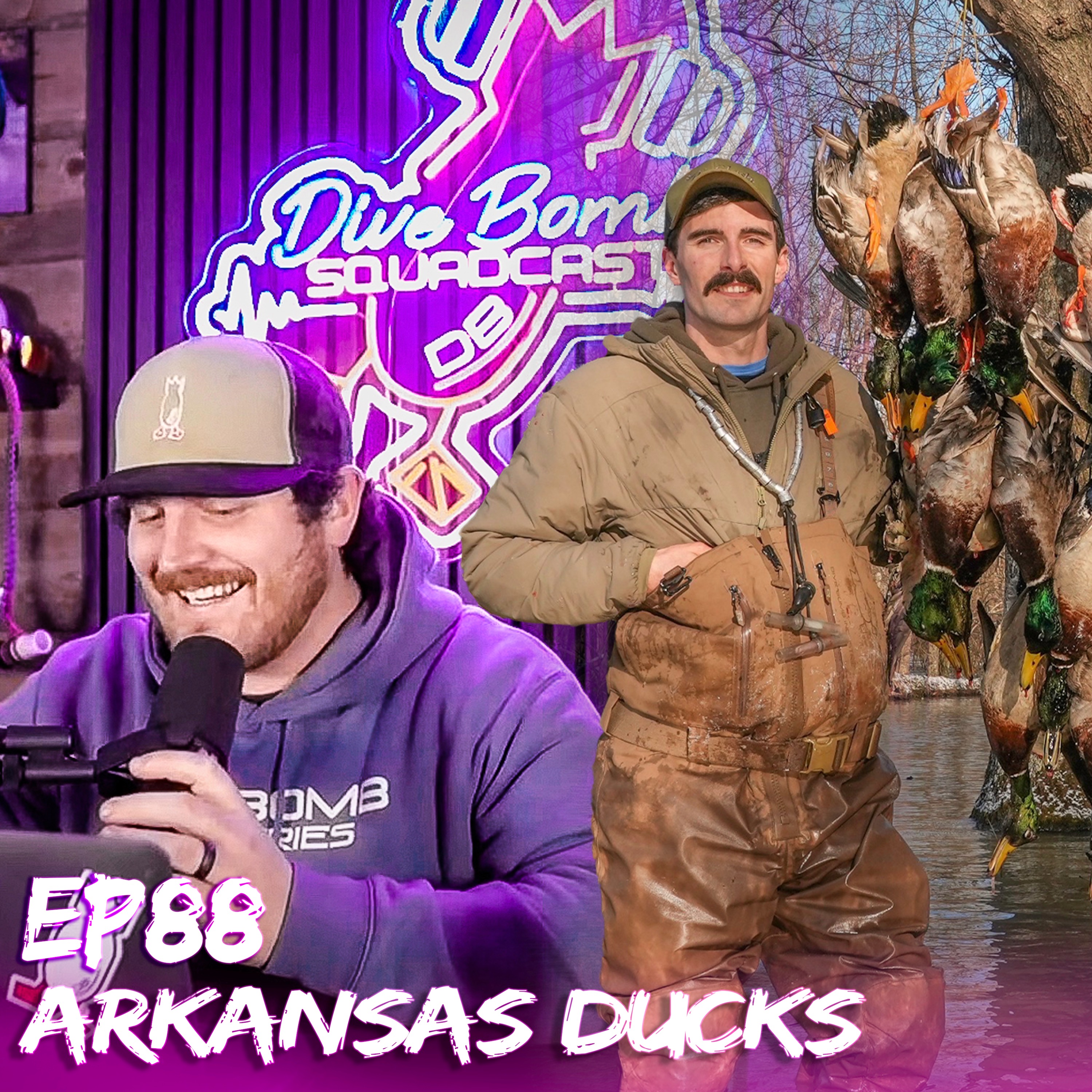
Ep88 - Arkansas Duck Hunting with Zac Carothers of Big Slash Hunts
Dec 100:46:14Tap to summarizeOn this episode of the Dive Bomb SquadCast, Matt Judy sits down with Zac Carothers to talk all things duck season, Arkansas traditions, and the friendships that make waterfowling what it is. Zac walks us through his journey from hunting with his dad as a kid, to guiding across the country, to now managing and hunting the legendary Big Slash property.The guys trade stories from the field, break down what makes Arkansas duck culture so special, and talk about the highs and lows of running a hunting property — from flooded timber mornings to the challenges that come with keeping a place productive year after year.Packed with humor, memorable hunts, and a shared love for the outdoors, this episode gives listeners an inside look at the passion and heritage that fuel waterfowling season after season.
Transcribe →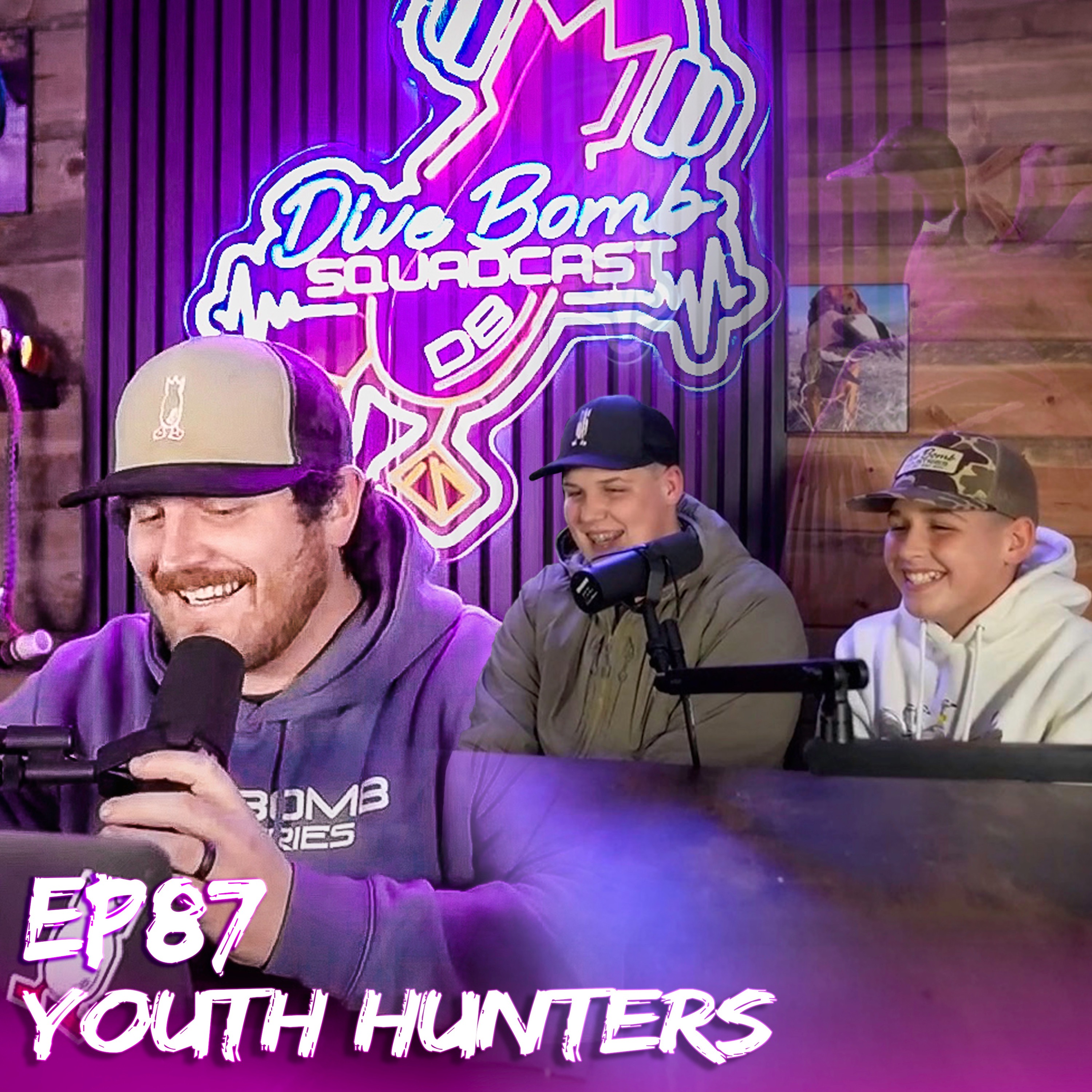
Ep87 - Youth Hunters Said What?! The Future of Waterfowling
Nov 1700:55:05Tap to summarizeOn this episode of the Dive Bomb SquadCast, Matt Judy sits down with his young cousins Vince and Oliver to talk hunting from the next generation’s perspective. The guys recap their season, break down their most memorable hunts, and share the stories behind the birds that made an impact — from pintails to banded ducks to the ones headed for the taxidermist.They dive into shotguns, calling, weather challenges, and what it’s like learning the ropes as young waterfowlers in today’s hunting landscape. Along the way, they hit on respect, ethics, and how the culture of duck hunting is changing. Matt also reflects on family, fatherhood, and watching young hunters grow up in the outdoors.It’s an honest, fun, and wide-open conversation that shows why the future of waterfowling is in good hands.
Transcribe →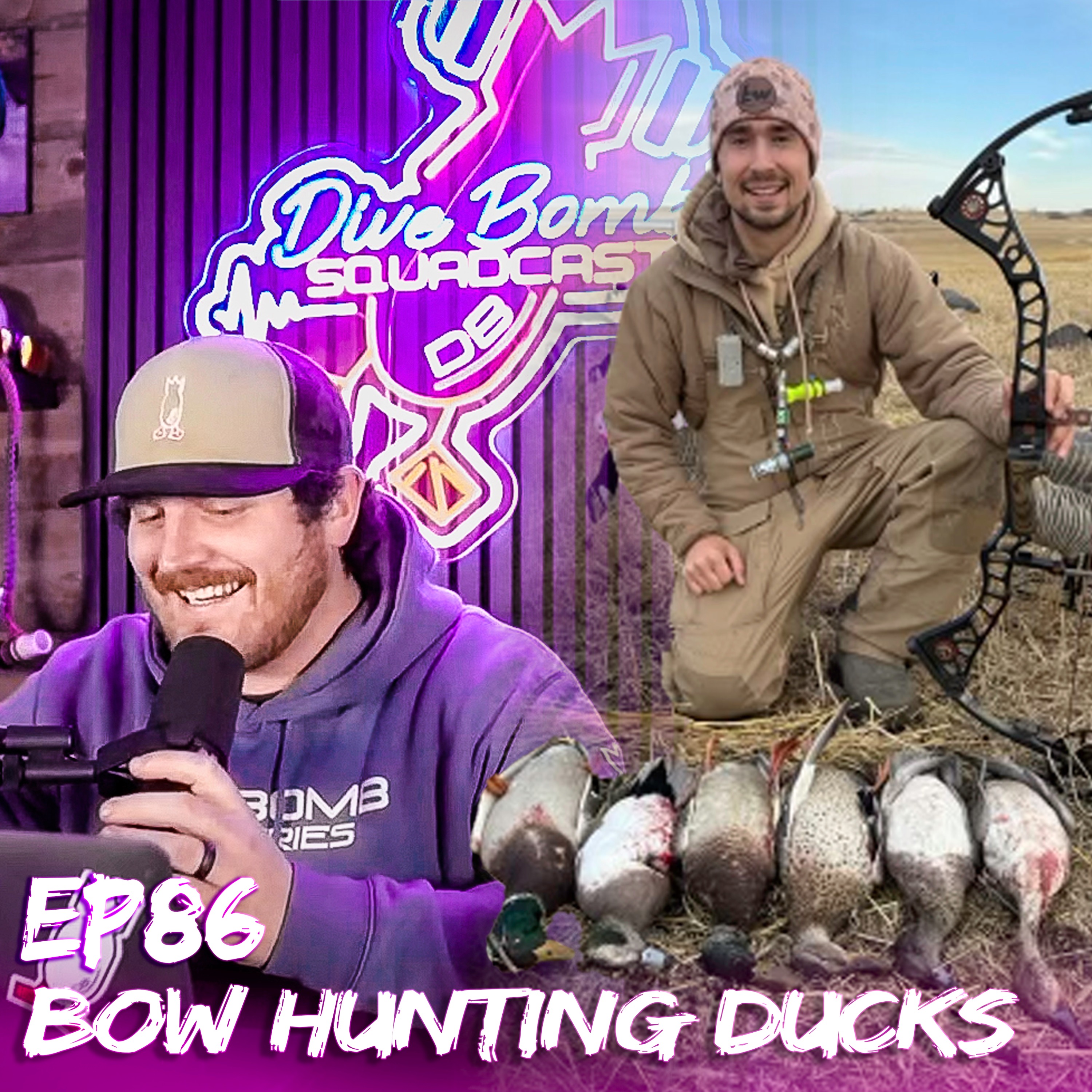
Ep86 - Bow Hunting Ducks and Geese with BW Films
Nov 400:47:49Tap to summarizeOn this episode of the Dive Bomb SquadCast, Matt Judy sits down with Luke from Broken Wing Films to talk about one of the wildest pursuits in waterfowl hunting — bow hunting ducks and geese. Luke breaks down what makes chasing birds with a bow so addictive, from the precision and patience it takes to the gear setups and techniques that make it possible.They dive into Luke’s recent hunts, the challenges that come with changing conditions, and the small adjustments that can make or break a shot. Along the way, the guys trade stories, talk frustrations, and look ahead to future hunts that push the limits even further.If you’ve ever thought about bow hunting waterfowl — or just love hearing about extreme hunts done right — this one’s a must-listen.
Transcribe →
EP34 - Waterfowl Science with Dr. Osborne
May 3, 2021Tap to summarizeMigratory waterfowl possess an incredible ability to constantly adapt to the changing climate and environmental factors. Add in the fact that lower Mississippi Flyway mallards are receiving an unprecedented amount of hunting pressure, and the patterns of the "good old days" start to change. Dr. Osborne cites the driving factors behind these behavior changes and what their banding data is revealing about the mallard migration to the deep south. We also discuss hybrid ducks, band programs of the past, and how the dry prairies and late harsh winter may negatively effect the fall flight index.
Transcribe →