← Documentos RNE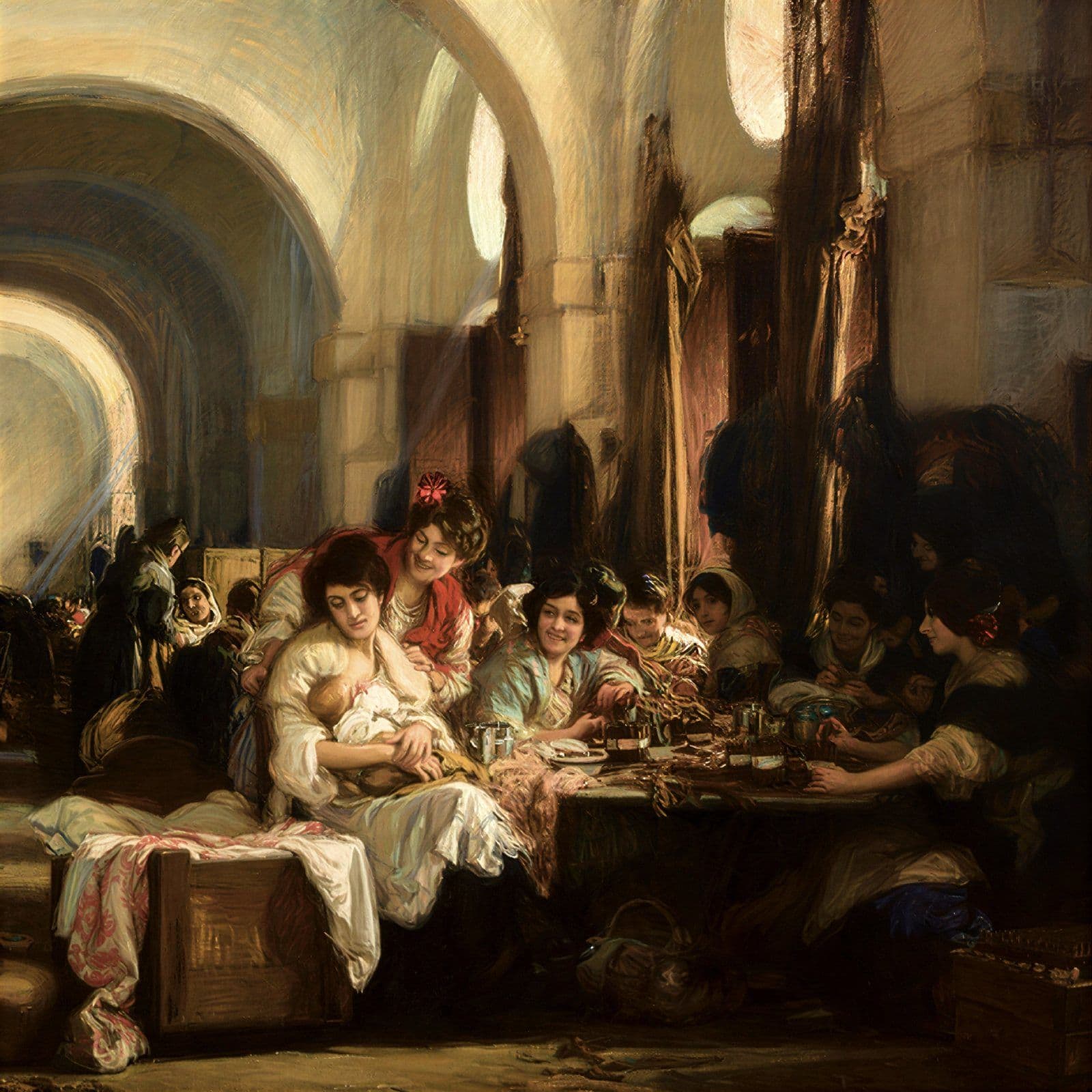
Documentos RNE
Documentos RNE - Cigarreras: alegría del pueblo y espanto de la autoridad - 02/03/26
00:55:39
Cigarreras: alegría del pueblo y espanto de la autoridad
Loading summary
Transcript160 lines
- [00:01]
Narrator
RNE Audio Descarga la app y disfruta de los programas de RNE y nuestros podcast originales.
- [00:14]
Historian/Researcher
Documentos radio nacional de españa.
- [00:28]
Carmen Pérez Fuente (Cigarrera)
Cigarrera significa ser independiente porque teníamos un salario y un salario digno, ser una persona libre.
- [00:46]
Rocío Plaza (Art Historian)
La imagen de Carmen Ella es una cigarrera, ella es gitana, es una bailaora también en la ópera. Para mí ha sido más fácil verlo desde la perspectiva francesa. Yo lo considero un mito exclusivamente francés.
- [01:06]
Sociologist/Expert
Las cigarreras no son las que fabrican el mito. Ellas vivieron una experiencia. El problema es cómo la experiencia histórica de las mujeres acaba trasladándose, llena de ausencias, de mitos, de estigmas.
- [01:26]
Montserrat García (Cigarrera)
Carmen a nosotros perjudiconos un poco. Había gente que nos la cantaba como la Carmen de Merrimé. No nos gustaba mucho, pero bueno, era lo que era y no había otro remedio.
- [01:41]
Carmen Pérez Fuente (Cigarrera)
Verás tú. Nosotros éramos las niñas de la fábrica de tabaco. El trabajar en la fábrica era una cosa no muy bien vista.
- [01:53]
Violeta Gómez (Cigarrera)
Sí que fuimos críticas. De hecho, si ves a un baile y sabín que eres cigarrera, los paisanos que te sacaban a bailar querían como sobrepasarse porque pensaban que éramos tararí.
- [02:08]
Montserrat García (Cigarrera)
Esta hora va al baile, Jeffrera era lo que decían.
- [02:13]
Violeta Gómez (Cigarrera)
Eso ni yo. Ni yo creo que ninguna compañera.
- [02:18]
Narrator
Cigarreras, alegría del pueblo y espanto de la autoridad. Contrato de aprendizaje Siempre digo que volvería
- [02:31]
Montserrat García (Cigarrera)
a ser cigarrera sin pensarlo dos veces, porque significaba nuestra independencia.
- [02:36]
Narrator
Reunidos de una parte, Don José Manuel Cortél Pérez, como ingeniero jefe de la empresa Tabacalera s. A.
- [02:43]
Montserrat García (Cigarrera)
Fábrica de Gijón, que ningún marido, ningún hombre me iba a decir a mí lo que yo tenía que gastar, poner, quitar y demás.
- [02:49]
Narrator
Y de otra, María Montserrat García García, natural de Blimea, San Martín del Rey, Aureli.
- [02:56]
Montserrat García (Cigarrera)
Cuando yo entré vivíamos en un régimen interno que tenía la empresa y eran ellos los que decidían, mandaban y hacían. Teníamos que seguir el reglamento interno.
- [03:08]
Narrator
El empresario o maestro se obliga a vigilar al aprendiz y prevenir sus extravíos, dando cuenta a sus padres o encargados de cuantas faltas observare.
- [03:17]
Montserrat García (Cigarrera)
Puedo leer la frase completa que tengo aquí por el presente contrato de aprendizaje se basa en el respeto, consideración, obediencia del aprendiz hacia el maestro y patrono, quien a su vez deberá conducirse para él como un buen padre de familia con arreglo a las siguientes normas. Y era lo que te ponía.
- [03:36]
Narrator
El matrimonio de la aprendiza, mientras dure el contrato, será causa específica de rescisión del mismo sin que la interesada tenga derecho a indemnización alguna.
- [03:46]
Montserrat García (Cigarrera)
Las mujeres no éramos personas, éramos niñas que habíamos conseguido un trabajo y que lo habíamos conseguido porque teníamos unas manos en las que los hombres no podían hacer ese trabajo. Y entonces no quedó más remedio, desde 1800, que empleara mujeres para utilizar una hoja de tabaco que los hombres destrozaban con la mano porque era un poco más torpe.
- [04:08]
Narrator
En Gijón a 14 de abril de 1972.
- [04:20]
Violeta Gómez (Cigarrera)
Soy Violeta Gómez, fui ciegarrea. Entré a los 18-19 no cumplidos a la fábrica. Trabajé cuarenta y pico años y cuando entré en la fábrica no era como que ahora no había máquinas. Trabajamos, Todo lo que hacíamos era mano. Allí el rey era Farias cuando entré, porque entré primero que Montse. Eran dos años de aprendiz. En esos dos años ni te podías casar ni te podías caer embrazada porque ibas fuera de la fábrica. Después de los dos años muchas compañeras casáronse. Pero si te quise explicar el primer taller que yo entré. Yo entré con los señores mayores y entonces hacían los cigarrinos a mano. Teníamos un molde, echaban la picadura, dabante el capillo y tú a mano liaves los cigarros. Lo que más ellos tenían en el cigarro era la perilla. Tenéis que hacer la perilla, que la perilla no sé por qué, porque los hombres muérdenla y tírenla. Pero era lo que más nos miraban a mano. Hacíais poca entrega porque claro, era lo que podías hacer. A lo mejor daba 20 cigarros, 30 cigarros. Luego ya empezaron a venir las máquinas.
- [05:48]
Historian/Researcher
A finales del siglo XIX existían. Existían en España 11 fábricas de tabaco. En ellas trabajaban unas 27.000 mujeres. Mano de obra diestra y barata. Las primeras en entrar fueron las gaditanas.
- [06:02]
Carmen Pérez Fuente (Cigarrera)
Soy Carmen Pérez Fuente, cigarrera. Entrené a trabajar en la fábrica de Cádiz en 12 de febrero de 1977 y estuve trabajando hasta que ya definitivamente se cerró en el 2009. Las mujeres siempre verás tú, éramos mayoría, pero estábamos en un segundo plano. Los hombres tenían ciertos privilegios, como por ejemplo, podían salir a la calle en la media hora del desayuno o de la merienda, podían fumar dentro de la fábrica. Sin embargo, las mujeres en un principio, ya luego eso también se cambi no podíamos salir a la calle y además eso de fumar en pasillos, ni en la sala ni en el comedor, eso estaba vetado para las mujeres. Entonces si queríamos fumar nos teníamos que meter en los servicios.
- [07:14]
Historian/Researcher
Para entender el papel de las ciudades en la sociedad y la importancia histórica de sus reivindicaciones, hay que tener en cuenta que la industria del tabaco ha sido una de las que más población obrera femenina ha incluido en sus fábricas. Ellas eran la alegría del pueblo y el espanto de la autoridad y así las definió Benito Pérez Galdós en sus Episodios Nacionales.
- [07:42]
Sociologist/Expert
No es que fueran mujeres las que trabajaban, es que eran mujeres las que dominaban con mucha autonomía el proceso de trabajo y desde un dominio del oficio. El oficio lo aprendían, lo perfeccionaban y lo enseñaban aprendizas.
- [07:57]
Historian/Researcher
Paloma Candela Soto, Profesora de Sociología de la Universidad de Castilla La Mancha, Autora de la tesis Cigarreras madrileñas, Trabajo y vida, 1888-1927 ¿Cómo se dividía el trabajo?
- [08:12]
Sociologist/Expert
Esa forma en la que primero había talleres, los talleres en partidos que vigilaban maestras de los talleres se subdividían en ranchos, que era trabajo en pequeños grupos. De cada rancho era responsable un ama de rancho que no solo vigilaba, repartía, controlaba la labor, que en esos momentos eran manuales, a primeros de o a mediados del XIX, sino que además también la remuneraba y además estaba muy vigilante de cómo se formaba. En esa elaboración del cigarro cortas el
- [08:44]
Historian/Researcher
rabo de un tijeretazo, entendido.
- [08:48]
Sociologist/Expert
Realmente lo que veo es ya un protagonismo enorme en el propio centro de trabajo, algo que era muy poco habitual. Eran muchas mujeres las que trabajaban en los mismos talleres muchas horas al día y en el momento en el que empezaron a ver amenazado sus puestos de trabajo, y esto tuvo que ver mucho con todo el proceso de modernización que inician las fábricas de tabaco, la gestión de la compañía arrendataria a partir de 1888, donde lo que quiere la renta de alguna manera es racionalizar el trabajo, coinciden también estructuralmente algunas cuestiones el aterrizaje o los primeros pasos de la organización científica del trabajo, la racionalización de los procesos, la llegada de las máquinas. En todo este proceso empiezan también a ver que peligran algunos de los privilegios de los que se habían estado ellas beneficiándose, porque realmente fueron mujeres que para la época podríamos decir que estaban en la aristocracia de la clase obrera.
- [09:51]
Luis Méndez (Art Historian)
El grueso de los trabajadores que estaban en la fábrica de tabaco eran mujeres.
- [09:56]
Historian/Researcher
LUIS MÉNDEZ Catedrático de Historia del Arte de la Universidad de Sevilla Frente a
- [10:01]
Luis Méndez (Art Historian)
estas mujeres había un número reducido de hombres que trabajaban en las máquinas, en el manejo de los animales, los almacenes, pero fundamentalmente los hombres eran los administradores, los directivos de la fábrica. Eso provocaba realmente enfrentamientos. Por ejemplo, cuando a las cigarreras le daban hojas de tabaco en mal estado y les pagaban menos en ese trabajo de destajo por los puros que hacían, o incluso para la inspección le partían alguno de los cigarrillos, con lo cual echaban a perder parte del jornal que habían realizado durante el día. Eso provocaba la batalla, la reivindicación de estas mujeres que se van a organizar desde el principio en contra precisamente muchas veces del administrador de la fábrica o del directivo que se va a convertir en el rival a batir para conseguir su derecho.
- [10:54]
Sociologist/Expert
La concentración numérica hace mucho, el estar 12 o 14 horas trabajando en el mismo espacio acaba emergiendo unos vínculos de solidaridad que fueron enormemente importantes para que emergiera esa conciencia colectiva.
- [11:13]
Historian/Researcher
La lucha de las cigarreras por la defensa de sus derechos y condiciones laborales ha sido desde sus inicios y hasta el cierre de las fábricas, una constante parte de su identidad. Solidaridad compartida Yo entré en el año
- [11:28]
Montserrat García (Cigarrera)
72, el mote que me ponen y la diputada, pero porque estuve en el comité y Aleska. Estábamos en el comité, nos llamaban las diputades. Toda mi familia son mineros, todos pasaron por mucho. Entonces yo ya venía con la lucha en la sangre. Cuando entré en la fábrica vi que aquello era medieval, todavía vivía Franco, Todas éramos menores de edad, porque la mayoría de edad en la época de Franco era los 21. Nosotros no teníamos derecho absolutamente a nada, ni a tener cuenta corriente, no teníamos nada nuestro, a pesar de lo que ganásemos. Hicimos un encierro de 12 días, porque no todes les fabriques, unas tenían una cosa y otras, otras. Como Valencia tenía una guardería, nosotros teníamos vivienda, una vivienda que llamamos las casas de la fábrica, que cuando tú entrabas y te casabas, si querías una vivienda de esas y estaba libre, te la cogían. Había unas plantas bajas que se inundaron y empezamos a hacer una protesta y una huelga. Pero justo en ese empás nos ocuparon las viviendas. Entonces ahí hicimos un encierro, pero no para protestar contra los gitanos que habían ocupado el Escasez, sino contra la empresa para que reparara esas casas. Y fuimos nosotras con nuestra solidaridad, hablando con quien tuviéramos que hablar, con alcaldía, con el gobierno de Oviedo, que entonces empezaba el Principado, los que les conseguimos casas a ese grupo de gente para que nos dejaran las nuestras libres y que la empresa empezara a trabajar en ese Escasez que lo llevaba a otra compañía. Estábamos en pleno encierro y como a las 8 de la tarde vemos llegar un grupo con un palé que se nos mete para adentro. ¿Un palé? ¿Pero que nos traen estos? Un palé que pensamos que era comida y tal. No, era el director de la fábrica que nos traía un palé de compreses. La gente fue muy solidaria. Los pescaderes de alrededor, a los que nosotros comprábamos el pescado y tal, también nos traían pescado. Los bares donde se comía alrededor nos traían comida. Esta solidaridad, sobre todo y especialmente en el barrio, siempre la hubo. Por eso una una vez muerta la fábrica de tabacos, parte del barrio murió con ella.
- [13:47]
Narrator
Fábrica de tabacos Convenidas las autoridades, como indicamos ayer, a que se pagaran dos meses de los cuatro de atrasos, debían principiar a cobrar las operarias y sucesivamente
- [14:00]
Luis Méndez (Art Historian)
los demás mas desde anoche corrieron voces de que no recibían nada si no se les daba el todo.
- [14:06]
Historian/Researcher
Diario de Sevilla de Comercio, Artes y Literatura, 1838.
- [14:13]
Narrator
El señor superintendente tuvo de ello conocimiento, e igualmente el señor gobernador, quien dispuso que la compañía de escopeteros, al romper el día marchara a situarse a la fábrica, en la que se constituyó a las seis el señor General Segundo Cabo, y sabiendo que los operarios prohibían acudiesen a sus labores respectivas las mujeres. En efecto, ni éstas ni aquellos han ido a trabajar ni a cobrar.
- [14:40]
Carmen Pérez Fuente (Cigarrera)
En aquel tiempo, ya en 1700 y pico, que todavía no estaba la fábrica de la calle Plocia, las cigarreras de Cádiz ya peleaban, incluso tenían su forma de organizarse sindicalmente, que entonces no había ni seguridad social ni nada de eso. Ellas constituyeron como una especie de caja de resistencia para ayudar a las compañeras que se ponían enfermas. Ayudaban a las compañeras que tenían hijos pequeños y peleaban por mejorar su situación.
- [15:22]
Sociologist/Expert
El martes y a la hora de comenzar las tareas en la fábrica de tabacos, se reprodujo el alboroto del día anterior, comenzando en el taller de pitillos.
- [15:30]
Historian/Researcher
Periódico el día 1885.
- [15:41]
Sociologist/Expert
Tres horas duraron las gestiones para dominar el tumulto, pero en vista de que las cigarreras empezaron a palos y a pedradas con los dependientes del establecimiento, las autoridades se retiraron al patio donde se hallaban fuerzas de la Guardia Civil y Carabineros, los cuales, de orden del gobernador, desalojaron el edificio. A última hora de la tarde se fijó en los sitios públicos el siguiente bando del gobernador
- [16:07]
Narrator
Sevillanos Con el falsísimo pretexto de la instalación de una máquina, se han promovido ayer y hoy graves desórdenes en la fábrica de tabaco. Garantizo que nadie ha pensado en máquinas semejantes y por tanto, cumplo con el deber de advertir que estoy dispuesto a reprimir cualquier desorden con la mayor energía, confiando en que la reconocida prudencia de este pueblo hará inútil toda medida de rigor.
- [16:36]
Sociologist/Expert
Firmado a 24 de marzo de 1885. El gobernador civil Enrique de Leguina.
- [16:45]
Rocío Plaza (Art Historian)
Tenemos documentos de la participación de las mujeres desde 1840 y tanto.
- [16:50]
Historian/Researcher
Rocío Plaza, Catedrática de Historia del Arte de la Universidad de Sevilla, especialista en espectáculos escénicos de los siglos XVIII y XIX.
- [17:00]
Rocío Plaza (Art Historian)
En 1847, cuando se está haciendo Carmen, el mito de Carmen, y se está gestando ya, las tenemos a ella encabezando las huelgas que recorrían la ciudad para pedir por sus derechos. Es más, las manifestaciones que se hacían en la calle, que muchas terminaban en revueltas con la intervención del ejército, empezaban en la fábrica de tabaco y ellas eran las que estaban a la cabeza. En Sevilla sabían que las huelgas empezaban cuando las cigarreras abrían las puertas. ¿Por qué? Porque ellas van ocupando la vanguardia de la manifestación que pueda acabar en revuelta. ¿Por qué las mujeres se ponen? Ellas, y esto es lo que a mí me llamó muchísimo la atención, ellas se ponen porque a las mujeres los soldados no les van a disparar con la facilidad con la que dispararían a los hombres. Es decir, ellas hacen como de alguna manera de escudos para que la lucha en la calle, sin revuelta y sin disparos por parte de la guardia, se desarrolle o se desencadene antes. Ellas son tan luchadoras como lo son y encabezan y los hombres van detrás. A mí eso me parece una imagen significativa. De hecho tenemos el gran cuadro de Pelliza da Volpedo del italiano, en ese cuadro maravilloso donde van los hombres y van las mujeres con los niños, que es muy significativo de lo que estamos hablando.
- [18:25]
Historian/Researcher
No obstante, si hay un cuadro emblemático que homenajea a las cigarreras, ese es el que pintó en 1915, Golpes, Gonzalo Bilbao, una instantánea del trabajo cotidiano de las mujeres en la Fábrica de tabacos de Sevilla.
- [18:39]
Luis Méndez (Art Historian)
En el cuadro de Gonzalo Bilbao de las cigarreras, el gran protagonista es la luz del interior de esas galerías donde están trabajando las cigarreras, Organizadas en esas mesas, en esos ranchos de seis personas. Vemos a la izquierda una de las mesas mujeres que está con las hojas de tabaco, con el mazo de tabaco para llevarla a uno de estos ranchos para que hagan los cigarros. Y en primer plano lo que vemos es un grupo de cigarreras ataviadas con esos rodetes, con esas flores en el pelo, alegres, altaneras también viendo como una de ellas está amamantando a su hijo. La cuna improvisada está hecha con uno de los cajones en los que se traía las hojas de tabaco. Lo interesante, precisamente en 1840 se crea la primera sala de lactancia para facilitar que esta cigarrera, con esta flexibilidad, llevasen los hijos a la fábrica. Unos pocos años más tarde se va a crear una escuela de párvulos y también dos escuelas de primaria donde las cigarreras podían llevar a sus hijos e hijas, cuyo coste recaía en las trabajadoras. Esa relación entre el trabajo en la fábrica y también en el hogar se reflejaba en el propio lenguaje, como vemos en el cuadro de Gonzalo Bilbao. Muchas de ellas están haciendo los cigarros, están enrollando las hojas de tabaco para hacer la tripa, eso le decían ellas hacer el niño, a semejanza de cómo tenían que envolverlas en el pañal a su hijo. Una fábrica de tabacos que es un edificio patrimonial, el edificio industrial más grande de la Europa del momento. Un Escorial tabaquero, como la llaman algunos de los viajeros que acuden a la Sevilla durante el siglo XIX y que realmente se convierte, bajo la paleta y los pinceles de Gonzalo Bilbao, en un cuadro de grandes dimensiones que recuerda a Las hiranderas de Velázquez y que va a presentar la Exposición Nacional de Madrid de 1915.
- [20:35]
Historian/Researcher
Luis Méndez, catedrático de Historia del Arte de la Universidad de Sevilla, Desgraciadamente la
- [20:41]
Luis Méndez (Art Historian)
medalla de honor no se la lleva él, sino que se la lleva otro pintor, un pintor valenciano, Francisco Domínguez Márquez, y en desagravio ante lo que considera la cigarrera y el pueblo de Sevilla como una afrenta, cuando regresa de Madrid sin esa medalla, se le organiza en la estación de Plaza de Armas un homenaje popular en desagravio al que acuden muchas de las cigarreras que él había pintado desde 1910 a 1915, porque era amigo además del director de la fábrica, Le Alarcón. Tenían mucha empatía con la cigarrera y éstas van a acudir precisamente a recibir al pintor ataviadas con esos mantoncillos, con esos rodetes, que eran su imagen más característica. Iba a ser realmente una conmemoración importante y una representación, quizás la más importante, de la cigarrera en el espacio de trabajo de la fábrica de tabaco.
- [21:26]
Historian/Researcher
El óleo sobre lienzo en el que Gonzalo Bilbao inmortalizó a las cigarreras supera los tres metros de alto y los cuatro de largo. No pasa inadvertido en el Museo de Bellas Artes de Sevilla, como tampoco pasó inadvertido a ojos de los españoles recién llegados a América, ese tizón encendido que los nativos aspiraban por la boca. Los indios fueron los primeros primeros saboreadores de humo. El tabaco llega a España procedente de Cuba tras la conquista de América, pero la introducción definitiva de la planta en nuestro país tiene lugar en los primeros años del siglo XVI. De hecho, en un primer momento se pensaba que el tabaco sanaba y así lo dejó escrito el médico y farmacólogo sevillano Nicolás Yo tuve los días pasados
- [22:24]
Narrator
un dolor de una muela que me dio pena toda la noche y parte
- [22:28]
Luis Méndez (Art Historian)
de un día, y pedí de una
- [22:30]
Narrator
huerta que en casa tengo, unas hojas de tabaco y así mismo la raíz dicha, y masqué las entrambas juntas y desflemé y quitóseme el dolor.
- [22:40]
Historian/Researcher
El Dr. Monardes fue el primer investigador y cultivador de tabaco en nuestro país y plasmó sus conocimientos en obras Historia medicinal de las cosas que se traen de nuestras Indias Occidentales. En su catálogo se afirma que esta especie era el remedio de hasta 65 enfermedades. Pero dejando a un lado sus propiedades medicinales, que no tardarían en desmentirse, la producción de tabaco en España comienza oficialmente en torno a 1620 con el primer centro manufacturero, la conocida como Fábrica de San Pedro en Sevilla. Será en 1684 cuando la Real Hacienda con convierta a esta ciudad en cabeza de la renta tabaquera. Al observarse que el consumo es cada vez mayor, la producción aumenta, se aplica la ley de la oferta y la demanda y es imprescindible construir un nuevo emplazamiento. En 1728 comienzan las obras de la Real Fábrica de Tabacos de Sevilla, La Tabacalera, donde el escritor Prosper Mérimé imaginó a Carmen, hoy es sede de la Universidad.
- [23:48]
Luis Méndez (Art Historian)
Hay que entender que el edificio era un monopolio, la fabricación y comercialización del tabaco pertenecía a la Hacienda, al Estado y por tanto se hace una fábrica de unas dimensiones apabullantes para la época. Es una fábrica de tabacos que se va a construir a partir de 1728 y es obra de ingenieros militares como Ignacio Salas que hace la planta, luego Internet, también Diego Bordic y sobre todo a partir de La década de 1750 entra Sebastian Van der Bort, que va a ser el autor principal, que va a edificar todo un conjunto con un estilo final del barroco y con elementos también ya neoclásicos y que va a terminar La fachada en 1760, que es monumental, con un gran balcón con el escudo real y un texto dedicado al rey Fernando VI y coronando todo el conjunto la fama alada. Lo importante que tenemos que imaginarnos es que en esta puerta monumental, en este arco de ingreso y de salida, tenemos alrededor también de todo el edificio, un foso que va a separar, va a aislar la fábrica del resto de la ciudad por un foso donde estaba canalizado el tagarete y que permite la llegada de esas barcazas con el tabaco desde el río, muy cerquita del puerto de Sevilla. Y además había un cuerpo de guardia que protegía también y que servía para las inspecciones del tabaco y también para evitar los contrabandos cuando sonaba la salida de la fábrica, tenemos que imaginarnos que se abrían las puertas y salían esas 6.000 mujeres que trabajaban. Pero si vamos adelantando y vamos entrando en el interior de la fábrica, veremos un apedero monumental donde estaban las dependencias reales, pero intendemos de los directores de la fábrica. Y a continuación vamos a pasar a un patio, patio del reloj, que marcaba el reloj, los horarios de esta fábrica, pero que actualmente vemos una escultura de Rodrigo Fernández de Santaya, que es el fundador de la universidad en 1505. Una universidad que se traslada en la década de los 50 precisamente a este edificio y que ha hecho suya, por ejemplo, el logo de la universidad. Es la fama que corona el edificio. Un segundo patio con una fuente, el agua, tan importante también para el uso fabril y sobre todo un edificio que tiene la techumbre plana para secar el tabaco. Todo este conjunto es casi una ciudad en las afueras de la ciudad. Un edificio realmente monumental donde trabaja una importante cantidad de personas.
- [26:20]
Sociologist/Expert
Ya está la Las fábricas de tabaco tenían otra particularidad y es que las mujeres solían residir, por lo menos en Madrid, en Sevilla, en los barrios colindantes.
- [26:31]
Historian/Researcher
PALOMA CANDELA SOTO DOCTORA en SOCIOLOGÍA INVESTIGADORA de las cigarreras MADRILEÑAS Esto hacía que
- [26:39]
Sociologist/Expert
los muros de la fábrica se diluyeran. Claro, hablamos que a finales de siglo, Madrid, después de Sevilla, era la fábrica más numerosa de fábrica. Fábricas con más de 4.000 mujeres trabajando. Si tú visualizas un poco Embajadores, la fábrica de tabacos, que la mayoría vivían en torno de Lavapiés, lo que era el distrito de la Enclusa, Miguel Servet, Santiago el Verde, todas esas calles en sus viviendas populares que eran las corralas, las mujeres residían allí. La fábrica y el hogar acababa siendo una línea continua. Y ese protagonismo y esa autonomía que tienen dentro de la fábrica también la llevan a sus hogares. Son mujeres de armas tomar. Pero volvemos a lo mismo, Detrás del mito de la Manola, de la Chulapona, de la Carmen, lo que hay son obreras que ganan dinero en un momento en el que el cabeza de familia es el varón. Yo creo que sí, que hay que tener muy presente esa realidad, yo creo que muy adelantada a su tiempo, que tenían tanto dentro como fuera, en el sostenimiento de sus familias, de sus hogares,
- [27:41]
Rocío Plaza (Art Historian)
etc. Es un trabajo en el que una realiza una parte, otra otra, otra otra. Es una cadena de trabajo. Primero lo fue artesanalmente, después ya empezó la mecanización, pero es un trabajo que encadena en lo que es en su propio proceso, las une, las condiciones de trabajo también las van a unir. Yo siempre me las imagino con sus niños a cuesta, sobre todo las que vienen de Triana, que hay muchas fotos cruzando la pasión con los niños a cuesta, camino de un horario de trabajo tan larguísimo. Los bebés se tenían que apoyar y sostener unas a otras como una red para poder trabajar, alimentar a sus hijos, cuidar de sus enfermos y cuidarse entre ellas, en definitiva.
- [28:22]
Historian/Researcher
Rocío Plaza, Catedrática de Historia del Arte de la Universidad de Sevilla.
- [28:26]
Rocío Plaza (Art Historian)
Las madres y guerreras tienen hijas y guerreras y tienen abuelas y carreras, aunque la generación solo quepa 100 años. Son generaciones de mujeres trabajadoras que se han ido sucediendo y eso hace y ha hecho que tengamos una manera, o ellas tengan una manera de entender el trabajo, de entender la familia y de entender la vida muy particular. Han sido muy luchadoras por sus derechos, especialmente desde fines del siglo XIX y el siglo XX, pero lo son desde el principio.
- [29:02]
Carmen Pérez Fuente (Cigarrera)
Las que estaban en el turno de mañana, que era de 6 a 2 de la tarde, cuando salían, pues luego tenían que ir a su casa, los niños, las labores de la casa, todo el trajín que eso implica. Y las que estaban en el turno de tarde, pues ya venían con esa carga ya encima, porque claro, entraban a las 2 y salían a las 10 de la noche.
- [29:25]
Historian/Researcher
Carmen Pérez Fuentes, cigarrera en la fábrica de Cádiz desde 1977 nosotros teníamos que
- [29:32]
Carmen Pérez Fuente (Cigarrera)
hacer un número determinado de producción y dentro de eso nos turnábamos, buscábamos las vueltas para ir al servicio, para ir a fumar, para ir a tomarnos un café. Cuando cuando una estaba un poco malusquilla, intentábamos que esa compañera estuviera en un sitio un poquito más aliviado.
- [29:56]
Montserrat García (Cigarrera)
Ese tipo de cosas siempre nos ayudábamos todes unes a otres.
- [30:01]
Historian/Researcher
Montserrat García, cigarrera en la fábrica de Gijón desde 1972 cuando se trabajaba destajo,
- [30:08]
Montserrat García (Cigarrera)
si una por lo que fuera se encontraba mal ese día trabajábamos a toda velocidad, más de lo normal. Mal parar lo que trabajábamos a la que estaba mal.
- [30:24]
Sociologist/Expert
Hay un espectáculo extraordinario.
- [30:27]
Historian/Researcher
El Ródano, el Darro y el Guadalquivir, un paseo de verano en 1842. Isabella Romero, en una gran sala Trabajan
- [30:36]
Montserrat García (Cigarrera)
en la fabricación de cigarros con una
- [30:39]
Sociologist/Expert
gil impresionante, al mismo tiempo que sus
- [30:43]
Carmen Pérez Fuente (Cigarrera)
lenguas mantienen la velocidad de sus manos.
- [30:47]
Rocío Plaza (Art Historian)
Si nosotros vemos o leemos literatura de viaje a las británicas, especialmente a las mujeres británicas que recorrieron la fábrica de tabacos, ellas se espantan de ver el mal olor, las condiciones de trabajo insalubres en las que el polvo amarillento que las cubre, completamente irrespirables, en las que estas mujeres trabajaban. Esa es la realidad.
- [31:13]
Sociologist/Expert
Nunca encontré un tumulto de voces humanas tan ensordecedor como el que me aproximaba
- [31:20]
Montserrat García (Cigarrera)
en aquella sala de trabajo tan atestada.
- [31:25]
Rocío Plaza (Art Historian)
Empezamos a tener noticias de ellas hacia 1850, 1860, 1870. Son las aristócratas las primeras que empiezan a venir, pintoras, algunas que son exclusivamente escritoras, que vienen, por ejemplo Isabella Romer, que trabajan para editores para revistas. Y la fábrica de tabaco se convierte en un lugar de visita prácticamente obligatoria desde 1850 para ver primero el imponente edificio y después para ver uno de los espacios donde trabajan, sino el que más, la mayor cantidad de mujeres en Europa. Entonces eso se convierte en un espacio de interés. No podemos olvidar que es una fábrica real, que está vigilada, entonces ahí no se podía entrar de cualquier forma. Entonces sí tenemos noticias tanto de viajeros ingleses, siempre son aristócratas, militares, políticos, sus esposas o ya ellas que lo consiguen independientemente. Y son muy interesantes las imágenes que nos dan sobre sobre todo las británicas, que son las más críticas con la situación.
- [32:29]
Sociologist/Expert
Lo que digo es que hay que tener hígados y no dejarse pisar ni que le echen a uno yugo al cuello sin defenderse.
- [32:34]
Historian/Researcher
Eso sí, lo que digo es que
- [32:37]
Sociologist/Expert
cuando no le dan a uno lo suyo, lo pide y si se lo
- [32:39]
Historian/Researcher
niegan lo coge, Eso está claro. La Tribuna Ficción sonora de Radio Nacional sobre la novela de Emilia Pardo Bazán tiene razón.
- [32:48]
Sociologist/Expert
Nosotras hacemos cigarros, ¿No? Pues que nos abonen lo nuestro. No es ley de Dios. Esa desigualdad de unos zampar y ayunar otros. Lo que es yo o me pagan o mañana no entro al trabajo.
- [32:59]
Historian/Researcher
Ni yo.
- [32:59]
Violeta Gómez (Cigarrera)
Pues yo tampoco.
- [33:01]
Sociologist/Expert
¿Entonces estáis todas conmigo? Por supuesto que sí.
- [33:03]
Luis Méndez (Art Historian)
Sí nos vamos a encontrar en los autores españoles otra imagen, una imagen quizás más cercana a la realidad, una imagen donde se van a describir las condiciones de las cigarreras y sobre todo me gustaría destacar dos obras. Por un lado la que va a publicar Faustina Sáez de Melgar en 1872, que se llama Rosa, la cigarrera de Madrid, donde se acerca por un lado a una mujer, a una cigarrera que va a participar activamente en los motines revolucionarios de 1854 y otra que va a ser la que Emilia Pardo va va a publicar en su obra la tribuna de 1883 y que describe la
- [33:43]
Sociologist/Expert
historia de Amparo, Ciudadanos delegados, salud y fraternidad.
- [33:48]
Luis Méndez (Art Historian)
Acércate, acércate, tribuna del pueblo, que nos una un santo abrazo de fraternidad.
- [33:55]
Historian/Researcher
Yo ¿Por quién si no es por mí?
- [33:58]
Luis Méndez (Art Historian)
Viva la tribuna del pueblo.
- [34:00]
Historian/Researcher
¿Quién es?
- [34:01]
Luis Méndez (Art Historian)
Una cigarrera, trabaja en la fábrica de la Granera, la cigarrera en la fábrica de tabaco de Marineda, que realmente es un trasunto de la fábrica de tabacos de La Coruña y que va a participar también en ese movimiento federalista que va a terminar en esa primera república de 1873. Ella habla precisamente con esas descripciones tan características, con ese mundo del naturalismo que ahora mismo va a triunfar. Habla de los centros fabriles como colmenas intensas donde las abejas son las mujeres y la miel y la cera son los puros y los pitillos. Y habla de ese trabajo de las cigarreras. No se centra en la imagen romántica de la cigarrera, sino que va a bajar para describir las cigarreras con nombre y apellidos. Esas cigarreras que van a una vertiginosa rapidez haciendo con el papel como de blancas mariposas, enrollando los pitillos en un tablero para hacer casi una nevera de copos de nieve que son los cigarros.
- [35:06]
Sociologist/Expert
Agitábanse las manos de las muchachas con
- [35:08]
Historian/Researcher
vertiginosa rapidez, se veía un segundo revolotear el papel como blanca mariposa, luego aparecía enrollado y cilíndrico, brillaba la uña de hojalata rematando el bonete y caía el pitillo en el tablero sobre la pirámide de los hechos, ya como otro copo de nieve encima de una nevada. No se sabía ciertamente cuál de las amigas despachaba más.
- [35:31]
Sociologist/Expert
En cambio, a su lado, encaramada sobre
- [35:33]
Historian/Researcher
su almohadón, había una aprendiza niña de 8 años, que con sus deditos amorcillados y torpes apenas lograban una hora liar media docena de papeles.
- [35:44]
Luis Méndez (Art Historian)
Y esas descripciones de las cigarreras que hacen y Pardo Bazán realmente son muy significativas porque van a acercarnos no a la Carmen de Mérimé, sino a una cigarrera real de las fábricas que existían en el país y que van a hacer miles de cigarrillos.
- [36:02]
Montserrat García (Cigarrera)
Iba la cigarrera Lere.
- [36:04]
Performer/Actor
Lere lleva un chiquillo. Lere lleva un chiquillo. Lere lleva un chiquillo.
- [36:11]
Sociologist/Expert
Lere
- [36:15]
Performer/Actor
lleva un chiquillo.
- [36:20]
Sociologist/Expert
El chico le pregunta.
- [36:23]
Performer/Actor
El chico le pregunta ¿Quién fue mi padre? Lere. ¿Quién fue mi Padre?
- [36:30]
Historian/Researcher
Lere.
- [36:31]
Performer/Actor
¿Quién fue mi padre? ¿Quién fue mi Padre?
- [36:44]
Carmen Pérez Fuente (Cigarrera)
Yo cuando entré la primera vez, a mí se me cayó el mundo encima. El olor, la estructura de una fábrica vieja. Aquello era desde 1700 largo 800. Tú llegabas, los suelos de madera, los baños antiguísimos, las taquillas, los talleres que no tenían las ventanas que hoy se ven en el Palacio de Congreso. No había más entonces muchos talleres no tenían los de la calle y todo viejo. El edificio tenía tres plantas. Teníamos un patio central y en ese patio central era donde en los pasillos que rodeaban a ese patio central era donde celebrábamos las asambleas, donde la hora de descanso. Salíamos al pasillo cuando ya nos dejaban fumar.
- [37:41]
Narrator
Y hablando de fumar, conviene que recordemos que la fábrica de tabacos de Sevilla tiene solera.
- [37:46]
Carmen Pérez Fuente (Cigarrera)
Entrabas en una zona que era un cuarto que no tenía ventanas a la calle porque estaba en medio de un taller y de una zona que era donde se preparaban las hojas del tabaco.
- [38:00]
Narrator
El tabaco es hojas. Asciende por los canales transportadores y correa sin fin en una labor de completa automación.
- [38:07]
Carmen Pérez Fuente (Cigarrera)
Las hojas venían secas. Esas hojas, para poderla manipular había que mojarla. Y luego pasaba a esta zona donde tú esas hojas que estaban mojadas, tú las tenías que estirar, las abrías y formaba lo que nosotros le llamábamos unos líos. Unos líos significa que esas hojas grandes, enormes, las tenías que partir por la mitad. Esos líos tenían que tener un número de hojas, un peso, y se liaban. Y eso los metías en unas bandejas grandes donde pasaban a ser manipuladas por las compañeras que estaban en la máquina.
- [38:48]
Narrator
Ya están hechos los cigarrillos. La operaria recoge con pinzas los ¿Que le parece? A efectos de comprobación del trabajo de la máquina, quizás son defectuosos o tal vez se han colocado fuera de su sitio en el transporte. Los pitillos imperfectos son condenados a la destrucción para ser rehechos de nuevo.
- [39:06]
Carmen Pérez Fuente (Cigarrera)
Esos talleres había algunos que estaban muy bien porque le entraba la luz de la calle, tenían grandes ventanales. Había otros que eran internos y había uno grande que estaba en el patio. Y ese taller ni tenía ventanas ni tenía luz a ningún sitio, era con luz artificial. A ese taller se le llamaba frío, mar del frío que hacía en invierno
- [39:36]
Violeta Gómez (Cigarrera)
cuando yo entré, del frío que había. Date cuenta que la fábrica Tabacos de Gijón era muy fría, muy grande.
- [39:41]
Historian/Researcher
Violeta Gómez Robledo Cigarrera En la fábrica del barrio de Cimavilla tapábamos con sacos
- [39:48]
Violeta Gómez (Cigarrera)
y cuando llegaba yo a casa que quitaba el saco, tenía unos manches en las piernas, cajades de pulgues que no te cuento. Cuando nos venía el periodo, mira qué fina soy. ¿Tú crees que nos dame una compresa? No la había, teníamos que andar con un paño y a veces cuando te bajaba mucho, pues poníamos el periódico Doblau para no manchar la batalla. Eso quiero decirte que yo cuando yo entré, sin embargo ahora cuando salimos, la fábrica cambió muchísimo. Teníamos tres comodidades, un hotel de 24 estrellas.
- [40:21]
Montserrat García (Cigarrera)
Eso se fue consiguiendo cuando las mujeres entramos dentro de los comités de la fábrica y empezaron a surgir los comités y los sindicatos. Ya entró en Comisiones Obreras, que era ahí donde estaba yo y tal. Cuando negociaba, negociábamos los convenios que se negociaban en Madrid. Las mujeres íbamos casi siempre por mejores sociales. Los hombres era normalmente dinero, dinero, la subida, que suban. Nosotros decimos sí, la subida, pero mejores sociales queremos esto y esto y esto. Y pedíamos una serie de reivindicaciones que los hombres se volvían locos. Conseguimos junto con la Asociación contra el Cáncer, que nos hicieran una revisión anual de cáncer, cosa que entonces no existían. Era voluntario a los que querían, pero como tampoco queríamos que fuera solo para nosotros, incluso pedimos para los hombres para la próstata. Solo que los hombres nos dijeron que algo así como a tomar por culo, a mí no me toca nadie. Pero sí unas mejores sociales que fueron. Es que nos cambiaron la vida. No solo el sueldo, la maternidad, la lactancia, los permisos, permisos que conseguimos. Luego había algo que no tuvo nadie en esa época, que es que conseguimos la igualdad en permisos y condiciones de la convivencia, no del matrimonio. Los que convivan juntos y demuestres que convivan juntos van a tener los mismos derechos marido y mujer, como su fueran marido y mujer. Y lo conseguimos, lo firmamos. Cuando tú entrabas no te podías casar, no podías tener hijos. Sin embargo luego se consiguió que era tan absurdo como eso de que las mujeres, si alguna caía embarazada siendo aprendiza, por supuesto que no la despidieran. Y ellos aceptaron no la vamos a despedir, pero no la vamos a dejar casarse. Unos católicos apostólicos romanos esperaban a que tú pasaras el año para que luego de una vez que pasaras el año de aprendizaje te pudieras casar.
- [42:30]
Historian/Researcher
El de las cigarreras fue uno de los colectivos pioneros de la lucha obrera española. Sus labores pasaban de madres a hijas y ese tejido comunitario salía de las puertas de las fábricas para entrar en en los barrios. Pero defender los derechos de las mujeres tenía un precio.
- [42:47]
Sociologist/Expert
Machismo, agresiones, violencia, todo. En eso no se salvaron de nada.
- [42:52]
Montserrat García (Cigarrera)
Yo estuve recibiendo llamadas en mi teléfono. Entonces no existían los móviles, eran los teléfonos fijos. Igual eran las 2, las 3 de la mañana, sonaba el teléfono, me llamaban Hija de la gran puta, comunista de mierda. Les mueres. Tenéis que estar en casa con la pata quebrada. Es esa famosa frase. Siempre nos la decían. ¿Qué coño pintáis vosotros trabajando? Quitar puestos de trabajo, Incluso me pusieron una pistola en el pecho y cosas de ese.
- [43:19]
Sociologist/Expert
Sí, quizá. Yo creo que fue esa situación de ir incorporándose poco a poco a un espacio que no es natural nuestro, porque no nos forman y nos educan para salir del hogar y de nuestros mandatos de género.
- [43:34]
Historian/Researcher
Paloma Candela so socióloga Fue ese habitar
- [43:39]
Sociologist/Expert
y tener la oportunidad de romper de forma muy temprana con esos roles y esos mandatos de género los que las hacen a la fuerza convertirse en mujeres duras. Hemos de aprovechar esto. Esto lo tenemos aquí. Somos responsables del trabajo que nos da el jornal, que es muy importante que trabajen a cambio de un salario. Eso no era habitual nada más que en fábricas reales, en cuestiones así. Las mujeres trabajábamos, pero de gratis, como dicen ahora, que realmente se pagaba en las primeras fábricas textiles, pero con mucha arbitrariedad y con mucha cultura paternal. Entonces aquí el hecho de que fueran fábricas intervenidas era un monopolio, era el Estado. Y claro, eso era una responsabilidad muy grande. Y todas estas cuestiones de trabajar acá, de un jornal, de con ese jornal poder alimentar a sus familias, poder ocupar un espacio de autoridad en sus familias, de autoridad en sus parejas, les hizo romper con esa sumisión de la época en muchos casos.
- [44:43]
Violeta Gómez (Cigarrera)
Yo tengo una jubilación y lleve la fábrica. Yo no vivo por ser viuda, como mucha gente me dice, yo vivo a lo que yo trabajé y a lo que yo estoy cobrando y punto pelota.
- [45:00]
Historian/Researcher
Cuando Prosper Mérimé publica a mediados del siglo XIX, Carmen describe los ojos de la cigarrera sevillana como grandes, negros y brillantes, un rasgo característico del mito que hipnotiza a Don José. Pero lo que se esconde tras esa profunda mirada lo encontramos en la literatura científica de la época, concretamente en los escritos del médico Philip Hauser.
- [45:24]
Luis Méndez (Art Historian)
El Dr. Hauser, que había estado durante una larga estancia en Sevilla, va a publicar en 1882 un estudio médico topográfico analizando la situación de las operarias de estas cigarreras de la fábrica de tabaco
- [45:37]
Historian/Researcher
Luis Méndez, Universidad de Sevilla.
- [45:40]
Luis Méndez (Art Historian)
Y dice que los talleres son espaciosos, son favorables, pero que ese polvo, la mejora del sistema de ventilación provocaba que el polvo de tabaco afectase a la respiración, a la piel y sobre todo a los ojos, creando una enfermedad especial en los ojos, una especie de oftalmía, como dice, que se caracterizaba por una dilatación de la pupila, por la congestión de los vasos del iris de la retina y hacía que esa cigarrera tuviesen los ojos grandes, dilatados, brillantes, más negros que el negro de la pupila, que va a ser una una de las características que se pone precisamente en boca de Don José cuando habla de Carmen y que podemos extrapolar a las miles de mujeres que se empleaban en la fábrica liando los cigarrillos. Vamos a ensayar la tabacalera.
- [46:27]
Historian/Researcher
Según cuenta Merymé, estamos en Sevilla en
- [46:30]
Luis Méndez (Art Historian)
el 1830, en la fábrica de tabaco
- [46:32]
Historian/Researcher
Carmen, película del tándem Carlos Saura Antonio Gade, 1983.
- [46:39]
Luis Méndez (Art Historian)
Hace mucho calor y como solamente hay mujeres, están cómodas, vamos, ligeritas de ropa. Os voy a pedir un favor, que
- [46:51]
Violeta Gómez (Cigarrera)
sintáis ese calor, que sintáis el lugar
- [46:54]
Luis Méndez (Art Historian)
y sobre todo hacérmelo sentir a mí,
- [46:55]
Historian/Researcher
porque si no no hay quien se lo crea. Desde su creación el mito se expande en todas las artes y arraiga en la sociedad como el humo de un cigarro que tarda días en desprenderse de la ropa.
- [47:11]
Performer/Actor
Lío en la flor de Habana En la flor de Habana y otros primores. Lo mismo Arde Triana, Arde Triana que a los milores.
- [47:25]
Luis Martínez Montiel (Art Historian)
Ya no solo aparece en teatro y en cine, sino que se prolongaría en cosas muy diversas. Carmen aparece en la publicidad, por ejemplo.
- [47:35]
Historian/Researcher
LUIS MARTÍNEZ MONTIEL Catedrático de Historia del Arte Vicerrector de Cultura y Patrimonio de la Universidad de Sevilla La publicidad llega
- [47:44]
Luis Martínez Montiel (Art Historian)
casi a todos los sitios, los sitios más insospechados. Hay marcas que utilizan el nombre de Carmen como referente. Por ejemplo, se me está ocurriendo las marcas de Carlos Liebit. Esos eran caldos para añadir a las comidas y que sacan cromos de Carmen como una incitación a la compra. Por supuesto hay chocolates donde se recoleccionan cromos de Carmen, uvas pasas que aparecen con el nombre de Carmen y un largo etcétera. Carmen aparece hasta latas de mantequilla en las cosas más insospechadas para que llevara el nombre de Carmen. Ahí se desarrolla. Pero Carmen después tendrá una lectura también muy interesante porque se va adecuando a las épocas durante la dictadura en España. Se hace una Carmen mucho más conservadora, mucho más de derecha. De hecho hay una de las canciones típicas Yo soy la Carmen de España y no la de Mérimé, que juega reconvertir el mito al momento de la coyuntura que le requería. No es una señora dispuesta a enfrentarse a todo, sino que es una señora bastante más comedida que la que planteaba fundamentalmente el libro de Mérimé.
- [48:44]
Carmen Pérez Fuente (Cigarrera)
Cuando miro al ojo
- [48:48]
Performer/Actor
Yo soy la Carmen de España y no la va Marimé y no la vas a Marimar.
- [48:56]
Luis Martínez Montiel (Art Historian)
También es muy interesante cómo esa cigarrera que es el origen, el germen del libro de Merime y después de la ópera de Bisset, va a tener una repercusión en las propias trabajadoras de la fábrica. Evidentemente no hay ni una sola cigarrera que venga a trabajar con un mantondero de Manila. Las señoras eran obreras de la clase más baja de la ciudad y venían con sus tocas negras de lana y realmente la realidad y el deseo no tiene nada que ver. Las fotografías que conservamos en la actualidad nos encontramos con Carmen que más bien parecen ancianas más que jóvenes, esplendorosas y que puedan hacer volver locos a cualquier soldado. Son señoras que están prácticamente al final final de su vida. Esa es la realidad de un mito que se basa en esa mujer que es capaz de enfrentarse al mundo para vivir la vida de pie y no estar de rodillas. Una mujer que se enfrenta, busca su libertad y que va a intentar conseguirla bajo todos los medios.
- [49:56]
Historian/Researcher
En diciembre de 1999 la multinacional Altadis asume el control de los activos de Tabacalera. Un año antes, la empresa estatal española se había fusionado con la francesa Seita. Pero con el nuevo milenio se produce una caída del consumo cercana al 50% y comienzan los la fábrica de Madrid en 2000, dos años después las de Gijón y A Coruña en 2007. Sevilla Cádiz resiste hasta 2014. Logroño se cierra en 2016. El fin de una era que no ha podido borrar la memoria colectiva de las cigarreras. Mujeres orgullosas de serlo, Pioneras, valientes, combativas, sabedoras de que los derechos no se pisan, se defienden. La prueba de que en la unión está la fuerza.
- [50:49]
Carmen Pérez Fuente (Cigarrera)
Yo me siento orgullosa de haber acompañado a muchos compañeros y compañeras. Y en todo este trajín no conseguimos nuestro objetivo, que era que no se cerrara nuestro centro, desgraciadamente, pero sí conseguimos que los trabajadores estuvieran trabajando en las mejores condiciones, que las mujeres tuvieran las mejores condiciones posibles, no solo para trabajar en esa empresa, sino además incluso para de cara a su vida cotidiana. Supimos adaptarnos, conseguimos que mujeres que nunca se habían planteado el poder ascender, el poder estudiar, lo hicieran. Conseguimos que mujeres estuvieran de mecánico, de electrónico, de operarios de caldera, que eso estaba vetado, eso era trabajo solo y exclusivamente de hombres. Y conseguimos que esas mujeres pudieran acceder a esos puestos.
- [51:58]
Violeta Gómez (Cigarrera)
Si yo hoy vuelvo a nacer y hay fábrica de tabacos, Violeta trabaja en la fábrica Tabacos. Con todo lo que pasé, yo también.
- [52:08]
Carmen Pérez Fuente (Cigarrera)
Cigarrera no es simplemente trabajadora de una fábrica de cigarro. Cigarreras muy implican muchísimas cosas más que yo creo que no se ha tenido en cuenta y que eran mujeres avanzadas su tiempo, porque eran independientes y eso es fundamental.
- [52:27]
Performer/Actor
Ya Redobla Santana, San Pedro y Santa Marina. Pasan las cigarreras Despiértase Villau.
- [52:44]
Narrator
Cigarreras, alegría del pueblo y espanto de la autoridad. Un programa de Olga Baeza con realización de Maika Aguilera. Narradora Berta Tapia. Producción Elena Muñoz. Con el apoyo del Archivo de Radiotelevisión Española y las voces de Álvaro Soto, Juan Suárez, Carolina Alba, Víctor Clavijo, Laura Barrachina, Olga Baeza y Ricardo Peralta. Canción del espectáculo Humo de Rafaela Carrasco. Obra de Jesús Torres y Álvaro Tato, con voz de Gema Caballero. Dirección de la serie maika aguilera y álvaro soto. Escucha todos nuestros programas en rtve es
- [53:33]
Historian/Researcher
documentos documentos radio nacional de españa.
- [54:00]
Performer/Actor
Y entre la re Por la calle San Fernando se quedan entre la re su voz casi perdía
- [54:25]
Montserrat García (Cigarrera)
Ay.
- [54:25]
Performer/Actor
El tiempo las va borrando, Hay nadie más la recuerda.
- [54:38]
Historian/Researcher
Que no
- [54:41]
Performer/Actor
caiga en el orfío
- [54:46]
Carmen Pérez Fuente (Cigarrera)
la
- [54:46]
Performer/Actor
madre,
- [54:57]
Historian/Researcher
Que no
- [55:00]
Performer/Actor
caiga en el orbio que trabaj. Para ganarse.