← Documentos RNE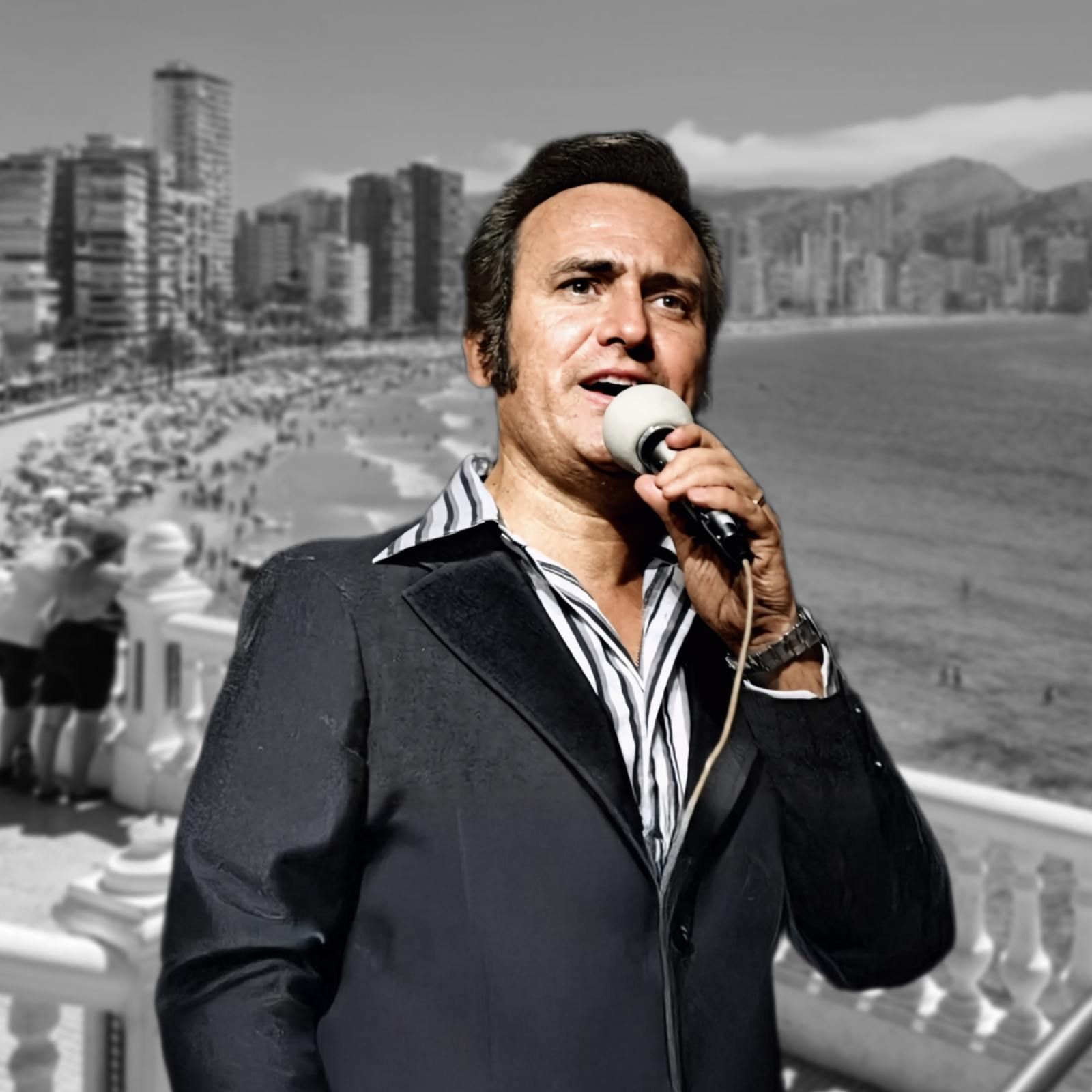
Documentos RNE
Documentos RNE - En clave de sol y turismo, canciones de identidad - 20/10/25
00:58:43
En clave de sol y turismo, canciones de identidad
Loading summary
Transcript171 lines
- [00:01]
Narrator / Host
RNE Audio Descarga la app y disfruta de los programas de RNE y nuestros podcast originales.
- [00:17]
Narrator / Radio Announcer
Documentos radio nacional de españa.
- [00:27]
Narrator / Host
El centro la frontal del área rechace para ses chuta y ses elabora iniesta. Este gol puede valer un Mundial Este gol puede valer un Mundial Esta selección aglutina toda España La vida tiene otro sabor y español enclave de sol y turismo Canciones de identidad.
- [01:11]
Narrator / Radio Announcer
12 de julio de 2010. España sigue sumida en la euforia un día después de que la selección se haya coronado campeona en el Mundial de fútbol de Sudáfrica.
- [01:21]
Narrator / Host
Entre flores, fandanguillo y alegría nación España, la tierra del amor.
- [01:28]
Narrator / Radio Announcer
El multitudinario recibimiento a los jugadores en Madrid culmina con una fiesta en la explanada del Puente del Rey a la que asisten más de 300 mil personas. Manolo Escobar cierra la celebración con su pasodoble Y viva España.
- [01:44]
Narrator / Host
Por eso se oye este refrán.
- [01:52]
Julio Arce (Musicologist)
Una canción española, una canción nacional, una canción identitaria, una canción que representaba el carácter y era un símbolo de orgullo y de unidad nacional. La gran ironía es que esta canción fue compuesta por dos belgas. Dos belgas que además hicieron esta canción no para exaltar España.
- [02:17]
Narrator / Host
En la tarde soleada, recorrida, la gente aclama al diestro con fervor.
- [02:24]
Julio Arce (Musicologist)
Está llena de clichés españoles. Esos clichés sobre todo de la canción andaluza, que también se utiliza en la copla, que también se utiliza en el flamenco, como puede ser la cadencia andaluza, el modo frigio, la utilización de unos instrumentos que son fácilmente reconocibles como españoles. Además, es una cita deliberada para poner a las audiencias en un marco concreto, como es el marco de España y el marco de lo español.
- [03:02]
Narrator / Radio Announcer
Lo paradójico, como recoge el estudio del profesor de Musicología de la Universidad Complutense julio Arce, es que Y viva España es una canción belga. La escribió con el título original de Eviva España, el compositor Leo Caers, por encargo de una compatriota, la cantante Samantha.
- [03:31]
Julio Arce (Musicologist)
La letra original estaba en flamenco, que era el idioma que hablaba el compositor de la letra. Narra con nostalgia el regreso de un turista a su tierra, a una Bélgica lluviosa, tras unas maravillosas vacaciones en la soleada España.
- [04:00]
Singer / Performer
España.
- [04:02]
Julio Arce (Musicologist)
Lo curioso es que fue un éxito en toda Europa y se convirtió en un emblema himno a las vacaciones y que evocaban el sol, la playa, la fiesta, la luz.
- [04:19]
Narrator / Radio Announcer
Pero qué hace que un éxito europeo que Manolo Escobar graba en español en 1973, se convierta casi 40 años después, en el himno que corean miles de personas en un campeonato mundial de fútbol. ¿Quién o qué otorga significado a las canciones?
- [04:39]
Julio Arce (Musicologist)
Las canciones no tienen un significado fijo, sino que son las audiencias o somos las audiencias las que otorgamos el sentido a las canciones según nuestras necesidades o según nuestra conveniencia.
- [05:10]
Íñigo Sánchez Fuarros (Researcher)
A mí lo que siempre me interesó cuando empecé a trabajar sobre la relación entre música y ciudad fue precisamente cómo a través de la música, de la oferta musical, pero también a partir de la construcción de ciertos ambientes sonoros o musicales, se construye marca de ciudad.
- [05:28]
Narrator / Radio Announcer
Íñigo Sánchez Fuarros, Científico titular en el Instituto de Ciencias del Patrimonio del CSIC en Santiago de Compostela, Los sonidos de.
- [05:38]
Íñigo Sánchez Fuarros (Researcher)
La turistificación, que fue un proyecto que desarrollamos en Lisboa entre los años 2018 y 2022. Buena parte de mi investigación se centró en Lisboa, que comparte con otras muchas ciudades del mundo una característica fundamental, ya que es una ciudad que está muy asociada a un género musical concreto. En el caso de Lisboa, si pensamos en una música, lo primero que nos viene a la cabeza es el fado, Del mismo modo que si pensamos en Buenos Aires nos viene el tango, si pensamos en La Habana nos viene el son cubano o si pensamos en Sevilla nos viene el flamenco.
- [06:21]
Narrator / Host
Pero acercándonos a lo típico, ¿Cómo no recomendar al visitante una buena sesión de cante y baile flamenco? El flamenco es el más genuino modo de expresión de las gentes de esta tierra.
- [06:35]
Julio Arce (Musicologist)
Es muy difícil establecer cuál es la causa por la cual ciertas canciones o ciertas melodías o ciertos trozos de canciones se convierten en emblemas, se convierten en símbolos.
- [07:05]
Ivan Galant (Professor / Cultural Analyst)
La música y la canción es un lenguaje, lo sabemos, universal, con capacidad para generar emociones, sensaciones, captar la atención y favorecer la identificación y la memorización, que esto es importante cuando se trata de publicidad y de marca. Entonces, un destino se promociona como una marca recurriendo a las herramientas del marketing. El vínculo entre música, publicidad y comercio es antiquísimo, porque ya en el siglo XIII los vendedores ambulantes componían temas sencillos para acompañar su trabajo de venta.
- [07:48]
Narrator / Radio Announcer
Iván Galant, profesora titular en Estudios Hispánicos en la Universidad Sorbona París Norte, desarrolla sus investigaciones en torno al análisis cultural de las canciones que forman parte de la promoción turística especialmente en el contexto español. Además explora cómo estas músicas contribuyen a construir imaginarios viajeros, a proyectar una identidad de país y a convertir el patrimonio nacional en espectáculo.
- [08:24]
Ivan Galant (Professor / Cultural Analyst)
Muy rápidamente se organizó este tema del espectáculo para turistas con los cafés cantantes desde finales del XIX, donde acudían los turistas y luego lo contaban en sus relatos.
- [08:41]
Narrator / Host
Había unas butacas, como en los teatros, unas cuantas filas de butacas que por detrás tenían como una especie de mesita pequeña y el que llegaba y se sentaba en su butaca tenía en el respaldo de la de adelante su mesita y y allí se ponía el café, que entonces valía 35 céntimos, o su copa de vino.
- [09:02]
Adrián Vogel (Writer / Commentator)
Luego estaban los parcos, que los formaban.
- [09:04]
Narrator / Host
En el principal del patio, pero el que subía un parquito ya sabía a lo que iba, tenía que tomarse de una botella palante hasta que se calentaba y después de ver el espectáculo elegía un artista y se metía en un reservado a seguir bebiendo, a seguir la fiesta. Allí era donde los dueños hacían su segundo negocio y donde los artistas podían incrementar sus ingresos.
- [09:29]
Ivan Galant (Professor / Cultural Analyst)
Y luego los tablaos flamenco, los espectáculos en hoteles y cómo no mencionar las cuevas del Albaicín y del Sacromonte, que se turistificaron muy tempranamente.
- [09:40]
Narrator / Radio Announcer
Estas son las cuevas del Sacromonte.
- [09:48]
Julio Arce (Musicologist)
Esos elementos que han caracterizado lo que nosotros hablamos como música española se fueron configurando prácticamente desde el siglo XIX por diferentes autores, curiosamente no solamente autores españoles, sino también autores extranjeros, y fueron configurando ese lenguaje que es totalmente reconocible. España es la parte exótica, es como el Oriente, el oriente europeo es un lugar de peregrinación para el exotismo y muchos compositores se fijan en España para hacer sus composiciones. Compositores clásicos como Rinsky Korsakov, como Mijaíl Glinka, como Camille Saint Saëns o como Georges Bisset crean obras dentro de la tradición europea, pero dentro del marco del nacionalismo de finales del siglo XIX y principios del siglo XX.
- [11:14]
Ivan Galant (Professor / Cultural Analyst)
Por ejemplo, en la exposición de París de 1889 acudieron gitanas del Albaicín. En París 1900 hubo una atracción que se llamaba Andalusí au Temps de Mor, de una empresa privada, pero asociada de una manera al pabellón nacional, y los visitantes acudían a ver espectáculos. Allí.
- [11:46]
Julio Arce (Musicologist)
Utilizan el folklore, pero de una manera selectiva, lo que hacen estos compositores es buscar o elegir esos elementos que son más significativos. Si escuchamos toda esta serie de rhapsodias españolas o de danzas españolas que realizan estos autores, vamos a identificar rápidamente estos elementos.
- [12:22]
Narrator / Radio Announcer
En el ambiente de la época. Asocian España con conceptos como el exotismo, la nobleza, el temperamento, la hidalguía o el valor. Utilizan elementos musicales característicos extraídos sobre todo de la música andaluza y el flamenco. En el terreno de la música popular, zarzuelas, variedades y la canción, recurren a estos estereotipos hasta crear lo que se conoce como españolada. El término designa ya cualquier obra artística que use de manera exagerada estos clichés culturales.
- [13:05]
Ivan Galant (Professor / Cultural Analyst)
Luego, en las exposiciones, tanto en las organizadas en España como en los pabellones españoles, en las exposiciones extranjeras. Las primeras exposiciones del siglo XIX se centraban más bien en los objetos industriales y artísticos. Pero pronto se dieron cuenta los organizadores de que lo que más interesa al público era más bien la gente. La gente que trabajaba, por ejemplo, en los restaurantes y bares de los pabellones nacionales. Y a partir de ahí siempre hubo bailes y músicas. Luego, en España, sobre todo puedo hablar de las exposiciones del año 1929, la de Barcelona. En el Pueblo español se organizaban semanas regionales con grupos que venían a actuar. Y en Sevilla también con espectáculos de música. Cuadro flamenco. De hecho, fue la primera vez que apareció Antonio Ruiz Soler, el bailarín, con siete años bailando en el cuadro de Realito con su compañera Rosario.
- [14:30]
Narrator / Radio Announcer
Fue en el Teatro El Duque de.
- [14:31]
Narrator / Host
Sevilla, que ya hoy no existe.
- [14:33]
Narrator / Radio Announcer
Y allí debutamos Rosario y yo, que.
- [14:35]
Narrator / Host
La conocí en la Academia de baile.
- [14:37]
Narrator / Radio Announcer
Con la Niña de los Peine, Manuel Vallejo, el Niño Marchena.
- [14:41]
Narrator / Host
Hicimos un baile a orquesta y otro baile a guitarra.
- [14:44]
Narrator / Radio Announcer
Y fue un éxito de locura.
- [14:52]
Ivan Galant (Professor / Cultural Analyst)
Los objetivos que se expresaban en los documentos de preparación de este plan de festivales eran estos Desarrollar las manifestaciones culturales para el pueblo y de paso, controlar su ocio. Eso no aparece en el plan, pero es así. Fomentar el turismo interior y atraer turistas internacionales. De hecho, diez años después, uno de los carteles de la campaña de propaganda franquista de los llamados 25 años de paz ponía de relieve el gran número de festivales organizados en el año 63, que eran 45.
- [15:26]
Narrator / Host
Santander es una de las ciudades norteñas que con mayor justicia gozan de la predilección de los veraneantes bajo el sol del verano abundan los campamentos al aire libre en la playa del Sardinero. La concurrencia es extraordinaria, lucen sobre la arena los listados toldos y los los bañistas reposan antes y después de entregarse al placer de la natación.
- [15:48]
Adrián Vogel (Writer / Commentator)
España era un sitio perfecto. La aristocracia en realidad, en principio se establece en el norte, entre Santander y San Sebastián. San Sebastián intenta emular los éxitos que logra Biarritz a nivel turístico, sobre todo por el Casino. San Sebastián hace su primer casino y luego posteriormente va aumentando la oferta. Esa oferta incluye festivales de música, más bien tirando a lo clásico, a la música coral vasca, que es muy importante en la historia de este país y ha dado grandes voces.
- [16:34]
Ivan Galant (Professor / Cultural Analyst)
También podríamos hablar de el papel que tuvieron los coros y danzas durante el franquismo, que actuaban dentro y fuera de España.
- [16:42]
Narrator / Host
En la finca malagueña del Retiro, enclavada en el término de Churriana, un grupo de danzas de la Sección Femenina, que tan celosa y amorosamente cuida y vela por el mantenimiento de nuestro más puro folclore, interpreta unas malagueñas dentro del riguroso estilo de este baile y también de.
- [17:00]
Ivan Galant (Professor / Cultural Analyst)
Los festivales, que es una práctica de muy largo recorrido. Algunos incluso consideran los conciertos del Corpus Christi en la Alhambra de Granada, que empezaron en 1883 hasta 1951, como el antecedente del Festival de Música y Danza de Granada que empieza En el año 52, el Festival del Cante Hondo En 1922, el Festival Internacional de Santander que empieza En el año 48, que mezclaba folclore, música, teatro.
- [17:33]
Adrián Vogel (Writer / Commentator)
La historia del turismo en España representa lo que los expertos en estas cosas llaman la transición de aguas frías a aguas templadas. Los primeros turistas que eran británicos, en realidad no eran turistas, eran viajeros o incluso aventureros, porque moverse no había aviones, el transporte era más delicado, las líneas férreas no cubrían lo que cubren hoy en día y básicamente se hacía a caballo. Entonces de repente los balnearios se empiezan a poner de moda.
- [18:10]
Narrator / Radio Announcer
Adrián Vogel es comunicador, autor de libros como Bikinis, football y Rock and roll, Crónica pop bajo el franquismo sociológico y Rock Roll, El ritmo que cambió el mundo, editados por Foca Akal.
- [18:25]
Adrián Vogel (Writer / Commentator)
A todo esto la música es importante porque hay una época en los 60, que ya estamos en pleno éxito del turismo en el que a los turistas hay que ofrecerles algo más que sol y playa.
- [18:38]
Narrator / Host
Un nuevo fenómeno musical surge en España al compás de la recién inaugurada televisión. Los festivales de la canción moderna, nacidos a imitación de otros países, pronto adquieren en el nuestro rango y carácter nacional.
- [18:51]
Adrián Vogel (Writer / Commentator)
Empiezan a surgir los torneos de verano de fútbol, que es como los hongos.
- [18:56]
Narrator / Host
Se multiplican discos e intérpretes hacen saltar sus temas a la popularidad que antes sólo gozaban las estrellas de cine.
- [19:04]
Ivan Galant (Professor / Cultural Analyst)
También podemos citar el Festival de la Canción de Benidorm.
- [19:08]
Narrator / Host
La luna llena es como una plaza de toros blanca que nos invitase a entrar en la auténtica plaza de toros de Benidorm, donde se celebra el Festival de la Canción organizado por La Remedio. Turistas de España y del mundo escuchan las melodías que contienden en el certamen con opción a la fama y a la popularidad.
- [19:27]
Adrián Vogel (Writer / Commentator)
Dos meses después es el Festival de la Canción Mediterránea en Barcelona, que dura unos años y lo deciden llamar el Festival Internacional de la Canción. Entonces la relación ocio vacaciones, la música es importante tanto a nivel de esta organización de festivales como de salas de fiestas, que había orquestas como discotecas donde había disc jockeys o también se contrataban grupos de pop y de rock o de música ligera para actuar. En aquella época se llamaban atracciones. Eso es muy gracioso verlo en los carteles de las primeras actuaciones de los Beatles en España, que son del 65 1995, presentando la gran atracción internacional de momento de Beatles. Y luego está el tema de la canción del verano, que es algo que importamos en 1963 desde Italia, desde la RAI y desde las discográficas italianas.
- [20:42]
Ivan Galant (Professor / Cultural Analyst)
Un destino puede tener un logotipo, que es el caso de España con el sol de Miró, con una imagen, un lema y por qué no una canción o un tema que se le asocie. Esto se llama nation branding, marca país, y se puede declinar también a escala local, place branding. Este término fue acuñado en los años 90 por un consejero, un asesor del gobierno británico que se llamaba Simon Hannold en los años 90. Pero no deja de ser una plasmación bajo forma de concepto de unas prácticas que ya existían desde años, que las podemos llamar publicidad o propaganda.
- [21:29]
Narrator / Host
Porque no es solo que vengan muchos turistas, el Gran Turismo español será cuando todos los españoles hagan mucho turismo dentro y fuera de España y para ello hará falta un gran plan insertado en este gran plan del desarrollo económico, que es una de las grandes banderas de este momento y la que todos tenemos que incorporar.
- [21:49]
Adrián Vogel (Writer / Commentator)
En esa época fue Manuel Fraga, era ministro de Información, Propaganda y Turismo, que venía de hacer una labor cultural al frente del Instituto de Cultura Hispánica, que desarrolló el arte contemporáneo en España.
- [22:03]
Narrator / Radio Announcer
En La primavera del 69, España se preparaba para saltar a Europa. Europa vía Festival de Eurovisión. El año anterior, por primera vez, España había ganado el festival. Pero hacer triunfo significaba algo más para todos nosotros. Tocaba organizar el festival. Aquello se convirtió en toda una cruzada. Dalí diseñó el cartel en el Festival.
- [22:32]
Julio Arce (Musicologist)
De Eurovisión que organizó España después del triunfo de Massieli, que se celebró en el año 1969 en el Teatro Real. Televisión Española echó la casa por la ventana.
- [22:46]
Narrator / Radio Announcer
Julio Arce, profesor de Musicología de la.
- [22:49]
Julio Arce (Musicologist)
Universidad Complutense y Televisión Española, encargó varias piezas de música contemporánea a autores de la vanguardia, entre ellos Luis de Pablo. Este se insertó en el espacio que igual otras televisiones utilizaban para la publicidad. Es muy curioso porque es un lenguaje totalmente vanguardista que hoy en día sería impensable que en un Festival de Eurovisión se insertara una obra sinfónica actual y.
- [23:23]
Narrator / Host
Seguidamente escucharán, ya en tercer lugar esta noche, la canción de Televisión Española Vivo cantando Salomé, acompañada por el coro formado por Rafael, Tomeu y Bernardo.
- [23:33]
Narrator / Radio Announcer
Eurovisión 1969 supuso la primera vez que España producía y retransmitía en directo un evento internacional en color, aunque la audiencia española sólo pudo verlo en blanco y negro porque esa tecnología aún no estaba disponible en los hogares. El cartel, obra de Salvador Dalí, con su iconografía típica, mostraba unos labios rojos rodeando un reloj que marca las 4 y 10 junto a la leyenda Televisión Española presenta desde el Teatro Real de Madrid cuánto te quise decir. En el escenario destacaba una gran estrella surrealista de acero creada por el escultor Amadeo Gabino, que todavía hoy se conserva en los jardines de los estudios de Televisión Española en Prado del Rey. Además, la promoción del evento incluyó programas como A toda plana, que informaban sobre los preparativos, mostrando con potentes planos aéreos a los españoles del desarrollismo cómo nos europeizábamos.
- [24:56]
Julio Arce (Musicologist)
En el tortuoso corazón del viejo Madrid.
- [24:58]
Narrator / Host
Entre chimeneas que dan frente a ese palacio testigo hierático de nuestra historia más reciente. El Teatro Real levanta sus muros hoy remozados, dando cara al Madrid castizo de nuestros abuelos y a su nueva estructura erizada de rascacielos derechos como lanzas, puntiagudos y callados, casi dormidos en la altura sobre el bullicio callejero.
- [25:22]
Narrator / Radio Announcer
En 1969, celebrar en el Teatro Real de Madrid Eurovisión era un acto de exhibición cultural y política de gran proyección internacional. Reflejaba una imagen moderna y un deseo de integración y legitimación en el contexto europeo. Pese a estar enmarcados en la complejidad de de un régimen dictatorial y las tensiones políticas de la época, la perspectiva contemporánea tacha de manipulación el esfuerzo de entonces.
- [26:05]
Íñigo Sánchez Fuarros (Researcher)
Cuando hacemos o pensamos desde la investigación este tipo de cuestiones, intentamos un poco huir de estas categorías tan potentes como lo real o lo no real.
- [26:15]
Narrator / Radio Announcer
Iñigo Sánchez Fuarros, Instituto de Ciencias del Patrimonio del CSIC Yo creo que la.
- [26:22]
Íñigo Sánchez Fuarros (Researcher)
Experiencia del fado en un restaurante orientado mayoritariamente a un público turístico es tan real como la experiencia de fado en una de esas casas de fado que aparecen escondidas en algunos lugares históricos de Lisboa, en las famosas colectividades dispoetas. La pandemia nos permitió vivir durante unos meses una ciudad turística sin turistas. Todo el ecosistema musical construido en torno al fado lo pasó bastante mal. Músicos, gerentes de casas de fado, empresarios, etc. Porque sin turistas no hay fado. Y era muy interesante también comprobar cómo estas casas de fado orientadas a un público eminentemente turístico no gozaban de la simpatía o del aprecio del propio público local, que sí que gusta de fado.
- [27:18]
Narrator / Radio Announcer
La música ha sido un elemento fundamental en la construcción de la identidad urbana y un recurso clave en la estrategia turística de muchas ciudades, reforzada además por la designación de algunos géneros como Patrimonio Cultural Inmaterial por la UNESCO. Este fenómeno se observa en ciudades como Lisboa con el fado. Su fama está íntimamente ligada al destino, pero también enfrenta retos relacionados con la autenticidad y el impacto del turismo masivo.
- [27:57]
Ivan Galant (Professor / Cultural Analyst)
Cuando se utiliza una canción exitosa, la ventaja es que la gente va a reconocer esta canción y a veces el artista sale en el spot y es un valor añadido tanto para el artista como para la localidad.
- [28:09]
Narrator / Radio Announcer
Ivan Galant, Profesora de la Universidad Sorbona.
- [28:13]
Ivan Galant (Professor / Cultural Analyst)
París Norte El inconveniente puede ser el precio y también puede resultar difícil que la localidad se apropie de la canción porque si ya se conoce por otras vías, pues igual la identificación cuesta más. Y además puede haber, y a veces se ha dado el caso, puede haber un desajuste entre el mensaje de la canción y el mensaje de la promoción turística. Puedo citar un en el 2011 Vitoria Gasteiz utilizó una canción de Milo que se llamaba IO Technology.
- [28:50]
Narrator / Host
Respira arte e historia en una metrópoli con estrella, brillo y personalidad. Piérdete entre sus estrechas calles empedradas, conoce.
- [29:00]
Julio Arce (Musicologist)
Catedrales capaces de inspirar bestsellers y disfruta.
- [29:03]
Narrator / Host
De espectaculares jardines y los más modernos museos que se exponen ante ti en.
- [29:08]
Julio Arce (Musicologist)
La capital de Euskadi.
- [29:10]
Ivan Galant (Professor / Cultural Analyst)
El spot se llamaba Vitoria Gasteiz, metrópoli con estrella, brillo y personalidad, cuando es una canción que hablaba de prostitución. Entonces había un total desajuste entre los dos.
- [29:43]
Narrator / Radio Announcer
Otras vías, como la creación de una canción original, dependerán del presupuesto de la canción y del artista, o del desapego que puede resultar de escoger una canción instrumental o en otro idioma.
- [29:57]
Singer / Performer
Déjate llevar por las sensaciones.
- [30:06]
Narrator / Radio Announcer
Que no ocupa en.
- [30:15]
Ivan Galant (Professor / Cultural Analyst)
La canción de Zambao Ahí estás tú que utilizó la Junta de Andalucía entre 2003 y 2007, una canción de flamenco fusión que consiguió crear un vínculo muy fuerte con el territorio. De hecho tuvieron dificultades para encontrar un tema tan bueno para las campañas posteriores. Y también podemos decir que las exposiciones pueden tener un himno, y fue el caso de la de Sevilla en 1992 con la canción de Los del Río Sevilla tiene un color especial, que al principio no fue himno oficial, pero se convirtió incluso en himno de la ciudad. Marcó tanto a los visitantes como a los habitantes y dejó una huella muy importante en la ciudad. Y de hecho fue utilizada esta frase Sevilla tiene, tiene un color especial en el marco de una campaña de promoción como eslogan turístico.
- [31:52]
Narrator / Radio Announcer
Una discográfica española fundada en 1954 en Barcelona, Belter, juega un importante papel en las versiones españolas de la canción y en general en la música de los 70. Referencias históricas atribuyen la traducción al español de e Viva España a un empleado de la embajada española en Bruselas, que ya había escrito la letra anteriormente para las versiones de Samantha Inca, Marina y Hannah Aroni.
- [32:28]
Ivan Galant (Professor / Cultural Analyst)
¿Qué cuenta esta canción? Que España es tierra del amor, que todos lloran cuando tienen que marchar, que sí hay un vínculo con el turismo. Tiene una música pegadiza, es un pasodoble típicamente español, fácil de recordar, con sus oles y todo. Muestra también lo de la hospitalidad y la parte un poco exótica y tiene todas las características de una canción del verano.
- [32:54]
Julio Arce (Musicologist)
En Flores, con la letra original y en las distintas adaptaciones que se hacen en otros idiomas, lo que se habla es de la nostalgia del turista por llegar a su casa de nuevo y escuchar la lluvia y recordar el sol de España, la sangría, la alegría, la playa. Y resulta que cuando se adapta la canción para ser cantada por Manolo Escobar, se hace un ejercicio de exaltación patriótica, de exaltación nacionalista. Se habla de España como la tierra creada por Dios, se habla también de la fiesta nacional y por supuesto del toreo. Nada que ver la letra en español con la letra en los otros idiomas.
- [33:53]
Narrator / Host
La gente canta con ardor Que viva España.
- [34:00]
Narrator / Radio Announcer
La canción del verano 1973 es y viva España de Manolo Escobar, que logra imponerse frente a canciones tan populares aquel año como Eva María de Fórmula Quinta, América, América de nino, Brasil o Amor a mar de Camilo VI.
- [34:17]
Narrator / Host
¿Y qué vamos a decirles del verano pasado? Fue un verano con bikini de rayas y Evas Marías hasta en la SOP. El bikini de rayas y la maleta de piel simbolizaron todo el verano tanto como pudieron hacerlo la muerte de Henri Charrier Papillon o la vuelta de Perón al poder en Argentina y la caída de Allende en Chile. Y es que lo queramos o no, pocas cosas definen más un verano que la música que todo lo llena.
- [34:44]
Adrián Vogel (Writer / Commentator)
Está el tema básico importante de la canción del verano, que es algo que importamos desde Italia. En 1963 organizan un concurso que es la canción de Del estate Il disci, perdón, el disco, el disco de verano, que aquí lo adaptamos a la canción de verano, que me parece más apropiado. Pero claro, lo del disco era porque estaban los discográficas involucradas. Lo de la canción de verano también. Están las discográficas, pero aquí siempre ha tenido mala prensa de la compañía de discos. Y esto empieza a tener una influencia bastante importante porque se crea un género, por decirlo de alguna forma, que es la de la canción del verano, que tiene unas características muy especiales, estribillos pegajosos que han tenido distintos nombres a lo largo del tiempo, bubblegum, música chicle, porque en realidad es de usar y tirar, pero eso es el pop. Entonces esta es, digamos, la vertiente más comercial y más soltera.
- [35:41]
Singer / Performer
El que tenga un amor que lo.
- [35:44]
Narrator / Host
Cuide, que lo cuide.
- [35:48]
Singer / Performer
La salud y la platita. Que no la tire.
- [35:52]
Ivan Galant (Professor / Cultural Analyst)
Que no la tire.
- [35:55]
Narrator / Host
El SEA 600 inauguró la etapa de la automoción popular en España. De él dijo con toda razón don Juan Sánchez Cortés que fue el modelo que socializó el automóvil en nuestro país. Su aceptación fue masiva y las previsiones de fabricación se quedaban cortas constantemente frente a una demanda insaciable.
- [36:10]
Narrator / Radio Announcer
Y Viva España es mucho más que la canción del verano. El país vive un proceso de modernización acelerada gracias a la industrialización y al acceso de las familias al consumo capitalista. El fin del aislamiento, el auge del el turismo y la inmigración permiten a los españoles conocer otras realidades sociales.
- [36:31]
Julio Arce (Musicologist)
Hay que tener en cuenta también el papel de Manolo Escobar. Manolo Escobar es un cantante que es presentado como una figura que encarnaba la negociación entre la tradición y la modernidad. El español, vamos a decir, como Dios manda, el español del desarrollismo. Tenía que ser un hombre, sin ninguna duda, por supuesto, de su masculinidad. Un hombre hecho y derecho.
- [37:04]
Narrator / Radio Announcer
¿Qué opina de que la mujer española.
- [37:06]
Ivan Galant (Professor / Cultural Analyst)
Trabaje hoy día casi en igualdad de condiciones al hombre, con las naturales diferencias?
- [37:12]
Narrator / Host
Si la mujer quiere trabajar, me parece muy bien que trabaje. Ahora bien, era más bonito cuando no trabajaba. No porque no merezca trabajar, sino porque el hombre se sentía más hombre luchando en la vida para poder mantenerse. Él y la mujer. Pero me parece muy bien que la mujer trabaje. ¿Por qué no? Siempre ha trabajado en casa. Si ahora quiere salir al exterior de la casa, pues también me parece muy bien. A ti te llaman rumbera porque forma remolinos cuando mueves tus caderas.
- [37:45]
Julio Arce (Musicologist)
Tenía que ser un hombre tradicional, pero que estuviera abierto a la modernidad. Y ese papel lo juega Manolo Escobar. Sobre todo no tanto a través de las canciones, sino a través del cine.
- [38:00]
Narrator / Host
Yo he venido a ver a mi abogado.
- [38:01]
Narrator / Radio Announcer
Pues ya lo está usted viendo. Yo Soy su abogado. ¿Tiene algo que objetar?
- [38:05]
Narrator / Host
Sí, claro. Yo he venido aquí porque me han dicho que me iba a defender el mejor abogado de Madrid.
- [38:08]
Narrator / Radio Announcer
Y ahora cree que le va a defender el peor.
- [38:10]
Narrator / Host
No es eso, sino que la cosa muy diferente.
- [38:13]
Narrator / Radio Announcer
No se lo oculto.
- [38:14]
Narrator / Host
Claro que no. Para empezar, usted es abogado de verdad.
- [38:17]
Narrator / Radio Announcer
Ahí tiene mi título.
- [38:18]
Narrator / Host
Pero bueno, es que ya van a.
- [38:19]
Narrator / Radio Announcer
Ser ustedes de todo, ¿No? A medida que vamos siendo unas cosas, vamos dejando de ser otras.
- [38:27]
Julio Arce (Musicologist)
Entonces, el ciclo de películas que Manolo Escobar hace con Concha Velasco es muy interesante porque ahí Manolo Escobar representa al hombre tradicional, pero un hombre con una masculinidad que no se pone en ningún momento en duda, pero que está abierto a las nuevas cosas que están pasando, incluso que es condescendiente con el nuevo papel de la mujer.
- [38:53]
Narrator / Host
Las olas de la playa me dan alegre los buenos días, los montes y las flores me dan perfume de noche y día. Me gustan las mujeres que me saludan desde la playa y todas las mocitas que me sonríen por donde vaya. Me gusta que me digan que soy un loco de manicomio y quiero ser amigo de su marido y de su novio.
- [39:21]
Narrator / Radio Announcer
Como explica el profesor de musicología de la Complutense julio Arce, funcionó como una estrategia conservadora para reforzar valores tradicionales y se convirtió en un símbolo de identidad nacional en una época de cambios y apertura. De manera similar, en la cinematografía de una España en la que es Concha Velasco quien encarna a la nueva mujer yeyé, una figura moderna que busca su independencia y un papel definido. Eso sí, sus intentos de emancipación femenina siempre se ven en una negociación con el machismo residual del hombre que limita las ganas de libertad de la mujer. Estoy segura de que lo barro.
- [40:00]
Narrator / Host
Pero ¿Usted sabe hacer eso?
- [40:01]
Ivan Galant (Professor / Cultural Analyst)
¿El qué?
- [40:02]
Narrator / Host
Barrer.
- [40:03]
Narrator / Radio Announcer
¿Lo ha hecho alguna vez a base de escoba? Claro que no, ¿O prefiere que le diga que sí? No, no, Sí, sí. A usted deben gustarle las mujeres que barren, guisan y zurcen.
- [40:13]
Narrator / Host
¿Se me nota eso?
- [40:14]
Narrator / Radio Announcer
Mucho. Usted debe ser el clásico homo hispanicus de esos de la mujer honrada en casa y con la pierna quebrada.
- [40:21]
Narrator / Host
No, no. Las piernas que las tenga lo mejor.
- [40:23]
Narrator / Radio Announcer
Posible, pero en casa. Eso y cosiendo como una loca.
- [40:27]
Narrator / Host
Sin locuras, pero cosiendo. A mí, si una mujer no cose y no reza, me parece que no es una mujer.
- [40:39]
Julio Arce (Musicologist)
Quizá una película emblemática en este sentido, pero ¿En qué país vivimos?
- [40:44]
Singer / Performer
Tampoco se puede ser feliz con solo un pisito chiquitín.
- [40:54]
Julio Arce (Musicologist)
Una película en la que se produce una competición musical entre la música yeya y la música moderna encarnada por Concha Velasco, que hace de una artista pop, y la música tradicional que encarna Manolo Escobar a través de la canción española, Una especie de copla modernizada y afinada. Finales de los años sesenta y principios de los años setenta.
- [41:19]
Narrator / Host
Julio Romero de Torre pintó La mujer morena con los ojos de misterio y el alma llena de pena.
- [41:34]
Julio Arce (Musicologist)
¿Qué ocurre al final? Bueno, pues que de alguna manera los dos pasan a cantar una canción española.
- [41:41]
Narrator / Radio Announcer
Modernizada mientras oíamos la magnífica interpretación de Antonio Torres. Hemos cambiado de idea, nos hemos fijado.
- [41:47]
Singer / Performer
Un poquito y hemos pensado que vamos.
- [41:49]
Narrator / Radio Announcer
A cantar lo mismo, pero ahora bien.
- [41:52]
Singer / Performer
Vamos, chicos. Julio Romero de Torres pintó a la mujer morena con los ojos de misterio y el alma llena de pena.
- [42:08]
Julio Arce (Musicologist)
Una canción española con nuevos ritmos, con nuevos instrumentos, pero sin perder la esencia, que eso es un poco el discurso del desarrollismo en España.
- [42:18]
Singer / Performer
Los hombres de nuestra España.
- [42:24]
Julio Arce (Musicologist)
Esa modernidad sin perder la tradición. Esa modernidad en un país en el que por nuestro carácter y nuestra forma de expresarnos, necesitaba una dictadura. Un país en el que no podía haber una democracia por la propia manera de ser de los españoles. ¿Que necesitaban? Pues necesitaban una persona que les dirigiera.
- [42:50]
Singer / Performer
El rey de los carteleros.
- [42:54]
Narrator / Radio Announcer
Eso que está usted haciendo es una ordinariez.
- [42:56]
Singer / Performer
Es mi número.
- [42:57]
Narrator / Host
Creí que era el mío. Por eso he vuelto.
- [42:59]
Narrator / Radio Announcer
Manolo Escobar no es un instrumento de destrucción, sino de negociación. Representa los valores tradicionales del hombre español a la vez que asume los nuevos elementos de la modernidad tanto en la construcción de su personaje como en la vida real.
- [43:15]
Ivan Galant (Professor / Cultural Analyst)
Usted dice que la mujer española tiene mucha clase de virtudes y todo esto.
- [43:19]
Narrator / Radio Announcer
Pero sin embargo usted se ha casado con una alemana.
- [43:22]
Narrator / Host
Bueno, de todo el mundo es sabido que el amor no tiene fronteras, ¿No? Pero afortunadamente yo me he casado con una alemana porque mi mujer, a pesar de haber nacido en Alemania, es tal vez más española que muchas españolas. Cuando tú estás a mi vera gitana, te vuelves loca.
- [43:40]
Narrator / Radio Announcer
Se casó con una turista nacida en Colonia, vivió en Benidorm, apreció el arte e invirtió en una fábrica de pantalones vaqueros.
- [43:52]
Adrián Vogel (Writer / Commentator)
Manolo Escobar tenía mejor planta y creo que intelectualmente tenía unas inquietudes culturales que se escapaban de la norma. Porque, por ejemplo, era un coleccionista de arte contemporáneo, lo cual da, por un lado, indicación de poder económico y a la alta burguesía siempre le interesa el arte.
- [44:13]
Narrator / Radio Announcer
Adrián VOGEL Escritor y ex ejecutivo Discovery.
- [44:18]
Adrián Vogel (Writer / Commentator)
Y en España especialmente, que es un país de guitarristas, de pintores. Y por otra parte, julio Iglesias es más la imagen, o pretendía dar la imagen y lo consigue, de Latin Laber. Yo no sé si está más cerca de Gardel o de Valentino o de Jorge Nedretes. Fue un revuelo lo que montó este hombre en Príncipe Pío, las fuerzas de seguridad, que imagino que serían entre Guardia Civil y Policía Nacional, se vieron desbordadas. Estamos hablando de la posguerra española y un movimiento de fans que es el predecesor de lo que luego ocurriría con el Dúo Dinámico, con Los Brincos, con julio Iglesias, con los pies, con Miguel Bosé, etcétera, etcétera. Y eso surge ahí una cosa curiosa, y me parece que julio iba más por ese camino, el del solista, de lo que en aquella época se llamaba música ligera. Y el look, porque el look, a pesar de que iba con traje y corbata, era siempre, digamos, a la última moda, desde el ancho de los pantalones, por abajo, por arriba, al entallado de las chaquetas, al nudo de la corbata, más grueso o más fino según lo que se llevase de moda.
- [45:52]
Julio Arce (Musicologist)
Lo que ocurre en los años 60 es que la juventud pone su foco sobre todo en las canciones inglesas, o las canciones en inglés y la música norteamericana en el reciente rock and roll y posteriormente en el pop, y por supuesto los grupos como los Beatles. Ese va a ser el foco. Pero siempre, en general, hay siempre un primer periodo de imitación, el explicar lo que pasó.
- [46:23]
Narrator / Host
Cuando me iba, me dirigía yo hacia la cosa.
- [46:28]
Narrator / Radio Announcer
Julio, PROFESOR de MUSICOLOGÍA DE LA UNIVERSIDAD.
- [46:32]
Julio Arce (Musicologist)
COMPLUTENSE Al principio se podría decir que el pop y el rock se parecen a la música norteamericana y a la música inglesa, pero luego va buscando su sitio. Enseguida se crea un rock en español, se crea un pop en español, y poco a poco, después de esa asimilación, se van buscando esos elementos que caractericen y que diferencien.
- [47:13]
Adrián Vogel (Writer / Commentator)
Yo creo que a nivel de música de barrios, en España tenemos un género autóctono y digamos que uno importado. El importado sería el rock and roll, o el rock o sus distintas nomenclaturas, sus distintas variaciones, que llegan al rock duro y luego el heavy, y luego el autóctono en la rumba, tanto la rumba catalana como la rumba flamenca.
- [47:43]
Julio Arce (Musicologist)
Que.
- [47:43]
Adrián Vogel (Writer / Commentator)
Además conectan en ambos casos, Antonio González, el Pescadilla y Aperet, que entre los dos se atribuyen el invento al ventilador, que es esa forma de marcar el ritmo de la rumba catalana. No estoy hablando de Serrat, que es como si fuese argentino en Argentina o mexicano en México, estoy hablando de triunfar en Inglaterra cantando en español. Estoy hablando de triunfar en Holanda cantando en español. Estoy hablando de Triunfar en Alemania cantando en español. Y eso lo consiguió el Borriquito de Pérez, producido por Juan Pardo. También lo consiguieron otra gente, como podían ser Mocedades con el Erestú de Juan Carlos Calderón, que eso ya viene por Eurovisión en los festivales de la canción.
- [48:30]
Julio Arce (Musicologist)
Este no es el caso de la canción Que viva España. La canción Que viva España es un ejemplo de construcción de una canción a partir de los tópicos de lo español. Es una canción que suena muy española y que si hiciéramos una encuesta a la gente y le preguntáramos quién ha compuesto esta canción, de dónde es esta canción, todo el mundo diría que es una canción hecha por españoles.
- [49:13]
Singer / Performer
Toute ma chambre est décorée de couleurs Vives et je m' enivre en respirant ces fleurs. Wie sang denn helle nachten lang.
- [50:09]
Narrator / Radio Announcer
Recapitulamos. El título original de la canción es Eviva España. Quizá fuera un error de transcripción de la frase en español o una confusión con el término italiano eviva, que significa viva Bravo. La estructura La estructura se compone de una introducción, una fanfarria con toques de clarines, como en las corridas de toros para dar los avisos, un pasodoble, un baile español derivado de las marchas militares, muy vinculado a los festejos taurinos y unos tópicos que nos remiten a España y lo español, pero también a la fiesta y la alegría, los toros, el sol, el turismo.
- [50:49]
Julio Arce (Musicologist)
Además. Además, la letra en español es completamente diferente a la original. Es decir, en la letra en flamenco, la letra original y en las distintas adaptaciones que se hacen en otros idiomas.
- [51:03]
Narrator / Radio Announcer
Eso, la letra en dialecto flamenco, una variante del neerlandés, describe las sensaciones de una turista después de un hermoso y cálido viaje por la soleada España. En la segunda estrofa se ensalza el baile, la fiesta, la música, la comida, el vino y sobre todo, el sol, para pasar a lamentarse de la vuelta a la realidad. Ahora me siento sola otra vez en.
- [51:40]
Julio Arce (Musicologist)
Mi cuarto silencioso mientras la lluvia, la lluvia inunda mis sueños.
- [51:44]
Narrator / Radio Announcer
Quisiera derribar las paredes con un martillo.
- [51:47]
Julio Arce (Musicologist)
Porque no hay nada que aún enfríe mi fuego español. Con banderillas firmes en mi mano ahuyento.
- [51:54]
Narrator / Radio Announcer
El frío y la lluvia de nuestro país. En años recientes y Viva España. Ha sido instrumentalizada políticamente, especialmente por movimientos de ultraderecha y grupos no independentistas en Cataluña, en lo que el investigador julio Arce llama una movilización musical. La gran ironía es que una canción compuesta por dos belgas para celebrar el turismo de su sol y playa se ha convertido en uno de los mayores símbolos del nacionalismo español. Esto demuestra que las canciones no tienen un significado fijo, sino que las audiencias se lo otorgan según sus necesidades e ideologías.
- [52:49]
Narrator / Host
Que viva España. La vida tiene otro sol y España.
- [52:58]
Ivan Galant (Professor / Cultural Analyst)
Es lo mejor.
- [53:11]
Narrator / Host
Enclave de soliturismo. Canciones de identidad Un programa de Lara López con realización de Miguel Ángel Coleto. Narradora Berta Tapia. Producción Elena Muñoz Con el apoyo del Archivo de Radiotelevisión Española. Dirección de la serie Maika Aguilera y Álvaro Soto. Escucha todos nuestros programas en RTVE ES.
- [53:38]
Narrator / Radio Announcer
Documentos Documentos Radio Nacional de España.
- [54:06]
Singer / Performer
Esas preguntas que te hace sin responder Dentro de ti está la respuesta para saber. Tú eres el que decide. El camino es co muchas cosas buenas y malas elijas que tu futuro se forma base de decisiones y queremos alegrarte con nuestras canciones. Y ahí está tú, Y ahí está. Es que yo canto porque a mí me gusta cantar también tú bailas porque a ti te gusta bailar tú. Que yo canto porque a ti te gusta escuchar lo que yo canto Porque sí, sí puedo llevar bailando. Y ahí estás tú, que a mí me gusta cómo bailas tú, Tú a bailar, tú a bailar Y ahí estás.
- [55:34]
Julio Arce (Musicologist)
Tú.
- [55:36]
Singer / Performer
Y a mí me gusta cómo te mueves tú, Tú a bailar, tú a bailar. Canto por el día y en mañana la alegría Canta tú conmigo si quiere conmigo cante Canto por la noche cuando el Lorenzo se esconde Canta tú conmigo si quieres conmigo canta Canto pa los pobres que temprano se levantan Canta tú conmigo si quiere conmigo canta Y ahí estás tú, que a mí me gusta como bailas tú Todo baila, todo baila. Y ahí estás tú, que a mí me gusta cómo te mueves tú. Todo baila, todo baila. Vaya Ro.