← Documentos RNE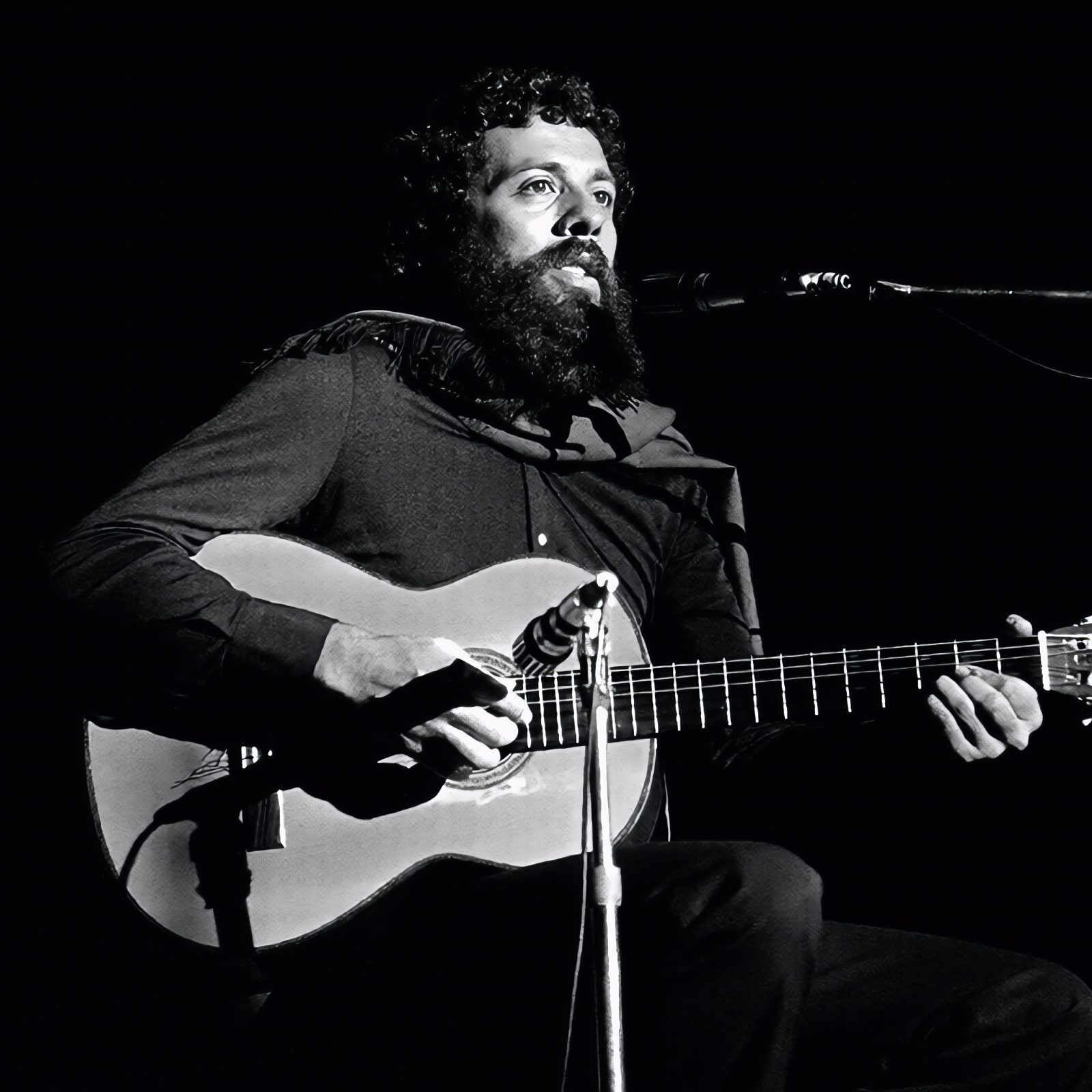
Documentos RNE
Documentos RNE - Facundo Cabral, el cantor de aquí y de allá - 23/02/26
00:56:21
Facundo Cabral, el cantor de aquí y de allá
Loading summary
Transcript208 lines
- [00:01]
Facundo Cabral
Rne audio descarga la app y disfruta de los programas de rne y nuestros podcast originales.
- [00:14]
Narrator / Documentary Voice
Documentos radio nacional de españa.
- [00:28]
Facundo Cabral
Prepárense que vamos a partir. Este es el tren de la muerte que cruza por la vida.
- [00:42]
Gabriela Llanos
En ese momento mi padre grita Facundo. Y ahí es cuando le ve con la cabeza inclinada hacia su hombro izquierdo y ve que no se muere.
- [00:51]
Pablo Pérez
Me Pablo, lo mataron a Facundo. Nos tirotearon y lo mataron a Facundo.
- [00:55]
Facundo Cabral
Vamos a escapar de la nostalgia que nos condena el pasado. Vamos a despertar LA CANCIÓN DEL PRES para no perder el tren de la eternidad.
- [01:05]
Gabriel Plaza
Facundo Cabral de alguna manera reunía por un lado la filosofía, la escritura, la literatura, pero también el oído. Tenía como puesto el oído en la calle.
- [01:16]
Facundo Cabral
Este es el viaje más terrible y maravilloso, el más delicioso, el más absurdo, el más alucinante.
- [01:23]
Pablo Pérez
Él era fundamentalmente un viajante, era un camina, eso era él. Y en ese caminar recopilaba las historias.
- [01:31]
Facundo Cabral
Yo los conozco hace mucho que andamos a la deriva en el mar del tiempo. No sé si se acuerdan de mí.
- [01:40]
Gabriela Llanos
Él contaba más que cantaba. Creo que su gran valor y su gran mérito y su gran talento era contar.
- [01:49]
Facundo Cabral
Yo soy Facundo Cabral Y ahí no termina la cosa. Yo soy el hijo de Sara Yo fui el hijo de Sara y con eso es suficiente. Facundo Cabral, el cantor de aquí y de allá. Ella tiene la costumbre hermosa de las ventanas Hacernos el buen regalo De anunciarnos la mañana Ella tiene la costumbre de fundarnos la esperanza Con su amorosa manera de acomodarnos la almohada.
- [02:27]
Narrator / Documentary Voice
Ella es la modista Sara Camiña, una mujer de oro de la ciudad argentina de La Plata. El pequeño de sus hijos, Rodolfo Enrique, nace allí el 22 de mayo de 1937, Aunque será conocido por Facundo para diferenciarse de su padre, Rodolfo Cabral, un rapsoda en peñas de tango, también de La Plata, que dejó sin ella a su familia. Al marcharse de casa
- [03:02]
Gabriela Llanos
durante muchísimos años sintió mucha rabia hacia su padre.
- [03:06]
Narrator / Documentary Voice
Gabriela Llanos Autora de Facundo Cabral Crónica de sus últimos días Mucha rabia por
- [03:13]
Gabriela Llanos
haberles abandonado, mucha rabia por dejarlos en una situación económica tan mala.
- [03:19]
Facundo Cabral
Mi padre abandonó a Mi madre con siete hijos.
- [03:23]
Narrator / Documentary Voice
Último concierto de Facundo Cabral julio de
- [03:26]
Facundo Cabral
2011 Cruzamos el desierto de la Patagonia, que son un poco más de 3.000 kilómetros en 9 años. Y en esos 9 años fui perdiendo mis hermanos, es decir, conocí a la muerte antes que a la vida.
- [03:42]
Narrator / Documentary Voice
Una niñez infernal que le lleva hasta Tierra del Fuego. Pero Sara le da el calor humano necesario para que no sienta rencor hacia su padre ausente y transforme con el tiempo el dolor en humor.
- [03:57]
Facundo Cabral
Mi madre era tan buena gente que cuando yo nací no permitió que conociese a mi padre para que no sufriera una temprana desilusión. Al final mi padre hizo lo único que podía hacer por nosotros, irse. Aunque no creo, porque no era tan inteligente como para irse. Yo creo que más bien se perdió.
- [04:34]
Narrator / Documentary Voice
Todo,
- [04:38]
Facundo Cabral
inclusive la nostalgia.
- [04:42]
Narrator / Documentary Voice
El niño aprende de su madre que un cantor es una buena noticia porque es un soldado menos. Por ella comete la osadía de asaltar el coche presidencial de los Perón en busca de un sustento, cuando solo tiene 9 años.
- [05:00]
Pablo Pérez
Se entera que estaba Perón y Eva Perón en la plaza y se acerca al lugar donde iba a pasar el auto.
- [05:06]
Narrator / Documentary Voice
Pablo Pérez, mánager y amigo de Facundo
- [05:09]
Pablo Pérez
Cabral, burla la guardia, digamos, y se trepa al estribo del auto. Eva a separar el auto y le Oye, oye, ¿Qué te pasa? Necesito trabajo. Y que Eva le Ay, hace tanto que no escucho de alguien que me venga a pedir trabajo. Dime qué necesitas. Y no. Y ahí le cuenta que su madre está en el sur y le consigue a la madre un trabajo de portera en Tandil. Y entonces ahí empezó a tener como una vida más digna, con casa y comida y más resguardado de todo.
- [05:42]
Narrator / Documentary Voice
Y en esa escuela de Tandil estudiarán y vivirán los dos hermanos que le quedan a Facundo junto a su madre. Él abandonará el nido muy pronto, rumbo a una adolescencia prematura, limpiando botas o repartiendo telegramas. Su voz aún no vive en la música, tiene una boca que aspira solo a alimentarse. Es el hijo de Sara y con eso, con comer, es suficiente.
- [06:07]
Facundo Cabral
Yo que anduve buscando las frutas podridas sin constitución, Yo que estuve lustrando los pobres zapatos del rico señor. Yo conozco al cantor.
- [06:16]
Narrator / Documentary Voice
Cabral conoce al cantor en el campo, en La Pampa, donde trabaja en los inicios de la década de los 50. De noche todos los gauchos son pardos. A la luz de la hoguera resuenan las coplas y las copas. Y Facundo se aficiona a ambas.
- [06:33]
Facundo Cabral
Y después daba vuelta la guitarra y cada uno cantaba su milonga, pero lo que daba vuelta, también como la guitarra, era la ginebra. Y a mí me había entusiasmado bastante la idea esta de la ginebra, porque cuando estaba borracho era como que no estaba vivo. Y realmente yo no quería vivir. Estaba inmensamente dolido, ni hablaba
- [06:59]
Narrator / Documentary Voice
sin palabras. Deja a la policía cuando roba unas botellas con alcohol en un bar justo enfrente de la comisaría. El resultado, Facundo ingresa en un reformatorio en el que un jesuita, Simón, le enseña a leer y no cualquier cosa.
- [07:15]
Facundo Cabral
Tuve con este señor adentro tres años una formación intelectual muy sofisticada, porque leíamos a los presocráticos la poesía de Quanzhou. Confucio le llamo, qué sé yo.
- [07:31]
Narrator / Documentary Voice
Allí se enamora de Walt Whitman, al que considera su padre en la poesía. Ya fuera conocerá a su padre en la música. Una noche, tras un duro día cosechando patatas en Balcarce, su patrón le lleva a un club social donde se despierta su vocación artística.
- [07:50]
Facundo Cabral
Porque no engraso lo seques me llaman, abandona. Si a mí me gusta que suene pa que los quiero engras. Y a mí. Cuando tenía 16 o 17 años, escuché a un señor que se llama Tahualpa
- [08:14]
Narrator / Documentary Voice
Yupanqui cantando una canción Facundo Cabral 1978,
- [08:19]
Facundo Cabral
que se llama y se llamará por la eternidad Los ejes de mi carreta, que es casi un himno nacional para nosotros. Y pensé que debía gozar mucho un hombre que podía vivir cantando lo que amaba. Y de pronto, sin darme cuenta, un día me hice cantor.
- [08:39]
Narrator / Documentary Voice
Engrasados los ejes intelectual y artístico, faltaba el el espiritual. Ocurrió una noche de febrero de 1950. En una playa de Mar de Ajo, Facundo se topa con un vagabundo septuagenario que le presenta a su padre, no al genético, sino al del Génesis.
- [09:01]
Facundo Cabral
Y me acerqué a saludarlo.
- [09:03]
Gabriel Plaza
Hola.
- [09:03]
Facundo Cabral
Y me hola, príncipe. ¿Cómo hola, príncipe? Yo príncipe, claro. ¿Cómo le llamas al hijo del rey? Príncipe. Yo, en mi sorpresa, le dije debe haber un error, porque mi padre es Cabral. Y me no, ese debe ser el esposo de tu madre. Tu padre es Dios, sos hijo del rey del universo. Y le creí.
- [09:37]
Narrator / Documentary Voice
Nace el Cabral místico, el que hace suyo a la máxima oriental de que cantar es orar dos veces. El vagabundo le cuenta el Sermón de la montaña y Facundo lo transforma en el Sermón de la playa antes de
- [09:51]
Facundo Cabral
levantar el vuelo, Conmocionado por el sermón, escribí mi primer canción. Una canción de cuna para un hijo que nunca tuve. Yo le hubiese No crezca mi niño, no crezca jamás. Los grandes al mundo le hacen mucho mal. El hombre ambiciona cada día más y pierde el camino por querer volar. Vuele bajo porque abajo está la verdad Esto es algo que los hombres no aprenden jamás.
- [11:04]
Narrator / Documentary Voice
Vuele bajo eleva Cabral a la categoría de cantor local. Pronto sonará en peñas y pulperías acompañado de su inseparable guitarra. Con 22 años, Facundo consigue un trabajo de músico secundario en un hotel de Mar del Plata y se sube por primera vez a un escenario. Es el momento de cambiar de aires. Y marcha a la capital argentina haciendo buenos sus deseos de triunfar.
- [11:32]
Facundo Cabral
Vengan todos a bailar, aplaudir, twist, qué bueno está Aquí va la canción y no les costará. Yo lo conocí cuando facundo era yo.
- [11:49]
Pablo Pérez
Gasparino ni siquiera el indio gasparino.
- [11:52]
Narrator / Documentary Voice
Percy llanos productor musical y amigo de
- [11:55]
Facundo Cabral
facundo show gasparini cantaba rock.
- [11:58]
Gabriel Plaza
Esa primera parte de la vida de facunda cabral está asociada a una época, por un lado, una pre época de moda beat, o de lo que se conocía como el beat más comercial del club del clan.
- [12:10]
Narrator / Documentary Voice
Gabriel plaza periodista musical argentino pero ya
- [12:13]
Gabriel Plaza
el indio gasparino un poco ya empezaba a tener como esa relación con otros artistas de la música de raíz, de la música popular.
- [12:27]
Facundo Cabral
No llore mi muchachita, no llueva sus ojos más Me voy a buscar plantita a la cosecha del maíz.
- [12:37]
Narrator / Documentary Voice
El indio Gasparino se hace famoso de la noche a la mañana, literalmente, en Sábados Circulares, tras aparecer en el late night argentino de Pipo Mancera, Sábados Circulares. Facundo vende más de 180 mil vinilos con temas como Catalina o Volveré. Y lo hace. Vuelve a su país después de viajar por Uruguay, Perú o la Isla de Pascua, firmando sus discos ya con su nombre.
- [13:05]
Gabriel Plaza
Creo que Facundo Cabral es prácticamente un producto del siglo XX. Tiene mucho que ver, podríamos decir, con esos trovadores andantes. Podría ser como un Atahualpa Yupan, que podría ser como un Bob D, que con su sola guitarra podían andar por el mundo y contar las historias de lo que sucedía a su alrededor.
- [13:26]
Narrator / Documentary Voice
Y lo que sucede a su alrededor, en su Argentina natal es un tren de borrascas políticas en forma de dictaduras. La de Juan Carlos Onganía le aleja de allí y le lleva a Chile, donde visita la Peña de los Far. Después hará el Camino del Inca por Perú, Bolivia o Ecuador. En el primaveral 68, mientras triunfa con su Dale, dale, Federico llega a Uruguay, donde compone algunos de sus temas más conocidos, los que integrarán su primer álbum. Recién estrenada la década de los 70,
- [14:00]
Facundo Cabral
yo no sé quién va más lejos, la montaña o el cangrejo, Pobrecito mi patrón, Piensa que el pobre soy yo,
- [14:16]
Gabriel Plaza
Pobrecito mi patrón, que era una canción que tenía que ver con esta herencia casi de la milonga, de alguna manera, esta herencia de un sonido milonguero que se utiliza en la Argentina para decir cosas importantes.
- [14:31]
Facundo Cabral
Quién sabe si el apoyarse.
- [14:34]
Narrator / Documentary Voice
Su primer y homónimo disco, Facundo, editado por RCA, incluye también temas como Yo no vendo, yo no compro, Yo no
- [14:43]
Facundo Cabral
vendo, yo no compro, Ella no dice nada, Ella no dice nada, solo cocina
- [14:55]
Narrator / Documentary Voice
y sobre todo, su éxito más internacional, No soy de aquí ni soy de allá.
- [15:02]
Facundo Cabral
Me gusta el sol, Alicia y las palomas, El buen cigarro y las malas señoras Saltar paredes y abrir las ventanas y Cuando llora una mujer Me gusta el vino tanto como las flores y los conejos pero no los tractores el pan casero y la voz de Dolores y el mar Mojándome los pies.
- [15:48]
Pablo Pérez
No soy de aquí era un himno, era un silencio, va, un silencio, ni siquiera coros. Muchas, muchas, muchas veces era el público cantando y el que se callaba y le decía qué lindo, gracias.
- [16:11]
Gabriela Llanos
Primero la popularizó Alberto Cortés. Cortés la hizo muy famosa. Es más, de hecho Facundo ganó mucho dinero como por derecho de autor gracias a esta canción de él que popularizó a Alberto Cortés.
- [16:22]
Facundo Cabral
Me gusta el sol y la mujer cuando llora las golondrinas y también No
- [16:33]
Narrator / Documentary Voice
soy de aquí ni soy de allá acaba siendo de muchos sitios, tanto como las flores. Traducida a una decena de idiomas, ha sido interpretada por artistas tan variopintos como Chabela Vargas o julio Iglesias. Pero para versiones, las que hay respuestas a su origen.
- [17:02]
Gabriela Llanos
Una, o la mejor, es que él dice que estaba una noche en Uruguay tomando algo en un bar con Jorge Cafrune, un gran artista también, y dice que una noche de borrachera él empezó a soltar toda la letra y claro, al día siguiente no se acordaba de nada porque se despertó con resaca. Pero sí le quedaba como una especie de melodía. Que le sonaba un poco a canción francesa. Pero le llamaron por teléfono y por suerte alguien había grabado eso en una grabadora y le pasaron la cinta. No soy de aquí ni soy de allá,
- [17:42]
Narrator / Documentary Voice
canción lienzo que Cabral ha seguido pintando a lo largo de su vida, poniendo colores diversos según la época y su estado de ánimo.
- [17:51]
Facundo Cabral
Me gustas tú y el mundo que te acompañ la primavera y los pastores de España, la libertad de aquel invierno de Holanda entre Van Gogh y Apollinaire. Fíjate que yo no sé si era así cuando lo escribí, sin darme cuenta, fue como un proyecto, un boceto. Y ahora soy ese, ahora me reconozco en esa canción, es mi documento. Cuando el hombre trabaja, Dios lo respeta más cuando el hombre canta, Dios lo ama.
- [18:32]
Gabriel Plaza
A partir de esa canción empieza a transformarse ya como en un icono de la música por fuera de momentos de éxito.
- [18:43]
Narrator / Documentary Voice
Editó Dice discos allí y allá, en total casi 40, entre álbumes de estudio, en vivo y recopilaciones. Estamos ante un auténtico fecundo Cabral. Sin embargo, no se distinguen etapas musicales en su trayectoria artística. Él vive y lo cuenta mientras canta.
- [19:04]
Gabriel Plaza
Yo creo que desde que Facundo Cabral se inventa como un juglar como Facundo Cabral, su experiencia tiene que ver mucho más con el vivo que con los discos en donde él evocaba esta forma casi ancestral, podríamos decir, donde todos quieren escuchar una historia sentados alrededor de un fuego.
- [19:23]
Facundo Cabral
Ser cantor no es un oficio, es ser espía del viento, pues se canta con su voz. Hay una diferencia entre cantor y cantante.
- [19:42]
Narrator / Documentary Voice
Facundo Cabral, 1978 Cantante es el que
- [19:46]
Facundo Cabral
tiene con qué y cantor es el que tiene por qué. Cantante es el que puede y cantor es el que debe.
- [19:55]
Gabriel Plaza
Podríamos decir que era, por un lado, un filósofo, un atorrante, un flaner, como se dice en Francia, un trovador o un juglar. Podría haber sido un rapero también tranquilamente, por su forma de decir las cosas.
- [20:15]
Narrator / Documentary Voice
Artista del mundo que tan pronto bebe de la contracultura beatnik o de la chanson francesa, como mira hacia sus raíces y se empapa de referentes del folclore latinoamericano como Falú, Atahualpa o Cafrún. Zamba de mi esperanza amanecida como un quere Cabral lo reúne todo sin poseer casi nada.
- [20:43]
Facundo Cabral
¿Tengo la mar y el clavel, tengo la duda pa quién? Tengo muchas esperanzas y tengo dos manos que jamás alcanzan.
- [20:55]
Narrator / Documentary Voice
Tengo el autor de la canción del tengo poco tenía. Misticismo y ascetismo van de sus manos muchas veces vacías.
- [21:06]
Pablo Pérez
Era lo que más amaba Facundo viajaba con una valija, con dos calzoncillos y dos camisas. Sí, sí, no necesitaba nada.
- [21:13]
Narrator / Documentary Voice
Pablo Pérez Mánager y amigo de Facundo
- [21:16]
Pablo Pérez
Pero él siempre decía desapego, no tener nada libre, bien livianito para moverse. Moverse por el mundo sin querer estar atado. Por eso vivía en un hotel, porque le encantaba llegar, abrir, que le mandaran el desayuno, que le hicieran la cama. Y cuando salía, cerraba la puerta y se terminaba.
- [21:37]
Narrator / Documentary Voice
Cabral no disponía de coche ni tarjeta de crédito. Decía que para qué tener tal o cual cosa si ya la tienen tus amigos. Era un peregrino, un artista que predicaba desde los escenarios del mundo.
- [21:54]
Pablo Pérez
Y en ese caminar recopilaba las historias. Él salía de su casa y me decí ¿Y cuándo volvés?
- [21:59]
Facundo Cabral
No, no sé cuándo vuelvo.
- [22:01]
Pablo Pérez
Estuvo años sin venir.
- [22:02]
Facundo Cabral
Lo que canto no es mi canto. Lo que canto no es mi canto, ni lo canto por cantar. Lo aprendí de las estrellas que no callan por callar. Uno canta porque es algo esencial, es como respirar. Es mi manera de orar, mi manera de dar las gracias a Dios, mi manera de discutir. Fue mi modo de comunicarme. Pero seguro que antes ha pasado por Tandil.
- [22:39]
Pablo Pérez
He llegado a ver en Mérida, México, por citarte una de tantas, una señora que le trajo al bebé enfermo y le pidió por favor que lo sanara. Y Facundo le no, pero es que yo no tengo ese don. Por favor, por favor, le suplicó Facundo le puso la mano en la cabeza y le señora, tranquila, todo va a estar bien. Y esa señora se dio vuelta como si hubiese encontrado la cura.
- [23:04]
Facundo Cabral
De Tandil a este lugar solo hubo que dar un paso.
- [23:07]
Narrator / Documentary Voice
Salvajemente creyente, pero sin dogmas ni iglesias, se considera un lobo estepario del cristianismo y viaja a Tierra Santa en 1973 tras haber grabado en España un disco orquestal junto a Waldo de los Ríos.
- [23:22]
Facundo Cabral
Más me preocupan tus ojos que el odio del enemigo. Nunca perdí por la fuerza sólo el amor.
- [23:42]
Narrator / Documentary Voice
Dos años después es detenido en Argentina junto al cantante y actor Raúl Labié en una presentación. Es el prólogo de la dictadura militar de Videla y compañía, que hace que Facundo Cabral, considerado miembro de la llamada canción protesta, se vea obligado a exiliarse de su país durante cerca de horas. Pero no será la democracia lo único que se le muera.
- [24:15]
Facundo Cabral
A mí no me llega esa gente. Yo vivo en otro barrio. Yo no pierdo tiempo con la política, nunca lo perdí.
- [24:24]
Narrator / Documentary Voice
Sin embargo, la política sí perdió el tiempo con Cabral hasta hacerle cambiar de espacio. México se convierte desde 1976 en su país de referencia. Eso no significa que Facundo no siga recorriendo el mundo con su guitarra. En 1978 conoce a la Madre Teresa en Calcuta y actúa en algunas universidades de Estados Unidos y teatros de Centroamérica. Allí encuentra el amor como prólogo del desgarro.
- [24:53]
Facundo Cabral
Somos el fruto del amor, del encuentro del hombre y la mujer. Nacemos para la felicidad, fuera de la felicidad son todos protestas.
- [25:03]
Narrator / Documentary Voice
Y el encuentro entre El hombre, Facundo, 40 años, y la mujer, Bárbara, 18, se produce en principio. Nacieron para la felicidad hasta el punto de que tuvieron una hija, pero la niña muere cuando tiene un año junto a su madre en un accidente aéreo en Los Ángeles.
- [25:23]
Facundo Cabral
Yo perdí la vida anterior. Yo estaba muy feliz. Venía de Harvard, nos encontrábamos en Los Ángeles, yo bajaba de mi avión y si me esperaban subíamos al avión que nos llevaba a Chicago. Los padres nunca conocieron a la niña. Le iban a conocer ahí. Yo no sabía si había subido o no al avión. Mi mujer. Había un gran cartel donde iban a salir los nombres de los que habían subido al avión. Yo pensé seguro que me esperó, seguro que lo perdió. ¿Cómo va a morir mi mujer y mi hija? Eso pensamos todos. Fue el segundo nombre de la lista.
- [25:56]
Narrator / Documentary Voice
Cuenta Facundo que al leer los nombres de Barbara Jackson y Sara Cabral cayó de rodillas al suelo y No lo olvidaré, Señor, ahora sé quién es el que manda.
- [26:08]
Facundo Cabral
Hay tantas cosas para gozar y nuestro paso por la tierra es tan corto que sufrir es una pérdida de tiempo. Este es un nuevo día para empezar de nuevo Para buscar al ángel
- [26:33]
Narrator / Documentary Voice
que
- [26:33]
Facundo Cabral
nos crece los sueños para cantar, para reír, para volver a ser feliz.
- [26:46]
Gabriel Plaza
Cuando él tiene la pérdida trágica de su pareja en ese momento, de su pequeña hija en un accidente en avión.
- [26:55]
Narrator / Documentary Voice
Gabriel Plaza Periodista musical argentino Bueno, él
- [27:00]
Gabriel Plaza
tuvo toda una situación de depresión muy grave, fue internado y en ese momento una enfermera le bueno, lo veían tan mal que decía ¿Por qué no se pone a componer? Y él a partir un poco de ese pedido surge esta canción que se llama Este es un nuevo día y que tiene que ver un poco con cómo seguir adelante a partir de las
- [27:21]
Facundo Cabral
tragedias para volver a ser feliz.
- [27:26]
Gabriela Llanos
Dice que la Madre Teresa lo primero que le bueno, ahora el gran problema que tienes es dónde vas a colocar todo ese amor.
- [27:31]
Narrator / Documentary Voice
GABRIELA LLANOS AUTORA DE FACUNDO CABRAL CRÓNICA DE SUS ÚLTIMOS DÍAS Si no encuentras
- [27:37]
Gabriela Llanos
un lugar donde colocar todo ese amor que tienes y que ya no le puedes dar a tu mujer y a tu hija, pues ese amor te va a matar.
- [27:48]
Pablo Pérez
Lo que yo más presente tengo es cuando él se va a Rosario. Y deambulando en Rosario, muy deprimido, muy perdido, lo encuentra Silvia Poussá. Ahí es el inicio de la historia de Silvia.
- [28:03]
Narrator / Documentary Voice
Eso ocurre ya en 1981. Desde entonces, Silvia será su amiga de por vida. Y su pareja sentimental durante largos periodos. En uno de los que no lo era. En torno a 1994, Silvia tiene un hijo biológico, Juan Francisco, que se convertirá en el ahijado de Facundo. Pero el cantor aún tiene que conocer a su propio padre. Su madre, Sara, ya le había
- [28:33]
Facundo Cabral
sido un día te encontrás con tu padre. No cometió el error de juzgarlo. Recordá el mandamiento honrarás al padre y a la madre. Y pensá que ese hombre que vas a tener delante. Es el hombre que más amó, más ama y más amar a tu madre. Entonces, lo que corresponde es que le des un abrazo y las gracias. Porque por él estás en este mundo. Y pasó un tiempo, y Cuando yo tenía 46 años, terminé de cantar en la ciudad de Mar del Plata, en la Argentina. Salgo del teatro y estaba mi padre ahí, en el hall. Lo conocí enseguida porque era igual. Alguna foto que mi madre guardó toda su vida la tenía ahí en su mesa. Y nos dimos un gran abrazo. Y me sentí más liviano que nunca. Caramba. Era el último enemigo que me quedaba. Y no se imaginan la felicidad que es vivir sin enemigos.
- [29:31]
Narrator / Documentary Voice
Conocer a su padre. Es el final del exilio de Facundo, del exilio interior y del exterior. Una nueva luna le espera, la del Luna Park.
- [29:41]
Facundo Cabral
Gracias, querida. Es un gusto grande. Esta canción. Es una canción que escribí hace muchos años y que es muy popular en México.
- [29:53]
Narrator / Documentary Voice
Cabrales de aquí Aunque haya estado allá en México, en los últimos años, la democracia argentina está en cuarto creciente. Y el concierto en el Luna Park de Buenos Aires desata la euforia popular, sobre todo tras la nueva estrofa de la canción más emblemática de Facundo.
- [30:11]
Facundo Cabral
Después de andar las maravillas del mundo, No hay nada como regresar a la y compartir la libertad Que mi gente tan cara tuvo que pagar.
- [30:33]
Narrator / Documentary Voice
El orwelliano 1984 es liberador en el caso de Cabral. Discos como Pateando tachos o Ferrocabral, ambos también en vivo, marcan la transición musical de Facundo, un una político comprometido, escéptico con el sistema, pero que pasó a formar parte de la iconografía de la reestrenada democracia argentina.
- [30:55]
Facundo Cabral
En la Plaza del Congreso encuentro la democracia. Me saluda amablemente porque ya nos conocemos. La democracia, esa vieja farsante, siempre hermosa a pesar del pobre vestido nuevo que es una copia del viejo. La democracia, Con la democracia nos vamos a morir de hambre. Igual que antes, pero ahora contento.
- [31:25]
Gabriel Plaza
En términos de perspectiva, es la época de más popularidad de Facundo Cabral. Tanto Pateando tacho como ese concierto en el estadio Ferrocarril Oeste estaban muy vinculados a lo que era la apertura democrática, esa efervescencia musical también de la trova
- [31:43]
Facundo Cabral
llegamos a la fama, a donde puede llegar cualquiera. La gente está tan aburrida que cualquier idiota puede ser famoso aunque sea por 15 minutos. Vamos cruzando por la vida en el tren de la muerte viendo cómo el progreso acaba con la gente.
- [32:01]
Narrator / Documentary Voice
Cerro Cabral, producido por Lino Patalano, lleva Cabral hacia las estaciones artísticas de la notoriedad y el prestigio intelectual. Como en Pateando tachos. Estamos ante un Facundo en estado puro, en plenitud. 47 años en un show en directo en el que predomina la palabra. El monólogo cabraliano Cuando comenzaron a pasar
- [32:24]
Facundo Cabral
la propaganda de Malboro, en mi pueblo se vendieron más caballos que nunca. Cuando Mi sobrino cumplió 12 años, mi hermano le sentate ahí que ya es hora de hablar del sexo. Y mi sobrino le OK, ¿Qué querés saber?
- [32:40]
Pablo Pérez
Era el mejor standapero que conocí en mi vida, el mejor monologuista que conocí en mi vida, con una obra que era su vida y su vida era su obra. Se había mimetizado en una cuestión ahí rara.
- [32:54]
Facundo Cabral
Todito te lo consiento, menos faltarle a mi madre. Edipo. Solamente he ido al psicoanalista siete veces. Blancanieves, hay labio, hay labio, hay oreja, hay nariz
- [33:20]
Gabriela Llanos
o cuando contaba los chistes de su pueblo, ese pueblo tan ch. Tan chiquito que solo era de una sola dirección y siempre que volvías tenías que cometer una infracción.
- [33:29]
Facundo Cabral
Había un solo ladrón y un solo policía en el pueblo. Es decir que cada vez que nos faltaba algo ya sabíamos quiénes podían ser,
- [33:38]
Gabriela Llanos
o de sus tíos, que eran muy divertidos o historias de su madre o del cura de su pueblo.
- [33:43]
Facundo Cabral
Por el tío Pedro supe que el cura es un señor al que todos le dicen padre, excepto los hijos que le dicen nunca trabajó. Odiaba el trabajo, por eso desconfiaba del comunismo ruso. Me decí ¿Cómo querés que confíe en un país que tiene la bandera llena de herramientas? Por eso, cuando murió mi madre escribió en su lá aquí sigue descansando el tío Pedro.
- [34:10]
Narrator / Documentary Voice
La que descansa Poco después, en 1986, es ella, Sara, la madre de Facundo. Y con eso fue suficiente. La mujer de la que el cantor decía que nunca usaba agenda porque solo hacía lo que amaba y eso se lo recordaba el corazón.
- [34:27]
Facundo Cabral
Cuando Dios la llamó, mi madre le solo voy si mis amigos vienen conmigo, porque a ella le gustaba compartir lo mejor. Y Dios, como siempre, la escucha porque una semana antes murió doña Sacramento, su mejor amiga, y una semana después don Pedro Mendizábal, su mejor amigo, que si estuviera aquí esta noche les dirí yo soy Pedro Mendizábal.
- [34:58]
Narrator / Documentary Voice
Pero murieron Sacramento, Pedro y Sara en cuestión de dos semanas. Ficción o realidad, Vida y muerte, comedia y tragedia. Facundo y Cabral.
- [35:12]
Pablo Pérez
Esas son las cosas que tenía Facundo. Yo no sé cuánto había de la versión original y cuánto iba adornando para que tuviera más espectacularidad.
- [35:20]
Gabriel Plaza
Fue un gran creador de su propia vida, en algunos casos. Muchos creen que hay mucha mitología alrededor de Facundo Cabral.
- [35:28]
Facundo Cabral
Hice el cajón de mi padre.
- [35:30]
Narrator / Documentary Voice
Y otros muchos piensan que tiene una vida tan intensa e increíble que más que una persona parece un personaje. Pero lo Cortés no quita Lo Cabral, aunque esa ya es otra historia. La siguiente.
- [35:53]
Facundo Cabral
Me llamaba esta canción tanto como ustedes y yo, Viento, campos y camino. Distancia, Qué cantidad de recuerdos.
- [36:06]
Narrator / Documentary Voice
Distancia la que va poniendo el tiempo con la dictadura argentina hace también, ya en los 90, que Cabral vaya distanciándose de la popularidad en su país. Es época de viajes por Chile, Uruguay, Colombia o México. En Puerto rico, en el 93, canta por primera vez con Alberto Cortés y un año después ponen en marcha el espectáculo Lo Cortéz no quítalo Cabral, junto al pianista Ricard Miralles.
- [36:34]
Gabriel Plaza
Tenía que ver un poco con la reivindicación de la poesía en tiempos donde vivíamos, atravesábamos una época de superficialidad, con el menemismo, con la presidencia de ese momento de Carlos Soulmenem.
- [36:47]
Gabriela Llanos
Han tenido una relación casi de amor odio muchas veces. Entonces siempre se alabaron y se respetaron. Unos cantó la canción de otro y
- [36:58]
Narrator / Documentary Voice
en fin, giraron por América y varios países de Europa y reeditaron la experiencia en el cambio de siglo con un segundo Cortesías y cabralidades.
- [37:17]
Facundo Cabral
Juntarnos con Alberto es juntarse con un colega con el que tenemos muchas cosas en común.
- [37:22]
Narrator / Documentary Voice
Facundo Cabral 1999 Como podría haberlo hecho
- [37:26]
Facundo Cabral
con Serrato, como alguna vez me gustaría hacerlo con Pablo, con Silvia, pero nos juntamos por la felicidad de cantar de otra manera. No se entiende la presencia constante en los teatros que nos empobreció. Bueno, me aporta mucho porque estoy cantando con una persona que tiene una gran entidad dentro del mundo de la cantautiva.
- [37:48]
Narrator / Documentary Voice
Alberto Cortés Archivo de RTV Facundo Cabral
- [37:51]
Facundo Cabral
es un hombre que ha marcado una época y la sigue marcando en el mundo de la canción popular.
- [38:02]
Narrator / Documentary Voice
Estos discos junto a Cortés hicieron que Cabral fuese conocido en España. Les une la literatura. Alberto ya había puesto música a varios poetas y Facundo es uno de ellos, o casi. Libros como Paraíso a la deriva Ayer soñé que podía y hoy puedo o sus famosos cuadernos hablan del Cabral literato.
- [38:24]
Pablo Pérez
Más de una vez le decí dame uno de los cuadernos, hacemos una gira por el sur argentino.
- [38:29]
Narrator / Documentary Voice
Pablo Pérez Mánager de Facundo Cabral Y
- [38:32]
Pablo Pérez
entonces escribía las montañas y los ríos y los mares y el amor. Y entonces le decía dame el cuaderno, lo voy a editar. Y le edité un par de cuadernos de esos como libro, que son muy pintorescos porque están bien con la letra D, el bien borrador.
- [38:48]
Gabriela Llanos
Por ejemplo, no estás deprimido, estás distraído. Me parece una maravilla de poema que decía no estás deprimido, estás distraído. Distraído de la vida que te puebla.
- [38:58]
Facundo Cabral
Distraído de la vida que te puebla. Tienes corazón, cerebro, alma y espíritu. Entonces, ¿Como, cómo puedes sentirte pobre y desdichado? Distraído de la vida que te rodea. Delfines, bosques, mares, montañas, ríos.
- [39:16]
Narrator / Documentary Voice
Cabral editó este audiolibro antes de que se pusieran de moda. El admirador de Borges, Wittmann, Rilke o Elliot se sentía más poema que poeta. Era sin duda un verso libre.
- [39:32]
Facundo Cabral
Qué lindo. Llegué a la tercera edad, que no es mala si uno vivió la primera y la segunda. Si no, estás realmente en problemas.
- [39:46]
Narrator / Documentary Voice
Cabral entra en la madurez como Mensajero Mundial de la Paz, nombrado por la
- [39:51]
Gabriela Llanos
UNESCO y consiguió de verdad llevar ese mensaje de paz, de agitar conciencias que tanto él promulgaba.
- [40:01]
Narrator / Documentary Voice
Un talante que le sirvió además para ser propuesto en dos ocasiones para el Premio Nobel de la Paz. Su mensaje de Concordia recorrió 165 países. Pero este nómada recalcitrante, discípulo de Jesús, Gandhi, Krishnamurti o Buda, busca cada vez más el calor del hogar. Lo tiene en Mar del Plata junto a Silvia y Juan Francisco.
- [40:25]
Pablo Pérez
Facundo la amaba y Silvia también a Facundo, había como mucho respeto mutuo. Facundo le compra una casa en Mar del Plata. Yo fui muchas veces, esa casa estaba plagada de cuadros de Facundo, en mi casa hay un par. Facundo pintaba y pintaba muy lindo.
- [40:41]
Facundo Cabral
De tanto vagar por ahí no sé por dónde empecé, pero de cualquier manera vengo de Andebién, o sea yo soy el gallo que canta anunciando el nuevo día, yo soy el viento del sur que nunca llegó a Bahía.
- [41:07]
Narrator / Documentary Voice
Los últimos discos de Facundo, Personalidad, Los elegidos o El trovador, entre otros, son recopilaciones. Cabral ya no vuelve a encontrar en un estudio, opta por el cuerpo a cuerpo con su público, un cuerpo prematuramente enfermo.
- [41:26]
Gabriela Llanos
Facundo durante los últimos años de su vida tuvo mucho padecimiento, mucho dolor, tenía muchos problemas de salud, el glaucoma, luego un cáncer, en fin, muchas cosas.
- [41:42]
Facundo Cabral
Fue un hombre enfermo desde muchos años y especialmente los dos últimos donde el cáncer se le agravó.
- [41:52]
Narrator / Documentary Voice
Una situación que lleva a Facundo, poco amigo de las formalidades, a contraer matrimonio con Silvia Pousa a principios de 2011.
- [42:02]
Pablo Pérez
Eso lo hablábamos muchas veces, porque yo le decía escuchame, vos te vas a morir y se va a perder todo, casate con Silvia. Bueno y así lo hizo. Eso fue en enero y él muere el 9 de julio.
- [42:13]
Narrator / Documentary Voice
Así que ahí justito Juan Francisco, el niño que decía que su papá Facundo cantaba para comprarle chocolates, ya se apellida también Cabral.
- [42:27]
Facundo Cabral
Me da mucho gusto estar con ustedes, son mucho años de amistad, le dieron abrigo mis canciones y fueron mis compinches, mis socios en esta aventura extraordinaria que es la vida.
- [42:45]
Narrator / Documentary Voice
Más de medio siglo sobre el escenario Esta es la última vez, es Quetzaltenango, Guatemala, el 7 de julio de 2011, dentro de la gira de tres días que por tierras centroamericanas realiza junto al productor artístico Percy Llanos, amigo de Cabral desde hace más de cuatro décadas.
- [43:07]
Gabriela Llanos
La última gira de despedida fue curiosa porque no estaba planificada.
- [43:12]
Narrator / Documentary Voice
Gabriela LLANOS HIJA de PERCY LLANOS Mi
- [43:15]
Gabriela Llanos
padre venía como un año y medio o dos tratando de convencerle de que volviera a los escenarios, de que hiciera una gira solo. Y él no quería porque estaba enfermo, porque no se encontraba muy bien, porque tenía que comenzar una quimioterapia. Y bueno, en ese último año falleció mi madre. Dos meses antes de la gira, un
- [43:37]
Pablo Pérez
día viene Persigiano, que había quedado viudo, a Argentina a visitarme. Y entonces salimos a comer Facundo y le mirá, vos estás viudo, vos estás desocupado, ¿Porque no se juntan y hacen algo? Y ahí se armó esta última gira que Facundo la hizo muy a su pesar, Muy a su pesar. Facundo me decía no, estoy cansado y me siento mal. Yo me acuerdo que una vez le mira, por primera vez, sos tu empresario, sos tu capitalista, ¿Por qué no le decís cuánto vale? La cancelación eran tres conciertos, cuatro conciertos y te quedás. Y no, no la canceló, fue la última gira.
- [44:13]
Narrator / Documentary Voice
Facundo goza de una tremenda popularidad en Centroamérica. El primer concierto se celebra en Nicaragua el 5 de julio, con un personaje que acabará siendo decisivo en la vida del cantor.
- [44:26]
Gabriela Llanos
La gira comenzó en Managua. Mi padre había vendido esa función a un productor de Managua que se llama Henry Fariñas. Y Facundo había coincidido con él hacía mucho tiempo. Le conocía de algo, había hecho una
- [44:41]
Narrator / Documentary Voice
gira con él dos años atrás. Fariñas era un profundo admirador de Cabral y lo agasaja esos días en Managua. La gira continúa en Ciudad de Guatemala y por último en Quetzaltenango. Es un concierto raro el de su Teatro Roma, casi premonitorio.
- [44:58]
Facundo Cabral
Y esta noche no sé cuántas veces, cuántas veces subiré a un escenario lo más posible que no.
- [45:07]
Gabriela Llanos
Mi padre decía que se puso hasta nervioso porque solo hablaba, no cantaba, no cantaba, no cantaba, solo hablaba. Como que necesitaba hablar, expresarse, despedirse.
- [45:17]
Facundo Cabral
No, no me detuve jamás, excepto ahora que mi cuerpo ya no quiere más. Me gusta recordarles que vale la pena vivir y vale la pena poner todo el esfuerzo para ser felices, porque para eso nacimos. A pesar de tanto imbécil y corrupto
- [45:42]
Narrator / Documentary Voice
y envenenador, Facundo, sin saberlo, era ya menos de aquí y más de allá. Estaba unido a la vida por un hilo de voz.
- [45:55]
Facundo Cabral
Por tu bello mundo. Gracias Señor.
- [46:02]
Narrator / Documentary Voice
En cuatro días debía su someterse a un nuevo ciclo de quimioterapia en Buenos Aires no llegó a volar
- [46:10]
Facundo Cabral
El día que yo me muera no habrá que usar la balanza Pues para velar a un cantor con una milonga alcanza el
- [46:19]
Narrator / Documentary Voice
día es 9 de julio. Facundo y su equipo regresan a Ciudad de Guatemala para volver a la madrugada siguiente cada uno a su destino. En el hotel se encuentran con el empresario nicaragüense Henry Fariñas, que se ofrece a llevarlos al aeropuerto, cuando escucha en el hall que el chófer previsto no puede hacerlo.
- [46:40]
Facundo Cabral
Nosotros a las 4 de la mañana nos juntamos en el lobby, salimos con Facundo y con Fariñas manejando. Yo iba detrás de Facundo Y a los 8 minutos de todo esto, entre el hotel y el aeropuerto La Aurora
- [46:51]
Gabriel Plaza
de Guatemala, pasó todo esto.
- [46:54]
Gabriela Llanos
Hay que ponernos en situación. 9 de julio de 2011 noche cerrada en Guatemala. Iban por la avenida Liberación, que es muy grande y muy tranquila, y de repente mi padre que iba hablando con Facundo, medio cogido de la cabeza, hablándole, empieza a ver que se empiezan a romper los cristales del coche. En ese momento él ve que todas las balas iban directamente hacia Henry Fariñas. En ese momento, cuando ve que Henry Fariñas tira la cabeza contra el volante, se gira la camioneta y chocan curiosamente contra un parque de bomberos. En ese momento mi padre grita Facundo. Y ahí es cuando le ve con la cabeza inclinada hacia su hombro izquierdo y ve que no se mueve. Todas las balas iban directo a Henry Fariñas, pero una bala perdida le atravesó la cabeza y lo mató.
- [47:46]
Pablo Pérez
La primera persona que llaman es a mí, porque Zavasta, el sonidista, iba en una camioneta atrás de Facundo con unos guardaespaldas que eran guardaespaldas del empresario Chacho Alfredo. Zavasta pide el teléfono en el cuartel de bombero y me llama y me Pablo, lo mataron a Facundo. ¿Le digo Sabacho, me estás corbando? ¿Qué estás diciendo? Lo mataron a Facundo, nos tirotearon y lo mataron a Facundo. Y creo que Henry Fariña también están
- [48:12]
Facundo Cabral
muerto y que yo.
- [48:13]
Pablo Pérez
Y entonces pide wifi en el cuartel de bomberos y se conecta por Skype y me empieza a hacer imágenes del lugar. A Henry Farina ya se lo había llevado y Facundo ya estaba tirado en el piso.
- [48:28]
Gabriela Llanos
Y es esa foto que recorrió el mundo, que Facundo Cabral está tirado en una estación de bomberos en el suelo, nadie lo podía tocar porque una bala perdida le había atravesado la cabeza.
- [48:37]
Facundo Cabral
Y la única suerte dentro de la desgracia que vivimos para Facundo fue que estoy seguro que no sintió nada, él no se enteró de nada. Facundo Cabral, de 74 años de edad, fue asesinado. El ataque se originó a 300 metros de donde estamos ubicados, o sea, 300 metros de donde está la estación de obreros municipales del Trébol.
- [48:56]
Gabriel Plaza
Yo estaba en la reacción de La Nación cuando recibimos la noticia de la muerte de Facundo Cabral.
- [49:01]
Narrator / Documentary Voice
Gabriel Plaza Periodista musical Primero sorpresa, porque
- [49:05]
Gabriel Plaza
no se entendía nada de lo que sucedía. Nadie podía entender que podrían haber asesinado Facundo Cabral, un hombre que siempre fue una figura vinculada también al pacifismo y estas ideas humanistas y espirituales, más allá de otro costado, más irreverente, pensaban que
- [49:22]
Gabriela Llanos
todo iba por el lado político. Nadie podía suponer lo que luego nos enteramos, que es que Henry Fariñas es un auténtico capo del narcotráfico, tenía local de prostitución, o sea, mil cosas terribles que nadie se podía haber imaginado jamás. Desde luego, mi padre Facundo no.
- [49:41]
Gabriel Plaza
Y después creo que a medida que se fue aclarando la situación y de que él estuvo en el lugar equivocado en el momento equivocado, bueno, creo que vino un poco una cierta sensación de alivio por verse aclarado ese episodio y también de tristeza por la situación de la manera en que murió Facundo Cabral.
- [50:01]
Gabriela Llanos
Si Facundo Cabral no llega a estar en el coche de Jerry Fariñas, Jerry Fariñas no hubiese terminado preso, como de hecho ha terminado preso y se sabe que fue un ajuste de cuentas de un señor que se llamaba El Palidejo y no sé quién más, que lo ajusticiaron en su momento.
- [50:16]
Pablo Pérez
Siempre decíamos, los que lo conocíamos, que fue un final para Facundo. No podía morir él en una cama, un paro cardíaco, aburridamente. Fue un final cinematográfico. Sí, fue un suceso, pero se fue como había sido su vida.
- [50:33]
Gabriela Llanos
Cuando la gente dice que la vida de Facundo es imposible, que no puede ser verdad, yo siempre respondo lo mismo y vale, pero si a ti te llegan a decir que Facundo Cabral va a morir en un ajuste de cuentas en manos de unos capos del narcotráfico, tú hubieses pues sí, claro, otra facundada. Esto no puede ser real. Y fue real y tan real como que mi padre estaba ahí y que lo vio y que lo vivió.
- [51:00]
Narrator / Documentary Voice
Facundo Cabral muere un 9 de julio, Día de la Independencia Argentina, a los 74 años de edad. Nunca temió dar ese paso. Para él no hay muerte, hay mudanza hacia la eternidad, o como le contó a la periodista argentina Leila Guerriero, en
- [51:18]
Gabriel Plaza
un momento le preguntan sobre la muerte y él yo me imagino que el paso final debe ser como el silencio en el teatro antes de que se encienda la luz, el paso al otro lado debe ser así, ese silencio
- [51:34]
Narrator / Documentary Voice
sobre un escenario. Precisamente en el del N de Ateneo de Buenos Aires se celebra el funeral por Facundo Cabral, cuatro días después de su muerte.
- [51:44]
Facundo Cabral
Él estará contento seguramente de esto, de que estemos aquí en un teatro, el lugar donde él sentía más cómodo en la vida.
- [51:52]
Narrator / Documentary Voice
Juan Francisco Cabral, ahijado de Facundo porque
- [51:56]
Facundo Cabral
la vida, Dios o como quieras llamarle, levitó la decrepitud, que era lo único a lo que le tenía miedo respecto de la muerte.
- [52:05]
Gabriel Plaza
Y yo creo que ahí un poco nuevamente se empezó a hablar de Facundo Cabral y se empezó a pensar en Facundo Cabral con una figura como no se la había visto en los últimos años. No hubo una reivindicación de su figura como personaje icónico de la cultura y se empezó a revisar sus vínculos también con ese siglo XX que él representó esplendilmente.
- [52:27]
Gabriela Llanos
Facundo fue como el último juglar. Facundo fue el último tío que contaba y cantaba la vida.
- [52:35]
Narrator / Documentary Voice
Cantar para contar y viceversa. Es la increíble historia de Facundo Cabral, un hombre que murió por error. Aunque su vida fuera un acierto, al menos ha valido la pena contarla,
- [52:52]
Facundo Cabral
carajo. Si valía la pena. Facundo Cabral, el cantor de aquí y de allá, de todas maneras valía. Un programa de Juan Ballesteros con realización de Samuel Alarcón Valía la pena haber nacido para ver preso a Videl, aunque sea un rato. Narradora Berta Tapia Producción Elena Muñoz Con el apoyo del archivo de Radio Televisión Española Con Víctor Heredia Con Alberto Cortés, director de la serie Maika Aguilera y Álvaro Soto. Valía la pena haber nacido para ser el hijo de Sara. Escucha todos nuestros programas en RTVE ES Documentos.
- [53:38]
Narrator / Documentary Voice
Documentos Radio Nacional de España.
- [53:47]
Facundo Cabral
Valía la pena haber nacido para ver los goles que Maradona les hizo a los ingleses. Para escuchar al Polaco con Pichuco y a Susana Rinaldi con el viejo Avena. Alguna vez en Sevilla nos presentaron a una condesa Cafrune y a mí El Turco la miraba, la Condesa lo miraba, el Turco Estaba tan asombrado uno como el otro. El alcalde de la ciudad que nos la presentó nos es una gran mujer, acaba de donar una tierra de su familia para que la alcaldía haga un parque público. Y Cafrune, sin dejar de mirarla, preguntó ¿Donó o devolvió? De todas maneras valía la pena. Valía la pena. De todas maneras valía la pena haber nacido para ver al Cristo de Velázquez y a Marcel Marzó. Para escuchar a la Piaf y para conversar con Yupanqui. Para vivir con derviches, con tarahumaras y con yaquis. Para cruzar todos los desiertos Para ver parir a una ballena con Cousteau. Para hablar de Borges con Bradbury. Valía la pena. Valía la pena haber nacido para ver al amor, es decir a la Madre Teresa bañando leprosos. Valía la pena haber nacido para jugar con Juan Francisco, mi ahijado, que me recordó que la vida es un juego Porque para Dios siempre somos niños. Entonces es poco serio tomar en serio a los amargos. De todas maneras valía la pena. Valía la pena De todas maneras La vida es hermosa. Pese a tanta guerra La vida es hermosa. Si podes, no te la pierdas. Si podés, no te la pierdas. Si podés, no te la pierdas. Te vuelvo a decir algo que alguna vez a lo mejor te dije, pero si no vale la pena que te lo repita. Hay una sola palabra que tiene mi corazón y hoy más justificada que nunca. Gracias.