← Documentos RNE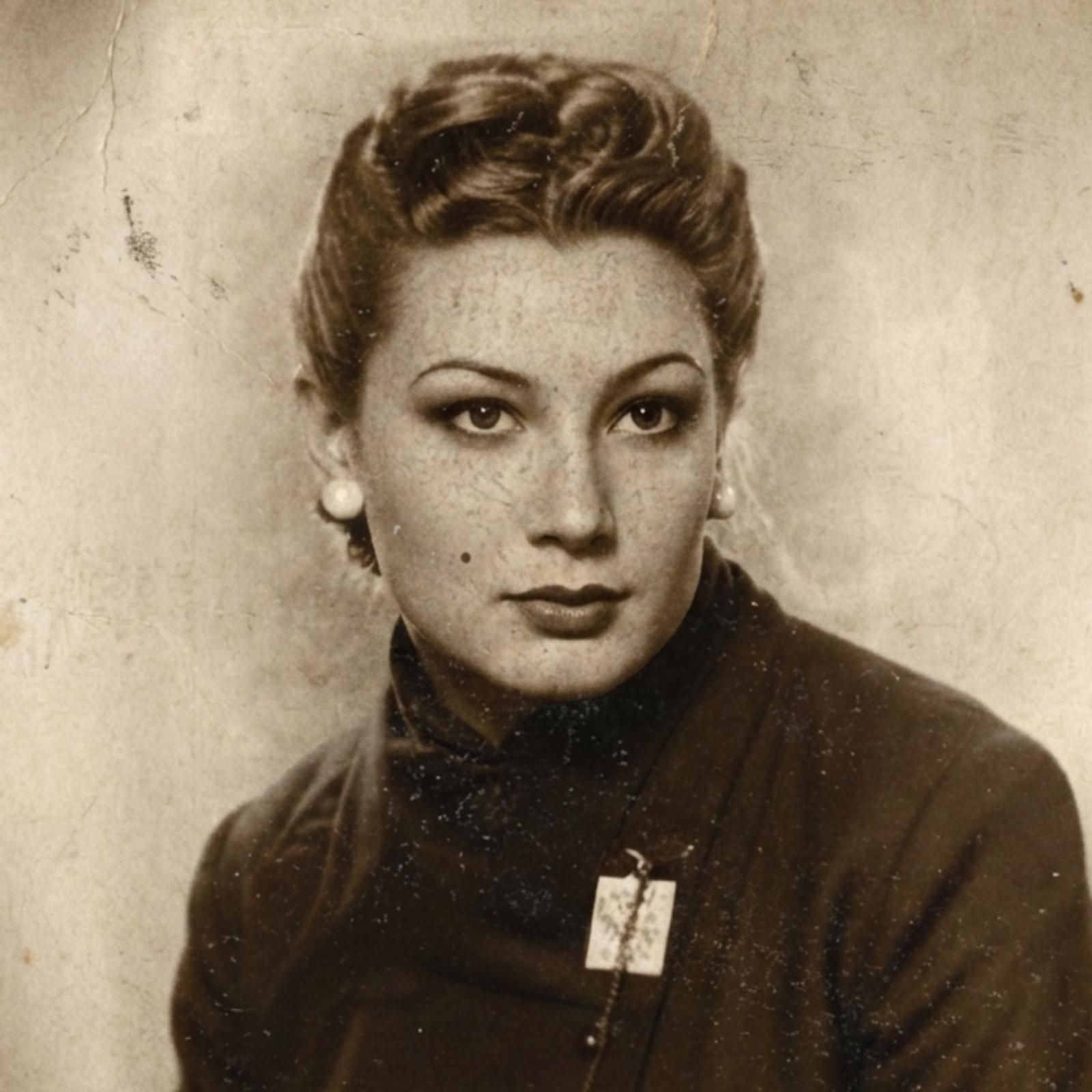
Documentos RNE
Documentos RNE - Marina Vega de la Iglesia, espía contra el fascismo - 16/02/26
00:55:26
Marina Vega de la Iglesia, espía contra el fascismo
Loading summary
Transcript225 lines
- [00:01]
Narrator / Radio Host
RNE Audio Descarga la app y disfruta de los programas de RNE y nuestros podcast originales.
- [00:14]
Narrator / Historian / Documentary Voice
Documentos radio nacional de españa.
- [00:28]
Historian / Expert Commentator
Con apenas 17 años, se convirtió en la única mujer a lo largo de toda la Segunda Guerra Mundial que, perteneciendo a las Fuerzas Francesas Libres, actuó dentro de España como agente encubierto, como espía.
- [00:45]
Paula Reigada Vega de la Iglesia (Daughter of Marina)
Mi madre era una persona que tenía muchísimo carácter y que tenía siempre las ideas muy claras para el camino que tenía que seguir y cómo hacer en general, un poco con todo.
- [00:54]
Marina Vega de la Iglesia (Main Subject / Spy)
Me dijeron que la embajada clandestina de De Gaulle se había abierto, que podía incorporarme a trabajar con ellos cuando quisiera yo como loca.
- [01:03]
Diego Gaspar Zelaya (Historian / Expert on Spanish Resistance)
Y ahí va a permanecer cuatro años como agente de información, falsificando documentos, traduciendo, alojando huidos, actuando como enlace y también realizando misiones sobre el terreno.
- [01:14]
Marina Vega de la Iglesia (Main Subject / Spy)
Tenía más documentación falsa.
- [01:16]
Family Member / Relative of Marina Vega
Creo que ella se involucró en salvar la vida a mucha gente pasándola por el país para que pudiera encontrar la libertad, protegerlos.
- [01:25]
Marina Vega de la Iglesia (Main Subject / Spy)
¿A ver, esto ya que pasa? La frontera está en Daya. Otras veces me quedaba en la parte española.
- [01:29]
Family Member / Relative of Marina Vega
Era el combate contra lo que nos venía, aquel franquic, que eso era el fascismo en otro nombre, ¿No?
- [01:36]
Marina Vega de la Iglesia (Main Subject / Spy)
Yo no podía aguantar con que estuvieran los alemanes en París ni en Francia. No podía soportarlo.
- [01:41]
Paula Reigada Vega de la Iglesia (Daughter of Marina)
Después de la Segunda Guerra Mundial se libera Francia, cae Alemania. En España se mantiene la dictadura. Y para ella fue, yo creo que el de los mayores disgustos.
- [01:50]
Marina Vega de la Iglesia (Main Subject / Spy)
Si volviera a tener 17 años, volvería a hacer lo mismo.
- [01:53]
Historian / Expert Commentator
Una mujer idealista en tiempos difíciles, que se comprometió con cambiar el mundo en el que vivía.
- [02:02]
Narrator / Radio Host
MARINA VEGA DE LA IGLESIA ESPÍA CONTRA EL FASCISMO.
- [02:10]
Marina Vega de la Iglesia (Main Subject / Spy)
Yo no podía aguantar con que estuvieran los alemanes en París ni en Francia. No podía soportarlo. Me fui a la Resistencia francesa, pero tenía la esperanza, como todos teníamos la esperanza, que si los aliados ganaban la guerra, los aliados quitaban a Franco. Pero luego, dentro de eso, yo tenía otra cosa diferente, que era mi amor por Francia.
- [02:31]
Narrator / Historian / Documentary Voice
Marina Vega de la Iglesia se unió a la Resistencia francesa durante la Segunda Guerra Mundial para luchar contra el nazismo. Fue una de las más de un centenar de mujeres y adolescentes españolas que arriesgaron sus vidas por la libertad. La mayoría exiliadas republicanas, trabajaron desde el otro lado del hospital. Pero la historia de Marina es singular. Ella se convirtió en espía al servicio de la Francia de De Gaulle dentro de una España en plena posguerra, asolada por la represión franquista y sumida en el miedo, el silencio y la miseria. Durante mucho tiempo unas y otras fueron borradas de la memoria colectiva, pero hoy sabemos que la participación de todas fue crucial. Sin ellas, sin esas mujeres silenciadas, el curso de la guerra y de la historia habría sido otro.
- [03:31]
Marina Vega de la Iglesia (Main Subject / Spy)
Es que el riesgo tampoco te importaba, porque la juventud es muy generosa.
- [03:35]
Narrator / Historian / Documentary Voice
Entrevista realizada en 2008 para el archivo de La Guerra Civil Española y la dictadura franquista de la Universidad de California, San Diego.
- [03:44]
Marina Vega de la Iglesia (Main Subject / Spy)
Tenía una parte romántica, viendo la guerra desde un punto de vista espiritual. La persona que no quiere ser invadida, la persona que detesta al invasor, la persona que no quiere que se queden con lo suyo, aunque él luego lo suyo lo reparta, pero que no quiere que te lo quiten, no quiere que te roben tu nacionalidad, tu personalidad, ni roben tus museos como en Francia hicieron los nazis.
- [04:11]
Historian / Expert Commentator
Marina Vega nació en 1923 en Castro Urdiales.
- [04:15]
Narrator / Historian / Documentary Voice
Ignacio Uría, profesor de Historia Contemporánea y Relaciones Internacionales en la Universidad de Alcalá.
- [04:21]
Historian / Expert Commentator
Es hija de un matrimonio de la clase alta española de aquella época republicana, tanto por parte de padre como de.
- [04:31]
Marina Vega de la Iglesia (Main Subject / Spy)
Madre y yo, aunque nací en Casturviales, luego marché a Torrelavega teniendo año y medio y ya no me moví de allí hasta la guerra.
- [04:40]
Narrator / Historian / Documentary Voice
Cuando la biografía de Marina aún no ha echado a andar, nos asomamos a sus orígenes.
- [04:46]
Family Member / Relative of Marina Vega
El padre de Marina, al igual que mi bisabuelo Francisco, su padre, se metieron en política. Mi bisabuelo Francisco Vega la Iglesia en Bilbao, era presidente del Partido Republicano Progresista por Bilbao y luego fundó el Partido Progresista Revolucionario, también Bilbao, presidente aquí en Vizcaya de ese partido. Su hijo, el padre Marina, fue abogado, registrador de la propiedad y ocupó durante la República varios puestos. Era una mano derecha de Le Rux.
- [05:20]
Narrator / Historian / Documentary Voice
Ernesto Vega de la Iglesia, primo segundo de Marina.
- [05:24]
Family Member / Relative of Marina Vega
Su hermano Ernesto, mi abuelo, también era presidente del Partido Republicano Radical Socialista por Bilbao y por Vizcaya y luego durante el periodo de la República y en guerra ocupó varios puestos como gobernador civil. El padre de Marina en Madrid hizo la carrera de Derecho y se preparó unas oposiciones para registrado de la Propiedad.
- [05:47]
Paula Reigada Vega de la Iglesia (Daughter of Marina)
Pero era todavía menor de edad para poder ejercer.
- [05:50]
Narrator / Historian / Documentary Voice
Paula, hija de Marina Vega de la.
- [05:52]
Paula Reigada Vega de la Iglesia (Daughter of Marina)
Iglesia, con lo cual tuvo que empezar a ejercer como pasante y demás en otros buquetes de abogados o en otros registros, esperando la edad que le tocara para poder optar a una plaza.
- [06:05]
Narrator / Historian / Documentary Voice
También formó parte activa de la masonería.
- [06:08]
Family Member / Relative of Marina Vega
Todos los masones tenían un hombre, se hacían llamar de un nombre y él era damastor. Y la verdad que se promocionó bastante y era de alto grado. Y se estableció por Cantabria, concretamente en Torrelavega. Y en aquellos momentos conoció a la que iba a ser su mujer, la La madre de Marina, Teresa, una mujer que también pertenecía a una clase social del lugar, elevada.
- [06:39]
Historian / Expert Commentator
Por parte de madre. Tiene un perfil más tradicional de una familia monárquica.
- [06:46]
Family Member / Relative of Marina Vega
Parece que la madre de Marina se rebelaba mucho contra todo aquello.
- [06:50]
Historian / Expert Commentator
Ya venía con la rebeldía marcada desde pequeña. Había sido muy, muy contestataria. Cuestionaba el catolicismo de su familia.
- [07:00]
Family Member / Relative of Marina Vega
Yo era una chica, una mujer muy moderna, muy sofisticada, muy elegante, muy guapa.
- [07:06]
Historian / Expert Commentator
Bebía whisky en público, fumaba, llevaba pantalones. Claro, esto en los años 20 ya te marca una manera de ser que Marina. Esa rebeldía, Marina la hereda.
- [07:17]
Family Member / Relative of Marina Vega
En ese momento es también cuando conoce al padre de Marina y se juntan.
- [07:25]
Narrator / Historian / Documentary Voice
A pesar de la oposición de su familia, Teresa Sánchez Cueto y Francisco Vega de la Iglesia. Se casan y tienen dos hijas. La pequeña se llama Marina. Seis meses después de su llegada al mundo, En septiembre de 1923, el general Primo de Rivera da un golpe de Estado y recibe el apoyo del rey Alfonso XIII. La instauración del nuevo régimen tiene consecuencias inmediatas. Se declara el estado de guerra, se suspenden las garantías constitucionales, se prohíbe el uso de cualquier lengua que no sea el castellano, así como los símbolos catalanes o vascos, y se establece el control y la censura de la prensa. Pero ajena a las turbulencias políticas y sociales, la niña crece libre y feliz.
- [08:23]
Marina Vega de la Iglesia (Main Subject / Spy)
Infancia muy grata, muy bonita, porque vivíamos en un chalet, una casa con un gran jardín.
- [08:30]
Historian / Expert Commentator
Tiene una vida normal de una niña, con sus institutrices, con sus juegos.
- [08:37]
Marina Vega de la Iglesia (Main Subject / Spy)
Tuve una infancia. Cómo te iba a decir. Es que no quiero parecer presumida. Una infancia que igual socialmente que económicamente estábamos muy bien.
- [08:46]
Paula Reigada Vega de la Iglesia (Daughter of Marina)
Creció medio libre, medio salvaje, como digo yo. En la finca en la que vivía, en lugar de tener un perro o un gato, ya tuvo un cerdo. Un cerdo que estuvo con ellos viviendo dos años, alimentado. Maravilloso. Imagínate el cerdo cómo tuvo que haber crecido después de dos años. Palomo, que se llamaba, y tenía un cariño enorme.
- [09:07]
Narrator / Historian / Documentary Voice
Durante los primeros años de vida de Marina, España continúa bajo el peso de la dictadura. Discurso de Miguel Primo de Rivera. Año 1929. En un principio, la situación parece transcurrir con aparente calma social y una economía que crece favorecida por la coyuntura internacional. Son los felices años veinte. Pero pasa el tiempo y aumenta el descontento. Las condiciones de desigualdad que viven tanto los obreros como una parte del ejército abonan el terreno. Engorda así el descontento de quienes desde el principio se han opuesto al ré comunistas, anarquistas, republicanos e intelectuales como Manuel Machado, José Ortega y Gasset, Vicente Blasco Ibáñez o Miguel de Unamuno.
- [10:07]
Historian / Expert Commentator
Me ahogo en este albañal y me.
- [10:09]
Diego Gaspar Zelaya (Historian / Expert on Spanish Resistance)
Duele España en el cogollo del corazón.
- [10:12]
Narrator / Historian / Documentary Voice
En esta carta, publicada en la revista nosotros en 1923, Unamuno carga su pluma contra el dictador, al que solía dedicar en la prensa sonoros apelativos.
- [10:24]
Historian / Expert Commentator
Miguelito, fantoche, chulesco, gobernador.
- [10:28]
Narrator / Historian / Documentary Voice
Tirando de metáfora, Blasco Ibáñez también lanza sus tintas contra el monarca.
- [10:33]
Historian / Expert Commentator
La arboladura en el presente caso son los generales de opereta o de drama policiaco que forman el Directorio.
- [10:40]
Narrator / Historian / Documentary Voice
El casco es El rey por España y contra el rey Vicente Blasco Ibáñez.
- [10:46]
Historian / Expert Commentator
Y yo, como español, declaro desde el primer momento, por patriotismo, por decoro nacional, que tiro contra Alfonso XIII.
- [10:58]
Narrator / Historian / Documentary Voice
En enero de 1930, el dictador, enfermo y solo, dimite y abandona el país. Tras un periodo conocido como dicta blanda, en el que no se restaura la normalidad constitucional, se convocan elecciones municipales. Los republicanos arrasan en las capitales de provincia. El 14 de abril de 1931 se proclama la Segunda República. Un día después, el monarca abandona el país. Justo al año siguiente, la familia se traslada a Madrid. La futura agente secreta tiene 8 años.
- [11:42]
Historian / Expert Commentator
En el año 31, una vez que llega a la República, Francisco Vega, su padre, ve necesario para continuar con su ascenso dentro del mundo político y del Partido Republicano Radical. Tiene que estar en Madrid y se van a vivir a Madrid pronto.
- [11:58]
Narrator / Historian / Documentary Voice
Alejandro Lerroux designa al padre de Marina como presidente del partido en Madrid. Es el impulso que le llevará a las listas electorales de 1933.
- [12:09]
Marina Vega de la Iglesia (Main Subject / Spy)
Mi padre fue diputado a Cortes, vocal del Tribunal de Garantías Constitucionales. Luego fue también director general de Prisiones.
- [12:17]
Diego Gaspar Zelaya (Historian / Expert on Spanish Resistance)
Ella tiene acceso a una educación que quizás no sea la norma.
- [12:21]
Narrator / Historian / Documentary Voice
Diego Gaspar Zelaya, profesor de Historia Contemporánea de la Universidad de Zaragoza y experto en españoles en la resistencia, que se.
- [12:30]
Diego Gaspar Zelaya (Historian / Expert on Spanish Resistance)
Educa de alguna forma con la élite republicana en Madrid.
- [12:33]
Marina Vega de la Iglesia (Main Subject / Spy)
Yo me crié en el ambiente republicano de izquierdas y lo fui por voluntad propia.
- [12:41]
Historian / Expert Commentator
Ella empieza a estudiar en colegios laicos mixtos.
- [12:45]
Narrator / Historian / Documentary Voice
Son años muy felices para ella, pero duran poco. Cinco meses después del triunfo del Frente Popular en julio de 1936, las conspiraciones que vienen de lejos y una sublevación militar de desencadenan el inicio de la Guerra Civil. Pero el final de esa etapa aventurosa también está marcado por un acontecimiento familiar.
- [13:12]
Paula Reigada Vega de la Iglesia (Daughter of Marina)
No le gustaba nada decirlo en público porque para ella evidentemente le era doloroso, pero mis abuelos no vivían juntos.
- [13:20]
Historian / Expert Commentator
Lo que sucede es que Teresa Sánchez Cueto era una fuerza de la naturaleza. A ella le encanta la vida de Madrid, esa vida social del Casino de Madrid, de los debates en el Ateneo. Es una mujer con un deseo de participar también en la política. Ella comienza una relación con un alto cargo del gobierno republicano porque vino la.
- [13:43]
Paula Reigada Vega de la Iglesia (Daughter of Marina)
Guerra y vino todo el follón, pero ellos me imagino que llegaría un momento que habrían iniciado los trámites de divorcio.
- [13:51]
Narrator / Historian / Documentary Voice
Al declararse la guerra, el padre ya no vive con ellas en Madrid y pasa temporadas en el norte.
- [13:57]
Marina Vega de la Iglesia (Main Subject / Spy)
A mediados de agosto del 37, o sea justo un año después de empezar la guerra, cayó Santander. Cayó Bilbao y Santander y entonces mi padre que estaba en su despacho, entraron unos falangistas, lo cogieron y se lo lleva.
- [14:14]
Historian / Expert Commentator
Por su familia política. Consiguen evitar que lo fusilen y sí.
- [14:19]
Family Member / Relative of Marina Vega
Que lo juzguen durante varios años por sus ideas. Le hacen preso y le meten en la cárcel.
- [14:27]
Historian / Expert Commentator
Le condenan a cárcel a 6 años de cárcel por un delito de auxilio a la rebelión, que es una manera de justicia al revés, en la que aquellos que no apoyaron el golpe de Estado eran juzgados por ser traidores a la patria al no haber ayudado al golpe.
- [14:46]
Marina Vega de la Iglesia (Main Subject / Spy)
Estuvo en Burgos, en Portlier, en Sevilla y terminó en una cárcel curiosísima en El Puerto de Santa María que creó Franco para represión del comunismo y la masonería.
- [15:00]
Historian / Expert Commentator
Y cuando está cumpliendo esa pena le acusan de un delito nuevo que es haber pertenecido a la masonería, cosa que sí, porque era un masón activo además su padre, y le condenan de nuevo a 16 años más.
- [15:15]
Marina Vega de la Iglesia (Main Subject / Spy)
Leo esto don José Torres Martín Rodríguez.
- [15:19]
Narrator / Historian / Documentary Voice
Marina Vega de la Iglesia lee la sentencia que vuelve a condenar a su padre tras descubrirse que es masón, certifico.
- [15:27]
Marina Vega de la Iglesia (Main Subject / Spy)
Que en la causa número 700 del tribunal seguida contra don Francisco Vega de la Iglesia Imanteca, reunido el tribunal especial para representar de la masonería y del comunismo, tanto que el procesado Francisco Vega de la Iglesia Manteca ingresó en la masonería con el nombre simbólico de Adamastor.
- [15:45]
Narrator / Historian / Documentary Voice
A la situación del padre en la última etapa de la guerra se une el asesinato de su hermano. El tío de Marina.
- [15:56]
Historian / Expert Commentator
Había sido gobernador civil en varias provincias y entonces le detienen y lo fusilan sumariamente sin juicio y acaba en una fosa común una.
- [16:06]
Family Member / Relative of Marina Vega
Vez finalizada la guerra, sin un delito de sangre.
- [16:08]
Historian / Expert Commentator
No tuvo ninguna, simplemente es que había sido un político muy significado de izquierda, más a la izquierda que Francisco Vega.
- [16:20]
Narrator / Historian / Documentary Voice
Estos sucesos dejan una huella profunda en la vida de Marina, que aún es una niña y serán decisivos en el futuro cuando no haya dejado atrás la adolescencia.
- [16:32]
Family Member / Relative of Marina Vega
Imagínate una niña que está viendo siendo niña cómo no va a pesar a tu padre metido en la cárcel en el 37, o tu tío Ernesto, con el que tenía muy buena relación y siempre le ha tenido un afecto y mucho cariño. Yo creo que a cualquiera de nosotros nos marcaría, pero muy profundamente. Entonces Marina tiene que modular muy rápido.
- [16:53]
Narrator / Historian / Documentary Voice
Pero eso será más adelante, durante la guerra. Tras la detención del padre y el traslado del gobierno de la República a Valencia, la madre de Marina toma una.
- [17:03]
Paula Reigada Vega de la Iglesia (Daughter of Marina)
Decisión de primeras, irse a Valencia. Seguirá el gobierno español para tratar de seguir apoyando al gobierno republicano desde Valencia, desde donde pudo.
- [17:15]
Marina Vega de la Iglesia (Main Subject / Spy)
Entonces mi hermana, que tenía novio en Valencia, se casó en el año 37 se casó y Kasma y yo me quedé con mi madre en Valencia. Como estaba trabajando no podía ocuparse de mí, vivía en el hotel y yo estuve de pensión de pensionista en un colegio que era la Malvarrosa. El Iceo Sorolla.
- [17:37]
Historian / Expert Commentator
Pongámonos en una situación de incertidumbre, de guerra, de pocos ingresos, de peligro físico, con un avance progresivo de las fuerzas de Franco. Pues un yo voy a estar mejor sin Marina aquí en Valencia y ella también va a estar mejor.
- [17:54]
Paula Reigada Vega de la Iglesia (Daughter of Marina)
Ya cuando mi abuela se dio cuenta que la cosa se ponía fea, a través de unos amigos de ella consigue que se la lleven con ellos a Francia, de migrantes en el exilio.
- [18:08]
Marina Vega de la Iglesia (Main Subject / Spy)
Era aviador y era muy amigo de mi madre y paraba en el mismo hotel que mi madre. La familia se conocían mucho.
- [18:13]
Narrator / Historian / Documentary Voice
Se trata de la familia de Francisco Coterillo, aviador y director del aeropuerto de Barajas.
- [18:20]
Marina Vega de la Iglesia (Main Subject / Spy)
Yo me marché con ellos justo el día que hacía un año que se había declarado la guerra, el 18 de julio del 37.
- [18:27]
Narrator / Historian / Documentary Voice
Entretanto, la guerra sigue su curso, pero.
- [18:31]
Charles de Gaulle (Archive Audio)
El ataque a mano armada contra la República descubrió pronto su aspecto de problema internacional.
- [18:38]
Narrator / Historian / Documentary Voice
Discurso de Manuel Azaña, presidente de la República en Barcelona el 18 de julio de 1938, justo un año después de la salida de Marina.
- [18:49]
Charles de Gaulle (Archive Audio)
Lo descubría porque unos grupos sociales o unas fuerzas políticas o las fuerzas armadas del Estado se rebelaban contra el régimen establecido. No se rebelaba esa fase porque otros estados europeos, principalmente Alemania e Italia, acudían decididamente con hombres y material el apoyo de los que atacaban violentamente a la República.
- [19:21]
Narrator / Historian / Documentary Voice
La República se defiende durante tres largos años en los que se ve cercada por la intervención militar de la Italia fascista y la Alemania nazi. Marina Vega de la Iglesia sigue en Francia, alejada de los suyos.
- [19:36]
Marina Vega de la Iglesia (Main Subject / Spy)
Entonces fuimos a París, al aeropuerto Boursé, que es donde tomamos un piso y vivíamos.
- [19:43]
Paula Reigada Vega de la Iglesia (Daughter of Marina)
Y allí pasa aquellos tres primeros años mi madre con ellos, que había una colonia ahí más o menos, empezaron a llegar cantidad de españoles exiliados y demás de los primeros.
- [19:52]
Historian / Expert Commentator
Entonces Marina a lo que se dedica, va al colegio allí en Francia con los Coterillo, vive como una hija más de ellos, mantiene relación con su madre porque se intercambian cartas que el propio Coterillo lleva y trae en su avión, y hace una vida de supervivencia esperando a que la República gane la guerra. Pero claro, eso no va a suceder.
- [20:14]
Narrator / Historian / Documentary Voice
Marina pasa dos años en París.
- [20:17]
Historian / Expert Commentator
Cuando el 1 de abril de 1939 Franco gana la guerra, la situación de todos los que estaban fuera esperando para ver si se podía volver o no, aunque ya lo veían venir, cambian.
- [20:30]
Narrator / Historian / Documentary Voice
Solo cinco meses después, en septiembre de 1939, las tropas alemanas invaden Polonia. En dos días, Gran Bretaña y Francia declaran la guerra a Alemania. Comienza la Segunda Guerra Mundial.
- [20:46]
Historian / Expert Commentator
Marina pierde contacto con toda su familia. Su padre ya está en la cárcel, su madre no se sabe dónde está y su hermana se ha casado y se ha ido a vivir a Italia con un italiano. Tampoco se sabe con quién está y ella tiene 16 años.
- [20:57]
Narrator / Historian / Documentary Voice
En ese momento la familia con la que vive en París decide exiliarse a América.
- [21:04]
Paula Reigada Vega de la Iglesia (Daughter of Marina)
Entonces le proponen a mi madre irse con ellos a México. Y mi madre dice que no, que prefiere volverse a España a buscar a mi abuela.
- [21:12]
Marina Vega de la Iglesia (Main Subject / Spy)
Yo quería saber de mi madre, quería vivir con mi madre, quería ver a mi madre. Y entonces le marcho a Madrid buscar a mi madre. No sabía dónde vivía, no sabía y parece que estaba en la cárcel. Entonces me fui al Consulado Franco a decir que me repatriara.
- [21:32]
Historian / Expert Commentator
Y ella va en un tren de Cruz Roja hasta Hendaya.
- [21:37]
Marina Vega de la Iglesia (Main Subject / Spy)
Pasamos el puente de Hendaya y sobre nuestras maletas, sentados en irlandés, yo que sé las horas que estuvimos. Sé que llegué a Madrid, no sé, 48 horas después, a las 6 y media horas, 6 de la tarde, en un vagón de ganado, llegué a la estación del Norte, que es la que llaman Príncipe Pío, me cogí mi maleta con mi raqueta, me metí en el metro, llegué a Gran Vía, y en Gran Vía cogí la calle Ortodoxa, porque yo tenía una especie de rememoria anticuada diciendo que mi madre tenía un pariente lejano que tenía una zapatería en la calle esta Hortaleza, y sin saber tampoco.
- [22:19]
Paula Reigada Vega de la Iglesia (Daughter of Marina)
Qué zapatería era, se recorrió la calle Hortaleza, zapatería por zapatería, preguntando si eran ellos y si sabían dónde estaba su madre.
- [22:29]
Historian / Expert Commentator
Y el que le reconoce es ese pariente suyo a ella, y que es además el que le puso el sobrenombre, porque Marina tenía el sobrenombre familiar de Pipi. Y él le dice que sabe dónde está su madre y que la va a llevar con ella.
- [22:42]
Marina Vega de la Iglesia (Main Subject / Spy)
Me acuerdo que cogimos un taxi y me iba donde mi madre, que vivía en aquella Francisco Silvela, era una habitación con derecho a cocina y estaba allí. Entonces los llamamos topos porque no salían, estaban a escondidas.
- [22:57]
Historian / Expert Commentator
Una topo, como se decía en la época, aquellos que vivían escondidos porque temían las represalias por haber tenido un pasado vinculado a la República, no necesariamente de tipo militar, sino de tipo político, como era el caso de Teresa Sánchez Cueto.
- [23:14]
Diego Gaspar Zelaya (Historian / Expert on Spanish Resistance)
Ahí llega a Madrid, logra ver a su madre, efectivamente toma conciencia de cuál es la situación tan precaria de su padre, y a partir de ahí existe un intercambio.
- [23:24]
Historian / Expert Commentator
Y vivían, porque uno puede preguntarse qué vivían de un pequeño trabajo que ella consiguió como furcidora al principio, y luego cosiendo vestidos, y también de las joyas que su madre había dejado escondidas en Madrid, previendo una vuelta en algún momento y vendiéndolas.
- [23:42]
Paula Reigada Vega de la Iglesia (Daughter of Marina)
Creo recordar que llegó con una depresión.
- [23:44]
Historian / Expert Commentator
Enorme, la propia Marina habla de de una tristeza profunda, de una ausencia de esperanza por el futuro.
- [23:54]
Diego Gaspar Zelaya (Historian / Expert on Spanish Resistance)
La madre, al final, preocupada también por su hija, la envía a León. Y es en León donde ella se encuentra con un viejo amigo y es el primero que le habla de que efectivamente en Madrid se está desarrollando una especie de antena de un comité de la Francia Libre de De Gaulle, como digo, que lo que hace es intentar reclutar gente en España.
- [24:18]
Narrator / Historian / Documentary Voice
El joven explica a Marina la situación. Tras la invasión alemana de Países Bajos, Bélgica y Francia, se ha firmado un armisticio. El país vecino está dividido en zonas ocupadas y otras bajo el mando del general Petain, que se pliega a colaborar con los nazis. Es lo que se conoce como régimen de vigilancia.
- [24:40]
Charles de Gaulle (Archive Audio)
La défaite française a été causée.
- [24:44]
Narrator / Historian / Documentary Voice
Mientras, en Londres el general De Gaulle no se rinde y ha creado un gobierno en el la Francia Libre.
- [24:51]
Charles de Gaulle (Archive Audio)
L' action foudroyante de cette force mécanique.
- [24:55]
Narrator / Historian / Documentary Voice
Palabras de Charles de Gaulle emitidas por la BBC el 18 de julio de.
- [24:59]
Charles de Gaulle (Archive Audio)
1940 et du gouvernement devant cet effondrement.
- [25:04]
Marina Vega de la Iglesia (Main Subject / Spy)
Entonces yo me fui a la maja de inglés. Fue a decir Me había enterado que es texto, que dónde estaba. Y entonces había unas oficinas, en efecto francesas. Entonces hablé que me ponía a su disposición, que quería hacer algo, lo que fuera, en beneficio de los franceses y en contra de los nazis. Sobre todo en contra de los nazis.
- [25:21]
Narrator / Historian / Documentary Voice
Las palabras de De Gaulle, alentando a la resistencia frente a los nazis, crean una división en el ejército entre quienes se mantienen leales a Petain y quienes se unen a las fuerzas francesas libres. Pero esta reacción no se da solo entre militares.
- [25:40]
Diego Gaspar Zelaya (Historian / Expert on Spanish Resistance)
Desde ese mismo momento lo que encontramos es gente que se va a oponer directamente a la ocupación.
- [25:47]
Historian / Expert Commentator
Porque De Gaulle, en el famoso llamamiento de junio del año 40, vamos a organizar una resistencia interna, pero también que opere fuera de Francia, en aquellos países que sean negros, donde haya intereses estratégicos franceses.
- [26:00]
Narrator / Historian / Documentary Voice
IGNACIO URÍA Profesor de Historia Contemporánea y.
- [26:03]
Historian / Expert Commentator
Relaciones Internacionales Pues también en España tantean a ver si pueden establecer esa red de espionaje a la que se va a terminar incorporando Marina.
- [26:13]
Narrator / Historian / Documentary Voice
Como ella, son muchos los españoles que participan desde el primer momento en la resistencia.
- [26:19]
Diego Gaspar Zelaya (Historian / Expert on Spanish Resistance)
Lo que tenemos es una derrota francesa. Por lo tanto, junio del 40 que da paso a cuatro largos años de ocupación. Y es un periodo en el que, si nos centramos en los españoles y las españolas, da inicio también un lento y un complejo proceso de reorganización.
- [26:35]
Narrator / Historian / Documentary Voice
Diego Gaspar ZELAYA Profesor de Historia Contemporánea de la Universidad de Zaragoza y experto en españoles en la resistencia.
- [26:43]
Diego Gaspar Zelaya (Historian / Expert on Spanish Resistance)
Los primeros compromisos con la lucha armada en el 41, en el 42, que en el año 43 y en el año 44 al final, dan lugar a la unificación de la resistencia en el interior de Francia, a la reunificación de la resistencia interior española en el interior de Francia, dominada en este caso por el Partido Comunista español y por la Unión Nacional Española, que finalizan en la segunda mitad del año 44 con combates por la liberación del territorio metropolitano francés, el intento de continuar la lucha en España, especialmente en otoño de ese año, como sabéis, con la Operación Reconquista de España en el Valderán, etc. Pero esto no quiere decir que no haya españoles y españolas que efectivamente contribuyan individualmente en otras organizaciones de resistencia, en este caso de Madrid francesa.
- [27:34]
Narrator / Historian / Documentary Voice
Para entender mejor cómo se articulaba este conglomerado de redes en las que participan españoles y españolas, podemos dividirlas en dos.
- [27:45]
Diego Gaspar Zelaya (Historian / Expert on Spanish Resistance)
Tenemos como una resistencia interior que es especialmente relevante, insisto, en la liberación de varios departamentos en operaciones que luego van a dar como resultado interceptar tropas alemanas, sabotear infraestructuras, liberar presos políticos, hacer propaganda. También el hecho de mantener y de hacer operar a redes de acción, de evasión y de información en territorio francés. Eso sería lo que tenemos o entendemos como resistencia interior, normalmente centralizada a través de las Fuerzas Francesas del Interior.
- [28:18]
Narrator / Historian / Documentary Voice
Por otro lado está la resistencia exterior.
- [28:23]
Diego Gaspar Zelaya (Historian / Expert on Spanish Resistance)
Que sería más bien el concurso en los ejércitos de la Francia libre, es decir, al lado de De Gaulle, es decir, en la estructura que De Gaulle crea en Londres y que después va a continuar creciendo a través de los territorios del Imperio francés, Cuerpo Franco de África, por otra parte, y que además eso se salda al final con la creación del Ejército de Liberación francés. Y es ahí donde encontramos a españoles formando parte de estas tropas francesas que al final van a combatir. Creo que el caso más conocido en este sentido es seguramente la segunda visión blindada francesa, donde había muchos españoles, integran.
- [29:01]
Narrator / Historian / Documentary Voice
La 9 y a esta última, a la resistencia exterior, es a la que se une Marina Vega de la Iglesia.
- [29:11]
Historian / Expert Commentator
Le hace una entrevista, porque hasta los espías hacen entrevistas de trabajo a la gente, le hacen una entrevista donde ella cuenta su situación, La motivación la sabemos porque Marina la contó a posteriori en más de una ocasión, donde ella dice que yo tenía que hacer algo, yo.
- [29:29]
Marina Vega de la Iglesia (Main Subject / Spy)
No podía aguantar con que estuvieran los alemanes en París ni en Francia, no podía soportarlo, no les podía echar de España, eso no.
- [29:36]
Historian / Expert Commentator
Y ahí está lo que le han hecho a su padre, encarcelándolo, lo que le han hecho a su tío, asesinándolo. La amenaza del fascismo internacional.
- [29:45]
Marina Vega de la Iglesia (Main Subject / Spy)
Pero tenía la esperanza, ¿No? Todos teníamos la esperanza que si los aliados ganaban la guerra, los aliados quitaban a Franco.
- [29:56]
Narrator / Historian / Documentary Voice
Y de este modo comienza su trabajo de agente secreta. Será una de tantas mujeres que participan de forma activa en la Segunda Guerra Mundial.
- [30:07]
Diego Gaspar Zelaya (Historian / Expert on Spanish Resistance)
Entre 1939 y 1945 hay miles de mujeres, sean francesas, sean extranjeras, presentes en territorio francés, que sirven como voluntarias en los ejércitos regulares franceses. Pero todas ellas, todas lo hacen en unidades auxiliares. Normalmente son enfermeras, son conductoras de ambulancias, administrativas, traductoras, pero junto a ellas se.
- [30:31]
Narrator / Historian / Documentary Voice
Despliegan otros miles de mujeres que participan contra el ocupante y contra los colaboracionistas de Vichy.
- [30:38]
Diego Gaspar Zelaya (Historian / Expert on Spanish Resistance)
Y la mayoría de las veces, y esto es un denominador común, lo hacen desde la clandestinidad y lo hacen con y sin las armas en la mano. Y lo hacen como agentes de redes de información, de acción, de evasión, de resistencia. Lo hacen como integrantes de los servicios de inteligencia franceses o aliados.
- [30:59]
Narrator / Historian / Documentary Voice
Los historiadores hablan de miles, pero como explica Diego Gaspar Zelaya, es difícil precisar.
- [31:06]
Diego Gaspar Zelaya (Historian / Expert on Spanish Resistance)
No vamos a saber nunca el número concreto de mujeres que participaron en la Resistencia. Y esto es algo que resulta fundamental, porque siempre hay que subrayar que los casos que conocemos son la punta del iceberg de lo que en realidad fue.
- [31:22]
Narrator / Historian / Documentary Voice
Pero tenemos datos sobre la participación de mujeres españolas.
- [31:26]
Diego Gaspar Zelaya (Historian / Expert on Spanish Resistance)
Lo que sí que podemos hacer es saber de cuántas tenemos una traza documental actualmente en función. En función de las fuentes que tenemos. Pues aproximadamente hablamos de unas 180 mujeres. Ese es el número en el que estamos trabajando.
- [31:39]
Narrator / Historian / Documentary Voice
Y una de ellas es Marina Vega de la Iglesia.
- [31:43]
Marina Vega de la Iglesia (Main Subject / Spy)
En efecto, me llamaron, me dijeron que la embajada clandestina de De Gaulle se había abierto en la calle San Bernardo, que podía incorporarme a trabajar con ellos cuando quisiera yo como loca.
- [31:56]
Narrator / Historian / Documentary Voice
La mayoría de las mujeres, mujeres resistentes, tanto francesas como españolas o de otras nacionalidades, trabajan desde el interior de Francia. Pero no es el caso de Marina.
- [32:08]
Historian / Expert Commentator
Trabajaban para la Resistencia dentro de Francia. Marina trabajaba para la Resistencia en España. Entonces esa es la diferencia de Marina. La mayoría de las mujeres que colaboran con la Resistencia no están en la estructura militar del ejército francés. Y Marina sí.
- [32:27]
Narrator / Historian / Documentary Voice
Pero cómo son sus inicios como espía al servicio de la Resistencia.
- [32:34]
Marina Vega de la Iglesia (Main Subject / Spy)
Me empezaron a mandar trabajos sencillos, me daban sobres para llevar a San Sebastián a Pamplona. Entonces mi primer oficio, digamos, fue correo. Chabuzón y correo.
- [32:44]
Narrator / Historian / Documentary Voice
Marina Vega de la iglesia entrevistada en 2010 Archivo de Radio Televisiones Española Una.
- [32:51]
Marina Vega de la Iglesia (Main Subject / Spy)
Vez o dos veces a la semana me daban un paquete, un sobre grande que yo me ponía en el cuerpo y una faja encima, y me iba a Pamplona o a San Sebastián a entregar ese paquete en unas oficinas francesas clandestinas, de la baja clandestina de De Gaulle. Y claro, pues ya me metí así a ver si tenía que pasar la frontera hasta el Daya. Otras veces me quedaba en la parte española, eso ya depende de lo que yo tuviera que hacer. Y luego, claro, cuando terminó la guerra, yo seguí.
- [33:21]
Historian / Expert Commentator
Y ella trabaja en la red Joseph. Entonces, entre que las estructuras están comenzando, que ella es muy joven, que la ponen a prueba, hasta que todo eso se va consolidando, lo que sucede es.
- [33:33]
Diego Gaspar Zelaya (Historian / Expert on Spanish Resistance)
Que claro, Marina tenemos que entender que es un perfil muy interesante, porque es una joven con un nivel de educación superior, con un dominio total del francés, que además no ha de levantar sospechas frente al ocupante por su juventud, que además parece ser que se trata de una persona idónea, que va a ser en realidad instrumentalizada por sus jefes resistentes, porque lo que buscan es este perfil de joven, que además tenga buena presencia, algo que además lo que hace hincapié la propia Marina cuando se le entrevista.
- [34:09]
Marina Vega de la Iglesia (Main Subject / Spy)
Yo me ponía años siempre ¿Cuántos años tienes? ¿Diecinueve? ¿Veinte? ¿Dieciocho? Siempre iba muy arreglada, muy vestida, porque tienes que aparentar que tienes más dinero que el que tienes para que la policía se meta menos contigo. Tenías que tener un ten con T muy grande, ser una chica muy bien vestida, bien peinada, que tenías dinero y podías dar propinas. Entonces dabas una buena propina al conductor, pero no te podías pasar para no pasar ni por una nueva rica ni por una entretenida, porque entonces la moral era una basura.
- [34:42]
Narrator / Historian / Documentary Voice
Poco a poco va demostrando su valor como agente de enlace y asume más responsabilidades.
- [34:52]
Historian / Expert Commentator
Y a partir de ahí ya le van dando otras misiones que tienen más transporte de armas. Cuando empiezan a sacar a personas de Francia, que fundamentalmente eran o empresarios o políticos franceses que huían de la Francia nazi o del régimen de Vichy, o bien el tercer grupo eran aviadores aviadores que habían sido derribados sobre Francia o sobre Bélgica, pero que salvan la vida y tienen que volver a llegar a Gran Bretaña, o tienen que llegar al menos, o a Portugal para volver a combatir. Y entonces lo que hace Marina es. Comienza ya a partir del año 41, empieza a acompañar a gente que llega para traerlos a Madrid.
- [35:36]
Paula Reigada Vega de la Iglesia (Daughter of Marina)
Entonces, si era un extranjero o era un francés, y para que no le pillaran en España, le decían a esa persona que se hiciera el sordomudo.
- [35:43]
Narrator / Historian / Documentary Voice
Paula REIGADA Vega de la Iglesia, hija.
- [35:46]
Paula Reigada Vega de la Iglesia (Daughter of Marina)
De Marina Mi madre era la acompañante.
- [35:48]
Marina Vega de la Iglesia (Main Subject / Spy)
Teníamos documentación falsa. Se ruego las autoridades civiles y militares ayuden a la señorita Vega, porque acompaña a don Fulano de tal, que es sordomudo, no puede defenderse.
- [35:57]
Paula Reigada Vega de la Iglesia (Daughter of Marina)
Y como no podían hablar, no le pillaban el acento.
- [35:59]
Historian / Expert Commentator
Claro, en Madrid les hacen papeles falsos, descansan, les visten y los lleva o bien a Portugal, a Lisboa, porque Portugal era aliada británica, o bien a Gibraltar.
- [36:13]
Narrator / Historian / Documentary Voice
Entre quienes ayudó a escapar podría haber también personas que huían del Holocausto.
- [36:21]
Marina Vega de la Iglesia (Main Subject / Spy)
Judíos, traje mucho judíos, por eso los tengo yo como aquel, porque yo no hablaba con ellos. Que me hablaba si pasaban como mudos.
- [36:29]
Historian / Expert Commentator
Si eran judíos o no. A ella no le decían. Pero lo que sí sabemos es que Bas España sacó a judíos a través de la frontera de ndaya, toda la frontera de Navarra y el País Vasco, que es pequeñita, con Francia, por ahí salieron judíos y ahí es donde ella trabajaba. Podemos deducir que sí.
- [36:50]
Narrator / Historian / Documentary Voice
La joven espía suele ir armada, a pesar de que la resistencia francesa lo tenía prohibido a.
- [36:57]
Historian / Expert Commentator
Las mujeres, Marina, una vez más, le daba todo igual.
- [37:02]
Paula Reigada Vega de la Iglesia (Daughter of Marina)
Mi madre sí que me contó en alguna ocasión que armas llevaban. Creo que llevaba una pequeñita, que no se llamaban señoritas, porque era una pistola chiquitita, pero que la verdad que era para muy corta distancia.
- [37:12]
Historian / Expert Commentator
En ocasiones llevaba dos, una más pequeña en un bolso y otra encima en la ropa interior. Decía ella decía, si acaso para suicidarme. Suicidarme para llevarme alguien por delante, vamos, porque es que no me cabe la menor duda que en esa situación, si vas armado, yo creo que se hubiese defendido.
- [37:33]
Narrator / Historian / Documentary Voice
Ocurre en las películas y ocurrió también en la vida real. Además de llevar armas, por si las cosas se ponen feas, Marina lleva siempre una píldora de cianuro.
- [37:47]
Marina Vega de la Iglesia (Main Subject / Spy)
Tenía uno, no era una pastilla, era una cápsula. Muy distinto. Una pastilla se disuelve la cápsula, no Cápsula es como de plástico y eso te da una ración. Ese era para casos extraordinarios.
- [38:01]
Historian / Expert Commentator
Y cuando se vio forzada, que creo que fue dos ocasiones, una en Madrid y otra camino de San Sebastián, al final ella misma, con toda la rapidez que pudo, se deshizo de la propia cápsula, porque quería seguir viviendo y porque ella se sabía comprometida y que era más valiosa viva que muerta. Progresivamente se ve que es una mujer de valía y va ascendiendo, va ascendiendo ya en lo que es base España, porque a partir del año 42, base España, como tal es el nombre de.
- [38:39]
Diego Gaspar Zelaya (Historian / Expert on Spanish Resistance)
La red, en realidad, precisamente lo que hace es ser una superestructura que lo que da es cobertura a otras redes más pequeñas que ya habían estado operando.
- [38:48]
Historian / Expert Commentator
En el territorio en otro tiempo y con militares franceses. Tienen una sede encubierta en la calle San Bernardo.
- [38:57]
Narrator / Historian / Documentary Voice
Y mientras Marina Vega de la Iglesia.
- [39:01]
Historian / Expert Commentator
Sigue ascendiendo, pasa a coordinar a otros agentes de enlace, ya estando en Madrid, aunque ella nunca dejará de hacer misiones, porque yo creo que lo necesitaba también era una mujer de acción. Y llega al grado máximo que puede tener una mujer en aquel momento dentro de la Francia Libre, como se conocía, que es el grado de subteniente.
- [39:29]
Narrator / Historian / Documentary Voice
Aunque no es un cargo reconocido durante la guerra, ya que la graduación oficial estaba reservada solo para hombres.
- [39:43]
Diego Gaspar Zelaya (Historian / Expert on Spanish Resistance)
Conviene recordar que al final no es un grado como el que podían obtener los hombres. Existe una discriminación de género en ese sentido. Durante el segundo conflicto no reciben esa graduación. En la posguerra se genera una escala que es alternativa. Es importante que lo entendamos, porque el grado que alcanza la propia Marina de subteniente nunca va a ser reconocido como tal por la administración militar francesa. Es decir, que por mucho que se hayan reconocido sus servicios, lo que sí que quiero subrayar es que por ser mujer, nunca sus servicios, pese a que el riesgo de ser hecha prisionero o deportada, pese a que su compromiso, pese a todo, nunca, nunca lo van a equiparar con el de un hombre, ser mujer y jugártela como mujer en ese momento, al final no fue recompensado ni material ni simbólicamente de la misma man.
- [40:37]
Narrator / Historian / Documentary Voice
A pesar de ello, con el paso de los años recibirán numerosas distinciones y.
- [40:43]
Historian / Expert Commentator
De hecho, en su expediente militar, que yo lo localizo en París, en el Servicio Histórico de la Defensa, porque luego ella la condecora, una mujer muy condecorada, hablan de Marina como una combatiente de gran mérito, y de hecho ella estaba en la estructura militar.
- [41:04]
Narrator / Historian / Documentary Voice
En 1944 llega un momento crítico. Los servicios secretos españoles acaban de descubrir la actividad de Base España, y Marina y sus compañeros tienen que huir.
- [41:24]
Marina Vega de la Iglesia (Main Subject / Spy)
Entonces, claro, bochivatazos. Una vez entraron en San Bernardo, sabíamos que iban a ir, quitamos todo lo importante, entraron falogistas, hicieron un destrozo, quemaron dinero, y luego ya nos pusieron dos guapies en la puerta. Ya cuando nos descubrieron ya no volvimos a aparecer por las oficinas para nada. Ya se hizo la voz de alarma, que cada uno se escondiera y yo me marché a San Sebastián al menos en 24 horas. Y yo estuve San Sebastián y otras dos o tres personas de cada uno nos dispersamos.
- [41:57]
Narrator / Historian / Documentary Voice
Tras dos meses escondida, recibe la orden de cruzar la frontera.
- [42:03]
Marina Vega de la Iglesia (Main Subject / Spy)
Pasé la frontera, fui a Francia, pasé por Viriato, por Evidasoa, con el agua y una amanecida, mientras cambiaban los turnos de soldados que patrullaban, y allí me estaban esperando un grupo, no sé si sería maquis o quieres o no lo sé, y nos dieron de cenar. Yo me acuerdo que a mí no me gusta el hígado en el infoagrás, y me dieron una barra de pan así, con dos dedos de foie gras y un vaso de vino. Y en mi vida he comido cosa más exquisita. Llevamos casi 48 horas sin comer. Habíamos comido tres, dos o tres manzanas. Y de allí ya me cogieron un coche y me llevaron al Po. Estuve dos meses, dos meses y pico en un hotel en el centro de Po, mientras me hacían la documentación y todo eso.
- [42:53]
Narrator / Historian / Documentary Voice
De nuevo en Francia, Marina Vega de la Iglesia sigue trabajando.
- [42:58]
Marina Vega de la Iglesia (Main Subject / Spy)
Terminó la guerra entonces. Terminó la guerra en el 45 nos desmovilizaron, pero seguimos trabajando. Estuve en polvo, estuve en Toulouse, luego estuve en París más tiempo.
- [43:09]
Historian / Expert Commentator
Y ella pasa a una dirección general del Ministerio de Defensa, el Ministerio de la Guerra, entonces, donde va a comenzar a colaborar en labores de información de tipo administrativo. Va a realizar una labor de traductora, rastreando periódicos españoles en los que pasaban informes al Ministerio de Análisis de la situación en España, tratando de identificar a posibles colaboracionistas franceses que hubiesen sido acogidos por el régimen de Franco, o nazis que hubiesen sido acogidos por el régimen de Franco.
- [43:44]
Marina Vega de la Iglesia (Main Subject / Spy)
Y Entonces eso pasaba en el Ministerio, donde sea, donde correspondiera, cada cosa a su sitio, para ver lo que se decía de ellos y todo eso. Ese era mi trabajo. Ya al último tiempo.
- [43:55]
Narrator / Historian / Documentary Voice
Pero una vez más, su vida da un vuelco.
- [44:03]
Historian / Expert Commentator
En el año 50 le da a su padre un derrame cerebral. En la cárcel, su madre le tu padre se está muriendo, lo van a escarcelar. Si quieres despedirte de él, ven.
- [44:16]
Narrator / Historian / Documentary Voice
Así es como esta mujer militar, agente de la resistencia, que vive por fin libre en Francia, vuelve a la España franquista. Primero cuida a su padre hasta que muere. Todas sus propiedades han sido usurpadas por el régimen. Tiene varios trabajos, como profesora de francés y administrativa en un colegio.
- [44:48]
Paula Reigada Vega de la Iglesia (Daughter of Marina)
Fue cuando conocí a mi padre en una sala de fiestas un 14 de abril.
- [44:53]
Narrator / Historian / Documentary Voice
Paula Reigada Vega de la Iglesia Y.
- [44:57]
Paula Reigada Vega de la Iglesia (Daughter of Marina)
Mi madre, como era muy echada para adelante, con mucha seguridad y demás, ni corta ni perezosa, y sus amigos brindando por la República en mitad de una sala de fiestas. Viva el 14 de abril. Estas son cosas que mi madre decía que ella se pensaba que a lo mejor si había algún fascista o alguien que podía denunciarla y decir, bueno, si esta señora así abiertamente lo dice, es que debe de ser un alguien importante, con lo cual si lo denuncio no va a servir de nada. Con lo cual, claro, nunca recibía ninguna denuncia porque era muy explícito. Mi padre se fijó en que había una señora muy mona, muy guapa y demás, y allá que se enamoró de ella. Entonces se la acercó y además con unas serpentinas que había de la sala de fiestas, le hizo la bandeja republicana. Entonces acercó y se la dio. Y por ahí ya tengo guardada todavía en alguna caja que seguiré sacando recuerdos y demás. Y estallan las serpentinas completamente descoloridas, casi blancas, pero eran los tres colores de la bandera republicana.
- [45:49]
Narrator / Historian / Documentary Voice
Y en este punto se produce un nuevo giro que resultaría inverosímil si se tratara de una ficción, pero es la vida de Marina.
- [46:01]
Paula Reigada Vega de la Iglesia (Daughter of Marina)
Mi padre era del otro lado, del otro bando. Es decir, mi padre era falangista, camisa vieja, había estado voluntariamente primero en la Guerra Civil, después de la Guerra Civil, voluntariamente en Alemania y después también voluntariamente en Rusia. Pero algo tuvo que pasar, digamos, entre ellos dos, porque aunque eran de bandos completamente opuestos, de pensamientos completamente opuestos, jamás hubo una voz más alta que la otra entre ellos, hasta el último día, hasta que murió mi padre. Claro.
- [46:36]
Narrator / Historian / Documentary Voice
Antes de que eso ocurra cuando ni siquiera son pareja. Sucede algo, y aquí es clave la figura de Ramón Reigada, futuro esposo de Marina y padre de Paula.
- [46:48]
Historian / Expert Commentator
A ella la denuncia, la detienen dos veces y está en la Dirección General de Seguridad en la Puerta del Sol. La interrogan y la sueltan. A las pocas semanas la vuelven a detener y la sueltan en unos movimientos un poco extraños. Le dicen que si ha colaborado de algún modo durante la guerra con los servicios secretos franceses, que había episodios no aclarados en su biografía, pero claro, ahí el factor clave se llama Ramón Regada. Cuando es detenida y le aprietan Ramón Regada, ya no son novios todavía, pero no son novios porque Marina no quiere, porque él ya quería y él ya la conocía y a él ya le gustaba Marina. Y entonces es Ramón Reigada, que es un hombre integrado perfectamente en el régimen de Franco, con una biografía apasionante, el que intercede por Marina.
- [47:44]
Narrator / Historian / Documentary Voice
Finalmente se casan y tienen a su hija Paula. Viven en Madrid y luego en Benidorm. Marina Vega de la Iglesia mantiene su compromiso político, apoya a quienes luchan contra el franquismo en huelgas y manifestaciones, y llega a acoger en su casa a jóvenes perseguidos por su militancia.
- [48:04]
Marina Vega de la Iglesia (Main Subject / Spy)
Yo tuve varias personas escondidas en mi casa cuando los estudiantes, cuando lo de los franceses el año 68, aquí se revolucionaron los estudiantes, que yo en mi casa estaba ya casada, mi marido era más de derecha, el más escaso, y vamos, le tenía frito porque tuvimos un chico 15 días, a otro amigo, al hijo de otra amiga, le metían en la cárcel.
- [48:29]
Paula Reigada Vega de la Iglesia (Daughter of Marina)
Y de hecho, cuando ya llegó la democracia, muere Franco, llega la democracia, empiezan por fin a volver a refundarse los partidos políticos y demás que estábamos en Benidorm. Ella fue fundadora del Partido Socialista, de.
- [48:40]
Narrator / Historian / Documentary Voice
La Agrupación de Benidorm, llegará a estar en las listas en las primeras elecciones.
- [48:45]
Paula Reigada Vega de la Iglesia (Daughter of Marina)
Democráticas y luego donde estuvo participando hasta el último día, nunca de cara, teniendo un cargo, pero siempre detrás, ayudando en la medida de lo posible.
- [48:55]
Narrator / Historian / Documentary Voice
Nunca renunció a sus ideas, aunque en su casa evitaba la confrontación, era un.
- [49:01]
Paula Reigada Vega de la Iglesia (Daughter of Marina)
Tema que no tocaba nunca. Por ponerte un detalle en plan de anécdota, a lo mejor en Benidorm, siendo yo muy chiquitita, y cuando yo a mi madre, a la Agrupación y demás, yo volvía muy contenta, muy feliz, con mi puñito en alto cantando la Internacional y estas cosas. Llegábamos a casa, me dice mi madre, Paula, ahora por favor, cuando lleguemos a casa no cantes, baja el puñito, no digas porque a tu padre le molesta. Entonces yo como diciendo, no entendía el porqué, pero claro, obedecía yo bajaba mi puñito, no decía nada y no cantaba de internacional. Ahí está. Estas cosas.
- [49:36]
Narrator / Historian / Documentary Voice
Año 1981. Tras el f, la familia regresa a Madrid.
- [49:44]
Paula Reigada Vega de la Iglesia (Daughter of Marina)
Fue cuando mi madre se dio cuenta de que si había otro golpe de Estado y demás allí en Benidorm, mi madre no tenía capacidad de reacción de ningún tipo.
- [49:51]
Historian / Expert Commentator
En Valencia es que salen los militares a la calle y ven las imágenes en Valencia y hay que volver a Madrid porque en Madrid nos podemos esconder mejor, que es una frase que te dice también de la mentalidad que llevas ya para el resto de tus días. Nos podemos esconder mejor.
- [50:10]
Narrator / Historian / Documentary Voice
Y en Madrid vivió el resto de su vida con sus dos pasiones cerca.
- [50:17]
Marina Vega de la Iglesia (Main Subject / Spy)
Yo vivo. Yo hay dos cosas en el mundo que me interesan, la política y mi hija. Fuera de eso, de verdad, de verdad, no me mato por nada. Pero por eso, por la política y sobre todo por el republicanismo.
- [50:30]
Narrator / Historian / Documentary Voice
Marina vivió una larga vida. Falleció en 2011 a los 88 años. Recibió varios reconocimientos por su labor, uno como combatiente de gran mérito, también la insignia Mosquito, la misma que siempre llevaba De Gaulle por haberse unido a la resistencia antes de 1942, una distinción de veteranos europeos e incluso estuvo propuesta para la Legión de Honor.
- [51:01]
Paula Reigada Vega de la Iglesia (Daughter of Marina)
Esta carpeta es documentación que tenía mi madre guardada en su casa, que llevo todavía sin abrir desde que mi madre. Con cantidad de documentación. Pues eso, en este caso que pone Francia, con documentación de Francia. La Cruz del Combatiente de cómo lo solicitó, dónde salen los nombres de ella, de algún compañero suyo, documentación varias, variedad.
- [51:23]
Marina Vega de la Iglesia (Main Subject / Spy)
En las épocas de opresión hay una camaradería entre gentes conocidas que no se denuncia ni nada. Tiene una parte muy bonita, muy sentimental y muy bonita, muy amistosa, muy sacrificada. Yo me crié en el ambiente republicano y. Y lo fui luego por voluntad propia. Ahora como ahora nunca. Ahora soy más riqueza que nunca, más luchadora que nunca y más defensora de mis ideas que nunca. Ahora con los años que tengo ya no puedo con mi alma.
- [52:01]
Narrator / Historian / Documentary Voice
Como tantas otras mujeres, Marina Vega de la Iglesia arriesgó su vida por la libertad. Muchas resistentes fue fueron asesinadas, otras acabaron en los campos de exterminio nazi. La lucha de todas ellas fue decisiva para detener al fascismo.
- [52:21]
Marina Vega de la Iglesia (Main Subject / Spy)
No me arrepiento de nada. Si volviera a tener 17 años, volvería a hacer lo mismo. Quizá volvería a hacer lo mismo. Es más, quizás con la experiencia que tengo, haría más.
- [52:33]
Narrator / Radio Host
Marina Vega de la Iglesia. Espía contra el fascismo. Un programa de Libertad Martínez Con realización de Samuel Alarcón. Narradora berta tapia. Producción elena muñoz. Con el apoyo del archivo de radiotelevisión española y del archivo de la guerra civil española y la dictadura franquista de la universidad de california, san diego. Dirección de la serie maika aguilera y álvaro soto. Escucha todos nuestros programas en rtve es.
- [53:25]
Narrator / Historian / Documentary Voice
Documentos documentos radio nacional de españa.
- [53:36]
Historian / Expert Commentator
Sans geste, sans germes, sans cloche. Tes bra. La terre ton lit de pago. Vengeance, Vengeance pour toi.
- [55:20]
Charles de Gaulle (Archive Audio)
Good one.