Podcast
Don’t call Me
Hosted by Em · EN
Don’t Call Me is a raw, poetic, and darkly humorous podcast for women, soul-seekers, trauma survivors, and creatives seeking spiritual healing and transformation. Hosted by a woman who has come back from the brink, each episode offers a piece of her journey – stories polished by pain and time like stones from Avonia Beach – told with unapologetic feminine authority and intuitive insight. She shows that by sharing our truth, we become story healers , guiding one another across the threshold from despair to hope. Her dream-fueled wisdom and dark humor serve as an unexpected lifeline, finding light even in the heaviest moments. Through these candid narratives of trauma and rebirth, listeners are reminded that even after the darkest times, we can emerge whole.
10episodes
Episodes
Newest firstAll episodes
The Shoot
Sep 400:06:06Tap to summarizeTitle:Episode 10: The ShootDescription:After months of surviving courtrooms, exchanges, and silence, I stepped back into the world. I started protesting. I worked with an artisan boutique. And then—I did a photoshoot. Just jeans, a bra, and a jacket.This episode is about what it felt like to be seen again. To reclaim my body. To remember who I was before the losses piled up.It was the night I met Eddie.His motorcycle got stuck in the sand.Me and the girls pushed it out while he stayed seated.I didn’t realize it then, but that moment told me everything.Themes:Post-separation traumaMaternal identityRe-emergence and reclaiming visibilityEmotional labor and early red flagsFemale embodiment and truth-tellingContent Warning:This episode includes themes of maternal grief, emotional imbalance in early relationships, and the subtle beginnings of control. If that feels too close today, come back when you’re ready. No pressure.
Transcribe →
The Shoes by the Door
Aug 5, 202500:09:46Tap to summarizeAfter the driveway exchange, I didn’t feel strong. I felt broken. In this episode, I talk about what came next—what it looked like to survive the aftermath. The grief that settled into my bones. The rage I never expected. The stories that were told about me while I was fighting every day just to keep going. And the moment I started reclaiming my voice.This story is for every mother who’s been misjudged. For every woman carrying her pain in silence. And for anyone who’s ever had to rebuild from the rubble.Themes:Post-separation abuseMaternal grief and traumaEmotional recoveryIdentity and reclaiming powerFamily estrangementSurviving legal and systemic injusticeTurning points in healingContent Warnings:This episode contains sensitive content including references to emotional distress, maternal rage, post-separation abuse, and the grief of losing custody. If you’re not ready to hear those themes today, that’s okay. Come back when you’re ready. No urgency, no shame.
Transcribe →
The Driveway Wasn’t Safe
Jul 16, 202500:04:53Tap to summarizeThey weren’t even allowed to cry.Sometimes it was their father putting hands on Ash.Sometimes it was their grandmother threatening to send them to their room if they showed any emotion.So I stopped saying goodbye in the driveway.This episode is about the violence of drop-offs, and how I learned to reroute love — how I started pulling over a few blocks away just so we could have a moment to hug, to say hello, to say goodbye. Because the driveway wasn’t safe. But I could still create something that was.It’s also about the road trips, the exhaustion, the music, the Ohio hotel with the water park — and how I mothered in the margins of what was left to me.—In this episode:Emotional abuse at drop-offCreating safety through routine and ritualRoad trip traditions: hotel stops, goodie bags, and Johnny CashGrieving a life you’re still buildingLoving children through state lines and silences—Start from Episode 1 to understand the full story. Each chapter builds on the last.Don’t Call Me is written and hosted by Em.
Transcribe →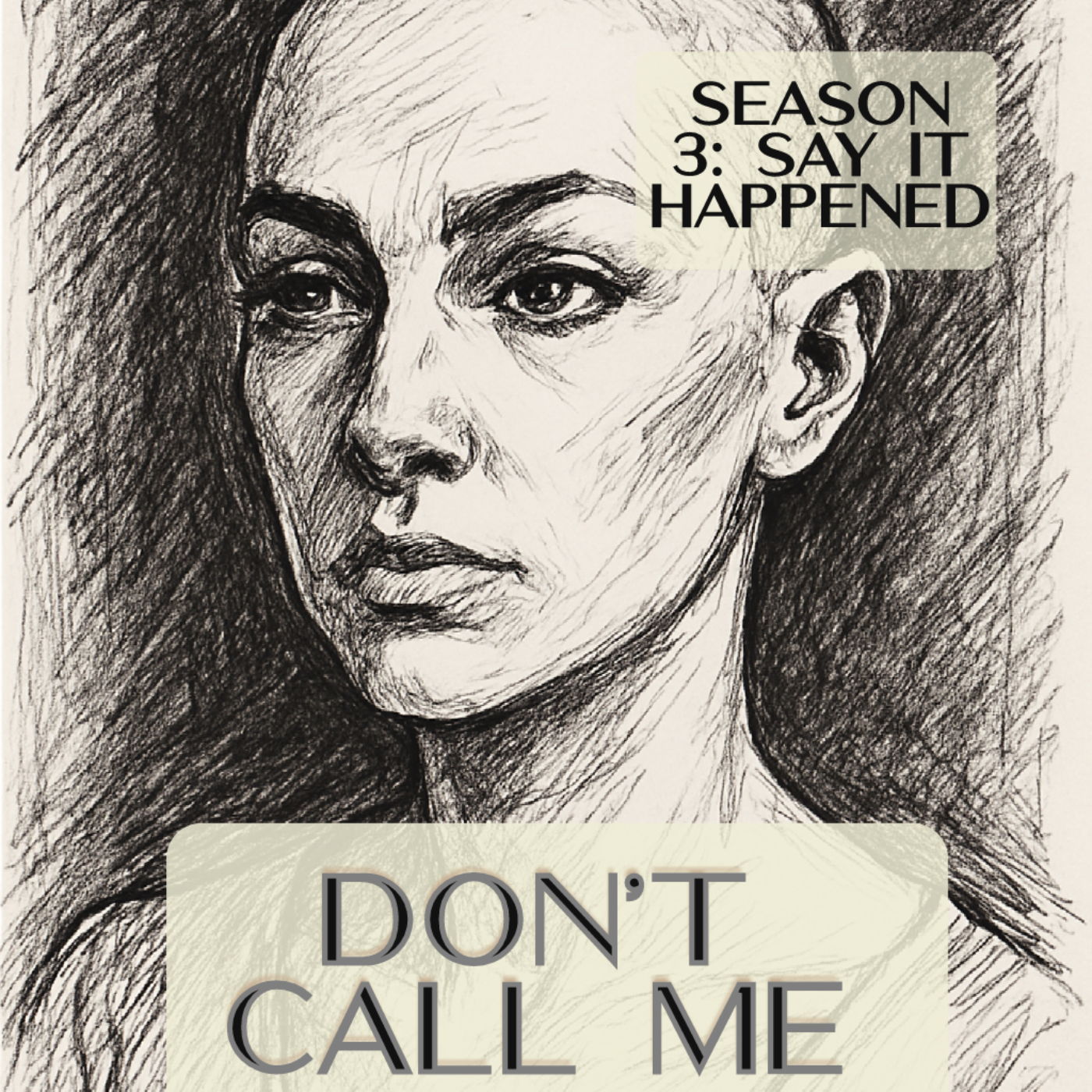
Six Weeks of Sky
Jul 4, 202500:05:36Tap to summarizeThere’s a lot I don’t remember from that time. That’s how trauma works — it fogs the details and burns the feelings in sharp.But I remember this: I used my rent money to rent a car. Drove straight to Rochester. Brought my babies home for the summer. And for six weeks, we lived.We swam. We hiked. We drew all over each other with markers. They made friends. They got dirty. We built new traditions. I set up bedrooms for each of them, so they’d know they always had a space — that this was their home, too.I got them into counseling even though I wasn’t “allowed” to. Because I knew what they’d been through. I knew what they were still holding.This episode is about the cost of reclaiming joy, and why even six weeks of freedom can change a life.—In this episode:Reclaiming motherhood during summerThe trauma of custody exchangesLoving children through manipulation and griefCreating joy in the cracks of painCounseling as resistanceWhat it means to give children a sense of home—Start from Episode 1 to follow the full story. Each chapter builds on the last.Don’t Call Me is written and hosted by Em.
Transcribe →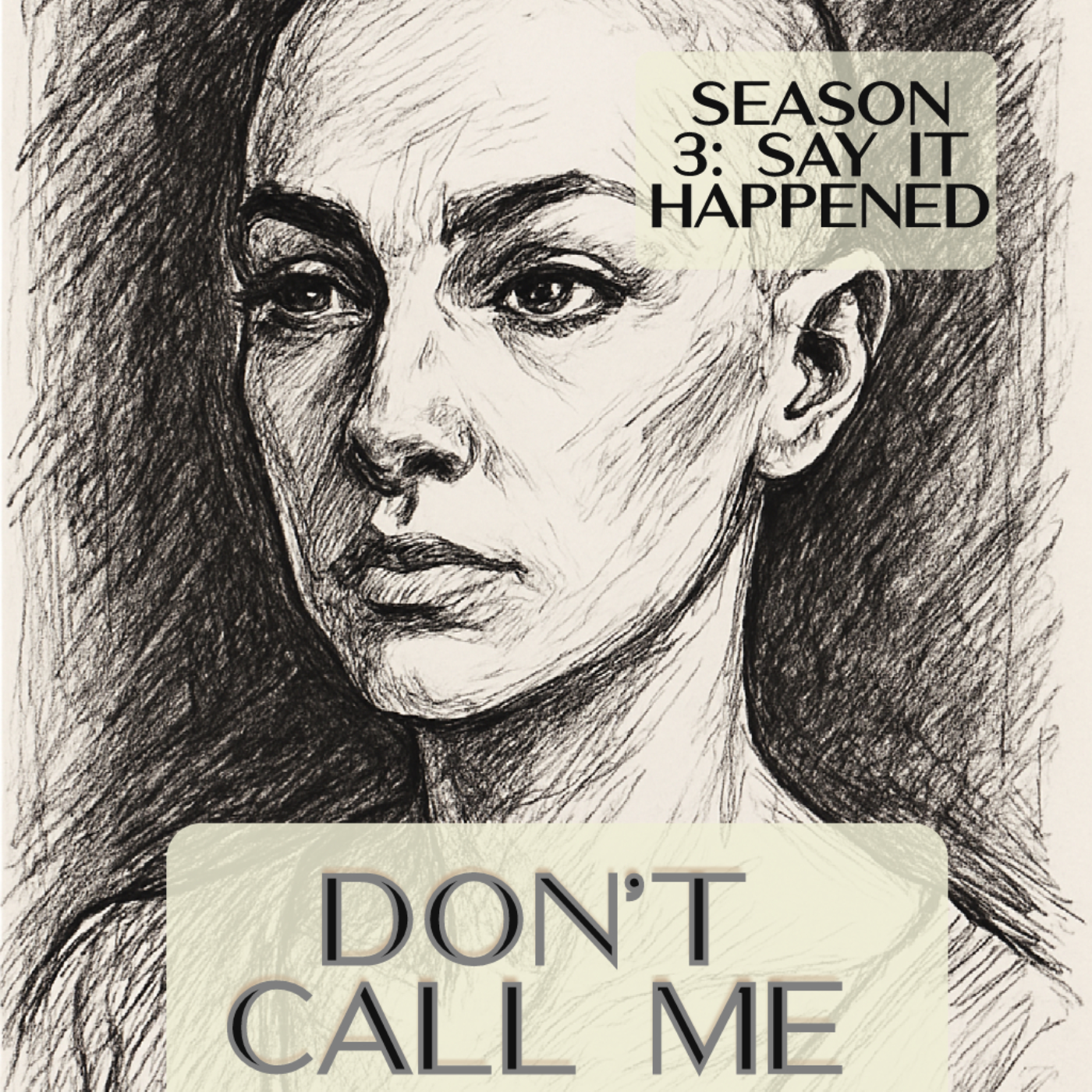
A Mother Outside the Room
Jul 3, 202500:06:48Tap to summarizeI was finally in a home that felt peaceful. Coffee on the porch. Open fields. A friend who saw me as human.And still, I was losing my children in real time.This episode is about what it means to be a mother completely shut out — while still very much alive. It’s about decisions made behind my back. My own family working with my ex to enroll my daughter in a private school she wasn’t ready for, letting my five-year-old ride a four-wheeler, ignoring everything I tried to say.They didn’t protect her. They didn’t protect me. They just wanted things to look okay.And I’m still grieving what they did to those kids.—In this episode:The unraveling of motherhood in plain sightFamily betrayal and emotional abandonmentThe grief of watching your children’s needs be ignoredThe fight over school enrollmentWhat people mean when they say “healing takes time” — and what they miss—Start from Episode 1 to understand the full context. This isn’t just my story — it’s the silence so many mothers live inside.Don’t Call Me is written and hosted by Em.
Transcribe →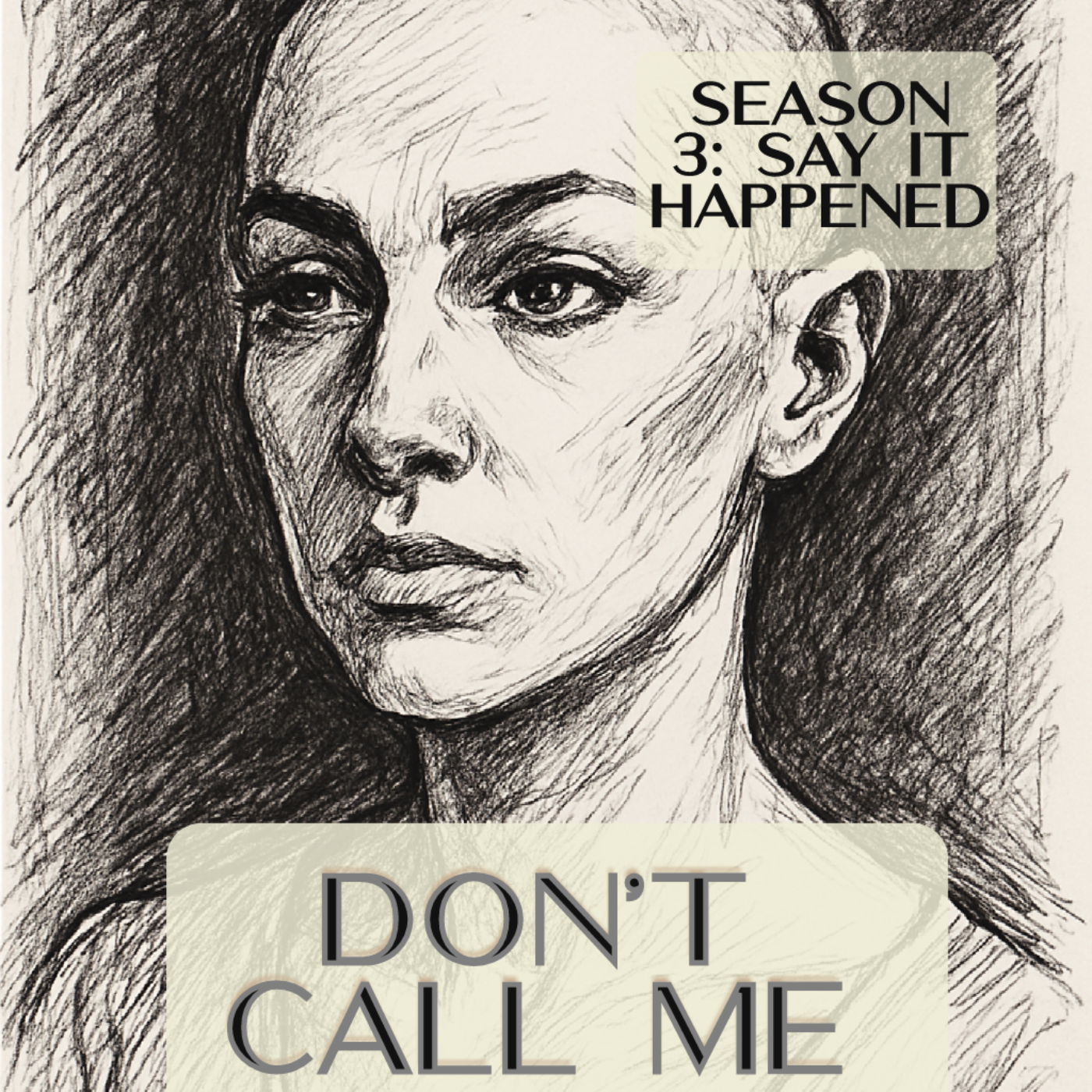
The First Yes
Jul 3, 202500:05:08Tap to summarizeI didn’t want to go back to work. The thought of someone asking what happened… of trying to explain where I’d been, why I looked hollow, why I flinched when people were too kind… made me sick.But I went.And that’s where I met Ann. The kind of person who doesn’t just see you, she stays. This episode is about learning how to accept help without bracing for the backlash. It’s about Jeep rides with the top off, off-key karaoke therapy, and the moment I started to believe I could be loved without owing anything back.Because sometimes the first real healing begins when someone simply hands you a ride and expects nothing in return.—In this episode:Returning to work while still deep in traumaThe fear of being asked what happenedBuilding trust through friendshipThe emotional toll of being estranged from your childrenLearning to receive help without fearWhy Ann mattered—Start from the beginning of the season for the full story. Each episode builds on the last.Don’t Call Me is written and hosted by Em.
Transcribe →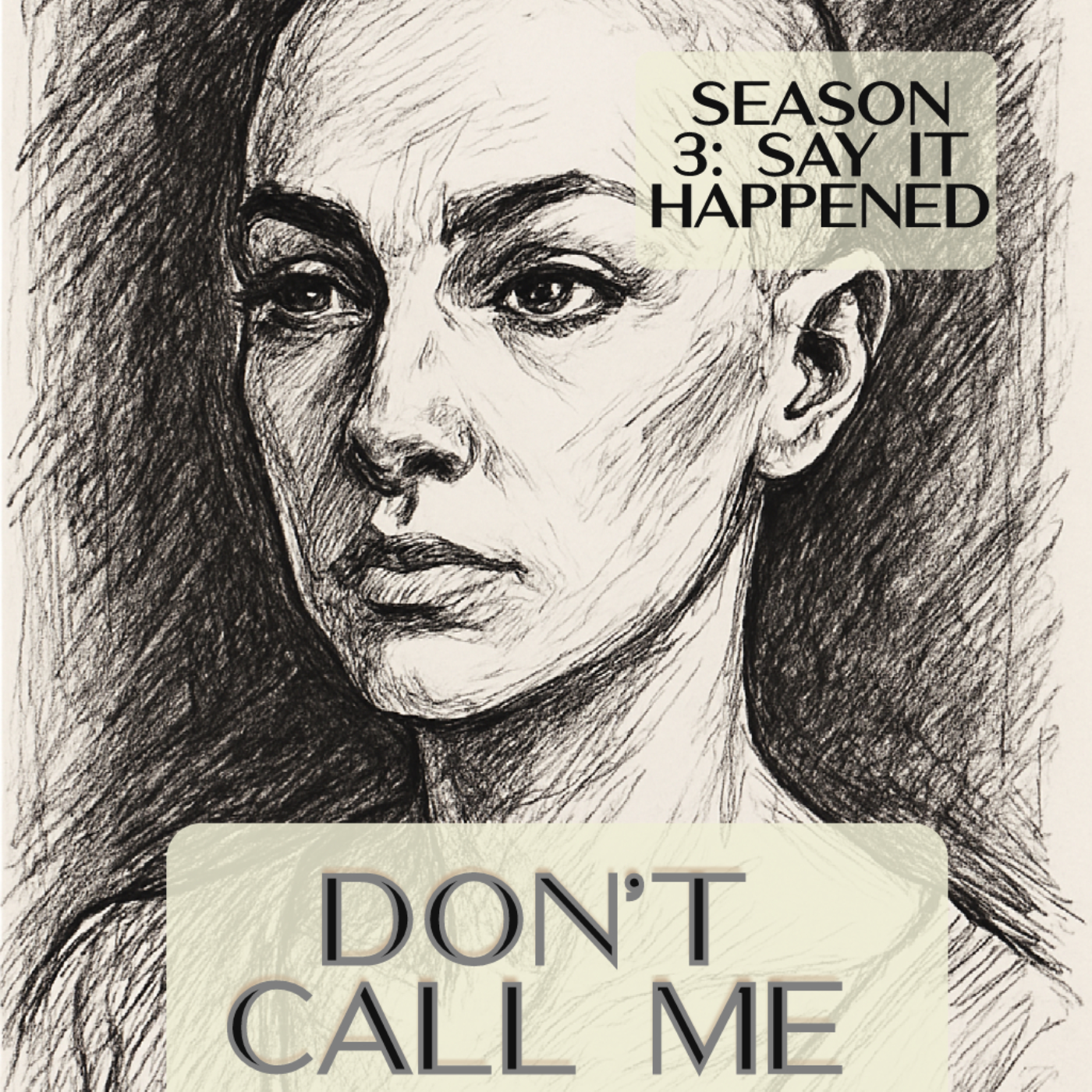
The Year I Started Counting
Jul 2, 202500:09:32Tap to summarizeEpisode 6: The Year I Started CountingBefore the shelter, there was David’s couch. Panic attacks in my sleep. A body that refused rest because the world wasn’t safe anymore.This episode walks through what survival actually looked like — not the hashtags, but the night sweats, the silence, the isolation, and the decision to rebuild anyway.I share what it meant to sleep in a loft bed in a studio apartment, grateful just to own a microwave again. I talk about student loans as survival, Shakespeare as a mirror, and what it meant when Roz handed me a birthday gift in the shelter and told me to celebrate every year I survived. I do now. Every year. Because I’m still here.I talk about the kids. What it cost them to stay in touch with me. Why I backed away. And how it feels to carry the weight of building a future no one was willing to believe in.If you’ve ever been the one rebuilding while people pretended you never existed — this one’s for you.—Content:Panic attacks, trauma responseLife in a domestic violence shelterRebuilding from nothingEstrangement from family and childrenAbuse of narrative and powerBirthdays as survival markers—Listen from the beginning of the season for the full story. These episodes are layered and connected.Don’t Call Me is written and hosted by Em.
Transcribe →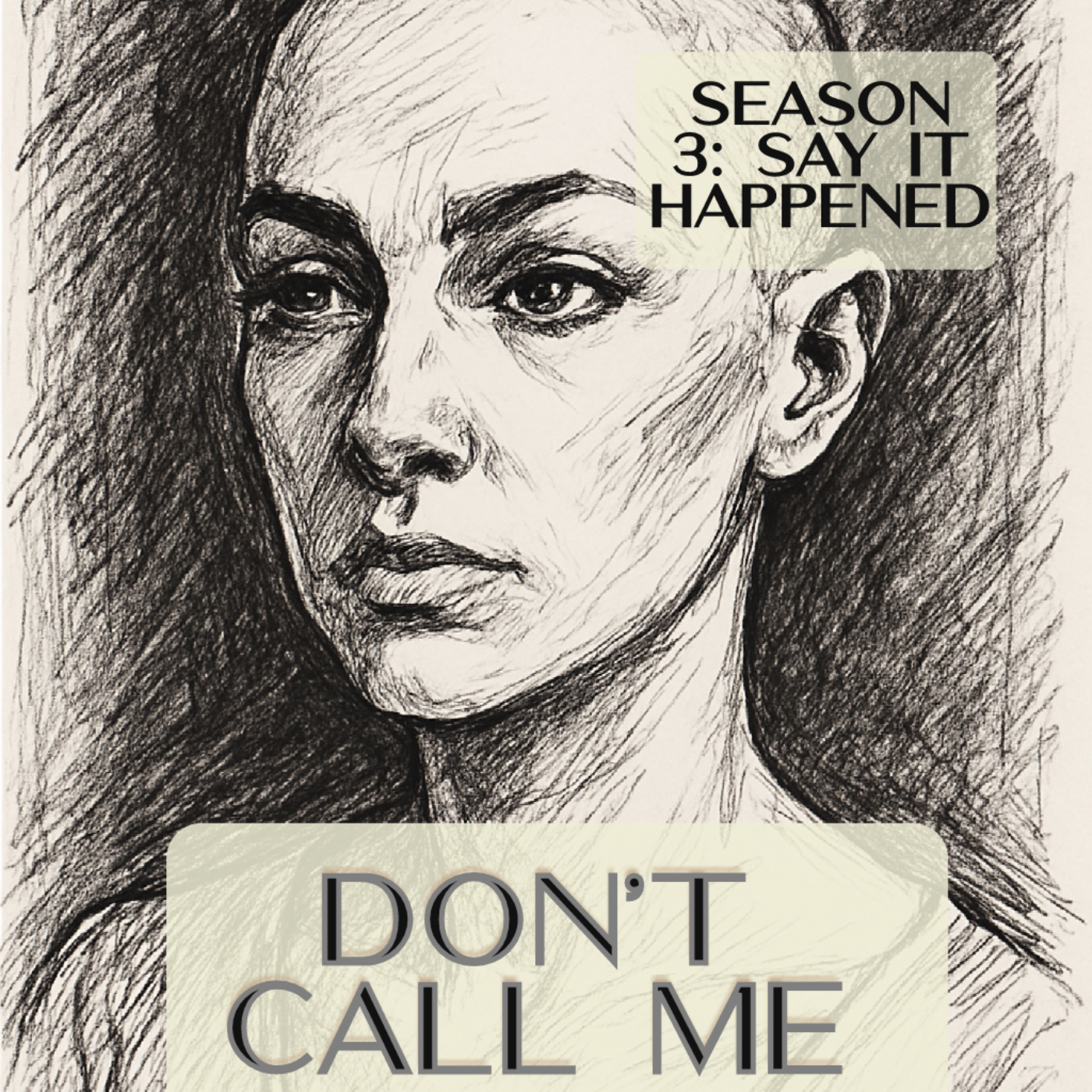
Holy Looks Like This
Jun 30, 202500:08:36Tap to summarizeIn this episode, Em unpacks what it felt like to shave her head in the wake of assault—how something that began as sacred and freeing slowly turned isolating. People looked at her like she was unwell, like she was dangerous. What began as power became proof against her in the eyes of others.Even the wig she wore for protection didn’t soften the stares. When the investigator from Child Protective asked why she shaved her head—and why she played with her wig—Em expected judgment. But instead, she felt seen. The woman already knew. She recognized the trauma pouring out of Em’s body, and she asked not to accuse—but to understand.This episode follows Em’s decision to leave New York, after being disbelieved by her family and discarded by a system that claimed to protect. She stayed through Christmas, hoping for some thread of belonging to appear. It didn’t. After the new year, she returned to Illinois and, by late January, moved into a women’s shelter.This is a story about the loneliness of being holy, the betrayal of those who needed you to be quiet, and the long road back to safety.Some names have been changed to protect the privacy of those not responsible for harm.Topics in this episode include:The sacred act of shaving one’s head after traumaAlienation, shame, and reclaiming appearance as armorBeing seen by one woman who understood—without judgmentFamily denial and redefinition of sexual assaultLeaving behind everything to survive in a women’s shelterTrigger Warning:This episode discusses sexual assault, trauma responses, familial betrayal, and the experience of living in a shelter. Please listen with care.🎙 Don’t Call Me is available wherever you get your podcasts.Subscribe, rate, and share if this story speaks to you.
Transcribe →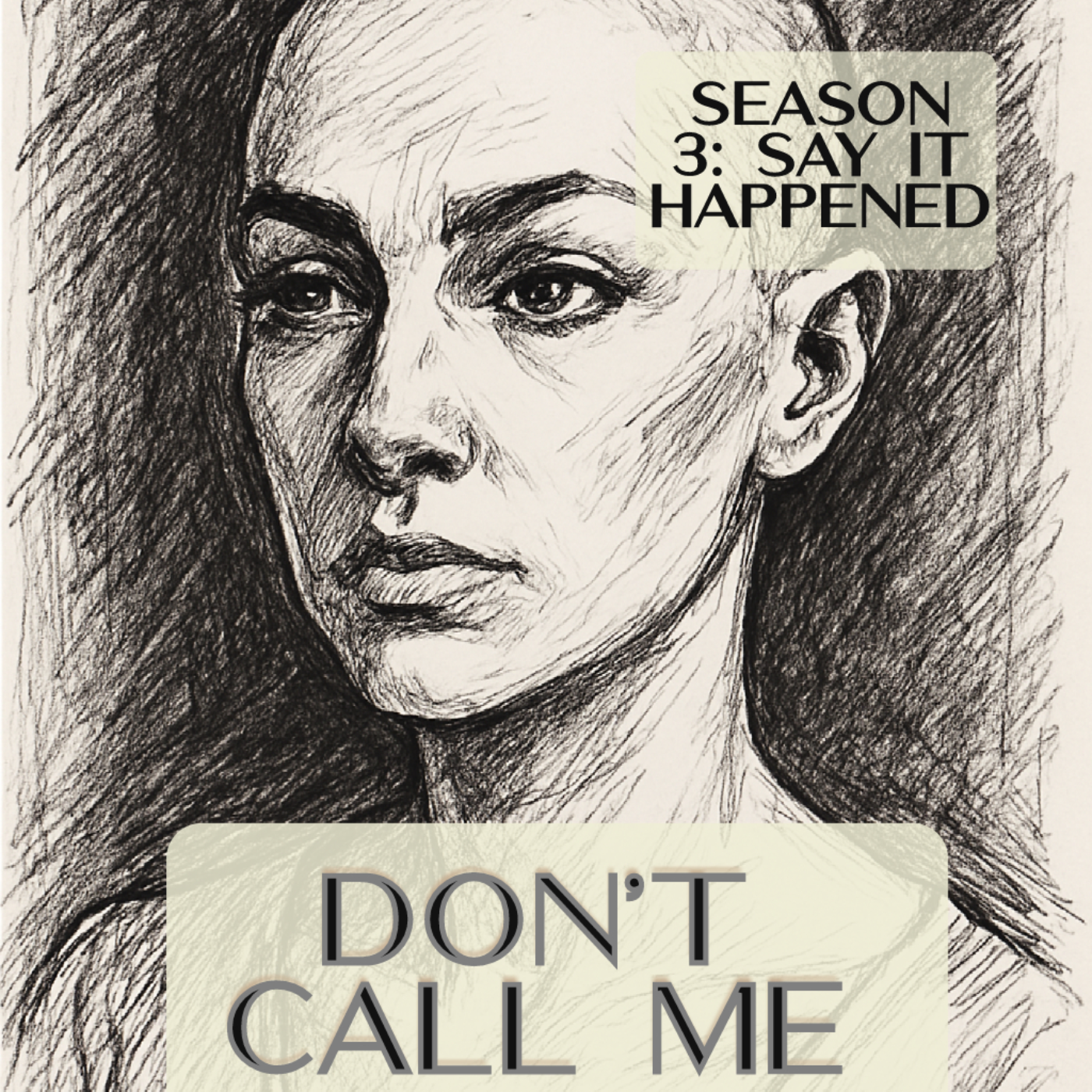
Nothing Left But White T-Shirts
Jun 30, 202500:05:26Tap to summarizeEpisode 4: Nothing Left But White T-ShirtsSeason 3, Episode 4 | Say It HappenedIn this episode, Em returns to the time when survival became a full-time job. Working at a restaurant while being interrogated by the state police, she found herself juggling custody exchanges, rent, gas money, and court—while barely feeding herself.Between the hunger, the shame, and the deeply absurd lies told about her, Em breaks down what happens when someone tries to build a case against you using fiction—and systems believe it anyway.This is a story about how the body keeps score, how anxiety can eat you alive, and how easily false stories gain traction when they’re wrapped in the right performance.Some names have been changed to protect the privacy of those not responsible for harm.Topics in this episode include:Hunger, survival jobs, and invisible laborBeing targeted by false allegations during a custody battleThe absurdity of some “evidence”—and how easily it’s weaponizedHow state systems can be used to retraumatize survivorsWhat it feels like when even truth becomes suspectTrigger Warning:This episode discusses coercive control, false allegations, food insecurity, and systemic retraumatization in the context of domestic abuse and custody conflict.🎙 Don’t Call Me is available wherever you get your podcasts.Subscribe, rate, and share if this story speaks to you.
Transcribe →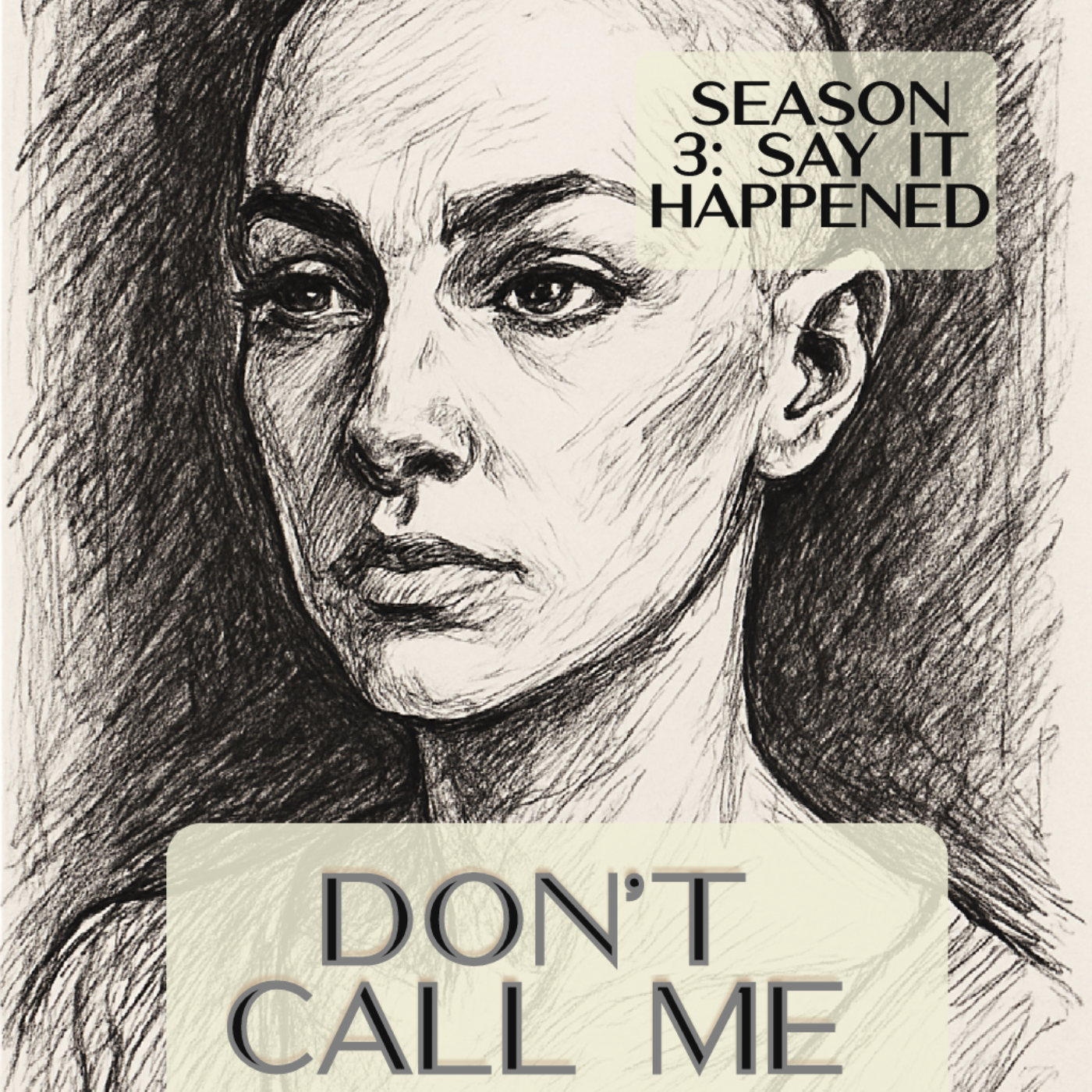
After the Call
Jun 28, 202500:06:41Tap to summarizeAfter I made the call to protect my child, everything changed. I wasn’t met with support—I was met with silence, suspicion, and a system that was ready to investigate me instead of the harm. In this episode, I share what happened next: the retaliation, the isolation, the betrayal by people who knew better—and stayed quiet anyway.This is a story about post-separation abuse, weaponized systems, and what it costs to speak the truth when no one wants to hear it.Names have been changed to protect the innocent—and to protect me.Topics in this episode include:The aftermath of reporting concerns for your child’s safetyHow abusers manipulate custody systems and family dynamicsPost-separation abuse and coercive controlThe cost of being labeled “unstable” for survivingWalking through a world that treats you like a threat when all you did was try to protectTrigger Warning:This episode discusses emotional abuse, family betrayal, and systemic failure in the context of domestic violence and custody conflict. Please listen with care.🎙 Don’t Call Me is available wherever you get your podcasts.Subscribe, rate, and share if this story speaks to you.
Transcribe →