Podcast
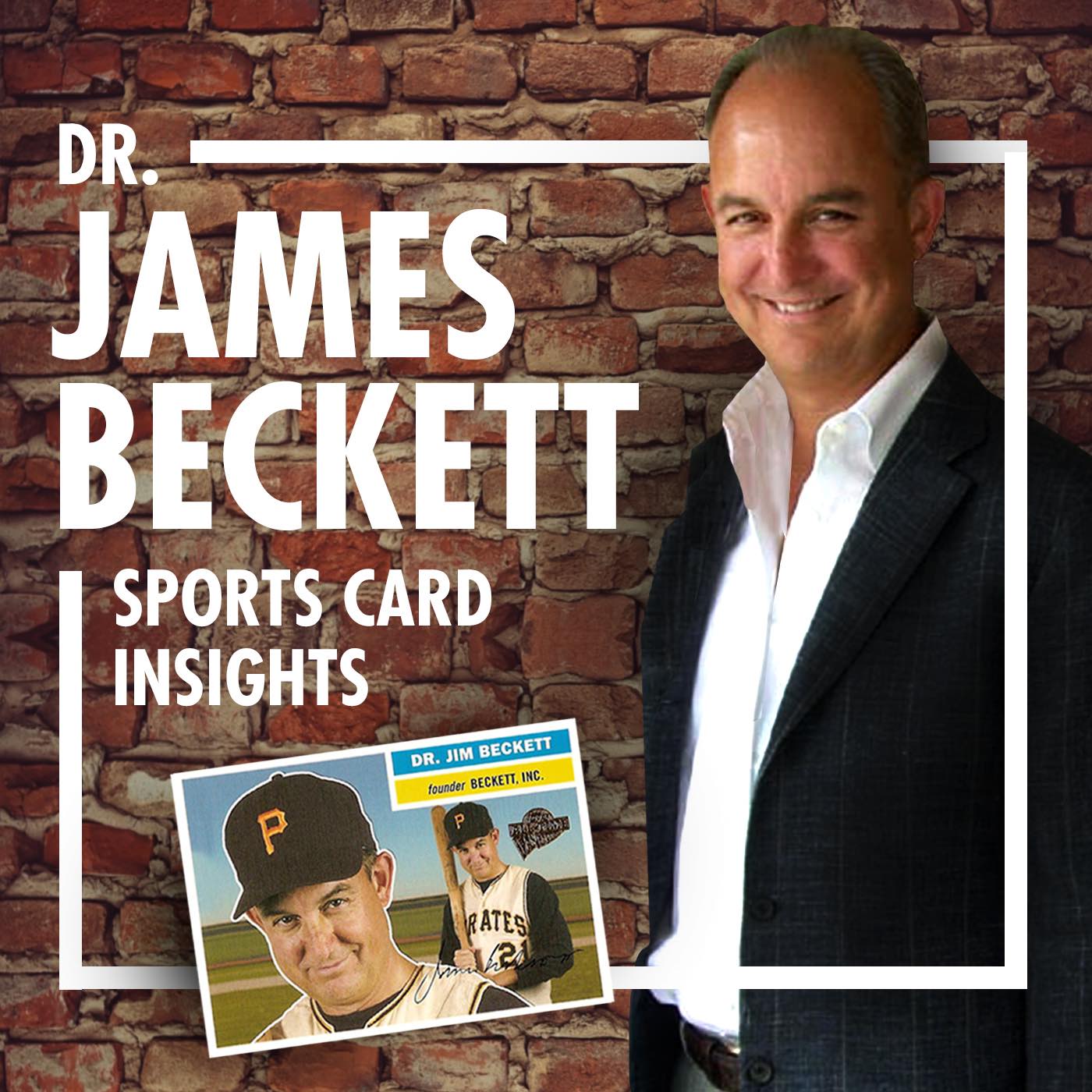
Dr. James Beckett: Sports Card Insights
Hosted by Dr. James Beckett · EN
Dr. Beckett unretires to share sports card stories, analyses, and opinions, based on his six decades of intensive experience.
83episodes
Episodes
Newest firstAll episodes
1577 - Tribute: Tommy John
2d ago00:11:10Tap to summarizeDr. Beckett records an episode after learning that pitcher Tommy John has passed away, honoring John’s unusual and inspiring career and arguing he deserves the Hall of Fame for his on-field accomplishments, not just the surgery that bears his name. Beckett cites John’s 26 seasons, 288 wins, 3.34 ERA, pitching effectively until age 46, four All-Star selections, and two second-place Cy Young finishes, comparing his candidacy to contemporaries Fergie Jenkins and Jim Kaat. He recounts John’s 1974 elbow ligament tear and Dr. Frank Jobe’s pioneering operation, noting John missed a season, then returned to pitch 14 more years and win more games after surgery than before, emphasizing the grueling rehab and the hope it gave later athletes. Beckett also discusses limited hobby impact despite John’s recognizability and rookie card details. 01:41 Hall of Fame Case 03:03 Tommy John Surgery Origins 03:58 Rehab And Comeback 06:12 Pitching Style And Value 07:14 Collector Market Impact 09:34 Legacy Of Hope
Transcribe →1576 - Tribute: Don Nelson
5d ago00:13:50Tap to summarizeDr. Beckett pays tribute to Don Nelson, reflecting on his NBA playing career with the Celtics (14 seasons, five championships) and his Hall of Fame coaching legacy built on innovation, experimentation, and position-less, mismatch-focused basketball. Beckett shares a personal story of playing 18 holes of golf with Nelson more than 20 years ago and discusses Nellie’s influence through concepts like the point forward, roster construction, and entertaining, high-scoring teams, connecting it to Dallas perspectives, the Mavericks’ current roster, and players such as Dirk Nowitzki, Steve Nash, Luka Doncic, and Cooper Flagg. He also offers hobby insights on Nelson’s cards, including his 1969–70 Topps “tall boy” rookie card, limited overall card demand, and the typical drop in interest for coaching-era cards versus playing-year issues. 00:30 Innovator Legacy 01:40 Golf With Nellie 02:12 Player Roots 02:59 Coaching Greatness 04:03 Hall Fame Context 05:36 Point Forward Ideas 08:32 Mavs Roster Echoes 10:32 Card Market Takeaways 12:21 Retirement Reflections
Transcribe →1575 - Recap: Podcast Episodes 1551-1574
1w ago00:15:29Tap to summarizeDr. Beckett recaps episodes 1551–1574, highlighting Father’s Day two-part interviews with Greg Miller (Midlife Cards) and his father Michael, Cage Lawyer and son Ian, and Ben Bush with sons Ryan and Sterling. He revisits a tribute to Jack Smalling, outtakes from Hobby Hotline with Adam Palmer, Rich Klein and Tony, and conversations with Darren Ostrom about how hobby “virality” evolved (including “reverse virality” in the junk wax era) and the challenges of publishing a hobby-history book, suggesting motivators like greed, exclusivity, fear, and love. He discusses advising a friend on safely buying a $30,000 card at the West Coast show, Ramblings on labeling mistakes, AI, dynamic pricing, and why family trips like Disney World drive him to reduce his collection. He notes major show weekends, praises David’s Leaf research and the FrankenWagner eye-appeal/grade debate, covers three episodes on hobby hiring, interviews Brian Gray, and closes with National recap reflections and appreciation for hobby OG's like Mike Berkus. 01:55 Remembering Jack Smalling 03:11 Virality and Hobby History 04:07 Publishing a Hobby Book 05:11 Big Money Card Buying 06:35 National vs Disney World 07:56 More Hotline Outtakes 08:27 Weekend of Mega Shows 09:18 Leaf Set Research 10:08 Eye Appeal vs Grading 10:41 Hiring in the Hobby 12:32 Brian Gray Three Parter 13:17 National Recap and Closing
Transcribe →1574 - Brian Gray, On Never Selling Grails
1w ago00:15:30Tap to summarizeDr. Beckett talks with Brian Gray about the need for execution over ideation, and urges collectors to be selective about whose content they trust, valuing original thinkers with real industry experience over frequent, polished “rehash.” Gray discusses calling out fraud, the lack of organized consumer pushback, and how market influence is driven more by big breakers and high-end buyers than most regular collectors. They deiscuss repacks, arguing they can improve liquidity and often offer better expected value, while warning that eliminating them could hurt the market. Gray credits Michael Rubin and Fanatics for massively expanding publicity and the hobby’s addressable market, with more athlete involvement. They emphasize doing homework, building a “mosaic” of information, being bold, accumulating quietly, and focusing on iconic grails (never sell grails) and avoid being the underbidder on them. 00:40 Execution Over Ideas 00:56 Who to Trust in Media 03:36 Repacks and Liquidity 04:45 Why Consumers Never Organize 06:30 Fanatics and 10X Hobby 08:44 Do Your Homework and Be Bold 10:20 Find Your Niche and Accumulate 11:27 Never Sell Grails 12:50 Auctions and Setting Comps 14:11 Wealth, Risk, and Conviction
Transcribe →1573 - Brian Gray, On Arbitrage
2w ago00:18:51Tap to summarizeDr. Beckett interviews Brian Gray recorded before the National. Gray describes enjoying a lean, nimble operation with three (family) employees, streaming for fun, and the thrill of hobby arbitrage and “wheeling and dealing” rather than running a large company, noting his next venture won’t have him as CEO. They discuss semi-retirement, choosing when to work, and still having impact as a “voice of reason.” Gray shares how his daughter leads AI efforts at a trading card company and how AI is improving checklist generation, social trend tracking, and enabled Leaf Reimagined concepts. They also warn about AI’s limits in grading and research, missing physical cues like smell/feel, owner bias, misinformation/SEO manipulation, and the need for sources, good prompts, and critical thinking. 00:40 Streaming and Staying Lean 01:25 Arbitrage and Hustle Mindset 03:17 Semi Retired Life Choices 04:29 AI in Trading Cards 06:29 AI Limits in Grading 10:47 Misinformation and SEO Traps 14:14 Bias Narratives and Homework 16:24 How to Think, Not What to Think 17:18 Building a Mosaic of Voices
Transcribe →1572 - National Recap Chicago 2026
2w ago00:17:09Tap to summarizeDr. Beckett recaps his week at the 2026 National Sports Collectors Convention in Chicago, describing the event as maximally crowded, the biggest National ever, with long lines and high energy. He details his buying-focused approach centered on dollar boxes, especially with the Singles Club, noting which days and times produced the best finds and how dealer markdowns shaped his strategy. Beckett shares highlights including a YouTube content creator gathering, meetings (notably with COMC’s Tim Getsch), traditional hobby dinners, and Jeremy Lee’s well-produced Shark Tank presentation where Dr. Beckett gave brief remarks paying tribute to deceased National co-founder Mike Berkus. He discusses skipping trade nights, signing autographs without charging, losing his voice from the crowd, travel/packing tactics, and returning home tired but enthusiastic about next year’s National and the hobby’s continued momentum. 01:48 Staying Fueled and Ready 02:28 Wednesday Arrival Plan 02:51 Singles Club Routine 05:52 Best Times to Buy 06:53 YouTube Creator Meetup 08:07 Friday Meetings and OG Dinner 09:48 Saturday Shark Tank Event 12:04 Sunday Deals and Awkward Checkout 13:15 Autographs and Show Observations 15:05 Packing and Card Plans
Transcribe →1571 - Brian Gray, On Liquidity
2w ago00:17:29Tap to summarizeDr. Beckett talks with Brian Gray about high-volume card buying at the National, including last year’s long sell-to-him lines driven by many $1,000–$20,000 transactions and $3.1M spent in cash, and this year’s plan to use QR-coded five-minute appointment windows due to booth location constraints. Gray explains how modern buying revolves around fresh comps and repack/reseller demand, why many non-grail cards become less liquid at the National despite big crowds, and how grail cards can still command immediate “green cash.” He details safer cash handling via Brinks and the Fed, risks of theft, what happens if cash runs out mid-show, and notes his Whatnot streaming, consulting for two card companies, and a forthcoming major new venture. 00:41 National Buying Lines 02:44 Liquidity and Comps 03:33 Repackers Drive Demand 05:02 Regional Shows vs National 06:13 Buying Without Comps 07:43 Selling Strategy at Nationals 10:59 Grails vs Mid Cards 12:48 Cash Logistics and Security 15:12 Brinks Fees and Margins 16:11 WhatNot and Next Venture
Transcribe →1570 - Hobby Hiring: Platform/Portal?
3w ago00:17:15Tap to summarizeDr. Beckett argues that as the sports card hobby has grown into a larger industry, it needs a more organized “clearinghouse” to connect employers with qualified talent across full-time, part-time, remote, seasonal, and contract roles. He cites fragmented hiring, word-of-mouth recruiting, and scattered job listings (including Brett McGrath’s, Stacking Slabs, excellent hobby jobs coverage) as reasons a thorough, centralized, data-driven platform could help match candidates by hobby expertise, skills, and willingness to relocate. Beckett discusses potential features like structured applications, reference verification, keeping listings fresh, and in-person networking events at major shows, while noting the challenge of building a viable business model where employers, sponsors, or major companies support the costs. He shares past hiring experiences, mentions current job examples, and previews the National. 00:00 Why Hobby Needs Hiring Hub 04:04 Broad Roles Beyond Full Time 06:07 Business Model and Seasonal Work 07:11 Candidate Profiles and Data 08:27 References Feedback and Testing 11:15 Events and Monetization Hurdles 13:49 Integrity Verification and Staleness 15:25 Shark Tank Wrap and National
Transcribe →1569 - Hobby Hiring: Finding Jobs
3w ago00:14:55Tap to summarizeDr. Beckett discusses how job seekers can use the National as the best place to connect with most major hobby companies, compared with smaller shows, and urges “free agents” to present themselves as problem solvers with a clear, direct elevator pitch and a digital resume. He advises candidates to research the full hobby ecosystem (manufacturers, grading/authentication, auctions, platforms, content, comps, supplies, distributors, TCGs) and be transparent about potential conflicts of interest from buying/selling or live-streaming. Beckett encourages looking beyond obvious roles, not pushing leadership too early, and considering grading, especially TCGs and modern cards, as a growth path, including practicing to improve and retaking grading tests or starting in pre-grading. He emphasizes courteous booth outreach, targeted company lists, follow-up, and defining success as making connections and securing interviews. 00:21 Why the National Matters 01:22 Pitch Yourself Clearly 02:30 Conflicts and Side Hustles 03:42 Know the Hobby Ecosystem 04:54 Look Beyond Obvious Roles 05:51 TCGs as Career Growth 07:35 Grading Path and Practice 10:52 Working the Show Smart
Transcribe →1568 - Hobby Hiring: Finding Talent
3w ago00:14:19Tap to summarizeDr. Beckett discusses hiring in the sports card hobby after a young friend asked for help, focusing on what hobby companies actually need beyond job titles. He emphasizes identifying the business problem or growth opportunity first, separating teachable skills from foundational traits like work ethic and integrity, and valuing contributors who can grow rather than demanding a “finished product,” especially for non-senior roles. Beckett highlights the importance of hobby knowledge (including TCG/Pokémon), versatility for smaller companies, and broader job postings to cast a wider net. He outlines effective recruiting channels such as word of mouth, customers, vendors, family referrals, paid interns, and employee bounties, encourages promoting from within when possible, and prefers face-to-face hiring, often at the National, where companies can recruit strong long-term contributors. 01:48 Hire for Challenges/Opportunities 02:42 Teachable vs Traits 06:23 Versatility Wins 08:07 Where to Find Talent 09:43 Culture and Promotion 10:53 Interviewing at National 13:09 Make Great Offers
Transcribe →