← The Dr. Laura Podcast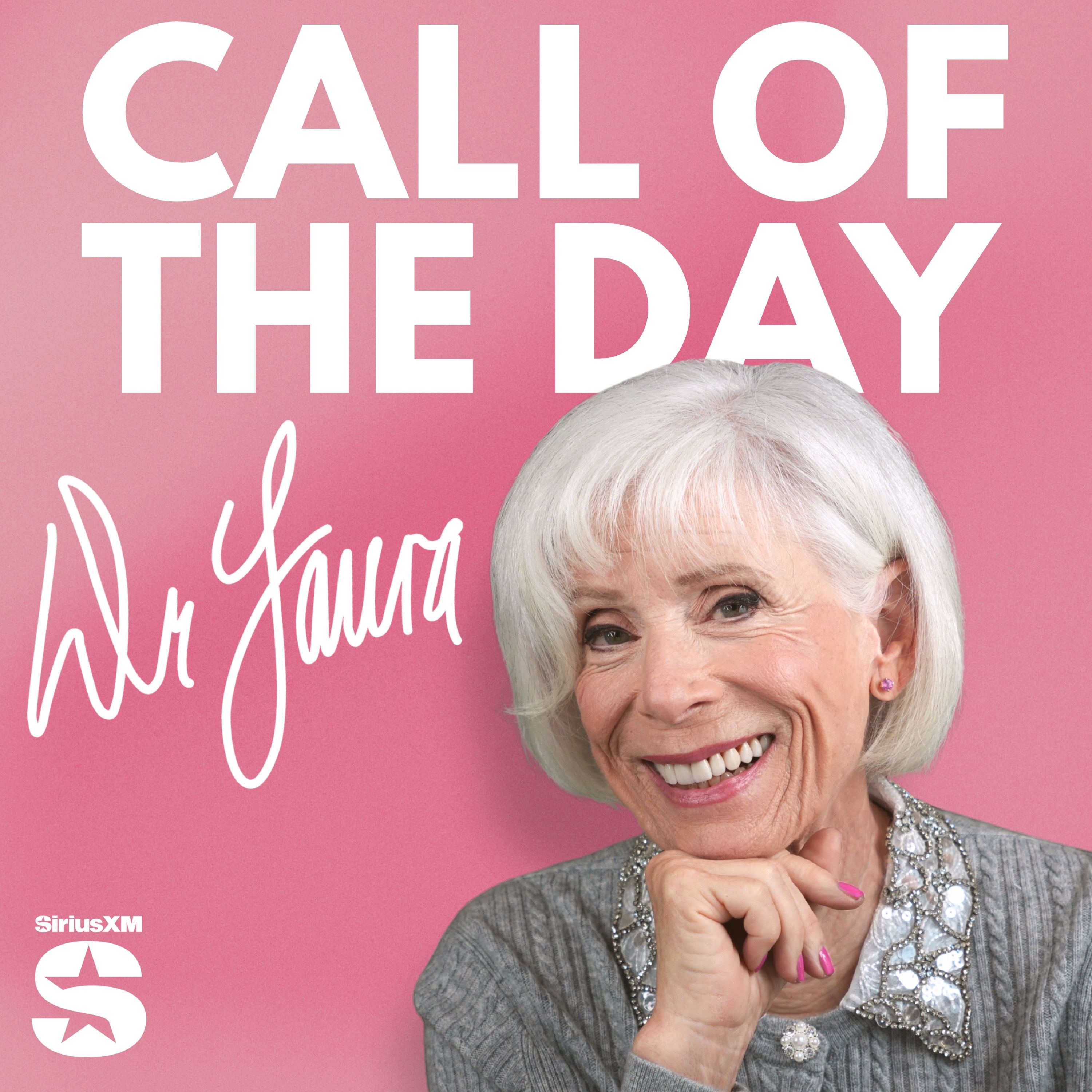
The Dr. Laura Podcast
I Don't Know How to Talk to My Stepdaughter
00:07:11
Debra feels like she never says the right things around her stepdaughter. Got a dilemma? Call 1-800-DR-LAURA / 1-800-375-2872 or make an appointment at DrLaura.com - Listen to The Dr. Laura Program daily on SiriusXM Triumph 123.
Loading summary
Transcript48 lines
- [00:01]
Commercial Announcer
With savings over $390 this shopping season, VRBO helps you swap gift wrap time for quality time with those you love most. From snow on the roof to sand between your toes. We have all the vacation rental options covered. Go to VRBO now and book a last minute week long stay. Save over $390 this holiday season and book your next vacation rental home on VRBO. Average savings $396.
- [00:29]
Walmart Advertiser
Select homes only in Walmart Zuluville. Everyone ready their cart. The early Black Friday deals are about to start online and in the app. Such great deals to explore everything you love from tech, toys and more. The days to save and the ones to remember are the 14th to the 16th of November. The who's are all ready. But are you? Walmart Black Friday deals await. Who knew?
- [01:01]
Dr. Laura Schlessinger
Thanks for listening to my call of the day sponsored by Native Path Collagen, the collagen I take daily to support healthy joints, skin, bones and guts. Go to getnativepath.com drlaura for free shipping and a special bundle deal at a fraction of the retail price. Remember, you can hear my radio program daily on Sirius XM Triumph and connect with me 247 at DrLora. Deborah, welcome to the program.
- [01:30]
Caller (Stepmother)
Oh my goodness. I can't believe I'm speaking with you. I'm. I'm very happy to be speaking with you. Thank you. Is coming up. You know how the holidays can be. I have a stepdaughter. She's 36.
- [01:44]
Dr. Laura Schlessinger
Okay. How long have you been married to her dad?
- [01:48]
Caller (Stepmother)
20 years.
- [01:50]
Dr. Laura Schlessinger
Okay. Is her mom involved in her life?
- [01:54]
Caller (Stepmother)
It's kind of hot and cold. Like she mother left, thought she was in love with another woman when she was. When Little Liz was 12 and a half and so I guess I hadn't been listening to your show. I would have just insisted that wait a long time, but we dated three and a half years and I didn't move in until 10 days. 10 days before the wedding. But. I know that doesn't matter, but, but anyway, the mother. They're very judgmental.
- [02:28]
Dr. Laura Schlessinger
I have a question for you. It's so unromantic. Why didn't you wait till you were married to then move in and he'd carry you over the threshold. How come you passed on that?
- [02:40]
Caller (Stepmother)
Oh, I had to sell a house, move my office, plan the wedding and do all this stuff. So it was a lot of.
- [02:49]
Dr. Laura Schlessinger
Too bad.
- [02:50]
Caller (Stepmother)
We have a pretty good relationship.
- [02:53]
Dr. Laura Schlessinger
Did you make any babies with this guy in the 20 years?
- [02:57]
Caller (Stepmother)
Oh, no. I was 50 when we got married. He was and he was 51.
- [03:02]
Commercial Announcer
Yeah.
- [03:03]
Dr. Laura Schlessinger
And did you bring any kids into this marriage?
- [03:07]
Caller (Stepmother)
My daughter's adult, and his other two kids are adults, too, so she was the last one. But that whole family, they struggle with the girls. Struggle with. His sister had three girls. They all struggled with anxiety and some depression. He had three girls. Two out of three of them struggle with anxiety and depression. It's weird. It's like it runs in a family.
- [03:30]
Dr. Laura Schlessinger
No, it's just really typical these days. I wouldn't put too much into it. So how can I help you today?
- [03:38]
Caller (Stepmother)
Okay. Well, we. We often have wonderful, quality moments together, she and I. We don't live together. We did for, you know, obviously then we did when she was a teenager. But we've had some really quality moments together. But every now and then I'll say something when I'm trying to comfort her and she goes out of her mind. I'll give you it happened twice, like a year and a half apart. And I'm scared to that.
- [04:02]
Dr. Laura Schlessinger
Yeah. Give me an example.
- [04:03]
Caller (Stepmother)
Wrong again. The first time was we're sitting around in the living room and she just said, you know, everybody thinks I'm doing well. She said, I still struggle. Like, she's talking about the depression and the anxiety. And all I said to her was, gosh, I feel so bad for you. I hope that someday you can feel better. Because she's told me before, I know what it's like to feel normal. And when. Before she. I think this all hit her when she was about 20 years old. But anyway, she said, I know what it's like to feel normal. I was just saying I really hope that someday you can just find a way to, you know that. She's worked on therapy, medication.
- [04:44]
Dr. Laura Schlessinger
Okay, sweetheart, Sweetheart, that was one of the worst things you could have said, and I'll tell you why.
- [04:54]
Financial Advisor / Fidelity and Lowe's Advertiser
Building a portfolio with Fidelity Basket Portfolios is kind of like making a sandwich. It's as simple as picking your stocks and ETFs, sort of like your meats and other topics, and managing it as one big, juicy investment. Now, that's pretty good. Learn more@fidelity.com baskets Investing involves risks, including risk of loss. Fidelity Brokerage Services, llc. Member nyse, SIPC.
- [05:24]
Commercial Announcer
Family movie night just got easier with Fandango. Reserve seats in advance, skip the lines, and even cancel if plans change. Plus, with Fandango's fan club, save on every trip to the movies. Want to stay in with Fandango at home, you can stream your family favorites right from the couch. Whether it's a weekend outing Or a cozy night in Fandango makes movie magic simple for the whole family. Download the Fandango and Fandango at home app today. Holidays feeling hectic. Pillsbury is here to lend a hand. Roll out some magic with cookies, crescents, crusts and more fresh from the oven. Tis the season for big smiles and easy wins with Pillsbury.
- [06:08]
Walmart Advertiser
Tis the season of gifting and holes to deck. And the who's in Whoville were in love with new tech. Where can we find Sonos and Samsung and Nintendo? They shouted. Would they find it in one place? This they questioned and doubted when suddenly a who yelled, Walmart's the place to start. And each who added headphones, TVs and games to their carts. With Walmart, their shopping was done in a flurry. They cried out, who knew? And ordered their gifts in a hurry. Shop the latest tech gifts in the Walmart app.
- [06:40]
Financial Advisor / Fidelity and Lowe's Advertiser
Here for the Lowe's early Black Friday deals. You're right on time for some of our biggest savings. We're talking up to 50% off. Select major appliances, plus up to an extra 25% off when you bundle. Select major appliances. Holiday lights going up soon. Select ladders are up to 50% off right now. Get Black Friday prices without the Black Friday crowds. Lows we help you Save. Valid through 1119. Selection varies by location. Select locations only While supplies last. SeeLows.com for more details.
- [07:13]
Dr. Laura Schlessinger
You ought to read my book, Bad Childhood, Good Life, because in that I talk about how people accumulate enough thoughts and experiences that they embrace wholeheartedly. Seemingly not, but actually embrace as an identity. And what you said is, I hope one day your identity is gone. Now. There was no way for you to know that. There was no way for you to know that at the time. That's why I'm useful for you right now.
- [07:43]
Caller (Stepmother)
Oh, you are brilliant. I mean, that is crazy because I was suspecting that and that's why I was calling.
- [07:51]
Dr. Laura Schlessinger
So in general, anything you say which is perceived by her as a denial of the value of her identity will be met with rage. Because that's defensive.
- [08:05]
Caller (Stepmother)
Oh, my goodness. I am. I'm stunned. You know, I did try going to a therapist a little while ago. You know what she said to me? She said, why do you care if she likes you or not?
- [08:17]
Dr. Laura Schlessinger
Because she's my stepdaughter bitch.
- [08:21]
Caller (Stepmother)
Thank you. And I'm like, oh, my God, Dr. Laura, you have just. You've hit. Because I suspect. Because I was doing a lot of reading about this, you know, like, trying to figure it out, and I. And No. You know what? It might have been you on another call maybe alluded to something like this. It wasn't the same situation, but I stripped her identity. I didn't strip it. I was taking it away or not validating it. And she got defensive on that. Oh, wow. And then I did it a second time.
- [08:53]
Dr. Laura Schlessinger
Well, you're not going to do it a third time. When she brings that up again, get up, walk over and hug her and say something like, let me figure this out. Something like, I'm proud of you. How well you do with these struggles. Yeah, I think she'll like that.
- [09:16]
Caller (Stepmother)
Sharing with me that she's got the struggles.
- [09:19]
Dr. Laura Schlessinger
No, don't do that.
- [09:20]
Caller (Stepmother)
You know what I mean?
- [09:20]
Dr. Laura Schlessinger
No.
- [09:21]
Caller (Stepmother)
Okay. No, no.
- [09:24]
Dr. Laura Schlessinger
This has to be all about complimenting her.
- [09:31]
Caller (Stepmother)
Yes. Hug.
- [09:33]
Dr. Laura Schlessinger
I'm proud of you for how you handle these struggles. Proud of you.
- [09:39]
Caller (Stepmother)
And I'm sincere. I am sincere because I don't.
- [09:43]
Dr. Laura Schlessinger
Don't defend anything with me. I'm just trying to help you. For next time, cut out all the other chatter.
- [09:49]
Caller (Stepmother)
Yeah, okay. I mean, it's. It's great. I. Wow. So simple and elegant. Ah, thank you.
- [09:58]
Dr. Laura Schlessinger
All right.
- [09:59]
Caller (Stepmother)
Thank you so much.
- [10:00]
Dr. Laura Schlessinger
You're very welcome. My number, 1-800-375-2872. If you like this podcast, be sure to rate it on Apple Podcasts or your favorite place to listen to my podcast. Of course, of course. I'd love if you gave me five stars. And be sure to share this podcast with a friend on Facebook or your preferred social media platform.
- [10:29]
Chevrolet Advertiser
The 2026 Chevy Equinox is more than an SUV. It's your Sunday tailgate and your parking lot snack bar. Your lucky jersey, your chairs, and your big cooler fit perfectly in your. Your even bigger cargo space. And when it's go time, your 11.3-inch diagonal touchscreen's got the playbook, the playlist, and the tech to stay a step ahead. It's more than an suv. It's your Equinox Chevrolet. Together, let's drive.