← Dr. Osborne’s Zone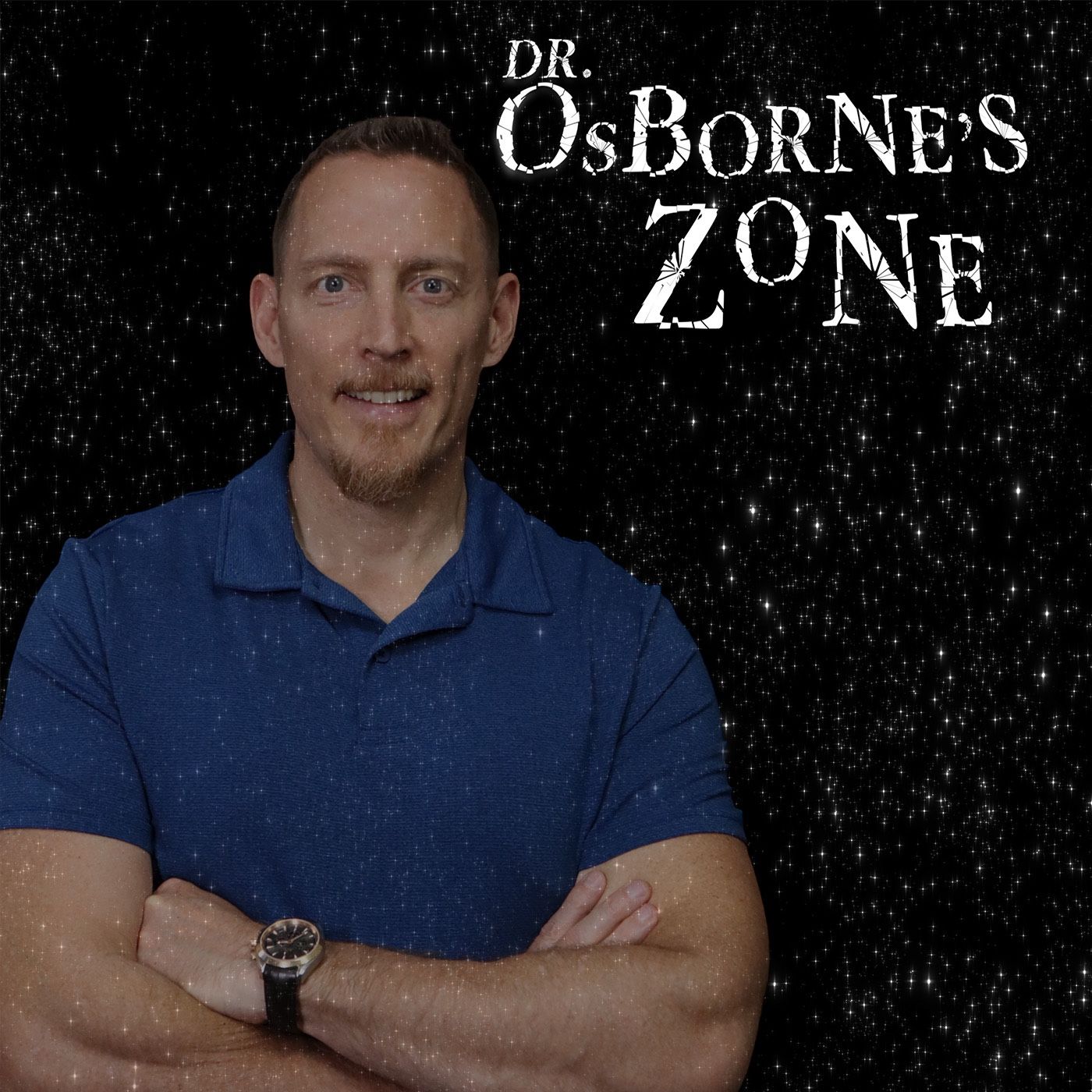
Dr. Osborne’s Zone
More effective than medicine? This one habit naturally helps overcome autoimmune disease!
01:36:42
What if one simple habit could lower your blood pressure, reduce obesity, balance hormones, fight cancer, boost your mood, and even reverse autoimmune symptoms? In this powerful episode of *Dr. Osborne's Zone*, Dr. Peter Osborne reveals the...
Loading summary
Transcript1 lines
- [00:02]
A
If I told you that one simple change in your life could lower blood pressure, reduce obesity, lower blood sugar, control arthritis, reduce the risk of autoimmune disease, cancer, and also lead to improved feelings of happiness, would you do it? Today on Dr. Osborne's Zone, we're going to be diving into this one change you need to make. You unlock this door with the key of compassion. Beyond it is another world. A world of science, a world of common sense, a world of sanity. You're moving into a land of both empathy and ethics, of nutritional knowledge and empowerment. You've just crossed over to Dr. Osborne. So welcome to Dr. Osborne's Zone. Today we're talking about muscle. Muscle versus medicine. When you build muscle, you balance hormones. And we're going to talk about the science behind this important topic, this simple change. One simple change you could make. Aristotle was quoted once for saying that life is movement and movement is muscle because muscle provides that movement. Now, if we look at some general statistics here, you can see here 2013, the decision of the American Medical association to recognize obesity as a complex chronic disease that requires medical attention came as the result of developments over three decades. Now, I know I'm probably talking to a lot of you who may get upset about this, but obesity is an illness and it's an illness of choice, largely. Many people don't realize the choices that they're making are leading to obesity. There are a lot of things that can contribute to being overweight. There are chemicals in our food, pesticides, dyes, preservatives, additives. Sometimes these chemicals collectively are referred to as obesogens. Then we're also exposed to a tremendous variety of different processed foods that are calorie malnourished, meaning they're basically calories without vitamins or minerals. And that too can contribute to obesity. We live in a society where everyone is okay with Netflix surfing. We also live in a society where it's socially acceptable for tech to rule our lives. You know, you go to work and you sit at a computer screen with a hunched over posture that can affect your muscle mass, your weight loss, your oxygenation can cause obesity and weight gain. We're in a binge TV society where you can now downstream movies or you can binge watch seasons of shows. You know, all this leads to sedentary behavior and sedentary activity. You can see here we've got policy failure across our governments. Many of our governments don't acknowledge obesity as a crisis, don't acknowledge the loss of muscle mass. As a matter of fact, many schools have eliminated pe Physical education requirements altogether de emphasizing the importance of physical activity. And again, the outcome of physical activity is building muscle. Very important to understand that. Now if we look at this next slide. From a cost perspective, I think it's super important. If all US individuals were physically active to the level recommended to the Secretary of Health and human services, that's 240 minutes of moderate to vigorous exercise per week, then a significant portion of the annual 150 billion in direct health care costs as a result of inactivity could be saved. Now this was published in 2009. We spent $4 trillion last year on healthcare. Many of these diseases could be resolved or partially resolved as a result of people doing activity and building lean muscle mass. Now ladies, if you're watching, this isn't a bodybuilding show. We're not here to try to promote that you go out and build huge muscles and, you know, reduce your feminine capacity. We're really talking about building simple lean muscle. Again, this recommendation is 240 minutes of moderate to vigorous exercise per week. That's less than seven hours of exercise. Actually about six hours of exercise a week. So less than an hour a day. Now how many of you doom scroll on your phones and how many of you spend more than an hour a day in front of a computer screen or watching tv? Take that into context because less than an hour a day per week in total 240 minutes could lead to significant impacts and changes. And again from 2009 numbers 150 billion in direct health care costs saved. Now, I think the number is much higher. I think if people had lean muscle mass, we would cut the budget, the health budget, by trillions of dollars. Because at this point, what have we done beyond 2009? We socialized health care. We said that health care is a right and everybody deserves access to health care. I don't disagree with that. But I also think that health care should be defined as prescribed exercise. Doctors are so busy writing pill prescriptions, they're so busy telling patients, take this, have this injection, get this shot. And they're not facing the 10,000 foot elephant in the room, which is the obesity epidemic. People are overweight. Most of the diseases, cardiovascular disease, stroke, diabetes, autoimmune disease could all be tremendously influenced as a result of some simple prescribed exercises and insurance. If we're going to say that everybody's entitled to health care, insurance should cover exercise before it covers any medications. In other words, a doctor should be able to prescribe exercise and not drugs. Send that patient home for two to three months and see the outcomes of the benefits of what exercise could achieve. The exercise benefits that would allow for lean muscle mass growth. So why does muscle matter? Let's look at just some of the benefits here. Number one, it predicts the quality and quantity of life. Many, many scientists have looked at what are the best predictors of longevity and of quality of life. And those are strength based numbers. Muscle density, muscle mass percentage as well as grip strength are some of the areas in research that reflect that muscle strength can predict your length and quality of life. Maintenance of muscle maintains functionality through the life cycle. How many of you, you're maybe above 60 years old and you've got grandkids and you can't get down on the floor and you can't play with them because you can't get up off the floo unassisted. This is quality of life. How many of you would like to go on hikes with your family but don't have the ability to do that? This also is quality of life. Physicality, Movement is life. If you lose your capacity to move and you're sitting in a chair or you're immobilized in a wheelchair in some other type of walking device because you've just neglected your physical activity, shame on you. But let this be a wake up call. Get to it. You can start exercising and I'm going to show you the research is very clear. People in their 60s, 70s and 80s can begin exercise programs and reap tremendous benefits from them. Now additionally, muscle communicates to your organs with powerful medicinal benefits. We're going to dive into muscles as endocrine organs. They're actually, they make hormones and other chemicals that cross talk to your organs for benefit. Muscle. Obviously most people are aware of this, but it affects bone health and density. How many doctors write prescriptions for bone building drugs in today's world before they prescribe exercise to their patients? And these drugs are to the tune of millions and millions of dollars. And they don't help, they don't work. All they really do is increase the long term risk of fracture. So here we are in a socialized medicine capacity, spending money on products for patients, being prescribed to patients and we're not getting our money's worth because these products don't work long term. People's lives aren't emboldened or bettered by pharmaceutical changes. They're emboldened and bettered as a result of taking action into your own hands. Build that muscle. We know that muscle affects intelligence. These studies have been performed in schools where when you have physical Activity for children versus not kids that exercise on a daily basis as part of their school routine perform consistently better across testing and across behavioral patterns. So improvements in intelligence. We know that muscle affects detoxification and circulation. Your body's lymphatic system, this is what cleans your blood, doesn't have a pump except for your muscles. And if you're using them, you'll detox better. We know that strong lean muscle communicates through prejudice. And what do I mean by that? Everybody's prejudiced. They don't care if you say you're not prejudiced. We all judge. We all judge by look at first glance. And so what do we do when we see somebody who's lean and in good shape? What does that tell us subconsciously, immediately, through prejudice, that this person has self love. They have dedication, they have discipline, they have capability and they have a sense of personal responsibility. What a great society to live in. Imagine if we all could look at one another and prejudge those types of traits and qualities, wouldn't that be great? I think exercise and building muscle brings that to the table. Look, we all strive to be better and no one's perfect. And I'm not saying that we all have to become super muscular superheroes, but the reality is we can all do better. You can all do better if you don't exercise. You know it. How many of you have said, I'm going to start a program. Maybe it's Wednesday and you're like, I'm going to start exercising, I need to start exercising. And ultimately what happens to many is, is the week goes by, they didn't start exercising. Then the weekend comes and they tell themselves, I'm going to start Monday. And then Monday comes and you know, the fizzling out of any kind of program happens for many, many people. Remember just in the US alone, more than 60% of the population is obese. And those are alarming statistics considering the cost of obesity on all of you. All of you are taxpayers. If you live in this country legally, you're a taxpayer and it's not fair for the government to take your money and throw it and enrich in pharmaceutical companies to enrich hospitals and other health care groups to the tune of a lack of outcomes. We have the worst health outcomes for chronic inflammatory diseases than any country in the world that has modern medicine. So what does that tell us? It tells us more. Medicine isn't the answer and we need to really focus on true and real answers. And I think hopefully the Maha movement that's coming through the Pipeline is going to start helping create and shape policy around some of the things we're talking about today. Okay, let's look at some research. Skeletal muscle as an endocrine organ. You see here, besides its traditional function, skeletal muscle has recently been discovered to be an endocrine organ. Myokines, these are chemicals that your muscles produce, are signaling molecules with autopara and or endocrine functions that are secreted from skeletal muscles. Between skeletal muscle and other tissues, there is cross talk, meaning your muscles talk to the other organs of your body. This is one of the problems with specialty medicine. The cardiologist only looks at the heart. The endocrinologist predominantly looks at the endocrine organs like your thyroid or your adrenal glands. The osteopath or the orthopedic doctor looks predominantly at joints. And so we have this, this hyper focused specialty realm that doesn't appreciate the nuance of cross talk. And cross talk doesn't just occur from muscles to other organs. It also occurs from other organs to muscles as well. So your tissues talk to each other. You can't divide the body up into parts and understand the holistic nature of how it actually works. And so this is what science is finally catching up to the wisdom that you can't separate the parts and fix the parts. You really have to look at this holistically. But your muscles communicate to your other organs through chemicals called myokines. And these myokines have tremendous affect. Let's look at some of the things that happen. Blow up this diagram here you can see from your skeletal muscle and that's if you have some, many of you are under muscled again, part of the problem. So myokines, there's a number of different types of myokines, but they have many different types of functions. So some myokines travel to bone and inhibit bone loss. Some travel to breast tissue, ladies. And inhibit the growth of cancer cells. Have you ever heard an oncologist say if you've got breast cancer, you need to go start exercising as part of your health plan? No. They want to dose you with chemo and radiation and put you on tamoxifen for five years. No communication about exercise. Exercise, myokines reduce cancer growth. We know that the muscle speaks to the pancreas. It speaks to the pancreas and it increases GLP1. Now, how many of you are out there taking ozempic right now? There's a whole body of people pumping this drug in themselves to lose weight. It's what we call an exercise mimetic. So to speak. It's the drug that takes the place of the physical activity, but not really, because this drug doesn't, unfortunately, it doesn't come without consequence. We see intestinal problems, increased risk for cancer, pancreatic failure, among other problems. So muscle does this for free. And, you know, this is the other thing. These drugs are very expensive. And again, our healthcare system is subsidizing people getting on these medications. And what we should be doing is subsidizing the exercise. Hospitals should have gymnasiums. You really want to think about it that way. Hospitals and doctors offices should have gyms in them where people can come to exercise. If we're really going to take health care seriously and really induce a sense of exercise is the important first step in reclaiming your health. Okay, back to this. We know that myokines can talk to your gut, also increasing GLP1. So again, what everybody's after with these drugs, but it also suppresses colon tumorigenesis, which is cancer. It suppresses the development of colon cancer. We know that myokines go to the liver and to the fats. This is white adipose tissue. WAT or wat. And then down here, this is brown adipose tissue. But we know there are a number of different impacts on fat tissue. It increases the breakdown of fat, increases glucose uptake, and increases thermogenesis, which basically helps you to burn more calories and to burn fat as a source of energy. We know that myokines can travel to the brain and it can enhance learning and memory and can increase hippocampal bdnf. BDNF is a type of hormone. It's in a family of hormones that help with growth and help with healing and repair. So numerous functions and numerous organ crosstalks amongst the muscle chemicals, the myokines, if you will, and your tissues. Then we have this paper here on muscle organ crosstalk, the emerging role of myokines. And you can see here just some additional examples. Probably a little bit easier to understand in these examples, but promotes endothelial function and revascularization. So it helps your blood vessels work more efficiently and more effectively. It improves the skin, the health of the skin, reduction of aging. And it's really not a reduction of aging so much as it is a graceful aging. So many people age more rapidly. If you look at people, as a general rule, who don't take care of themselves, they look older than people who do. And this is part of that. And that is impacted by myokines. We know that through the brain, it increases bdnf, which Helps to regenerate nerves. Neurogenesis is the growth of new nerves. We know that it also helps to control appetite so that you're not prone to wanting to snack and overeat. I remember when I was a kid they used to have these commercials. I think it was Schoolhouse Rock but it was the munchies. And there were these little evil looking critters called the munchies. And so the commercial was a cartoon warning kids about the munchies and saying if you have the munchies go outside and play, go outside and exercise and, and the munchies will go away. We don't have that anymore. Now it's here's your device. If you've got a crying kid, it's like put an iPad in their hand and that's their new babysitter. There's a lot of, in my opinion, there's a lot of well we won't go there. But poor parenting that does occur. And I don't think it's necessarily poor parenting. I don't think it's parents doing it out of mislove. I think it's parents doing it out of convenience. And I think we do a lot of things out of convenience without thinking about the long term consequences. We know bone formation, we know hepatic glucose production, so it aids in blood sugar regulation. We know it helps the pancreas secrete insulin and we know it helps the gut secrete GLP1, the adrenal gland. It helps to regulate cortisol and white blood cell production. Lymphocytes and neutrophils are white blood cells. We know that in macrophages it reduces the inflammatory nature. That's these two chemicals here, Interleukin 10 and Interleukin 1 RA are what are also known as immune chemicals that regulate inflammation. And these two happen to be anti inflammatory. And then tnf, tumor necrosis factor, it reduces that one and that one's an inflammatory chemical so it reduces inflammation. Muscle building, muscle itself. Just the act of having it has all of these functions and benefits and all you have to do to take advantage of it is, is put some on your body, right? Exercise. So you see your exercise may be prescribed as medicine. Now let's circle that, let that sink in. Exercise may be prescribed as medicine, it should be the primary medicine. Exercise, sunshine, sleep and clean diet should be the primary medicine being prescribed before any such drugs can be prescribed. That's my opinion. But anyway, exercise may be prescribed as medicine for lifestyle related disorders, which is what is a lifestyle related disorder. It's every. Every chronic inflammatory condition that exists. Type 2 diabetes, dementia, cardiovascular disease and cancer are listed here as examples. But we know that skeletal muscle works as an endocrine organ which can produce and secrete hundreds of myokines that exert their effects in either autocrine, paracrine or endocrine manners. Recent advances show that skeletal muscle produces myokines in response to exercise, which allow for cross talk between the muscle and other organs, including the brain, the fat, the bone, the liver, the gut, the pancreas, the vascular bed and the skin, as well as communication with the muscle itself. So get some of that. You know what, it's free. That's the other thing we could say, okay, a gym membership costs money, but push ups don't. Squats don't. Sit ups don't. A jump rope will cost you a couple dollars. If you have one at home you can do jump rope. Plank holds don't cost you any money. Like physical activity. Playing doesn't cost money. It just takes time. And I think that's the thing. We have to refocus our time, efforts and energy on the things that are going to move the needle. Okay. This was published in the journal Physiology. But you can see here some of the things that lack of activity, lack of physical activity are linked to. So you get the absence of emotional highs. There are chemicals that are released enkephalins and endorphins after exercise that make us happy. Did also regulate pain. Many of these chemicals have pain regulatory effects. This is why people with chronic pain like fibromyalgia and chronic fatigue syndrome would benefit from the exercise. Less blood flow, less executive control and memory. Loss of neurogenesis so they don't make nerves in the brain as effectively. They start to lose coordination and balance. Less endorphin release, smaller frontal and superior lobes as you age. Breast cancer, non alcoholic fatty liver disease, blood pressure and cardiovascular risks, poor immunity. Type 2 diabetes. Guys, erectile dysfunction. Ladies and guys, osteoporosis, loss of structure and function of joints. I think it's important to side note here. Joints themselves do not have a blood supply. And the way they get nourishment is through synovial fluid. So there's a clear viscous fluid. It's called synovial fluid is what bathes the cartilage in your joints. It bathes that cartilage and when you're sedentary, that fluid doesn't move. And that cartilage when you're sedentary starts to deteriorate. But when you move, when you Move that joint, it forces that synovial fluid to bathe that cartilage in nutrients. So how does that cartilage. Because it doesn't have a member, it doesn't have a blood supply. So how does it get nutrients through the forced pressure motion of movement, pushing synovial fluid nutrients into that cartilage? This is what prevents arthritis. This is what prevents tendons and joints from becoming prematurely injured with minor activity. Right? So loss of structure and function of joints, which is what a lot of people suffer from. How many of you are taking ibuprofen or tylenol or other NSAIDs or prednisone or other drugs to reduce joint pain on a daily basis? Exercise, it's the freest medicine in the world. And it doesn't come at a cost. It doesn't other than your time, it doesn't come with consequence. We also know reduced skin wound healing occurs with lack of activity and lack of movement. Alzheimer's disease or dementia, depression, stroke incidence and poor recovery, all linked to low exercise, congestive heart failure, endothelial dysfunction. This is blood vessels. We'll talk more about this in a moment. But you know, exercise allows for nitric oxide release, which dilates your blood vessels, reducing the risk of heart disease. We know ischemic events, which is heart attacks and strokes, etc. Inflammation of the vascular wall, lower maximal cardiac output and lower cardiac reserve and lower max VO2. So all these things happen again without exercise or activity. We know it contributes to visceral obesity or weight gain. That's the weight that grows or the weight, the fat that builds around your organs, especially your heart and your abdomen. We know colon cancer, as I mentioned earlier, and then loss of neuromuscular strength with aging. This isn't the thing of aging. It's like the doctors want to blame this stuff on you getting older. And reality is, it's not you getting older, it's you being sedentary over time. When you multiply sedentary behavior over time, you get the side effects of what doctors like to call aging. But in reality, it's just sedentary behavior causing a reduction of your body's resources to want to rebuild. Remember, that use it or lose it philosophy applies here. When your body isn't being physically worked, then your body doesn't prioritize the healing and the repair of the organs and the tissues. We know that lack of activity leads to diabetes through reduced glucose uptake and insulin sensitivity. We know that reduced oxidative capacity and skeletal muscle atrophy with aging. Again, not with aging. They have a name for this. They try to disease ify everything and not that way. You don't have to take personal responsibility for this. But sarcopenia is not a disease. It's just a. It's just a term that doctors came up with to make people feel comfortable with not exercising. You don't have a disease when you have sarcopenia. What you have is muscle atrophy. That's related to disuse over time. It has nothing to do with age, has to do with sedentary behavior and then blood pressure, increased arterial stiffness and peripheral artery disease. So what do we get when we don't move? We get a reduced quality of life and we get a premature death now in the process of that reduction of quality. So when you put these two things, things together, the life cycle as you go through it, what's the input? What is the medical input is drugs. Right. So what is the purpose of these drugs? It's to improve the quality of life through symptom management. Right. And these drugs, they come at a tremendous cost, not just financially. So there's a dollar sign cost to drugs, but there's a side effect cost to drugs that very rarely gets discussed. As a matter of fact, there's new research coming out now. The most recent study that was published in the British Medical Journal found that prescribed medication purposefully prescribed for the right reason is the third leading cause of death. And that's pretty alarming when you consider that heart disease and cancer and cardiovascular metabolic conditions are number one and two. But then the way we treat them is number three. And again, what we should be doing is exercise treatment. First, let's take a look at some of these elements around prescribing medicine. So the title of this is Deprescribing How Building Lean Muscle Can Eliminate Medication. And I'm going to pause here for a minute so that those of you want to can screenshot this. But let's just take a look at comparatively how exercise compares to medication. So in this case, the drugs for diabetes, the insulin sensitizers, metformin and TZDs. So how muscle mimics or surpasses it. Muscle contracting muscle translocates. GLUT4. What is GLUT4? It's the doorway on the surface of your cells that allows glucose to come into the muscles so that you can make energy. Muscle also releases interleukin 6, irisin and myonectin. These all improve glucose uptake and hepatic fat burn, so they prevent your liver from Becoming fatty. Moderate exercise outperformed 1 gram a day of metformin for insulin resistance and prediabetes. This was a meta analysis done that showed that HIIT training. The HIIT training is an acronym for high Intensity Interval training and resistance training boosts insulin sensitivity similar to metforminidosis. So what we're saying here is that exercise outperforms this because this costs money. Exercise doesn't. What else does this cost? This costs nutrients, it costs side effects, right? So one of the things we know, for example, metformin does, is it causes B12, folate and COQ10 deficiencies. What happens when your B12 and folate are deficient? You have an increased risk of heart disease because these two B vitamins control a heart disease chemical called homocysteine. What happens when Coq10 is depleted? Your blood pressure goes up. You can develop neuropathy, you can develop myopathy or muscle pain. CoQ10 deficiency can cause congestive heart failure. So, I mean, you're treating a disease that exercise could treat equally and effectively. But the cost of that treatment, beyond the financial cost, is to create malnutrition in the host that leads to the very disease that you're trying to prevent. Then we have antihypertensive drugs, the ACE inhibitors, the beta blockers, the angiotensin receptor blockers. So let's look at exercise. Isometric heavy eccentric lifts enhance endothelial nitric oxide, reduce sympathetic tone and remodel arterial stiffness. So they basically make your blood vessels work better and dilate better. We know that resistance training cuts systolic blood pressure by 8 points. That's the top number. Comparable to first line drugs, meaning it's comparable to these drugs. These drugs can lower your blood pressure by 8 to 10 points. Exercise, same thing, but again, you don't get the side effects. What are these blood pressure medications do? What are some of the side effects of blood pressure medication? So, depending on which one you're taking. But ARBs are now being linked to celiac mimicry. What does that mean? Those of you who followed me for any length of time know my stances on gluten. But these drugs cause villous atrophy or damage to the intestinal lining. That is exactly the same. It looks exactly the same as celiac disease. And what does that cause? What does celiac disease, what does the damage to the GI tract cause causes malnutrition? And we're going to talk soon here about the nutrient components of building muscle and how important they are. But when you're taking a drug that causes malnutrition. Don't you think it serves to say that the long term consequence of the side effect, that medication is going to increase the risk of the very diseases again that you're trying to treat. ACE inhibitors and beta blockers inhibit ACE CoQ10. They affect zinc absorption and zinc plays a role in what, 300 or more enzymes that are responsible for regulating your hormones, for regulating insulin, for antioxidant function, for growth, healing and repair. So is that what we want? Do we want to pay that cost? I mean, the answer to me is pretty clear. Then we get to statins or lipid lowering drugs. And don't even get me going here. I think trying to lower cholesterol is like the stupidest thing in the world to do. That's my opinion. I know that's what a lot of people believe, but look how many years we've been trying to lower cholesterol for 50 years. We don't have less heart disease, but this is the number one prescribed drug of all time in the world. Well, let's compare these drugs to exercise. Myokines upregulate chemicals, raising your hdl, what they call the good cholesterol. They also clear out your triglycerides. Triglyceride elevations in the blood are increased risk for cardiovascular problems. So it acts as a triglyceride sink of sorts. We know that. 12 week randomized trials or resistance? Not 12 week randomized trial. 12 week resistance training reduces LDL if you're trying to lower your cholesterol, reduces it 8 to 15 points and it lowers your triglycerides 10 to 20 points. And in women, aerobic and resistance training meta analysis shows consistent HDL rise. So I mean comparable effects. It's, it's just exercise, it's pretty simple. And statins, what do they do? They also block Coq 10. As a matter of fact, Merck I think is the company that learned that originally. They actually did the research that discovered that. And they have a statin that's patented with the addition of CoQ10 in it. A lot of doctors won't tell you that, but that's the reality. Then you've got NSAIDs and acetaminophen. So pain medications, basically non steroidal anti inflammatories. So let's compare exercise for pain. Exercise triggers endogenous opioids and endocannabino cannabinoids. And how many of you are on this bandwagon of wanting to take cbd? That's what an Endocannabinoid is. It's cbd. You make your own CBD if you exercise. It also helps you make interleukin 10 and resolves local inflammation without blocking this enzyme, COX. COX is an enzyme in your cell membranes called cyclooxygenase. When you start blocking cox, the consequence to that is that it reduces the mucosal lining of your GI tract. So basically it rips a hole. Leaky gut. If you've heard that term leaky gut, that's what it creates in your gut. You could exercise to help with your pain or you could take an NSAID to reduce your pain, but you're going to cause leaky gut. Now, NSAIDs also cause a reduction of iron. They cause folate inhibition and they can reduce vitamin C. And vitamin C is one of the most powerful pain, anti pain or anti inflammatory nutrients that we have. So again, the irony is the medicine itself that's being used to treat the symptom leads to the deficiency that causes the very symptom we look at. Network meta analysis. Exercise equals NSAIDs for knee osteoarthritis, pain relief. It beats opioids on function and one of my own personal anecdotes or experiences. And I was guilty of it as anyone else. So don't think of this class as a scathing kind of me lambasting you guys for not exercising enough. We're all guilty of it at times in our life. I was too. There were times where I would sit at my desk for eight, nine, ten hours, sitting. And what would happen, what started to happen, this was when I was in my mid-30s is my knees started to hurt and I couldn't understand why. I didn't injure them. I hadn't done any trauma and I exercised at the time. But it was quantity, it was the long scale. I was sitting for so many hours over the course of the day that ultimately what happened was my knees started to break down. My knees developed arthritis. And you know what I did to fix it? It was a really simple solution. I bought a desk treadmill. They make them now. They're really inexpensive. You can buy them on any store. I'm not an affiliate for any of those companies, but just go look at them and find the one that looks good. They make them and they're really lightweight and they have wheels, so you can move them in and out of your way even if you're not super strong. But this right here resolved my knee pain completely. It was just within a matter of days when I quit sitting for eight hours. Straight. What I would do is I would walk for 30 minutes and then I would sit for an hour and then I'd walk for 30 minutes and sit for an hour. Sometimes I'd walk an hour. And I just alternated throughout my day getting up and walking versus sitting completely reversed the arthritis that was forming in my knees and completely reversed also the stiffness that I was developing in my back. So don't underestimate the power of setting your workstation up to accommodate yourself. Right. And so you can for a few hundred dollars. It's not a lot of money for your longevity. It's not a lot of money in context of is it going to preserve my knees, Is it going to preserve my health? So a treadmill and I bought a thing that raised my screen. It was a device that, it was a hydraulic device that sat on top of the desk and you could raise it or lower it. Mine's a manual one. So I didn't spend, you know, some of these things you could spend a lot of money on. I just bought a manual one that would raise and lower my computer screen for me so that I could walk or sit. So again, hopefully that helps some of you. Let's look at antidepressants as a means comparative against exercise. So strength work boosts brain derived neurotrophic factor BDNF and beta endorphin normalizing monoamine tone. What is a monoamine? That's things like dopamine which helps you feel good.218 trial in the BMJ network reviews strength and mixed exercise outperform meds by one standard deviation on depressive scores. That's a tremendous, tremendous benefit over the medications. So they work better. Now if you're taking these medications nutritionally, let's talk since we're on this nutritional kick here. What are these medications affect? They affect calcium. They also affect folate and vitamin B12. So what does vitamin B12 and folate deficiency cause? Depression. So it makes sense that again the medicine you're using to treat the condition or the symptom leads to the nutritional deficit that recreates the very symptom. That's why a lot of times medicines don't work indefinitely. You have to go back to your doctor and they change your prescription or add more, increase the dose or whatever it is, exercise. Then we have bisphosphonates, the bone drugs and antiosteoporotics. So mechanical loading activates osteocytes and Wnt beta catenin signaling raising bone formation and mineral density. 12 month impact on resistance Training equaled alendronate for hip strength indesis in postmenopausal women. Let's think about that for a minute. Alendronate. What's one of the side effects of that drug is it erodes your esophagus. It's a very common side effect in my experience. I've seen a lot, a lot, a lot of women being told they needed to be on that medicine and then they had to stop taking it because esophageal erosions were too intense, which then leads to, you know, inability to eat because now every time you eat you have severe heartburn. And so then these women that are losing bone are now malnourished because they're not able to eat as much food. And so their bone deterioration just continues on. But these bones also long term make your bones brittle. These drugs do. And you don't want brittle bones. They increase the density in terms of X ray absorption. And if you aren't familiar with my class on bone scan myths, I highly recommend that you go watch that class on bone scan myths and bone growth. But these drugs increase the risk long term of fracture because they make your bone more brittle and they erode your esophagus. So that's the long term nutritional consequence versus exercise. Exercise performs equally well. What about immune modulators and vaccine adjuvants? So exercise mobilizes natural killer cells, T cells and B cells. Interleukin 7 and 15 rejuvenates the immune system surveillance abilities. Reviews show that 150 minutes a week of exercise cuts respiratory virus risk and severity including COVID 19 that was studied. This is one of the benefits of the mass psychosis around those last four years was that we did a lot of research on this and what we found was some really great things. And one of them was that exercise reduces your risk Appetite suppressants. So GLP1 agonists. Those of you again taking the ozempic resistance Training raises Myokines GDF 15 FGF 21 increases Resting energy expenditure, preserves lean mass during fat loss. Trials report 5% body fat drop or more with high volume resistance training in weight maintenance longer versus drug only groups. Again, you don't need to take a passive therapy to achieve benefit. And so think of all this now. How many people are out there? They're not just doing one of these things. You know, a lot of people, they have high blood pressure, so they're taking one of these. They have diabetes, so they're taking one of these. They're also being treated for high cholesterol so they're taking a little of this. Their joints ache a lot, so they pop a couple of these a week. And because they're doing all this and they don't feel good, they're probably on antidepressants. And then they get the diagnosis of osteoporosis. How many people are polypharmacy cases? I mean, because that's really the core issue here, is that the vast majority of people that are taking prescriptive medications aren't just taking one, they're taking multiple. And what I've just shown you, and this is all research based, what I've just shown you is that exercising outperforms medication for all of these things. Why isn't our medical community prescribing exercise instead of drugs? It's not profitable. If you go exercise and your disease goes away, it doesn't make money for hospitals, doctors offices and doctors groups. At the end of the day, you have to understand they're a business. And there's nothing wrong with being in business, but there's something wrong with being in business to the detriment of your customer. And I think if we look at today's society, we have a lot of that. We have a lot of our healthcare industry, not all the doctors, not all the nurses. There's some great, great healthcare practitioners and providers out there, but there's tremendous pressure. A lot of these hospital systems are owned by corporations. And so there's a lot of management of doctors where they're being coerced or they're being. We'll just say they're being corralled to do certain things to increase the profitability of the business. And you need to know that that's what they're after. They're after profits. And that doesn't necessarily include your health. And there are no great outcomes in that model. So overall, public health benefit data from a large number of studies evaluating a wide variety of benefits in diverse populations generally supports 30 to 60 minutes per day of moderate to vigorous intensity physical activity on five or more days of the week for a number of benefits, such as lower risk for all cause mortality. In other words, reduce your risk of dying early coronary heart disease, stroke, hypertension, type 2 diabetes. In older adults and also younger adults, lower risk is consistently observed at two and a half hours per week. So it's two and a half hours a week of exercise. It's not a lot of exercise. How many of you spent two and a half hours on your phone yesterday? I would argue that probably more than half of you did. We're talking about take that time and just put it to something better. 30 minutes per day, right? 5 days per week of moderate to vigorous intensive activity reduces mortality risk by 30%. Cardiovascular disease by 20 to 35%, metabolic disease by 30 to 40% in healthy populations. Show me a drug that can do any of that. Show me a bundle of drugs that can have that level of an effect. You can't because there are no medications that have this kind of power. But you do, remember, because the choice to exercise isn't preliminarily. You don't have to rely on your doctor to make that decision. You don't have to go ask your doctor permission to start exercising today. I know the TV wants to train you to think. Ask your doctor if something is right for you, when in reality your doctor is probably the least qualified to help you get healthy. Now they're great at managing illness with symptom reduction with medicines, but horrible at helping you achieve health. And exercise is going to help you do that. Okay, let's talk about the effects of building muscle on autoimmune disease. Because autoimmune disease is one of those conditions, it's on a meteorical rise in our country. This is a 20 year systematic review of the effects of exercise and muscle mass on autoimmune disease. So this is a large review you can see here. The studies were conducted in 25 different countries, total of almost 2,800 participants, patients with autoimmune disease in exercise or control groups. Overall, the evidence suggests that inflammation related markers such as C rective protein interleukin 6 and TNF alpha were reduced by regular exercise interventions. Regular exercise interventions combined with multiple exercise modes, we're associated with greater benefits. So why? Because it has anti inflammatory effects. When your doctor says you need to go on this medicine, what is the goal of the medicine for autoimmune disease? Predominantly, especially autoimmune pain conditions. They're anti inflammatory steroids, what are called DMARDs, disease modifying anti rheumatic drugs that have any inflammatory effects. And now they have the new biologic class of medications which are immune suppressing anti inflammatories. So you can get the same effect. You can get an effect from some good old fashioned muscle work. Here's a study on rheumatic disease and myokine regulation. Remember, myokines are the chemicals your muscles release. One of the most important of these advances is the discovery that skeletal muscle communicates with other organs by secreting proteins called myokines. Some myokines are thought to induce anti inflammatory responses with each bout of exercise and mediate long term exercise induced improvements in cardiovascular risk factors having an indirect anti inflammatory effect. Therefore, contrary to fears that physical activity might aggravate inflammatory pathways, exercise is now believed to be a potential treatment for patients in rheumatic disease. Let's read that again. A treatment for patients with rheumatic disease. How many people with rheumatic disease are told to quit moving to just baby their pain? No, it's a treatment. You can get better outcomes with exercise. And this isn't the only study that has shown that. Many studies that have shown that. Let's look at this next one. Obesity increases disease activity of Norwegian patients with axial spondyloarthritis. Okay, so here what we have. Overweight patients had significantly higher degree of spinal stiffness and number of comorbidities. Obese patients had significantly higher disease activity and degree of spinal stiffness and number of comorbidities. So the results highlight the serious impact of obesity on health status. And obesity should therefore be considered as a modifiable risk factor for disease activity within the disease management of axial spondyloarthritis. So if you've got spondyloarthritis or ankylosing spondylitis or any other kind of arthritic spinal autoimmune condition, exercise, here's a nice review. It looked at many studies. Again, this was 2,800 participants, 25 countries. These were all of the. This is a review of multiple studies. So these diseases here that you see on the right were all looked at and all improved by exercise. So if you have been diagnosed with multiple sclerosis, lupus, ankylosing spondylitis, rheumatoid arthritis, type 1 diabetes, inflammatory bowel disease, that's celiac, that's also Crohn's and ulcerative colitis, inflammatory myopathies. So if you've got muscle inflammation caused by autoimmunity, pemphigus foliaceous, which is a skin inflammation, or Takayasu arteritis, which is a swelling of arteries and an inflammatory reaction of arteries, then research has shown that exercise has any inflammatory effects in those conditions. And if you're working with a rheumatologist, you know, ask your doctor if exercise is right for you. In all joking though, go exercise. More than 100 Myokines have been identified. Some myokines, including irisin, are responsible for many autoimmune diseases. Myokines, by mean of their anti inflammatory effects, can counteract the Induction of insulin resistance and the loss of muscle mass. See idiopathic inflammatory myopathy, rheumatoid arthritis, lupus and inflammatory bowel disease are myokine related, meaning get your myokines produced and have an anti inflammatory effect that helps your autoimmune disease. These are some of the mechanisms when you want to look at autoimmune mechanisms of exercise. And it doesn't, you know, a lot of people are scared of exercise because they don't want to go lift weights, they don't want to go jogging, they don't like those types of exercise. But if you look at this, they studied and looked at aerobic training, resistance training, Tai chi, pilates, yoga, stretching and just stability training. And so you can see the little icons down here and the different studies that were done. So if you don't just like weightlifting, you've got other options. And again, we're not trying to. This is not a message to go out and become a bodybuilder. This is just simply a message to go out and get some activity and exercise, take of your body physically and it will take care back to you. So you see here in lupus patients, aerobic and weight training three times a week for eight weeks, reduced inflammatory chemicals TNF alpha, interleukin 2 and 4 and 5, which are all things that make the disease worse. We also know that you see here three times a week for 26 weeks, reduced litany of inflammatory chemicals and then two times a week for 24 weeks did the same thing. So you have options. You don't have to go to the gym every day. We're talking three times a week. It's not a tremendous amount of time or commitment. A lot of people say, well, I just don't have the time. I would say, well, if you don't have the time to exercise, but you do have the time to go visit doctors all the time, I'd say you have your priorities screwed up. You need to get your head screwed on straight and take responsibility for yourself. Ankylosing spondylitis, same thing. We've got Tai chi, we've got yoga, we've got resistance and aerobic training, all reduced inflammation in as little as just doing three to two times of exercise per week. We've got ankylosing spondylitis, same thing. Rheumatoid arthritis, same thing. You come over here in multiple sclerosis, multiple trials showing reduction of inflammatory mediators. We've got Takayasu arteritis, same thing again. We're talking two to three times a week in most of these studies. So the commitment on your time front doesn't have to be tremendous. You just have to be consistent. Exercise is all about showing up. Consistency over time equals results that are beneficial to you and will help you overcome your illness. You see, I wanted to point this out because a lot of parents, and if you've read my book, no Grain, no Pain, the first story in that book I wrote about was a little girl named Ginger. She had juvenile rheumatoid arthritis. Her mom brought her to see me. She was nine. She had been on methotrexate for about seven years, from the age of two to the age of nine. At the age of nine, the rheumatologist looked at the little girl's mother and said, go home. She's got six months to live. You need to get your affairs in order. And so her mom obviously left very disarrayed. You could imagine, being a parent, how that would make you feel, hearing that message. Well, when she brought her daughter to me, one of the easiest things in the world we did was change her diet. She had a gluten sensitivity and she was allergic to blueberries. And we made those changes and we saved her life. She's still alive today and she's in remission and exercise is a part of her life. But all that being said, a lot of parents that have children with rheumatoid with juvenile autoimmune disease, you know, meaning their children, are scared to want to make them exercise because of the pain. So you can see here what we're trying to do is dispel that myth. Over the past decades, the role of exercise training in rheumatic disease has been largely explored. Currently, physical activity is well known to benefit patients with osteoporosis, osteoarthritis, systemic lupus, systemic sclerosis, idiopathic inflammatory myopathy, fibromyalgia, rheumatoid arthritis. Therefore, exercise has been considered a valuable tool for treating rheumatic patients. Collectively, studies have revealed the therapeutic potential of exercise in juvenile idiopathic arthritis, juvenile systemic lupus, juvenile dermatomyositis, juvenile fibromyalgia and other causes of chronic pain. In other words, these kids can exercise. You're not going to kill them, you're not going to make them worse. You're actually going to improve their outcomes. Another study here, physical activity for pediatric rheumatic disease. Standing up against old paradigms. The old paradigm is don't exercise, but the true paradigm is get exercise two to three Times a week is where you can start. Increasing levels of physical activity can alleviate several symptoms experienced by patients with pediatric rheumatoid disease such as low aerobic fitness, pain, fatigue, muscle weakness and poor health related quality of life. Moreover, the propensity of patients with pediatric rheumatic disease to be hypoactive, often due to social self isolation, overprotection, parents overprotecting and fear and or ignorance on the part of parents, teachers and health practitioners. Ask your doctor if exercise is right for you can be detrimental to general disease symptoms. Basically, if the doctor's saying the kid shouldn't exercise and the parents are scared to get the kid to exercise, you know, rethink that. Re strategize. Okay, let's talk about the role of muscle on cardiovascular disease and diabetes. Physical activity represents a natural strong anti inflammatory strategy with minor side effects. What are the side effects of building muscle? Muscle soreness. It's called delayed onset muscle soreness. Doms. It's short lived and if you're fearing this, you shouldn't. It's, you know, it gets better with time. If you haven't worked out in 25 years and you go to the gym, go into it slowly. That's going to be a key element is start slow, don't overdo it. You don't need heavy weight to do much of anything. You just use body weight. But do something right and then as you get that soreness, it'll go away in a few days and you'll recover and then exercise again, and then it'll happen again and then it'll recover. But each time you do it, that soreness gets less and less and less. And if you want to reduce the soreness further and recover faster, you can take branched chain amino acids, you can take L glutamine. Those are good options to reduce soreness. You can take omega 3 fatty acids to also reduce the pain and soreness caused by exercise. But that's about it when it comes to the side effects. I mean unless you overdo the activity and injure yourself. But again, start slowly and work your way in. But we know that heart disease and diabetes, they're diseases of lifestyle choice. Don't let anyone victimize you into believing they're genetic disorders. They're not. There's this battle in medicine. It's not really a battle anymore, but you've probably heard this term nature versus nurture. Is disease nature being genetic or is disease behavior? And what do most people agree on in this equation? That genetics represent about 20% of disease risk behavior represents about 80% of disease risk. That's a lot of percent. You can pass or fail with that. You can't pass or fail with that. So you could have the worst predisposition genes and you can still win. And that's what I want you to understand. It's not your father's genes or your grandfather's genes or, you know, that's a disillusionment. That's what medical professionals have told people to basically take away their power, regain your power, take it back. It's shared and learned behavior. You know, when we think about family history and disease, you learn how to eat, you learn how to exercise, you learn how to behave from your parents and grandparents. And so it's the way you're nurtured. And if you're following along in their footsteps, you're going to develop the similar kinds of disease patterns, not because you have bad genes, but because you have shared behaviors that contribute to the bad outcomes. So keep that in mind. Don't let your doctor tell you that genetics are playing a bigger role in your choices. It's different if you're born with a truly genetic disease like down syndrome or cystic fibrosis. That's a different ball game, though, and that vast majority of people don't have truly genetic conditions. The effect of muscular strength on depression symptoms in adults. This is a systematic review and analysis of the research. And so the aim was to systematically review the relationship between muscular strength and your depressive symptoms among adults. The systematic review findings suggest that muscle strength has a positive effect on reducing depressive symptoms. Findings indicate that muscle strength is inversely and significantly related to depressive symptoms. Interventions aiming to improve muscular strength have the potential to promote mental health and prevent depression. Thus, public health professionals could use Ms. Assessment, muscle strength assessment and improvement as a strategy. How many of you have ever gone into the doctor's office and they said, we want to test your strength here, Here's a grip strength device. I want you to grip this as hard as you can. Doesn't happen. I mean, it might happen if you go see a good chiropractor. It might happen if you're in a physical therapy office. But beyond that, you go to a regular doctor, they're going to pull out the prescription pad or they're going to tell you to lie on the couch and give you talk therapy. And that's fine, you can do those things. But exercise is important. It's a super important component of making those chemicals that help you feel good. And I want to show you this, this was a really interesting study published in the Procedures of National the Proceedings of the National Academy of Science. And it's almost a decade old, not quite, but it was a new. At the time, it was a new link, and this is just a quote from the author, one of the authors of the study. There's a clear link between how we move, think and feel. Think about that. How we move, how we think and how we feel. The muscles that control posture, our core muscles, have an impact on an organ that is involved in stress. And this is what they found. These, this is a common kind of complex neurological diagrams. But what they found was they found that the part of your brain that talks to your muscle, and then there's a part of your brain that's similar that talks to the stress organ, the adrenal gland, and in this case, the adrenal medulla. The adrenal medulla makes dopamine, adrenaline and noradrenaline. Those are stress hormones. And so what they're finding is that your posture, your strength, your muscle control can actually affect your stress levels. See, this is the magic. If you've ever been to a good chiropractor, this is the magic of chiropractic. Chiropractors have been saying this for over 100 years. And there's a name for it, as a matter of fact, it's somatovisceral response, Or we could use the term disease, somatovceral disease. What does that mean? Soma, somato refers to muscle, visceral refers to the organ. So the muscle, the situation of the muscle, whether it's tight, whether it's got poor blood supply, whether it's not moving, the aspect of the muscle affects through crosstalk, the organization. And in this case, they proved it scientifically, they proved it. The muscles are communicating with the brain through the nervous system to the adrenal medulla, which regulates stress hormones. So if your muscles are super tight and they're burdened, that message relay basically affects how you feel, it affects how you think. One of the reasons why I love chiropractic so much is because you can go get an adjustment and if you're feeling down and blue, you can feel better. Not just in terms of physical, like I have an acre of pain, but actually somato visceral responses. I have. One of my friends is a chiropractor in New York and he works in the ER and his job in the er, which, when he told me this, I was really floored that the hospital there was so progressive but this is a case where they're actually ahead of the curve. But in this er, when people have a heart attack, some of them are having what they think is a heart attack, what we would call a pseudo or false heart attack. And so what happens is they go in, they think they're having a heart attack. The doctors in the ER will make sure, okay, they'll run the right labs to say, oh, you're either having a heart attack or you're not. If they're not, if they're having a pseudo heart attack, they take those patients and they get them adjusted. They get them chiropractic care in the hospital. He works in the hospital. So they send them right over there. Because when you have a heart attack, a lot of times it's that radicular pain. That's that radiating pain that travels down your left arm. Well, somatoviscerol, you can have a tightening or a stress response in your muscles in your mid back and in your upper and in your lower neck that leads to dysfunction of the heart muscle, in other words, the muscles affecting the heart. And so getting that adjustment corrects that response. And then they walk out of that hospital not feeling like they're having a heart attack anymore. Anyway, my point is saying all that is your muscles control and communicate with your other organs and can have affects on those organs that can impact the way they make their. Their chemicals. In this case, we're talking about the adrenal medulla. Dopamine, adrenaline, and noradrenaline are impacted by the muscle tonicity and the way the muscle communicates to the brain and through those neurological pathways. Okay, let's move on. Let's talk about Alzheimer's disease, because this is a big topic. How many of you have parents and you've seen things where you're becoming a little more concerned because their memory is starting to slip or maybe their minds not quite as sharp as it was. And how many of you are, you know, are the parents, are the grandparents that you notice that yourself? And how many of you ever want to be a burden for your other family members? So this is one of those things I see clinically all the time, where people are under tremendous stress because they're having to care for an elderly relative who's got Alzheimer's or dementia. And if you're that person, I want you to pay really, really close attention, because from what we understand, Alzheimer's is largely preventable. It is largely a disease of lifestyle and choice. It is not a genetic disorder. And what I'm about to show you is going to provide you with clear evidence to help hopefully impact people in your family. You can see here physical exercise, cerebral spinal fluid clearance is essential for maintaining a healthy brain and cognition by removal of metabolic waste from the central nervous system. So how does your brain and spinal cord, how do they detox? Because they have a fluid around them called cerebrospinal fluid. Csf. Okay, movement is how that happens. As you move, as you walk, your tailbone has eight holes in it and nerves enter into those holes. And as you walk, your tailbone has this circular kind of figure 8 motion that is tugging at those nerves. And that tugging action is a physical action that pulls pumps cerebrospinal fluid around your spinal cord and brain. And motion is required for that. Just like your cartilage doesn't have a blood supply and can't get nourishment without movement, your CSF can't clean itself. Your brain and your central nervous system can't detox the burden of normal metabolism without motion and movement. And that's what this is saying. So in this results we show that there are two intrinsic CSF egress pathways of the dura mater and the lower parasagittal dura. The adults with an active lifestyle had greater intrinsic CSF outflow. In other words, they were cleaning their brain better, they were cleaning, cleaning the toxins out of their brain than adults with more sedentary lifestyle. However, after increased physical activity, the sedentary group showed improved CSF outflow metrics. The improvement was particularly notable at the lower parasagittal dura. So it's not too late is my point. If you are finding your mind slipping, you better find yourself a way to start building some lean muscle mass through activity. Alzheimer's disease is the most prevalent neurodegenerative disorder in the world, currently affecting 50 million people and projected to exceed 152 million by 2050. Here in the U.S. 10% of those age 65 and older have Alzheimer's disease. Clearance of waste products from the brain, such as amyloid beta or beta amyloid plaques, was previously thought to occur primarily through the blood brain barrier transport. In the last decade, the paravascular pathway of metabolic waste clearance, also known as the glymphatic pathway, this is part of your lymphatic system, has been extensively studied. These studies conducted show the glymphatic system is responsible for the clearance of beta amyloid and its waste products to a greater degree than the blood brain barrier. And this pathway, this glymphatic pathway is accelerated and enhanced through exercise. There's no drug. You look at the drugs they're using to treat Alzheimer's, they don't work. I mean the outcomes are terrible. People are still developing dementia. Exercise motion, movement, build lean mass. Exercise suppresses neuroinflammation for alleviating Alzheimer's disease is another research review. Neuroinflammation in AD is characterized by long term activation of pro inflammatory microglia. In this review we systemically summarized and scored out that exercise ameliorates Alzheimer's disease by directly and indirectly regulating immune response of the central nervous system in promoting hippocampal neurogenesis. To provide a new direction for exploring. Basically it helps to build new neurons and it suppresses inflammatory chemicals from degrading or destroying the brain. You want a visual of that? Here's one you can see here. Exercise effects. So exercise stimulates that chemical bdnf, Brain derived neurotrophic factor. This chemical passes through the blood brain barrier. It stimulates the production of new nerves which aid in cognitive recovery and it has an anti inflammatory effect. So what do we get? We get an increase in M2 microglial polarization which helps clean the brain. We get healthy neurons and we get a reduction of inflammation. Now in Alzheimer's disease we have a disrupted blood brain barrier. So the blood brain barrier is leaking. Just like you could get a leaky gut. You can have a leaky brain. You have all kinds of chemicals leaking into the brain that are leading to increased damage or neuro inflammation. Right. And so these are the mechanisms. These are the mechanisms exercise treats. If I was going to design a drug that could effectively treat Alzheimer's disease, I would want to affect these three areas. Exercise does and it's a free drug. So you know, there aren't any excuses. You just have to use this medicine. This exercise is medicine. Exercise modulates neuroinflammatory responses to ameliorate Alzheimer's disease. First, exercise suppresses inflammation in the body through reducing circulating levels of inflammatory factors in immune cells. Second, exercise restores permeability and integrity of the blood brain barrier. So it improves the blood brain barrier's ability to keep bad things out. Third, exercise inhibits pro inflammatory M1 phenotype and stimulates anti inflammatory M2 phenotype. So again, it switch is the type of immune cells that are being activated in the brain that regulate inflammation. And finally, exercise triggers adult hippocampal neurogenesis. So it aids in the production of new nerve cells. You can't beat that. There's not one. Like I said, there's not a single medication in the world that can even come close to matching exercise as a mechanism. So here's another kind of visual so exercise, what does it do? Improves hormonal response, increases cerebral blood flow, reduces oxidative stress, increases new nerve cells being produced or neurogenesis, improves neurotransmission. So it helps brain cells communicate at a more rapid fire rate. It increases neurotrophic factors. Neurotrophic factors are just things that help new nerve cells be produced and be healed. And it also has psychological benefits as well on mood and on how we think and how we feel. As I showed you earlier, promoting changes in lifestyle in pre symptomatic and pre dementia disease stages may have the potential for delaying one third of dementias worldwide. What did we say a minute ago about Alzheimer's? We said there's 50 million. Now cut that by one third if you add exercise. That's what this author or this paper is saying. I just know that when I have patients in my office that come to me and they're taking care of their parents who are Alzheimer's, it's one of the most stressful things in the world is to take care of somebody who can't take care of themselves. And I would just encourage any of you who are wanting Alzheimer's prevention, think about this now. Because if you wait too late and your mind is gone now, you become a burden to your family, you become a burden to those around you. And I know you don't want that. None of us want to be a burden to the people that we care about the most and love the most. So take care of yourself. It's up to you, you know, because if you're stubborn and you don't want to do these things, you're gonna be a burden for somebody. It's. The disease is on the rise. It's just far too common. Now here's some research studies in humans on exercise. And so I want to show you just kind of blow up here, this table. Look at the ages in these different studies. Average age, 70.6, 73. Ages between 65 and 75. Average age 65.72, 67, plus or minus 5 years, 70 to 89. Average age is 68. Average age, 78. So you don't have to be a spring chicken, you don't have to be 30, you don't have to be 20 to reap the benefits of exercise. You can start, you know, 60s and above. And what did we find? Different types of exercise, moderate to high intensity aerobic, Aerobic and resistance training, just habitual physical activity. The duration of these studies, anywhere from 16 weeks down to one week. But what's the general trend? It's three times a week. The lowest one here was twice a week. But even at twice a week, what did we see? Improvements in cognitive function, improvements in spatial judgment, improvements in self awareness, improvements in cognitive function, improvement in cognitive function, improvement in quality of life. All these chemicals you see here, these are all inflammatory mediators that are improving as a result of activity. So go get a gym membership, go buy some equipment at academy or some local store where you can exercise at home. If you don't like to go to the gym, go play pickleball. Whatever you need to do, whatever it is you like that's going to give you physical activity and help you build lean muscle, go get to it. Okay, let's talk about one of the other benefits of muscle and of exercise training on that muscle. So this here, this is a study. Conclusion. The findings of this study indicate that regardless of exercise duration, length and type, whether it's short or whether it's high intensity or aerobic training, both significantly increase your serum nitric oxide levels. Why is that important? Let's take a look at what nitric oxide does. This is just one element here. Nitric oxide has all these potential beneficial effects. Number one, it improves inflammation. Number two, it improves neurochemical function for cognition and for nerve communication. It has bone parameters where it helps with bone maintenance. It kills tumor cells. It tones blood vessels, helping them dilate properly. It inhibits platelets, so it prevents platelets from making your blood super sticky and thus reducing the risk of things like heart attack and stroke. It has impacts on sperm and on egg production and reproduction, apoptosis. It helps kill cells that are old and are ready to die. It helps build new blood vessels. That's what angiogenesis is. It helps with oxidative stress and it biofilm and inhibits. And biofilms are something that are formed largely in the nasal passages. You can get biofilms in the GI tract. But what happens is the wrong kinds of bacteria, when they start colonizing your gut, they make these biofilms. They're like shields that protect the bacteria. And then these bacteria start living in you. And they're producing all kinds of toxins called lipopolysaccharides or LPS toxins. And then those toxins can cause fatty liver disease and arthritis and all kinds of problems. Nitric oxide helps prevent those bacteria from getting A foothold. And then we know it also has an effect on cardiovascular homeostasis. So exercise, I mean, if I haven't shown you enough so far to convince you that exercise is probably, you know, if you watch my episode on the sun and on the sunlight as free medicine, on light as medicine, I'd say the combination of this exercise and sunshine are the two at your fingertips, actionable things you can do right now, today that have a tremendous, tremendous impact on the overall health and outcome. Okay, let's talk about some nutrients. If we're trying to build muscle lean mass and we're trying to exercise and prevent soreness, then there's some key nutrients that are going to be helpful for that. And I want you to have an understanding of what some of these are. So let's blow that up a little bit. So, and not necessarily in order of most important to least important, and this is also not a comprehensive review of all the nutrients that play a role in recovery from exercise, but these are some of the key ones. So we'll start up at the top. These two groups here, leucine and isoleucine and valine. These are called BCAs. You heard me make mention of BCAs earlier. Branch chain amino acids, BCAAs. What do these do? So leucine, it's the primary on switch for muscle protein synthesis. So if you're trying to recover, let's say you're under eating protein, maybe you're somebody following a plant based diet, maybe you're somebody that's just, you know, your stomach hurts a lot and you're not eating enough food because you feel better when you don't eat. Look, if you're going to start exercising, you need to make sure you're getting branched chain amino acids so that you can recover, especially if you're under eating. And one of the things we see, especially in the elderly, I told you earlier that term that's being used, sarcopenia, where they're blaming age on muscle loss. It has nothing to do with that. It's bad nutrition multiplied by sedentary behavior over time causes muscle loss. And the only way you reverse that is eat enough protein in your diet. Combine that with activity and if you eat enough protein, you're going to get these branched chain amino acids. The leucine, the isoleucine and the valine are in the protein that you eat, but they help build your muscle and they help maintain your muscle and they help your muscle repair after exercise. This is an old bodybuilder trick. Bodybuilders Take these things on the regular to reduce the muscle soreness. So if you're scared of muscle soreness, consider bcas as a way to support that lysine. And you can go back and watch my crash courses on these amino acids as well. We have crash courses on them, but supply building blocks for collagen and elastin and connective tissue. So again, it's important that you have adequate lysine for the connective tissues that help your muscles stretch and elongate and contract and relax. Methionine donates methyl groups. If you've ever heard of creatine, you can watch my crash course on that too. But methionine is one of the key ingredient for making creatine. You make your own creatine if you have enough glycine and methionine. And so at any rate, it's one important one. And remember, creatine helps to grow muscle and helps you exercise. Arginine helps to make nitric oxide. What are we just talking about? Nitric oxide. This helps to deliver blood flow to your muscles and better nutrient delivery to your muscles so that they can perform. Glutamine helps to repair muscles. This is one of the key ingredients if you want to reduce muscle soreness and recover faster. Glutamine, probably one of the most effective in that regard. I mentioned before creatine from other amino acids. So glycine, arginine, methionine help to make creatine, which replenishes energy in your muscle, which is going to be an important component of exercise, especially those of you that are more tired. And if you're struggling with fibromyalgia or chronic fatigue, creatine can be a complete game changer for your ability to start exercising. Zinc. More than 300 enzymes involved. DNA, RNA production and muscle repair modulates insulin and testosterone. You can't make testosterone without zinc or insulin for that matter. An insulin like growth factor. Magnesium is required for the energy. So for your body's ability to make ATP, which is the primary energy for muscle contraction, you need magnesium to do that. And of course exercise can cause a depletion over time of magnesium. So this is going to be an important one. Iron, which is the primary mineral responsible for hemoglobin and myoglobin. Hemoglobin carries oxygen. Myoglobin also carries oxygen, but myoglobin is specific to muscle cells. So your muscles need myoglobin to make sure they have enough oxygen to sustain exercise. Otherwise what happens is your muscles burn really, really fast and you can't do much exercise if your iron is low. Vitamin D binds vitamin D receptors on muscle fibers to enhance calcium. Remember, calcium modulates muscle strength, contraction and relaxation. Calcium drives the contraction, and when you add it to phosphorus, it helps to anchor tendons and maintain bone that resists muscular force. Vitamin C makes collagen strong, helps them repair, helps them regenerate. B complex. All the bees are responsible for modulating these amino acids, but also for producing energy and for driving the process of energy production in your mitochondria, which aids with your exercise. Omega 3, very important. It's part of the membrane of your muscle cells and it's very important in regulating the inflammation. So if you're exercising and getting sore, I mentioned Omega 3 earlier. As far as like red soreness. Potassium and sodium are the electrolytes that are necessary for the nerve impulses and the muscle contraction. And so if you're super dehydrated, you can get muscle cramping and have muscle aches and pains. So many of you have avoided salt, sodium, especially because the doctors are all saying that it's evil and it's bad and it causes high blood pressure. And so everybody's avoiding it now, but you need it. You need salt, you need sodium and potassium. So if you're having cramps, you might think potassium, sodium, you might think magnesium. You might also think calcium and phosphorus. Those five minerals are some of the most important for, you know, for prevention of cramping. And then selenium. Selenium is a very, very powerful mineral antioxidant that regenerates glutathione, which is very important for recovery of muscles and for the growth of muscles. So these are all, again, not an exhaustive review, but all just key nutrients involved and muscle health and enhancing your exercise. So if you're going back to, if you're scared of the soreness, consider using some of these different things in your workout routine to reduce that and recover more quickly. Let's talk about some strategies to start building lean muscle. This is not rocket science, folks. It's just movement. Play like a child would be one of the best strategies. But let's just go through this. So progressive strength training. This is, you know, two to three sessions a week. You know, this would be where you're lifting some type of weight, right? So it's multi joint moves, one to three sets of eight to 12 reps, 70 to 85% of your maximum weight. And you can add some weight every week as you get stronger. Don't go into this too quickly this part you really want to err on the side of caution. Go lighter as opposed to heavier. If you haven't exercised in a really long time and you're new to this, and that's true with any exercise, start slowly. You can always add next time. But trying to get an idea and a feel for where your body's at. We've all heard the term weekend warrior. Don't go into the gym if you haven't been in for 10 years and be that weekend warrior that injures out on the first workout, because that's going to, that's really going to create a problem. But low volume resistance training boosts muscle function in adults with heavier loads, giving extra strength gains. Two workouts a week is what we're talking about. And the sessions can be 30 minutes or less. It's not a big, huge commitment. Protein priority. 1.2 to 1.6 grams of protein per kilogram of lean body weight per day. Now, if you're 300 pounds overweight, you don't use this formula. This formula is based on what your ideal body weight should be. So if you're super, super heavy, if you're 100 pounds overweight or 50 pounds overweight, this isn't the right formula. You want to take your ideal body weight and calculate this formula in distribute 25. And a good general rule of thumb is get 25 to 30 grams three meals a day, three meals of the day and you're going to hit somewhere in the 75 to 90 just from protein. And then when you add other foods, and this is, I'm talking about animal proteins. And when you add other foods to that, you have, there's some protein in nuts, there's some protein in vegetables as well. Now if you're going to use whey, I would recommend, if you're gluten sensitive, not to use whey. But if you're going to use it, I would recommend that it's a clean version. A2 whey has really great muscle building properties. If it's a healthy version of whey, a lot of those protein powders you buy over the counter are junk. They're highly processed junk whey and I don't really recommend those. So if you don't have access to good A2 grass fed, don't bother with it. Instead go with other meats. And this could be beef. You know, red meat doesn't cause disease. Red meat is good for you and it doesn't mean you have to eat 20 ounces of red meat at every meal. But it is good for you and I know it's been demonized over the last many years but you got to get protein. If you're going to go in and you're going to get stronger and you're going to build some lean mass, you need the protein to heal and repair and build that tissue. Higher daily protein and per meal leucine threshold overcome age related anabolic resistance and ad lean mass. And where we get that leucine is going to be in animal meats, creatine monohydrate, 3 to 5 grams a day paired with training blocks and make sure you stay good and hydrated when you're using it. But meta analysis show creatine plus resistant training amplifies strength and fat free mass across midlife and older people. So it works in older people as well. Stay vitamin D repleted. Don't let your vitamin D get too low. Aim for a serum vitamin D. If really I'm going to make a correction here. This really should be 50 to 100. And if you're there, great. You don't need to worry about supplementation if you're not there, consider, let me make a dose adjustment here, 2,000 to 8,000 units. But you really should be trying to get that sunshine too. I mean the sunshine is going to be an important aspect here. But we know that supplementation improves lower body strength and power. I mean one of the side effects of vitamin D deficiency is muscle pain and weakness. Sleep seven to eight hours a night. You got to sleep to recover. Consistent bedtime. Cool dark room limit blue light an hour before you go to bed. Short sleep under six hours predicts higher muscle loss risk, sarcopenia risk and faster muscle loss over four to six year follow up. So get good sleep. Sit less, move more. I mentioned the treadmill earlier as far as if you have a desk job. But if you don't and you have the freedom, you know, get up, go walk, go for a walk, but get up and move your body. Long sedentary bouts double muscle loss odds. Increasing daily movement preserves appendicular lean mass. In other words, skeletal lean mass. Omega 3 S2, three fatty fish meals per week or 1 to 3 grams of purified EPA DHA daily. If you're looking for a good one, check out our Omega Max. You can pick that up at Gluten free society. But Omega 3 supplementation with resistant training augments gains in lean mass and muscle quality in older adults. Power and speed work. Add one session per week of fast or lighter rep, one rep movements. Medicine ball throws, kettlebell swings or isometric wall sits. Again, wall sits. You don't need equipment, but this is just going to be more of a calisthenicstrength training. And that high velocity preserves type 2 fibers and rate of force development, which is crucial for fall prevention. So if you're getting dizzy or you're discoordinated, this is gonna help with that. Avoid severe calorie cuts. A lot of people want to lose weight. Your goal shouldn't be to lose weight. Your goal should be to build lean mass. If your goal is to build lean mass, you will lose weight. That's the kicker. If you're overweight and you build lean mass, you're going to lose weight. So if you try to do calorie cut diets and you go too aggressively, you're actually going to create more problems. A good way to think about calorie reduction. So 3,500 calories is equal to one pound of fat. So if we divide 3,500 by seven, we get 500. Why seven? Because there's seven days in a week. So if we want to lose one pound of fat a week, we could reduce our calories a day by 500. But that for many people, that's too much. You're going to end up with muscle loss because you're not eating enough to maintain what you have. So what I recommend instead is you take this five, because you need to drop 500 calories per day to lose a pound a week. But instead of making it 500 calories of food, let's just do 250 calorie reduction from food. And then if you're exercising, 250 calories worth. So exercise, and this is food. And when you combine the two together, you get 500 total calorie reduction, which is going to predictably help you lose about a pound a week. Now, if you're trying to figure out how many calories a day you should eat, there are some really simple tools online that you can access. If you just type in a search engine, just type in BMR calculator. And there are a couple different scientific equations that have been developed to develop bmr. BMR stands for Basic Metabolic Rate. This is just the speed or the quantity of calories your body burns at rest. And if you know the answer to that and then you know how much exercise you're doing, you can estimate your calorie need. If you're trying to get more meticulous about it and you actually want to count, it's what some people sometimes Refer to as counting macros. Now, not everybody wants to count macros. I always recommend a seven day count just so that you can establish some baselines and have a greater understanding of the quantity of calories in the food that you're eating so that you can be a better judge quantitatively of what that looks like. Because again, our society is so warped in their thought around food and it's very easy to way overeat at just one meal. If you're eating at a restaurant and they're hiding butter and sugar and all the, all the recipes, some simple exercises and ideas and patterns that you can do. So these are things that don't really require equipment that you know, should take away any excuse that any of you have in terms of time. But you know, you've got a number of different. Really. I've got here familiar calisthenic moves, right? So wall push ups or kitchen counter push ups or knee push ups. These are kind of scales toward push ups. So if you can't do a full ground push up, start on the wall, go to the countertop, go to your knees. It's a progression over time. Upper body pulls, door frame rows. You can use resistance bands time around the doorknob and you just pull them to you and it'll help build some back and shoulder muscles and biceps. Lower body strength. Chair sit to stand. So depending, again, depending on your level, this may be too, too reserved for some of you. Some of you may be more fit than this, but I tried to make this for people that were the least fit. And that way you could start from something that was aimed at what you can do. So anybody can sit in a chair and stand up repetitively. And if you can't do that, you need to be practicing it. So bodyweight squats would be another thing where you don't use any weight. You just squat down and stand back up. Or standing lunges. If you can't do standing lunges on your own, you can hold onto the wall or you can hold onto a chair and assist yourself. Hip and glutes. So this is your hip muscles, your glute muscles. Try lying on your back and doing what are called glute bridges. And those of you maybe want to take a screenshot of this because any one of these exercises, you can look them up and get pictures or videos of what it looks like to do these. Same thing with clamshells in a mini band. Core stability planks. So you can do plank holds on your knees, you can do regular plank holds. You could do dead bugs or arm leg reaches for power and balance, sit to stand and calf raises. So just tiptoes, right? It's pretty easy to do step ups onto a 6 or 8 inch step. Low impact cardio marching in place, standing cross punches, mobility cat camel. That's where you just arch and extend your back on all fours. Standing chest opener and ankle circles. All these again, real kind of simple ideas for you. These are pattern ideas. So when it comes to exercise, it doesn't take a lot of time. You're going to see in these different patterns. So like in this example, emom, that stands for every minute on the minute. So you know, you set your timer for a minute and in that minute you do five wall push ups and then you rest for the rest of the time. So if it takes you 20 seconds to do some wall push ups, then you have a 40 minute rest and then you repeat that for five to eight rounds. So it's approximately eight minutes. It's not a lot of time. It's not a lot of tremendous effort. Again, this is very elementary. You can go up from here, 30, 30 intervals, 30 seconds of rows, 30 seconds of an easy march and you repeat that six to eight times. You can do a three, two, one ladder, three squats, you rest 20 seconds, two squats, you rest 20 seconds, one squat rest 60 seconds and then repeat. Do three to four ladders, super sets, 10 bridges, 10 clamshells, 60 seconds of rest, do two to three sets. You see these are just patterns. One of my favorite is Tabata. Tabata is basically it's a four minute exercise. In this one they call this a Tabata light, which is you do 15 seconds of exercise followed by 15 second rest break. So with a Tabata you typically pick one exercise. So imagine you're picking a push up, you do push ups for 15 seconds and then you rest for 15 seconds and you do eight rounds that way for a total of four minutes. Now if you want this is Tabata light. If you want to go Tabata harder, Tabata, then the pattern is 2010. You take 20 seconds of work followed by a 10 second rest. So you'd be surprised how challenging this can be. It doesn't sound like it might be that hard, but it's super, super challenging. One minute flow, 30 seconds of alternating step ups, 30 seconds of rest. Five rounds, simple circuit, 40 seconds of marching, 20 seconds of rest, 40 seconds of punches, 20 seconds of rest. You can cycle it for 10 minutes or five by five slow breaths in each stretch, five different stretches. Again, these are beginner ideas for you guys just depending on where your level of fitness is? If you're above and beyond that, you probably didn't need these beginner ideas, but everything can be modified up. But it's important to have a place to start. So if you're nervous and you think, gosh, I don't want to injure myself, these are some really easy patterns. These are some really easy categories that will hit multiple different areas. And then over here there's some safety progression tips that you can check out as well. Screenshot this for later reading. But these are all things that you can do to help you begin the process of just getting some muscle growth and building some lean mass. So there you have it folks. Exercise Build the muscle. The muscle produces endocrine chemicals called myokines. These chemicals have anti inflammatory properties that affect your brain. It affects your kidneys, it affects your adrenal glands, they affect your fat cells. Muscle affects your bone and your heart and your blood vessels. It helps so many areas if you just pick exercise and do it consistently, you don't have to kill yourself to do it. The benefits outmatch any cluster of drugs you could ever imagine taking. The benefits is that you don't become a burden to those around you when you lose your mind and lose your physical capacity. Because as you age you're maintaining your muscle in maintaining your physical capacity, which is everyone's goal. Nobody wants to be around and not be functional and nobody certainly wants to be a burden on the people they care the most about in the world. So look, I hope this class was helpful for you. This is Dr. Osborne with the Dr. Osborne zone saying have a fantastic day and we'll see you on Tuesday for a live Q and A session. So bring me your toughest nutrition questions and if you have exercise specific or muscle specific questions, come back Thursday at 12:30 and we'll get those questions answered. Take care. Thanks for tuning in to the Dr. Osborne zone. Don't forget to share like and subscribe for more content like this and make sure you come back next Tuesday at 6pm Central Standard Time and Thursday at noon 30 for more episodes.