
Podcast
Dream Nation Love
Hosted by Yulia Laricheva · EN
A monthly podcast interviewing Entrepreneurs, Authors, Creatives, Artists, and Musicians around their dreams. Topics focus on diversity, tech, inclusion, women empowerment, social impact, love, and funding. The podcast amplifies positive frequencies on planet Earth and inspires you to achieve your dream.
13episodes
Episodes
Newest firstAll episodes
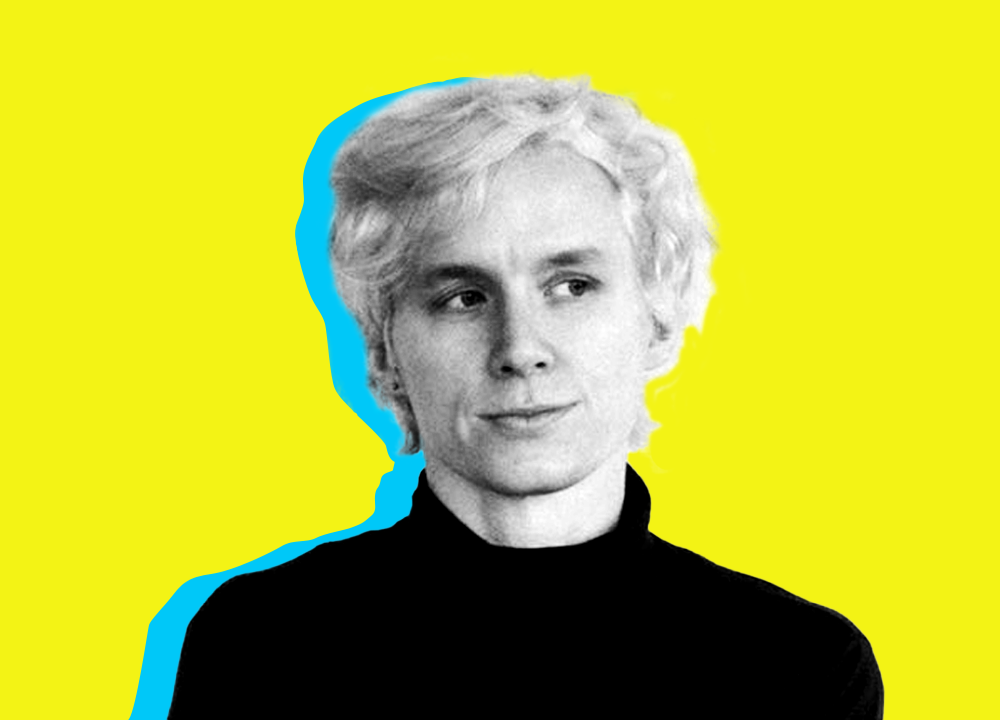
Artist Adam Himebauch on creating narratives.
Mar 10, 202501:08:39Tap to summarizeA black and white, grainy, midshot photo of Artist Adam Himebauch looking to the right. He is wearing a black turtleneck. The background is bright yellow and theres a neon blue shadown behind him For Season 8, our first guest is Adam Himebauch, a multi-media artist in NYC. Adam is one of my favorite contemporary artists in performance and fine art. He was recently profiled in the New York Times. You can easily spend hours down the Himebauch rabbit hole — which is pure fun, meta, and is multi-dimensional. The best way to describe Adam is “But wait, there’s more.” With each new body of work, Adam delivers an entirely different performance. Adam is constantly evolving his art, as well as himself. Making you question which one is the real artwork.Adam talks about pushing boundaries in art, reviving 80's amusement park rides, the future of art being grounded in human experiences over AI, and going from grief to gratitude.
Transcribe →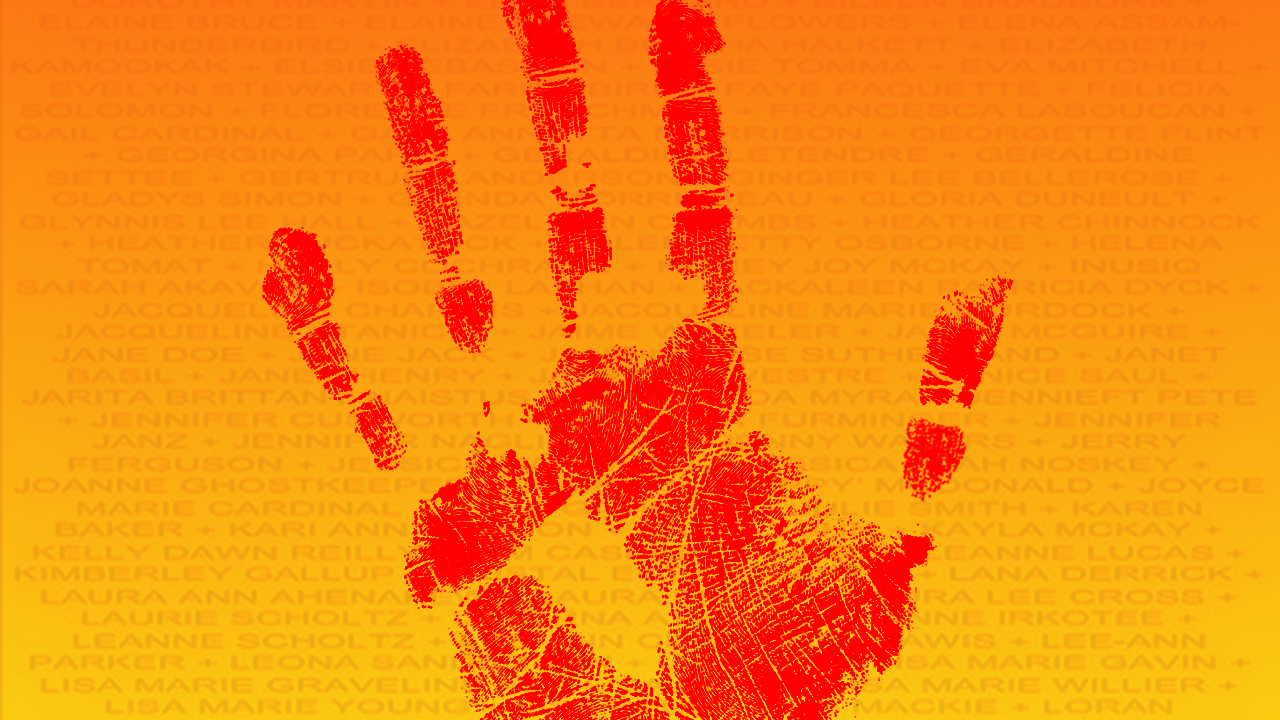
Episode 2. From Silence to Action: How Indigenous Data Gathering is Giving A Voice to Missing and Murdered Indigenous Women.
May 5, 202302:32:38Tap to summarizeThis is the Second Episode in our Missing and Murdered Indigenous Womxn Series. This podcast is focused on data and what Indigenous activists are doing to help humanize MMIW data. At the end of the day, data is a collection of stories. Stories about individuals, events, and places. Providing a window into the lives of Missing and Murdered Indigenous People. When it comes to data gathering, a difference exists between the Indigenous and the Western approach. The approaches can have a vast effect on bringing relatives home. On the episode, we’ll hear from people working to decolonize data. As well as how activists are using Tik Tok to create awareness about the crisis and avoid being censored. Stories determine what percentage of cases are solved by authorities. Or in most cases, not solved. Missing person searches and murder investigations often depend on how well they are tracked and logged by various authority groups. Since 2016 there have been 5,712 reported Missing and Murdered Indigenous People cases. Out of those, only a tiny number — 116 have been opened by the U.S. Department of Justice for investigation. Even when reports are filed, racism still plays a factor in the cases pursued by the authorities. On the show you will hear from Navajo Nation Council Delegate Amber Crotty. Delegate Crotty spoke about decolonizing data and how the MMIW crisis is affecting the largest reservation in the US. Annita Lucchesi who is the Founder and Director of Research and Outreach at Sovereign Bodies Institute shared how she put together the first MMIW database in the US. Meghan Leinhauser spoke about Instagram, Tik Tok, and Censorship. Meghan is an ally who recently published an honors thesis at the University of Dayton. It’s titled “TikTok and the Missing and Murdered Indigenous Women, Girls, and Two-Spirit People Movement.” Liz Marin who is the Program Director of Seeding Sovereignty spoke about how Instagram censored her posts on May 5, 2021 which is the National Day of Awareness of MMIW. Dr. Charlene Aqpik Apok joined the discussion from Alaska to talk about her work decolonizing data as the Executive Director and Founder of Data for Indigenous Justice. An Alaskan Native and Womxn led non-profit which is home to a database for missing and murdered Indigenous womxn, girls and relatives data. Many thanks to everyone for amplifying awareness around the MMIW crisis and indigenous data gathering. The stories are powerful and I am so grateful to Melissa Spence who was the Producer and Editor on the series. It would not exist without her care and meticulous attention to detail. Thank you to Patrick for setting up the interview with Amber Crotty. Please listen, please share, and please care.
Transcribe →
Kae Burke: Co-Founder of House Of Yes on building inclusive culture.
Dec 1, 202200:31:25Tap to summarizeOn the show, Kae also talks about launching her creative agency Yes Etc Creative, and how she finds inspiration.
Transcribe →
Episode 1. The History, Trauma, and Tragedy of Missing and Murdered Indigenous Womxn.
Nov 2, 202200:50:16Tap to summarizeThe goal of the series is to amplify Indigenous Voices and create a broader MMIWR awareness in the mainstream media.This MMIW series features the voices of Indigenous survivors, relatives, state patrol, tribal law enforcement, sexual assault coalition directors, senators, lawyers advocating for tribal sovereignty, environmentalists, and many more voices impacted by the MMIW crisis.These episodes would not be possible without Melissa Spence who is a talented Audio Producer and Voice-over artist. I am forever grateful to Melissa for her talent, friendship, and knowledge.An Anishinaabe Ojibway, Melissa is enrolled in Lake Manitoba First Nation of Canada. She is the Co-host of the Indigenous Vision Podcast alongside Souta Callinglast who is Blackfoot. You can listen to their show here.The introduction features the “Strong Woman” song performed by Nicole Matthews, Guadalupe Lopez, and Angelica Allery. Nicole is the Executive Director of The Minnesota Indian Women’s Sexual Assault Coalition and Angelica is the Membership and Outreach Coordinator. Guadalupe is the Executive Director of Violence Free Minnesota. The song is a part of Nicole’s Tedx talk ”How Indigenous Values Can Help Sexual Violence Victims Heal.” Thank you to the women for sharing the powerful performance with the podcast.The voices featured in the first episode are:Mary Katherine Nagle Attorney specializing in tribal sovereignty of Native Nations and Peoples. She is also one of the country's most-produced Native American Playwrights. Mary is also the Executive Director of the Yale Indigenous Performing Arts Program.Mary Kunesh As a Minnesota Senator, she created the MMIWG Task Force to assess and recommend solutions to the crisis in the state. Mary also developed a report on MMIW with mandates to the Minnesota legislature. Mary is a founding member of the Native American and People of Color & Indigenous (POCI) caucuses.Amber Crotty A Council Delegate of the Navajo Nation (one of the largest Indian reservations in the US) spoke about the MMIWR crisis happening on the land. The Navajo Nation Council is currently considering legislation that would establish a task force to address the crisis of Missing and Murdered Indigenous People.
Transcribe →
Y-Vonne Hutchinson: The Author talks race, inequality, tourism, and securing our future.
Jul 12, 202200:54:52Tap to summarizeY-Vonne Hutchinson is an Author, former international human rights lawyer, and Silicon Valley serial entrepreneur. She is the CEO and Founder of ReadySet, a diversity and inclusion training firm that helps tech giants, political leaders, media outlets, and Fortune 500 companies speak more productively about racism and turn talk into action. Y-Vonne also hosts a podcast called Time To Act about Diversity and Inclusion. On the show, we talk about her latest book HOW TO TALK TO YOUR BOSS ABOUT RACE: Speaking Up Without Getting Shut Down. This episode is a conversation on race, inequality, and how race is fluid. A candid discussion from a global perspective that leaves the viewer with concrete advice that they can use in their work life. Part memoir, part actionable guidebook, this book equips employees with a framework to think about race at work, prepares them to have frank and effective conversations with more powerful leaders, helps them center marginalized perspectives, and explains how to leverage power dynamics to get results while navigating backlash and gaslighting.
Transcribe →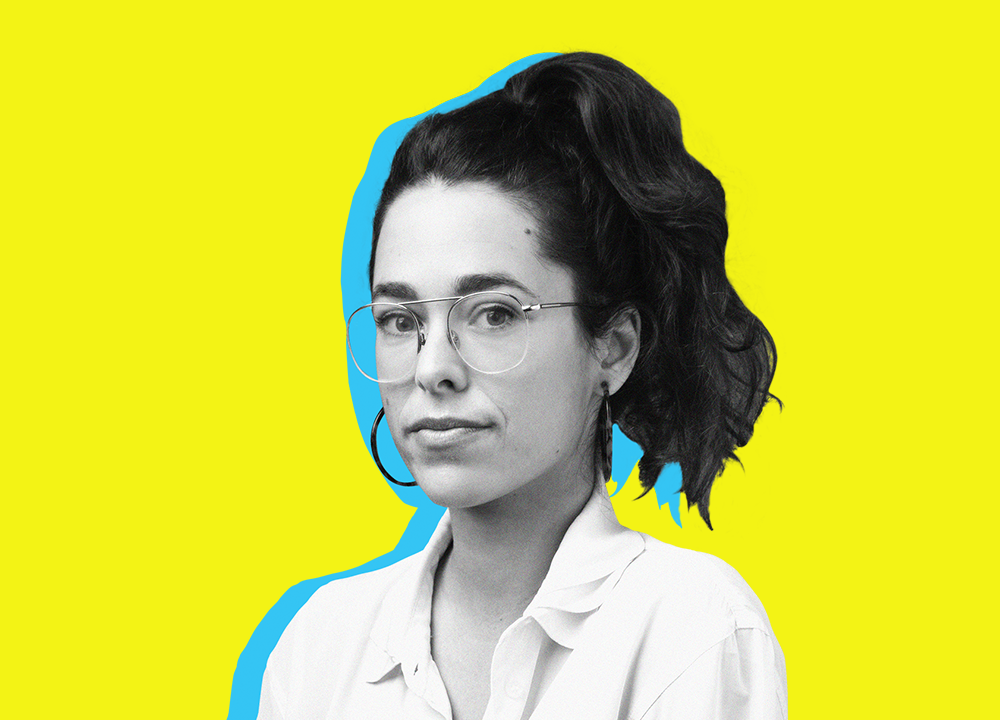
Alexandra Fine: Co-Founder of Dame Products on sexual wellness and taking the MTA to court over ad censorship.
Mar 9, 202200:45:37Tap to summarizeAlexandra talks about sexual wellness, closing the pleasure gap, non-binary perspectives, and Dame’s three-year-long court battle against the Metropolitan Transportation Authority. Their historic triumph over the MTA validates both the existence of the woman-owned company as well as of female pleasure and wellness. This is also a giant win for free speech and anti-censorship.
Transcribe →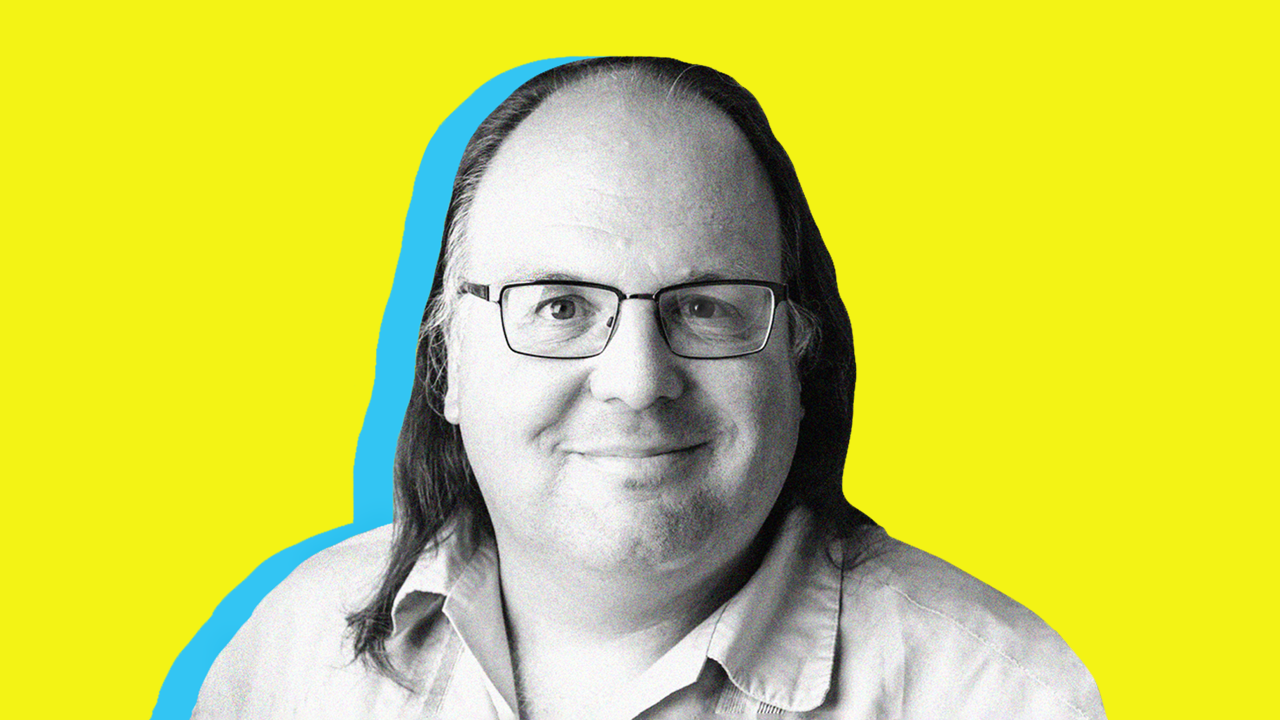
Ethan Zuckerman: Talks Metaverse, building a better internet, and the power of local communities.
Feb 2, 202200:53:44Tap to summarizeEthan Zuckerman is a Professor at the UMass Amherst. On the show, Ethan talks about the Metaverse, trust, Facebook vs Apple, making the Metaverse a safe space, governance of online spaces, data ownership, what the biggest piece missing from the Metaverse conversation is, Omar Wasow and Black Planet, and technical barriers when it comes to storytelling access on various platforms.
Transcribe →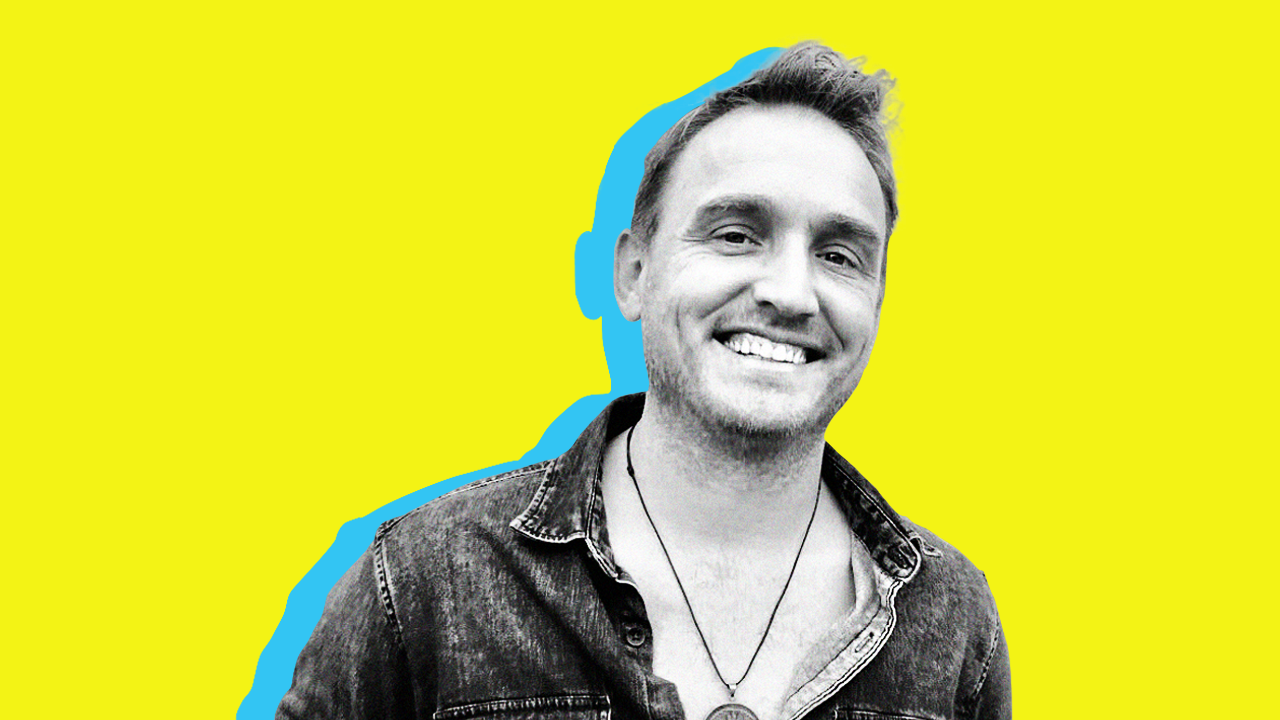
Ben Curtis: On being a Creation Coach, the Dell Dude, and going after your dreams with abandon.
Jan 1, 202201:10:16Tap to summarizeBen Curtis is a magician, award-winning actor, musician, and public speaker. He is also a Creation Coach helping people actualize their dreams. You probably recognize Ben as the iconic "The Dell Dude” from the Dell commercials in the early 2000s. Dell recently brought him back to kick off a new campaign and we caught up. Ben lives in Williamsburg, Brooklyn and we talk about being neighbors.
Transcribe →
Alina Zavatsky: Founder of Vegan Runner Eats on veganism and body positivity.
Dec 7, 202100:58:13Tap to summarizeAlina Zavatsky is a vegan mom, runner, three-time marathoner, weightlifter, and champion of a whole-food, plant-based diet. Alina runs an awesome blog called Vegan Runner Eats and I really love her newsletter. It's filled with useful information for anyone interested in veganism, an active lifestyle, and tips on raising a vegan family. Alina was born in Uzbekistan – a country that used to be a part of the Soviet Union so it was interesting to speak with her about our shared experience of living in that part of the world. We talked about social media, body positivity, staying fit, and raising vegan children.
Transcribe →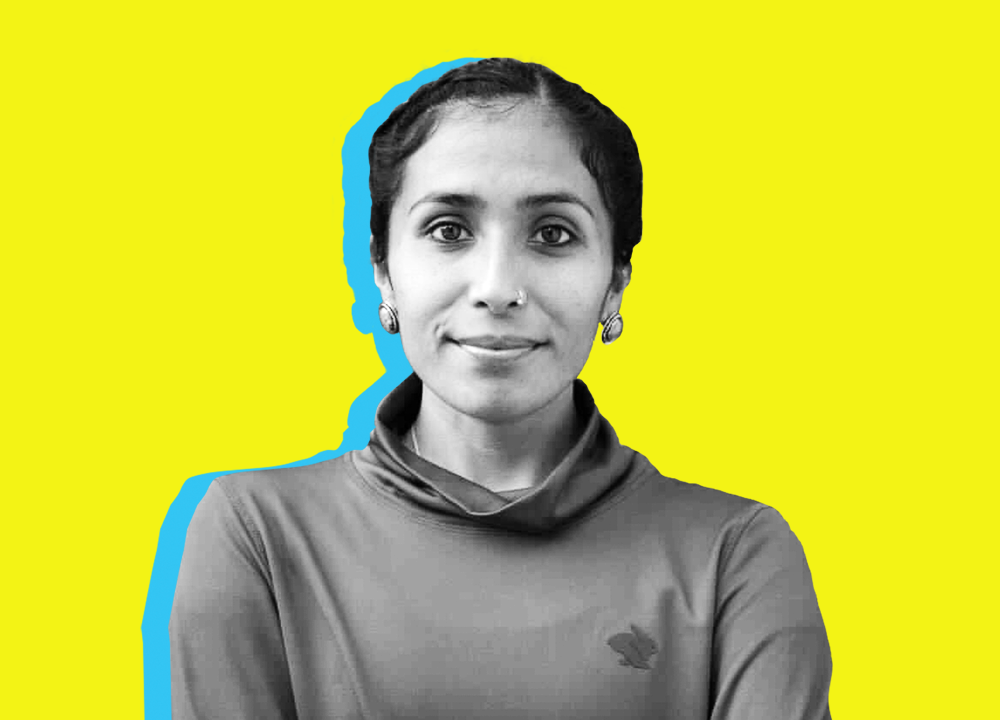
Jordan Marie Daniel: Professional runner and Activist bringing attention to the Missing Murdered Indigenous Womxn crisis.
Nov 3, 202100:45:32Tap to summarizeJordan Marie Daniel is a Lakota professional runner and Activist raising awareness about Missing and Murdered Indigenous Womxn, girls, two-spirits, and relatives. Through her running, Jordan is representing Indigenous athletes and relatives, and the BIPOC community. She is an advocate for diversity, inclusivity, and justice for Indigenous, Black, Brown folx within these spaces.She is the Founder of Rising Hearts which was born out of Standing Rock and the fight against the Dakota Access Pipeline. She is also a producer on the film The Sacred And The Snake. Following three Water Protectors – Lauren, Cheryl, and Olive – through their transformative experiences at Standing Rock and beyond.On the show, we talk about her experience of moving to DC to be an advocate for Indigenous people. We also talk running, running through pregnancy, and MMIW. Jordan is holding a run to honor MMIW on May 5 which is the day honoring MMIW. You can learn more about it by following her insta. I’ll run it and I hope you’ll join us as well. Don’t forget to follow the podcast on Instagram @dreamnationlove and sign up for the Love Letter a newsletter from Dream Nation Love. The link for that is on the insta and the website as well. The site is www.dreamnation.io
Transcribe →