← Ear Hustle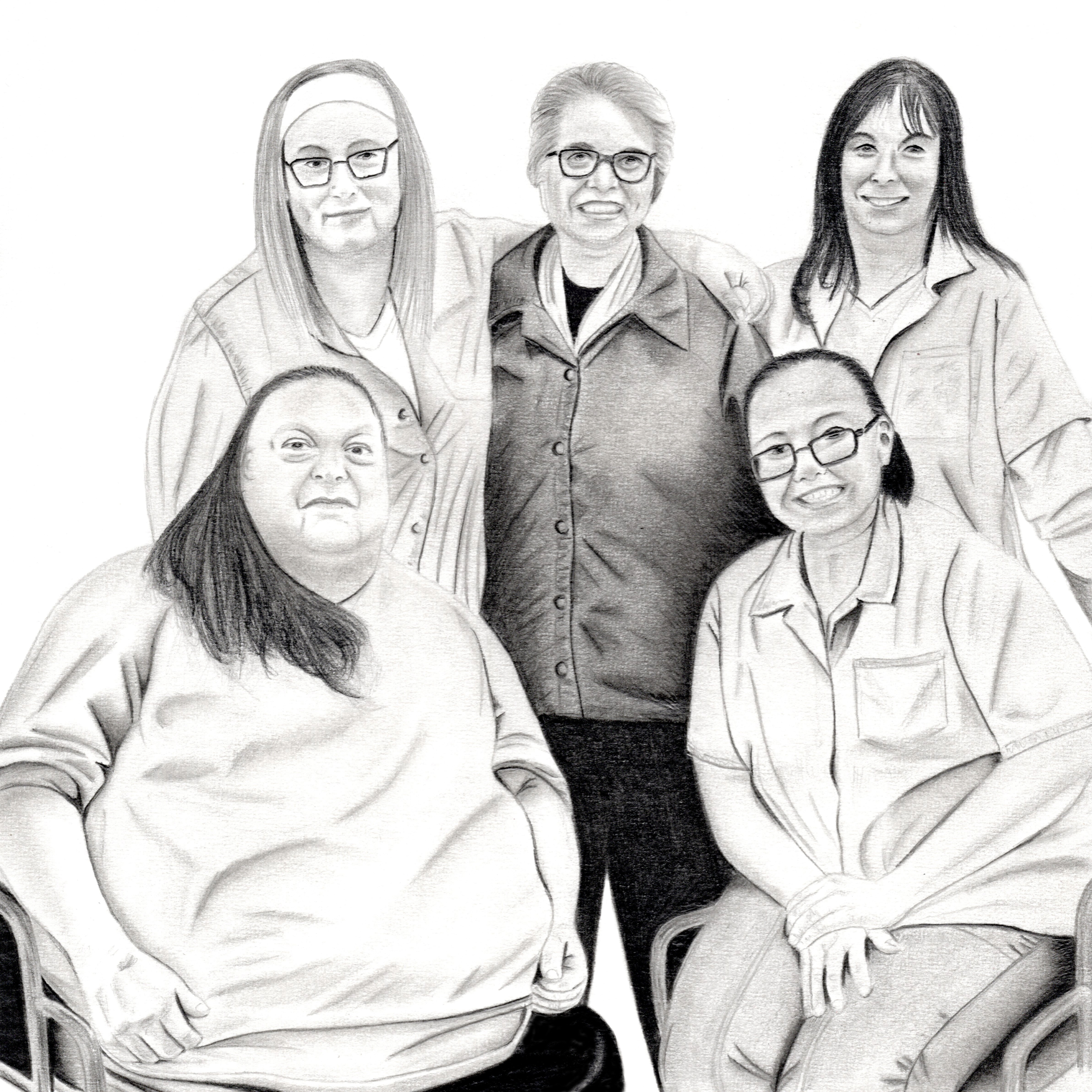
Loading summary
Transcript384 lines
- [00:01]
Nigel Poor
A lot of short daily news podcasts focus on just one story, but right now you probably need more on. Up first from NPR, we bring you three of the world's top headlines every day in under 15 minutes. Because no one story can capture all that's happening in this big crazy world of ours on any given morning. Listen now to the Upverse podcast from npr.
- [00:25]
Earlonne Woods
This episode of Ear Hustle is brought to you by Progressive Insurance.
- [00:29]
Cynthia
You chose to hit play on this podcast today. Smart Choice. Make another smart choice with Auto Quote Explorer to compare rates from multiple car insurance companies all at once. Try it@progressive.com Progressive Casualty Insurance Company and affiliates not available in all states or situations. Prices vary based on how you buy.
- [00:51]
Earlonne Woods
We're going to be traveling quite a bit this year, Earlonne.
- [00:54]
Cynthia
Yep, another trip out east and we'll be hitting the road later this summer.
- [00:59]
Earlonne Woods
I know. Life Tour. Very exciting road trip. So that means I've got some shopping to do. But actually, did you notice the sweater I'm wearing today?
- [01:07]
Cynthia
Yes, it's one of your new Quint sweaters.
- [01:09]
Earlonne Woods
Exactly. I love it and it's perfect for right now. But I could use some summer gear, too, Earlonne. You know, like some lightweight pants and tops. And Quince has me covered there.
- [01:19]
Cynthia
And the best part, all Quince Items are priced 50 to 80% less than similar brands.
- [01:24]
Earlonne Woods
By partnering directly with top factories, Quince cuts out the cost of the middleman and passes the savings onto us.
- [01:31]
Cynthia
Quince only work with factories that use safe, ethical and responsible manufacturing practices with the best fabrics and finishes.
- [01:38]
Earlonne Woods
I love that. And did you know that Quince also makes suitcases?
- [01:42]
Cynthia
Yes, I do.
- [01:42]
Earlonne Woods
You do know that. Okay, then you probably know that I have my eye on the 27 inch bag that they make. It comes in this beautiful color, green. Because I travel with a lot of clothes and Quince is making the perfect suitcase for me.
- [01:55]
Cynthia
Okay, I'm looking at the wine color one. How that sound?
- [01:57]
Earlonne Woods
Ooh, I like that. Yeah, that sounds good.
- [01:59]
Cynthia
It's gonna look like a glass of wine.
- [02:01]
Earlonne Woods
Swanky. For your next trip, treat yourself to the luxe upgrades you deserve from quince. Go to quince.earhustle for 365 day returns plus free shipping on your order.
- [02:14]
Cynthia
That's Q U I n c e.com earhustle to get free shipping and 365 day returns.
- [02:22]
Earlonne Woods
Quince.com ear hustle.
- [02:32]
Mike Farrell
Hi, my name is Mike Farrell.
- [02:34]
Earlonne Woods
I'm the president of the board of directors of Death Penalty Focus and Abolition Organization. The following episode of Ear Hustle Contains.
- [02:41]
Bubbles
Language and content that may not be.
- [02:43]
Earlonne Woods
Appropriate for all listeners. There's also a brief mention of suicide. Listener discretion is advised.
- [02:59]
Mike Farrell
We have Ming. She has a very distinctive smile, like a Bugs Bunny ish in a wheelchair. She's short, five two, she's Asian, very nice dimples. Then there's Cynthia. Cynthia's got, like, mahogany hair, very nice smile, pretty eyes, very curvy.
- [03:29]
Cynthia
I like this.
- [03:30]
Earlonne Woods
Why?
- [03:31]
Cynthia
Because she's doing our job for us.
- [03:33]
Earlonne Woods
Yeah, well, I mean, these women have known each other for a long time, so it's cool to hear how they describe each other.
- [03:39]
Cynthia
The woman we just heard from, her name's Bubbles. And she was kind of the cut up, the class clown, the joker of the bunch.
- [03:49]
Mike Farrell
Okay, then there's Jess. How tall are you? About six, four. She wears glasses, rosy cheeks. Cora, chorus. She's got like a stripper's thing going on.
- [04:07]
Bubbles
Jesus is watching you, Bubbles.
- [04:12]
Nigel Poor
Very ladylike.
- [04:14]
Earlonne Woods
I'm scandalized to hear you described as a stripper.
- [04:17]
Jessica
Why don't you.
- [04:21]
Earlonne Woods
Earlonne, do you remember Cora? She was so proper. She reminded me of anybody's great aunt. Like, you know, she would have white gloves on, a little patent leather purse sitting in the church pew.
- [04:32]
Cynthia
A very good example would be the Golden Girls.
- [04:37]
Earlonne Woods
She was nothing. Stripper. There was nothing stripper.
- [04:40]
Cynthia
Nothing. Next up, Cora introduced Bubbles.
- [04:46]
Bubbles
I'm gonna describe Bubbles personality. Whenever any of us was feeling down and out, she was the first one there, bringing you something to eat, something to give you comfort, to give you a hug, and to wrap you in her arms and tell you it was gonna be okay.
- [05:08]
Nigel Poor
In her voluptuous figure.
- [05:14]
Earlonne Woods
How would you describe Bubbles?
- [05:17]
Cynthia
I would describe Bubbles as a big sparkling bubble.
- [05:24]
Earlonne Woods
Yeah, it suits her. So we're really grateful that you said yes to this. We keep calling it death row, but do you call it condemned?
- [05:32]
Nigel Poor
Condemned.
- [05:32]
Earlonne Woods
Condemned. Or the row or the row?
- [05:34]
Bubbles
We call it the row.
- [05:39]
Cynthia
And that's who we're hanging out with today, the women of California's death row.
- [05:44]
Earlonne Woods
That's right. In the last episode, we met men at San Quentin who spent decades on death row there. This time we're talking to the women.
- [05:52]
Cynthia
And just like the guys, these women have recently been moved out of the death row housing unit that they were.
- [05:57]
Earlonne Woods
In in ccwf, the Central California Women's Facility.
- [06:01]
Cynthia
And they've joined the mainline prison population. It's been a shift, though, I think. Not in the ways that you'd expect.
- [06:09]
Earlonne Woods
Definitely not. I'm Nigel Poor.
- [06:11]
Cynthia
I'm Earlonne woods. And this is ear hustle from PRX's Radiotopia.
- [06:24]
Nigel Poor
My first three years after I received the death penalty, I got sent to Orange County. They had no idea what to do with me because I was the first woman, so they had no clue.
- [06:34]
Earlonne Woods
This is Cynthia. Most people call her Cindy. Cindy was the first woman in California to be given the death sentence after the death penalty was reinstated in 1978.
- [06:46]
Cynthia
By the time she got to CCWF, there were two more women on the row.
- [06:53]
Nigel Poor
We got to watch it slowly progress up from us that were here first onto the rest of them that came. So we watched a cage grow. Like, when I was first there. It really was a tiny little dog run. And there was just a few of us in the beginning of the cage. And then as more people came, they started to expand it.
- [07:16]
Earlonne Woods
So we should probably explain what death row looked like. You know this cage that Cindy's talking about.
- [07:22]
Cynthia
Yeah. Cause it was totally different than where the men lived at in San Quentin. At San Quentin, death row was his own building, separate from the rest of the population, and it hides housed about 600 to 700 condemned men.
- [07:34]
Earlonne Woods
Death row at CCWF housed only about 25 women. That was the total population of condemned women in California. So they didn't have their own building like the condemned men at san Quentin did. CCWF's death row was situated in a larger housing unit, and we weren't able to see it, but it sounds like it was separated from the rest of the unit by a metal fence. That's what Cindy was calling a cage.
- [08:02]
Cynthia
Here's man Ling. She arrived on the road in 2012.
- [08:08]
Manling
First receiving my sentence.
- [08:11]
Kathy
I was.
- [08:14]
Manling
Sorry to say, but I was suicidal. And so when I first arrived at the row, I didn't know what to expect.
- [08:25]
Kathy
I was scared.
- [08:26]
Manling
I was apprehensive.
- [08:30]
Kathy
My neighbor calls and goes, hey, new girl. I'm like, yeah. She's like, I'm part of the row. I wanted to welcome you. That bag on your desk that you see, that was from all of us. We didn't know what you needed, so we just gave you a little bit of everything. I was like, okay, thank you. I went and looked through. It was bowls, paper, pens, pencils, a stinger, utensils. Tupperware. They also gave me little snacks, like little chocolates, a pack of meat. I started tearing up because I did not expect something so kind, so generous from a place that had that kind of stigma on it.
- [09:31]
Earlonne Woods
Did you see the bag there? Or did you not note it until they said, there's a bag there for you?
- [09:35]
Kathy
I Didn't note it because I was so in my head that I'm here on the row.
- [09:43]
Earlonne Woods
Yeah.
- [09:44]
Kathy
I was resigning myself to, you know, be in the cell for the rest of my life.
- [09:55]
Manling
That first night there, I had a friend who lived two doors down from me that I was in county with, and she called over and said, ling, if you need anything, let me know, even if it's just to talk all night with you. And so that first night was comforting to me because of her. She was able to calm me down enough that I was able to get a little bit of sleep that night.
- [10:25]
Earlonne Woods
Do you remember, did you do most of the talking or did she.
- [10:28]
Kathy
She did.
- [10:29]
Manling
She did.
- [10:32]
Earlonne Woods
The first two weeks after arriving on the row, the women had to be in their cells, like, 24 7.
- [10:39]
Cynthia
Yeah, that's the window where the prisoners assessing whether you would be at risk, you know, if they let you out your CE to do what they call program.
- [10:46]
Earlonne Woods
Right. And usually when we talk about programming in prison, we mean like the groups and activities and classes, you know, all that stuff that people do. But when you're on death row, program really is basically just the time you get to come out of your cell.
- [11:01]
Manling
I was found suitable to be able to come out and program. And the first person I met was Bubbles. She and one other person on the row played a joke on me, was holding hands, came over, and the other person drew a fake beard, a mustache on her, and said, oh, we're husband and wife. Just wanted to welcome you to the row. Like, okay, I'm gonna stay away from them. Turns out she's one of the best people you could ever meet. She started, little by little, pulling me out of my shell, talking to me. More would sit out with me.
- [11:47]
Kathy
We'd play cards, we'd watch TV for.
- [11:51]
Manling
However long she had to sit with me. She sat with me.
- [11:55]
Bubbles
It was very traumatic going into an unknown situation.
- [12:01]
Earlonne Woods
Cora's the one you called a golden girl.
- [12:03]
Cynthia
Yeah. Not a stripper.
- [12:04]
Earlonne Woods
Mm. Mm.
- [12:06]
Bubbles
Are people gonna like you? Are people going to dislike you because of your case? How much of the information that was out there do they know when you walk in? Is there a preconceived idea?
- [12:20]
Cynthia
And does that happen? People dislike you because of your case?
- [12:25]
Bubbles
They never came to my face and told me. I didn't like discussing that aspect of anybody.
- [12:33]
Earlonne Woods
Was that a big topic, why people were there?
- [12:37]
Bubbles
I wouldn't say it was a big topic, but, I mean, human beings are curious.
- [12:42]
Cynthia
Sometimes they'd be watching TV, like, you know, in a day room, and one of Those true crime shows would come on.
- [12:49]
Mike Farrell
They have the true crime channel. A lot of us pop up on that. And you could hear the whispers or whatever. I mean, it is what it is.
- [12:57]
Nigel Poor
I happened to be going through the channels and I caught the last five minutes of the one that was about me.
- [13:02]
Cynthia
Again, this is Cindy.
- [13:05]
Earlonne Woods
How quickly did you realize it was about you?
- [13:07]
Nigel Poor
Um, pretty quickly. And it's really hard because the whole time you're looking at it, you're thinking, who are they talking about? That's not my case. That's not me. And then they just switch it all up. I always say, my crime is bad enough. You don't need to add anything extra than just know that other people have seen that. Nobody may say anything to you, but you know they've seen it because so many people watch those stations. After I saw it, it took me a minute not to be looking around to see if people were staring at me.
- [13:47]
Earlonne Woods
Why do you think it's so fascinating to people?
- [13:48]
Nigel Poor
It's the same reason why I feel like people here look at people a certain way. It's because it makes them feel better about themselves. You can say, oh, my case wasn't so bad. Look at theirs. Look at them. See them. Because you hear it. It's not just I think it. You hear people say it. I think it's the same thing with people when they like these shows. Maybe it makes them feel better about their lives.
- [14:13]
Cynthia
I was just curious, did the actress look like you?
- [14:16]
Earlonne Woods
No.
- [14:17]
Nigel Poor
They didn't even pick a good looking person. I was like, God, could you not pick somebody that was a lot prettier than me, you know, to have done it? Because sometimes you'll see them and they'll have the most beautiful people playing people. And I'm like, couldn't you have done that.
- [14:35]
Earlonne Woods
Earlonne? I gotta say, I actually get what she's saying. I mean, you're not happy. You're on tv, they're talking about your crime, and yet you still care who plays you because for some reason you still want to look good.
- [14:48]
Cynthia
Yeah, you definitely do. You don't want to be on there all disheveled nothing.
- [14:53]
Earlonne Woods
Who would you want to represent you?
- [14:54]
Cynthia
Morgan Freeman.
- [14:56]
Bubbles
A little old.
- [14:57]
Cynthia
A little old for you, Ice Cube?
- [15:00]
Earlonne Woods
Okay, all right, I can see that. You know what's really interesting to me, though, is that even inside prison, people are fascinated by death row and people's crimes, right?
- [15:09]
Cynthia
I mean, you know, you hear someone has been sentenced to death, you want to know what they did just on strength.
- [15:15]
Earlonne Woods
And I think when it Comes down to it, when it's women, there's just this kind of extra fascination. And I hate to admit it, but I noted, even on our team, we were way more curious about what got these women to death row, whereas we don't really discuss it when we talk about the men.
- [15:32]
Cynthia
Yeah, well, we said it before. You know, it's really rare for women to commit crimes that would get them on death row.
- [15:39]
Earlonne Woods
Yeah. And so it piques your curiosity in a certain kind of way.
- [15:43]
Cynthia
Cindy says a lot of the incarcerated women assume that she and the other condemned ladies were there because they had harmed children.
- [15:52]
Nigel Poor
The misconception for a lot of people was that we were all there for child cases. So you would be walking across the yard and, you know, and people would be screaming terrible things at you. And I got to a point one time when it was happening, and I just stopped dead. And I yelled back to him, you know, you got the wrong case. That's not me. We're not all the same. Sometimes you can only just take so much, the ridicule, the things like that. Another thing that was really hard for us was when we would come to visiting. The difference was, is we were locked in those tiny little rooms.
- [16:22]
Cynthia
Cindy's talking about how whenever she or another woman on death row received a visit from a family member or a lawyer, they were put in these special rooms inside the main visiting room.
- [16:33]
Earlonne Woods
Yeah, they were like, you know, almost like a closet. But the door had a glass panel on it so everybody could peek in and try to get a look at these women.
- [16:42]
Nigel Poor
And we couldn't come out of those rooms. We couldn't do anything. So you're like, who's the puppy in the window? Everybody walking by staring at you, gawking at you. They didn't realize we can hear inside those rooms. You could hear what people were saying about you. Oh, dead man walking. You know, things like that.
- [17:02]
Cynthia
Over time, this group of women formed a pretty serious bond.
- [17:08]
Mike Farrell
We created a family.
- [17:10]
Earlonne Woods
Here's Bubbles again.
- [17:12]
Mike Farrell
You know, there was so few of. I mean, there was a total of what, 23, 24 of us. It was like a dysfunctional family. But when push came to shove, we were united. Somebody's family member passed away. They were sick. Somebody was going through cancer. We were like glue. So it was what you made of it. And I was blessed to be there and grow and heal with those people.
- [17:42]
Nigel Poor
When people are sick, everybody had, like, their own different thing that they would do. One person might be a person who cooked something. I would go in and clean the Room. Each person, like, had like their thing that they did to try to help other people.
- [17:57]
Bubbles
I might add to that Cindy was our exercise. Jane Fonda. And if it hadn't been for Cindy and one of the other girls that I lived with who encouraged me to this day, I probably would be in a wheelchair. We got up every single morning for the 20, well, at least 21 years that I was there. And we exercised together. I would get the look if I came out in my getting ready to go take a shower. We would put on like a house dress. And the look was. And what do you think you're doing?
- [18:34]
Mike Farrell
She even had me do a Richard Simmons, by the way.
- [18:37]
Cynthia
Oh, splendid.
- [18:38]
Earlonne Woods
The oldies, Richard Simmons. I mean, Earlonne. The vibe there was so different from what we saw with the men at St. Quentin's death row.
- [18:48]
Cynthia
Yeah. You know, those guys were describing a really somber, you know, sometime violent place on the women's death row. I don't think it was like that at all.
- [18:57]
Mike Farrell
Our row. It's not what most people think of. It looks scary from the outside because it literally looks like a big chicken coop. But it has all the rooms. Rooms open up. You step directly into the day room and in that day room you had a library. Inside of there you had a hairdresser. We had an ironing board. We had an ironing. We had a tv, we had a vcr. We had phones, we had washer, dryer. The only thing we did not have were groups. We were offered no self help groups because why waste money?
- [19:32]
Cynthia
This was true of San Quentin too. If you're part of the general prison population, you can take college courses, run marathons.
- [19:39]
Earlonne Woods
Yeah. Perform in a Shakespeare play. There's na, aa, all kinds of self help groups.
- [19:44]
Cynthia
People on death row, they got none of that because the feeling was, why waste money on these people who are going to die anyway, right?
- [19:52]
Earlonne Woods
And for a long time, that's exactly what it was like at ccwf. Women had nothing to do, really. So they had to come up with their own forms of entertainment.
- [20:02]
Bubbles
The back of where we're at, it's the trees and it's wildlife. And they come in because the door to the back, there's a big gap.
- [20:15]
Mike Farrell
We had a sidewinder that came in, right. Celeste was in the shower showering with it. There's a snake in there.
- [20:24]
Jessica
I had little Kermit. There's a little tree frog.
- [20:27]
Manling
Little baby bunnies would come, hop into the building. Officers have to go running after them and corralling them and throwing them back outside.
- [20:39]
Mike Farrell
Larry Was about the sight. When I got him, he was about the size of maybe a dime.
- [20:45]
Cynthia
Bubbles had a tree frog named Larry.
- [20:48]
Mike Farrell
Oh, he was so tiny. And he had this great big plastic tub that we turned in his little habitat. I loved him, I adored him. But oh God, he was a savage when he'd eat.
- [21:00]
Nigel Poor
Yeah.
- [21:00]
Mike Farrell
Oh my God.
- [21:01]
Earlonne Woods
What did you feed him?
- [21:03]
Mike Farrell
Spiders, Any kind of bugs. But there was a spider that we put in there. Cindy had brought him in bigger than what Larry was. We're like, oh, no, he's not gonna be able to eat this. So I'm too afraid of spiders.
- [21:14]
Manling
So I'm like, jeez, come on, who has true arachnophobia?
- [21:18]
Mike Farrell
I'm like, you gotta get.
- [21:19]
Manling
I was like, no, it's gonna kill Larry. It's gonna.
- [21:22]
Mike Farrell
So she takes a pencil, gives me a pencil, and she's chasing the spider. The spider's running from her. Larry's like, hey, what are you doing here? Grab that thing and inhaled it. All you see is a spider, the legs going like this.
- [21:35]
Manling
I think both of us and Unison.
- [21:37]
Earlonne Woods
Were like, wow, what happened to Larry?
- [21:41]
Mike Farrell
Oh, during a room search, they check in. I was devastated.
- [21:46]
Nigel Poor
It's like a comfort. These animals become a lot to them because of the fact that, you know, you don't have anything to love. And so you get those little animals and they become your little world, just like people have there in the free world. You have your support animals, your comfort animals. And in a way, for people in prison, I think that's kind of what the animals are for.
- [22:08]
Earlonne Woods
Some people, the women of death row had this really nurturing way, both with the animals and with each other. But they also had this very goofy side, like they were super into their hijinks.
- [22:22]
Mike Farrell
We would pull pranks on each other.
- [22:24]
Jessica
So for several years, someone liked to put post its on poor Mickey's back.
- [22:33]
Cynthia
This is Jessica, the one who bubbles claimed was 6 4.
- [22:38]
Earlonne Woods
And she's talking about another condemned woman named Mickey. Mickey wasn't there for her first visit, but it was clear that everybody loved her. She was like the heart of the condemned Roe family.
- [22:50]
Jessica
Now, Mickey, I want to paint the scene. Cause Mickey is a much older, 73ish lady playing rummy. So she's playing with Kathy, sometimes with Cindy. Sometimes I would get to sit in and then Bubbles would be right behind her and she'd be scribbling on a post it and would stick it on her back. So one day I was sitting at the table. I think Cindy was cleaning a room.
- [23:17]
Mike Farrell
No, but what happened before that? What Led you to be protective was Nikki went out on a. She had to leave the cage to go see the nurse. And on her back had a post that said, my milkshake brings all the boys to the yard. So what did it say?
- [23:30]
Jessica
My milkshake bring all the boys to the yard. So I was very offended because Mickey. I love Mickey to death. And so when Mickey got back and she was a little upset a little bit later on, when everyone calmed down, I sat with them. I said, here's what we're gonna do. Get some paper out. Bubbles is sitting there. And I just kind of leaned back and put it on her wheelchair.
- [23:55]
Mike Farrell
Oh.
- [23:56]
Earlonne Woods
And just.
- [23:57]
Mike Farrell
I kept seeing staff and people walking by going, honk, honk, honk. And I'm like, what's going on?
- [24:02]
Jessica
It said, honk if you like big girls.
- [24:04]
Mike Farrell
Oh, dude.
- [24:06]
Jessica
And every time it offs, for the rest of the day, all she would hear is, honk, honk.
- [24:13]
Earlonne Woods
How did you feel about that?
- [24:15]
Mike Farrell
I expected it, man.
- [24:20]
Cynthia
Another story they all wanted to tell involved Cathy. People said Mickey was the heart of Death Row, but Kathy was the brain.
- [24:28]
Earlonne Woods
Yeah, she kind of ran the show. And we met her later. And you could totally see why people called her the brain. She was very proper, authoritative, Maybe even just a little bit bossy. And everyone called her mom.
- [24:42]
Mike Farrell
I come out every morning and I would get on the treadmill or the bike or something, and I would listen to music that I like.
- [24:52]
Earlonne Woods
Like what?
- [24:53]
Mike Farrell
I like Alicia Keys. I like a lot of oldies. And Bubbles. I left my CD player on the table to go. Cause I forgot my water.
- [25:04]
Earlonne Woods
While Kathy was getting water, Bubbles took that Alicia Keys CD out of Kathy's player and replaced it with something else.
- [25:12]
Mike Farrell
And I picked up the CD player and this rapper from South Central Los Angeles. I don't know half of what he was saying, but I did get all the curse words. It was Easy E. And I remember the song was Automobile.
- [25:30]
Cynthia
I don't remember that song.
- [25:31]
Mike Farrell
Oh, yeah, pretty bad.
- [25:32]
Earlonne Woods
Okay, we'll find it.
- [25:33]
Mike Farrell
Yeah, really bad.
- [25:35]
Nigel Poor
So he hopped in the back seat.
- [25:36]
Cynthia
You know, man, this bitch rubbing all on my dick.
- [25:38]
Nigel Poor
He's fronting like, she gonna give me the pussy, man.
- [25:40]
Mike Farrell
I got all the genitalia he was talking about. And they thought it was funniest. And I jumped off the treadmill with the treadmill still going.
- [25:50]
Earlonne Woods
Do you remember any of the lyrics that you could recite for us?
- [25:54]
Cynthia
And on the face, like, what?
- [25:56]
Earlonne Woods
No. We asked her if she could say some of the lyrics. And she's like, something like genitalia and swears in genitalia. You don't have to front on me, dear. I'm thinking back to our last episode about the men on San Quentin's death row. And I don't know if listeners will remember, but listening to these women talk and remembering how the guys at San Quentin talked, I mean, they couldn't be more different.
- [26:39]
Cynthia
Yeah, I mean, you know, that episode had a real somber tone to it. You know, it was dark. But I think the difference of the death rows is that San Quentin death row was violent. Like cats up there was killing each other, stabbing each other. It was all kind of shit going on, definitely.
- [26:55]
Earlonne Woods
And honestly, making that episode was painful. And listening back on it was also really difficult. Their suffering was so painful, clear. And doing this interview with the women, there was so much laughter and funny stories they want to tell us. And I know there was hard stuff for them. I mean, there's no doubt, but we just weren't hearing it. I want to start wrapping this up, but I just want to say something, have you react to it. So maybe for the last 30 minutes, you guys have been deeply reminiscing, and mostly with humor and with longing. This is what it appears to somebody who's just listening to you. And it sounds like if I didn't know what you were talking about, I would never guess you were talking about your life together on the row. It sounds very fun. It sounds very loving and supportive, and you clearly all have a lot of positive emotions about it. I wonder what each of you make of that observation, that that's what comes across to a stranger, that when you talk about it, you talk about it with love and what sounds like longing.
- [28:05]
Nigel Poor
Even though being stuck in a cage like that, like we were for so long, we were able to find some sort of. I'll never use the word happiness, because you're not really ever happy in prison, but contentment, companionship, friendships. Friendships that'll last us for the rest of our lives. The family that we have and still have.
- [28:27]
Jessica
I think for me, it's. I don't want to paint any other picture than I'm a human being. Cindy is a human being. Mickey, Kathy, Ling, Belinda, Cora, every one of us that came from back there is a human being. And I want to only talk about the times where we laughed, where we had a joke or we had fun or we. I don't want to talk about bad things. I want people to recognize that we are good human beings that have a relationship, that can build a friendship.
- [29:02]
Earlonne Woods
So it's intentional for you.
- [29:04]
Jessica
For me, I think so, yeah.
- [29:06]
Earlonne Woods
This is a provocative thing to say to you. What if people heard this and said, these people are not taking seriously what they did to get to Death Row? They're laughing.
- [29:16]
Jessica
I've been down 23 years. If you would have talked to me my first year, two years, three years, five years, 10 years, I doubt the conversation is the same.
- [29:28]
Mike Farrell
Being there was what you made of it. It's not to say that we didn't have sorrows, that we didn't go through depression, that we didn't have certain days that were hard to get our head off the pillow, because we all experience that. And that's very real, even today. But it is what you make of it. And if you dwell in that negative spot and that negative thinking, it's going to get you nowhere.
- [29:56]
Earlonne Woods
You know, after we left, I was still. I don't know, this conversation was still really sort of weighing on me. I was trying to understand it and get my mind around again. Just like the laughter and the camaraderie they had. And I couldn't help but think about Steve from our last episode about Death Row at San Quentin and just how different it was for him. He seemed crippled and burdened by his experience on Death Row, but not just his experience, his remorse about his crime, that it was hard to me to imagine him ever, like, laughing and joking around because it was really all about the heaviness of what he had done and what he was living right.
- [30:40]
Cynthia
And I wonder if it has to do, like, with their environment.
- [30:43]
Earlonne Woods
What do you mean?
- [30:44]
Cynthia
Like, Steve was more isolated, you know, in a cell, you know, all day, and they were like in a community type environment.
- [30:52]
Earlonne Woods
Oh.
- [30:52]
Cynthia
So they were able to just chop it up all day, talk about different shit. And then he was just pretty much left to his thoughts.
- [30:58]
Earlonne Woods
Yeah, I can see that. So a couple weeks later, we went back for another visit to CCWF to talk some more. Do you remember the conversation we had towards the end of the interview where I asked everyone or I made the comment about how everyone talks about Death Row with these font or condemned with very fond memories, and there's so much laughing and I was a little bit confused by that. Do you have any other thoughts on that? Because it really is such a striking difference to talk to you women here and then talking to the men at San Quentin about their memories of being on Death Row. And I'm just wondering how listeners are going to hear that. There's so much laughter and so I'm wondering what about some of the harder times or what did you make of the conversation focusing so much on the positive?
- [31:45]
Mike Farrell
For one?
- [31:46]
Nigel Poor
I think the difference of the women's and the men was there were so few of us that we were allowed to program together, which the men never really got that opportunity.
- [31:58]
Kathy
I think it's because of, like I said, the family dynamic that we built here. I don't know how the programming was at San Quentin, but you hear things. And I guess from what I've heard, San Quentin, they're isolated, and so they don't really have the interpersonal connections.
- [32:25]
Earlonne Woods
Yeah. The only thing I keep coming back to is the size, the difference in the size of the places at. That's the only thing I can imagine that, you know, it was only 22 women, and death row is what, at the height? It was like, 700.
- [32:37]
Cynthia
700 or something?
- [32:38]
Kathy
Yeah, yeah. Yep.
- [32:41]
Earlonne Woods
And so dark.
- [32:42]
Kathy
Yeah.
- [32:47]
Earlonne Woods
There's a woman we've heard a couple times so far, but we haven't said much about yet, and that's Jessica. Jessica is a trans woman who also spent time on San Quentin's death row. Can you talk about how the people were on death row at San Quentin when you got there?
- [33:04]
Jessica
They just left me alone. They didn't really say a lot. I was in my own isolated world, literally isolated.
- [33:16]
Cynthia
When Jessica was transferred to CCWF's death row, she says that the women took her in right away. She was one of them.
- [33:25]
Jessica
The inmates were amazing and yelling to me constantly in the holding cell for the week that I was there to get into the cage.
- [33:36]
Earlonne Woods
What were they yelling?
- [33:37]
Jessica
Just like, are you okay? Do you need anything? And you know, me in my own little world, in my own little bubble, I had just had surgery. Not trying to get out of bed much. Just seeing their faces through the cage, through the glass, it was overwhelming, but it was accepting. And that was something I didn't have. It was a little community. Stop. Don't start your stuff.
- [34:06]
Earlonne Woods
Bubbles, what do you think accounts for the difference between the way the incarcerated people at San Quentin treated you and the incarcerated people here treated you?
- [34:15]
Bubbles
I think it's because we were females and we had more empathy.
- [34:20]
Jessica
You know, I was just another girl to join the little fold and join the little family.
- [34:28]
Earlonne Woods
But this world they're describing has really changed.
- [34:32]
Cynthia
Yep. Because over the last few years, the women of death row have had to move out and join the mainline.
- [34:40]
Earlonne Woods
More on that when we come back. Calling out your hustlers.
- [34:59]
Cynthia
We've got an announcement.
- [35:00]
Earlonne Woods
We are hitting the road again.
- [35:03]
Cynthia
That's right. Back in 2023, we had our first live tour on the east and west coast and we had so much fun. We're like, we got to do this again.
- [35:12]
Earlonne Woods
So that's what's happening. Only this time it's really like an old fashioned road show. Kind of like a 70s style rock band. We are renting vans and we are packing so many outfits.
- [35:23]
Cynthia
Earlonne and hitting the road. We'll start out in Nashville on August 4th and we will drive across the south and Midwest, hitting a bunch of cities, hopefully yours.
- [35:34]
Earlonne Woods
Grand finale in a city I have always wanted to visit. Austin, Texas.
- [35:39]
Cynthia
And this time out, we've got an entirely new show. Stories from inside and outside prison, reimagined by a cool animator. And music from some of our favorite artists you've met on the show.
- [35:51]
Earlonne Woods
And Earlonne, you know, I am already picking out my outfits.
- [35:54]
Kathy
Yep.
- [35:54]
Earlonne Woods
And between you and me, we are going to need our own van. Earlonne. We are going to travel Liberace style. And you know, I am dying to see what our listeners are going to be wearing.
- [36:06]
Cynthia
I'm wearing prison blues.
- [36:07]
Earlonne Woods
What you talking about? You are not. You are not.
- [36:11]
Cynthia
So dress to impress.
- [36:12]
Earlonne Woods
For ticket info and all the details go to earhustlesq.com see you on the road.
- [36:24]
Cynthia
Nige.
- [36:24]
Earlonne Woods
Yes.
- [36:25]
Cynthia
You and I aren't pet owners.
- [36:26]
Earlonne Woods
No.
- [36:27]
Cynthia
Is that because you don't like cats?
- [36:29]
Earlonne Woods
Well, I've thought about getting a pet cat, but honestly, I worry about that. That happens sometimes when you visit a friend's house and they've got cats.
- [36:38]
Cynthia
Yeah. You mean from their litter box?
- [36:40]
Earlonne Woods
I think that's what it comes from.
- [36:42]
Cynthia
But remember, we was recently at our executive producer Bruce Wallace's house and no smell at all.
- [36:48]
Earlonne Woods
Are you whispering?
- [36:48]
Cynthia
I'm just saying Bruce is close.
- [36:51]
Earlonne Woods
You have to say that. Exactly. But it's actually true and I'm gonna say it loudly. Bruce has two cats. And Bruce, can you tell us why your house doesn't smell like cat?
- [37:01]
Mike Farrell
Thank you for noting that the house doesn't smell. And that's because we use a very cool cat litter called Pretty Litter.
- [37:07]
Cynthia
Pretty Litter.
- [37:09]
Mike Farrell
Nice name too. And in fact, it's true to its name. It looks kind of like little flakes of snow in the litter box. It looks totally different than any other litter I've seen and it controls the smell.
- [37:18]
Earlonne Woods
I'm still trying to get my mind around this. That sounds great.
- [37:21]
Mike Farrell
You're gonna have to take my word on this. Or you could come over and see it for yourself. It's also different in some other ways. It traps moisture and smells. And one six Pound bag works for an entire month. It ships right to your door. And when you get a box, there's a toy inside too, for your cat. Nice, cute little cat toys.
- [37:37]
Earlonne Woods
Earlonne. Maybe we should become cat parents after all.
- [37:40]
Cynthia
Nah, I'm like the uncle. I'll just come visit.
- [37:42]
Earlonne Woods
Okay. All right. Well, thanks, Bruce.
- [37:44]
Mike Farrell
You're welcome. Pretty litter. Helps keep my house smelling fresh and clean. Try and, you'll love it. Go to prettylitter.com earhustle to save 20% on your first order and get a free cat toy.
- [37:53]
Earlonne Woods
That's prettylitter.com earhustle to save 20% on your first order and get a free cat toy.
- [38:00]
Mike Farrell
Meow.
- [38:01]
Cynthia
Prettileader.com earhustle terms and conditions apply. See site for details Nigel, I'm curious. Do you say data or data?
- [38:12]
Earlonne Woods
Well, now that you asked me, I'm confused, but I'm pretty sure I say data. Okay, yeah, yeah, yeah. I say data.
- [38:18]
Cynthia
Well, let me say this. For the longest time, I thought paying a fortune on my monthly data plan was just normal.
- [38:27]
Earlonne Woods
Yeah, isn't it?
- [38:28]
Cynthia
Until I found out about Mint Mobile.
- [38:29]
Earlonne Woods
Oh, yeah, yeah.
- [38:30]
Cynthia
And their premium wireless plans that start at only 15 bucks a month.
- [38:35]
Earlonne Woods
Okay, that's crazy, because that's like taking a zero off of what I pay for my plan every month.
- [38:40]
Cynthia
Yep. And all Mint Mobile plans come with high speed data and unlimited talking tech on the nation's largest 5G network. You can use your own phone with any Mint Mobile plan and bring your phone number along with all your existing contacts.
- [38:54]
Earlonne Woods
Okay, but it's got to be hard to make a switch, right? Nah.
- [38:57]
Cynthia
I set up my Mint Mobile plan in just a couple of minutes with an esim, which I can activate right away. And I can easily transfer my plan from one ESIM capable phone to another.
- [39:08]
Earlonne Woods
Okay. You're going to help me make this switch?
- [39:10]
Cynthia
Of course. Simple.
- [39:11]
Earlonne Woods
No matter how you say it, don't overpay for it. Shop data plans@mintmobile.com earhustle that's mintmobile.com earhustle.
- [39:22]
Cynthia
Upfront payment of $45 for three months. 5 gigabyte plan required, equivalent to $15 a month. New customer offer for first three months only. Then full price plan options available, taxes and fees extra. See Mint Mobile for details. So, as a reminder, over the last five years or so, under a new state law, California has been closing down its death row units.
- [39:57]
Earlonne Woods
The death penalty still exists, but people who have been sentenced to death are now living alongside the mainline prison population. They're not segregated anymore.
- [40:07]
Cynthia
And at the central California Women's Facility. This happened gradually.
- [40:12]
Earlonne Woods
The first step was a pilot program where women could volunteer to go to the mainline.
- [40:17]
Cynthia
Cathy and Mickey were some of the first to go. And remember the other women called Kathy the Brain and Mickey the Heart of Death Row.
- [40:27]
Earlonne Woods
They were kind of like pioneers.
- [40:30]
Nigel Poor
Me, Mickey and Cathy have been together forever. We've been together in that cage since 1992. And so we made a group decision that we were coming out together. And, boy, was that an experience for the three of us. We were told that the four of us would be going to one room together. We arrived at count time, and they said, you're going here, you're going here, you're going here, and you're going there. And we're like, what? One person got really lucky. She went to a great room. Okay.
- [41:04]
Earlonne Woods
With how many other people?
- [41:05]
Nigel Poor
I think she had like four or five in her room. And I ended up in okay room. And then my friend Mickey, she ended up in the worst of the rooms. Poor Mickey ended up in a room that almost killed her.
- [41:20]
Cynthia
So on our first two visits to ccwf, we still hadn't met Mickey.
- [41:24]
Earlonne Woods
No. And we really had to meet her because she was clearly an important part of this community, and she was full.
- [41:30]
Cynthia
Of these little affirmations.
- [41:37]
I
I always tell people, you want to believe something, believe it. I live with an attitude of gratitude. I never forget a kindness. My mom taught me that.
- [41:49]
Cynthia
One thing you notice about Mickey right from the jump, her hair.
- [41:54]
Earlonne Woods
Can you tell us about your hairstyle?
- [41:56]
I
I can't have a facelift. So I go shorter and shorter as the years. I'll be 78 in May. May 15th. So, yeah, the shorter the hair, the younger I look.
- [42:05]
Earlonne Woods
So it's quite short.
- [42:06]
I
It's not spiky, not buzzed. I mean, I'm not like a dude.
- [42:10]
Earlonne Woods
No, no, no. It's very feminine. It has a lot of body to it, so it lifts up.
- [42:15]
I
I have a kind of thin hair, fine hair, but I have so much of it.
- [42:19]
Earlonne Woods
You have a lot of hair. It looks very like you want to touch it. It looks like you would be okay. Oh, that's what I thought. It's really soft and buoyant. She had that kind of blonde hair that's really a bunch of different tones of blonde. Like sort of lighter on top, a little bit darker underneath, really deep and interesting.
- [42:37]
Cynthia
She was very put together.
- [42:39]
I
Well, I went to the Cosmo and I said, I'd like some streaks. And the young girl that did it said, I don't know what I'm doing. And she said, do you want to make another appointment? I said, no, it's hair. Do what you can and if you screw it up, I'll cut it off. I mean, but we had such a lovely time and I was very relaxed and it wasn't what I wanted, but everybody else liked it. And now it's almost. The blonde's almost gone. So I'm basically an old 78 year old with gunmetal.
- [43:10]
Cynthia
You can see why everyone said Mickey was the heart of the row.
- [43:14]
Earlonne Woods
She was very warm with us, sort of shockingly upbeat, but clearly getting off the row was really hard on her.
- [43:24]
I
I was placed in a very bad room. I was invisible. I won't go into detail about the room. Since then, I have forgiven everyone.
- [43:32]
Earlonne Woods
But what was it like? Can you tell us what it was like when you scared to death? What about when you like the moment you got in? Yeah, tell us about that.
- [43:39]
I
I looked at Cindy and I said, have we made a mistake? And she looked at me and, and she said, I just don't know. Not everyone likes death row inmates. I'm sure in that room they didn't want an old woman and they didn't want a death row inmate. I mean, can't blame them. They don't know me. How would I have felt not knowing this person's coming off a death row into my room? Because they believed the worst. Of course there wasn't respect in there and I'm just going to leave it at that.
- [44:09]
Earlonne Woods
But do, do you think their reaction was based on fear or anger or.
- [44:14]
I
No, I think some of them were just mean ass people. To tell you the truth.
- [44:18]
Cynthia
Mickey didn't want to go into detail because like she said, she's forgiven them.
- [44:22]
Earlonne Woods
Yeah. And she really likes to focus on the positive.
- [44:25]
Cynthia
But some of the other women filled in a little more of the picture.
- [44:28]
Earlonne Woods
They said Mickey was bullied. People gave her a hard time about when she could use the bathroom and they told her she had to clean it with a toothbrush. All of this took a toll on her.
- [44:39]
Cynthia
And she was like 70 something.
- [44:41]
Earlonne Woods
Yeah, yeah. She's in her 70s.
- [44:43]
I
And then I became very ill. I was down to not eating. I ate one slice of bread a day and I drank very little water. And I'm a diabetic. I was so sad. I was so traumatized, I couldn't even pray. And I'm a person who prays. All I could say was Jesus, I didn't even have it in me to do anything else. And I cried. I grieved for hours. Every Day on end, I grieved and yet it was my choice to come out here. And I don't understand my reaction, but I was in bad shape. I had an emotional meltdown. I didn't do anything. I was just in a state of grief.
- [45:35]
Earlonne Woods
What were you grieving?
- [45:36]
I
I believe it was the loss of the Rowe family. I was loved, I was respected. I love these women. You know, I spent 34 years with some.
- [45:53]
Earlonne Woods
The other women who were still on the row heard what happened to Mickey and it became a cautionary tale. Manling and Bubbles did not want to leave the row. In fact, they asked if they could stay.
- [46:05]
Kathy
Some people volunteered and we kept in touch with them and we heard both sides, both the good and the bad. And hearing the good, we were skeptical. And when we heard the bad, especially when we heard the bad from one of the people that we know, doesn't exaggerate, doesn't lie. We're like, we're not going out. We're going to hold out to the very last minute.
- [46:35]
Mike Farrell
I can honestly tell you that part of the reason I wanted to see back there was because of the rapport that I had with our staff. I spent 20 years there and you get to build a rapport and know them. I would talk about my family, what was going on with my kids and like vice versa. They would share how things were going over their day or what they did with their family. And you build that, I can't say friendship because that would be over familiar, over familiarity, but you build that solid rapport. And I miss so many of our staff that when I see some of them doing escorts coming over here because we stay here for work, I get teary eyed, you know, so I miss that.
- [47:15]
Kathy
I was scared. It was something that I didn't know it was something new. I wasn't used to it. I don't like change. And so I, I was like, no, I, I can't do it.
- [47:31]
Earlonne Woods
Were you scared of being hurt or just the feelings that would come up or being. Feeling like I was standing out and people know I don't know what I'm doing.
- [47:39]
Kathy
All of the above, all of the above. I felt like a tornado came through, uprooted us and tossed us all, scattered us to all different sides of the earth. And it was all new faces, all new things that we had to learn and had no idea what it was or what it was about.
- [48:07]
Cynthia
Eventually, Mandaling and Bubbles couldn't hang back on the row anymore. They, like everyone else, had to lead a row and join the main line.
- [48:15]
Earlonne Woods
And they really didn't know what to expect.
- [48:18]
Mike Farrell
When the door opened to the building for us to step out, it was like a parade. They had these bins ready with all our stuff in there. My boss was out there. Everybody was cheering and clapping. It was really welcoming.
- [48:34]
Manling
We had inmates and staff alike yelling freedom when we were coming out of the row and then being unshackled in front of them and being, you know, hugged and cheered and helped every step of the way. And then basically, we.
- [48:59]
Kathy
We were free.
- [49:05]
Manling
That same night. It was almost a full moon. It was a Lunar New Year, and.
- [49:14]
Kathy
I had for years, years I would.
- [49:19]
Manling
Celebrate in my own way with my friends and my family here, but I was never able to go out and watch the moon on Lunar New Year. That first night out of the row was my first experience of night yard, and I just seeing the moon for the first time in almost 20 years. Coming back from Chao, the moon had partially risen, and it was right above our unit. I was like, oh, my gosh, it's the moon. And it just flooded me. And I was.
- [50:00]
Kathy
I just.
- [50:03]
Manling
Tears just started coming.
- [50:12]
Earlonne Woods
It wasn't just these big, majestic moments. It was also a lot of small stuff that honestly would never have occurred to me.
- [50:20]
Manling
We had regular sinks in our room and a faucet that turn the handle and the water turns on. You have to turn it off, too, because on the row, they were push buttons and so like a drinking fountain. So one night I went to go do the dishes, and I just left it. And like, two hours later, my friend goes, what's that noise? I'm like, oh, the water's running. Where is it coming from? And then it dawned on me. I left the sink going. You're not used to it.
- [51:02]
Cynthia
The doors also took some getting used to.
- [51:05]
Earlonne Woods
Yeah, on death row, the doors split.
- [51:07]
Cynthia
Open automatically, but on the main line, they just unlock.
- [51:12]
Kathy
They'll click to unlock the doors. And you have, like, I think, 30 seconds to catch the knob and turn it to open. Otherwise you're stuck for another hour. And so, yeah, it took a little bit to get used to.
- [51:29]
Earlonne Woods
So you're waiting to hear that click?
- [51:30]
Kathy
Yeah, hear click, click, click. Every door is different. It's almost a year, no past a year since we've been out. March 7th was a year, and I'm barely starting to see the positive aspects of being out here. It was such a culture shock that, yeah, some people thrived, other people just reverted into a depression. We didn't know what to do. We wanted to stay in all the time. I felt like this past year, it was just on automatic. Just go through the motions. Kind of like a fake it till you make it. And I'm starting to feel the positivity of being out here, going out more, reaching out and saying, hey, you know, I want to try this. I want to try that.
- [52:35]
Bubbles
Mickey put it perfectly. She said, I was mourning you guys.
- [52:39]
Cynthia
Here's Cora again.
- [52:41]
Bubbles
And that's really what happens. Bubbles and I were talking about that this morning, that this last holiday season we went through, it was hard because we were so accustomed to doing Thanksgiving together, doing Christmas together, you know, celebrating birthdays and stuff. And it wasn't that way anymore, you know, and it was. It's mourning your people.
- [53:08]
Mike Farrell
You were once torn away from your family, right? So you carry that pain. And then now that our family had broke up in here, you feel that pain all over again. So that's what it felt like. And so even out here, we're all separated. So it was a hard holiday.
- [53:29]
Nigel Poor
We were much more of a united force back there than I would say we are out here. You know, we see each other, you know, and things like that, but it's not the same. And maybe it's because of the fact that we were all, we are living under the sentence of death. Because of that, you have each other to cling to, to boost us up, to keep us going along. And out here, you don't have that as much as you had back there.
- [53:57]
Mike Farrell
I struggled with having that much freedom. I still crave isolation from time to time because it's what we know mentally. And it sounds sick and weird, but you crave that isolation.
- [54:11]
Earlonne Woods
When you think about. I crave isolation. What do you see in your mind's eye? What are you craving? My room.
- [54:18]
Mike Farrell
My room back there, it was my room. I had it decorated how I wanted. If I needed a way to escape people or if I wasn't feeling it or whatever, I'd go to my room and it was just me in there.
- [54:34]
Earlonne Woods
If the death row living situation were available to you, would you all go back to it?
- [54:41]
Mike Farrell
If I can keep my job, absolutely. I'd skip there.
- [54:46]
Cynthia
I heard a no, absolutely not.
- [54:48]
Nigel Poor
Absolutely not. I have been able to do so many things since I've been out here. The ability to be able to walk around without being chained and escorted. Everywhere that I go, you know, the pluses far outweigh the minuses.
- [55:07]
Kathy
Before I was arrested, I was really expressive in how I explained things. And so I use my hands, I use my arms. It's like my entire body. I'M expressive. But here I learned to just stay in one position and people are like, are you okay? Why do you just stay in one stiff position? And I'm like, I'm used to it because you're used to being waist chained and your hands in a certain position and so you just find your comfort.
- [55:45]
Earlonne Woods
Your face is in. The three times I've spoken with you has always been very expressive and I wonder if it became more expressive the less you could use your body.
- [55:58]
Kathy
You know, I think it has because my parents, my family has told me the same thing. They're like, when did your facial expressions become more more pronounced? I wonder if that's why. And I'm thinking about it. I'm like, I'm not shackled anymore.
- [56:18]
Earlonne Woods
Do you find that you're abusing your hands more?
- [56:20]
Kathy
Yes, yes, I'm starting to become more expressive.
- [56:48]
Earlonne Woods
Ear Hustle is produced by me, Earlonne Woods, Amy Standen, Bruce Wallace, Rahsaan, New York. Thomas and Kat Shuknikht.
- [56:56]
Cynthia
Shabnam Sigman is the managing producer.
- [56:59]
Earlonne Woods
The producing team Inside San Quentin includes Darrelsadique Davis and Tom Wynne. The inside managing producer is Tony Defoya. Thanks also to Adesteo San Pablo.
- [57:11]
Cynthia
Thanks to Warden Andes and Lt. Berry at San Quentin, Acting Warden Parker and Lt. Newborg at the California Institution for Women and Warden Delacruz at the Central California Women's Facility for their support of the show.
- [57:24]
Earlonne Woods
Thanks also to this woman here I am Lieutenant Monique Williams, Central California Women's Facility Administrative assistant to Warden Anissa de la Cruz, Public Information Officer.
- [57:39]
Mike Farrell
This episode was amazing. Thank you for taking time out to.
- [57:44]
Earlonne Woods
Talk to our incarcerated women and I approve this episode.
- [57:50]
Cynthia
This episode was made possible by the Just Trust building, a smaller, more humane engine of justice and safety across the country.
- [57:59]
Earlonne Woods
Earlonne woods and Bruce Wallace sound designed the show with help from Darrell Siddiq. Davis, Fernando Arruda and Harry Culhane are our engineers.
- [58:08]
Cynthia
Music for this episode comes from Antwan Williams, David Jassy, Darrell, Sadiq Davis and me.
- [58:14]
Earlonne Woods
And also I've got to thank my gym 17 reasons, which is right across the street from where we work because they let me come in and record some of the ambie you heard in this episode.
- [58:23]
Cynthia
You sound like a free plug, Nigel.
- [58:25]
Earlonne Woods
I love my gym. Come work out there with me, Earlonne, or any of our listeners.
- [58:30]
Cynthia
For more information about this episode, check out the show notes on Ear Hustle's website, earhustlesq.com and if you want to.
- [58:37]
Earlonne Woods
Learn more about this episode and all of our episodes Sign up for our monthly email newsletter the Lowdown, where you'll find photos of people in our episodes and all kinds of other behind the scenes stuff. Sign up@earhustlesq.com newsletter and here's something people.
- [58:54]
Cynthia
Are going to be hearing a lot about in our newsletter and pretty much everywhere else. The Ear Hustle 2025 live tour.
- [59:02]
Earlonne Woods
Dun dun. I am super excited about this. Yes. And we have just finalized all of our stops. We're starting in Nashville and we're going.
- [59:11]
Cynthia
To be in Durham. We're going to be in Pittsburgh, Chicago, St. Paul, Minnesota.
- [59:17]
Earlonne Woods
Yep, some other places. But where are we finishing another place?
- [59:20]
Cynthia
We're finishing to go hang out with the homie Lieutenant Sam Robinson over in Texas.
- [59:25]
Earlonne Woods
Austin, Texas. We cannot wait.
- [59:28]
Cynthia
Tickets go on sale this week. Get all the city and ticket details@earhustlesq.com.
- [59:34]
Earlonne Woods
Tour Ear Hustle is a proud member of Radiotopia from PRX, a network of independent, creator owned, listener supported podcasts.
- [59:43]
Cynthia
Discover audio with vision@ Radiotopia FTP I'm Nigel Poorer. I'm Earlonne Woods. Thanks for listening.
- [60:01]
Mike Farrell
Fifteen minutes later, she's sitting at a table with the biggest chick I ever seen in my entire life. She had about 8 foot tall, missing like half her teeth and I'm like, oh fuck. So I'm waiting for this girl to look at me and be like, you gonna eat your cornbread?
- [60:17]
Cynthia
What up Ear Hustlers? Earlonne and Nigel here. As many of you know, we are big fans of the Radiotopia podcast Song Exploder. In fact, just last week we brought in one of their episodes to share with our team, Inside San Quentin and the guys ate it up.
- [60:34]
Earlonne Woods
This year Song Exploder has introduced a new series in their feed called Key Change. It's not about songs that people made, it's about the songs that made the people who they are.
- [60:44]
Cynthia
The host, Rishikesh Hiraway, talks to guests about a piece of music that was transformative for them.
- [60:50]
Earlonne Woods
So far. There's episodes with actors Sophie Thatcher on Elliott Smith, with author and poet Hanif Abdur Aqeeb on the Clash, and with comedian James Acaster on outkast.
- [61:01]
Cynthia
The conversations are an intimate peek into how music can change the way we see the world and ourselves.
- [61:08]
Earlonne Woods
Key Change comes out once a month on the Song Exploder feed, so check it out by searching for Song Exploder on your podcast app or go to songexploder.com KeyChange Radiotopia from PRX.