
Podcast
Econ Americas
Hosted by Fergus Hodgson, CAIA · EN
Econ Americas addresses financial sovereignty: jurisdictional arbitrage, alternative investments, privacy, educational hacks, DIY investing, stakeholder management, accounting, and everything in between. To learn about our services visit our website: https://econamericas.com/services/
econamericas.substack.com
econamericas.substack.com
10episodes
Episodes
Newest firstAll episodes
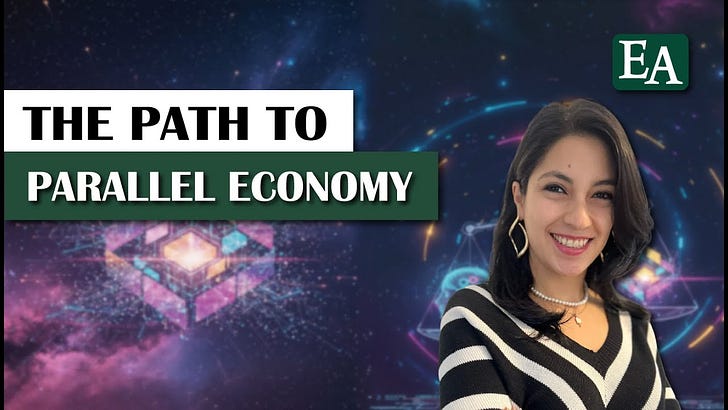
Cryptocurrency Use Cases Explained | Podcast
Jan 2700:30:45Tap to summarizePaz Gómez, an analyst at Econ Americas, joins this episode to discuss her new book, When Crypto Makes Sense: A Guide to Use Cases for Liberty. In her book, she breaks down the fundamentals of crypto, outlines practical investing basics—from understanding the ecosystem to managing risk—and explores four real-world use cases tied to liberty. This is a public episode. If you'd like to discuss this with other subscribers or get access to bonus episodes, visit econamericas.substack.com/subscribe
Transcribe →
Peter C. Earle: Structural Changes Are Lifting Gold for the Long Haul
Dec 2300:26:57Tap to summarizePeter Earle—director of Economics and Economic Freedom at the American Institute for Economic Research (AIER)—joined the Econ Americas podcast to discuss gold’s role in today’s economy. Earle contends in his new book, Gold in Uncertain Times, that gold remains one of the most reliable hedges against inflation and economic shocks.Follow Peter Earle on X. This is a public episode. If you'd like to discuss this with other subscribers or get access to bonus episodes, visit econamericas.substack.com/subscribe
Transcribe →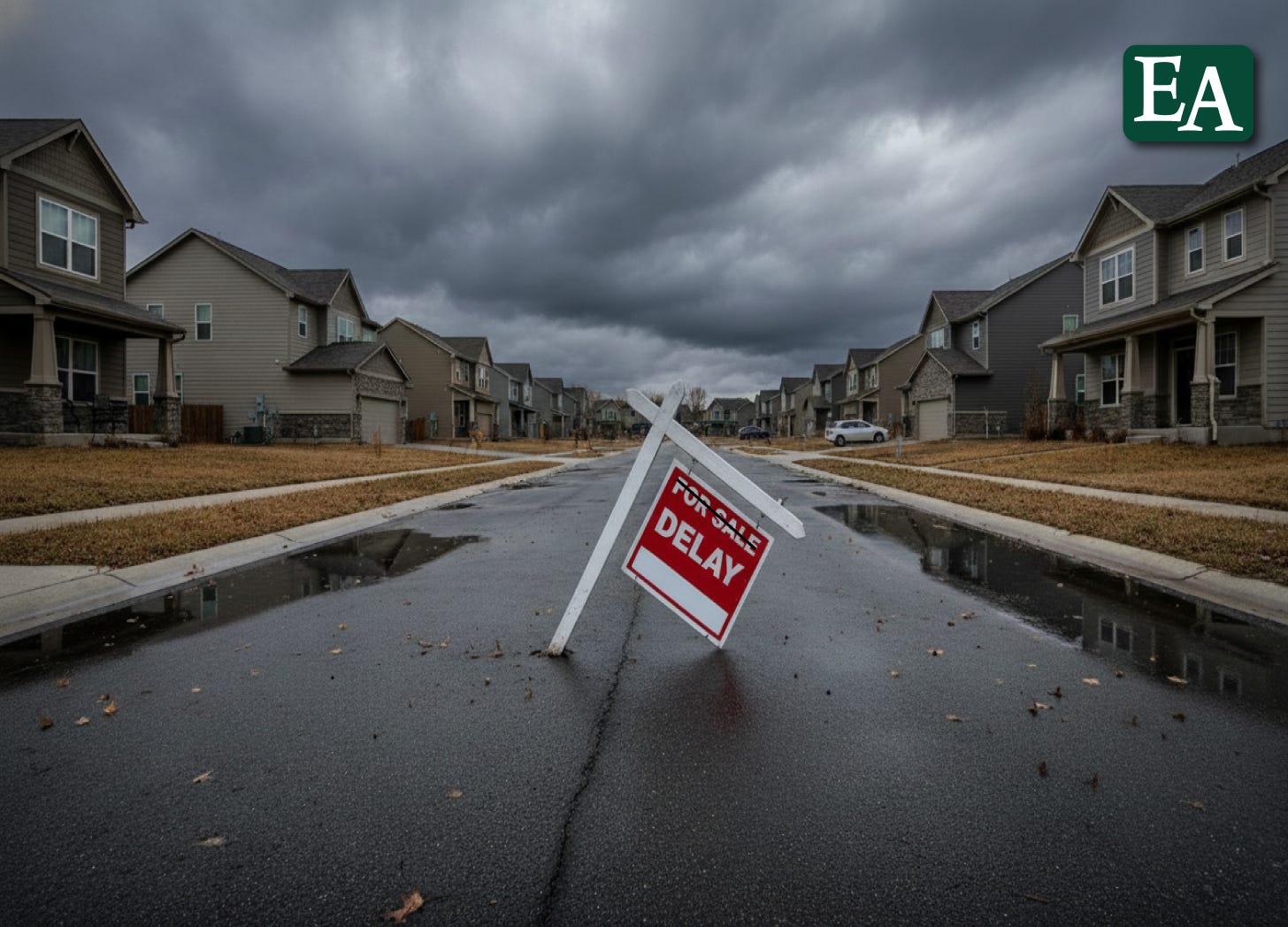
Rational Reasons for Delayed Home-Buying
Nov 2600:07:33Tap to summarizeWhen a generation or two are putting off home purchases by almost a decade, there is likely a rational basis. Here are some crucial factors that came to mind when seeking to explain why the shift to older purchases has taken place in the past quarter century. If homeownership is healthy, as so many people believe, we must look at the causes for its decline. That means facing up to a lack of disposable income, NIMBY zoning and regulation, and immense subsidization of useless higher education. We can also explore novel ways to bypass the rent-seekers holding the gates.Read the article: https://econamericas.substack.com/p/reasons-delayed-homebuying If you would like to book a consultation with me, please sign up at econamericas.com/consult. This is a public episode. If you'd like to discuss this with other subscribers or get access to bonus episodes, visit econamericas.substack.com/subscribe
Transcribe →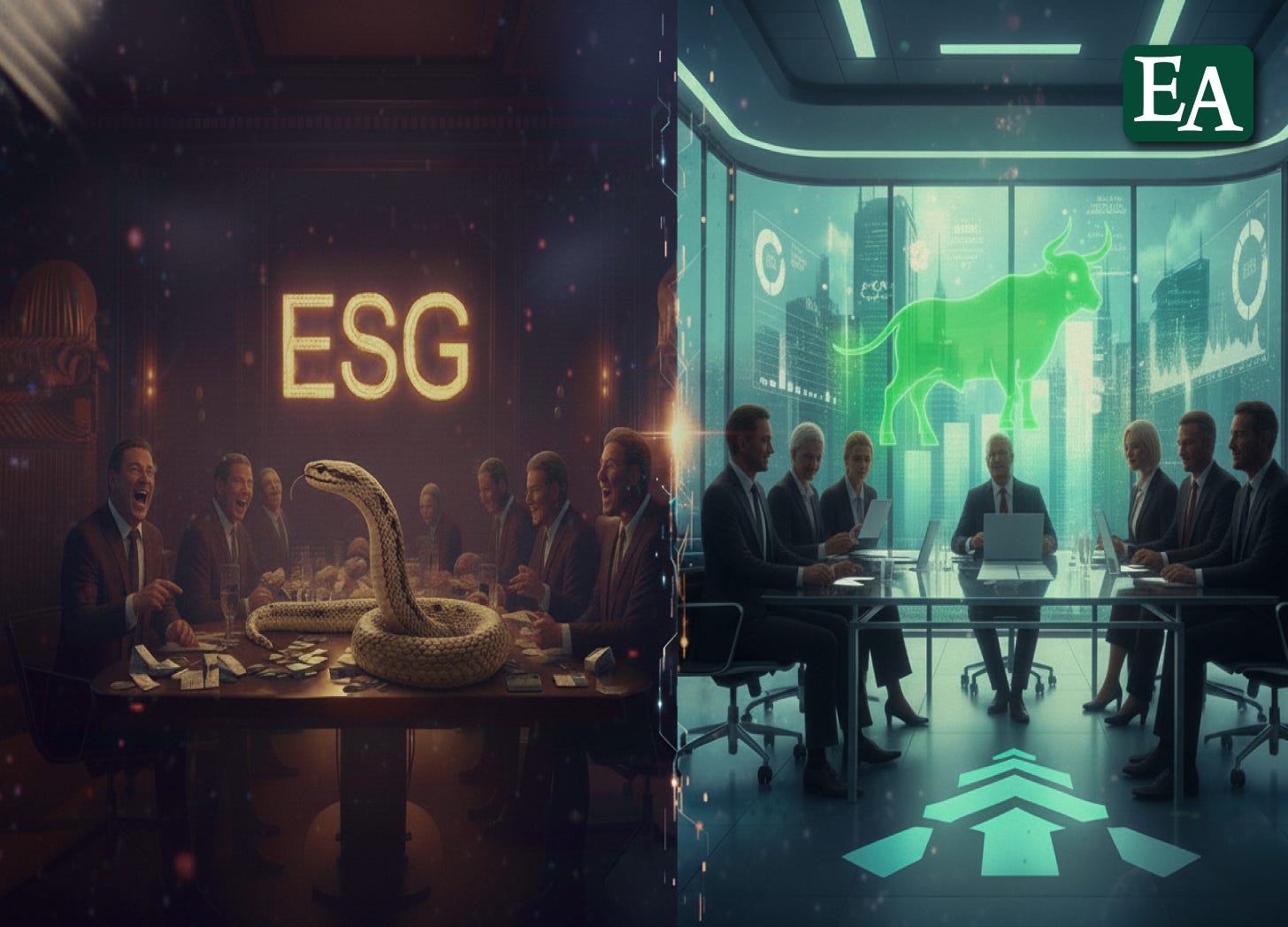
ESG Virtue Signaling Is Snake Oil
Nov 2400:16:00Tap to summarizeIf you care about private property and laissez-faire capitalism, run a mile from ESG (environmental, social, governance) factors that promote stakeholder capitalism.This is Chapter 21 of Financial Sovereignty for Canadians. Founding Econ Americas members receive a signed copy of the book.Read the chapter: https://econamericas.substack.com/p/esg-snake-oilIf you would like to book a consultation with us, please sign up here: https://econamericas.com/consult/ This is a public episode. If you'd like to discuss this with other subscribers or get access to bonus episodes, visit econamericas.substack.com/subscribe
Transcribe →
Demelza Hays: Get on Crypto Train or Get Left Behind | Podcast
Nov 1100:30:08Tap to summarizeBitcoin has not become practical electronic cash, but it has emerged as a compelling store of value. Demelza Hays holds a doctorate in business economics from the University of Liechtenstein and is a portfolio manager at Zeltner & Co. She publishes the Crypto Research Report and argues that bitcoin is not money in the strict sense. However, it is a credible investment asset that continues to gain traction.She acknowledges bitcoin’s volatility and higher risk but suggests a 2–5 percent portfolio allocation: “When the price pulls back, I see a buying opportunity, because it is the asset I value most.”Hays believes the crypto era is still in its early steps. She points to growing interest in digital assets from the US government and to Tether’s accumulation of US debt as signals of mainstreaming: “Bitcoin could become the way out for the US government’s trillionaire debt.” Over time, she contends, governments could hold more crypto in reserves, making bitcoin increasingly akin to gold.Listen to the podcast and subscribe on Substack and YouTube.Recommended Links:* Follow Demelza Hays on X.* “Tracking BTC to USD Trends and Marketcap,” Crypto Research Report.* “When Crypto Makes Sense (III): Accessing High-Barrier Investments,” Econ Americas.* Read the book: Hijacking Bitcoin: The Hidden History of BTC by Roger Ver.Thanks for reading Econ Americas! This post is public so feel free to share it. This is a public episode. If you'd like to discuss this with other subscribers or get access to bonus episodes, visit econamericas.substack.com/subscribe
Transcribe →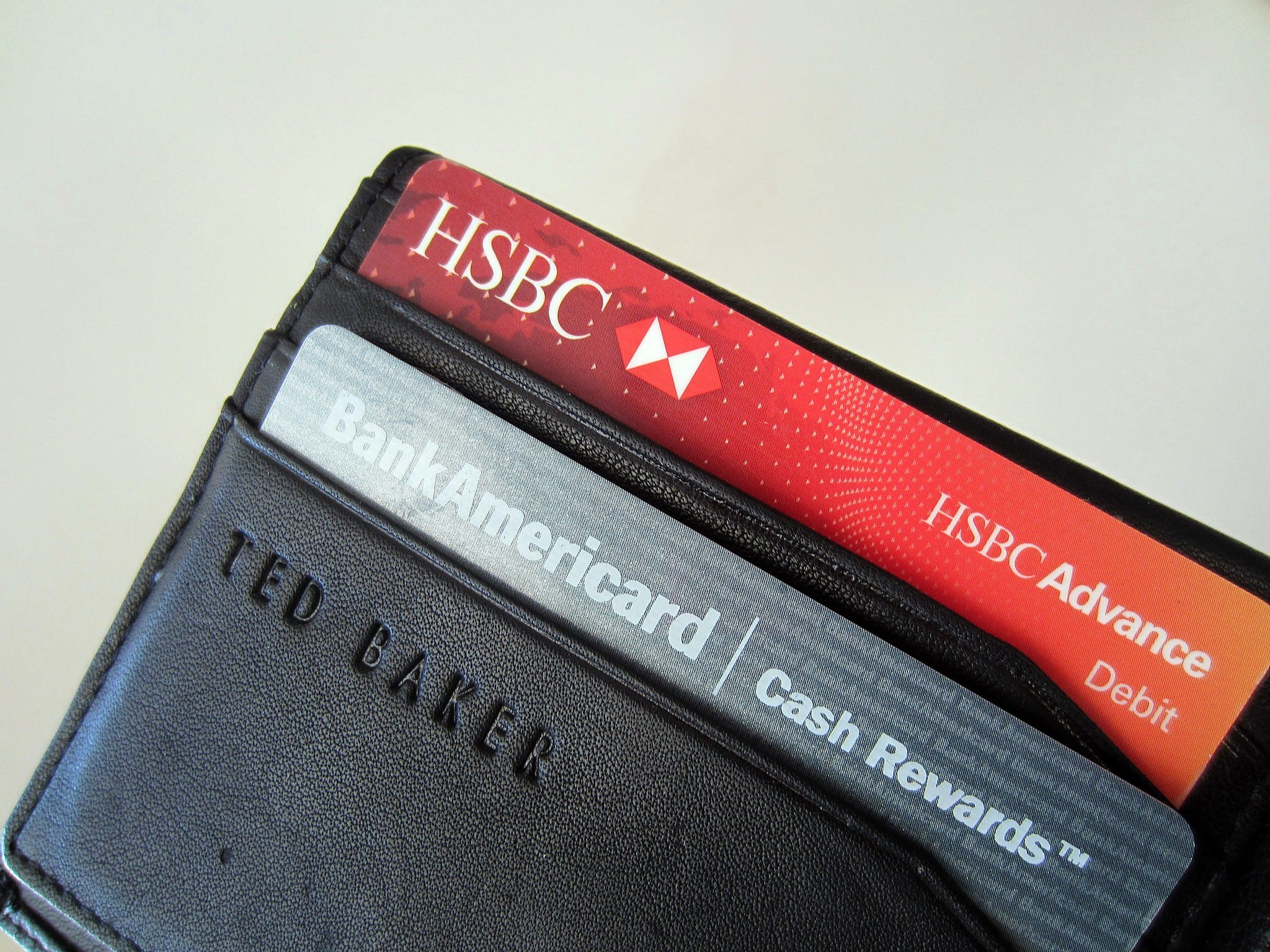
Implications of Less US Credit-Card Borrowing
Oct 1300:03:43Tap to summarizeThese comments appeared in the Epoch Times on October 8, 2025:Credit Card Use in US Records Sharp DeclineThe slowdown in borrowing suggests households may be shifting from credit-fueled spending to greater caution.Americans’ use of credit cards in the 12 months through August saw its steepest contraction since the COVID-19 pandemic recession, suggesting that the U.S. consumer sector may be shifting from credit-driven resilience toward a more cautious footing.According to the Federal Reserve’s G.19 Consumer Credit report for August, total consumer credit grew at a negligible 0.1 percent annual rate, a sharp deceleration from 4.3 percent in July. Revolving credit—primarily credit cards—fell at a 5.5 percent annualized rate.Journalist Tom Ozimek requested implications for: (1) household spending, (2) consumer sentiment, and (3) the broader economic outlook.This post’s sponsor is Green Pasture, my favorite outlet for healthy fats, especially cod-liver oil, butter oil, and bison tallow. Use the FERG coupon code at GreenPasture.org.My responses:(1) While there is not a one-to-one relationship between credit-card borrowing and household spending, it is still tight. Any decline in credit limits or credit utilization will hit luxury goods hardest, because the decline suggests a reduced perception of wealth among card users. This is particularly the case because we have not witnessed markedly strong per capita GDP growth.(2) The relationship with consumer sentiment is muddy, because credit-card utilization can be both a leading and lagging indicator, depending on the conditions. There is so much going on at the moment, from technological shocks to geopolitical uncertainty, I would not blame consumers for tightening their belts. Further, revisions to macroeconomic data have revealed their inaccuracies and contorted presentation. Such confusion dampens confidence in the US trajectory.(3) More than 20 years has now passed since the release of The Coming Generational Storm by Laurence Kotlikoff and Scott Burns. This book foresaw the debt debacle we face today, with tension between the Baby Boomers and their progeny. While the United States continues to lead the world in many economic metrics and attract much of the world’s top talent, that position is shaky. Another government shutdown makes us aware of fiscal recklessness and mismanagement from the US federal government. The debt burden on the productive economy continues to grow, and I foresee the new normal of modest growth continuing long into the future.If you would like to book a consultation with me, please sign up here. This is a public episode. If you'd like to discuss this with other subscribers or get access to bonus episodes, visit econamericas.substack.com/subscribe
Transcribe →
Canada's Financial Markets Still Deliver Value | Podcast
Oct 700:34:18Tap to summarizeCanadian financial markets offer a wide range of opportunities for global investors. In this podcast episode, investment analyst Ian Madsen explains why mining, oil, and gas stocks often diverge from US equities. In other words, they deliver low betas, which are helpful for diversifying a portfolio. Madsen also explains two strategic moments to buy mining stocks.He shares lower-risk ways to gain exposure to mining assets and explains differences between the three major capital markets in Canada. Beyond commodities, Madsen highlights Canadian industries and companies that deserve fresh investor attention, including technology and manufacturing.For more insights in finance and economic intelligence and exclusive updates, subscribe to the Econ Americas Substack.Recommended Links* Follow Ian Madsen on LinkedIn.* Read Ian Madsen’s commentaries.* Buy the book: Financial Sovereignty for Canadians.Thanks for reading Econ Americas! This post is public so feel free to share it. This is a public episode. If you'd like to discuss this with other subscribers or get access to bonus episodes, visit econamericas.substack.com/subscribe
Transcribe →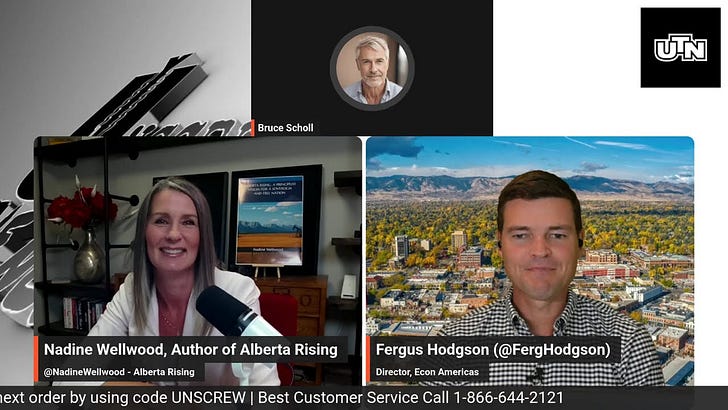
Alberta the Nation on Unscrew the News
Oct 600:04:28Tap to summarizeMy emotions struck me during this show, since I care so much about Alberta sovereignty. To appear with Bruce Scholl of Unscrew the News and Nadine Wellwood, both people I admire, was a privilege, and I hope I provided momentum towards Alberta's noble cause.Let me provide here my own show notes: takeaways and resources. There were many more than eight to share, so I recommend people watch the full show (starting six minutes in).For those seeking mining stock recommendations, consider Adrian Day’s Global Analyst newsletter. I read every edition, and I have negotiated a 10 percent discount for my readers. Use the FERG coupon code at AdrianDayGlobalAnalyst.com, or call +1 410-224-8885.* The path to a successful referendum cannot be rushed. There needs to be sufficient education and cultivated support before the vote.* Albertans are profoundly distinct from Canadians (although Saskatchewanians are similar to Albertans). Insults hurled at Albertans, in an attempt to intimidate them, only demonstrate the fact that we are not the same. Although I was not raised in Alberta, Calgary is my family home on my mother's side, and it is where my grandmother and many other relatives remain.* Bought-off regime media are not to be trusted. They are enemies of journalism and free thought, and we must continue to promote citizen journalism, such as Unscrew the News, and independent formal outlets such as the Western Standard.* Alberta independence must be a broad movement and will have to go through one of the major parties. My personal view is the United Conservative Party, with the right membership, can be that vehicle. The People's Party and the Libertarian Party, although upholding great ideas, have demonstrated the nigh impossible task of starting a successful new party without wasting resources and creating more enemies.* Ottawa loyalists will attempt to impose many roadblocks before the independence movement. These include throwing policy bones to soften sentiments, demonization via regime media and education, and overflowing the province with new arrivals to dilute support.* The right to bear arms is a litmus test of self-rule. It is a policy that sets Albertans apart, since they have a strong sense that they should be able to defend themselves and not wait for momma government to save them.* The referendum will succeed on provincial pride: the flag, the history, the shared values, the pioneer way of life. While the economic case for Alberta independence is overwhelming, the distinct identity will move hearts. An important case study is the Brexit campaign, which overcame the unwillingness of the UK political class to leave the European Union. The best book on this, that I know of, is All Out War: The Full Story of How Brexit Sank Britain’s Political Class.* Albertans face two options: (1) remain straitjacketed in a parasitic Canada on the decline or (2) leave and forge their own path. The latter will stem from a rugged individualism that is alien to contemporary Canada. The Albertan psyche has a combination of classical liberalism, social conservatism, rural get-up-and-go, and entrepreneurial spirit. There is robust intellectual backing for Alberta independence. In particular, I recommend following:* the Haultain Research Institute;* the Alberta Prosperity Project;* Cory Morgan;* Michael Wagner.While I have only just started it, Nadine Wellwood's book, Alberta Rising, is now available on Amazon.ca and Amazon.com.If you would like to book a consultation with me, please sign up here. This is a public episode. If you'd like to discuss this with other subscribers or get access to bonus episodes, visit econamericas.substack.com/subscribe
Transcribe →
David Skarica's Formula for Profiting from Pessimism | Podcast
Sep 200:37:30Tap to summarizeDavid Skarica, a Canadian financial advisor based in the Bahamas, shares insights from his latest book, Mega Returns: Profit from Maximum Pessimism. According to Skarica, assets surrounded by temporary negative sentiment often present good long-term opportunities. For instance, he purchased his house in 2011, “when no one wanted to buy a house after the housing bubble,” securing it at a low price. Skarica's book covers many asset classes and also emphasizes the importance of investing in gold as a reliable store of value, especially in these uncertain times. He also explains how to target corporate bonds with put options as effective tools for managing financial risk.When it comes to crypto, Skarica compares bitcoin to gold in terms of its function as a hedge—particularly in struggling economies. However, he cautions that bitcoin has in recent times mirrored the Nasdaq's performance. That trend could undermine its role as a safe haven. Regarding altcoins, he considers them high risk and largely unproductive as investment vehicles.Buy the books:* Mega Returns, David Skarica: https://amzn.to/4hiUIv5 * Financial Sovereignty for Canadians, Fergus Hodgson: https://econamericas.com/financial-sovereignty-canadians/ This is a public episode. If you'd like to discuss this with other subscribers or get access to bonus episodes, visit econamericas.substack.com/subscribe
Transcribe →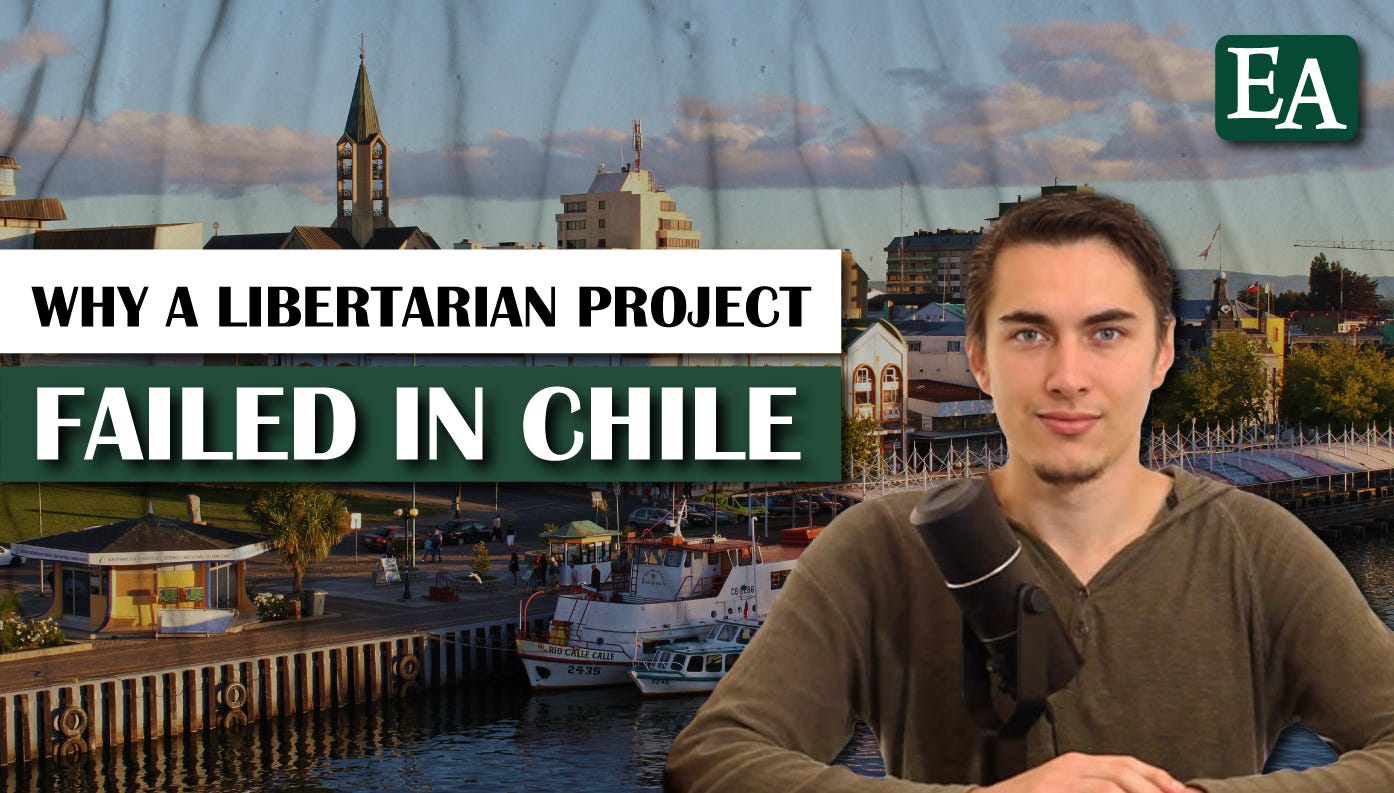
What Became of Fort Galt Chile | Podcast
Aug 5, 202500:11:58Tap to summarizeThis is a free preview of a paid episode. To hear more, visit econamericas.substack.comIn 2013, Canadian entrepreneur Gabriel Scheare moved to Valdivia, Chile, with an ambitious vision. His goal was to build an innovative real-estate project designed as a startup village for entrepreneurs. This became Fort Galt.
Transcribe →