Podcast
EHA Unplugged
Hosted by European Hematology Association · EN
In these EHA-produced podcasts, experts share with you their hematology knowledge and stories. With "EHA Unplugged" we would like to give you the opportunity to unplug from your computer screen, while still learning, by listening to interviews, clinical cases, monologues, and more.
31episodes
Episodes
Newest firstAll episodes
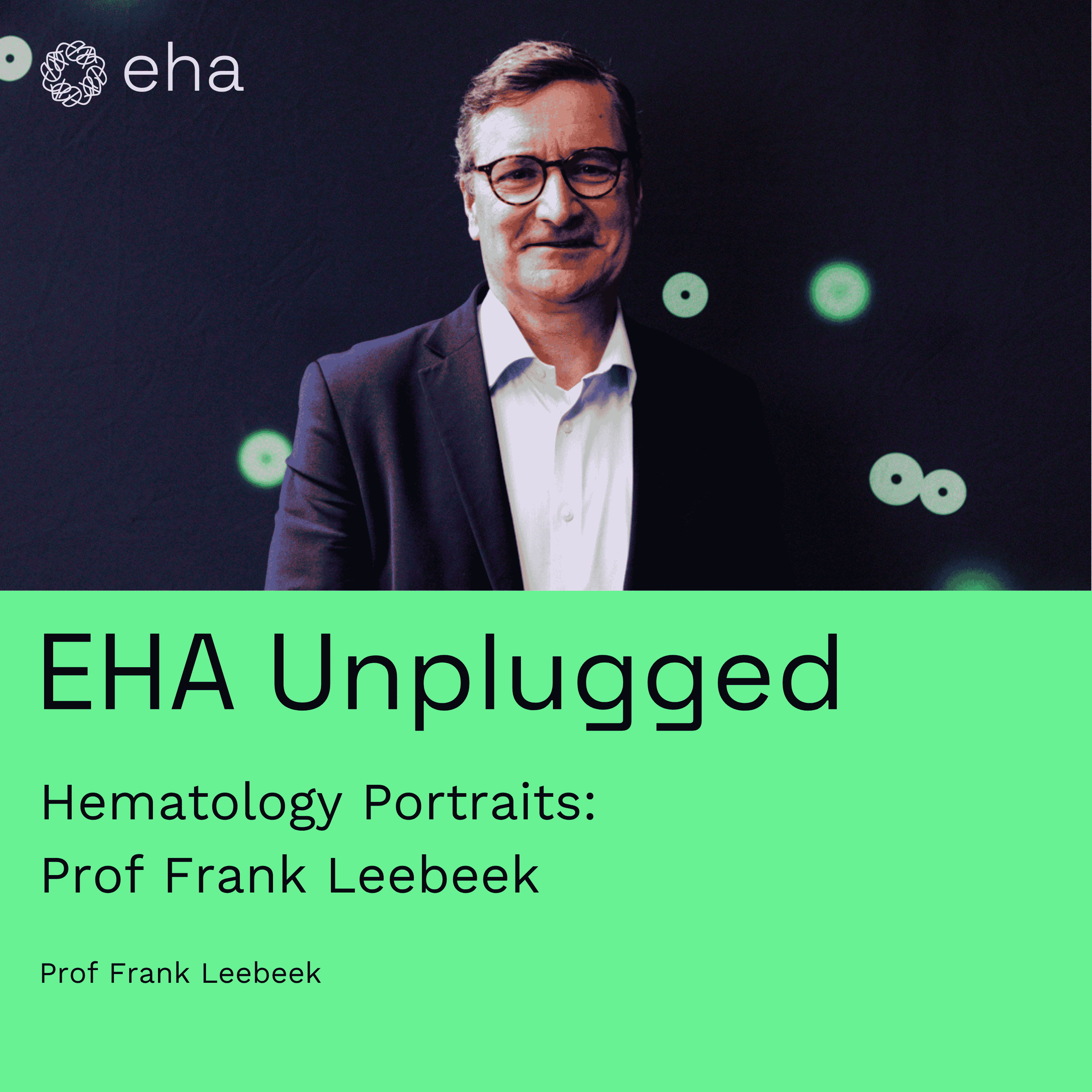
Hematology Portraits: Prof Frank Leebeek
2w ago00:22:40Tap to summarizeIn this episode Prof. Frank Leebeek reflects on his career in hematology, highlighting a lifelong commitment to bridging clinical practice and research. From his early interest in fibrinolysis during medical school to his current role as Chair of the Department of Hematology at Erasmus Medical Center and Board member at EHA, Prof. Leebeek shares how a dual commitment to research and patient care has shaped his path. The conversation explores key milestones in bleeding disorders research, including large-scale studies on von Willebrand disease that helped improve awareness, diagnosis, and patient-reported outcomes. Prof. Leebeek also discusses his involvement in pioneering gene therapy trials for hemophilia, which have transformed treatment paradigms and patients’ quality of life, while noting ongoing challenges in access and affordability. Beyond research, he reflects on the importance of collaboration, the value of long-term patient relationships, and the role of European-level initiatives in advancing hematology care. Tune in to hear insights from a leading figure in benign hematology and learn how sustained collaboration and innovation continue to drive progress in the field. Guest: Prof Frank Leebeek Affiliation: Erasmus Medical Center, Rotterdam, The Netherlands Host: Isabel Olivera-Martínez, PhD, Medical Writer for EHA Learn MoreWhat did you think of this podcast? Share your opinions with us in this short feedback survey.Provide FeedbackWould you like to explore more eLearning or podcasts? Please visit the EHA Campus.https://ehaedu.org/CampusSubscribe, share, and review this podcast to be able to address topics you enjoy and like to listen to.Follow EHA on Instagram: https://www.instagram.com/EHA_Hematology/Facebook: https://e-h-a.link/facebookLinkedIn: https://www.linkedin.com/company/eha/Email us: education@ehaweb.orgSubscribe to receive the EHA Educational Updates via https://eha.news/subscribe
Transcribe →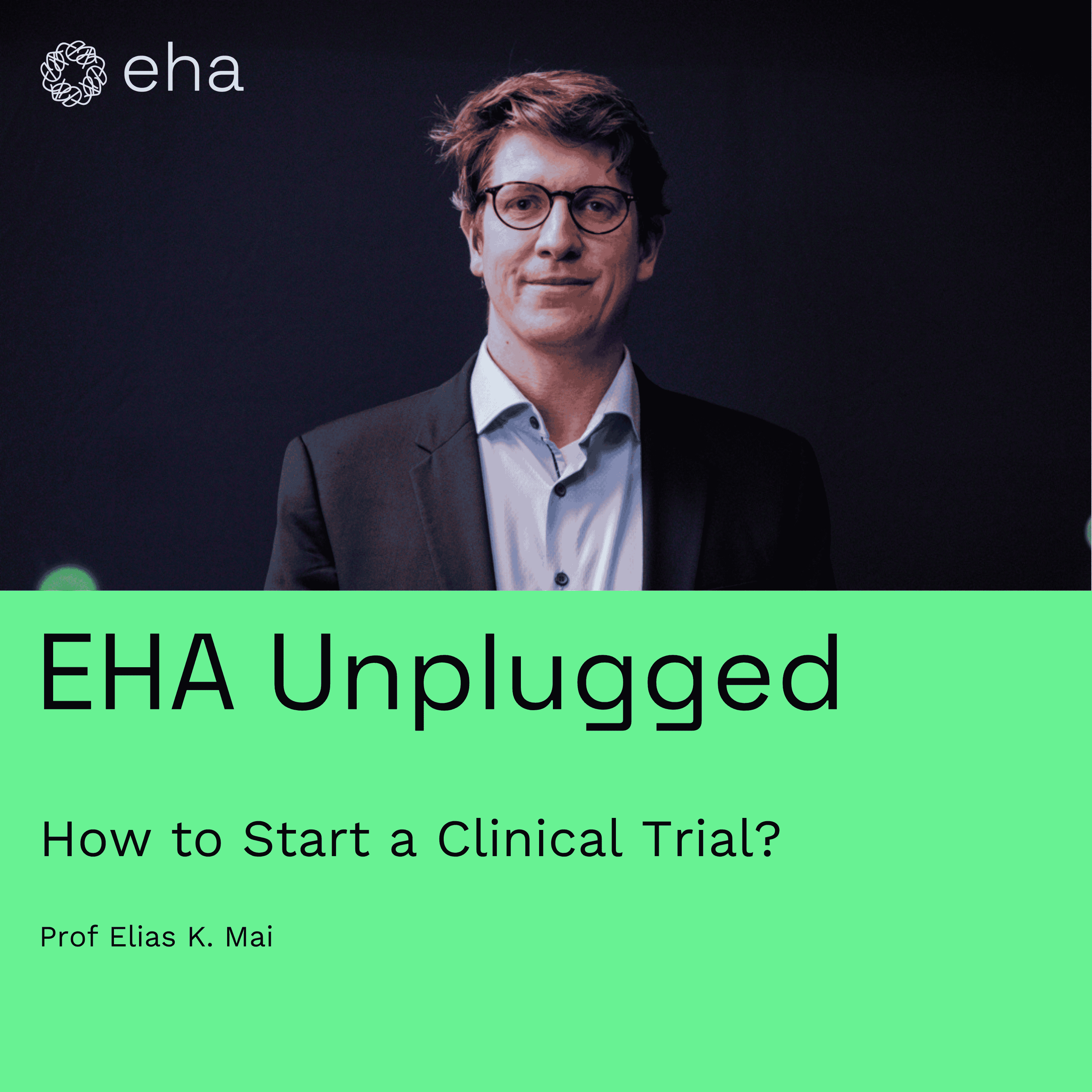
How to Start a Clinical Trial?
4w ago00:18:46Tap to summarizeWhat does it take to design and lead a clinical trial in hematology? In this episode of EHA Unplugged, Prof. Elias K. Mai shares his experience transitioning from clinical practice to becoming a principal investigator, and how the EHA Clinical Research Training in Hematology (CRTH) program helped shape his path. Prof. Mai reflects on the practical and often underappreciated challenges of clinical trial design—from budgeting and statistical planning to ethical considerations and regulatory requirements. He highlights the importance of mentorship and peer networks, as well as the need for persistence when ideas are ahead of their time. The conversation also explores the skills hematologists need to get started in clinical research, with a clear message: developing trials is a multifaceted process that requires both scientific expertise and hands-on learning. Whether you are early in your career or considering a move into clinical research, this episode offers valuable insights into how to take the first steps, overcome challenges, and ultimately contribute to improving patient care through clinical trials.Guests: Prof Elias K. Mai Heidelberg University Hospital, Heidelberg, GermanyHost: Isabel Olivera Martinez, PhDLearn MoreWhat did you think of this podcast? Share your opinions with us in this short feedback survey.Provide FeedbackWould you like to explore more eLearning or podcasts? Please visit the EHA Campus.https://ehaedu.org/CampusSubscribe, share, and review this podcast to be able to address topics you enjoy and like to listen to.Follow EHA on Instagram: https://www.instagram.com/EHA_Hematology/Facebook: https://e-h-a.link/facebookLinkedIn: https://www.linkedin.com/company/eha/Email us: education@ehaweb.orgSubscribe to receive the EHA Educational Updates via https://eha.news/subscribe
Transcribe →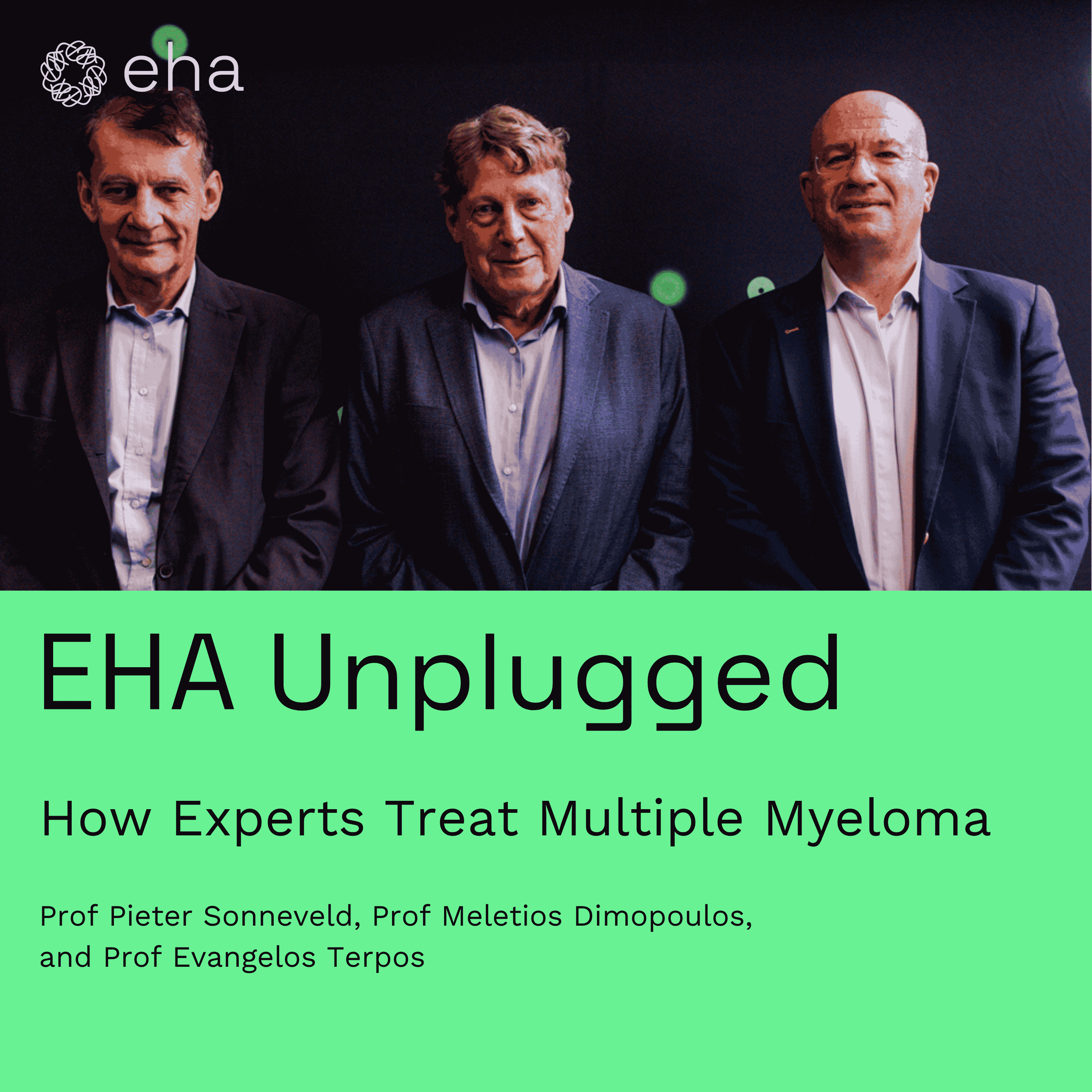
How Experts Treat Multiple Myeloma
Jul 300:35:39Tap to summarizeIn this episode, Prof. Pieter Sonneveld is joined by Prof. Meletios Dimopoulos and Prof. Evangelos Terpos to discuss the updated EHA–EMN (European Myeloma Network) guidelines for the diagnosis, treatment and follow-up of multiple myeloma. The conversation explores how recent therapeutic advances—including 14 newly approved treatment regimens, CAR T-cell therapies, bispecific antibodies and antibody-drug conjugates—have reshaped the treatment landscape and informed the latest recommendations. The experts discuss the integration of novel prognostic tools such as minimal residual disease (MRD), circulating tumour cells and mass spectrometry, and their evolving role in risk stratification. The episode also reviews key recommendations for frontline management and provides practical guidance for selecting therapies in relapsed and refractory multiple myeloma. Throughout the discussion, the speakers highlight how the updated guidelines support clinicians in navigating an increasingly complex therapeutic landscape. Guests: Prof. Meletios Dimopoulos and Prof. Evangelos Terpos National and Kapodistrian University of Athens, GreeceHost: Prof. Pieter Sonneveld Erasmus University Medical Center, Rotterdam, The Netherlands Learn MoreWhat did you think of this podcast? Share your opinions with us in this short feedback survey.Provide FeedbackWould you like to explore more eLearning or podcasts? Please visit the EHA Campus.https://ehaedu.org/CampusSubscribe, share, and review this podcast to be able to address topics you enjoy and like to listen to.Follow EHA on Instagram: https://www.instagram.com/EHA_Hematology/Facebook: https://e-h-a.link/facebookLinkedIn: https://www.linkedin.com/company/eha/Email us: education@ehaweb.orgSubscribe to receive the EHA Educational Updates via https://eha.news/subscribe
Transcribe →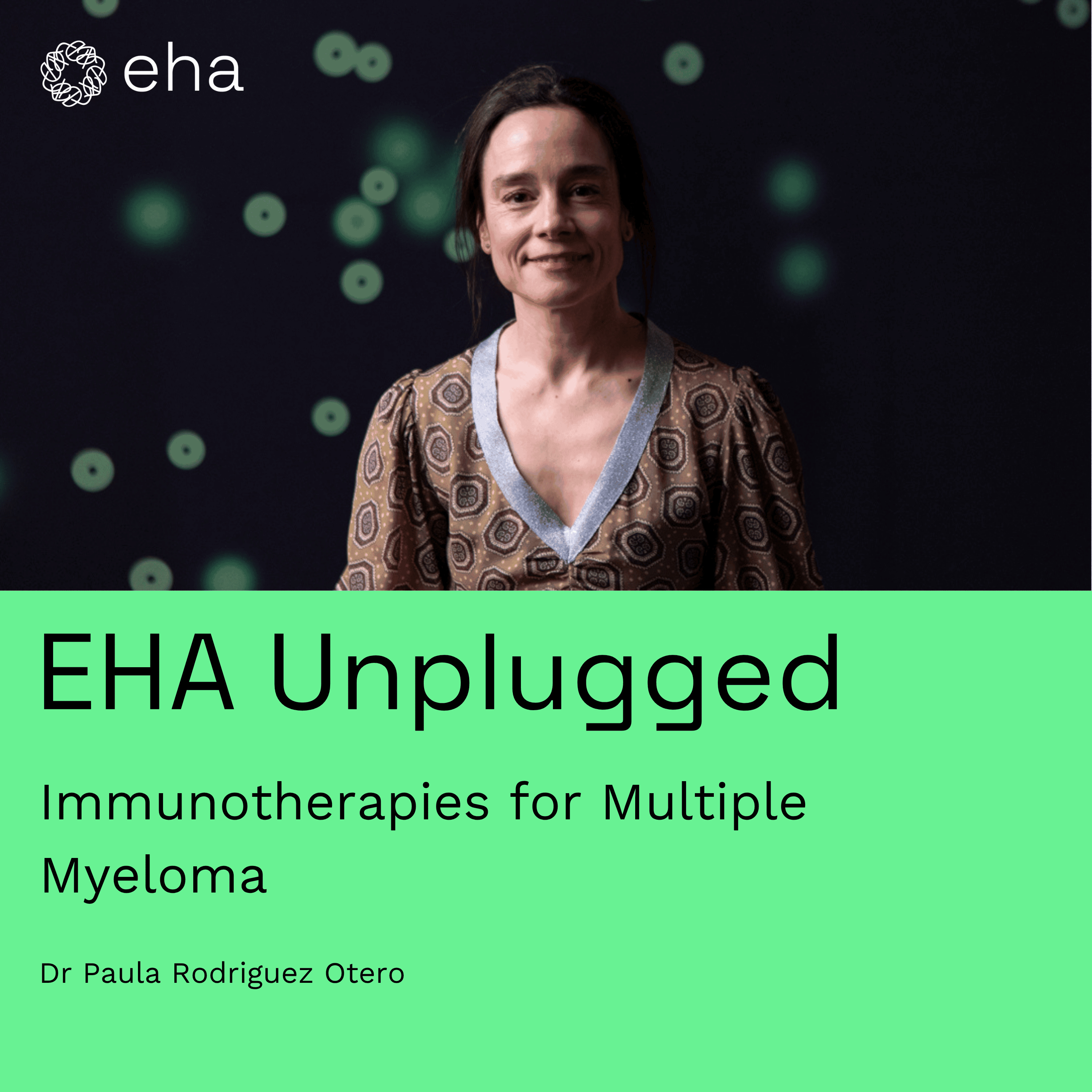
Where Are We Now With Immunotherapy in Multiple Myeloma?
Jun 2200:22:33Tap to summarizeExplore the latest advancements in immunotherapies for multiple myeloma, including CAR T-cell therapy, bispecific antibodies, and antibody-drug conjugates. In this episode, Dr. Paula Rodriguez Otero discusses the strategic sequencing of BCMA and explains why CAR-T cells should often precede bispecific antibodies to maximize efficacy while managing toxicity. The episode highlights the potential for these therapies to replace transplants by inducing deep, durable responses. Dr. Otero also explores new targets like GPRC5D, offering insights into future treatment possibilities.Guests: Dr Paula Rodríguez-Otero Cancer Center Clínica Universidad de Navarra (CCUN), CIMA, CIBERONC, IDISNA, Pamplona, Spain Host: Isabel Olivera Martinez, PhDLearn MoreWhat did you think of this podcast? Share your opinions with us in this short feedback survey.Provide FeedbackWould you like to explore more eLearning or podcasts? Please visit the EHA Campus.https://ehaedu.org/CampusSubscribe, share, and review this podcast to be able to address topics you enjoy and like to listen to.Follow EHA on Instagram: https://www.instagram.com/EHA_Hematology/Facebook: https://e-h-a.link/facebookLinkedIn: https://www.linkedin.com/company/eha/Email us: education@ehaweb.orgSubscribe to receive the EHA Educational Updates via https://eha.news/subscribe
Transcribe →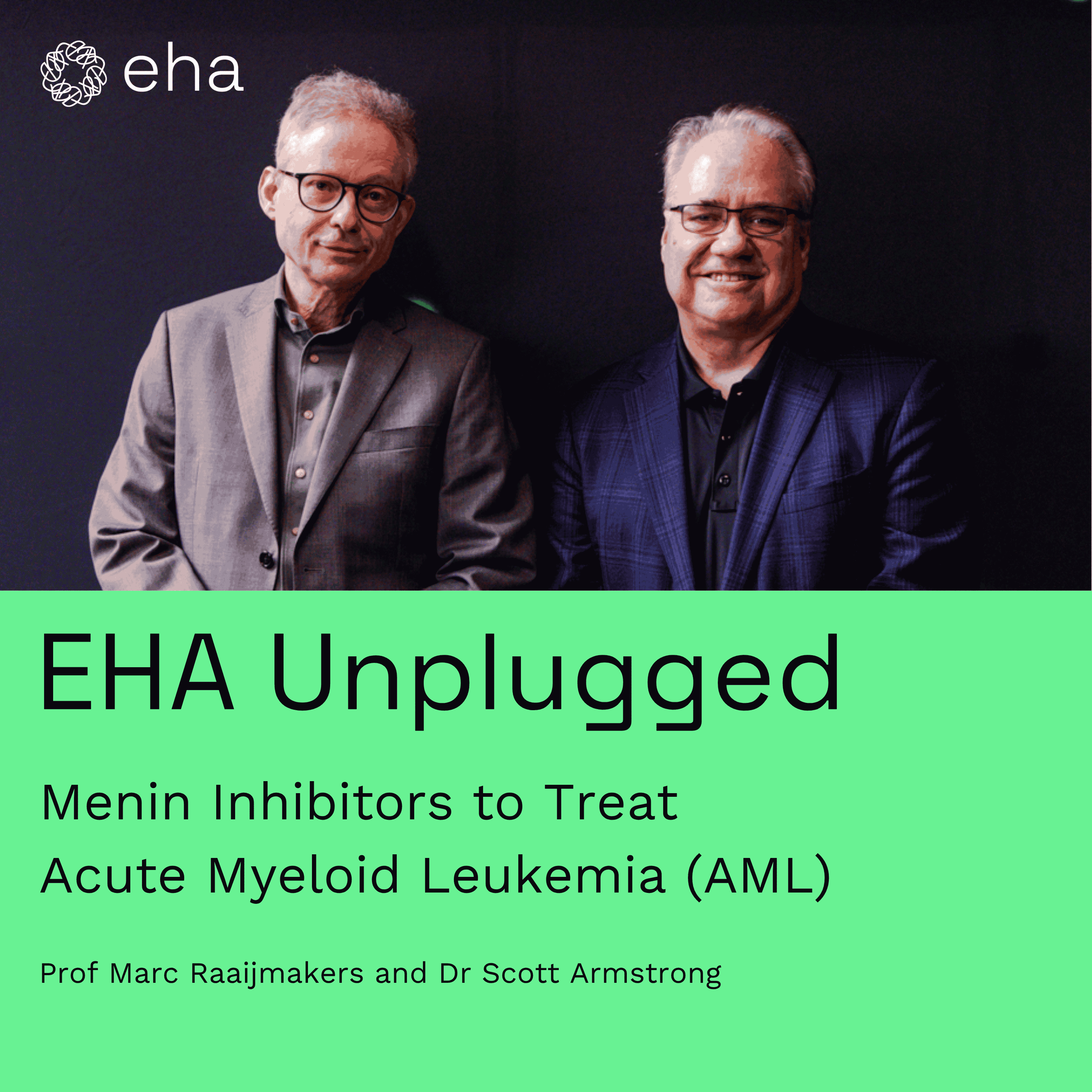
Menin Inhibitors to Treat Acute Myeloid Leukemia (AML)
Jun 100:19:42Tap to summarizeGet up to date on menin inhibitors, an emerging class of targeted therapies for acute myeloid leukemia (AML). Menin is a key component of the KMT2A (lysine methyltransferase 2A, formerly MLL1) complex, which plays a critical role in gene regulation, development, and cell cycle control. Small-molecule menin inhibitors have shown particular promise in KMT2A-rearranged (KMT2Ar) and NPM1-mutated AML, with two agents already receiving FDA breakthrough therapy designation. In this episode, Dr Scott Armstrong and Prof Marc Raaijmakers explore the scientific rationale behind menin inhibition, identify which AML patient populations are most likely to benefit, and review the current clinical evidence supporting their use in defined molecular subtypes.Guests: Dr Scott Armstrong Dana-Farber Cancer Institute Prof Marc Raaijmakers Erasmus Medical CenterHost: Isabel Olivera Martinez, PhDLearn MoreWhat did you think of this podcast? Share your opinions with us in this short feedback survey.Provide FeedbackWould you like to explore more eLearning or podcasts? Please visit the EHA Campus.https://ehaedu.org/CampusSubscribe, share, and review this podcast to be able to address topics you enjoy and like to listen to.Follow EHA on Instagram: https://www.instagram.com/EHA_Hematology/Facebook: https://e-h-a.link/facebookLinkedIn: https://www.linkedin.com/company/eha/Email us: education@ehaweb.orgSubscribe to receive the EHA Educational Updates via https://eha.news/subscribe
Transcribe →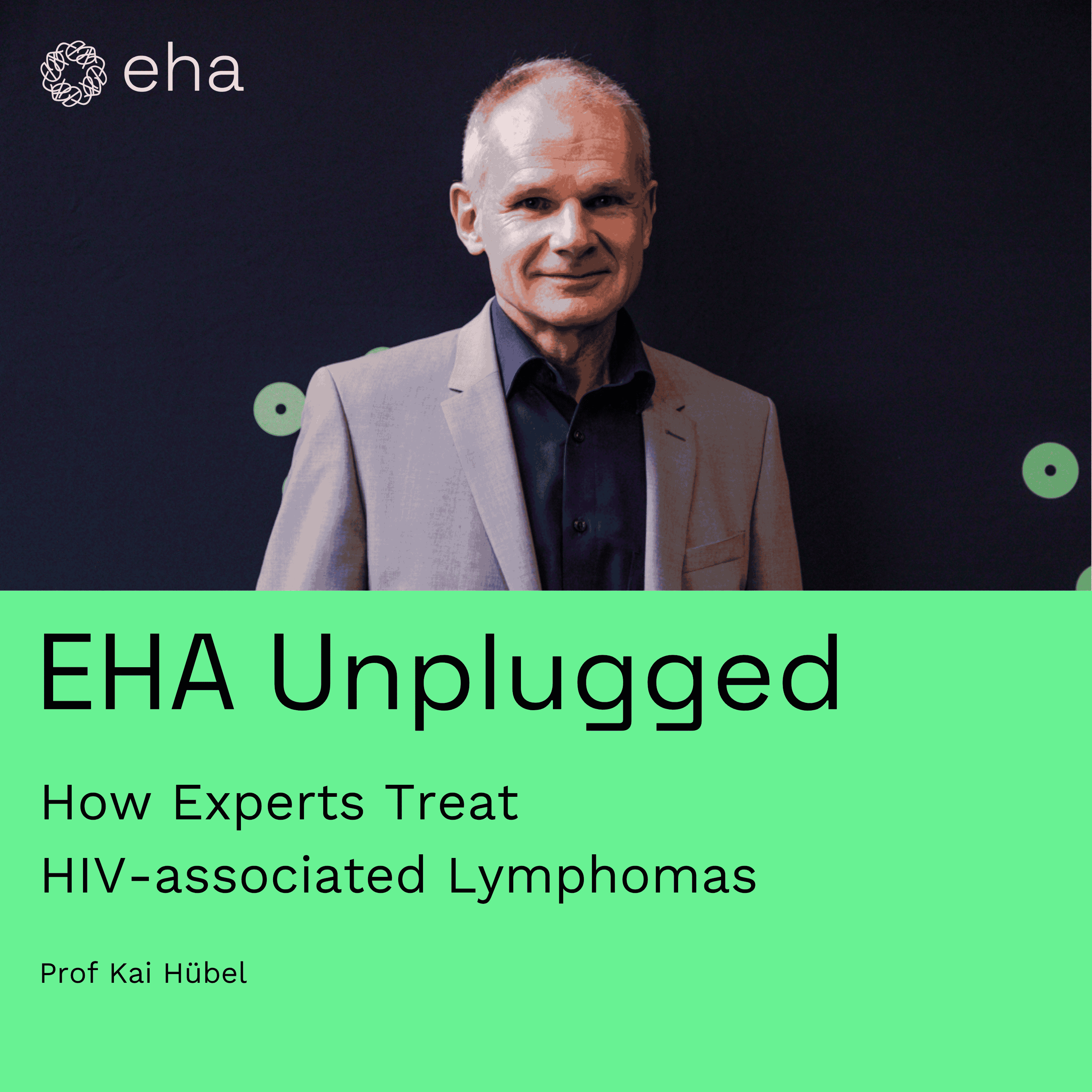
How Experts Treat HIV-associated Lymphomas
May 1300:11:20Tap to summarizeGet up to date with the EHA–ESMO guidelines on Human immunodeficiency virus (HIV)-associated Lymphomas. In this episode, Prof. Kai Hubel, a key author of the guidelines, explains the importance of having dedicated recommendations for patients with HIV-associated lymphomas. He begins by discussing the prevalence of lymphomas in people living with HIV, then highlights that the modern CART HIV treatment should be combined with the lymphoma treatments. This interview further provides practical guidance to navigate these detailed recommendations that cover key lymphoma subtypes including DLBCL, Burkitt lymphoma, plasmatic lymphoma, and more. Finally, Prof Hubel advocates for the inclusion of people living with HIV in lymphoma clinical trials to increase evidence base on HIV-associated lymphomas and improve the care for this specific patient populations. Link to the guideline: Human immunodeficiency virus‐associated Lymphomas: EHA–ESMO Clinical Practice Guideline for diagnosis, treatment and follow‐up - Hübel - 2024 - HemaSphere - Wiley Online Library Guest: Prof Kai Hübel Department of Internal Medicine, Faculty of Medicine and University Hospital Cologne, Cologne, GermanyHost: Isabel Olivera Martinez, PhDLearn MoreWhat did you think of this podcast? Share your opinions with us in this short feedback survey.Provide FeedbackWould you like to explore more eLearning or podcasts? Please visit the EHA Campus.https://ehaedu.org/CampusSubscribe, share, and review this podcast to be able to address topics you enjoy and like to listen to.Follow EHA on Instagram: https://www.instagram.com/EHA_Hematology/Facebook: https://e-h-a.link/facebookLinkedIn: https://www.linkedin.com/company/eha/Email us: education@ehaweb.orgSubscribe to receive the EHA Educational Updates via https://eha.news/subscribe
Transcribe →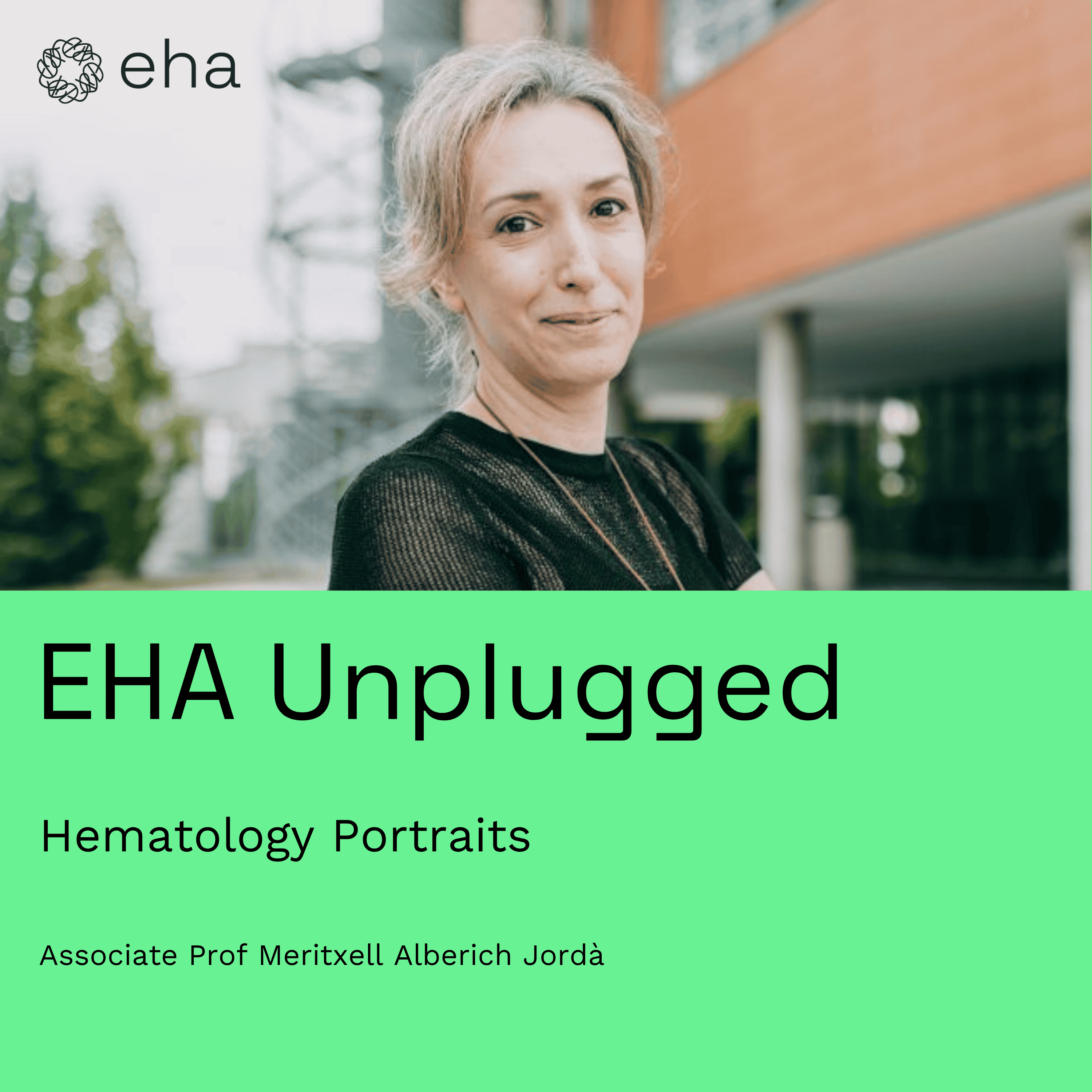
Hematology Portraits: Associate Prof Meritxell Alberich Jordà
May 700:18:30Tap to summarizeJoin Meritxell Alberich Jordà, an EHA Board member and a principal investigator from Prague, as she shares her journey to becoming a recognised research scientist in hematology, and the role EHA has played along the way. Her lab studies hematopoietic and leukemic stem cells, focusing on how disruptions in transcriptional regulation and inflammatory signalling drive the development and persistence of acute myeloid leukemia. Meri reflects on how her early research interests evolved over time, how key career decisions shaped the questions she pursues today, and what she finds most rewarding about leading a lab. Tune in to hear what she wishes she’d known at the very beginning of her journey. Guest: Associate Prof Meritxell Alberich JordàInstitute of Molecular Genetics of the Czech Academy of Sciences, Laboratory of Haematooncology Head, Prague, Czech Republic The Childhood Leukaemia Investigation Prague in the Department of Pediatric Haematology and Oncology, 2nd Faculty of Medicine, Charles University, University Hospital Motol, Prague, Czech Republic Host: Isabel Olivera Martinez, PhDLearn MoreWhat did you think of this podcast? Share your opinions with us in this short feedback survey.Provide FeedbackWould you like to explore more eLearning or podcasts? Please visit the EHA Campus.https://ehaedu.org/CampusSubscribe, share, and review this podcast to be able to address topics you enjoy and like to listen to.Follow EHA on Instagram: https://www.instagram.com/EHA_Hematology/Facebook: https://e-h-a.link/facebookLinkedIn: https://www.linkedin.com/company/eha/Email us: education@ehaweb.orgSubscribe to receive the EHA Educational Updates via https://eha.news/subscribe
Transcribe →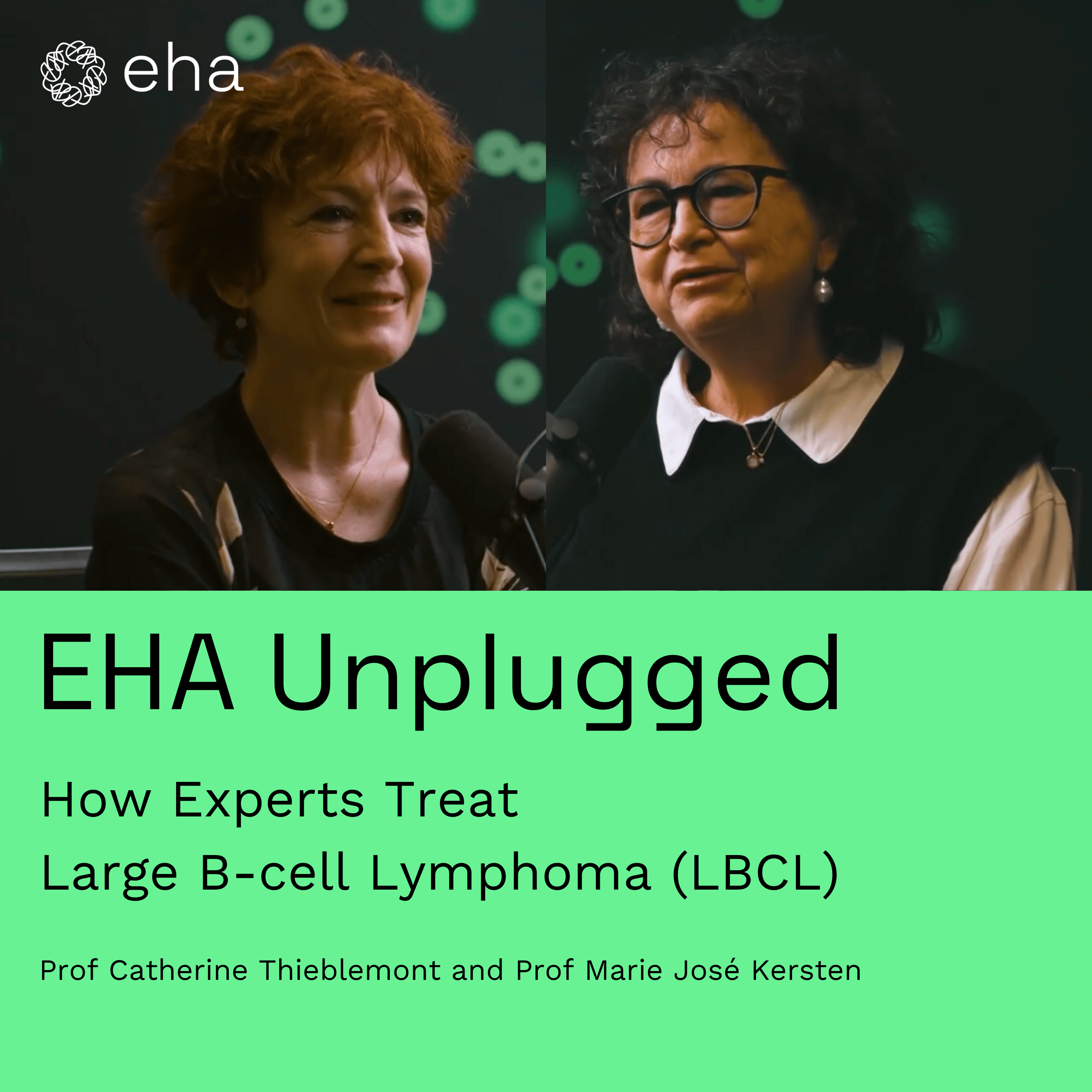
How Experts Treat Large B-cell Lymphoma (LBCL)
Apr 2300:18:18Tap to summarizeGet up to date with the latest EHA Clinical Practice Guidelines for Large B-cell lymphoma (LBCL) (Large B‐cell lymphoma (LBCL): EHA Clinical Practice Guidelines for diagnosis, treatment, and follow‐up - Thieblemont - 2025 - HemaSphere - Wiley Online Library). Prof Catherine Thieblemont and Prof Marie José Kersten, two key authors of the guidelines, walk us through the recommendations for Large B-cell lymphoma, covering diagnosis, treatment, and follow-up. Gain insights into key diagnostic considerations including staging, biopsy techniques and the importance of molecular testing. Our guests explain treatment strategies for first-line and relapse/refractory patient populations, highlighting the practice-changing introduction of CAR T therapy in second-line for eligible patients. Finally, they discuss the disparities of access to innovative treatments across Europe and explore future perspectives of LBCL management in Europe and beyond. Guests: Prof Catherine Thieblemont and Prof Marie José Kersten. Professor Catherine Thieblemont from Saint-Louis Hospital in Paris. Professor Marie José Kersten from Amsterdam University Medical Centers (UMC) Learn MoreWhat did you think of this podcast? Share your opinions with us in this short feedback survey.Provide FeedbackWould you like to explore more eLearning or podcasts? Please visit the EHA Campus.https://ehaedu.org/CampusSubscribe, share, and review this podcast to be able to address topics you enjoy and like to listen to.Follow EHA on Instagram: https://www.instagram.com/EHA_Hematology/Facebook: https://e-h-a.link/facebookLinkedIn: https://www.linkedin.com/company/eha/Email us: education@ehaweb.orgSubscribe to receive the EHA Educational Updates via https://eha.news/subscribe
Transcribe →
Connecting Hematology Research and Real Life: Peter Kapitein
Apr 1000:25:04Tap to summarizeIn this episode of EHA Unplugged, patient advocate Peter Kapitein discusses the importance of connecting patients, researchers, and clinicians to accelerate cancer research and treatment. He shares insights from his work with Inspire2Live, focusing on collaboration, data ownership, affordability, and global access to innovative therapies. Guest: Peter KapiteinHost: Isabel Olivera Martinez, PhDLearn MoreWhat did you think of this podcast? Share your opinions with us in this short feedback survey.Provide FeedbackWould you like to explore more eLearning or podcasts? Please visit the EHA Campus.https://ehaedu.org/CampusSubscribe, share, and review this podcast to be able to address topics you enjoy and like to listen to.Follow EHA on Instagram: https://www.instagram.com/EHA_Hematology/Facebook: https://e-h-a.link/facebookLinkedIn: https://www.linkedin.com/company/eha/Email us: education@ehaweb.orgSubscribe to receive the EHA Educational Updates via https://eha.news/subscribe Guest: Peter KapiteinHost: Isabel Olivera Martinez, PhDLearn MoreWhat did you think of this podcast? Share your opinions with us in this short feedback survey.Provide FeedbackWould you like to explore more eLearning or podcasts? Please visit the EHA Campus.https://ehaedu.org/CampusSubscribe, share, and review this podcast to be able to address topics you enjoy and like to listen to.Follow EHA on Instagram: https://www.instagram.com/EHA_Hematology/Facebook: https://e-h-a.link/facebookLinkedIn: https://www.linkedin.com/company/eha/Email us: education@ehaweb.orgSubscribe to receive the EHA Educational Updates via https://eha.news/subscribe
Transcribe →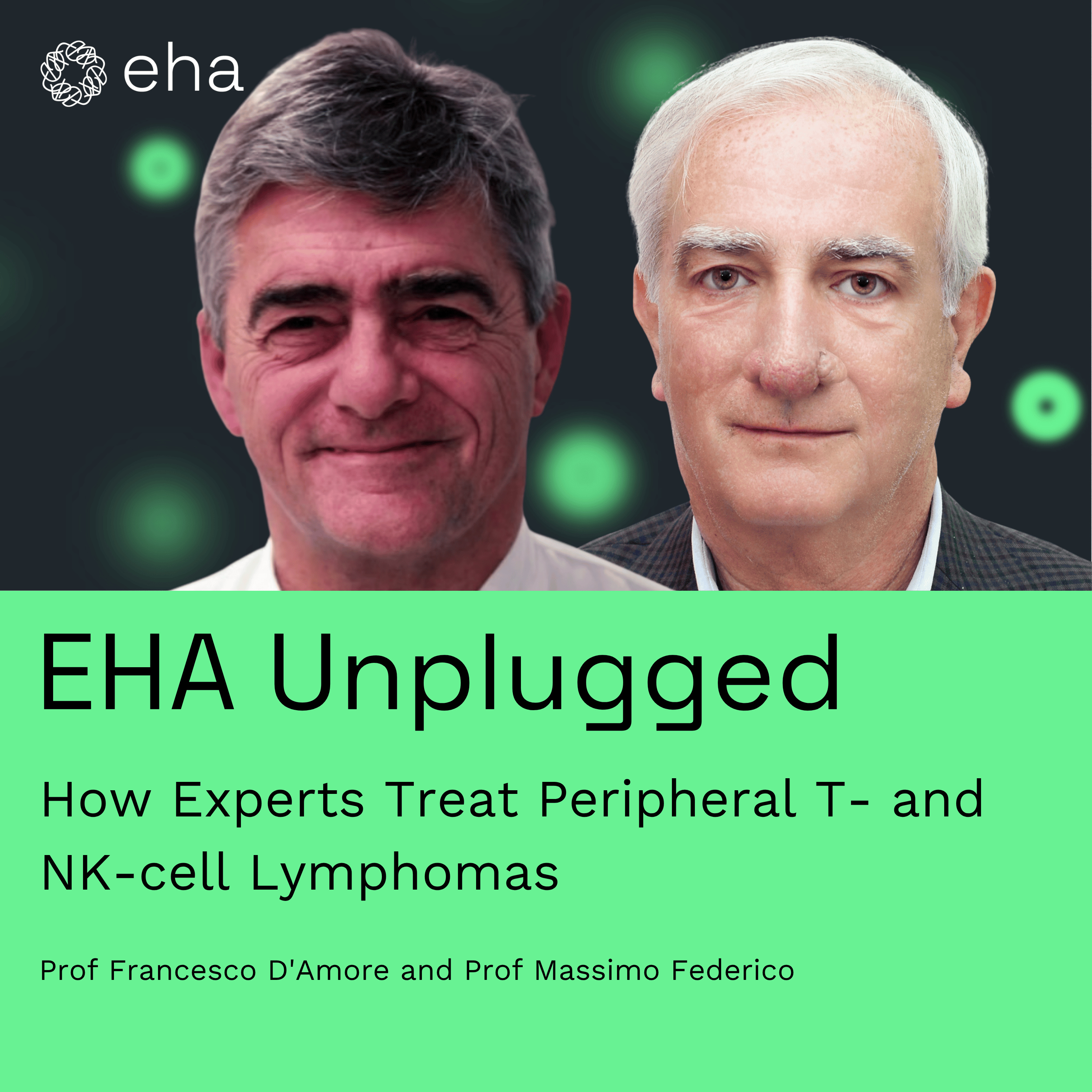
How Experts Treat Peripheral T- and NK-cell Lymphomas
Apr 300:29:33Tap to summarizeGet up to date with the latest ESMO-EHA guideline for Peripheral T- and natural killer-cell lymphomas (Peripheral T‐ and natural killer‐cell lymphomas: ESMO‐EHA Clinical Practice Guideline for diagnosis, treatment, and follow‐up - d'Amore - 2025 - HemaSphere - Wiley Online Library) Prof Francesco D'Amore (Aarhus University, Denmark) and Prof Massimo Federico (University of Modena and Reggio Emilia, Italy). In this episode, two key authors of the guidelines walk us through the recommendations for these rare, biologically diverse, and often aggressive- peripheral T cell and NK cell lymphomas. Our guests explain the conscious effort of the guidelines panel to provide evidence based detailed recommendations for each subtype of PTCLs to improve diagnosis, treatment, and follow up. The emphasis is on moving away from “one size fits all” DLBCL style approach toward entity- adapted strategies. Throughout the conversation, they stress the need to read the full guideline – including the supplementary material – and the importance of a multidisciplinary approach by experienced hematopathologists, ideally in expert or reference centres to give patients the best chance of appropriate, modern therapy.GuestS: Prof Francesco D'Amore and Prof Massimo Federico. Professor Francesco D'Amore is a Clinical Professor and Chair of the Department of Hematology at Aarhus University in Denmark Professor Massimo Federico is a Senior Professor of Medical Oncology at the University of Modena and Reggio Emilia in ItalyHost: Isabel Olivera Martinez, PhDLearn MoreWhat did you think of this podcast? Share your opinions with us in this short feedback survey.Provide FeedbackWould you like to explore more eLearning or podcasts? Please visit the EHA Campus.https://ehaedu.org/CampusSubscribe, share, and review this podcast to be able to address topics you enjoy and like to listen to.Follow EHA on Instagram: https://www.instagram.com/EHA_Hematology/Facebook: https://e-h-a.link/facebookLinkedIn: https://www.linkedin.com/company/eha/Email us: education@ehaweb.orgSubscribe to receive the EHA Educational Updates via https://eha.news/subscribe
Transcribe →