Loading summary
Transcript21 lines
- [00:00]
Jonathan
This is an iHeart podcast. Guaranteed Human.
- [00:05]
Child Narrator
Then the space hamster flew his hot air balloon all the way to the bottom of the ocean.
- [00:12]
Miko Mini AI
Where did that story come from? Book Dream? Nope. It came from a conversation. Meet Meco Mini plus the AI companion that co creates personalized story adventures with your child in real time.
- [00:25]
Child Narrator
What color was the hamster's cape and what did he pack for lunch?
- [00:28]
Miko Mini AI
Unlock your child's imagination. Discover Mikomini PL and the magic of AI Exclusively at Costco.
- [00:35]
Annabe Sofa Advertiser
Tired of spills and stains on your sofa? Wash away your worries with Annabe. Annabe is the only machine washable sofa inside and out where designer quality meets budget friendly prices. That's right, sofas start at just $699. Enjoy a no risk experience with Pet Friendly stain resistant and changeable slipcovers made with performance fabric. Experience cloud like comfort with high resilience foam that's hypoallergenic and never needs fluffing. The sturdy steel frame ensures longevity and the modular pieces can be rearranged anytime. Shop washablesofas.com for early Black Friday savings up to 60% off site wide backed by a 30 day satisfaction guarantee. If you're not absolutely in love, send it back for a full refund. No return shipping or restocking fees. Every penny back Upgrade now@washablesofas.com Offers are subject to change and certain restrictions may apply.
- [01:36]
NordicTrack Advertiser
The only thing between you and your best self is a start button. This Black Friday Explore the world with NordicTrack from the peaks of Peru to the streets of Paris, every workout moves you somewhere new with IFIT trainers leading the way. The equipment's amazing, smooth, quiet and those screens make it all feel real. Ready to start your next workout adventure with the number one treadmill brand in the US? Shop NordicTrack.com for Black Friday savings NordicTrack train anywhere. Explore everywhere.
- [02:08]
Steven Furtick
Hey, this is Steven Furtick. I'm the pastor of Elevation Church and this is our podcast. I wanted to thank you for joining us today. Hope this inspires you. Hope it builds your faith. Hope it gives you perspective to see God is moving in your life. Enjoy the message.
- [02:23]
Jonathan
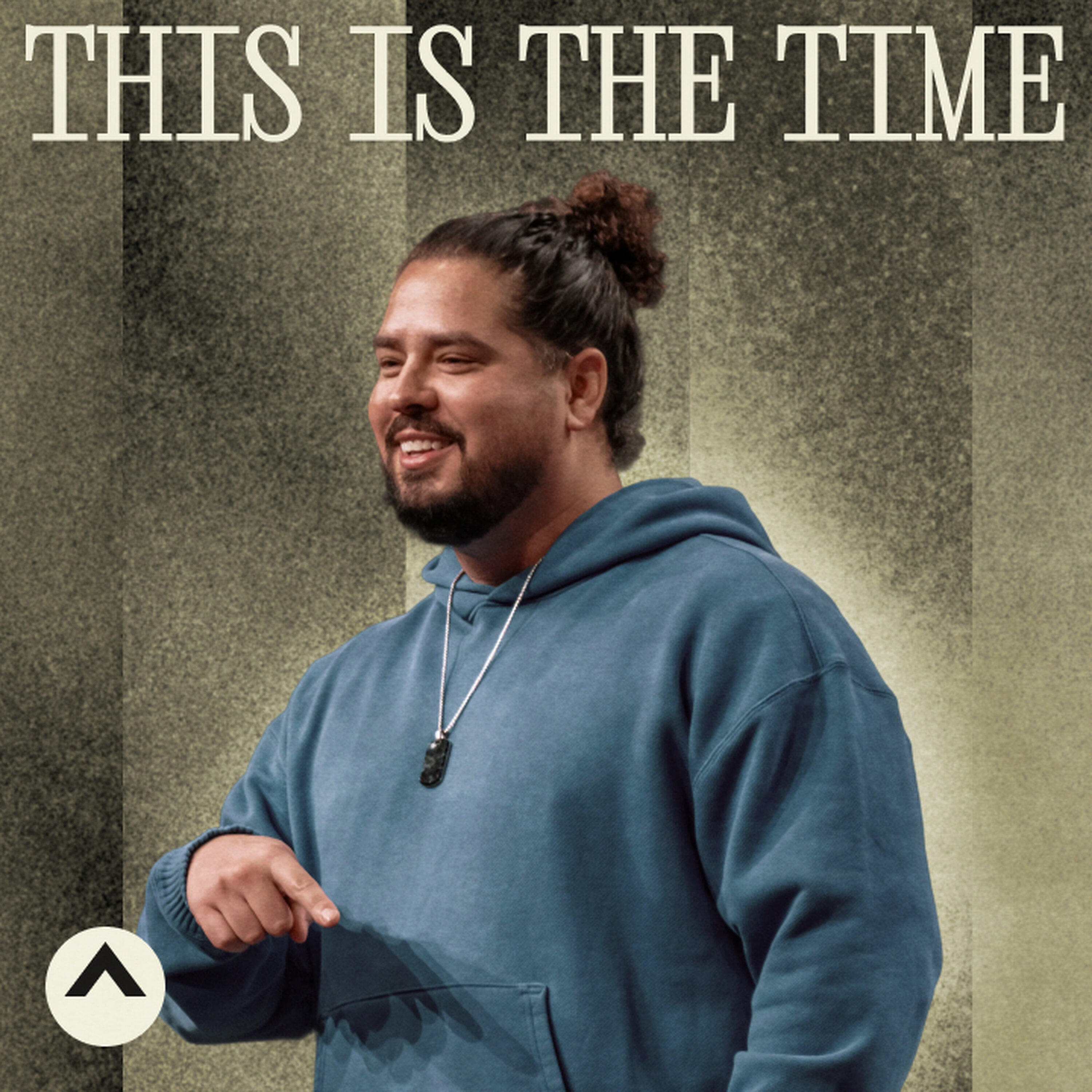
What an awesome atmosphere of thanksgiving and praise today and I'm so grateful to be able to be here with you today to share God's word. My name is Jonathan. If we haven't got the chance to meet, everybody calls me A lot of love from over here at Valentine. I have the privilege of serving here as the Ballantine Campus Pastor. I've had the honor of serving under Pastor Steven and Pastor Holly for 12 years now, almost 13 years now, and it's been the joy of our life. How many are grateful that Pastor Stephen and Pastor Holly gave God their yes and created a place for us to live out the calling and mandate on our life? And I'm so grateful I get to share God's word with you today. I've been praying about what to share and I felt like the Lord gave me a really clear assignment. I was asking God to give me a word that would inspire you to give as we are in this special time in our church. And the Lord said, don't inspire them, instruct them. And so I came with a word of instruction today. How many know that God's word serves different purposes in our life? He can encourage us through his word. He can inspire us through this Word. Sometimes His Holy Spirit will give us an insight. But I'm growing more and more grateful for the times the Lord shows up with an instruction for me. And that's my assignment for today. And this really is a special time of year for us here at Elevation Church as we're getting ready for our expansion offering. In just a couple weeks, we got a new building coming in Raleigh, North Carolina. Shout out to our Raleigh campus. We just opened a brand new Greenville campus. We're about to launch a campus in Somerville, South Carolina, outside of Charleston. And can we thank God for all the outreach that's happening through this ministry? Well, I want to read this scripture to you today from Haggai chapter one. If you haven't heard of Hagg, he's a minor prophet that the Lord uses in a major way. And one thing that caught my attention was, you know, in your Bible, there's the inspired word and then there's the parts the publishers kind of put at the top of each section to give you an idea of what that chapter's about. Well, right at the top of Haggai chapter one, it says this a call to build the house of the Lord. And I just thought that was so fitting for the season that we're in because whether you've been a part of this church for just a little while or whether you've been a part of this church for over a decade or all 20 years, maybe there's a call on each of us an assignment from God right now to build the house of God. And well, of course, you know, this offering will go towards helping us launch new campuses. You all know this. It's never been about new buildings. The Bible says God does not live in houses built by men. But we are the temple of the holy spirit. It's always been about seeing people far from God raised to life in Christ. But there's something powerful that happens in our lives when we connect our purpose to the purpose and priorities of God. So let's look at haggai. Chapter one says, in the second year of king Darius, on the first day of the sixth month, the word of the Lord came through the prophet haggai to zerubbabel son of shealtiel. I worked really hard on pronouncing that the governor of Judah and Joshua, son of jozadak, the high priest. This is what the Lord almighty says. These people say the time has not yet come to rebuild the Lord's house. Then the word of the lord came through the prophet haggai. Is it a time for you yourselves to be living in paneled houses while this house remains a ruin? Now, this is what the Lord almighty. Give careful thought to your ways. You have planted much, but harvested little. You eat but never have enough. You drink but never have your fill. You put on clothes but you are not warm. You earn wages only to put them in a purse with holes in it. This is what the Lord almighty says. Give careful thought to your ways. Go up into the mountains and bring down timber and build my house. Go up into the mountains, bring down timber and build my house so that I may take pleasure in it and be honored, says the Lord title of My message today is this is the time. This is the time. Touch your neighbor as you take your seat. Say, this is the time. Last week, pastor Steven preached, this is then what a powerful word for us. And today I want to stay in that spirit. This is the time. I thought about opening up this message with a little bit of audience participation, but then I decided against it because I was gonna ask the question. I was gonna have you raise your hand and self identify if you are a procrastinator. But the more I thought about it, I realized you wouldn't be honest. And so the better way would have been to say, raise your hand if you're sitting next to a procrastinator. And then I might have yeah, yeah, yeah. But the more I thought about it, I thought it's not really a fair question to ask because the more I gave a thought, the more I realized that while each of us have certain areas and aspects of our life that we treat with urgency and diligence at the same time, all of us have areas in our life where we procrastinate. So what you treat with Diligence and urgency might not be the same thing as someone else, but there's something you procrastinate on that's probably driving your spouse nuts. And I thought about just a couple weeks ago, I got really aggravated with my wife, Anna. Now, before I know I don't get the preacher all that often. Not all of you know us, so trust me, I say, we're good. We've been married 15 years. She's the love of my life. She's obsessed with me ever since I grew up. My hair. She calls me her Maui. Her Canadian, Chinese, Jamaican, Maui, I don't know. And I always like to make the message weird right at the top. But a couple weeks ago, I got real aggravated because one thing I can't stand is subscriptions. And there's nothing worse than looking at my bank account and realizing that I've been paying for something that I haven't even been using. And the other day, I open up my inbox and I see an email that says that we had subscribed to Apple TV through Amazon Prime. Help me make sense of this. We had subscribed to Apple TV through Amazon Prime. They're all in cahoots. And I said, anna, did you subscribe to Apple tv? And she said, yeah, I did. There was a movie I wanted to watch with the kids, and it was on Apple tv, So I subscribed. I said, well, that's not the problem that you subscribe to Apple tv. The problem is we already have Apple TV and Amazon Prime. And she's like, oh, my goodness, I'm so sorry. I didn't realize it. She said, don't worry. I already put a reminder in my phone to cancel it. I said, well, go ahead and just cancel it right now. And she's like, well, no, I'm busy right now, but don't worry. I put a reminder in my phone to cancel it. And y', all, I know how this goes. We've been married for 15 years. That reminder might go off when our daughter's having a breakdown. That reminder might go off when she's in the middle of a conversation. And next thing I know, I might be paying another to 9.99 for Apple TV through Amazon prime when I already have Apple TV. So I said, no, cancel it now. This is the time. This is the time. Now, I can share that story because I'm the one with the microphone. But Anna could give you hundreds of examples of when my procrastination cost us. Like when she kept telling me to make sure I added her engagement ring to our insurance policy in case it ever got lost. And I didn't add the engagement ring to the insurance policy. How many of you know that that ring that got lost cost a lot more than a subscription? But all of us have places in our life that we procrastinated on. And that's really what the Lord is addressing in the hearts of his people in this passage. You see, God, of course, you know, had delivered his people out of Egypt, taken them into the promised land through King Solomon. He built a temple for the Lord in the promised land. Along the way, through their disobedience, they get invaded by foreigners, they get taken into exile. And now when we pick up in the book of Hag, God has brought them back into the promised land and he's giving them this charge to rebuild his temple because they have been procrastinating on it. Because what is not a priority to you, you will always procrastinate on. And so when God sends this word of instruction to his people, it's because he is trying to make important to them what is important to him. And he's frustrated. And how do I know they're frustrated? He's frustrated. Look at verse two. In verse two, it says, this is what the Lord Almighty says. These people say, not my people. These people say, it's like when Anna says, your daughter has an attitude today. These people say, and the Lord sends this word in his grace and in his mercy through the prophet Haggai to the leaders of the nation, saying, it's time for you to get back to work. It's time for you to prioritize in your life. What is important to me now. It's important to know that one of the ways the devil keeps you stuck in your life is by getting you to procrastinate and push off the things that God is calling you to. He's smart, you know, so if the enemy just tried to get you to disobey, hey, just ignore what God said. You're too smart for that. And he knows that you'd be like, ah, that's the devil. I'm not gonna listen to that. So when the devil can't get you to disobey, he'll get you to delay. And we have a way of putting off the things that God has called us to over and over and over again. And they're saying, now is not the time. And now is not the time. They've set a reminder in their phone and God's saying, you can't keep putting this off anymore. Now is the time to build my house. All the parents can testify with what I'm about to say. And it's true of this scripture. How many know that delayed obedience is still disobedience? All the parents make some noise. Delayed obedience is still disobedience. And the real premise of this whole text that I want to encourage you with is the truth that you see in the principle that you see in this passage of, when I build God's house, he'll bless mine. When I build God's house, He'll bless mine. And so no wonder the enemy wants to keep us in this cycle of delaying and putting off the very things that God has asked them to do. And if the enemy can keep us stuck in these cycles of delay in procrastination, then he can keep us back from the things that God has in store for us. If he can delay our sowing, he can delay our reaping. So God in His grace, sends this word to his people, saying, no, no, no, you've been saying the time has not yet come. But he's saying now is the time. It is a call to build his house. And that is really the invitation in the season that we have before us as a church right now. It's not about buildings. It's not just about this offering. It's about aligning our priorities with the priorities of God. So much of spiritual growth in your life is simply that God getting you to care about the things that matter to his kingdom and getting you to deprioritize the things that the world tells you are important, that is spiritual growth. The more I align my priorities with the priorities of heaven, the more peace I have, the more joy I have, the more blessing I walk in, the more favor I have. And so God is always calling us into something. And the enemy will get you to say, ah, it's not just the time yet. So there's a few things in this passage of scripture that I think were keeping the Israelites in this moment, in this cycle of waiting, in the cycle of putting off. See, most people never say no to God. Sometimes we just say, not yet. One of the things that I think they were waiting on is that they were waiting on peace. They were waiting for peace. Now, when I first read this passage, I thought, what is the problem with, they've just come out of exile, they're back in the land. What's the problem with them putting together their own homes and making sure that they have shelter over their heads and for their families? And once they get through that then of course, they could build the temple. But there's an important detail on this passage. In this passage in Haggai, God says, is it a time for you to be living in paneled houses? That's an important detail because the panel was not functional, it was aesthetic. And so what the Lord is saying is that you are continuing to live in comfort and luxury while my house remains in ruins. And listen, God is not bothered when we have nice things. God is not upset by our comfort. But sometimes we get so trapped in comfort and we call it peace. Some of us are waiting for peace. And when we say the word peace, we don't mean the peace of God, the peace that God gives, because the peace that God gives means the presence of God even in the midst of trouble, even in the midst of difficult circumstances. And so sometimes when we say peace, what we really mean is when things feel comfortable. I just didn't have peace about that. No, things just weren't comfortable yet. Things just weren't easy. Sometimes when we say peace, we mean that we're waiting on the ideal circumstances for everything to line up. And hey, when I get all my stuff figured out, then I'll prioritize the things that matter to God. And so they stay stuck in this place saying, if, then. If I can just get to this, if I can just get the kids graduate, then, then, then. Then we'll prioritize the things that matter to God. But the other interesting thing is that this wasn't one year or two years or three years after they had been in the land that God sends this word through Haggai. When God sends this word through his prophet Haggai to Joshua and to Zerubbabel, they had been back in the land for 18 years. 18 years they'd been living back in the land. That's like Anna asking me to take. To take the trash out. And I say, oh, I'll get to it. And I finally do it when my son is 29 years old. 18 years then, been waiting in the land. In the book of Ezra, it tells us the account of when they got back out of exile as well, and how they began right away rebuilding the temple. And in the first two years, they built the foundation of the temple. But then there was external attacks from nearby enemies. There was internal discord. They had pressures from the outside, pressures from the inside. And after two years of building the foundation in Ezra, chapter four, it ends with this horrible verse where it says that the work on the Lord's house came to a standstill when the circumstances got hard, they stopped. And somewhere along the way, we've convinced ourselves or bought into this idea that following God was supposed to be easy. So we say things like, oh, the Lord just shut the door. The Lord just shut the door. Or you just gave up because it got hard. Because I know a God who can open up doors that no man can shut. And if you would just keep moving in accordance to His Word, he could open that door for you. All of us have a decision we get to make in our life. When it comes to how we live. I can either base my decisions on my circumstances or I can base my decisions on what God says. When I choose to build my life on what he says, then I can't consult my circumstances. And the moment things in their life got difficult, whether it was attacks from the inside or attacks from the outside, they stop on the work that God had called them to do. Two years they built a foundation, and then for 16 years it sat there while they continued to work on their houses. Some of us in our church, we've built. Some of you have built a foundation of faith. Yeah, there was a time where you trusted God and you were pushing through and you were diligent about the things that he had called you to and you sacrificed and you were living by faith. And somewhere along the way you said, that's good enough and you stopped building. What I love, why this is a tradition for us as a church is because this is not a one time thing we invite you to be a part of every year. When we have this year end offering, it's an opportunity for you to decide, is God finished or is this just the foundation? I don't want it to be said of me what was said in Ezra chapter four, that the work of the Lord finished. I want to continue to see God take me from glory to glory, to strength to strength. And whether that's in your own life or your own family or your business or certainly this ministry, I don't believe that God is done yet. So I can't keep waiting for the perfect circumstances and the ideal scenarios before I say yes to what God has asked us to do. God has asked us to see people far from God raised to life in Christ. And that is the invitation before us now. They were waiting for peace, but not the type of peace that God gives. Because one thing I've just learned in my life is that very rarely did peace precede my obedience. Often it was when I obeyed. Then I experienced peace. The peace of God when someone gets up and says we're getting ready for our year end offering on December 14th. Someone might say, I just don't have peace about that. But what if you sought the Lord, listened to his voice, and obeyed what he said? I promise you, you would experience the peace God gives on the other side. The other thing that I think had them stuck. Thank you. Praise the Lord, everybody. That's a good word. Yeah, yeah, yeah, yeah. Because the enemy keeps us in this cycle because we're saying, ah, it's just not the right time. The economy's hard. When I get this debt paid off. No, no, no. If the Lord speaks to you, today is the day to obey him. Hebrews says, today, when you hear God's voice, do not harden your heart. And every time God speaks to you, it's an opportunity for obedience. Y', all, if you think this message is just about money, you're missing the point. This is about obedience to his voice. The other thing that kept them stuck was that they were waiting for more. Look at this description that the Lord gives in verse six. You planted much, but harvested little. You eat, but you never have enough. You drink, but you never have your fill. You put on clothes, but you are not warm. You earn wages only to put them in a purse with holes in it. Does that not describe our lives in so many ways? Sometimes that cycle of discontentment that we live in, where it feels like no matter what we do, it's never enough. You look at your bank, you're like, I know I got paid. Where did it all go? Target. That's where it all went. Put it in a purse just to have holes on it. Where did this end up? And the Lord is addressing one of the excuses that so often we care. Because how many of you have found yourself in one moment or another in your life simply saying, well, if I had more, I would do more. If I had more, I would give more. And that's the place that the Israelites find themselves in. They keep saying they feel economically frustrated, and they're using that as a reason not to rebuild the Lord's temple. So they keep saying, well, we just don't have enough. And it's interesting how what the Lord is describing here is the very thing that they use as a reason not to give. But what the Lord is trying to get them to see is that what they are calling a reason is actually the result. Let me say that a little more clearly. They're saying, well, Lord, if we had more, we would build your house. And the Lord's saying, no, no, no. If you built my house. You would have more. Because it's about priorities. His temple represented his priority amongst his people, his presence amongst his people. And so he's saying, no, no, no, you keep waiting to have more, but when will you prioritize me and your presence? When you begin to do that, you'll see that it's better to have God in a little with me than to have much without God. Amen. When I was in high school, I spent a month living on a missions trip in Namibia, Africa. And while I was there, I met a pastor who had a church. His church was just a piece of sheet metal off the side of his house where his church met. And it made such a profound impact on my life and we developed a great relationship. And then when I went off to college, he actually ended up living with my family in Canada while he was attending school in Canada. And so when I was home for the summers, we'd spent all the time, all the time together. And we'd go to the church that I grew up in. And no matter what the pastor preached on, we'd get back in the car after church and Kamadi would always say to me, john, why don't they talk about giving? No matter what the message, why don't they talk about giving? And eventually said, I don't know, Kamadi, I don't know. I don't know the reasons why they're not talking about it. I said, sometimes people feel weird or get upset when you talk about their money. And he said, john, it's better that they be angry for a day than frustrated for a lifetime. Because what Kamati knew, with just a piece of sheet metal over the side of his house for a church and unreliable electricity, what he understood is that without God, it's never enough. But with God, it's always enough. Just ask the disciples when Jesus asked them to feed a crowd of people and they said, all we have is five loaves and two fishes. It's not enough. It's not enough. But with God, there's leftovers. And the enemy will keep us delaying and delaying on stepping into the things that God has called us to as a people. Why? Because he wants to keep us in this cycle of discontentment where it always feels like I just can't get ahead. I just can't get ahead. And the principle of the tithe is simply this. Every time I give to God through my tithe, it reminds me that God is my source, God is my provider. So no matter what I'm looking at, I know that God is in it with me. And so they were waiting on more. The last thing I think they were waiting on is I think they were waiting on an instruction. Look at this. What happens after God confronts their excuses? He says, go up into the mountains and bring down timber and build my house so that I may take pleasure in it and be honored, says the Lord. I love that. So that I may take pleasure in it and be honored. Because so much of this offering is not just about new buildings and outreach efforts. It's about honoring the Lord with our lives. He says, build my house so that I may be honored in it. And after the Lord gives this instruction, something miraculous happens. In the story that I want to show you, the Lord gives this word in verse eight, saying, go bring down timber and build my house. And then look in verse 12. Then Zerubbabel son of. Oh, man, I worked on it, y'. All. Shealtiel Joshua, son of Jozadak, the high priest, and the whole remnant of people obeyed the voice of the Lord, their God. Did you see that miracle in that text? Did you miss says that the people obeyed y'.
- [24:46]
PayPal Advertiser
All.
- [24:47]
Jonathan
There's only a few times in Scripture where God sends a word to his people and they actually obey. And this is one of those times. And I'm being a little facetious, but we underestimate the power of obedience, y'. All. Lord, mark my life with signs, wonders, miracles. What about if the Lord marked your life with just simple obedience? What if being a follower of Christ looked like you being someone who sought his face and when he spoke, you gave him your. Yes. So the Lord delivers this word through his leaders. And it's amazing. It says that as Joshua obeyed and as Zerubbabel obeyed, that the whole remnant of people followed y'. All. That just made me grateful for the leaders that God has given us at this church, Leaders who didn't settle at year five or at year 10 or at year 15, but 20 years into this ministry, Pastor Stephen and Pastor Holly continue to say yes to God and walk in surrender to his voice and. And to his ways. Because God speaks to the leaders and then the people followed. And I'm so grateful for the example of faith that they've given us. And there's an invitation before us now to prioritize the things that matter to God in our lives and simply obey Him. That's why as we talk about this offering over and over again, we'll say, pray about what the Lord would have you give. Because it's not just about an amount. It's about being a people who know how to seek his face, being a people who know how to hear his voice and obey when he speaks. Isn't that what Jesus said? My sheep know and hear and recognize my voice, and they obey. That's the sign of a follower of Christ. They were waiting on instruction, and when the Lord spoke, they obeyed. I believe that maybe there are some people here today that in your heart, you're like, I want to trust God in this way. I want to grow in this way. I just don't always know how. In 12 years of pastoring, I can't think of a single time where I talked to someone about giving, and they said, nope, I don't want to do that. I've had people say, I just don't know how to right now. Had people say, show me what steps I can take. I want to get there one day. Never had someone just say no. But sometimes we're putting off what God has called us to put on. But they received an instruction from the Lord, and they obeyed. I remember so vividly when my grandfather sat me down in his office and he first gave me the instruction of what it means to trust God. Finances. And he sat down and he said, the first tenth belongs to God. In my memory, it was like he was using an abacus, but it was probably just a calculator. It wasn't that old. I was just a kid, though. And he said, the first tenth belongs to God. The second tenth is what you pay yourself in the future by saving. Now, I know there's some financial advisors in the room who could give a more nuanced approach to personal finances. But my grandfather was a blessed man, and so I listened to him, and it stuck with me. The first tenth belongs to God. The next tenth is for my future. And I was just a kid, so what was I gonna do?
- [27:38]
Steven Furtick
Give.
- [27:38]
Jonathan
Give God a tenth of my Legos. But it instilled something in me right there that the first tenth belonged to the Lord. And then when Anna and I got engaged, my in laws, who are here today, they gave us the gift of signing us up for Dave Ramsey's Financial Peace course. And we went through Dave Ramsey's course, and that was powerful instruction. You know, most couples fight over finances more than anything else. And I'm so grateful that at the start of our marriage that we got to go through that course to get on the same page about how we would approach our finances. And Dave Ramsey talked about a lot of things, and he talked, of course, about giving to God, giving a tenth to him. So every time a paycheck would show up in our account, you know, you just move the decimal over a couple times, and that's what you give. And from the beginning of our marriage, we made the decision that we would be tithers. God gave us an instruction, and we walked in it. But I was thinking about the first time we ever visited Elevation Church, Our very first time. It was the end of 2012. And this year, our offering is called Trust in God. But in 2012, it was called our banner year offering. And me and Anna drove all the way to Charlotte. We drove, like, three hours to be at church. And we were so excited to come and hear Pastor Steven speak. And we get to church, and guess what? Pastor Stephen wasn't speaking, and the guest speaker was talking about money. So I can empathize with y' all today. And the pastor preaching that day got up, and he was talking about generosity, and he was talking about tithing, and he taught about the principle of the first fruits. See, I always knew that a tithe meant tenth, that I give a tenth to God. But he taught about the principle of the firstfruits, which meant that not only is a tithe a tenth, it's the first tenth. The first tenth. And so all my life, I had learned, I'll give to God off my net, whatever shows up in my bank account, I'll give a tenth of that. And he taught, no, no, it's the principle of the first fruits, meaning before the government takes their share and before you contribute to your retirement account out of your gross, you give a tenth to God. Our heart was open that day, and we received the word of instruction from that pastor and made a decision to obey. I'm so grateful for the instruction of God in my life. There's been so many times where God spoke things to me that I didn't always understand in the moment. But, you know, when it's his voice and when you obey, you begin to walk in a new level of blessing. And I thought, maybe there are people here today that you're saying, man, I want to make God the center of my finances. Because when you prioritize God in one area of your life, it's amazing how things fall into order in every other area of your life. That's why he said, seek first the kingdom of God and his righteousness, and all these things will be added unto you. It's about priority. You put God first, things just start to fall into order. The other day, I was on Instagram, and a friend of mine he pastors a church out in Sacramento, a church that all of you have been able to help support over the years. He had this clip where he was talking about the myths and truths of tithing. And I texted him, I said, can you send me that? I wanna share it with the church. And it was so powerful what he said. And these are his words I'm gonna read. So if you don't like it, you can email him. And Jared lschuchurch, I don't even know. I don't know if that's his real email, but he said, look at this. Myth. Tithing is Old Testament law. Truth. Tithing predates the law. Both Abraham and Jacob tithed out of gratitude. The law made tithing a rule, but the cross returned it to an act of worship. Myth. You're cursed if you don't tithe. Truth. You're not cursed if you don't tithe. Christ removed the curse on the cross. Under the new Covenant, we don't tithe to avoid a curse. We tithe because in Christ we are exceedingly, abundantly blessed. Myth. I don't need to tithe since I'm a generous person. Truth. Tithing isn't generosity, it's obedience. Myth. Tithing is outdated and no longer needed. Truth. If God's kingdom is still advancing and his people are still gathering, his house still needs building and your treasure still needs investing. Myth. I don't have to tithe. 10%. I can give what I want. Truth. Tithing is not a half title to. It's a get to under grace. 10% is a floor, not a ceiling. Myth. I can tithe to an organization of my choosing. Truth. The tithe belongs to the house of the Lord. Malachi 3 says, Anything else is robbing God. Myth. Someone else will tithe and take care of my part. Truth. All Christians are called to tithe, yet only a few church members do. Churches don't die because of too much money. They die because of too little. Myth. I should be able to attend church and experience for free. Truth. Biblical worship always includes a sacrifice. As a member of the family, I have a responsibility to contribute. Guests eat for free, but family puts food on the table. Myth. I've worked too hard for my money to give it away. Truth. You worked hard, but God provided. Tithing reminds you that God is your source, your job has a purpose and your money is making an eternal impact. Myth. I can't afford to tithe. Truth. My friend, with hundreds of promises in scripture concerning your finances, you can't afford not to tithe myth I don't trust the church to handle my money. Truth. If you trust your church and your pastor to dedicate your babies, counsel your marriage, support your children, shepherd your soul, visit your family members, evangelize your lost loved ones, pray for your future, answer your emails, bury your dead, write your obituary, endure election seasons, preach through global pandemics, send out missionaries, finance outreach, organization, build buildings, smile through slander, all the while maintain integrity. How much more do they need to do for you to trust them with your tithe? I'm getting a little jealous. Y' all are shouting for Jared more than me. But it's good word. It's a good word. If you don't trust your church, then find a trust you do trust. Find a church you do trust. But if the fruit is evident, souls are won, outreach is accomplished, children are equipped, families are championed, Scripture is preached, and God is glorified. Then church. This is the time to tithe. This is the time to tithe. Look at your neighbor say this is the time. This is the time. God gave them an instruction and they obeyed. Be seated for just a moment. I'm not quite done yet. So powerful though. And they obeyed. And then look what happened in verse 13. Then Haggai, the Lord's messenger, gave this amazing word to the people. He gave this message from the Lord to the people. I am with you, declares the Lord. What's greater than that? What's greater than the assurance of his presence? I don't give to get. I don't give so I can have more to eat or more clothes to put on my back. I give because more than anything, I want his presence. And when you prioritize him in his life, when you seek first his kingdom and his righteousness, it's amazing as you create space in your heart to trust him more. The assurance of his presence, his provision, his protection. Isn't that what our pastor preached on a couple weeks ago? That comes when we trust in God. And then it goes on to say so the Lord stirred up the spirit of Zerubbabel. He stirred up the spirit of Joshua, and He stirred up the spirit of the whole remnant of people. They came and began to work on the house of the Lord Almighty, their God. He stirred up their spirit. I love that language because I'm excited to be able to open new campuses and launch new buildings and all the ministry that's going to happen through those opportunities as the Lord continues to expand our church. But more than anything, I want to see God stir up the spirit of our people. I Want God to stir up my spirit. I want the Holy Spirit to just begin a work in me that overflows and touches nations. I want God to stir something up in our church that proclaims the gospel all over the world. And it's a really simple progression that happens in this story. But it's so powerful. God spoke, they surrendered. God stirred, God gave them a word. They said yes. And God, by his spirit, stirred up their faith to do something incredible for him. That's the same invitation God is giving each of us. It's amazing, though, what God can do with your simple yes. It's amazing what the Lord can do with your obedience. He spoke, when we just say yes to him, regardless of our circumstances, regardless of where we feel like we don't have enough, when we simply give him our yes, he'll stir up our spirits. And they went on to build this temple. And the temple that they rebuilt was the very temple that Jesus himself would sit in one day. And there's a story in both Luke and Mark where Jesus is sitting in the temple and he calls the disciples over to himself. And as they are in the building, this interaction between Jesus and his disciples, the disciples, they're making comments about the building. They're saying, look how magnificent this temple is. Look at these stones. But Jesus isn't interested in the stones. Jesus is about to witness something much more powerful. Jesus attention is on sacrifice because he calls the disciples over to himself. And while they're thinking about the stones, he points out a widow who has just two small copper coins. And Jesus points her out to the disciples as she goes to give her offering in the temple. And the scripture says that she gave all that she had. It wasn't a lot of money, but it was a lot of faith. It wasn't a big amount, but it was a lot of trust. And while other people were giving larger amounts, Jesus wasn't as interested in that because he was drawn to her trust in God. She gave all that she had. And the disciples were so focused on the house of worship. But what Jesus was drawn to was the heart of worship. And I'm so grateful that through this offering, we're going to get to build new buildings. But when Jesus steps into this room, he's not impressed with stages or screens. He sees our sacrifice. He sees our heart for worship. And God is honored and takes pleasure in when we as his people, we as his temple, develop a heart of worship that says, lord, you are everything to me, and I give you everything. All that I have is yours. It reflects the heart of the Father, because that's what scripture says in Romans, that he who did not even spare his own son, yet gave him up for us, has given us all things. All things. Your God is the giver. And because your God is the giver, you can trust in Him. So at the beginning of this series, our pastor said that trust is tangible. And as we get ready to bring this offering in just a couple weeks, it's an opportunity for us to tangibly demonstrate our trust in Him. And as you seek his face and he speaks to you, and as you obey his voice and surrender, God stirs something up in your spirit that I can say, I'm a house of worship. This is my heart of worship. God, I live for you. I honor you. I worship you. You are my Lord. You are my God. So that's the invitation before us in just a couple weeks. I feel like I said everything I was anointed to say today. Can we thank God for that word if it was a word of instruction for you? He wants a heart of worship. Stand up on your feet for just a moment. I want to give an invitation right now to someone who needs to make a decision to give God the most important thing you'll ever give to him, and that's your life. The amazing thing about the gospel and the amazing thing about his grace is that he's done it all for you. All you have to do is give him your yes, if you'll have received the gift of his salvation and grace by faith today. The scriptures say that he'll come into your life and he'll make you a new creation. Jesus died so that you could be forgiven, and he rose again so that you could have life. And maybe you're here, or maybe you're joining us at one of our campuses right now or watching online, and you've never made the decision to surrender your life to Jesus, y'. All. This wasn't a message just about giving. This was a message about surrender. And today is your day of salvation. God wants to make you new with heads bowed and eyes closed all over this place. I want to lead you in a prayer if that's you today. If you want to make a decision to make Jesus the Lord and Savior of your life, we're going to pray out loud together as a church family for the benefit of those who are coming to God right now. Pray with me. Say, I believe that Jesus Christ is the son of God and the Savior of the world. I believe he died and rose again to forgive my sin. And give me life. I receive your grace by faith. Come into my life make me new. I'll follow you. Heads still bowed, eyes still closed. If you just prayed that prayer to begin a relationship with God today, when I count to three, I want to ask you to shoot your hand up in the air. Whether you're at this campus or another one, shoot your hand up in the air. We want to celebrate what God has done in your heart today. 1, 2, 3. Shoot your hand up. Hold it up high. Come on. We're celebrating new beginnings around this room. Online. Let us know in the chat. We want to talk to you. We want to pray for you. Keep your hand up for just a moment. Our ushers are coming around with the Bible that we want to give you church. Can we thank the Lord for those who made a decision to give their lives to Jesus today? That's one invitation today. But the other invitation is for some of you in this room to step into a new level of trust in God this year. In a couple weeks on December 14th, we're gonna bring our year end offering. We're gonna get to come forward and bring a gift above and beyond that goes towards expansion and outreach as a church. But listen, you don't have to wait till then to obey the instruction the Lord gave you today. And if that word convicted you in any way or God was stirring something up in your heart, I wanna encourage you to go home and have a conversation about what does it mean to honor the Lord in our wealth, to honor the Lord in our finances. And you can begin tithing through today. That first 10% belongs to the Lord. It belongs to the Lord. On the way out, you're going to get one of these envelopes with the offering card inside. This is what you're going to bring back with you on December 14th in just a couple of weeks. And in a couple of weeks, and on this card, you can begin praying about a word that represents what you're believing God for. As you're seeking his face and asking God what He wants to do in and through your life, ask God to give you a word. I really believe if you ask him, he'll speak something to you. Ask him for a word that represents what he wants to do in you or what he wants to do through you. And write it down on this envelope and put it in a place. As we go into this new year, we want to believe God for what he spoke. And as he speaks to you about what he's stirring up in your heart, we get to also bring A gift. An offering to him. An offering to him to make space in our hearts to say, God, you are my Lord. You are my source, you are my provider, and my trust is in you. So that's the invitation before us. Now he'll speak. If you surrender, he'll stir. Amen. Can we thank the Lord together? Connect hands quickly with someone around you, and then we'll dismiss. Connect hands. Connect hands. So, Father God, right now I pray for my brothers and my sisters all over this place. God, many of us are facing circumstances that are difficult right now and hard right now. We don't always know how to make a way. But I thank you for the assurance of your word that tells us that you are with us. You are with us, God. Thank you that you're in it with us, fighting for us, God, and that you are the Lord of our lives and our trust is in you today. God, I pray for this church family, for every person under the sound of my voice, for every person who calls Elevation Church their home. I believe that you've seen set our church apart for such a time as this. I believe there's a mandate on this house to reach the nations with the hope of Jesus. And I believe what we're standing in today is just the foundation, not the finished product. And I thank you, God, for the invitation to join our lives to your cause. We attach our hearts to the cause of Christ as we give, as we serve, as we pray, as we preach the gospel. God, we thank you for the blessing that flows that when we build your house, I believe, God, that you are going to bless ours. So bless each home, bless each family, bless each individual, bless each business, all in the mighty name of Jesus, we pray. Amen.
- [43:59]
Steven Furtick
Thank you for joining us. Special thanks to those of you who give generously to this ministry. It's because of you that this ministry is possible. You can click the link in the description to give now or visit elevationchurch.org for more information and if you enjoyed the podcast, you can subscribe. You can share it with your friends. You can click the share button, take a screenshot and share it on your social stories and tag us LevationChurch. Thanks again for listening. God bless you.
- [44:31]
Child Narrator
Then the space hamster flew his hot air balloon all the way to the bottom of the ocean.
- [44:38]
Miko Mini AI
Where did that story come from? Book dream? Nope. It came from a conversation. Meet Mikomini, the AI companion that co creates personalized story adventures with your child in real time.
- [44:51]
Child Narrator
What color was the hamster's cape? And what did he pack for lunch?
- [44:55]
Miko Mini AI
Unlock your child's imagination. Discover Miko Mini plus and the Magic of AI Exclusively at Costco.
- [45:03]
NordicTrack Advertiser
The only thing between you and your best self is a start button this Black Friday Explore the world with NordicTrack from the peaks of Peru to the streets of Paris, every workout moves you somewhere new with iFit trainers leading the way. The equipment's amazing, smooth, quiet, and those screens make it all feel real. Ready to start your next workout adventure with the number one treadmill brand in the U.S. shop nordictrack.com for Black Friday savings NordicTrack train anywhere explore everywhere Ah.
- [45:33]
PayPal Advertiser
Greetings from my bath festive friends. The holidays are overwhelming, but I'm tackling this season with PayPal and making the most of my money, getting 5% cash back when I pay in four. No fees, no interest. I used it to get this portable spa with jets. Now the bubbles can cling to my sculpted but pruny body. Make the most of your money this holiday with PayPal. Save the offer in the app ends 1231.
- [45:57]
Jonathan
See paypal.com promoter points can be redeemed for cash and more. Paying for subject to terms and approval. PayPal, Inc. And MLS 910457 this is an iHeart podcast. Guaranteed human.