Podcast
Emily Vs. Science
Hosted by Emily Minerof · EN
Hello and welcome to Emily Vs. Science! This is a podcast I am making for an independent study for the Spring 2021 semester at Oakton Community College through the Chemistry Department. Emily Vs. Science is a science-related podcast that everyone can listen to and enjoy.
6episodes
Episodes
Newest firstAll episodes
Why Do I Sound Like That!?
May 18, 202100:12:11Tap to summarizeHello friends, thank you all for listening to the sixth episode of Emily Vs. Science! I was super-super excited to do this episode since it is what I am studying at UW- Madison for my undergraduate degree. I really love learning about speech and hearing and hopefully this episode sheds some light on why! Before I drop the links mentioned in the episode as promised, here is some information on correct terminology when referring to hearing loss from the National Association of the Deaf. Here are the links as promised: Stanford Children’s Health: newborn hearing tests Diagram of outer, middle, and inner ear (for anatomy purposes) ASHA: Types of hearing loss Eustachian Tube Speech Banana Understanding an audiogram Johns Hopkins: hearing aids Diagram of tiny bones in the middle ear (just for funsies- they are REALLY small!) I know I didn’t go into great detail about Cochlear implants, but I did want to make sure I left a few resources about them! Cochlear implant technology Cochlear implant discussion/implications Cochlear implant simulation Again, thank you for tuning in and catch ya in the next episode!
Transcribe →Medical Marijuana
Apr 26, 202100:10:59Tap to summarizeThank you for listening to my latest episode - I was excited to tackle a controversial topic that my listeners suggested to me via my Instagram! In this episode I look at the history and basis of marijuana restrictions and use. Currently it is used in 45 states and the District of Columbia for either medical use or both medical or recreational use. I look at what is known about the mechanism of action and conjecture the potential benefits of use on different levels. In this podcast I discuss the benefits of marijuana, despite the common perception that marijuana can be used in poor judgement. In this episode, my goal is to highlight the currently researched benefits of medical use of marijuana. Listed below are some of the sources I gathered my information from plus a few websites that detail the history of marijuana use in the U.S. Map of U.S. states and their legislation regarding marijuana NIH- What you need to know about cannabis Mayo Clinic on medical marijuana FDA on cannabis research Federal setbacks on marijuana research WebMD FAQ on medical marijuana use Illinois' list of debilitating conditions that qualify for medical marijuana History.com: History of marijuana laws NIH: History of medical marijuana use and laws Medical News Today: Neurotransmitters Again, thank you for listening and catch ya in the next episode!
Transcribe →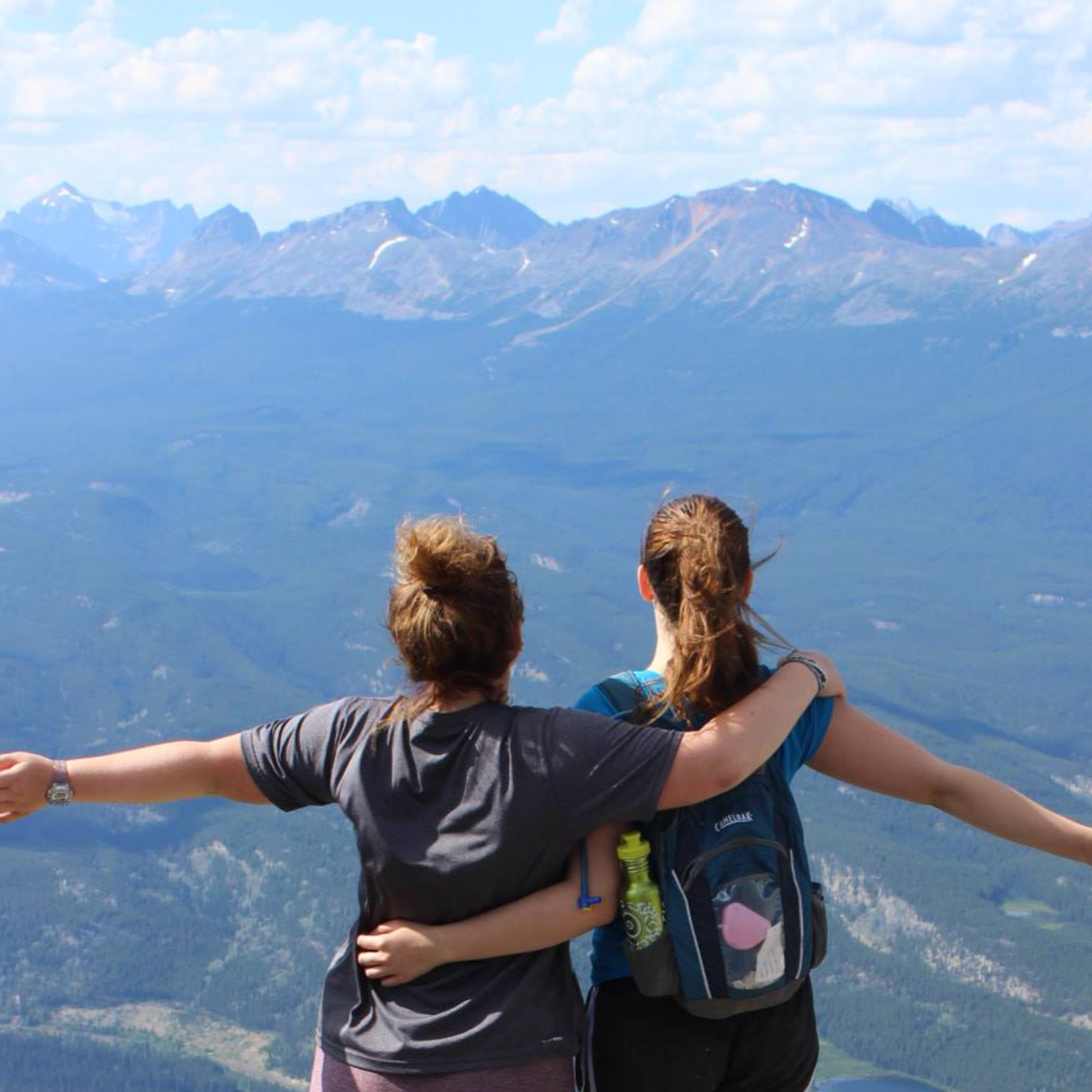
The Science Behind Mt. Everest
Apr 19, 202100:11:23Tap to summarizeThank you for listening to my weird interest in Mt. Everest in this episode! I am not sure why I am so fascinated by this, but there is just something about it that I can’t quite wrap my head around. Here are the links I said I would provide for ~further explanation~ Yale Medicine: Pulse Ox Cleveland Clinic on Hypoxia Also: supporting evidence from the National Center for Biotechnology Information More on: George Mallory's Preserved Body (WARNING: graphic images in this article) Business Insider on the Death Zone List of Mt. Everest Deaths Mt. Everest year-round sub-zero temperatures allow for body preservation Somehow I was able to find a picture of my roommate Lexi and I at the top of the mountain we climed in Jasper National Park in Canada. Took a deep dive through my Facebook albums to find this- I wish there were more! Looking back, I truly cannot recall if this was Mt. Columbia, BUT I have no proof suggesting otherwise. Despite that, this was 100% in Jasper National Park... somewhere. Catch you in the next episode!
Transcribe →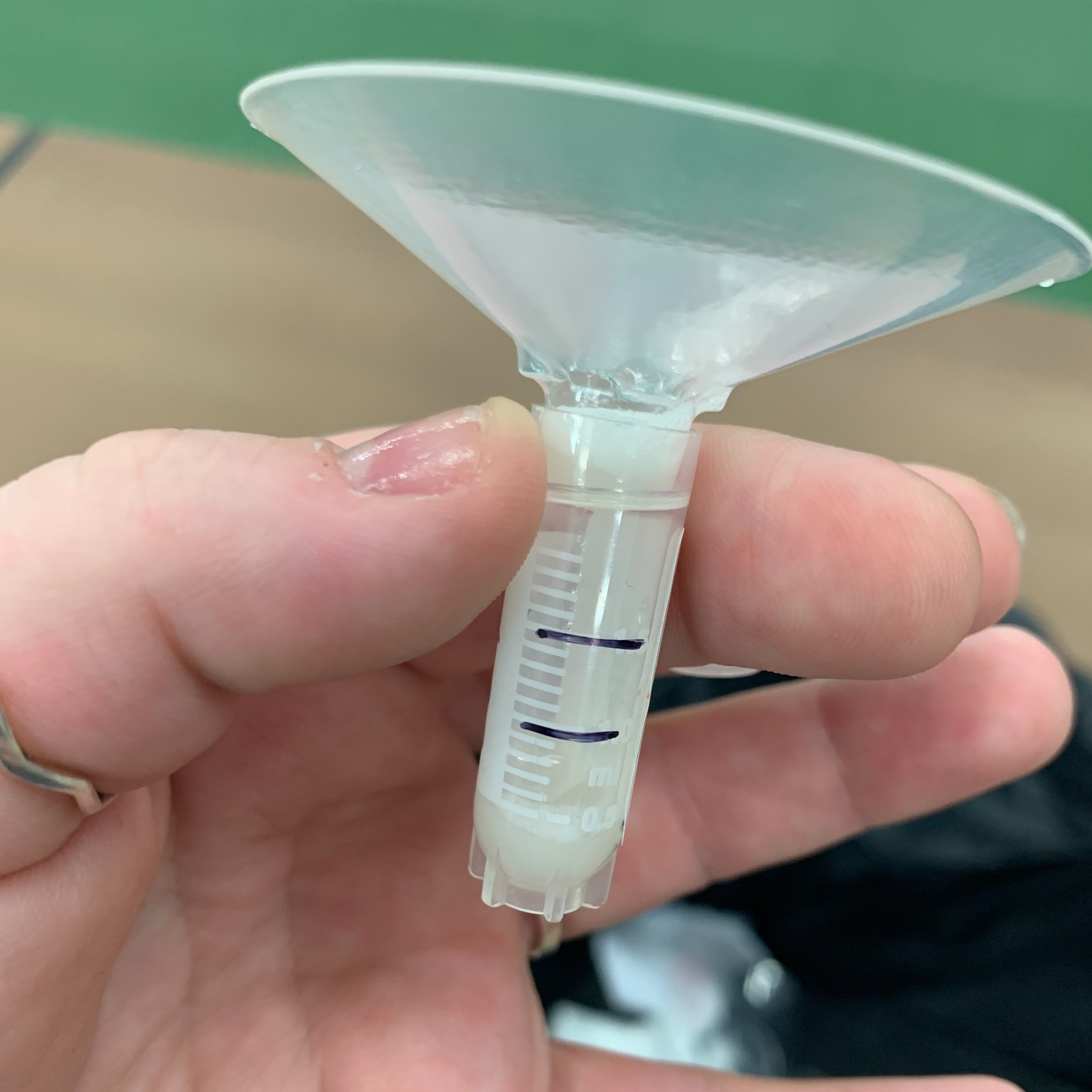
COVID and PCR Testing
Mar 23, 202100:10:30Tap to summarizeThanks for listening to the third episode of Emily Vs. Science! In this episode I discuss PCR (polymerase chain reaction) testing as it relates to COVID-19. This semester many colleges and universities are implementing a COVID-19 testing system to keep students safe on campus. As I mentioned in the podcast, the Illinois Return-to-campus plan was first introduced back in Fall 2020 and now lots of campuses like UW Madison have implemented the same system this semester (Spring 2021). I know that the PCR test is hard to understand, so here is the Kahn Academy explanation that helped me understand it quite a bit. More so, here is the Cleveland Clinic’s contribution to how they use the PCR to test for COVID-19. Finally, here are the links to the history of PCR, as supplied by ThermoFisher Scientific and the Kary Mullis Nobel Prize speech to further the understanding of how the PCR test came to be. Steps of PCR Testing: Denaturation:heating up the DNA + Taq polymerase enzyme reaction to denature or separate the DNA strands from it’s double helix form Annealing: cooling down the sample so the primers can attach to where they have been told to attach (based on what the experimenter is looking for) Extension: heating up the reaction again so the Taq polymerase enzyme can stnthesize new DNA stands This process repeated 25-35 times and creates millions to billions of copies of the selected portion of DNA Here’s a graphic from the National Human Genome Research Institute that shows the three steps of a PCR test to solidify the concept.
Transcribe →Airbags and Seatbelts
Mar 22, 202100:10:59Tap to summarizeHi and thank you for listening to my second episode of Emily Vs. Science! Episode 2: Airbags and Seatbelts is all about safety mechanisms in vehicles that exist today. Also, the history of why they are there in the first place. In this episode, I discussed gas laws Chemistry wooo) as well as some Physics including Newton's Laws of Motion and how they play a role in an airbag’s deployment. Also, keep your ears peeled- sorry that was a bad play on “keep your eyes peeled”... for a super cool Wisconsin fact in the episode! I mentioned checking the show notes for some links to sources and I used, so here they are short and sweet: The University of Washington at St. Louis: Gas Laws Save Lives The Knight Law Group: When airbags became mandatory in cars and History of seatbelt laws Insurance Institute for Highway Safety and airbag statistics National Highway Traffic Saftey Administration and airbag overview When airbags were federally implemented Wisconsin Public Radio on the controversy around seatbelts Chemistry LibreTexts on decomposition reactions My professor, Mr. Trent found an awesome airbag lab. Here it is. Huge shout out to my roommate Lexi for letting me interview her, and much gratitude to Oakton Community College and the Chemistry department for allowing me to do this podcast.
Transcribe →The Time I Thought I Was Dying
Feb 23, 202100:15:51Tap to summarizeThank you for listening to the first episode of my new podcast, Emily Vs. Science! I was not expecting to make more podcasts after I made what I thought was a one-time episode as a project for my Gen Chem II class last semester. The podcast was about COVID-19 vaccines and how they had advanced between August 2020 and November 2020. I would say the podcast was pretty cool, but I am definitely biased. It is on Spotify, though, if you’d like to listen. Shameless self-promo. However, it appears that that podcast was not the last of me because I was offered an independent study making podcasts about science-related topics this semester! Absolute mega shout out to Oakton Community College, the Chemistry department, and my professor, Mr. Trent for giving me this awesome opportunity. Throughout the show, I mentioned that I would leave resources in the show notes, so here they are as promised! The FDA made a wonderful, easy-to-read infographic that describes all the steps of the drug approval process! Here is a link to the PDF. This is what a black box warning is, from the National Center for Biotechnology Information with examples of medications and their specific black box warnings. Here is more information on Steven Johnson Syndrome, as well as information from the Cleveland Clinic. I truly did think I was dying. It was very brief but it was a concern. And finally, the longest document of all, the lamotrigine (Lamictal) drug trial information from the FDA.
Transcribe →