← Empire Files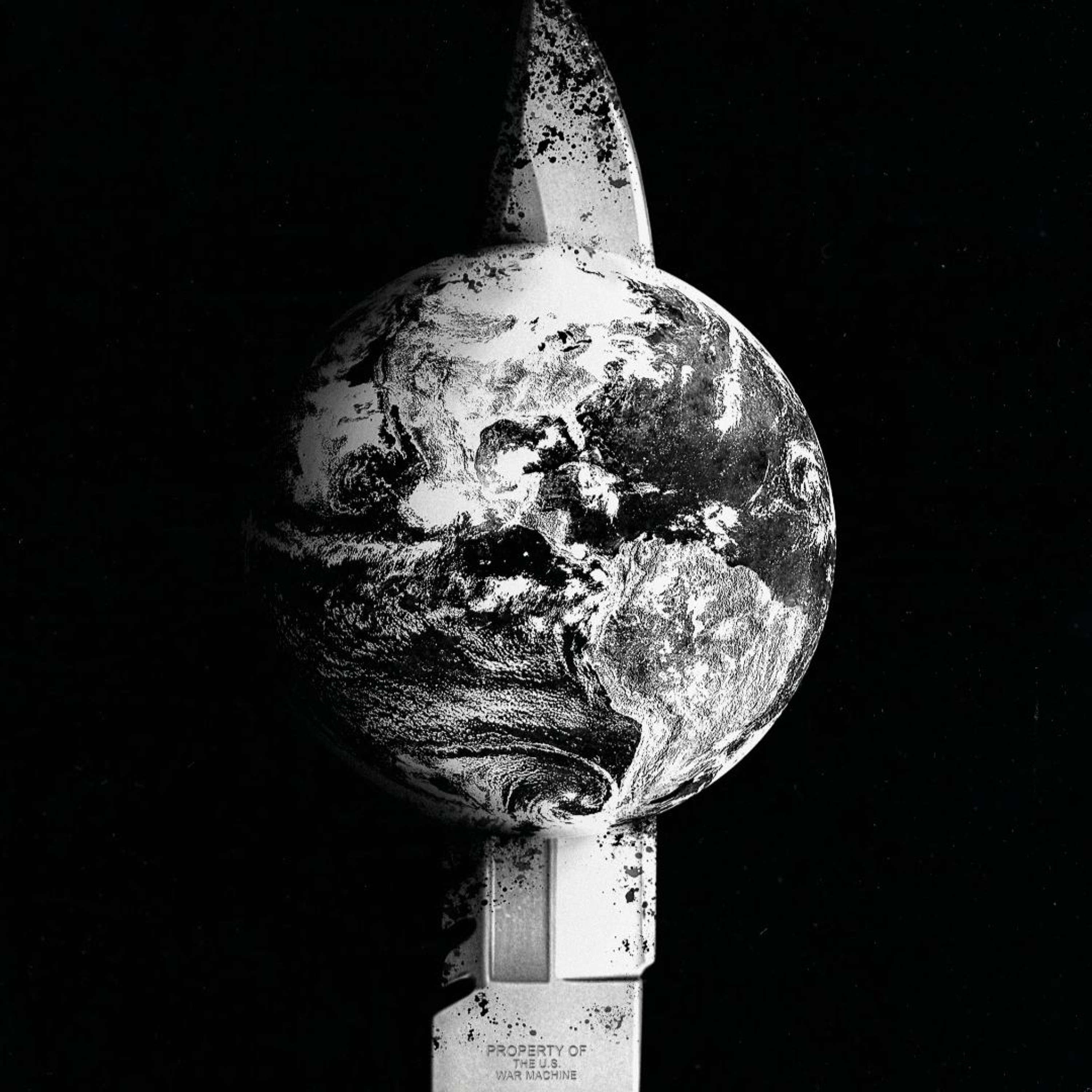
Empire Files
Earth's Greatest Enemy Gone Global w/ Abby & Mike
00:55:08
WATCH EARTH'S GREATEST ENEMY NOW: Rent on VImeo…
Loading summary
Transcript149 lines
- [00:00]
A
Hello. Hello.
- [00:01]
B
We're back. We're back.
- [00:02]
A
We are back, Michael.
- [00:05]
B
For real this time.
- [00:06]
A
For real, for real life. What's up? Empire File Babies. Empire Babies. We have not talked to you for so goddamn long.
- [00:16]
B
Well, you've. You've done about a jillion other podcasts and interviews and everything, so just, just.
- [00:21]
A
And I've also talked to a lot of you out on the road. Out on the road, Mike.
- [00:25]
B
In the wild.
- [00:26]
A
In the wild. It's been wonderful, but the film is up, you guys. First of all, Mike, it's been almost a year since we did our last podcast with Seth Harp, for good reason. Obviously, we're going to go into everything that's been happening, but. But most importantly, the film is up. The film that we've been talking about for six years, the film that they're in.
- [00:47]
B
Kind of a crunch there. That's why we had to stop ourselves from doing all other content to actually finish it so that, you know, I mean, we were already in the thick of it when we were still trying to do episodes, especially with the, you know, world events constantly making us feel like it was important to continue to do content. But we really kind of cut everything else off and just focused on grinding out, finishing the film, which was done. I think we finished it like one. It was similar to Gaza Fights for Freedom, where we finished it, like, one week before we planned the premiere. So we had a premiere planned what? September?
- [01:23]
A
I mean, that's how we work. We give ourselves a really, really arbitrary deadline, and then we just make it happen. Yeah, and we made it happen right before my birthday, September. We finished it, my 41st birthday.
- [01:34]
B
Right.
- [01:34]
A
What was amazing about it is that we made it the best possible film that we could without actually finishing the licensing. So then. So then we put it out, realized how insane the reception, legally screened it
- [01:48]
B
all over the country.
- [01:51]
A
We. We saw just how incredible the reception was. And I was like, oh, God, we don't have, like, we don't have the luxury of time. Like, of course we could have spent the next year doing the film festival stuff and all that, but it was just like, we just had to keep screening it. Like, I was like, every screening is another chance to get people on board with, like, anti imperialism. And so it was just like, it was this cascading effect where we. I felt like I couldn't stop.
- [02:12]
B
So how many. How many places do you think it's screened?
- [02:15]
A
Oh, probably like at least 500.
- [02:18]
B
How many? Then that's. And that's, you know, the. The screening tour was just when one of us was able to. Mostly you go in person or virtually sometimes to do a Q and A. And so how many of those events did you do? Probably at least 100.
- [02:34]
A
At least 100. Yeah. So first let's tell people where they can see it.
- [02:38]
B
Yeah, you can watch it now.
- [02:38]
A
Waiting. Watch it now.
- [02:40]
B
There's three ways to watch it now in like the early access, early release form. One is if you become a patron at empire files@patreon.com empire files $5 and up tier. Everyone gets to watch it there. There's also YouTube memberships if you become, if you're into YouTube memberships. If you go to our YouTube and become a member, the film is there for all members to see. It is also on Vimeo for rental, which is in the show notes right here. So you can just click in the link for this episode and you can watch it. So it's ready to watch for everyone. And then really exciting. July 4th is the official release, the official streaming release for everybody. This is like our early access. People who are in the know who listen to the pod who know us, you can get it those places. But yeah, July 4th is our planned big rollout. We're working with Watermelon Pictures to roll it out. So yeah, it'll be on Amazon, Apple tv, all that good stuff for you to share with, with everyone.
- [03:35]
A
Yeah, it's never felt more relevant and urgent, obviously with what Trump has done just in the first year of his term. I mean, it's crazy that we haven't done a podcast about the, the second Trump term and what he's done foreign policy wise, because it's just like, it's so unhinged and insane. And the film is such an important time capsule of what got us to this place. And I think that's why people are responding to it. So it's so obvious in nature because of how rapid things have happened and how like, worse it's gotten.
- [04:05]
B
Yeah, I guess like the question of like, what we would update, you know, it. There's so many things. I mean, one of the big things is that all of the, you know, we go after exposing how like the green energy initiatives by the Pentagon are kind of BS, you know, how like after we went to COP26 and confronted all these Democratic Party officials about military emissions, they came out with this plan to reduce emissions, which may or may not have been because of our kind of very public intervention there. But even those kind of really dumb things that they did to try to make it seem like they were Greening the military. Trump just, of course, got rid of all of that immediately and set things back even further. Not to mention doing a big oil war, like the thing that we warn about in the film.
- [04:52]
A
Yeah, it's such a crazy point, the fact that the pretense has been dropped not only from human rights and democracy and freedom and all that, but just the environmental stewardship error of the military, the adoption of the propaganda to try to placate environmentalists and incorporate them into this whole industry. You know, there was even, like climate anxiety commercials that we didn't include in the film. I mean, there was so much put out there.
- [05:17]
B
Yeah. Like, for the national.
- [05:18]
A
Yeah, so much put out there about this. You see it in the film. I mean, them adopting all this stuff to mitigate harm right now, they don't give a shit. I mean, they're still doing. They still believe in climate change behind the scenes and they're still like, preparing for it accordingly. But, like, they do not care about this stuff at all. So that's one thing that's really shocking.
- [05:37]
B
Also, like the, the emissions numbers we give, right, where like we calculate emissions from the military, which includes NATO countries, that, that the US forces to spend 2% of their GDP on, on defense. Of course, among those emissions, the US military emissions is still like 90% of it. But when you put that together in our film, we project that by 2028, emissions from US militarism is greater than half of the world's countries combined. But then Trump came in and probably doubled that number because the increased military spending requirement is 5% from 2%.
- [06:16]
A
Yeah.
- [06:16]
B
So that dramatically increases the amount that's mandated that NATO countries spend on defense.
- [06:21]
A
And the thing is, and of course,
- [06:22]
B
increased the budget massively. And so for the U.S. and so, yeah, it's, it's even those numbers are like, become dated really quickly. But it's also like, at a certain point, you know, it's greater than half the world's country combined. And then it's increased to greater than three quarters of the world's country combined. It both is like insane, you know, numbers numb.
- [06:43]
A
I mean, it does become so unquantifiable that it's just like we. You get the point within the first 10 minutes because you're just like, there's no way to really quantify this stuff. And also like, yeah, then when you look at even just the machinery of somewhere like NATO, the NATO chief admitting during the last year of all of this, Ukraine, Gaza, as we've been witnessing, like the eco side, right. In conjunction with imperialism. All of these people are admitting that these are just fronts for U.S. power. And you see Trump's threats to basically defund institutions like the UN like NATO, and they would just collapse.
- [07:20]
B
Yeah.
- [07:20]
A
Like, they're literally at the risk of, like, collapsing because of how much it depends on US subsidies. So it just, again, it's all just a front for US power and an extension of US imperialism. So it's all being exposed. It's all just so bankrupt and hollowed out. And that's, I guess, what's so disturbing about watching the movie. I keep trying to remind people this was Biden. This was. This was what was deemed, like, normal. Like this was the status quo.
- [07:47]
B
Yeah. And, you know, in the film, we spend a lot of time warning about how every military base is like a ticking time bomb. It pollutes on the main, in the day to day, but there are also these huge disasters that are pending at all times. And when there is a disaster, the military cannot be trusted to do the right thing. And just the other day it was, was found. You know, we cover the Red Hill disaster where, you know, about 20,000 gallons of jet fuel were leaked. The military covered it up and poisoned all these people. All that identical incident, 22,000 gallons of jet fuel linked from Joint Base Andrews into the Potomac tributary. I believe that's in Maryland. And it was covered up by the military. People were exposed to it and, and they wanted to make sure nobody knew what was happening. So, yeah, I mean, it's just like, it's one of those films where you do not want to be vindicated or prescient in any way. But, you know, even the short time that it's been touring, there's been a number of events both conflict wise, you know, the destruction of oil infrastructure in Iran that has shrouded, you know, the city in just a toxic cloud, which we go into in the film as well, the impacts of bombing and pollutants from just the act of war, not from emissions, but from the pollutants that are released and the surges and cancers and birth effects that result in that. You know, there's that horrific incident in Tehran where that happened. So, you know, there's. Unfortunately, a film will continue to have things that could be called updates.
- [09:17]
A
Yeah, the Iran example, I mean, when we were looking at examples to show just the imagery of like, oil infrastructure being targeted and blown up because we wanted to make the point of, like, the application of the weaponry isn't counted in these global emissions. And we kept looking back at like, The Iran Iraq war and like the, you know, Saddam and the oil fields being exploded back then. And it's like the fact that this happened, this is like an unprecedented ecological catastrophe. What, what the US and Israel did in Tehran, it's going to have generational impacts globally, literally. I mean, and the fact that like casually it was just being threatened to just continue to target oil plants, power plants, gas infrastructure, like the fact that Iranians had to go out and form like human chains around civilian infrastructure, it's just like, what the hell, you know, it's so, so, so scary how, how much worse it's gotten and how obvious it is. I mean, just the explicitly stated nature that this is all about oil. Trump is just saying we're taking the oil. Iran has the third largest oil reserves in the world and Venezuela has the first. And we didn't even talk about Venezuela. The fact that he black bagged a sovereign leader and just, and put a barrel to the gun of the head of, of
- [10:34]
B
openly, it's about getting back control of the oil. Like, it's just pretty obviously, I mean, one of the, maybe funny things to happen since the film came out that is related is, you know, the, the main point of our film is that we're talking about the ecological footprint of the biggest military ever, right? Like this, the biggest, most powerful, most expansive military of all time. This massive amount of money and intellectual labor that sunk into this like just doomsday project. The Iran conflict has shown that all of that effort and money and technology and expenditure is not even very good. Like the Iranian military is like a middle, you consider them like a middle power, like a middle ranking power in terms of military capabilities. And they are just like embarrassing the United States throughout this entire conflict. And that is just kind of exposes how, you know, it increases the argument of how much this is just completely wasteful. Even from the perspective of, oh well, we got to have a big powerful military all over the world because we need to be the global hegemon and be powerful. It doesn't seem to be that effective. You're kind of getting embarrassed and you're ass kicked a little bit over there.
- [11:50]
A
Oh my God. I mean, just the fact that they, all the war crimes that they committed, it's like Israel flattened the moral threshold of what has been deemed acceptable and how to respond to all these war crimes. And so just the first day of the Iran war, it's like the Little Girls School, 165 girls killed and then like the gymnasium all. And it's like we're supposed to have these surgically, this surgical targeting system with this AI adoption that Trump has touted, which is a whole other facet of the. Of the movie that would be an extension, right? The folding in of all big tech data centers. Like, all. Like, this is so crazy. What has changed in the last year that we didn't even include AI, Right?
- [12:29]
B
Because AI is. Is not super profitable in the civilian market. But one way they are guaranteed to make money, these AI companies, is by getting your tax dollars handed to them by military contracts. Or they can do things like promise targeting and equipment and things like that. And so, yeah, it is. AI is now a part of the military industrial complex. You know, they deputized or officerized some of these tech CEOs into the military precisely because of this. And, you know, we don't have to say why that's bad for the environment, the AI and data centers and things like that. I think everyone knows it, but, yeah, that's wrapped up into militarism in a way that was not when we were finishing the writing of the film that now is. Is huge. You know, another. Another thing, though, about kind of what the Iran conflict has exposed is this idea that the US has to have this network of military bases all over the world for some important reason. All of the military bases, I think, like, 12 of them that are within a missile range of Iran are, like, destroyed and uninhabitable now. And so, like, you know, we spent how many billions of dollars maintaining these bases, expending how much carbon to operate the supply chains to have soldiers at these bases? Because the whole argument was, well, in the event of a war, we need to have our soldiers in these places to fight the enemy. And now they're just all abandoned and everyone's, like, living in hotels. It's like, okay, good job. Can we get. Can we get that money back?
- [13:51]
A
Yeah. Just the absurd, even logistical nature of, like, what they were fucking thinking. First of all, we're surrounding Iran with these. All of these bases at these Gulf client states. It's like. And all of these, like, Western influencers just living in, like, Abu Dhabi. And it's just really insane. Whole thing is just so crazy. And, like, the straight of her moose. The mismanagement of. Of this whole thing and, like, the impacts on the global economy. It's so shocking how insane these people are.
- [14:19]
B
Another thing you've been up to, Abby, that people should know about is you have another new movie out at the same time, a surprise new movie that nobody knew about that has just Dropped.
- [14:28]
A
Correct, Correct. It's called Cuba after Castro. It's the first ever sit down interview with an American journalist with the new President of Cuba, Miguel Diaz. Can the first non Castro president of Cuba. And of course it comes again at a perfect time while Trump is resurrecting these horrific colonial threats of aggression against Cuba, of regime change, of overthrowing and bombing our island neighbors.
- [14:55]
B
So please dire because like, you know, one of the goals Marco Rubio had meeting with the Pope yesterday was to get him on board for an invasion of Cuba. To be like, you're not going to criticize us for this. Right. Because he's been so outspoken about Iran. And so the US is, you know, with Rubio in the position he's in, I mean that's like his dream dream. And so at a very. And Trump has threatened it many times. And so it's an important new film. That's. How can people watch Cuba after.
- [15:16]
A
Yeah. So it's coming out on breakthrough news. It's coming out hopefully in one week. Mike. Coming at the perfect time again, it was going to be a two part series but we, we truncated it into one feature length film because we want to rally groups around screenings, educational forums about this issue so we can really build solidarity campaigns for our brothers and sisters in Cuba. You guys, this horrific statistic just came out from Seper, the Center for Economic and Policy that showed a spike in infant mortality that's come out that is so dramatic that it's resulted in the deaths of 1800 infants since 2019. It's absolutely shocking, the loss of life that is just basically like invisible because of this hidden war. As the US is engaging in open warfare in Gaza, Lebanon, Iran and beyond. Figure out how you can screen it and watch it at cuba after castro.com. i think Gaza changed the world in so many ways and it's become the connective tissue with so many issues. And this film is just again hitting at the perfect time. I'm so thrilled that it's finally out, Mike. Like we just wanted people to like it. Right. It was a very long film. It, we had a big problem whittling it down from three hours. Originally it was four hours. We have other scenes coming out. Everyone like wants those, so we want to talk about those later.
- [16:34]
B
But, well, let's talk about what, what we're doing right now and then we'll go back and start at the beginning, finishing the film, touring it. I really want to hear about all your experiences on the road. So update for you now. Abby, you are basically continuing to DO Q&As virtually for anyone who wants to screen the film and are managing people hosting screenings on their own, which we have allowed. Now, initially, the first phase of the tour was we have to go and present it. It was like the director's tour, quote unquote. And now it's free, open for anyone to screen who wants to screen it and host their own community screening. And you're taking the lead on all that?
- [17:12]
A
Yep, I'm taking a lead on all that and managing everything with the film right now because Mike has a new project on his plate. I'm so thrilled and excited for you, Mike. And it's just really representative of, like, where we're at and how much potential there is in this moment.
- [17:28]
B
Yeah, I decided I didn't want to make another movie anytime soon. Got a different job. Yeah, well, that's. Yeah, you know that really quickly about what that is. I. I'm now the executive director of an organization called the center on Conscience and War, which has been around over 85 years, helping members of the military file as conscientious objectors. It's an organization that I've always known and worked with in my, you know, outreach to service members or having service members contact me. And so I've always pointed people in that direction. When that job for the executive director first opened, it was like last year when we were like, how are we going to finish this movie? And I wanted to. I wanted to apply for it. You know, the previous executive director had been there for about 15 years, and I was like, I really want to apply for this job, but we have this whole ass movie to finish, and I cannot imagine when it's going to be done. Like a year, really. When you think back a year ago, it seems. Seemed like we had no idea when it was going to be finished still. Right. It was still pretty daunting. So I didn't apply. And then six months later, the person they hired ghosted, and it just happened to be right when we finished the film. And so I just, you know, got the job. It's been really cool. I started pretty much the day that all the soldiers got killed in Kuwait by the Iranian missile after Trump started the war. And so it was been kind of a whirlwind. You know, we're working with over 100 members of the active duty military who are opposed to the war and trying to find ways out and filing his conscience objectors. It's just been super fulfilling. Taking calls all day from people in the military who are pissed off about what's happening? I think one of the really cool things about it is I think people would assume that maybe the sentiment was higher like in the early Iraq war or at any point during the Iraq war. But everyone who's been on staff here during the entire war on terror is saying that the number of people now calling and expressing opposition and trying to find ways out and actually filing a CEOs is, is higher than at any point during the Iraq and Afghanistan wars. And so when you were saying how Gaza has like changed everything, pretty much everyone I talked to like Gaza is part of the transition. It was like that was when the gears started turning. And then as soon as this war started, they saw themselves as just like the Israeli military and are like, I'm not doing this anymore. So it is, it is a pretty dramatic shift and it's been really exciting to, to be there at the ground level. And so yeah, if you want to learn more about it, CenterUnConscience.org on social media. Center on conscience also. So that's.
- [19:55]
A
You've been doing tons of money, mainstream hits, dude. You've been on BBC, Democracy now, cnbc. Yeah, you know, it's like what on the hell you're getting?
- [20:04]
B
As soon as I get it, as soon as I'm not in a communist group or a anti imperialist media outlet, I, you know, mainstream media.
- [20:11]
A
I was holding you back. Basically. What, what happened is that I forced Mike to work for Empire Files for the last 15 years and I was holding him back from blowing up.
- [20:19]
B
That's a mischaracterization.
- [20:21]
A
I was holding you back, dude.
- [20:23]
B
But I'm still doing Empire File stuff.
- [20:25]
A
Of course you are still doing Empire File stuff. And so just, just to let you know where, where we've been at for the last six months as Mike has been transitioning over, over to this new job. But I've also been just busting my hum on the road all over the world.
- [20:44]
B
I've been taking care of the kids. Oh yeah, while you were jet setting.
- [20:49]
A
Yeah, while my kids were forgetting about me, I was fucking busting my ass. I was trying to do the Charlie Kirk tour.
- [20:54]
B
Yeah.
- [20:55]
A
Being like debate me. We are an empire. We need to dismantle.
- [20:58]
B
Well, let's talk really. Let's talk about finishing the film and let's talk about the tour because so we had so much content for this movie. You know, when we started it was like a lot of times I think when you make a film, you know exactly what's it's gonna be in it. And you Storyboard it out and you have it all scripted and everything when you start filming. And you know, ours was the opposite because this really was a genuine journey that we went on, an exploration that we went on, an investigation that we conducted and filmed along the way and chased stories as they came up and everything. And so that's kind of what the film is. It's our accumulation of research and materials from over several years and then putting it together in a narrative that is kind of chronological, but also tells the story of how we discovered all this stuff and everything. And so because of that, we had so much stuff. Like Abby mentioned, our first cut of the film was like over four hours.
- [21:52]
A
Say three hours was a year ago. And our editor Taylor, who also did the editing for Gaza Fights for Freedom as people know, the Dream Team. But Taylor was just like, literally, you guys just keep saying to add stuff like, what the hell's going on? He's like, yeah. So we had to make the really dramatic decision to cut entire scenes instead, instead of whittling them all down, which ultimately was painful because most of it is just whittled down scenes that were much larger and more content with all of these subjects.
- [22:23]
B
I think the main, the main reason we had trouble cutting our main concern to the whole thing was like, we didn't want to leave anything out, like everything. We wanted to at least introduce every topic that is relevant to the discussion of US Military pollution. And so that's a lot, that's a lot of things. But like the whole point was to make everything included that needs to be included.
- [22:45]
A
Right.
- [22:46]
B
Which received impossible to do. And our goal was an under two hour movie. And the movie is exactly two hours. If you don't include the credit.
- [22:54]
A
You know, it's funny. Mike, turn it off.
- [22:56]
B
When credit started.
- [22:57]
A
One of the, one of the most frustrated questions posed to me is like, why didn't you do this? And I'm all. And at this point, at first I was just like, you wanted me to do more work and make the movie longer. Like, I understand, but at the end of the day I'm just like, no one is actually wrong. It's like every subject deserves to be in there and for longer. That's the thing about the movie is that it's the totality of a subject, that it's endless and every stone unturned is another documentary. And so I've had a really frustrated, like, Boomer, just be like, you, like, how dare you not include more about like the nuclear threat? Like, it's all about the nuclear. That I was like, you're not wrong, dude. Like you actually aren't wrong. But then like some other woman was just like, I, like you had nothing about Latin America. And I was like, you're not wrong. Wait for the history section to come out. But it's like it really is true. It's like Africa is barely mentioned. There's so much to say about all.
- [23:50]
B
Because there's like, at a certain point you don't need to keep going into the case studies. It's like we give the, the big picture that you need to know that you can then apply to when you're learning about militarism in Latin America or Africa or whatever. So we don't miss out on. Of course there's a million stories of pollution, environmental destruction that we could talk about, but we talk about those. We give some case studies, but then we, we deal with them broadly and so that you can apply the analysis here to, to the, to the bigger picture. No matter how deep you want to go down a particular, down a particular path.
- [24:22]
A
Yeah, I was, I was not expecting a lot of the reception to be complaining that like it was too short on some subjects and like how the movie should have been longer. And I was like, oh, I was not expecting that. Like one of the reviews on Letterbox, which. Amazing, amazing, incredible reviews on Letterbox. I swear we don't know these people. Like the majority of them are really mind blowingly good and positive and like one person was just like the act of killing was four hours, like, why can't we have this one? I was like, dude, that is crazy. That's actually nuts. But it's, you know, it's, it's really, really amazing to hear that people want more and are waiting for more extended scenes and the, and the things that we cut out because we're really excited about that.
- [25:02]
B
Yeah. And you know, the other number one thing is like why didn't you do a mini, a four to eight part miniseries? And I'm sure there's an argument for that. I mean, I think the bottom line is we didn't want to, why didn't we do the miniseries? We didn't want to make a, we wanted to make a two hour movie with all the stuff in one movie. I mean a big reason is like the utility of it. We were always guided by how Gaza Fights for Freedom became this community film experience that people still to this day continue to screen and invite us for Q and A's for, and stuff like that. And it became an important organizing tool and a Mini series doesn't have that same, you know, utility reminding people that
- [25:41]
A
have listened to us for a long time and that really love Gaza Fights for Freedom, is that we initially were just going to do, like, an episode for Empire Files. Like, it was because the footage was so fucking nuts that these videographers were filming in Gaza that we were like, we have to make a movie. Like, we never intended to become a production company for, like, movies and stuff, so. And then because the movie ended up being so insane and so good and so. So such a grassroots underground success, we were like, well, let's do it again with this huge subject and have this insanely daunting. But honestly, Mike, I never even thought of doing a miniseries ever. I was the one who was the holdout. I know a couple times during the process, you and Taylor were just like, this is crazy. Please, let's just do a miniseries. And I was just like. I was just like, we have to. And I was so committed to this because I knew. I knew that we could do it, and I knew that we would just keep trying until it worked. And that's how it goes. You just keep trying to put it together in a cohesive way, which is really hard with 20 different subjects and a through line that doesn't take you back to the characters, which is something that's really kind of counterintuitive to the way that documentaries are threaded together. I've never seen a documentary that just has these scenes that are really, like, cold cutting to different scenes that somehow does bridge together this, like, meta, overarching narrative that really does seamlessly kind of tie it all together without having Lavon or someone come back at the end. So I think it's. It's really not to pat ourselves on the back too much, but I'm. I'm really proud. I'm really proud that we did it. We succeeded. We proved the case tenfold. And we did it because we wanted someone to sit down and be clockwork oranged into the depths of hell and see the lanes that these people are willing to go to further Empire, like Dar says in the film. And that's. That's what you do. But then you realize the agency that you have at the end. And I think what I'm hearing from a lot of people when I bring the film on tour is they're not paralyzed with how overwhelming it is. It's more just like. It synthesizes what they already know to be true and gives them kind of the confidence and, like, urgency, I guess, to act. Yeah, it's like not only do they get like. Like we all know that all of this shit is so bad. It's like genocide doesn't happen in a vacuum. We know how bad it is. And so this just gives you like the confidence that this is our reality that's being gaslit from us every day and to. To be catalyzed with action.
- [28:06]
B
Yeah. Like, you thought that. You already believe the US military is the world's biggest polluter. Well, it's way worse than you thought. It's actually crazier.
- [28:13]
A
Yeah, it's actually fucking crazier.
- [28:14]
B
Yeah, I know. Honestly, the. The biggest answer, like. Cause there's a lot of other things, right? Why wasn't a mini series? Like, there's also been comments especially like, you know, we've. We've been to a few film festivals as well, which has been really cool, even though we didn prioritize that at all. Tara Stone has been great getting, you know, doing the festival administration for us and entering us and communicating with all them and that stuff. But you know, there's definitely comments on like things that could have made the film more commercially viable. Artistic choices that we took. Like, there's a lot of weird moments in the film. Like, why did you just have weird music and weird images for a while? You know, like, why didn't you cut that? Like, there's a lot of. But really, I think the answer to everything is that like we truly like made the film we wanted to make with this. We didn't take any of that stuff into consideration. Our main motivation was like, we want to do exactly what we want to do here. And that's what we did. And we even got guidance from early on from some Hollywood agency that was interested in kind of working with us on the film when it was still in an early stage and kind of had a lot of feedback about what we needed to do to make it viable in the industry. And we just said, no, thank you, that sounds bad. We want to make a crazy movie about how we hate the military. So there's a lot of moments where we kind of, you know, I'm proud that we stayed true to just kind of what we personally wanted as both people who care about the topic, but also know what we like artistically. Even though other people may not like
- [29:39]
A
it, it is a really strong artistic expression and it's going to be viscerally received in various ways. And I've seen that, you know, relayed on letterbox and a lot of other comments that I've seen. I mean, people have told me firsthand, like, they've been very moved by it and they've also been, like, very offended by certain parts because it's. It's something that really makes you feel emotions. It's. It's. It's sick. It's, you know, it's funny. It's horrifying. It's like a very, very real life horror movie because it's happening.
- [30:15]
B
It's funny for like the first hour.
- [30:17]
A
Yeah.
- [30:17]
B
But also there's a dark stretch from one hour to hour 40.
- [30:20]
A
Well, let's talk really quickly about the influences in the film, because people who have seen movies like Samsara and Baraka will know, because we do wear the influences on our sleeve, but we try to interpret them in a different political lens. Right. Ron Freque, the creator, director of Samsara and Baraka, films that are just basically just show the duality of, like, humanity. Good, evil, beautiful, horrific. Like all of this. First movie we saw together, first date.
- [30:48]
B
Yeah.
- [30:49]
A
At Buffalo Wild Wings. But no, no. So the movie. The movies.
- [30:56]
B
Right there.
- [30:56]
A
The movies. The movies are really beautiful. They don't have any narration or any dialogue, and it's just showing the most gorgeous imagery. And like, so we really adopt some of that style, but we interpret it in a different way. And so I just. I just want to give kudos to Ron Fre. And also, of course, course, like, other people, like Louis Theroux, Michael Moore, I mean.
- [31:16]
B
Yeah, Michael Moore.
- [31:17]
A
We obviously take influence.
- [31:19]
B
Like, you know, I. I grew up. My mom was a Michael Moore fan, and so I grew up watching his show, like TV Nation and stuff like that as a kid. I remember she got me the VHS of Roger and Me for Christmas one year when I was in high school. And I don't know if you remember that. And we watched it on Christmas, and I don't know if you remember there's a scene from that film where Michael Moore follows around a repo guy going into people's houses and, like, taking their shit and throwing it out on the street, like Repo man style. And he does it on Christmas Eve. Like, he goes around on Christmas repoing people and, like, dragging the presents and stuff. I could. This could be an imagined memory, but that is. My memory is, like, going into people's houses at Christmas time, like on Christmas Eve, and, like, pulling all their presents out of the house to, like, repossess them. Those are kind of like very early, like, film documentary memories for me. And so I think we have kind of parallel, not only parallel style, but like a Parallel scene at the very beginning.
- [32:13]
A
Yeah, yeah, yeah. I mean, just following people around and just be like. Just the inexplicable. Like, how are you. How are you so detached from this? You know, Like. Like. And I think that's seen in the defense contractor conference when you're just, like, asking the most basic questions and people are, like, running like a CIA guy unable to open the door. It's just like, these things you cannot script. Like, you really cannot make up just how insane the situation is where these people have literally never even thought about these things before. Like, one of the guys at the RIMPAC warship, he's just like, I don't know if it's worth the cost environmentally to, like, train. And you're like, wait, what? Or like, the woman who's just like, this sounds political. You're like, what do you mean? Like, you sell bombs. I mean, it's just so. It's just so cartoonish. But I mean, the reason that I just. I just wanted to give a shout out to Ron Freque one more time because a lot of people have said. Because I've been doing a hell of a lot more Q and A's than you have, Mike, and I feel like I haven't even really relayed some of this stuff to you, but a lot of people have just said, like, thank you for humanizing Iraqis. It's like some people were, like, so blown away by realizing that they haven't thought about Iraq for 20 years. Like, to see the part about Iraq and just be like, oh, God, what have we done? And you're just, like, looking into the eyes of these children who potentially have congenital heart failure. It's like you're. It's just like. It's implied, you know, like, we didn't need to show these horrific birth defects. It's just like, all of these things that are just really emotive that you can just like, empathically relate to someone by looking in the eyes of a child for 10 seconds or whatever. And that. And that, I just. I just feel like is really important, and you just don't really see that often.
- [33:46]
B
Yeah, that was. We were really. That was a scene that was added late. I mean, that was shot in 2025.
- [33:51]
A
Yeah.
- [33:52]
B
By this great Iraqi videographer named Tarek Turkey. He actually grew up in Iraq. He lived under US Occupation, and we contacted him pretty late in the process because we had. We had this scene already made of the environmental toxicologists talking about the impact of depleted uranium and munitions and toxic fallout on Iraq. And Afghanistan. And so we had all this great interview and I think the assumption was, is that we were going to cover it with what you would expect. Right. Is we have someone talking about high rates of cancer and birth defects and things like that in Iraq. And there are kind of endless images of that kind of thing that are documented. And we made the decision to not show anything that was hard to look at, but to do the opposite and just so really dignified portraits of Iraqi and Iraqi life like today. And so, yeah, it was really cool to work with Tarek and get those images and he killed it. Those are some of my favorite shots in the entire film. But again, a late ad when we thought we had all the footage we were gonna shoot. And then we said, you know what, we're gonna do something crazy and add a bunch more hours of material.
- [35:00]
A
Yeah. And that's why, that's what's so cool about the film, is that it is. It's a compilation of like a hundred hands. It's like, it's so many people all around the world. Because we really did try to lean into, like local videographers who knew the landscape. I mean, even though Taylor obviously is the DOP and you can really tell when he's a part of something because he's so specialized. But mostly it was like, you know, people that were local. And it's really special just to think of how many people played a role in this. It's such an immense project and undertaking from so many people, even though it was this core team of your brother, Anna, Hadron Taylor, our editor, you and me, it's incredible. I'm so thrilled that it's done. I just wanted to just quickly talk about Europe and just the reception across the country and I mean, the fact that we've had a ton of press already, from current affairs to Jacobin, it's coming at just such a perfect time where it's becoming so obvious because of the ecocidal nature of the destruction in Iran, because of what we've seen in Gaza, because of what Trump is explicitly stating. It's like the case is so obvious. And so this just brings it all to the forefront and. And gives people the tool. And that's what it is. It's a tool in the arsenal for movement building and consciousness expanding, just like Gaza fights for freedom.
- [36:16]
B
Yeah. Really? Yeah. And just also a thing we should shout out. We worked with so many cool musicians who contributed songs, either custom or let us use something that was already out, which was great. Of course, you know, Anahedron John Preisner, my brother, did this original score, which is epic. So every scene is original composition. But also we have Interwave. Amazing band did a song for it, a custom song for it. We have a Carsty Blanton song in there, Narcy song in there, Beans on Toast song in there. Musicians that we really love. And it was cool. Cool to be able to include them.
- [36:49]
A
I'm so thrilled with it. Every single attention to detail of all the. The sound design, every single musical note, every single sound effect, every single piece of B roll. It's so, so intentional. And it was expensive as. And that's what took us basically six months after getting the film done, Mike. To getting it now up. It's not because I've been trying to, like, do this director's tour. It's like, because we literally. It's because the licensing took six months. And I also had to raise the capital for the licensing because it was 50 grand, right? Audio licensing and all the B roll. And just to let people know how expensive this is, I mean, one Getty image is 500 for perpetual licensing. And we were showing it for, like,
- [37:32]
B
for like, two seconds.
- [37:32]
A
No, we were showing it for, like, one third of a second. It was like, oh, right. Like, it's like, dude, this is. But I'm not going to settle for anything less, dude. Like, we. We knew the quality we were shooting for, and we didn't settle for anything less. And so that's how expensive this stuff is. Like, it's crazy. It's crazy. But that's. So that's what was happening the last six months. And for people who didn't hear the beginning of this or forgot it's up on Vimeo. Look at our show notes. There's three different ways to watch the film right now, but let me just fill you in really quickly on how it's been around the world. Mike.
- [38:07]
B
Yeah. What was. Okay, I got asked who's your. Who did the best? Who was the best screening, Best questions, best people? Who won the contest? There's not Files tour.
- [38:17]
A
No, there's not one best. I mean, there's different categories. It's like best Theater, I would say, honestly, like, Madison, Wisconsin, that was the best theater. It was like this beautiful old theater with these gorgeous, like, lit stars on the ceiling. It was so epic and old school. But, I mean, there were different, like, branches that were epic, but the theaters weren't great. It's like there's. There's so many different experiences that I had. But I would just say that the Midwest really Surprised me. I could see the potential now of like revolutionary consciousness and like working class. Just how incredible. Ohio, Wisconsin, Minneapolis, like all of those states that I'd never. Great, yeah, you went to Iowa. I'd never been to those states before. And I was really blown away by just how cool, cool, like I would totally live there. It was like, oh, this is, this is really dope. So that was awesome. Obviously, New York, Louisiana have been really great. I mean, I think we were shocked at how these theaters were selling out so quickly. Like we, you know, we went on tour for Gaza. Fights for Freedom. Obviously when it came out six years ago and it was like, we didn't sell out theaters. It was like, you know, we had like a core interest. But this is like unbelievable.
- [39:25]
B
This is like, like weeks in advance,
- [39:27]
A
weeks in advance, sold out 350 seat theaters, realizing, oh wow, this is really huge, you know, so, so planning two screenings in some cities and then taking it to Europe, knowing that we can sustain this European tour. And again, having sold out experiences across Europe. London at a 375 seat theater.
- [39:44]
B
With Jeremy Corbin.
- [39:46]
A
With Jeremy Corbin.
- [39:47]
B
Movie.
- [39:48]
A
Love the movie. Love a movie. Did it with Matt Canard. Jeremy Corbin was in the audience. A ton of WikiLeaks people. Just tons of awesome folks that came out and supported it. What I realized is that I was famous and I'm way more famous in Europe than I am here. Yeah, that's, that's what I realized over there.
- [40:08]
B
We're holding you back here.
- [40:09]
A
Yeah, you're holding me back here, dude. I gotta move to Barcelona.
- [40:14]
B
Okay, so tell me the difference between like, okay, so obviously we got the Empire Files heads at the screenings, right? People who know, you know, your work knew about this film project. Of course it was cool to see a lot of people come who had donated to the film project, who are patrons, people who are a part of it, whose names are in the credits because of their contributions, all that stuff. But you also did a lot of screenings of like, audiences that had no idea who we were or what this project was. In particular, like colleges that would show it and like the students would just get like extra credit if they went to the screening. So talk about the. The audiences that were like cold like, that did not know what to expect. And then you had to sit through two hour Clockwork Orange style film.
- [40:57]
A
It's a, it was a mix, I mean, surprisingly well received from stone cold, totally stranger audiences who had no idea who I was, who was forced to go from their, from their teachers, like tons of people who are just like, I just work here. Like I, I'm here for extra credit that were just like shell shocked. I mean I didn't see a fucking dry eye or like sl a cell phone in the house. I mean of course there's like adhd, like computer addicted people that have to just scroll like that. That is a thing that I think you're gonna see in colleges. But for the most part, I was really stunned at the reception and the engagement from kids. I mean kids that would stay after for an hour, hour and a half to ask questions eagerly and to just like engage with me personally about how they can get involved, how they can learn more about these subjects. It was really epic. Tons of kids who were just like this is the best documentary ever. Like I'm totally blown away. Like this is the most important stuff in the world. One kid who was like, I'm changing my, my major tomorrow. Like a bunch of active duty soldiers who came at places like in North Carolina and Fayetteville who were just like
- [42:03]
B
wanting one of them filed as a conscience objector after I'm working with her on her application.
- [42:08]
A
There you go. I mean this is, this is the thing. It's like this is the tool. This is now exactly what we always wanted it to be. Groups that are coming to me being like, this is now the best tool that we have to now because it's different to like you can have a protest, but to have something that you can unpack this in a, in a group setting to engage all these different issues and community members is something really special. And people are like, finally like we have something that can do this. Finally we have it now let's fucking do it. And it's really exciting.
- [42:38]
B
One of the things that surprised me is that the events were often co sponsored by like mainstream environmental orgs. In particular. Sierra Club. Yep. And I know that like Sierra Club's like gotten a lot of shit for being too mainstream. And you know, there's even this code pink campaign like to pressure Sierra Club to like acknowledge warfare and stuff like that, you know, which is was good. But like they became, they were targeted in that way because they are seen as this like to mainstream environmental org. But like a lot of our screenings around the country were like hosted by Sierra Club.
- [43:11]
A
You know, dude, it's been amazing.
- [43:13]
B
Which I did not expect.
- [43:14]
A
350 Sunrise Movement and Sierra Club, Sierra Club primarily. I mean I know that Greenpeace is really like on the forefront of this issue, which is really great. But I did not know Sierra Club would be and to see their openness and reception to incorporate this issue and to be proud and loud about it in order to like, sponsor these screenings across the country has been tremendous. This is exactly what we want. We want it to be an intervention in mainstream environmental discourse and we want it to be a tool for environmental and sustainability organizations to show to their members and to expand to their communities. And that's exactly what's fucking happening. But we need your help because this isn't going to get on Netflix. Even though Watermelon is going to take it and run with it, and it will be up on Amazon and Apple hopefully soon, we still need it to be a huge grassroots effort to get it seen. Everyone that's reachable, everyone that you know that, that cares about the environment, it's not a climate change doomsday movie. It's something that's engaging, exciting and motivating and something that I encourage you to watch with your friends and families. No matter where you lie in the political spectrum, there's an opening for you to be engaged with this material and to get, to get catalyzed around it. So this is, this is something that we need to show. Every local person that you know that's engaged with environmentalism, every city that I've been going to, I reach out to every sustainability organization, every like, mainstream, like city official working in like the forest management, like just random using it as an opportunity to just say, this exists. I'm going to be here. I'm around. And I have had, surprisingly, just yesterday I had someone from like the same city of Tucson who's working in like the sustainability sector reached out to me and they're just like, can I see the movie? This sounds great. Like, sorry, I didn't reach out to you. And like, I just sent him the screener. I was like, here, like, great. I think people are just really ready.
- [45:06]
B
And it's like, you know, you're not just working hard because like, it's not just like, oh, I want people to like, rent this movie or screen this movie. It's like you're legitimately just like trying to get people to see it who are in important environmental positions just so they realize that they should opposed militarism in, in their work.
- [45:21]
A
Exactly. And become anti imperialist. And so many people have, Mike, People have been like, this is the light bulb moment. I'm now an anti imperialist and I'm going to take this back to my work. And that's exactly what we want. Our objective is to get everyone in the world to See this movie and to make it as accessible as possible for every person on earth. We want to let this baby fly, and we want it to change the world. So it's out. It's out. If you want to host your own events or screenings, reach out to me directly. The empire filesgmail.com. if you want me to be involved in discussions, reach out to me there as well. But for all other inquiries, just go to earth's greatest enemy dot com.
- [45:56]
B
And if you are a student or a professor or university, you wanted to get it in your university library. We are also doing educational contracts, and a lot of universities have already added it to their digital library. That's something we can facilitate also.
- [46:08]
A
Yeah, and if you're a theater, please reach out to me. But let me just tell you really quickly about Europe, because it was a very interesting experience. I mean, going over there, I didn't know how it would be received because it is a u. S. Centric film.
- [46:19]
B
Say really quickly. You know, Abby did like two, three weeks. Three weeks in Europe and did probably two events a day in a. In a different place. And so I remember you got back and I was like, oh, what kind of food did you have over there? And you're like, nothing. Like, I ate, like, fast food the whole time because I didn't have time to get, like, enough a nice meal. So that's how hard you're working over in Europe. You kind of packed it in like a crazy person.
- [46:42]
A
But so that's how hard I work, you know, I want people to know it like it was. Dude, it has not been a vacation. I. Our donors are saints. Saint donors. Saint patrons. Thank you so much for sustaining us for the last year. Like, I. I just want. Once you see the film, if you haven't seen the film already, watch it five dollar and up. You can watch it now. But I just wanted to say, like, if it wasn't for you, I don't know what. What we would have done because, like, it's because you have just believed in this project and have sustained us. Even though we have not given you content for the last year. Knowing. Knowing that we're gonna work our ass off knowing that we believe so much in this project and in this message that I. I like. And that's. That's what I've been living and breathing for the last year. For the last six months, I have been on my feet. I. Around this country and around the world to try to spread this message and do exactly what I'm doing and saying right now. Which is every single spare second is, like, trying to coordinate groups, just engage with this dialogue and unpack the stuff with students and try to, like, guide them and orient them. And that's what I keep trying to tell them is, like, this film gives you answers and orientation of, like, where to take the material and information. So, anyway, you guys, Europe was really interesting. I mean, you. Because of, like, the US Centric messaging. I was like. For, like, I was scared to go to Paris, which ultimately maybe was a mistake because I lost a couple grand on the theater rental, unlike any other place, you know, where I actually, like, broke even. Like, that one. That one was a dip. But I was just like, dude, like, it's. It's just going to be interesting to see what people say. For the most part, people were, like, totally blown away and, like, horrified. Although a lot of people were like, oh, God, I'm glad I'm not American. Because then it's like, there's so much more responsibility on you guys. And it was like, you know, British people are pretty much, you guys are just as complicit as us. It's like, you know, you're. You're in the incubation phase. Like, the Starmer is such a nightmare loser who's like, it's like, worse than Trump. I mean, he's the doormat, right? He's like, he's the complete, just bankrupt doormat who's just like, allowing Europe to be used for Trump. So it's horrific. But then, like, I would go to a place like Ireland, and people would just be like, okay, like, why are you here? You know, this one woman stood up and she just like, yeah, this one woman stood up, and I'm not going to attempt the Irish accent, the Belfast Irish accent at that, but she was just like, why are you here? She's like, great movie, but, like, go back to America and show American. She's like, you guys elected this fat. She, like, got really pissed, and I was like. I was like, you're not wrong. Like, you're actually not wrong, but we need your help, too. But honestly, it was amazing. I mean, Claire Daly, MC Wallace, came all the way to Belfast to do this event with me, and they were just horrified, blown away by the movie. Claire Daly just. I just talked to her the other day, and she was just. I'm still thinking about it. She's like, I'm. I'm still not over it. Like, I'm still not over what the movie showed me. Like, it's just so disturbing, but also just learning so much about just these places while I was there, even though I was only there for like one or two days. I mean, just getting a crash course and just like Irish, you know, like the Irish independence movement.
- [49:51]
B
Yeah, you went to like the Separation wall.
- [49:53]
A
Yeah, like Bobby Sands grave and the Separation Wall and just like learning about just how crazy, crazy everything that happened there was and how just segregated it still is. Like literally going into neighborhoods where you're like, you see the Union Jack flag with the Israeli flag waving like next to it and you're just like, what the. Like, how is this real? You know, it's like really nuts, actually. I had no idea that that was like that. So anyway, I just got a crash course in all of this stuff. I just want to end with just talking really quickly about Brussels and Belgium, Mike, which I was fascinated with, because first of all, it's like an occupied country. It's like this international zone that hosts nukes, the EU and NATO. Right. It's a tiny country that has three official languages, Dutch, French and German. The leader of Belgium is like this crazy right wing secessionists who wants to like basically partition it, partition France out. Because they're like the poorest region like in Belgium. Okay. Aside from all of that, they have an like their Eiffel Tower is a little mannequin piss cherub statue that's like a little baby naked boy pissing in a fountain.
- [51:04]
B
There's water coming out his people.
- [51:06]
A
Yes, it is absolutely bizarre. The whole thing is so bizarre. I had a great time there. I was with Peter Mertens, who was wonderful leader of the Workers Party in Belgium. He did a. He did a screening with us, another sold out screening.
- [51:19]
B
And of course we, we respect the, the cultural traditions and of mannequin piss. Of the little baby peeing baby. You know, that's not a judgmental. Not trying to poo poo your. The heroes in your country. The little baby who. What is the story? The little baby, the lore.
- [51:37]
A
The lore, the legend. The legend suggests in the 14th century. I'm getting this from Wikipedia. Brussels was under siege by a foreign power. The city had held ground for some time. So the attackers conceived a plan to place expedition explosive charges at the city walls. A little boy named Julian Ski happened to be spying on them as they were preparing. He urinated on the burning totally nude. Totally, totally nude of a little baby boy pissed on the burning fuse and thus saved the city. So basically he like prevented a 9 11. So I get it. Look, I get it, okay? I get it. It was a little bit Weird.
- [52:08]
B
It's a little bit weird because he's everywhere, right?
- [52:10]
A
Because he's everywhere. He's, like, in BDSM stores wrapped in leather. And I'm like, okay, this is just getting a little bit.
- [52:15]
B
That's. Yeah, that is. That gets into some territory that I'm not comfortable with. But also, like, you're your host there. We're like, we got to take you to see the. The baby.
- [52:24]
A
They brought me to the mannequin piss statue, and I. I guess what was most shocking to me is how tiny it was. I was expecting it to be the size of the Eiffel Tower,
- [52:34]
B
or at least, like, you know, comparable. But it's really small, right? Like a size of an actual baby.
- [52:38]
A
It's like the size of, like, a Barbie doll.
- [52:40]
B
Oh, my God. They're not really honoring the kid who saved the city that much.
- [52:48]
A
They are if you go to any gift shop. In fact, that. That should be the icon for this episode. Should be the mannequin piss statue, because it really is, like, shockingly everywhere.
- [52:58]
B
I like that you're calling it the mannequin piss statue. That is what it's called.
- [53:03]
A
That is what it's called. Little Mannequin Piss. That is literally the Belgian, like, name for it. That's like the Dutch. What? Yes.
- [53:09]
B
Oh, my God.
- [53:10]
A
Yeah. No, I'm not. I know. I swear to God. That's what it's called. That's what it's called.
- [53:14]
B
Okay.
- [53:15]
A
Okay. So, honestly, the film. The film tour was fucking epic. Thank you to everyone who came out and said, hey, there's a.
- [53:24]
B
There's a shirt empire files store. 2 Earth's greatest enemy shirts that are badass by two different, very cool artists that we like. You go toearth greatest anomy.com. you can see where it's screening still. You can see how to screen it. You can see how to get it in your school. You can see how to stream it, if you can. One thing that you can do to help, other than spreading the word about it, especially now that it's out, is going to IMDb and Letterboxd and leaving a review if you liked it. If you didn't like it, you can leave a review also.
- [53:54]
A
No, don't.
- [53:55]
B
We gotta balance. Hey, you gotta balance it out. A bunch of bots like the Michael.
- [54:00]
A
No, no, no, no. Here's the thing. Don't leave a review if you didn't like it. We need good reviews. Hold on. There's a couple people who need some. Really? We need.
- [54:11]
B
We did what we wanted.
- [54:12]
A
There's a couple people who've left some really unfair reviews. Being like, this is biased. And it's like, well, yeah, it's biased.
- [54:20]
B
Sad prop, baby.
- [54:21]
A
Yeah, dude, it's biased. But I like. I like the people who. Who like the movie and who are leaving good reviews. I like you a lot. Thank you. Thank you for doing that. I don't like the people who are leaving bad reviews. Some person said they like me. They're, like, out to get me as much as the military. They actually said they hated me as much as the military. I kind of like that. Whoever saw that just, like, was forced to sit and watch them.
- [54:44]
B
I agree with everything you're saying, but I also hate you.
- [54:47]
A
Yeah, well, I like it. I like that people who were that mad and they, like, still had to sit there and watch it, and then they. They were that mad that they went back and wrote a review because they can't really do anything else about it to, like, get their rage out about the movie. So I feel for you. I hear you, and I'm here for you. Bye.