Podcast
Epicenter - Learn about Crypto, Blockchain, Ethereum, Bitcoin and Distributed Technologies
Hosted by Epicenter Media Ltd. · EN
Epicenter brings you in-depth conversations about the technical, economic and social implications of cryptocurrencies and blockchain technologies. Every week, we interview business leaders, engineers academics and entrepreneurs, and bring you a diverse spectrum of opinions and points of view.
Epicenter is hosted by Sebastien Couture, Brian Fabian Crain, Friederike Ernst, Meher Roy and Felix Lutsch. Since 2014, our episodes have been downloaded over 8 million times.
28episodes
Episodes
Newest firstAll episodes

Symbiotic: Scaling Shared Security Through Restaking - Misha Putiatin
Nov 26, 202401:05:36Tap to summarizeBootstrapping and maintaining a validator set can be a challenging endeavour, especially for projects that are in search of a product market fit. However, this does not mean one should abandon the ethos of decentralisation in favour of a more streamlined centralised approach. The notion of shared security had been previously explored in the Cosmos ecosystem, but Symbiotic takes it a step further, making it readily available for any project, regardless of its native blockchain, through restaking. Symbiotic is a modular coordination layer that sources node operators and economic security in a maximally capital-efficient manner.Topics covered in this episode:Misha’s backgroundSymbiotic’s origin storyHow Symbiotic tackles decentralisationThe role of restaking in proof-of-stake modelsThe economics of restakingThe architecture of SymbioticLiquid restaking tokens (LRT)Expanding restaking beyond EthereumSlashingSymbiotic smart contract immutability and future updatesEcosystem developmentEpisode links:Misha Putiatin on TwitterSymbiotic on TwitterSponsors:Gnosis: Gnosis builds decentralized infrastructure for the Ethereum ecosystem, since 2015. This year marks the launch of Gnosis Pay— the world's first Decentralized Payment Network. Get started today at - gnosis.ioChorus1: Chorus1 is one of the largest node operators worldwide, supporting more than 100,000 delegators, across 45 networks. The recently launched OPUS allows staking up to 8,000 ETH in a single transaction. Enjoy the highest yields and institutional grade security at - chorus.oneThis episode is hosted by Brian Fabian Crain.
Transcribe →
Ari Juels: Can AI Weaponize Blockchain Smart Contracts? - Chainlink
Nov 19, 202401:04:05Tap to summarizeA smart contract’s rigid rule system represents a double-edged sword. ‘The Code is Law’, but what happens when rogue large language models or AI agents bend the Law? Can smart contracts be weaponised to serve a criminal agenda? In his ‘Oracle’ novel, Ari Juels explores this thesis and issues an eery warning regarding the blockchain x AI intersection. In this imminent future, oracles play a crucial role, allowing LLMs to push data on-chain or smart contracts to pull off-chain data.Topics covered in this episode:Criminal Smart ContractsOracle x LLM convergencePreventing malicious intents through oracle systemsAI x crypto use casesDAOsEntropy in voting behavioursDark DAOsTEEs & private smart contractsMEV & proofs of transaction orderingFuture blockchain researchEpisode links:Ari Juels on Twitter'The Oracle: A Novel' by Ari JuelsChainlink on TwitterSponsors:Gnosis: Gnosis builds decentralized infrastructure for the Ethereum ecosystem, since 2015. This year marks the launch of Gnosis Pay— the world's first Decentralized Payment Network. Get started today at - gnosis.ioChorus1: Chorus1 is one of the largest node operators worldwide, supporting more than 100,000 delegators, across 45 networks. The recently launched OPUS allows staking up to 8,000 ETH in a single transaction. Enjoy the highest yields and institutional grade security at - chorus.oneThis episode is hosted by Brian Fabian Crain.
Transcribe →
Citrea: Modular Rollup Framework on Bitcoin - Orkun Mahir Kilic
Nov 12, 202400:44:15Tap to summarizeBitcoin’s lack of native programmability, coupled with advancements in zero knowledge cryptography, has led to rollups being explored as a substitute for an execution layer. Citrea’s approach involves using Bitcoin as a data availability & settlement layer for their zero knowledge rollup. These rollups not only lower transaction costs, but they also enable smart contracts to use Bitcoin’s L1 security and further incentivise miners to secure the chain despite halving rewards. In order to inherit Bitcoin’s security, zk proofs are inscribed in Bitcoin blocks.Topics covered in this episode:Orkun’s backgroundInscriptions, BitVM and zk rollups on BitcoinOptimistic bridgingSequencerProgrammability solutions on BitcoinBitVM developmentCitrea ecosystem developmentcBTC vs. custodial wrapped BTCThere is no second best!PoW, halving block rewards and how rollups incentivise minersCitrea’s efficiency & fee reductionBitcoin as an inflation hedgeEpisode links:Orkun Mahir Kilic on TwitterCitrea on TwitterBitVMSponsors:Gnosis: Gnosis builds decentralized infrastructure for the Ethereum ecosystem, since 2015. This year marks the launch of Gnosis Pay— the world's first Decentralized Payment Network. Get started today at - gnosis.ioChorus1: Chorus1 is one of the largest node operators worldwide, supporting more than 100,000 delegators, across 45 networks. The recently launched OPUS allows staking up to 8,000 ETH in a single transaction. Enjoy the highest yields and institutional grade security at - chorus.oneThis episode is hosted by Felix Lutsch.
Transcribe →
Anoma: Solving Cross-Chain Interoperability Through Intents - Adrian Brink
Nov 4, 202401:05:02Tap to summarizeInspired by Cosmos’ IBC ethos, Anoma takes interoperability a step further, from VM (virtual machine) to IM (intent machine). While traditional dApps that run on virtual machines require step-by-step instructions to achieve a desired outcome, Anoma’s universal intent machine design allows users to simply define their end-results which are then aggregated and an optimal combination of intents is selected - cross-chain, simple, elegant. Moreover, intents also enable on-chain privacy, a concept explored by Namada.Topics covered in this episode:The vision behind AnomaOS for decentralised applicationsWhat is Anoma?Building dApps with AnomaNative generalised intentsAnoma’s L1 blockchainThe importance of decentralisationOn-chain privacyNamadaThe collapse of the banking systemRoadmapEpisode links:Adrian Brink on TwitterAnoma on TwitterNamada on TwitterSponsors:Gnosis: Gnosis builds decentralized infrastructure for the Ethereum ecosystem, since 2015. This year marks the launch of Gnosis Pay— the world's first Decentralized Payment Network. Get started today at - gnosis.ioChorus1: Chorus1 is one of the largest node operators worldwide, supporting more than 100,000 delegators, across 45 networks. The recently launched OPUS allows staking up to 8,000 ETH in a single transaction. Enjoy the highest yields and institutional grade security at - chorus.oneThis episode is hosted by Brian Fabian Crain.
Transcribe →
Dappnode: Plug-n-Play Decentralization - Eduardo Antuña, Pol Lanski
Oct 28, 202401:18:46Tap to summarizeIn a world where everyone chases every basis point of marginal return, core values are often overlooked. The emergence of liquid staking protocols made stake delegation a norm rather than an exception. The hassles of running their own node and dealing with slashing risks were often too much of a burden for regular users. Dappnode offers both hardware and open-source software solutions for home stakers which are as facile to implement as a plug-n-play device. Their newly released Dappnode Smooth aims to offer the advantages of staking pools (via smart contracts), without centralisation risks.Topics covered in this episode:Eduardo’s and Pol’s backgroundsFounding DappnodeDappnode userbaseSupported networksDappnode’s tech stackSetting up DappnodeDappstoreUpdating nodesDappnode hardware usage percentageDappnode SmoothSolo staking vs. liquid stakingDistributed validator technology (DVT)RestakingETH issuanceFuture roadmap for DappnodeEpisode links:Eduardo Antuna on TwitterPol Lanski on TwitterDappnode on TwitterSponsors:Gnosis: Gnosis builds decentralized infrastructure for the Ethereum ecosystem, since 2015. This year marks the launch of Gnosis Pay— the world's first Decentralized Payment Network. Get started today at - gnosis.ioChorus1: Chorus1 is one of the largest node operators worldwide, supporting more than 100,000 delegators, across 45 networks. The recently launched OPUS allows staking up to 8,000 ETH in a single transaction. Enjoy the highest yields and institutional grade security at - chorus.oneThis episode is hosted by Friederike Ernst.
Transcribe →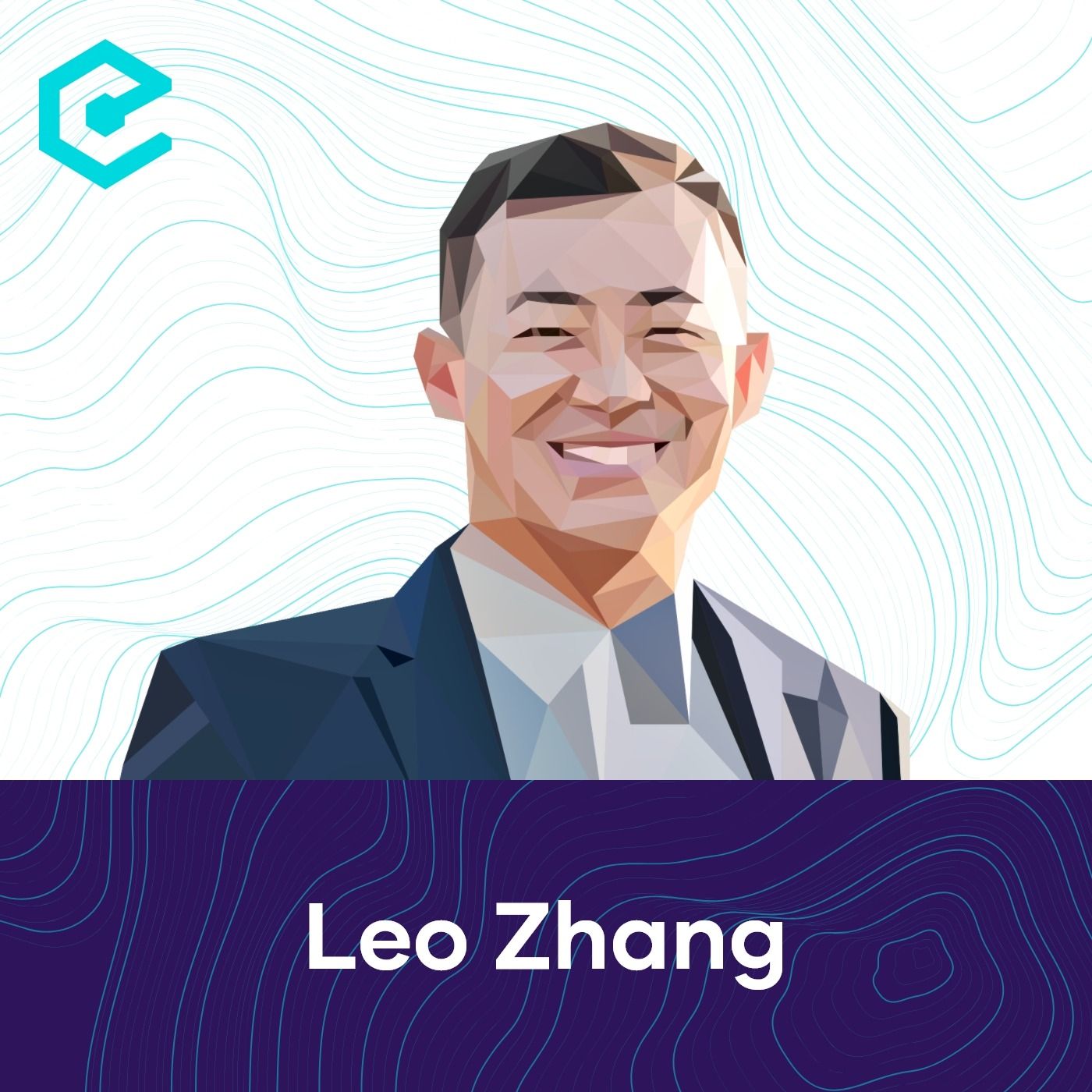
Alkimiya: Blockspace, the Digital Real Estate - Leo Zhang
Aug 17, 2024Tap to summarizeAs the crypto industry matures, more sophisticated market participants become involved. As a result, risk management and hedging will evolve to levels seen in TradFi. However, regardless of the preferred market activity, when interacting with a blockchain, every actor competes for the same limited blockspace. Based on demand levels, the cost for securing that blockspace can fluctuate (in the form of miner fees for Bitcoin transactions, or gas fees for PoS blockchains). Therefore, a particular niche of power users could lower these costs by reserving blockspace in advance of elevated demand levels. Alkimiya set out to build just that - a marketplace for blockspace.Topics covered in this episode:Leo’s backgroundThe vision behind AlkimiaMarket participants for blockspaceHedging costsUse cases on EthereumProposer-Builder Separation and preconfirmationsReserving blockspacePolkadot’s blockspace allocationCurrent market sentiment. ETH vs. SOLEpisode links:Leo Zhang on TwitterAlkimiya on TwitterSponsors:Gnosis: Gnosis builds decentralized infrastructure for the Ethereum ecosystem, since 2015. This year marks the launch of Gnosis Pay— the world's first Decentralized Payment Network. Get started today at - gnosis.ioChorus One: Chorus One is one of the largest node operators worldwide, supporting more than 100,000 delegators, across 45 networks. The recently launched OPUS allows staking up to 8,000 ETH in a single transaction. Enjoy the highest yields and institutional grade security at - chorus.oneThis episode is hosted by Brian Fabian Crain.
Transcribe →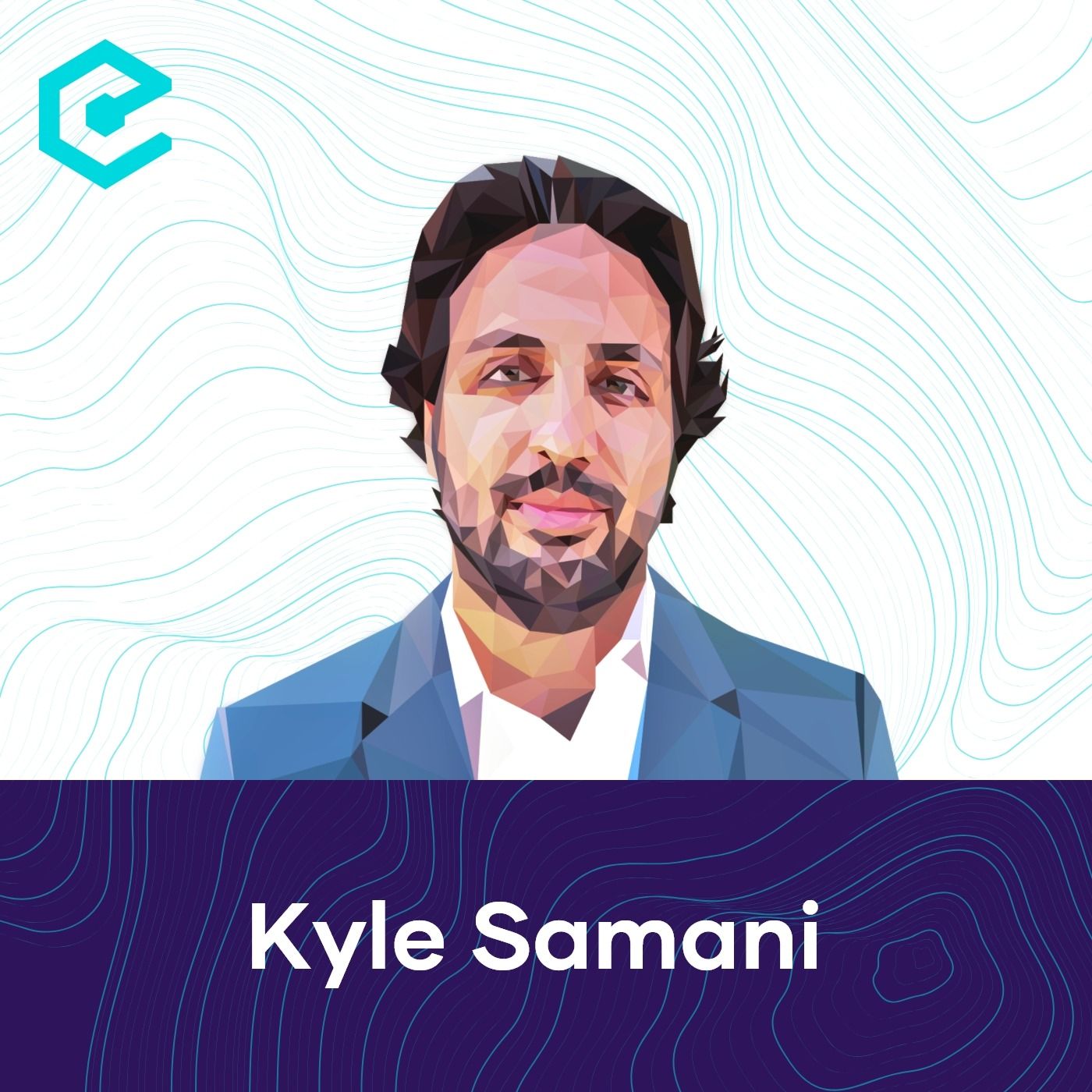
Kyle Samani: Multicoin Capital – The Thesis-Driven Cryptoasset Investment Firm
Oct 13, 2020Tap to summarizeMulticoin Capital is a thesis-driven investment firm that invests in cryptocurrencies, tokens, and blockchain companies. They manage a hedge fund and a venture fund, investing across both public and private markets. They are extremely bullish on smart contract platforms and DeFi is one of their main areas of focus. They've invested in several projects and companies such as Algorand, Arweave, Nervos, Skale, Solana, to name a few. We originally had Multicoin on the show in February of 2018 when they were still reasonably new and we were in the height of the ICO bubble. Kyle Samani, Co-founder and Managing Partner, joins us back on the show to share not only how Multicoin has changed since then, but also the cryptoasset industry as a whole.Topics covered in this episode:What are the Multicoin theses and have they changed since Kyle was last on the showWhy the most used smart contract platform will produce the winning store of valueThe role of gold in today's economyBitcoin gaining traction in today's asset management circleOther assets that will eventually displace BitcoinWhich projects Multicoin are backing at the momentDeFi vs CeFi and latencyDiscussing what DeFi actually isCryptocurrency's future role in the traditional financial system and the impact of potential new regulationsHow the cryptoasset industry has changed since Multicoin started and where it is headedThe underrated areas Multicoin are looking at todayEpisode links: Multicoin CapitalMulticoin's first appearance on EpicenterMulticoin blogThe Multicoin ThesisMulticoin on TwitterKyle on TwitterSponsors: Algorand: To learn more about Algorand and how it’s unique design makes it easy for developers to build sophisticated applications. - https://algorand.com/epicenterThis episode is hosted by Sebastien Couture & Brian Fabian Crain. Show notes and listening options: epicenter.tv/361
Transcribe →
Eli Ben-Sasson: Zero Knowledge Proofs
Feb 1, 2016Tap to summarizeZero Knowledge Proofs are methods of providing cryptographic proofs to another party while keeping some information secret. The simple concept of ZKP offer tantalizing possibilities: Banks could prove solvency without revealing depositors. Governments could prove the fairness of an election without compromising privacy. Computer science professor Eli Ben-Sasson joined us to discuss where blockchains and cryptocurrencies intersect with Zero Knowledge Proofs and related technologies such as zkSNARKs. It offered a fascinating view into what will surely become a core part of blockchain tech in the future. Topics covered in this episode: What are proof systems? Zero Knowledge Proofs (ZKP) and other terminology such as SNARKs and zkSNARKs The mechanics of Zero Knowledge Proofs The role of performance in Zero Knowledge Proofs Applications of ZKPs The widespread potential impact of ZKP to verify processes Episode links: Eli Ben-Sasson's Website SNARKs for C talk by Madars Virza Stackexchange: What are SNARKs SNARKs for C paper [PDF] Zerocash Talk This episode is hosted by Brian Fabian Crain and Meher Roy. Show notes and listening options: epicenter.tv/116
Transcribe →