Podcast
EU-Startups Podcast
Hosted by Thomas Ohr · EN
The official Podcast of EU-Startups.com - the leading online magazine about startups in Europe.
29episodes
Episodes
Newest firstAll episodes
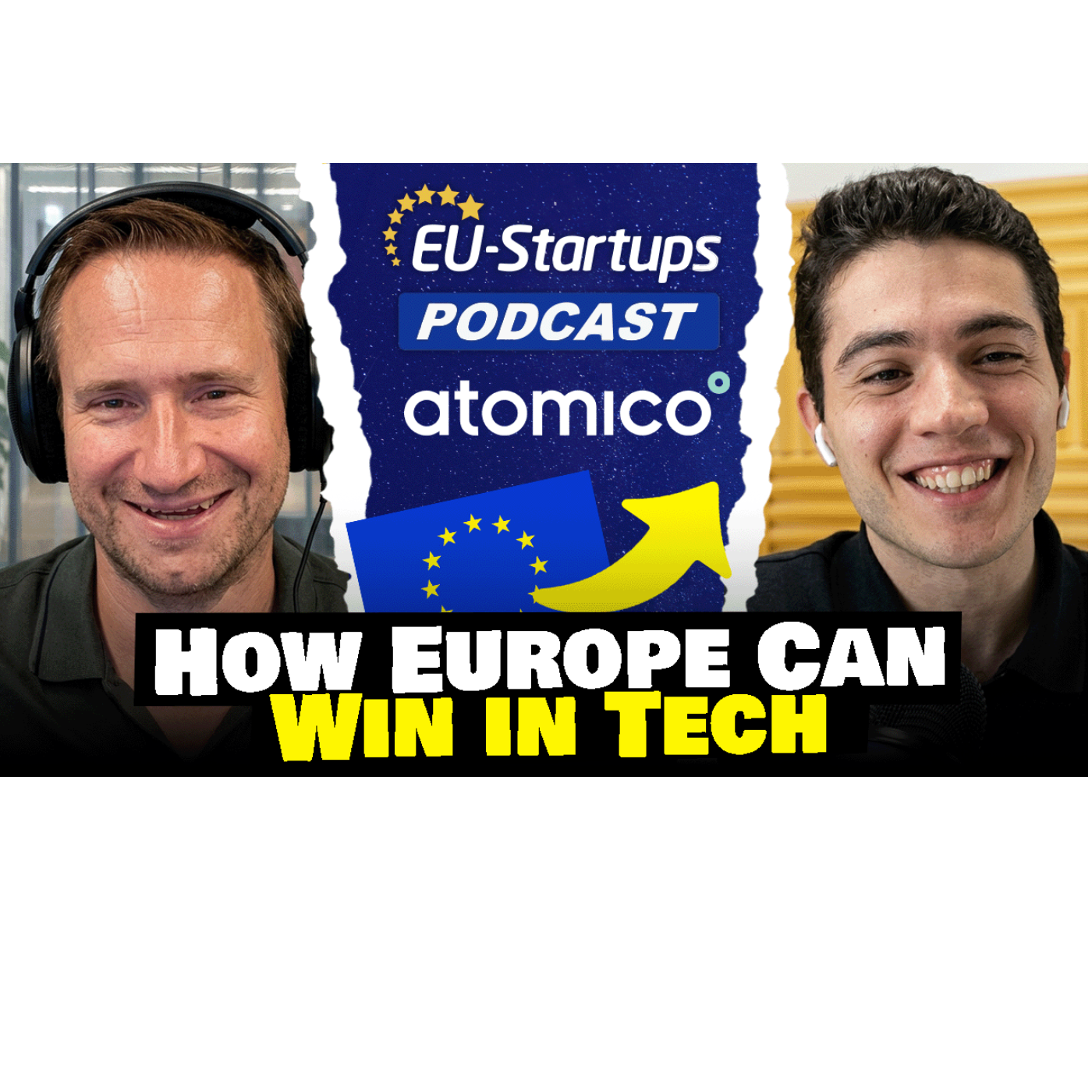
How Europe can Win in Tech
2w ago00:40:45Tap to summarizeInterview with Tom Wehmeier, Partner and Head of Intelligence at Atomico For today's podcast we sit down with Tom Wehmeier, Partner and Head of Intelligence at Atomico, to discuss European technology, the firm’s investment philosophy, and the influential State of European Tech report. Tom reflects on his unconventional route into venture capital. Before joining Atomico, he worked in telecommunications, witnessing shifts such as the emergence of 3G and internet-based calling. This taught him to recognise hype cycles, adopt a patient long-term view, and understand why established companies often struggle to respond to disruption. He explains that breakthrough technologies are frequently underestimated. Early forecasts predicted a market of only around one million mobile phones, yet the technology eventually reached billions of users. For Tom, this shows the importance of recognising innovations that can fundamentally change behaviour. The conversation explores the origins of Atomico’s State of European Tech report. What began as a PowerPoint presentation became a major annual platform covering investment, talent, liquidity, regulation, and entrepreneurship. It was created to address the lack of shared, evidence-based information about Europe’s technology ecosystem. Tom previews themes expected in the next edition, including progress in funding innovation, reducing regulatory friction, empowering talent, and encouraging greater risk tolerance. The report will also examine technological sovereignty and resilience across energy, computing, and defence. He argues that Europe suffers from a “commitment gap”. Policymakers and industry leaders may support initiatives such as EU Inc. and greater institutional investment in technology, but implementation is often slowed by political deadlock. Progress therefore requires decisive leadership at national and European levels. Tom also explains how the report serves different audiences. Investors may focus on funding and liquidity, while policymakers are more interested in regulation and ecosystem sentiment. By making its data downloadable, Atomico enables journalists, founders, investors, and researchers to develop their own interpretations. The report has become a year-round initiative involving research partnerships, newsletters, roundtables, and wider industry engagement. Atomico also experiments with new formats, including synthetic audience tools, interactive question-and-answer features, and video content. The interview concludes by reflecting on Atomico’s 20-year history. When the firm was founded, the idea that Europe could produce globally significant technology companies and establish venture capital as a major asset class was far from certain. Tom believes the ecosystem has since exceeded expectations, while Atomico has helped place European entrepreneurship on the global map. Key Points • Tom’s telecommunications background shaped his analytical, long-term approach to venture capital and disruption. • Breakthrough innovations are often underestimated before reaching mass adoption. • The State of European Tech report provides a shared, evidence-based view of Europe’s technology ecosystem. • The next report will examine funding, regulation, talent, risk tolerance, sovereignty, and resilience. • Europe must close the gap between political commitments and implementation through stronger leadership. • Atomico’s belief in European technology has been validated by the ecosystem’s growth and global relevance.
Transcribe →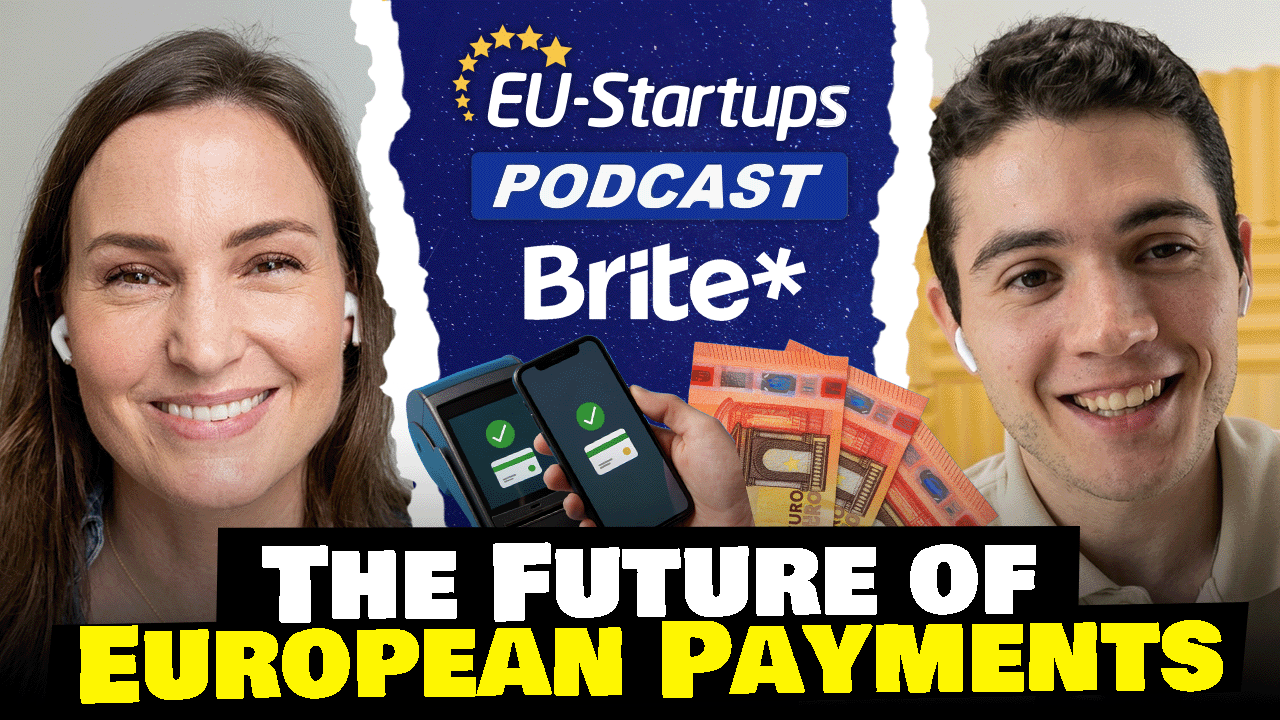
The Future of European Payments
3w ago00:33:14Tap to summarizeInterview with Lena Hackelöer, founder & CEO at Brite Payments In this exclusive interview, we sit down with Lena Hackelöer, founder & CEO at Brite Payments, to explore the company’s growth, the future of European payments, and the challenges facing fintech founders. Lena shares how Brite has evolved from a Swedish startup founded in 2019 into a leading pay-by-bank provider operating across 27 European markets. Following its Series A round, the company expanded into Germany and France. She reflects on how her early career shaped her entrepreneurial approach. Her experience at Klarna during its hypergrowth phase taught her how to build and internationalise a fast-moving fintech company, while a later role in a listed financial services business exposed her to operating in a highly regulated environment. Lena also discusses European payment sovereignty. Brite is building a pan-European instant payment network that reduces reliance on non-European infrastructure, but she argues that sovereignty alone will not drive adoption. Merchants and consumers ultimately prioritise convenience, reliability, conversion rates, and lower processing costs. The conversation examines the difficulty of scaling across Europe. Differences in language, culture, banking systems, regulation, and consumer behaviour mean the continent cannot be treated as a single market. Although licences can be passported across the European Union, requirements may still vary between regulators. Lena explains why localisation is essential. German consumers often place greater emphasis on security and data protection, while Swedish users are more comfortable with digital transparency. Brite therefore combines centralised technology with local expertise, adapting its strategy to each market. Looking ahead, Lena sees convenience as the main driver of pay-by-bank adoption. Improvements in mobile banking, app-to-app authentication, and instant payments are making the experience faster, enabling instant confirmation, rapid refunds, and quicker payouts. The interview concludes with a discussion about female entrepreneurship and representation in fintech. Lena believes progress is being made as more women gain senior experience and professional networks. However, funding inequalities, limited access to technical careers, and low female participation in engineering remain significant barriers. Key Points • Brite Payments has grown from a Swedish startup into a pan-European pay-by-bank platform operating across 27 markets. • Lena’s experience at Klarna helped shape her entrepreneurial approach and payments expertise. • European payment sovereignty matters, but adoption depends on convenience, reliability, conversion rates, and commercial value. • Fragmented regulation, banking infrastructure, and consumer behaviour make European expansion complex. • Mobile banking, instant payments, and app-to-app authentication are making pay-by-bank services faster and more attractive. • Greater female representation will require better access to funding, technical careers, and senior leadership opportunities.
Transcribe →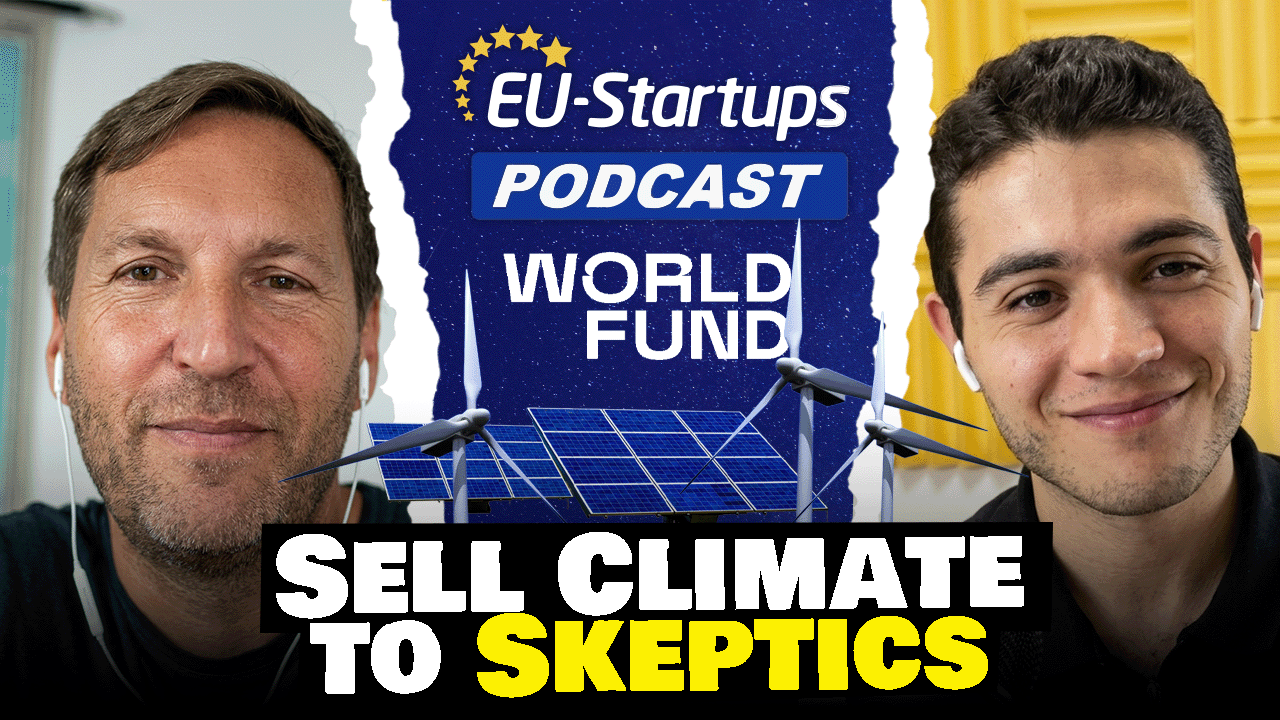
The Fund Selling Climate to Skeptics
4w ago00:34:54Tap to summarizeTim Schumacher, Managing Partner at World Fund Key Points The evolution of saas.group from its first acquisition to a global platform of independent SaaS brands, driven by a founder-friendly ethos and a focus on niche, revenue-focused businesses. The critical role of cultural alignment and shared values in successful acquisitions, ensuring smooth integration and long-term collaboration. saas.group’s tailored, transparent approach to acquisitions, prioritizing honest conversations about founders’ motivations and customising deals to fit their personal and professional needs. The importance of the bootstrapper mindset- resourcefulness, efficiency, and a focus on monetization - as a defining trait for companies acquired by saas.group. Insights into the challenges of acquiring companies, from managing price expectations to navigating due diligence and maintaining open, honest communication throughout the process.
Transcribe →
Is the Office Era Over?
Jul 900:28:54Tap to summarizeJob van der Voort, CEO and co-founder of Remote Key Points How scientific training influences decision-making and problem-solving at Remote The mindset shift from academia’s precision to startups’ speed and action What personal experiences revealed about what employees truly need from employers The hidden costs of traditional office work and the freedom gained through remote flexibility The balance between global hiring and the necessity of human overlap in distributed teams The future of global work beyond the remote vs. in-office debate
Transcribe →
From Dining Table to $700M Exit
Jul 200:38:19Tap to summarizeJos White, co-founder of Notion Capital Key Points Early entrepreneurial conversations and their lasting impact on mindset and ambition Recognising the pivotal moments when a business idea gains real traction and scalability Why firsthand entrepreneurial experience gives VCs a unique edge in advising founders The intangible traits - beyond metrics and pitch decks - that define exceptional founders How the founder landscape has evolved since 2009, including the rise of AI and its new blind spots Key differences between European and American founders in approach, ambition, and execution
Transcribe →
From Getting Scammed to Building a Unicorn
Jun 2500:33:11Tap to summarizeTarek Müller, co-founder & co-CEO, ABOUT YOU 📌 Key Points The early motivations and pivotal moments that shaped Tarek’s entrepreneurial path. How ABOUT YOU’s unicorn status impacted both the company and Hamburg’s startup ecosystem. The biggest opportunities for AI in e-commerce, from personalisation to operational efficiency. The intersection of customer choice, convenience, and sustainability in fashion retail. Tarek’s vision for the emotional and technical future of online shopping in five years.
Transcribe →
The Startup Turning Swamps Into Fashion Gold
Jun 1800:29:16Tap to summarizeInterview with Julian Ellis Brown, CEO & co-founder of Ponda **Key Points Ponda’s mission was sparked by a bold idea: materials should restore, not deplete, their environments, with wetlands as the ideal starting point for this vision. BioPuff is a plant-based insulation derived from bulrush, offering a regenerative, high-performance alternative to goose down and synthetic fills. Regeneration goes beyond sustainability by actively healing ecosystems - such as rewetted peatlands - while creating materials, rather than just minimising harm. BioPuff can disrupt fast fashion by demonstrating that regenerative materials can be scalable, cost-effective, and viable for mainstream adoption, not just premium brands. Partnering with farmers revealed the critical role of collaboration, traceability, and shared long-term vision in building a truly regenerative supply chain from the ground up. Rewetting and farming degraded peatlands transforms them from carbon sources into carbon sinks, while enhancing biodiversity and flood mitigation.
Transcribe →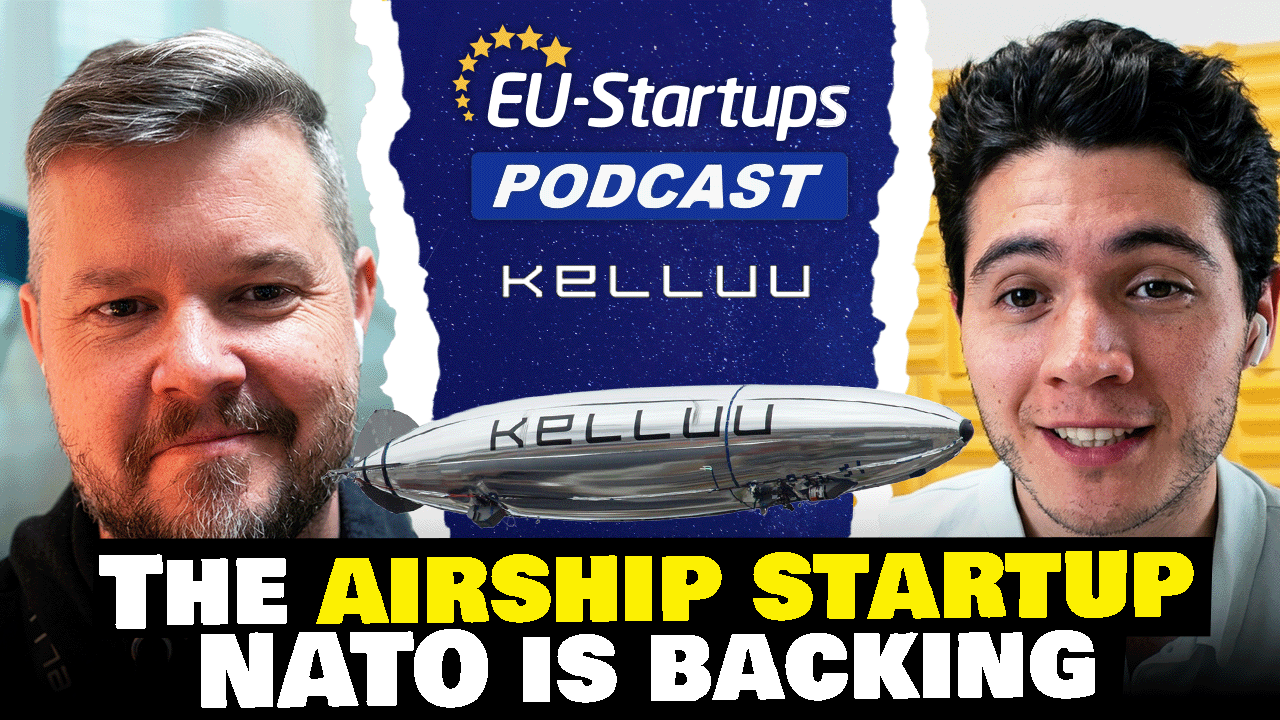
The Airship Startup NATO is Backing
Jun 1100:35:08Tap to summarizeInterview with Janne Hietala, CEO of Kelluu Key Points Janne’s journey into airships, autonomy, and aerial data Why Kelluu chose airships over drones and satellites, and their unique advantages Modernising the concept of airships for cutting-edge applications The operational workflow of Kelluu airships, from deployment to landing The environmental benefits of Kelluu’s near-silent, emission-free technology The future impact of persistent aerial intelligence on global understanding
Transcribe →
The Christmas Trip that Built BlaBlaCar
Jun 400:39:52Tap to summarizeInterview with Frédéric Mazzella, founder of BlaBlaCar Key Points The origin of BlaBlaCar stemmed from a personal travel challenge, but it quickly evolved into a vision for sustainability and resource consciousness. BlaBlaCar’s mission today balances environmental impact with the social experience of connecting strangers through shared rides. Frédéric’s experiences in the US and Japan shaped his approach to building a startup in Europe, blending global insights with local needs. Europe excels in collaborative ecosystems and sustainability focus, but faces challenges in scaling and access to capital compared to the US and Japan. Ridesharing’s appeal varies by region, with success depending on cultural attitudes toward car ownership and shared mobility.
Transcribe →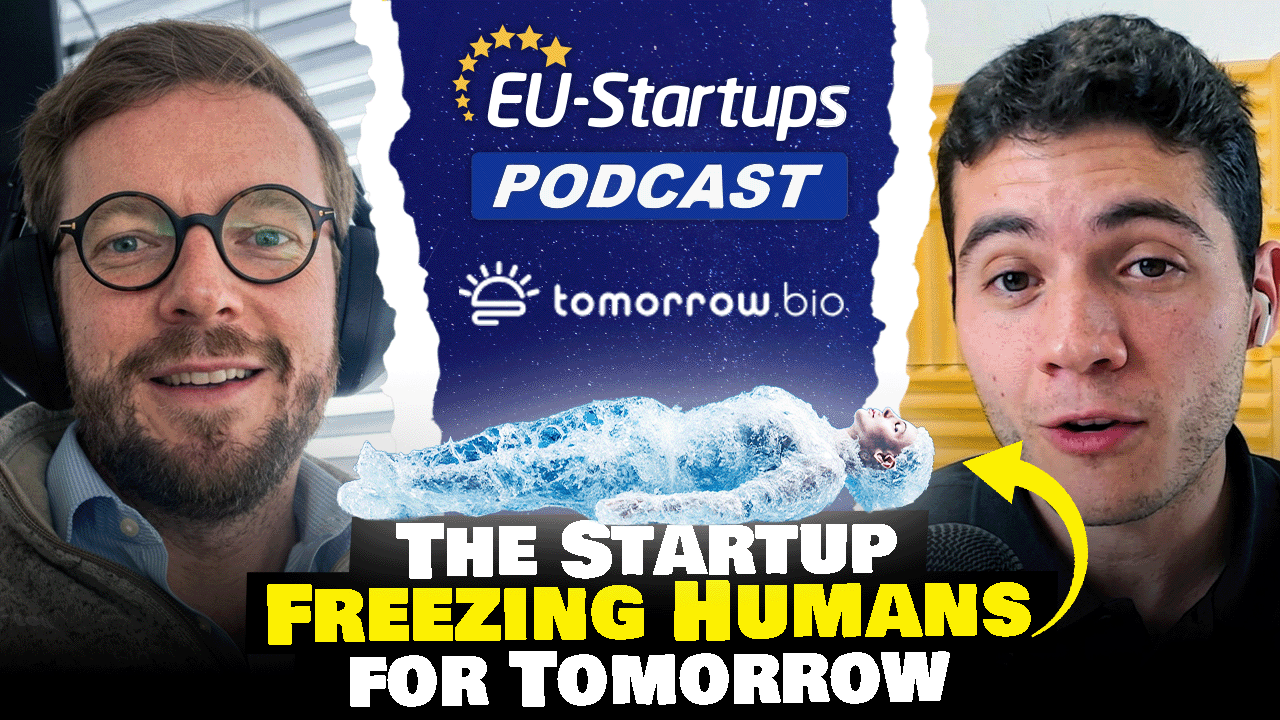
The Startup Freezing Humans For Tomorrow
May 2800:44:08Tap to summarizeInterview with Dr Emil Kendziorra, CEO of Tomorrow.bio Key Points The pivotal moment when Emil decided to dedicate his life to cryopreservation and biostasis, leaving behind a career in cancer research. The necessity of a European-based cryopreservation organisation and what was missing before Tomorrow.bio entered the field. A detailed explanation of the cryopreservation process, from sign-up and stabilization to long-term storage in liquid nitrogen. Addressing the gap between preservation and revival, and the importance of honest communication with members about the current limitations. The operational and emotional lessons learned from cryopreserving the first 20 human patients and 10 pets.
Transcribe →