Podcast
EU-Startups Podcast
Hosted by Thomas Ohr · EN
The official Podcast of EU-Startups.com - the leading online magazine about startups in Europe.
30episodes
Episodes
Newest firstAll episodes
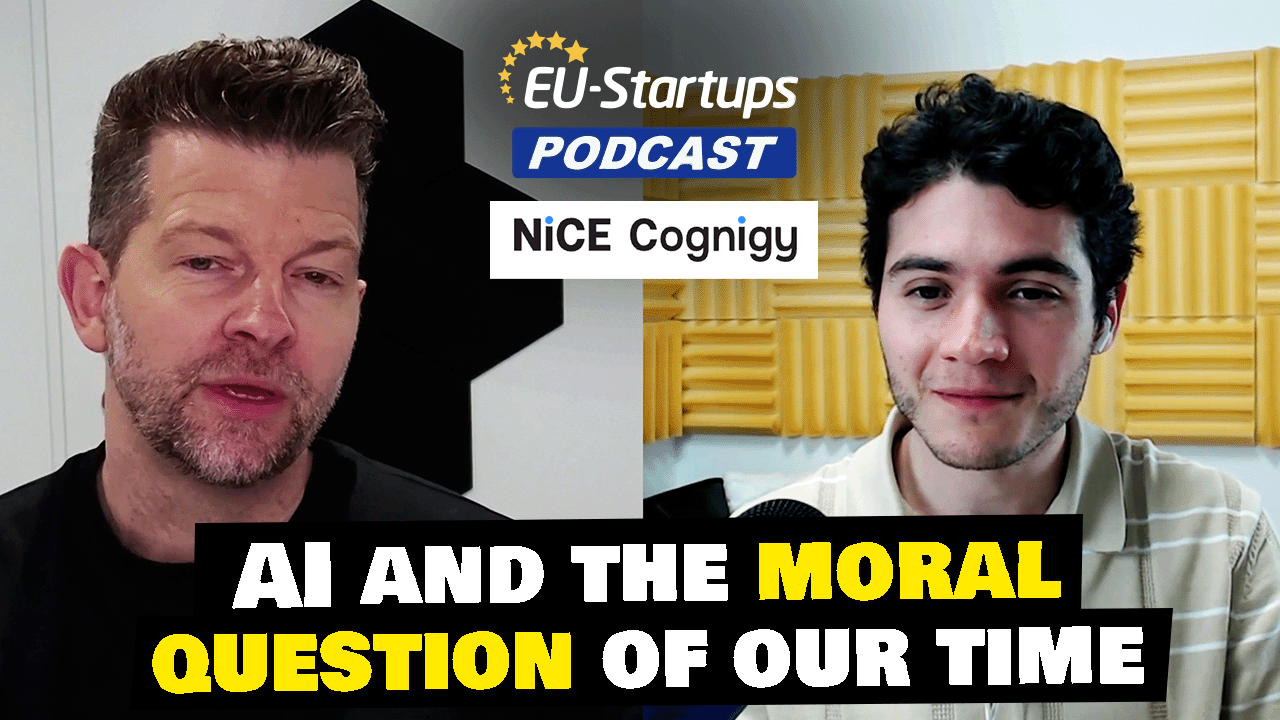
AI and the Moral Question of our Time
Mar 500:37:19Tap to summarizeInterview with GM of NiCE Cognigy Philipp Heltewig In this interview, we speak with Philipp Heltewig, Chief AI Officer at NiCE and General Manager of NiCE Cognigy, about the journey of building Cognigy from a startup in 2016 to a $1 billion acquisition by NiCE Ltd. in 2025. Philipp reflects on the early frustrations that inspired the company, the rapid evolution of enterprise AI adoption, and how customer service is shifting from chatbots to agentic AI systems capable of acting autonomously within enterprise workflows. Cognigy was founded in 2016 by Philipp Heltewig, Sascha Poggemann, and Benjamin Mayr with the goal of transforming how enterprises engage with customers. In the conversation, Philipp looks back at Cognigy’s early years and the key milestones along the way, including the ~€36 million Series B in 2021, the €93 million Series C in 2024, and the strategic acquisition by NiCE in 2025. A major theme of the discussion is the rise of agentic AI — systems that can understand intent, take actions across enterprise systems, and orchestrate complex customer interactions. Philipp breaks down how these AI agents differ from traditional chatbots and why enterprises are increasingly adopting them to automate routine tasks while allowing human agents to focus on higher-value interactions. The conversation also explores the limits of current AI systems and the situations where human support is still essential, particularly when empathy, complex judgement, or sensitive decision-making is required. Key Points - Cognigy was founded in 2016 and acquired by NiCE Ltd. for $1 billion in September 2025. - Philipp explains the shift from basic chatbots to agentic AI, capable of acting autonomously within enterprise systems. - Enterprises increasingly use AI to augment human agents, handling routine interactions while humans focus on complex cases. - The interview explores how the founder role evolves after a major acquisition, and how AI strategy is shaped within a larger global company. Chapters 00:00 - Intro 01:26 - Sponsor 02:39 - Interview
Transcribe →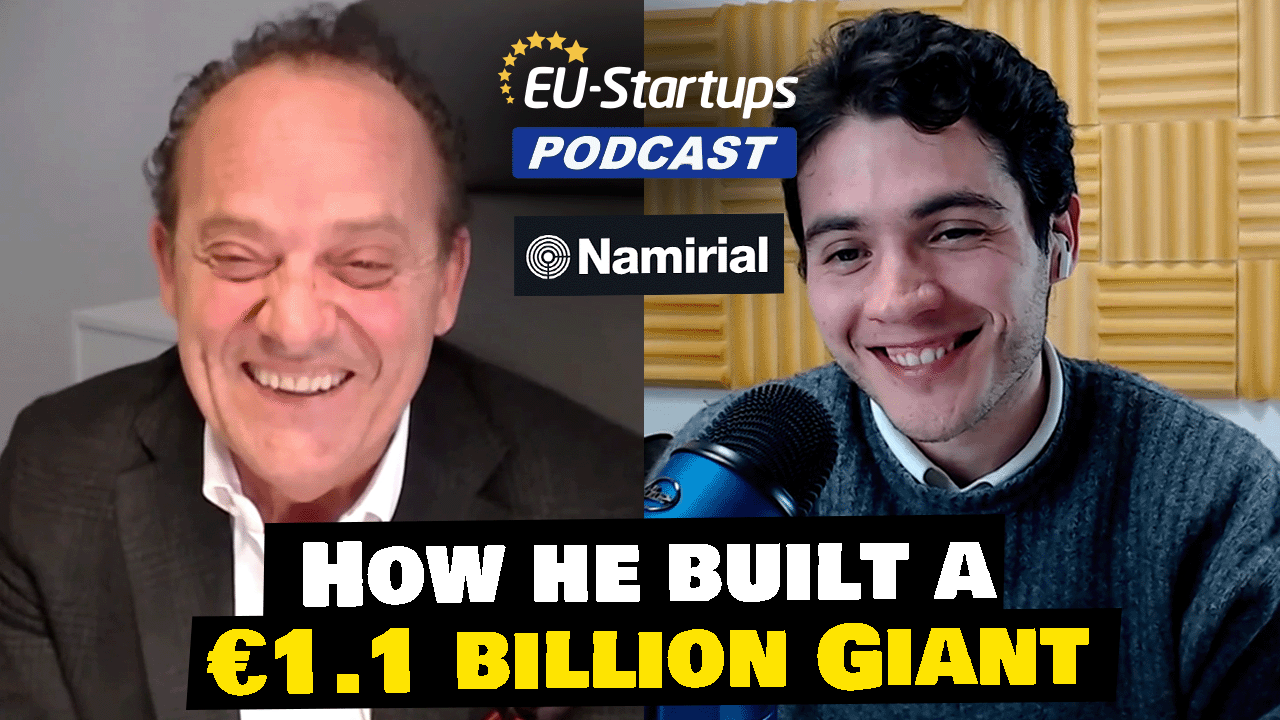
How He Built a €1.1B Giant
Feb 2600:38:40Tap to summarizeInterview with Enrico Giacomelli, the Founder of Namirial In this interview, Enrico Giacomelli, Founder and Chairman of Namirial, reflects on building one of Europe’s leading Digital Transaction Management and Qualified Trust Service Provider (QTSP) groups - from a small Italian software house founded in 1991 to a pan-European digital trust leader valued at approximately €1.1 billion. Founded in 2000 in Senigallia, Namirial now operates in 90+ countries, employs over 1,300 people, and serves enterprises, SMEs and public administrations across Europe, Latin America and Asia. In 2020, Ambienta acquired a majority stake, accelerating international expansion. In July 2025, Bain Capital acquired a majority stake. Later that year, Namirial merged with Signaturit (backed by PSG Equity), creating a leading pan-European QTSP with strong positions in Italy, Spain, France and Germany. We discuss regulation as both constraint and catalyst, what “AI-first” means in a highly regulated environment, scaling through M&A, and the future of European digital identity. Key Points: - How Enrico identified the original problem in 1991 - and why it still matters - Building a global tech leader from outside Europe’s main startup hubs - Regulation as both constraint and competitive advantage - What “AI-first” means in a trust-heavy, compliance-driven sector - Practical advice for founders making their first steps - Avoiding the AI hype cycle while building long-term value
Transcribe →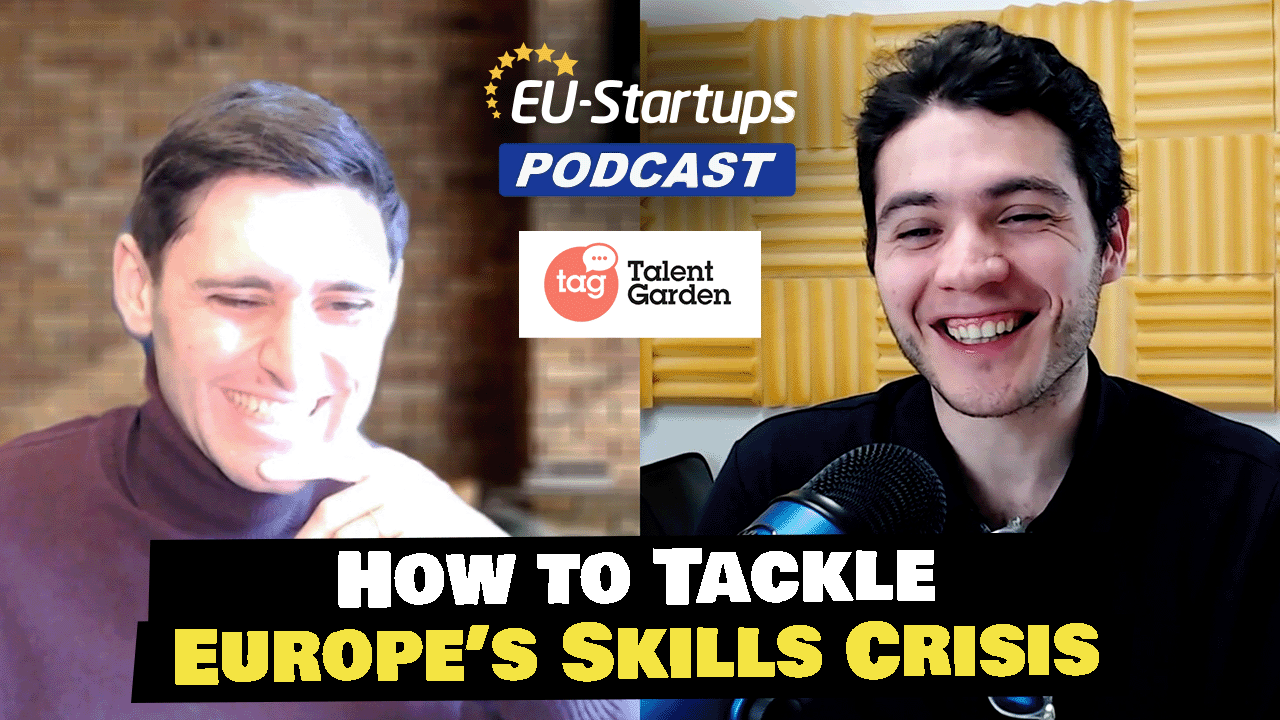
Tackling Europe's Skills Crisis
Feb 1900:28:44Tap to summarizeInterview with the Founder and EC of Talent Garden, Davide Dattoli In this episode, we speak with Davide Dattoli, Founder and Executive Chairman of Talent Garden, about building one of Europe’s largest digital skills and EdTech platforms — from its launch in 2011 as a coworking experiment in Italy to a pan-European education group operating across 12 markets in Europe, Brazil, and Singapore. Today, Talent Garden trains 25,000 professionals and students annually, connects 4,500 startups and tech professionals, and attracts more than 500,000 campus visitors each year. We also discuss Davide’s role as Venture Founder at Italian Founders Fund, Italy’s founder-backed VC supporting pre-seed and seed startups, as well as his broader involvement in the European tech ecosystem. The conversation explores how the EdTech sector is evolving amid growing AI-driven learning investment (with roughly €52.7 million disclosed in European digital-skills funding rounds in 2025–2026), why physical learning communities still matter, and what “future-proof” skills really mean beyond the buzzwords.
Transcribe →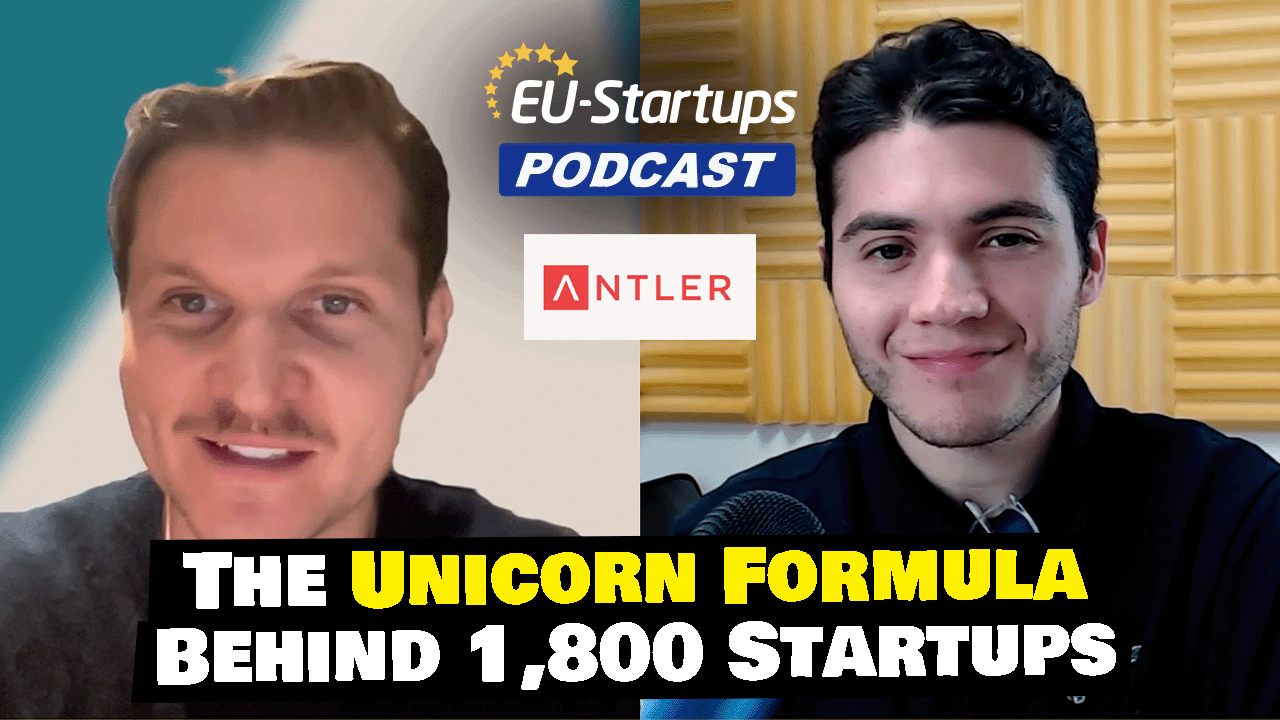
The Unicorn Formula Behind 1,800 Startups
Feb 1200:32:39Tap to summarizeInterview with Antler co-founder and CBO Fridtjof Berge In this episode, we sit down with Fridtjof Berge, co-founder and Chief Business Officer at Antler, one of the world’s most active early-stage venture capital firms. Since launching in 2017, Antler has backed more than 1,650 startups globally and, according to recent data, has now made over 1,800 investments across six continents, supporting founders from day zero. Fridtjof shares his journey from McKinsey and Harvard Business School to building a global VC platform operating in 27 cities, from San Francisco and New York to Berlin, Singapore, Tokyo and Sydney. We explore how Antler scaled from deploying €5.4 million across 44 startups in 2019 to launching a €30 million Nordic fund in 2021 and a €150 million Nordic fund in 2023. We also dive into Antler’s latest report, “The Anatomy of Greatness”, analysing a decade of unicorn creation from 2014 to 2024. The data reveals a dramatic acceleration in billion-dollar company formation, the rise of AI, shifting founder demographics, and the globalisation of innovation far beyond Silicon Valley. From backing breakout companies like Airalo and Lovable, to shaping one of the most distributed early-stage investment models in the world, Fridtjof offers his view on what truly sets exceptional founders apart today. Key Points: - Antler has made over 1,800 global investments and backed more than 1,650 companies since 2018, operating in 27 cities worldwide - Unicorn creation has surged from around 4 per year a decade ago to 148 per year, driven largely by AI AI startups now reach unicorn status in just 4.7 years on average, faster than any other sector - The average AI-unicorn founder age has fallen to 29 in 2024, even as overall founder age trends slightly upward - Unicorns have expanded from 30 cities in 8 countries to 300+ cities across 45 countries, reflecting a globalisation of tech entrepreneurship
Transcribe →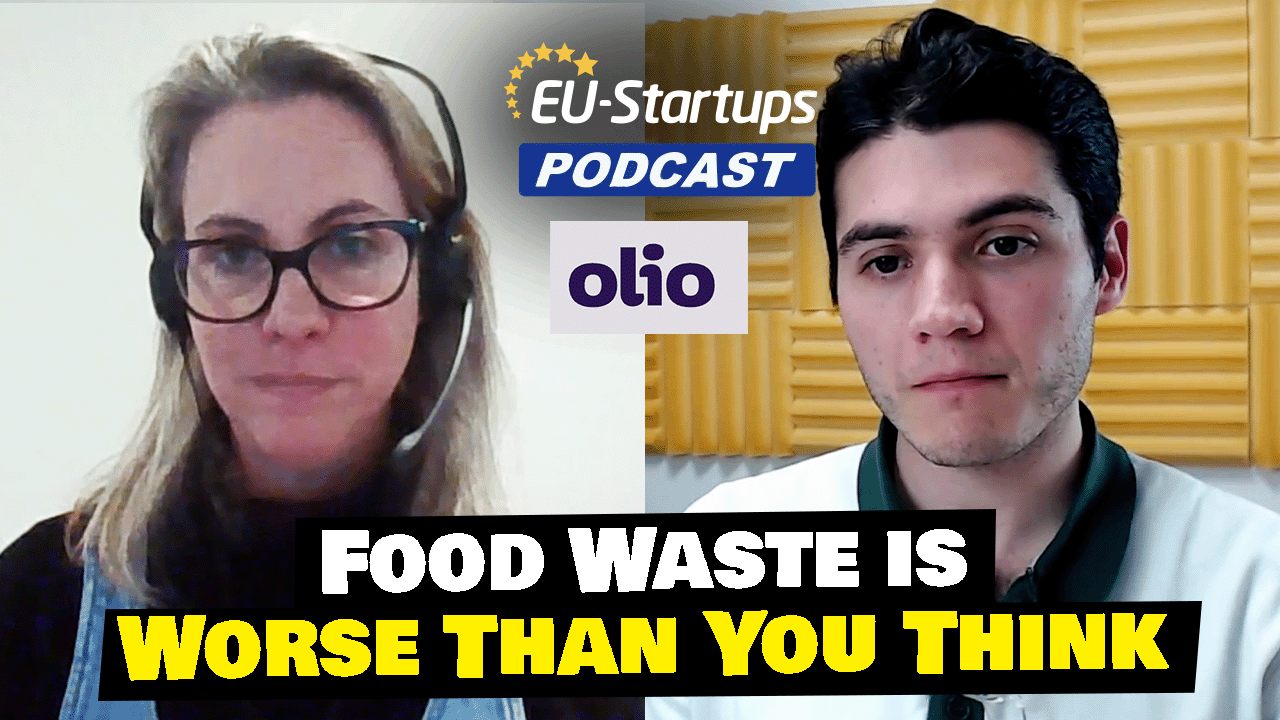
Food Waste is Worse Than You Think - Interview with Olio CEO & co-founder Tessa Clarke
Feb 500:36:54Tap to summarizeIn this interview, we sit down with Tessa Clarke, co-founder and CEO of Olio, a community-powered platform built to redistribute surplus food and household items at scale. Growing up on a dairy farm in Yorkshire, Tessa developed an early understanding of the effort behind food production and a deep aversion to waste. That mindset later collided with a very common problem: moving house with a fridge full of perfectly good food. Knocking on neighbours’ doors with a newborn and toddler in tow, she realised there had to be a better way to share surplus – and Olio was born. Since launching in 2015, Olio has grown from a 12-person WhatsApp experiment into a global platform with over 9 million users, 135 million meals redistributed, 15 million household items rehomed, and around 300,000 tonnes of CO₂e prevented. To date, Olio has raised around €45 million in funding. Alongside neighbour-to-neighbour sharing, Olio now works with major partners including Tesco, Sainsbury’s, Pret and Compass Group to safely redistribute surplus food at scale. In the conversation, Tessa reflects on moving from senior corporate roles at Dyson and Wonga to building a purpose-led startup, the power of volunteer-driven models, and why household food waste – which accounts for around half of global waste – remains one of the hardest challenges to solve. Key Points - How growing up on a dairy farm shaped Tessa Clarke’s views on food, work and waste - The moment that sparked Olio – and how a few sweet potatoes led to a global platform - Lessons from scaling a purpose-led startup from a WhatsApp group to millions of users - Why household food waste is harder to tackle than supply-chain waste - The role of community, volunteers and trust in making circular models work at scale - Where Olio’s peer-to-peer model fits within the wider European FoodTech ecosystem
Transcribe →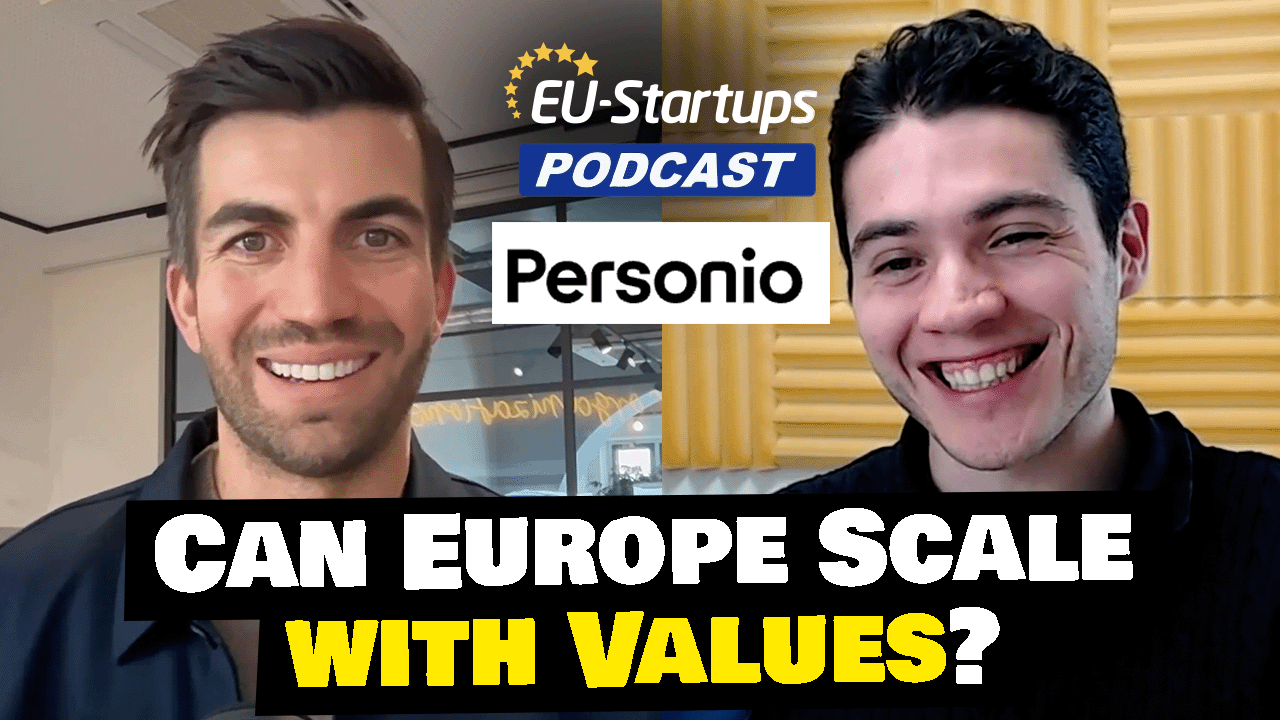
Can Europe Scale with Values? - Interview with Personio co-founder & CEO Hanno Renner
Jan 2900:32:38Tap to summarizeIn this episode, we sit down with Hanno Renner, co-founder and CEO of Personio, Europe’s leading all-in-one HR software platform, to reflect on a decade-long journey from near-bankruptcy to building one of Europe’s most influential SaaS companies. Hanno looks back on Personio’s earliest days, including the moment when the company had just a few hundred euros left in the bank. We explore what truly changes when a startup moves from survival mode into scale-up mode, what doesn’t scale as expected, and how founder alignment evolves as roles diverge in a company of more than 1,800 people serving over a million employees. A central and timely part of the discussion focuses on EU Inc and the proposed 28th regime. Hanno makes a strong case for deeper European integration. His pro-European stance highlights why regulatory harmonisation, capital mobility, and a truly unified market are not abstract policy debates, but goals for Europe’s next generation of scaleups. Beyond business, Hanno reflects on leadership lessons from his time as a yacht skipper, how those experiences shaped his approach to responsibility and decision-making, and how he thinks about long-term societal impact through the Personio Foundation, which has committed 1% of the company’s equity to climate action and education. Key Points - From near-zero cash to multi-billion valuation: the least visible but hardest phases of Personio’s growth - What breaks - and what surprisingly holds - when scaling from startup to European scaleup - Personio’s evolving role at the centre of Europe’s HRTech ecosystem - Why EU Inc and the 28th regime are critical for Europe’s ability to build global tech champions
Transcribe →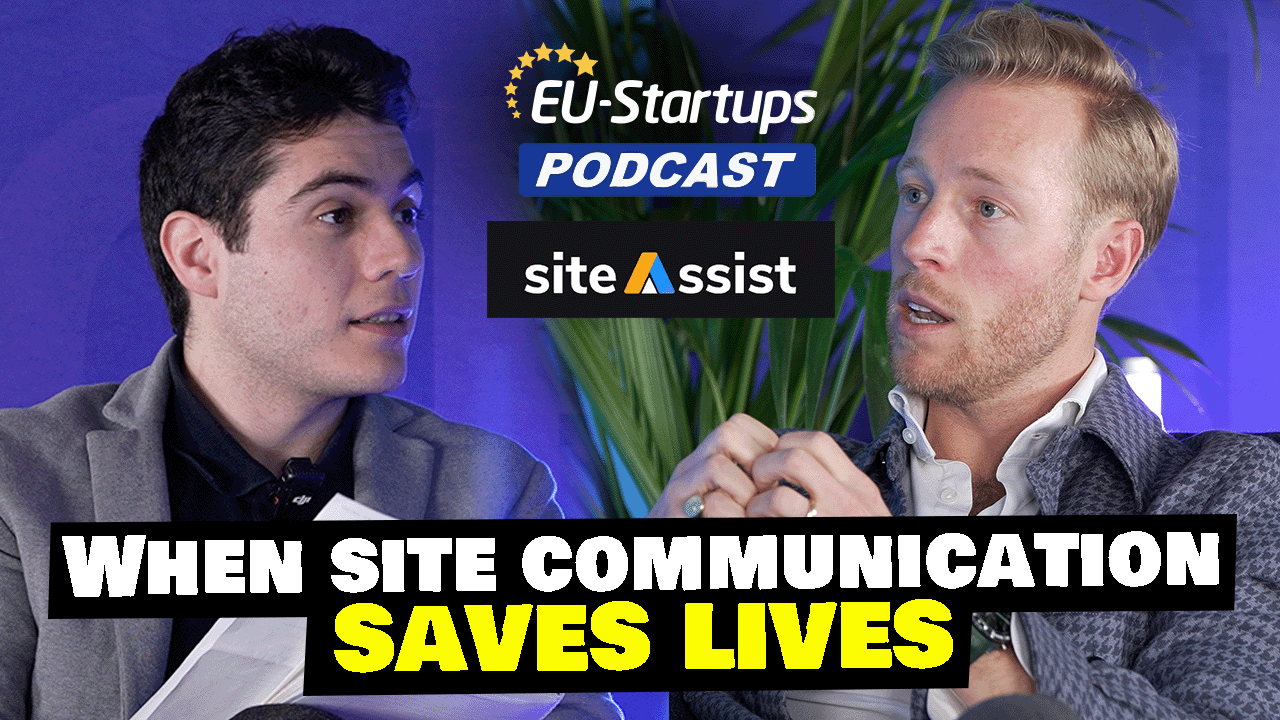
When Communication Saves Lives: Interview with CEO & Founder of SiteAssist | Leonard Series
Jan 2200:26:31Tap to summarizeThis episode of the EU-Startups Podcast is brought to you by Vanta. The trust management platform helps more than 12k companies, including Nando’s, Allica Bank and Granola, start and scale their security programmes while building trust with buyers. It saves security teams time and improves programme visibility by automating over 35 compliance frameworks, such as SOC 2 and ISO 27001, as well as GRC workflows like risk management.
Transcribe →
Repairs Without Drilling or Welding: Interview with Cold Pad CEO | Leonard Series
Jan 2100:23:49Tap to summarizeThis episode of the EU-Startups Podcast is brought to you by Vanta. The trust management platform helps more than 12k companies, including Nando’s, Allica Bank and Granola, start and scale their security programmes while building trust with buyers. It saves security teams time and improves programme visibility by automating over 35 compliance frameworks, such as SOC 2 and ISO 27001, as well as GRC workflows like risk management.
Transcribe →
The Hidden Risks That Kill Construction Projects - Interview with Enlaye CEO | Leonard Series
Jan 2000:28:24Tap to summarizeThis episode of the EU-Startups Podcast is brought to you by Vanta. The trust management platform helps more than 12k companies, including Nando’s, Allica Bank and Granola, start and scale their security programmes while building trust with buyers. It saves security teams time and improves programme visibility by automating over 35 compliance frameworks, such as SOC 2 and ISO 27001, as well as GRC workflows like risk management.
Transcribe →
Episode 123: Mastering AI GTM: Lessons from ElevenLabs’ Carles Reina
Jun 26, 2025Tap to summarizeMost AI startups don’t fail because of the tech. They fail because they don't know how to go to market. Enter Carles Reina, the first investor and GTM strategist at ElevenLabs — the voice AI juggernaut redefining what product-market fit sounds like. In this episode of the EU-Startups Podcast, Marcin and Carles talk about the real playbook for scaling AI startups. No fluff. Just unfiltered truths from a builder who's done it at breakneck speed. We cover: ✅ Why AI GTM ≠ SaaS GTM ✅ How to confirm PMF with enterprise contracts ✅ When to hire GTM leaders — and who not to hire ✅ The underrated power of cultural intelligence ✅ Why brand is your best-performing growth channel ✅ And how AI founders can avoid the #1 GTM trap: shipping without strategy This is the go-to-market MBA every founder and early-stage investor needs — especially if you're building at the intersection of AI, speed, and global ambition. 🔥 Takeaways: – The first GTM move should focus on sustainable growth – Execution speed is more important than ever – PMF in AI is often validated via enterprise contracts – Global scaling demands deep cultural empathy – Hiring for energy and adaptability beats experience alone – GTM isn’t sales. It’s narrative, community & trust – Brand is not fluff — it’s a growth engine – Community drives traction before PR ever hits Chapters 00:00 Introduction to AI GTM Strategies 02:14 The Unique Nature of AI GTM 05:28 Achieving Product-Market Fit in AI 07:42 Scaling AI Globally: Cultural Considerations 09:57 Common Pitfalls in AI GTM for Founders 12:05 The Importance of Product-Led Growth 14:07 Hiring for GTM Success 16:17 Balancing Brand and Distribution 18:27 Investing in AI Startups: Key Patterns 20:14 Misconceptions About GTM Talent 21:55 Building a GTM Playbook for AI 22:54 Rapid Fire Insights on GTM If you haven't already.... Subscribe to the EU-Startups Podcast on YouTube! Or follow along on your other favorite podcast platforms... Spotify - https://open.spotify.com/show/4QU85dN... / Apple Podcasts - https://podcasts.apple.com/ee/podcast... Follow EU-Startups on LinkedIn: https://www.linkedin.com/company/eu-startups-menlo-media/ Visit our Website: https://www.eu-startups.com/ Subscribe to our Newsletter: https://www.eu-startups.com/newsletter/ #startup #ai #artificialintelligence
Transcribe →