Podcast
Evolving Prisons
Hosted by Kaigan Carrie · EN
Behind the walls of prisons lie stories we rarely hear. In this award-nominated podcast, criminologist Kaigan Carrie talks to prison officers, governors, forensic psychiatrists, prison doctors, former prisoners, and criminal justice experts about the realities of life inside prison. Through their voices, the podcast explores what it's like to work and live in one of society’s most challenging environments. A few special series also examine the experiences of other frontline workers and wider criminal justice issues.
11episodes
Episodes
Newest firstAll episodes
Execution: who gets the death penalty and why?
Jan 2800:42:32Tap to summarizeProfessor Frank Baumgartner is a political scientist who has spent years analysing the death penalty. He tells us about the bigger picture: how factors like the race and gender of a victim can influence who receives a death sentence, how people who win an appeal can be sentenced to death again, the enormous financial costs involved, and the inconsistencies that shape how the system is applied.Kaigan Carrie is a criminologist, exploring what life is really like for prison officers. To follow her work, connect with her below. LinkedIn: Kaigan CarrieWebsite: kaigancarrie.com
Transcribe →
Execution: inside the capital jury room
Jan 2100:52:40Tap to summarizeProfessor Scott Sundby is a law professor who has spent more than 30 years studying capital jurors - the ordinary citizens tasked with choosing between a death sentence and life in prison. He takes us inside the jury room to reveal what it’s really like to sit on a capital case, the intense pressures and moral dilemmas jurors face, the regret some carry for years, and how the experience can leave a lasting mark long after the trial ends.Kaigan Carrie is a criminologist, exploring what life is really like for prison officers. To follow her work, connect with her below. LinkedIn: Kaigan CarrieWebsite: kaigancarrie.com
Transcribe →
Execution: the toll on execution workers
Jan 1400:32:46Tap to summarizeChiara Eisner, an investigative journalist who interviewed 26 execution workers to understand how their work affects them, tells us how she gained access to these workers - despite their identities often being kept secret - how they are selected for these roles, and what she learned about the physical and mental health toll execution work can take on those involved. Kaigan Carrie is a criminologist, exploring what it's really like to be a prison officer. Connect with her below:LinkedIn: Kaigan CarrieWebsite: kaigancarrie.com
Transcribe →
Execution: the truth about lethal injection
Jan 700:36:16Tap to summarizeDr Joel Zivot, an anaesthesiologist and intensive care medicine doctor, tells us about one of the biggest misconceptions surrounding lethal injection: that it is a painless form of execution. He shares a pattern he discovered while reviewing hundreds of autopsies of people executed by lethal injection - a pattern that challenges what we thought we knew about how lethal injection affects the body, and what that means for how we understand executions.Kaigan Carrie is a criminologist, exploring what it's really like to be a prison officer. Connect with her below:LinkedIn: Kaigan CarrieWebsite: kaigancarrie.com
Transcribe →
Under pressure: the trauma expert
Jul 21, 202500:55:42Tap to summarizeThis is episode 6 of a special 6-part series exploring the mental toll frontline professionals carry as they do vital work to protect all of us.Sean McCallum is a crisis intervention and trauma consultant, and a watch manager in the UK fire service where he's served for 23 years. In this episode, Sean shares his view on why some experiences are traumatic for some individuals but not others, what might cause flashbacks and rumination, and how sleep - or lack there of - can shape how we process trauma.Sean is not a clinician. His perspective comes from a person-centred metapsychological approach.Connect with Kaigan CarrieWebsite: evolvingprisons.comInstagram: @evolvingprisonsLinkedIn: kaigancarrie
Transcribe →
Under pressure: the paramedic
Jul 14, 202500:51:15Tap to summarizeThis is episode 5 of a special 6-part series exploring the mental toll frontline professionals carry as they do vital work to protect all of us.Lea Vaughan was a Hazardous Area Response Team paramedic and one of only three medics to treat victims inside the arena during the Manchester Arena bombing in 2017 - the largest casualty she'd ever faced. In this episode, Lea reflects on the night of the attack and the lasting psychological impact. She speaks about the lack of support she received afterwards and the unexpected public backlash she faced, including death threats, as a visible face of the ambulance service. Connect with Kaigan CarrieWebsite: evolvingprisons.comInstagram: @evolvingprisonsLinkedIn: kaigancarrie
Transcribe →
Under pressure: the prison officer
Jul 7, 202500:43:28Tap to summarizeThis is episode 4 of a special 6-part series exploring the mental toll frontline professionals carry as they do vital work to protect all of us.Craig Wylde became a prison officer in 2006. Just four years later, at the age of 28, he was stabbed by a prisoner and left with life-changing injuries that forced his medical retirement. In this episode, Craig speaks about the attack and the long, painful process of coming to terms with a new reality. He speaks about the mental toll of the trauma and how, at his lowest point, he contemplated taking his own life. Connect with Kaigan CarrieWebsite: evolvingprisons.comInstagram: @evolvingprisonsLinkedIn: kaigancarrie
Transcribe →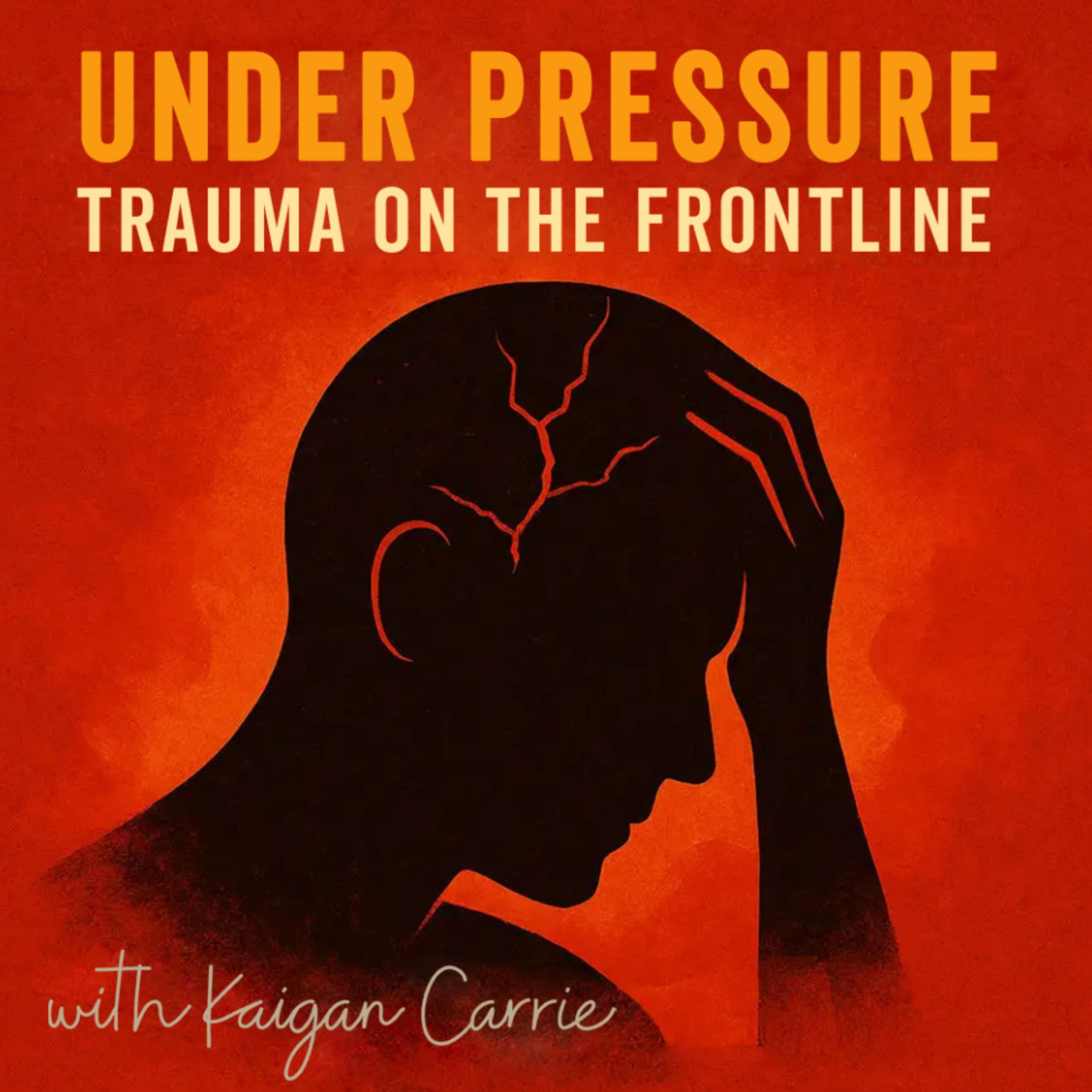
Under pressure: the army colonel
Jun 30, 202500:30:10Tap to summarizeThis is episode 3 of a special 6-part series exploring the mental toll frontline professionals carry as they do vital work to protect all of us.Philip Ingram MBE joined the British Army in 1984 and served until 2010, leaving as a colonel. In this episode, he reflects on several difficult moments during his career, particularly his time during the Iraq war in Basra. He speaks about the trauma of losing a close friend, of having to read autopsy reports of soldiers who died, and witnessing distressing images of a helicopter being shot down. He shares the ways in which his mental health was impacted, to the point he carried a suicide kit around with him for years.Connect with Kaigan CarrieWebsite: evolvingprisons.comInstagram: @evolvingprisonsLinkedIn: kaigancarrie
Transcribe →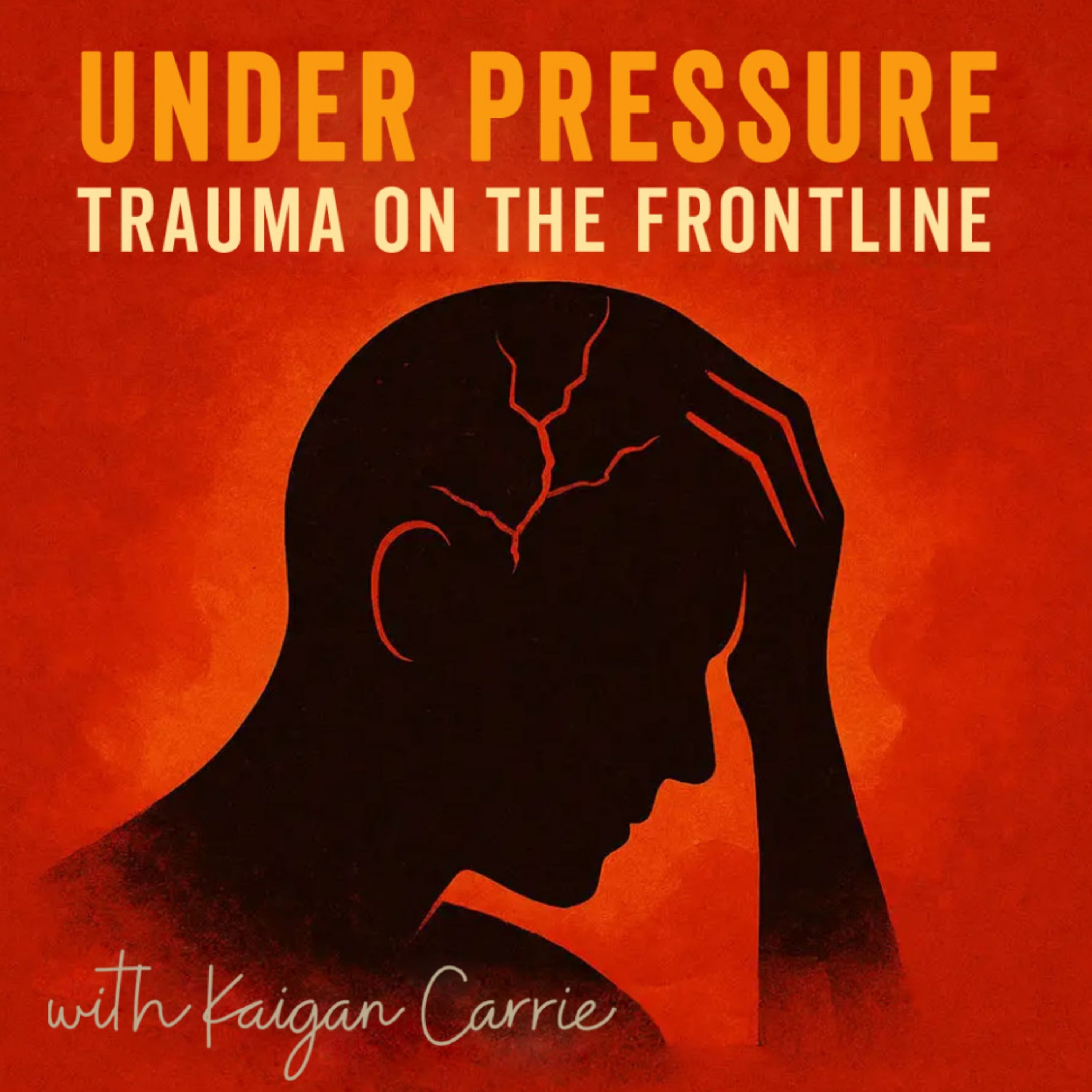
Under pressure: the police officer
Jun 23, 202500:47:40Tap to summarizeThis is episode 2 of a special 6-part series exploring the mental toll frontline professionals carry as they do vital work to protect all of us.Wayne Campbell joined the police service in Northern Ireland in 2004 and spent much of his career as a detective, including overseeing the family liaison response for some of the country’s most devastating incidents - from homicides and fatal road accidents to mass casualty events. In this episode, Wayne tells us about two of the most defining and harrowing experiences of his career: being attacked by a loyalist terrorist group, and flying to America to tell a mother that her daughter had taken her own life after being targeted online by a man later convicted of child sexual abuse offences.Connect with Kaigan CarrieWebsite: evolvingprisons.comInstagram: @evolvingprisonsLinkedIn: kaigancarrie
Transcribe →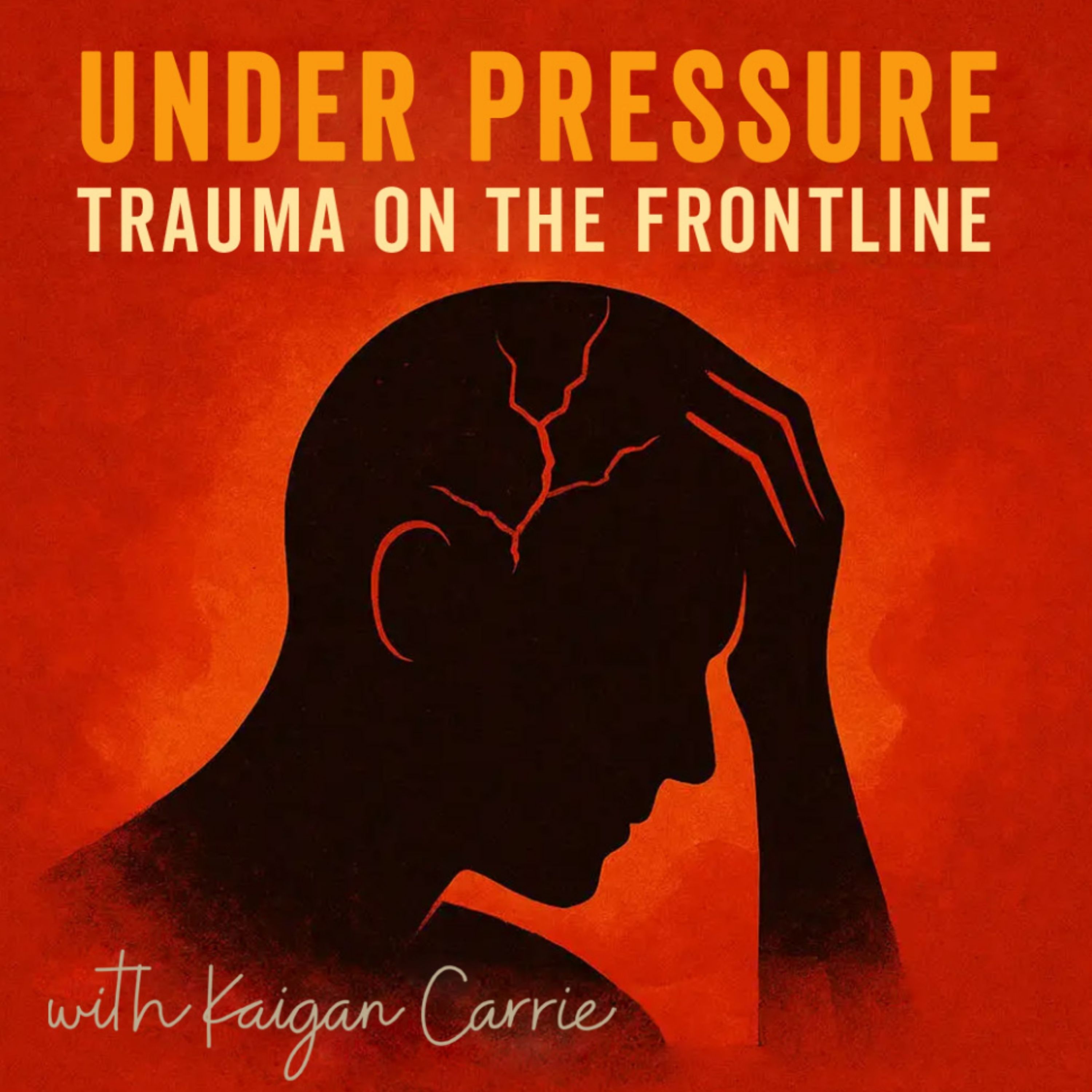
Under pressure: the firefighter
Jun 16, 202500:56:31Tap to summarizeThis is episode 1 of a special 6-part series exploring the mental toll frontline professionals carry as they do vital work to protect all of us.James Bull has been a firefighter for 25 years. In 2017, he made the brave decision to speak publicly about his experience of PTSD - a step that led to a three-year journey with a documentary film crew, capturing the mental health realities of the emergency services. In this episode, James tell us about two of the most psychologically difficult incidents of his career: a fatal road accident where he feared one of the casualties was his brother, and attending an incident that involved his own mum’s death. He reflects on how the job has shaped and changed him, and what it’s like to carry the toll of this job with him. Connect with Kaigan CarrieWebsite: evolvingprisons.comInstagram: @evolvingprisonsLinkedIn: kaigancarrie
Transcribe →