
Podcast
Family Tree Food Stories
Hosted by Nancy May & Sylvia France · EN
Family Tree, Food & Stories podcast will take you on a mouthwatering journey through generations of flavor! We're digging up and sharing the juiciest family secrets, hilarious dinner table disasters, and the heartwarming moments that make your favorite foods, meals, and relationships unforgettable. From Great-Grandma's legendary cheese crust apple pie to that questionable casserole your Uncle Bob swears by. With Family Tree, Food, and Stories, we're serving a feast of laughter, tears, and everything in between. So, are you ready to uncover and share those unforgettable stories behind every bite and create some new memories along the way? Join our growing family of food enthusiasts and storytellers as we Eat, laugh, relive the past, and learn how to create new memories together because. . . every recipe has a story, and every story is a feast.
42episodes
Episodes
Newest firstAll episodes
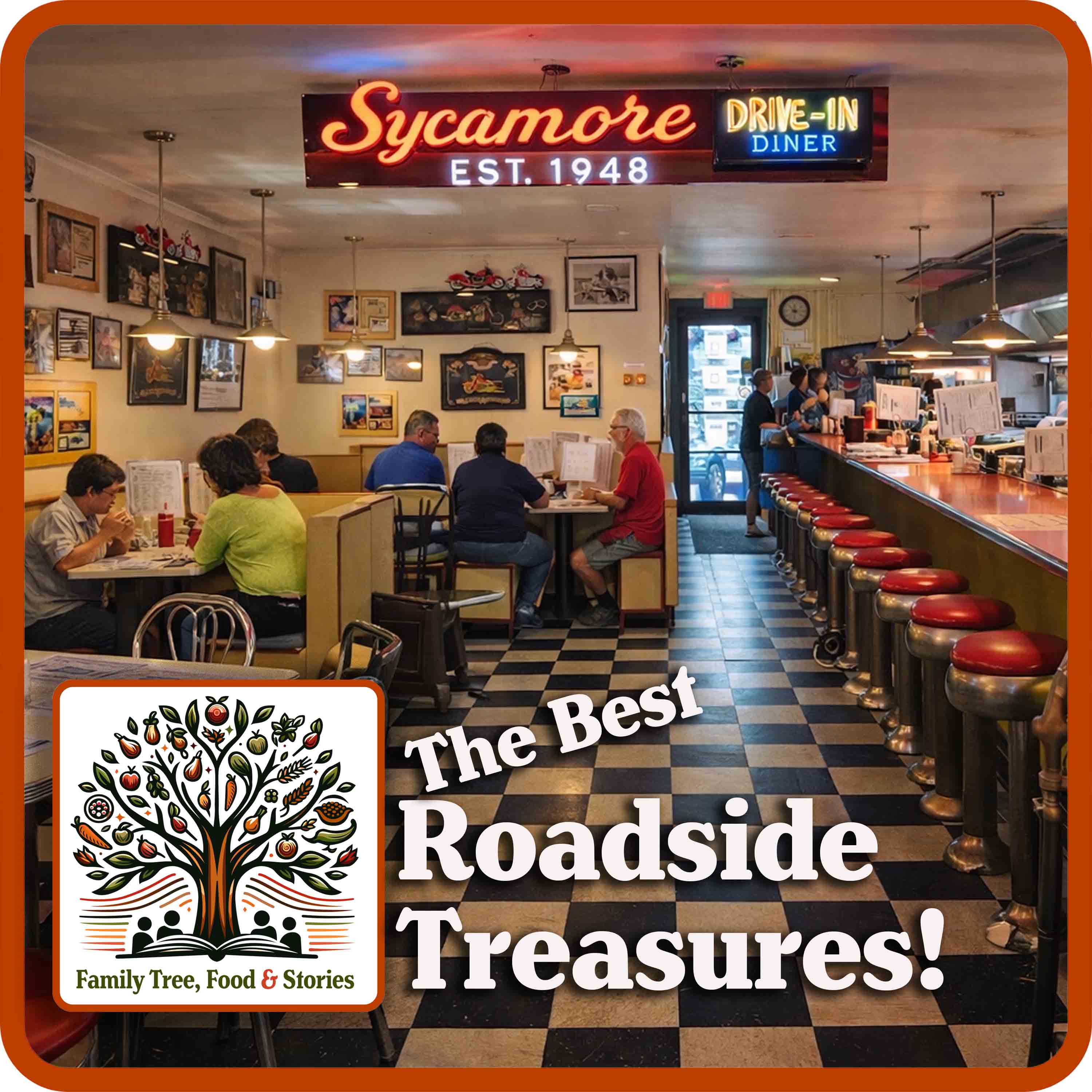
Why the Best Meals Happen Off the Beaten Path: Roadside Diners, Drive-Ins, and Hidden Treasures
Mar 1900:35:36Tap to summarizeWhat if the best meal you’ve ever had… was hiding on the side of the road?And why do the places with no signs, no marketing, and no polish often serve the most unforgettable food?In this episode of Family Tree Food & Stories, Nancy May and Sylvia Lovely explore some of the best meals they've found in diners, drive-ins, and roadside food and snack treasures, where food, family traditions, and personal stories intersect in the most unique places. From small-town stands to grungy stops, these out-of-the-way places aren’t just a place to get a quick burger; they’re places that shaped small-town identity, neighborly connection, and stories that you'll never forget.Because here’s the truth: the best food you'll ever have isn’t always found in a five-star restaurant. It’s more likely found where the gas station guy, local teachers, and little league team show up hungry, and keep coming back week after week. Oh, and they all leave a local story at the counter, along with a tip.In this episode of Family Tree Food & Stories, Nancy and Sylvia dig into the history behind places like the Kum & Go, Buc-ees, The Sycamore Diner, and Redding, Connecticut Pancake Place. Each, and others shared, and the ones that you likely know and love, reflect something deeper about our own hometown food culture, entrepreneurship, and even our childhood.And somewhere along those back roads, you start to realize that you’re not just looking for a breakfast or lunch spot. Instead, what you're really hungry for is a place you feel welcome, and that feels like home every time you walk in the door.So why do people care?Because these roadside food stops tap into something more universal: a longing for what was, the thrill of surprise, and the connection with friends and family.The surprising truth is:That some of the most meaningful foodie experiences don’t come from fancy restaurants, but from place, people, and timing, and even from bathrooms that might not be that clean.What will you learn?How roadside food culture shaped American and North American identity, why these hidden spots matter, and how to find and recognize a great place, and create a few new memories that you'll talk about for years.Key TakeawaysThe best meals aren’t planned, they’re discovered. Learn to chill out a bit. Some of the most memorable food experiences don't require reservations.Roadside food has as much dirt as local identity. Some have become beloved regional traditions that turned into local landmark treasures.Simplicity often beats sophistication. Food memories are sometimes simply a connection to taste. Think belly clams! What you remember most isn’t always what you ate, but where you were and who you were with.What to do next:Next time you pass a place that doesn’t look like much, but you can smell it from 3 blocks away, slow down and stop. Listen to what's being said at the counter or next booth and enjoy the moment, and the burger too.Question: What’s the best unexpected meal you’ve ever had at a local hole-in-the-wall?Additional Links ❤️Please don't forget to take our survey so we dish up even more for you: Click for Survey Here SURVEY: Please Help Us Learn How To Do More For YouBook: My Family Tree, Food & Stories Journal Awarded #1 New Release on AmazonInstagram Story updates 📸Facebook Family Tree Food Stories GROUP👍TikTok: Family Tree Food Stories👇Share Your Story With Nancy & Sylvia!: Leave us a voicemailYou can send us a DM on Facebook.🎧 Subscribe now and never miss a bite or a good story.If you enjoy food and stories that make you smarter, more curious, and just a little dangerous at the dinner table… then Follow Us at Family Tree Food & Stories.Subscribe so you don’t miss the next episode. Because once you understand the story behind food, you start seeing everything differently.About Your Award-Winning Hosts: Nancy May and Sylvia Lovely are the powerhouse team behind Family Tree, Food & Stories, a member of The Food Stories Media Network, which celebrates the rich traditions and connections everyone has around food, friends, and family meals. Nancy, an award-winning business leader, author, and podcaster, and Sylvia, a visionary author, lawyer, and former CEO, combine their expertise to bring captivating stories rooted in history, heritage, and food. Together, they weave stories that blend history, tradition, and the love of food, where generations connect and share intriguing mealtime stories and kitchen foibles.If you missed the first time around... now's your time to listen to Family Tree Food & Stories and get inspired to make better use of what’s already in your kitchen. Then visit our page to share how you're using your leftovers this year. Waste less. Cook smarter. Tell the story behind your fridge."Every Meal Has a Story, and Every Story is a Feast." (tm) is a trademark of Family Tree Food & Stories podcast (c) copyright 2026, all US and International Rights Reserved. @familytreefoodstoriespodcast #podcastfoodie #foodblogger #podcastdiscovery #podcastrecommendations #listentothispodcast #foodhistory #foodie #foodstories #roadsidedives #travelfood #foodfun #bucees #kum&go #crackerbarrel ...
Transcribe →
Why Corned Beef & Cabbage Isn't Actually Irish; The Truth Behind the World's Favorite St. Paddy's Day Meal"
Mar 1200:28:10Tap to summarizeWhy do we eat corned beef and cabbage on St. Patrick’s Day, when it isn't even Irish? And what do Irish soda bread, cozy village pubs, and the potato famine have to do with the foods we celebrate today?In this episode of Family Tree Food & Stories, Nancy May and Sylvia Lovely dig into the history of St. Patrick’s Day food traditions from authentic Irish village cooking to the Irish-American dishes created through immigration and rich cultural exchange.Why do we associate certain foods and stories with Ireland? Think Irish soda bread, cabbage, potatoes, hearty stews, and even corned beef; some have deeper stories of survival, resilience, and community, while others have no real connection at all. But what’s interesting is that true Irish food was never meant to impress anyone.It has a purpose: to feed families, bring neighbors together, and, just as important, to keep stories alive.Nancy and Sylvia share the history behind many of the foods we think are “traditional Irish,” but aren’t. Some of the facts might surprise you about Irish food history, St. Patrick’s Day traditions, cultural folklore, immigration stories, and community cooking that have turned into American and St. Pat’s Day traditions here in the States and elsewhere.Cool Things You’ll Learn in This Episode: (and more)1. Why Corned Beef and Cabbage Became a St. Patrick’s Day Classic and the food that connected Irish immigrants with their Jewish neighbors.2. How Irish Soda Bread Became a Symbol of Survival, sparked by government intervention. 3. Why Irish Pubs Became Cultural Story Centers: and more!Listen now to discover the surprising stories behind the foods we celebrate every March 17th.And if this episode reminds you of a family recipe, a favorite pub, or a St. Patrick’s Day tradition…please share it with someone who should hear it too.Additional Links ❤️Please don't forget to take our survey so we dish up even more for you: Click for Survey Here SURVEY: Please Help Us Learn How To Do More For YouBook: My Family Tree, Food & Stories Journal Awarded #1 New Release on AmazonInstagram Story updates 📸Facebook Family Tree Food Stories GROUP👍TikTok: Family Tree Food Stories👇Share Your Story With Nancy & Sylvia!: Leave us a voicemailYou can send us a DM on Facebook.🎧 Subscribe now and never miss a bite or a good story.If you enjoy food and stories that make you smarter, more curious, and just a little dangerous at the dinner table… then Follow Us at Family Tree Food & Stories.Subscribe so you don’t miss the next episode. Because once you understand the story behind food, you start seeing everything differently.About Your Award-Winning Hosts: Nancy May and Sylvia Lovely are the powerhouse team behind Family Tree, Food & Stories, a member of The Food Stories Media Network, which celebrates the rich traditions and connections everyone has around food, friends, and family meals. Nancy, an award-winning business leader, author, and podcaster, and Sylvia, a visionary author, lawyer, and former CEO, combine their expertise to bring captivating stories rooted in history, heritage, and food. Together, they weave stories that blend history, tradition, and the love of food, where generations connect and share intriguing mealtime stories and kitchen foibles.If you missed the first time around... now's your time to listen to Family Tree Food & Stories and get inspired to make better use of what’s already in your kitchen. Then visit our page to share how you're using your leftovers this year. Waste less. Cook smarter. Tell the story behind your fridge."Every Meal Has a Story, and Every Story is a Feast." (tm) is a trademark of Family Tree Food & Stories podcast (c) copyright 2026, all US and International Rights Reserved. @familytreefoodstoriespodcast #podcastfoodie #foodblogger #stpatrick'sDay #cornbeefandcabbage #irishsodabread #irishfoodhistory #Irishfoodtradition #foodhistorypodcast #foodculutre #fooddpodcast #podcastrecommendations #bestfoodpodcast #awardwinningpodcast #podcastDiscovery #PodcastofTheDay #listentothispodcast #foodstories #storybehindthefood
Transcribe →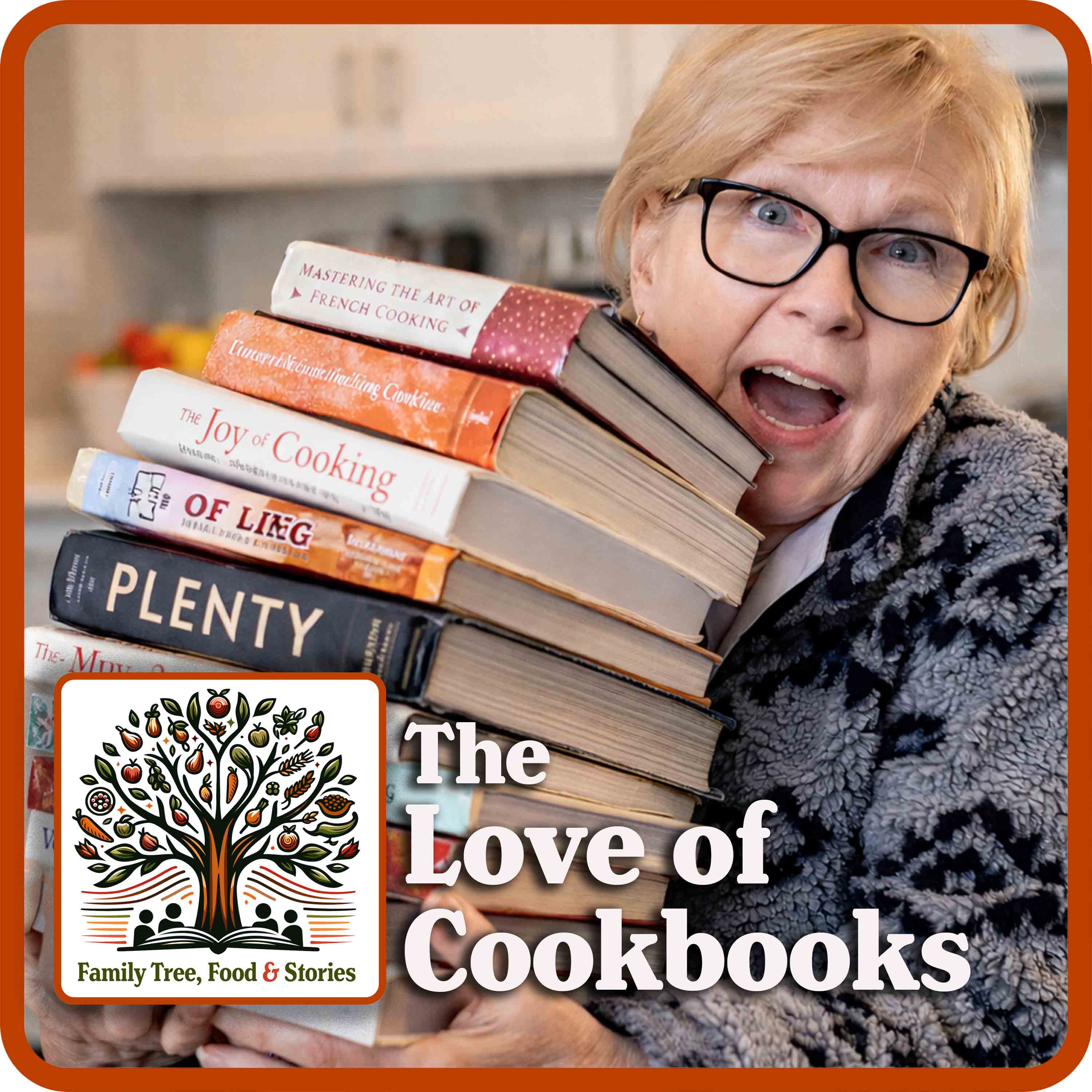
Cookbooks That Built America And Why We Still Love Them Today!
Mar 500:30:53Tap to summarizeFrom Monasteries to The Joy of Cooking and Martha Stewart: Why We’re Obsessed with Collecting and Keeping ThemHow many cookbooks do you own?And here’s the real question… do you actually cook from them?In this episode of Family Tree Food & Stories, Nancy May and Sylvia Lovely trace and share the fascinating history, evolution, and survival of cookbooks in America. You’ll learn why these books have survived wars, depressions, church basements, and even now, the internet.Cookbooks didn’t begin as cozy kitchen companions. The earliest versions weren’t even written for home cooks — they were records for palace kitchens and monasteries. Instructions were vague. “Cook until done.” You were expected to already know.Then “mom” entered the picture.In this episode of Family Tree Food & Stories, Nancy and Sylvia dig deeper into how Amelia Simmons’ American Cookery helped define a uniquely American food identity using local ingredients like cornmeal. How Fannie Farmer and the Boston Cooking School Cookbook introduced scientific precision and standardized measurements. And how Irma Rombauer self-published The Joy of Cooking during the Great Depression, creating a cookbook to save her own family from starvation, which has become one of the most influential cookbooks of all time.Key Takeaways:Wartime rationing cookbooks that reshaped American cookingChurch and Junior League cookbooks, as fundraisers, were among the earliest places where women’s voices appeared in print without a man’s approval.How celebrity cookbooks from chefs like Jacques Pépin have become storytelling time capsulesCookbooks are not just instruction manuals; they’ve become:Cultural records.Family archives.Story books.This episode blends cookbook history, American food culture, women’s publishing history, Depression-era resilience, wartime cooking, and family recipe traditions into one simple idea: Cookbooks create more than meals; they build family, communities, and connection across their pages.Additional Links ❤️Please don't forget to take our survey so we dish up even more for you: Click for Survey Here SURVEY: Please Help Us Learn How To Do More For YouBook: My Family Tree, Food & Stories Journal Awarded #1 New Release on AmazonInstagram Story updates 📸Facebook Family Tree Food Stories GROUP👍TikTok: Family Tree Food Stories👇Share Your Story With Nancy & Sylvia!: Leave us a voicemailYou can send us a DM on Facebook.🎧 Subscribe now and never miss a bite or a good story.If you enjoy food and stories that make you smarter, more curious, and just a little dangerous at the dinner table… then Follow Us at Family Tree Food & Stories.Subscribe so you don’t miss the next episode. And share this one with someone you love to share your table with. Because once you understand the story behind food, you start seeing everything differently.About Your Award-Winning Hosts: Nancy May and Sylvia Lovely are the powerhouse team behind Family Tree, Food & Stories, a member of The Food Stories Media Network, which celebrates the rich traditions and connections everyone has around food, friends, and family meals. Nancy, an award-winning business leader, author, and podcaster, and Sylvia, a visionary author, lawyer, and former CEO, combine their expertise to bring captivating stories rooted in history, heritage, and food. Together, they weave stories that blend history, tradition, and the love of food, where generations connect and share intriguing mealtime stories and kitchen foibles.If you missed the first time around... now's your time to listen to Family Tree Food & Stories and get inspired to make better use of what’s already in your kitchen. Then visit our page to share how you're using your leftovers this year. Waste less. Cook smarter. Tell the story behind your fridge."Every Meal Has a Story, and Every Story is a Feast." (tm) is a trademark of Family Tree Food & Stories podcast (c) copyright 2026, all US and International Rights Reserved. @familytreefoodstoriespodcast #podcastfoodie #foodblogger #cookbooks #bestcookbooks #juliachild #jacquespepin #smashburger #artoffrenccooking #joyofcooking #cookingathome #learntocook #lovetocook #cookbookwriters
Transcribe →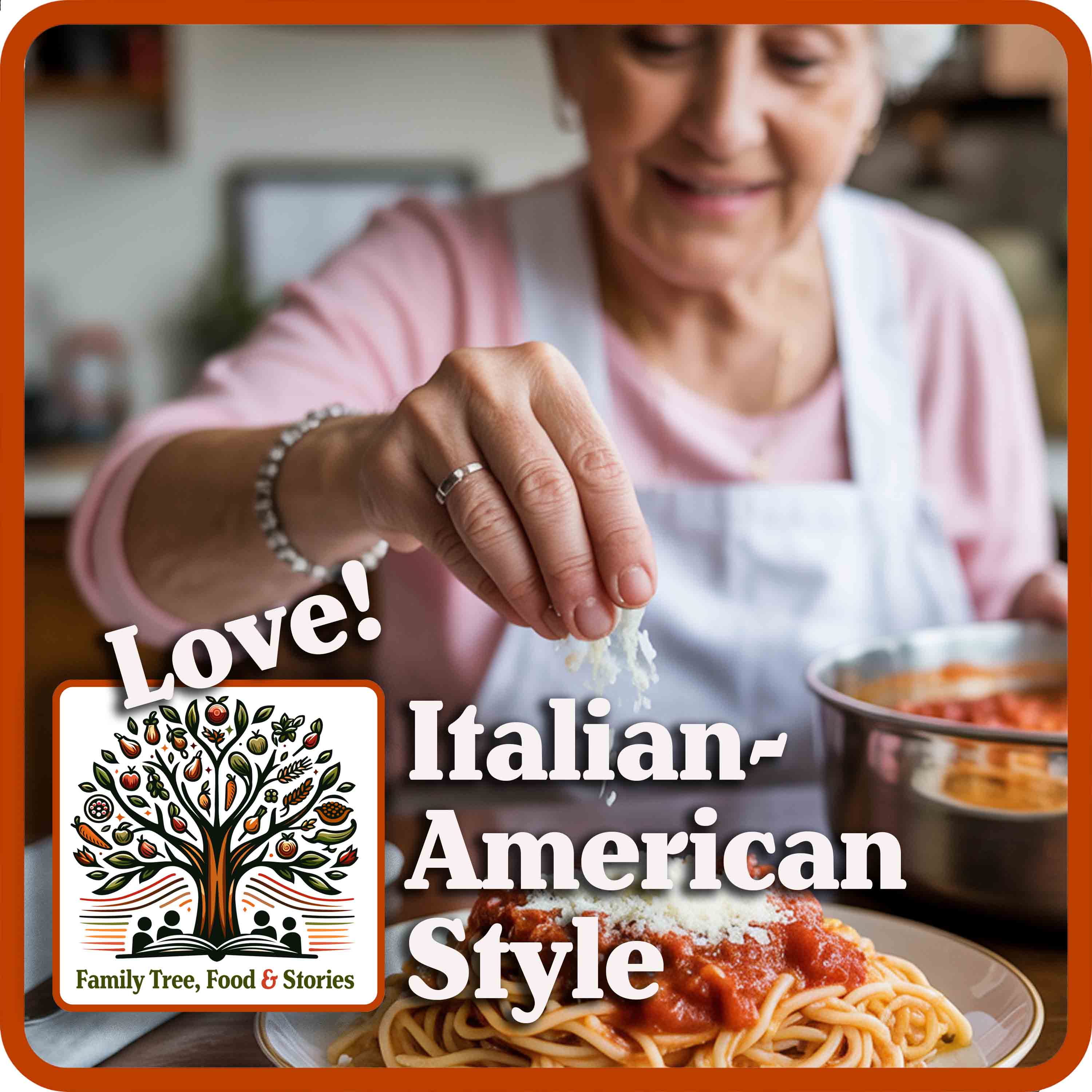
Is Your Nona's Italian American Sauce "REAL" Italian? Maybe Not!
Feb 2600:27:27Tap to summarizeItalian Food in America: The Truth About Authenticity, Nonas, and Sunday Sauce.When you're planning which restaurant to go to, you typically don't ask, “Do you want American food?” No, you ask... "How about Italian?”But here’s the twist… much of what we call authentic Italian food isn’t actually from Italy. It's kind of a made-up Italian, American style!In this episode of Family Tree Food & Stories, Nancy May and Sylvia Lovely unpack the real story behind Italian-American cuisine, how it's more of a blending of what we had here, and how adaptation shaped everything from lasagna and chicken parm to pasta and even the right San Marzano tomatoes. If you’ve ever debated your Mom's marinara vs. Nona's Sunday sauce—or wondered why meatballs are bigger here than in Italy, you'll want to tune in to learn more.Interestingly enough, Italy wasn’t even a unified nation until the 1800s. Its food traditions were regional, hyper-local, shaped by geography, and published cookbooks. Families in the mountain villages cooked differently than those in small coastal towns. Meat was scarce. Recipes were instinctual. Nonas didn’t measure. They remembered and passed on the feeling of what to do to their daughters and sons.But then immigration changed when families went to find a new homeland.In America, meat became affordable. Flour was abundant. Tomatoes were more often than not canned. Portions grew - Maria said, "What's the matter, you don't like my food," when you couldn't finish your dinner.Layers stacked. And what emerged wasn’t a copy of what we thought was Italian. It was really instead, something new: Italian-American food, a cuisine built on resilience, memory, and opportunity.Key Takeaways:How immigration transformed Italian food in AmericaThe difference between tomato sauce, marinara, and real Sunday gravyWhy semolina flour and wheat quality matter in your pastaAnd why Italian food feels like family, even if your grandmother wasn’t a NonaThis episode of Family Tree Food & Stories blends food history, real storytelling, and a little kitchen humor, because Italian food isn’t just about pasta, it's about using all your senses and a little dash of garlic and memory. It also helps to pour a lot of wine into that sauce (and the glass), and a chance to stay at the table long after the plates are cleared.Additional Links ❤️Please don't forget to take our survey so we dish up even more for you: Click for Survey Here SURVEY: Please Help Us Learn How To Do More For YouThe Nona's Movie on NetflixThe Restaurant: Nona's Enoteca Maria and the Nonnas Of The World Community NFPBook: My Family Tree, Food & Stories Journal Awarded #1 New Release on AmazonInstagram Story updates 📸Facebook Family Tree Food Stories GROUP👍TikTok: Family Tree Food Stories👇Share Your Story With Nancy & Sylvia!: Leave us a voicemailYou can send us a DM on Facebook.🎧 Subscribe now and never miss a bite or a good story.If you enjoy food and stories that make you smarter, more curious, and just a little dangerous at the dinner table… then Follow Us at Family Tree Food & Stories.Subscribe so you don’t miss the next episode. And share this one with someone you love to share your table with. Because once you understand the story behind food, you start seeing everything differently.About Your Award-Winning Hosts: Nancy May and Sylvia Lovely are the powerhouse team behind Family Tree, Food & Stories, a member of The Food Stories Media Network, which celebrates the rich traditions and connections everyone has around food, friends, and family meals. Nancy, an award-winning business leader, author, and podcaster, and Sylvia, a visionary author, lawyer, and former CEO, combine their expertise to bring captivating stories rooted in history, heritage, and food. Together, they weave stories that blend history, tradition, and the love of food, where generations connect and share intriguing mealtime stories and kitchen foibles.If you missed the first time around... now's your time to listen to Family Tree Food & Stories and get inspired to make better use of what’s already in your kitchen. Then visit our page to share how you're using your leftovers this year. Waste less. Cook smarter. Tell the story behind your fridge."Every Meal Has a Story, and Every Story is a Feast." (tm) is a trademark of Family Tree Food & Stories podcast and the hosts.@familytreefoodstories @AzurRestaurantandPatio #italianfood #nonas #sundaysauce #bestfoodpodcast #foodiepodcast #foodblooger #spaghetti #realposta #italianamerican #pizza #pasta #sauce
Transcribe →
Aprons: The Most Powerful Object in the Kitchen You’ve Never Been Taught to Understand. Here's Why.
Feb 1900:34:22Tap to summarizeHow a Simple Apron Quietly Shaped Food, Family Power, and Why They Matter More Than Your Grandma's Cookbook.Most people think an apron is just something you tie on before cooking.They’re wrong.In this episode of Family Tree Food & Stories, Nancy May and Sylvia Lovely dig into the why of the apron, which may be the most powerful and misunderstood object in the kitchen—and why its disappearance signals the loss of something far more important than chintz fabric.Long before it became a Halloween costume or a fashion statement in WWD, the apron was a tool of survival. It protected bodies from fire and labor. It carried food, tools, and children. They were worn by women and men alike. And the apron quietly set the stage for "who's in charge" by signaling authority, responsibility, and identity within the home—especially in the kitchen.But here's the problem: almost no one was taught to see or respect the apron this way.As kitchens modernized, aprons were dismissed as old-fashioned. What disappeared with them were unrecorded family stories, food traditions, and the invisible labor that shaped generations. That history didn’t make it into recipe cards or photo albums—and once the apron is gone, that story is usually gone for good.But today, the apron is making a tiny comeback as a status symbol and fashion statement. Even on the haute couture runways of New York's Fashion Week.Key Takeaways:Why aprons mattered more than cookbooksHow they've helped preserve family memories and power plays in the kitchenWhy do so many people regret throwing their mom's away?And what one “orphan apron” reveals about what we’ve lostThis is not an episode about fashion.It’s about food history, family legacy, kitchen culture, even high fashion, and the everyday object that holds more meaning than you might realize—until it's too late.If food has ever connected you to someone you loved…If a kitchen table ever felt like home…We hope this episode changes how you look at your next meal, or memories of those past with friends, family, and those you love and care about.Additional Links ❤️Please don't forget to take our survey so we dish up even more for you: Click for Survey Here SURVEY: Please Help Us Learn How To Do More For YouBook: My Family Tree, Food & Stories Journal Awarded #1 New Release on AmazonInstagram Story updates 📸Facebook Family Tree Food Stories GROUP👍TikTok: Family Tree Food Stories👇Share Your Story With Nancy & Sylvia!: Leave us a voicemailYou can send us a DM on Facebook.🎧 Subscribe now and never miss a bite or a good story.Thank you to Catch 22 Music for this episode's introduction and outgoing music.🎧If you enjoy stories that make you smarter, more curious, and just a little dangerous at the dinner table… then YES, this is your show!Follow Us at: Family Tree Food & Stories.Subscribe so you don’t miss the next episode. And share this one with someone who still thinks ketchup is, well, “just ketchup.”Because once you understand the story behind food, you start seeing everything differently.Yes? Good. Pull up a chair, and enjoy the show!About Your Award-Winning Hosts: Nancy May and Sylvia Lovely are the powerhouse team behind Family Tree, Food & Stories, a member of The Food Stories Media Network, which celebrates the rich traditions and connections everyone has around food, friends, and family meals. Nancy, an award-winning business leader, author, and podcaster, and Sylvia, a visionary author, lawyer, and former CEO, combine their expertise to bring captivating stories rooted in history, heritage, and food. Together, they weave stories that blend history, tradition, and the love of food, where generations connect and share intriguing mealtime stories and kitchen foibles.If you missed the first time around... now's your time to listen to Family Tree Food & Stories and get inspired to make better use of what’s already in your kitchen. Then visit our page to share how you're using your leftovers this year. Waste less. Cook smarter. Tell the story behind your fridge."Every Meal Has a Story, and Every Story is a Feast." (tm) is a trademark of Family Tree Food & Stories podcast and the hosts.@familytreefoodstories #foodpodcast #podcast #ApplePodcast #PodcastDiscovery #ListenNow #NewPodcastEpisode #TopPodcasts #awardwinningpodcast, #foodstories, #FoodAnthroplogy #FoodStoriesPodcast #psychologyofeverydaylife #persuasionpsychology #behaviorialscience #humanbehavior #trustandauthority #kitchenauthority #foodculture #kitchenstories #foodandmemory #culturehistory #storytellingfood #heritage #traditoinmatters #careandconnection
Transcribe →
Valentine's Dinners That Change Everything: Romance and Seduction on Your Plate!
Feb 1200:37:53Tap to summarizeRomance, aphrodisiac foods, and love stories from the kitchenWhat if the most romantic Valentine’s Day you’ve ever had didn’t happen in a restaurant—but at your own table?In this episode of Family Tree Food & Stories, Nancy May and Sylvia Lovely dive, fork first, into the sensual, unforgettable Valentine’s foods that create connection, intimacy, and lasting memories—without stress, fancy techniques, or expensive ingredients.It’s about using food as a language of intention, attraction, and Valentine seduction.Whether you’re eating out at your favorite romantic restaurant or cooking for your husband, partner, or someone you want to impress, the hints, tips, and stories shared in this Family Tree Food Stories Valentine’s Day episode are a must-listen to, especially if you think food should do more than fill your plate—and that it should say and mean something about who you are.If you’ve ever wondered how to make a meal feel meaningful…If you want Valentine’s Day to linger long after the dishes are cleared…or the check has been paid.This episode of romantic food is for you.Oh, there’s a special gift for you at the end of the episode!Key Takeaways Why romantic meals work best at home—and why restaurants often get it wrongThe psychology behind classic “romantic foods” and how they affect mood and connectionHow to create a sensual, elegant Valentine’s dinner without culinary stressThe one mistake that kills intimacy—and how to avoid itHow food can become part of your shared love story, not just the eveningGIFT: Nancy & Sylvia’s romantic meal menu that you can make at home.Strong Call to Action (Apple-First Conversion Style)🎧 Listen now, then download the Valentine’s menu inspired by this episode and make it part of your story.💬 Loved it? Share this episode with someone who believes food should mean something.⭐ Follow Family Tree Food & Stories on Apple Podcasts so you never miss an episode that turns everyday meals into lasting memories.Additional Links ❤️Episode: Eating Bugs Episode GIFT: A Romantic Valentine's Day Menu You Can Make at HomeEpisode: Dad's Clam Chowder - The Dish That Defined a Life Episode Mexican hot chocolate barBook: My Family Tree, Food & Stories Journal Awarded #1 New Release on AmazonInstagram Story updates 📸Facebook Family Tree Food Stories GROUP👍TikTok: Family Tree Food Stories👇Share Your Story With Nancy & Sylvia!: Leave us a voicemailYou can send us a DM on Facebook.🎧 Subscribe now and never miss a bite or a good story.Follow Family Tree Food & Stories.Subscribe so you don’t miss the next episode.About Your Award-Winning Hosts: Nancy May and Sylvia Lovely are the powerhouse team behind Family Tree, Food & Stories, a member of The Food Stories Media Network, which celebrates the rich traditions and connections everyone has around food, friends, and family meals. Nancy, an award-winning business leader, author, and podcaster, and Sylvia, a visionary author, lawyer, and former CEO, combine their expertise to bring captivating stories rooted in history, heritage, and food. Together, they weave stories that blend history, tradition, and the love of food, where generations connect and share intriguing mealtime stories and kitchen foibles.If you missed the first time around... now's your time to listen to Family Tree Food & Stories and get inspired to make better use of what’s already in your kitchen. Then visit our page to share how you're using your leftovers this year. Waste less. Cook smarter. Tell the story behind your fridge."Every Meal Has a Story, and Every Story is a Feast." (tm) is a trademark of Family Tree Food & Stories podcast and the hosts.@familytreefoodstories #foodpodcast #award-winningpodcast, #foodstories, #valentine'sday #romanticfood #romanticmeals #FoodAnthroplogy #whyWeEatWhatWeEat #FoodStoriesPodcast #cultureAndFood #storytellingPodcst #documentarypodcast #SocietyAndCulturePodcast #BehavioralPsycholotyPodcast #EverydayRituals #chocolatecoveredstrawberries #marrymechicken #seductivefoods #romanticrestaurants #KitchenTableTalk #TasteHistory #FoodHistory
Transcribe →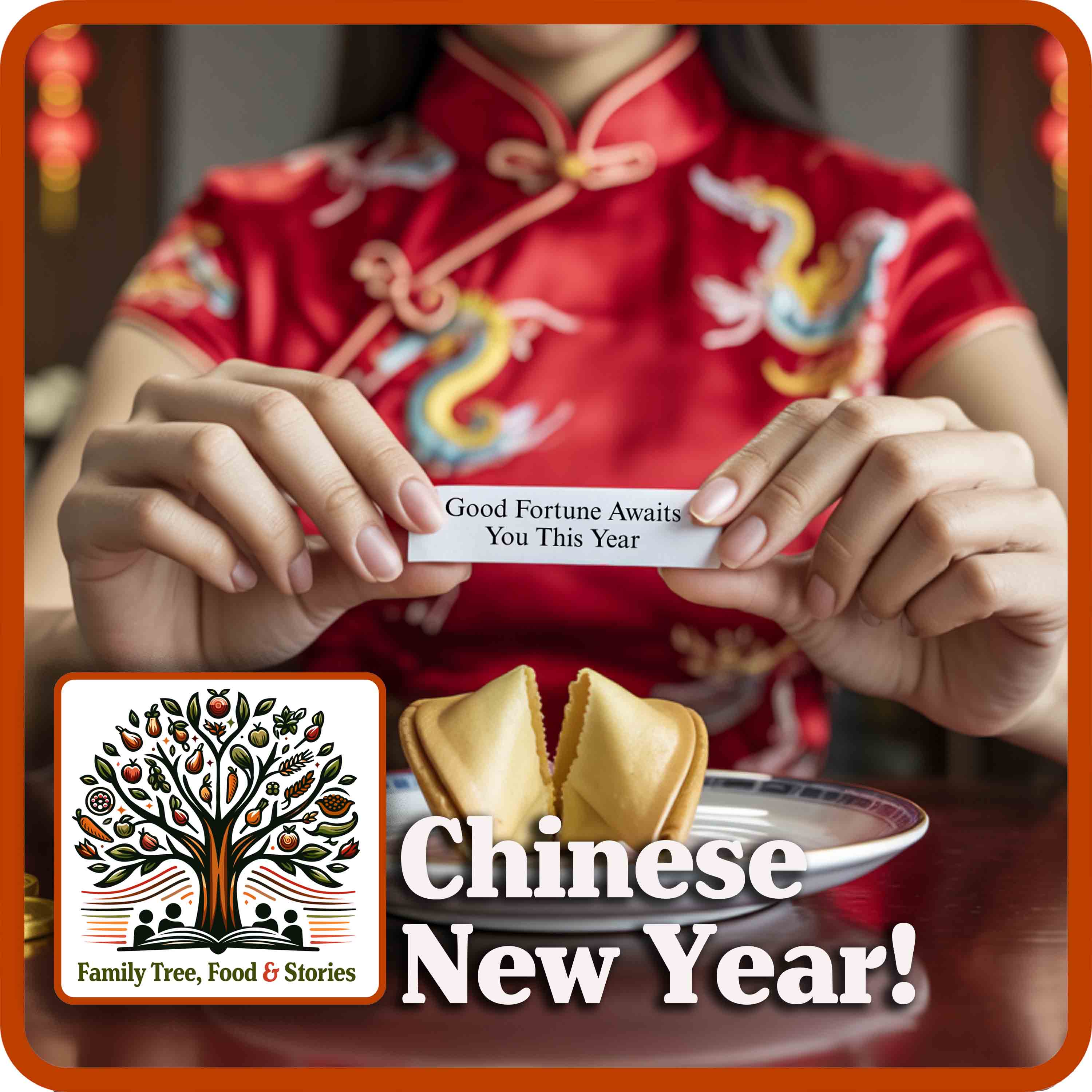
Chinese New Year 2026: Year of the Horse Food Traditions, Meanings, and Cultural Symbols
Feb 500:25:15Tap to summarizeChinese New Year 2026 offers something rare: a second chance to begin again!In this episode of Family Tree Food & Stories, Nancy May and Sylvia Lovely explore the Year of the Horse and the powerful role food plays in balance, momentum, and renewal in our lives during this Chinese Lunar New Year.Instead of focusing on recipes alone, this episode uncovers the meaning behind Chinese New Year food traditions—why noodles are left unbroken, why dumplings require time and teamwork, why leftovers matter, and why food rituals are designed to guide behavior, not just celebration.You'll also learn some foods play an important part of the horse spirit and reflect endurance, restraint, prosperity, and community, and how these traditions translate easily into modern kitchens. From whole fish and dumplings to long noodles, grounding root vegetables, and shared meals, food becomes a language of hope, intention, and togetherness.This episode and others in the Family Tree Food & Stories lineup remind us that the most meaningful fresh starts don’t begin with discipline—instead, they more often begin at the table.Key Takeaways: Food tools to help you manage risk and balance: the year of the horse is about managing momentum.How your kitchen (or mom’s) helps you build more independence and confidence: Hint - it’s about cooking together rather than being perfect.Why leaving food behind (but not wasting it) is considered good fortune.Importance of unbroken noodles in the New Year of the Horse. This episode of Family Tree Food & Stories isn’t about Chinese New Year foods — it’s about using food as a language, and a tool for hope, structure, and community.🎧 Listen now if you’re craving food that has meaning. Share it with friends, family, or neighbors—and start a new tradition together that will create a lasting and shareable story for years to come.The Year of the Horse moves faster, as we will, together with you, our listener, too!Because Every Meal Has a Story and Every Story is a Feast!Additional Links ❤️Book: My Family Tree, Food & Stories Journal Awarded #1 New Release on AmazonInstagram Story updates 📸Facebook Family Tree Food Stories GROUP👍TikTok: Family Tree Food Stories👇Share Your Story With Nancy & Sylvia!: Leave us a voicemailYou can send us a DM on Facebook.🎧 Subscribe now and never miss a bite or a good story.🎧If you missed the first time around... now's your time to listen to Family Tree Food & Stories and get inspired to make better use of what’s already in your kitchen. Then visit our page to share how you're using your leftovers this year. Waste less. Cook smarter. Tell the story behind your fridge.About Your Award-Winning Hosts: Nancy May and Sylvia Lovely are the powerhouse team behind Family Tree, Food & Stories, a member of The Food Stories Media Network, which celebrates the rich traditions and connections everyone has around food, friends, and family meals. Nancy, an award-winning business leader, author, and podcaster, and Sylvia, a visionary author, lawyer, and former CEO, combine their expertise to bring captivating stories rooted in history, heritage, and food. Together, they weave stories that blend history, tradition, and the love of food, where generations connect and share intriguing mealtime stories and kitchen foibles."Every Meal Has a Story, and Every Story is a Feast." (tm) is a trademark of Family Tree Food & Stories podcast and the hosts.@familytreefoodstories
Transcribe →
What Ketchup Teaches Us About Patience, Power, and Taste
Jan 2900:32:51Tap to summarizeThe Hidden History, Psychology, Power Struggle, and Cultural Story Behind America’s Most Ubiquitous Condiment.What if the most powerful lesson about patience, power, trust, and human behavior was sitting on your table your entire life?Would you want to know more? Well, you’ve probably stared at it in mild frustration. But no one ever told you why you felt that way!In this episode of Family Tree Food & Stories, Nancy May and Sylvia Lovely crack the cap on the real story behind ketchup—not as a condiment, but as a cultural force that quietly trained generations of Americans how to wait, what to trust, and what “normal” tastes like.🔴 This isn’t about trite food trivia! It’s behavioral psychology. It’s marketing genius at its best. It’s memory, habit, and family tradition—hidden in plain sight.If you’ve ever wondered how ketchup came about, why bottles behave the way they do… why that familiar taste feels comforting… or why one brand became untouchable while others disappeared—this episode is the answer to your YES!And once you hear it, you’ll never look at that bottle of ketchup in your pantry the same way again.⭐ Key Takeaways (That Make You Want the Full Story)1. Ketchup Was Designed to Make You Wait—On Purpose: The slow pour isn’t accidental. It conditions anticipation, desire, and control. There's an entire psychological reason behind getting it out of the bottle2. Ketchup Didn’t Start as a Tomato Sauce: Its real origins will surprise you—and it might even make you think again about how your own family food traditions are created and replayed time and time again.3. The “57” Isn’t What You Think: It’s not a recipe. It’s not a fact. It’s a persuasive ploy printed on the bottle on purpose. And it worked better than anyone ever could have imagined. To the tune of $8 billion per year!4. Why Ketchup Triggers Memory Like Few Other Foods: From your childhood dinners to family rituals, ketchup acts as a shortcut straight to your emotions and true sense of comfort and belonging.Additional Links ❤️Episode: Food as Medicine - The Healing Power of the KitchenBook: My Family Tree, Food & Stories Journal Awarded #1 New Release on AmazonInstagram Story updates 📸Facebook Family Tree Food Stories GROUP👍TikTok: Family Tree Food Stories👇Share Your Story With Nancy & Sylvia!: Leave us a voicemailYou can send us a DM on Facebook.🎧 Subscribe now and never miss a bite or a good story.Thank you to Catch 22 Music for this episode's introduction and outgoing music.🎧If you enjoy stories that make you smarter, more curious, and just a little dangerous at the dinner table… then YES, this is your show!Follow Family Tree Food & Stories.Subscribe so you don’t miss the next episode. And share this one with someone who still thinks ketchup is, well, “just ketchup.”Because once you understand the story behind food, you start seeing everything differently.Yes? Good. Pull up a chair, and enjoy the show!About Your Award-Winning Hosts: Nancy May and Sylvia Lovely are the powerhouse team behind Family Tree, Food & Stories, a member of The Food Stories Media Network, which celebrates the rich traditions and connections everyone has around food, friends, and family meals. Nancy, an award-winning business leader, author, and podcaster, and Sylvia, a visionary author, lawyer, and former CEO, combine their expertise to bring captivating stories rooted in history, heritage, and food. Together, they weave stories that blend history, tradition, and the love of food, where generations connect and share intriguing mealtime stories and kitchen foibles.If you missed the first time around... now's your time to listen to Family Tree Food & Stories and get inspired to make better use of what’s already in your kitchen. Then visit our page to share how you're using your leftovers this year. Waste less. Cook smarter. Tell the story behind your fridge."Every Meal Has a Story, and Every Story is a Feast." (tm) is a trademark of Family Tree Food & Stories podcast and the hosts.@familytreefoodstories #foodpodcast #award-winningpodcast, #foodstories, #ketchup, #ketchuphistory #FoodPsychology #AmericanFoodCulture #FoodAnthroplogy #whyWeEatWhatWeEat #FoodStoriesPodcast #cultureAndFood #storytellingPodcst #documentarypodcast #SocietyAndCulturePodcast #BehavioralPsycholotyPodcast #EverydayRituals #MarketingPsychology #KitchenTableTalk #TasteHistory #FoodHistory
Transcribe →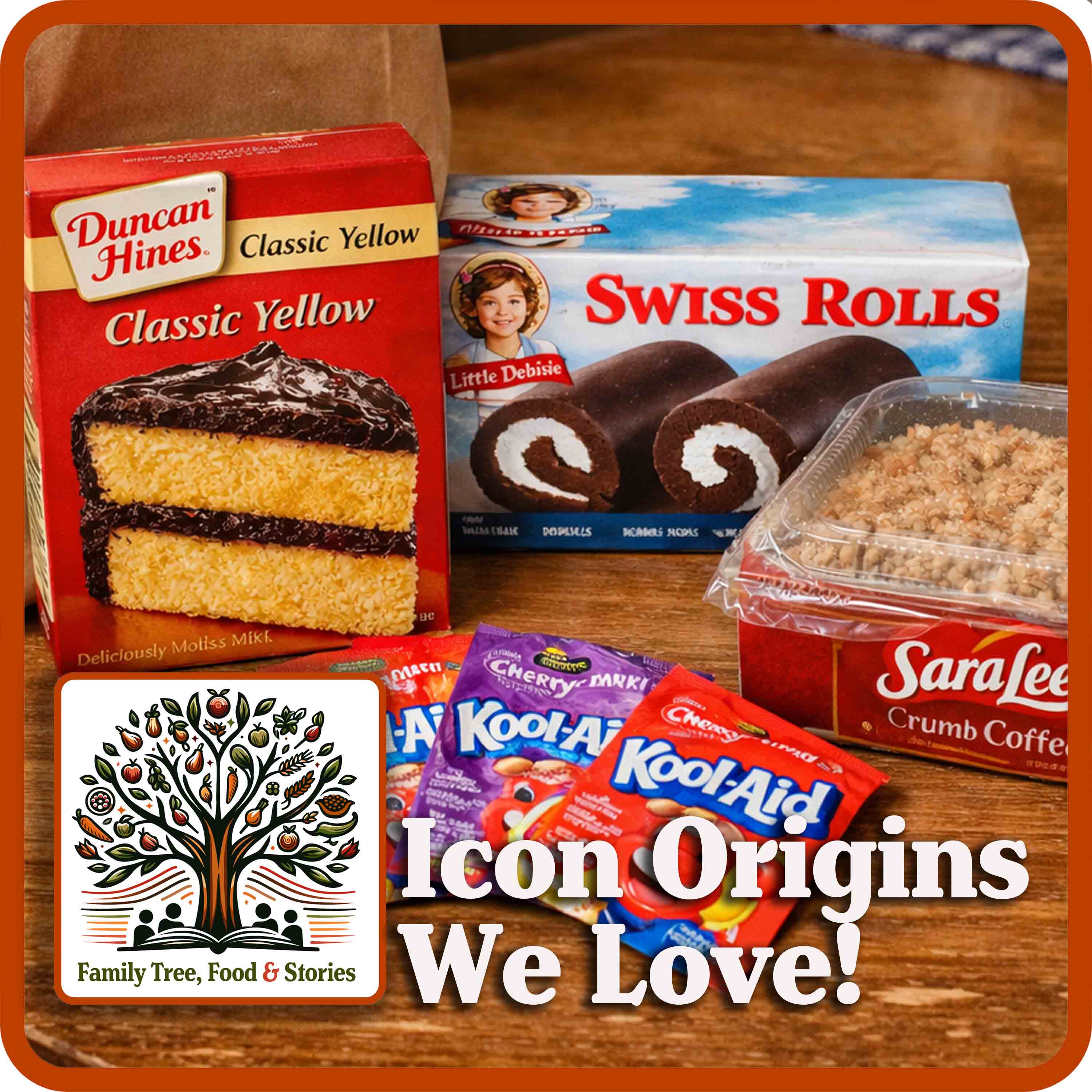
Iconic Food Brands: How Betty Crocker, Sara Lee, and Duncan Hines Built Trust in American Homes
Jan 2200:31:39Tap to summarizeWhat makes a food brand iconic—and why do we trust it like family?In this episode of Family Tree Food & Stories, Nancy May and Sylvia Lovely pull back the curtain on the legendary food brands and characters that quietly shaped American kitchens, childhoods, and consumer trust for generations.From Betty Crocker, a fictional woman who became one of the most trusted voices in American homes, to Little Debbie, whose real face turned five-cent cakes into a Depression-era survival story, and more, you’ll learn how powerhouse food icons weren’t built in boardrooms—they were born in kitchens, war years, roadside bakeries, and moments of need.You’ll also learn about the origin stories of Famous Amos, Chef Boyardee, Sara Lee, and Duncan Hines, and how immigration, World War rationing, celebrity culture, and early influencer marketing turned simple everyday food into icons of the day and symbols of comfort and credibility.In a world of influencers and AI, what makes us trust a brand today?This episode of Family Tree Food & Stories is a recipe of food history, cultural insight, and personal memory—showing why so many childhood brands endured, why authenticity eventually replaced polish, and how the stories behind our food still shape what we buy, cook, and our beliefs even today as adultsKey takeaways:We buy trust – not just food: Iconic food brands didn’t win because of better recipes alone. They won because they created a human connection: familiar faces, reassuring stories, and consistency during uncertain times. Trust, once earned at the kitchen table, lasts for generationsThe strongest brands are built on real human stories, not AI perfection. From products with simple starts to those that were created out of a need for survival, the ones in this episode weren’t fancy or polished - they were relatable. Authenticity, struggle, and storytelling mattered more than slick marketing, and well before the word “branding” became a big deal.Food icons were the original influencers—and they still influence what and how we make food choices today: Long before social media, characters like Betty Crocker and brands like Duncan Hines influenced how Americans cooked, celebrated, and felt confident in the kitchen. The episode reveals why those early influencer strategies still work—and what modern creators can learn from them.Additional Links ❤️University of Michigan Study on how Peanut Butter can add to your life.Lavender Tallow hand and body moisturizer by our friends at Sincore Homestead.Book: My Family Tree, Food & Stories Journal Awarded #1 New Release on AmazonInstagram Story updates 📸Facebook Family Tree Food Stories GROUP👍TikTok: Family Tree Food Stories👇Share Your Story With Nancy & Sylvia!: Leave us a voicemailYou can send us a DM on Facebook.🎧 Subscribe now and never miss a bite or a good story.🎧If you missed the first time around... now's your time to listen to Family Tree Food & Stories and get inspired to make better use of what’s already in your kitchen. Then visit our page to share how you're using your leftovers this year. Waste less. Cook smarter. Tell the story behind your fridge.About Your Award-Winning Hosts: Nancy May and Sylvia Lovely are the powerhouse team behind Family Tree, Food & Stories, a member of The Food Stories Media Network, which celebrates the rich traditions and connections everyone has around food, friends, and family meals. Nancy, an award-winning business leader, author, and podcaster, and Sylvia, a visionary author, lawyer, and former CEO, combine their expertise to bring captivating stories rooted in history, heritage, and food. Together, they weave stories that blend history, tradition, and the love of food, where generations connect and share intriguing mealtime stories and kitchen foibles."Every Meal Has a Story, and Every Story is a Feast." (tm) is a trademark of Family Tree Food & Stories podcast and the hosts.@familytreefoodstories #foodpodcast #award-winningpodcast, #foodstories, #iconicfoodbrands #littledebbie #bettycrocker #duncanhines #dollyparton #foodbrandhistory #americanfood #brandtrust #marketingpsychology #storybehindthebrand #boxcakemix #foodmommade #bakingbrands #famousamos #saralee
Transcribe →
Food as Medicine: Old Wives’ Tales, Family Remedies, and the Healing Power of the Kitchen
Jan 1500:32:43Tap to summarizeNatural Remedies, Healing Foods, and the Traditions Families Trust.As cold and flu season always seems to creep up on us soon after the New Year. In this episode of Family Tree Food & Stories, the question we ask is: Can food be medicine?Join Nancy May and Sylvia Lovely as they merge family remedies with old and new science and unpack how everyday foods make us feel better. Learn how chicken soup, honey, ginger, garlic, cabbage, peanut butter, and whiskey have been standby home remedies used by many of our parents and grandparents. These comfort foods have been used through the generations to help heal and restore everything from a sore throat to an upset stomach and aching body and spirit.This episode does not offer medical advice (please consult your physician if you’re ill), it investigates some of the whys behind food remedies: how taste, smell, ritual, and care influence well-being, especially during illness, grief, aging, and emotional stress.🌿 Key TakeawaysHow some foods can heal more than the body: Taste, smell, and ritual can lift spirits, restore appetite, and create emotional comfort during illness, grief, and stress.Old wives’ tales that offer wisdom: Remedies involving ginger, garlic, honey, bone broth, cabbage, and fermented foods reflect generations of observation and are now being used and tested in current research.Food's role in aging care health, too: Enhancing flavor and texture can help older adults and chemotherapy patients maintain nutrition, dignity, and enjoyment of eating.Cooking and baking for mental health: Baking, soup-making, and bread-making calm the mind, foster purpose, and allow people to care for others while healing themselves.🎧 Listen now and rediscover the foods, stories, and traditions that made you feel cared for and loved just a bit more. Then share this episode with someone who might need a bowl of homemade chicken soup to make them feel better, or with someone who might just need an extra hug.💬 We’d love to hear from you: send us a note here.What food always made you feel better in your family—and why?Additional Links ❤️University of Michigan Study on how Peanut Butter can add to your life.Lavender Tallow hand and body moisturizer by our friends at Sincore Homestead.Book: My Family Tree, Food & Stories Journal Awarded #1 New Release on AmazonInstagram Story updates 📸Facebook Family Tree Food Stories GROUP👍TikTok: Family Tree Food Stories👇Share Your Story With Nancy & Sylvia!: Leave us a voicemailYou can send us a DM on Facebook.🎧 Subscribe now and never miss a bite or a good story.🎧If you missed the first time around... now's your time to listen now to Family Tree Food & Stories and get inspired to make better use of what’s already in your kitchen. Then visit our page to share how you're using your leftovers this year. Waste less. Cook smarter. Tell the story behind your fridge.Disclaimer: This episode is for informational and educational purposes only and is not intended as medical advice. It does not replace consultation with a qualified healthcare professional. Always seek the guidance of your physician or other licensed medical provider regarding any medical condition, treatment, or personal health decisions.About Your Award-Winning Hosts: Nancy May and Sylvia Lovely are the powerhouse team behind Family Tree, Food & Stories, a member of The Food Stories Media Network, which celebrates the rich traditions and connections everyone has around food, friends, and family meals. Nancy, an award-winning business leader, author, and podcaster, and Sylvia, a visionary author, lawyer, and former CEO, combine their expertise to bring captivating stories rooted in history, heritage, and food. Together, they weave stories that blend history, tradition, and the love of food, where generations connect and share intriguing mealtime stories and kitchen foibles."Every Meal Has a Story, and Every Story is a Feast." (tm) is a trademark of Family Tree Food & Stories podcast and the hosts.@familytreefoodstories #foodasmedicine, #healingfoods, #naturalremedies, #comfortfood, #wellnessthroughfood, #FamilyFoodTraditions, #FoodForHealing, #HolisticWellness, #FoodStories, #PodcastRecommendations #FoodPodcasts #foodstories, #familywellness
Transcribe →