Loading summary
Transcript247 lines
- [00:00]
Podcast Marketer
You can trust podcasts to deliver results for your business. 80% of podcast listeners say they'll consider a brand recommendation by their favorite host. Even more impressive, 88% have taken action because of a podcast ad. If you're looking to connect with highly engaged audiences, now's the time to dive in. Download podcast Pulse 2024 for all the latest insights and see how podcast ads can drive real results for you.
- [00:35]
Jen Sullivan
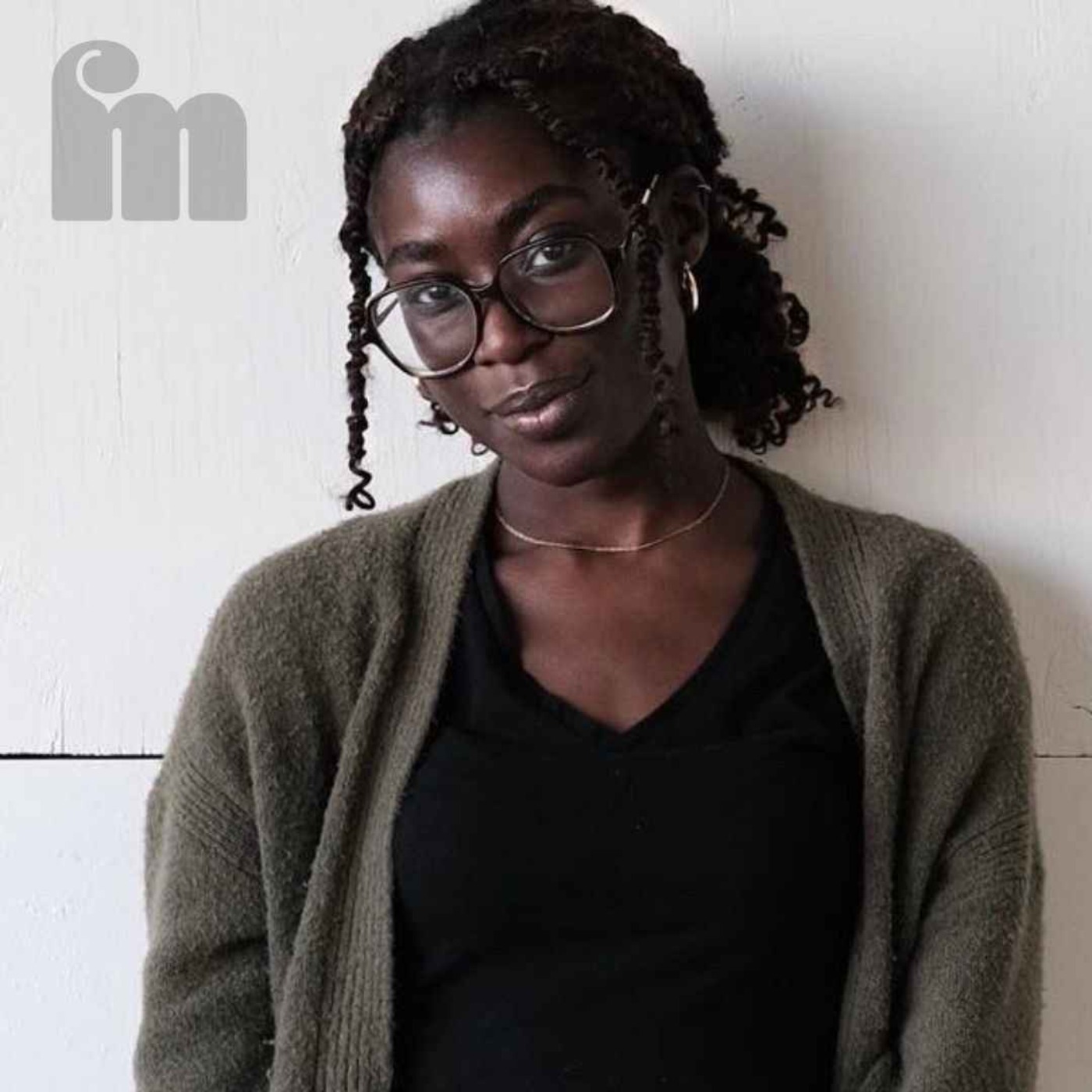
Hello. Hello. Welcome to Fat Mascara, a podcast about beauty culture. I'm Jen Sullivan. Jess has left me to my own devices this Friday, which means I'm nerding out big time. Just get ready for it. We have a fascinating interview. Before we get into that, I would love to ask you to leave us a review on Apple or Spotify if you like what you hear, or if you don't like what you hear and you wanna leave some constructive criticism, keyword const. You can also leave comments on specific episodes on Spotify. So if you listen on Spotify right beneath the episode, they'll ask you if you want to leave a comment. I love this feature because you can talk about topics in that specific episode. I read every single one I reply. And if you're lucky, whether you leave a review or comment on Spotify or Apple, I'll read it on the air. Like this one I'm about to read right now. This One is from Jessie 1724. Great interviews. I've been enjoying the most recent interviews. The Christina Nunez interview was excellent. I enjoyed learning about the business side of beauty. Would be interested in listening to adjacent topics. Thanks for all your hard work on the pod. I love listening. Jesse, we love that you love listening. We love you and we listen. So this is sort of an adjacent topic like that, the business side of beauty. If you are a fan of Science Corner and what goes on behind the scenes in the beauty industry, you are going to love today's guest. It's cosmetic chemist AJ Adde. So we're gonna talk about hot topics in the beauty industry on her side of the business. Sunscreen regulations, exosomes, which you've probably been hearing more. The future of clean beauty. No, no lists, all that good stuff. But let me tell you a little bit more about aj. I actually met her when we were judges at the Beacon Beauty Awards and it struck me that she's clearly a chemist. She knows her science, but she's also a storyteller and a marketer and she gets that side of the business too, which I'll let her talk all about and give you her background when we get into the interview, but just a little bit more. She's got a BS in Molecular Biology and a Master's in chemistry. She's served as a clean beauty expert for credo. She's worked in journalism and brand partnership. She was also a scientist for the skin brand Revision skincare. And in 2021 she founded Sula Labs, a business to business research and development lab that develops and tests skincare products ingredients for beauty brands that are interested in creating products for melanin rich consumers. Meanwhile, as she's doing all of this by the way, she's also working towards a PhD in Chemistry and Biochemistry from UCLA NBD. Her company Sula Labs has created products you definitely know and love and use. But AJ does such a good job of explaining how they do that and how they're a little bit different than other R and D firms you've probably heard about. So I'll her get into that. Everybody welcome AJ to the virtual studio. AJ Aday, welcome to FAT Mascara. Hi.
- [03:17]
AJ Adde
Hello. Thank you for having me.
- [03:20]
Jen Sullivan
Jen, this is so exciting. I have so many questions. I feel like I have like a, like an insider who. You and I have judged some awards together.
- [03:29]
AJ Adde
Yeah, we have.
- [03:30]
Jen Sullivan
I like your perspective and I'm so excited to have you on the show. Before I get into like all my questions about skincare, the industry trends, we have to find out about you. So I heard you wrote a poem in elementary school about the water cycle.
- [03:46]
AJ Adde
Oh my God. Who told you that?
- [03:48]
Jen Sullivan
Deep cuts here at that mascara.
- [03:50]
AJ Adde
Okay, that's crazy. But yeah, that's true.
- [03:55]
Jen Sullivan
Wait, first of all, do you remember any of the poem?
- [03:58]
AJ Adde
I remember it started off with like, I am a raindrop. Nice. And like honestly I don't remember more than that, but it was very like gimmicky, like sort of a certain cadence that's amenable to like children. Yeah, it was just about like a raindrop traveling through the water cycle, which I thought was I guess cool at the time.
- [04:17]
Jen Sullivan
I think this speaks so much to who you've become. You're a creative assignment. Sure. But also you wanted to bring our natural world and sciences into it. Were you. Was this like at that age? Was science an interest? Like what was your path?
- [04:30]
AJ Adde
No, science was not an interest for me at that age. I mean I. Okay, I found it interesting in the way that I've always been a really curious person and I like to build things and put things together. But I've actually always growing up and like I want to be a writer. I'm a writer. I Want to be a journalist, I want to be creative. I want to do visual art. And I think that's kind of also what got me into this industry. But yeah, that science. I never saw myself in a lab coat growing up.
- [05:00]
Jen Sullivan
No, I mean, do you wear a lab coat now?
- [05:03]
AJ Adde
I do wear a lab coat every day.
- [05:07]
Jen Sullivan
I didn't know. I didn't know how much time you're spending, like at the bench versus meeting with clients. But we'll get into that. What about beauty at that age? Was beauty an interest?
- [05:17]
AJ Adde
Yeah. So it's interesting, like beauty was an interest because of the things that I saw around its shortcomings for just like the ways in which I had to finagle beauty products and like understand beauty from a different perspective. Because what it really was at the time is that darker skin tones just weren't kind of at the forefront of how beauty is communicated and understood and translated. So when I. Speaking of childhood, actually when I was like 11, I had like a WikiHow page where I wrote WikiHow articles that got like hundreds of thousands of views about things like how to make lip gloss with cocoa powder and stuff like, for like darker undertones. So it's interesting because like I was doing it for writing and I wasn't actually really doing a lot of beauty oriented things for the sake of being beautiful. I was just always curious and I kept coming back to this world through just my writing work.
- [06:15]
Jen Sullivan
Yeah. So at what point did you decide, I'm gonna pursue chemistry then and then from there cosmetic, like working in the cosmetics industry.
- [06:23]
AJ Adde
Yeah. So shout out to all the people listening, with African parents, you all know.
- [06:27]
Jen Sullivan
The story very well where you're first generation American.
- [06:31]
AJ Adde
Yes, I'm a first generation American, born in Texas. Shout out to everyone from Texas too. But yeah, my parents really wanted me to be a doctor. We all know the story. And I pushed back on it really hard. I still do to this day. Like, no, you guys were wrong. But that's what actually pushed me into just studying science as a discipline. Because they're like, okay, if you're going to go to college, it low key has to be in biology. And I was like, okay, that's fine, I'll do it. But I'll still get an English minor on the side. So I got an English minor and then a gender studies minor and then like a graphic design. So I went to a university called Northeastern University where they have you do a mandatory internship and they're six months long. You take off time from school, you go work a real Job and I was really kind of sad for a little bit because I feel like everyone around me was working in biology labs at Harvard Med or something of the sort. And I wanted to find my own kind of place too that could inform my career. Like, I was still kind of doing this dating dance of beauty and also science, but also writing. At that time, I fully liked to write about beauty. Digital editorship was kind of in my mind. And I found one singular company in the entire co op database that was a skincare company. And they were actually looking for someone that was head of brand partnerships, maybe like someone that was a little bit more scientifically inclined. That was me. I applied, I got the job. And as I worked that job, and this was at a startup, it was called Sun Daily. It's since been acquired.
- [08:03]
Jen Sullivan
So you had your undergrad at this point?
- [08:05]
AJ Adde
Yeah, I was an undergrad at this point, but I hadn't graduated or anything. I was, it was really just.
- [08:11]
Jen Sullivan
Was this an internship?
- [08:12]
AJ Adde
Yeah, it was. It was a long term internship. And so yeah, I did digital, I did brand partnerships. So I got to meet a lot of brands in the space. I became closer and closer, like with working, I guess with the chief scientific officer over time. And she had come from Harvard, she was a physician scientist. And this was really the place where I saw that, okay, beauty is also a place for science and science can be cool and science can be a place, a place to be creative and solve problems from there. I did research in the biomaterials design lab at Northeastern, studying pigments that can be used for sun care applications. Shout out to Dr. Dharavi. Then I graduated, worked full time in four formulation and clinical research. And literally ever since then, like beauty science has been my thing.
- [08:57]
Jen Sullivan
You though, started your own lab at this point, like you're doing your own thing, right? What, what is SULA Labs focused on? Tell us all about that.
- [09:05]
AJ Adde
I actually left off with that part in the story where, you know, after I had done my job in clinical research and formulation, there was a point in my job when I was like, okay, I see how this, I see the life cycle of beauty product. I see how things get from ideation to research to shelf. And one thing that I was really also seeing was how people with darker skin tones were kind of not as valued in the process when it comes to research, when it comes to the people in the lab actually making these products and who does the decision making and when it comes to actually understanding how certain products interact with darker skin tones. Now when we think of diversity in skin there's a lot of diversity, right? There's diversity in skin tones, there's diversity in allergenicity, there's diversity in age diversity and gender. So this is actually inherently, I think something that is not just specific to skin tone, but because I come from the purview of darker skin tones. I actively saw how darker skin was kind of neglected in the R and D process just because of a lack of knowledge. So I actually left my job after some time and I found this research grant randomly that said pick a project that marries STEM and social justice. And I applied for this project off the guise of what would it look like if we did R and D for skincare brands that also mainly focused on serving the darker skin consumer or the melanin rich consumer or just consumers from black owned brands. And that was enough for me to get a little, a set of equipment, a little lab space. I had a friend that wanted me to formulate a product for them because I had that skill set. One client turned into two, two turned into ten. Everything just grew. And so now to answer your question, SULA Lab, what we are is an R and D lab. And what we do is we close inclusivity gaps in beauty through formulation, developing ingredients and also through clinical testing that specifically understands the melanin rich consumer and black owned brands.
- [11:05]
Jen Sullivan
Okay, so besides the color of your skin, what superpowers like that is, you know, as a woman who consumes beauty with dark skin, what you would want. But what else has your experience brought to you at SULA Labs that gives you like I have a unique perspective that you client need first?
- [11:22]
AJ Adde
I think a good place to start is defining who the client is. Because in talking about SULA Labs, one thing I've realized is that people don't usually understand that beauty brands are not usually having chemists in house producing products for them. Right? They're usually going to manufacturer and they're usually telling the manufacturer, this is what I want, my product XYZ manufacturer scales it up for them. Boom. So to answer the question a little bit first, our client is actually beauty brands. Not necessarily the consumers of the beauty brands, but it is the beauty brand, right? And by value, they're consumers later down the stream. So what we bring in terms of uniqueness is data. Essentially. Like when it comes down to it, it's data on what people with darker skin tones tend to reach for on the shelves. So we do a lot of consumer preference testing. We also understand what kinds of trends are going on in beauty that are spec to People with darker skin and also black owned brands. We also kind of pivot the way that we understand efficacy right through a darker skinned person's lens. So, for example, when it comes to brightness, when I reach for a product that markets brightening, what does that mean to me versus what it means to someone with lighter skin tones? Right. For me it means something that also kind of has to do with hyperpigmentation. Whereas from my understanding, for people with lighter skin tones, it also kind of has to do with redness, which is something that I don't really experience as much. So we really do take time to parse through what it would mean for the darker skinned consumer to be centered in product development so that it shows in the actual product itself.
- [12:59]
Jen Sullivan
And that's not just the scientific, it's clearly the psychology of it all. You're thinking about the marketing end of it too, of like what she or they need, not just what their skin's like. Of course, data's your superpower.
- [13:12]
AJ Adde
Of course.
- [13:15]
Jen Sullivan
So once you have that data, and in my head I wasn't even thinking about the marketing side of it, I was thinking more about like the formulating side of it. But once you have that data, can you give me an example of a project where like, how you are approaching R and D is informed by that information that you're bringing to the table?
- [13:30]
AJ Adde
There's so many of them. So I'm thinking of a specific project where a beauty brand that folks love came to us and they said, we want to make a vitamin C serum. And all they knew was we wanted to have vitamin C. We also wanted to tackle hyperpigmentation. We're not really sure what vitamin C to use or what other kind of aspects of the product would be important, but we know that we want it to tackle hyperpigmentation and have vitamin C. And we also know that we want to test on people to see whether the product is working or not. So we're kind of breaking this down into two phases here, right? Formulation and then testing. Now in the formulation phase, what our team had to go through is understanding what percentage of vitamin C would be efficacious for hyperpigmentation, what type of vitamin C would be efficacious, and also how can we build in other features to the formula such as moisturization and hydration that are really coveted by all consumers, but also a hallmark of kind of efficacy and non negotiables for darker consumers. Right. To not be ashy, you know, moisturization. I don't know why, but Time and time again is the top priority for darker skinned consumers in how they groom themselves. But then also when it comes to hyperpigmentation, you know, we had to make sure we had a formulation that fit in all of these really good goodies and benefits and also spoke to an aspect of making sure that dark spots fade over time in a time period that's actually worth buying the product. And we know that it takes longer to see darker spots fade visibly on darker skin tones than it takes to see darker spots fade visibly on lighter skin tones. So all of these pieces of information had to be factored into the formulation. Right. How do we make it stable, how much vitamin C to use, what marketing ingredients to use, how to make sure that it's working, but you're still not having sort of an ashy sort of undertone after you apply it, or that it doesn't dry down so fast. Because we know what the consumers of this brand loves. So once we checked that all off, then we went to testing. So with testing, we had to make sure that we put together questions for the survey that really do speak to how, how all skin tones experience brightening and how they experience hyperpigmentation being faded.
- [15:47]
Jen Sullivan
Did you test on all skin tones or just melanin rich testers?
- [15:51]
AJ Adde
So actually a large majority of the testers were melanin rich skin tones. Yeah. And so we worked with the brand to make sure that the questions, as well as the testing population, as well as, of course, providing the product, were all really informed by what their consumers would love. Because we know that this is a brand that has a lot of melanin rich consumers. Right. And it's interesting. Consumers know. Consumers definitely know when a product was made with them in mind. More so when it comes to like makeup. Right. Or hair, do you think that's like.
- [16:24]
Jen Sullivan
With the marketing or it's the formula? Like, if I gave like a blank slate, just like lab sample, do you think they'd still get the vibes like, this is for me?
- [16:32]
AJ Adde
Well, so it depends on the product. I think for the average moisturizer, probably not. Right. But even then, like, if it's something where it doesn't have long lasting hydration for like the lotions that the black community might be used to or like, like Vaseline is something that's like highly coveted in our culture, I think that that's something that the consumer would clock, but not necessarily thinking like, oh, this is because of my skin tone. But there's certain product categories when it's like sunscreen. Right. I Think that's a very obvious one where the consumer would clock it and be like, okay, there was no one in the lab involved with junk your skin. That is the case a lot of the time. So, yeah, it is something where marketing and science kind of do fit hand in hand. But I think our philosophy mainly hing on the sense that it can't just be marketing that drives inclusivity and beauty. It also has to be R and D as well, which is where we fit in.
- [17:26]
Jen Sullivan
I have to go back to one thing you said just before we move on, because it affects me, and I'm so curious now. You said how long dark spots take to fade. Right. It's different on different skin tones. Aj I burnt myself with a curling iron in July, beginning of July. So here we are. July, August, September, October. But five months later, and you can still see the spot on my cheek. What do you think is the, like, average time that a dark spot takes to fade? If you're using the kind of product that you created for this brand or, like, the correct ingredients?
- [17:57]
AJ Adde
Oh, my gosh, that is a great question. So obviously, like, let's talk about the trauma to your skin that was incited, right? You burned your skin.
- [18:05]
Jen Sullivan
Let's talk about your trauma, Jen. Okay, we've entered that portion of the podcast. I'm ready.
- [18:09]
AJ Adde
We're already at the trauma portion. Yet you burned your skin. Right. So I think it's actually a really great example, because when we think of the trauma that we're actually trying to, for lack of better words, correct with dark spots on skin. We're thinking of acne. Right. Picking.
- [18:26]
Jen Sullivan
We're thinking of post inflammatory hyperpigmentation from, like, after a pimple goes away. Yes, exactly.
- [18:32]
AJ Adde
We're thinking about sunburns. We're thinking about sun exposure. So burning is actually, I would say, on the far more, like, dramatic end of the kind of trauma that would be incited to the skin. So because it's on the more dramatic end, it's gonna take a long time to see efficacy there. Right. Because it's not just like acne. Right. It's a burn. So I would say on the timescale of months, quite a few months. Yeah. Cause we all have scars that happen at some point in life that we still see today. Right. So.
- [19:06]
Jen Sullivan
No, don't tell me that it's on my face.
- [19:09]
AJ Adde
You're gonna be okay.
- [19:10]
Jen Sullivan
But yes, of course you're gonna. Or a cut or when you got stitches that one time. Sure, sure. But I was like, curling iron shouldn't be A permanent one, One would hope.
- [19:19]
AJ Adde
No, I guess it depends on the degree. It should not be a permanent one of the burn.
- [19:23]
Jen Sullivan
But.
- [19:23]
AJ Adde
But also, I think it's interesting, I think, to your point on, like, what is actually different, this all kind of boils down to, like, is there a real physiological difference in darker skin tones? Which I think is a question that comes up a lot. And I think what it really all comes down to also is just melanin. And I think we all hear about melanin, we all know what it is. But the role that it plays in our skin is immensely important because it's a pigment. And pigments absorb light, they scatter light, they reflect light. And that's super important. Right. With how we perceive efficacy with our skin. So I think that's something that is a really important part in understanding how our skin can be different. But there's a lot that actually makes our skin the same. It's just the approach that I think is different.
- [20:12]
Jen Sullivan
Yeah. You mentioned sunscreen. This is clearly something that, like, it's hard for women of color to find a sunscreen that works for them. A. Do you think that's true? Look, I should. Here I am speaking for you. Do you think that's true? But also, like, what are some of the other products that you're like, I really wish a client would come to me with this. Like, this is what we need right now.
- [20:32]
AJ Adde
Yes. First of all, I do think it's true for women of color to find good sunscreen options, especially in America. Right. I think because of our limitations on FDA approvals when it comes to sunscreen materials, like, I think that's kind of the barrier to entry. But the thing is, there's so many products out there that have filters that aren't going to leave a white cast. Those filters are often at odds with consumer preferences and how consumers understand safety profiles. And while I do think there's a lot to be said with what's actually true and what's not true, I do think that that kind of just our FDA oversight and the way that it's set up does ultimately heighten the barrier to entry with how people understand sunscreens and also what kind of sunscreen options that they would reach for. But in short, yes, I do think that it's harder to find sunscreens that kind of blend really well.
- [21:23]
Jen Sullivan
I just had a crazy thought. Correct. This is just crazy. Okay. You know how our only two FDA approved mineral sunscreens, or zinc and titanium oxide. Right. In the United States. Do you think that's because it was white people making sunscreens forever. Isn't that convenient that they're both like white powders? There's so many minerals in the world of so many colors that probably have sun filtering properties.
- [21:48]
AJ Adde
Yeah.
- [21:49]
Jen Sullivan
Like if you tried a cobalt or something, I bet it would protect from the sun in some fashion. I mean, I know I just. I just blew my own mind here for a second because I was like, I wonder if that was an inherent sort of just bias in science that they didn't even think to test other minerals for exactly filtering abilities.
- [22:08]
AJ Adde
And I mean, that's a perfect example of how R and D is really important when it comes to inclusivity because sunscreens are regulated as a drug and a cosmetic in the United States. So if we're trying to tell people to wear more sunscreen because it literally clinically is proven to prevent you from skin cancer, we gotta make sure that the options really do the work. And to your point, on other minerals, yes, this is actually true. A lot of metal oxides do absorb UV radiation, which is the main requirement for protecting the skin from UVA and UVB rays. But, you know, zinc oxide and titanium dioxide, there's been a lot of work into making sure that they're coated properly so they disperse well into formulations, dispersions that are really suitable for formulations as well. But the truth is, we also just have a really long way to go with creating better sunscreen options that are just aesthetically pleasing. Which, by the way, is what my entire PhD dissertation is on. I don't know if I mentioned that, but I'm doing that also. You didn't.
- [23:12]
Jen Sullivan
This is so exciting. When do you. What year are you defending it? Next year.
- [23:16]
AJ Adde
Oh, my gosh, we're not there yet. If you were to ask me this in three months, the answer would be yes.
- [23:21]
Jen Sullivan
2026 is 2026.
- [23:23]
AJ Adde
Yeah. O. Yeah.
- [23:25]
Jen Sullivan
It always blows my mind when I realize how long it takes to get a PhD and how much work goes into it. I don't know. In my head, it's always like college. One year, master's, two years, PhD, and then you're 27 and you have a PhD. And then I know people my age that are like, finishing up a PhD.
- [23:42]
AJ Adde
No, it's a long time because you have to be an expert. Not only that, but you have to do experiments and make science work.
- [23:48]
Jen Sullivan
I mean, you are an expert on the way to being more of an expert in this field that I think is just going to have such applications for just making People happy and making them healthier.
- [23:58]
AJ Adde
Thank you.
- [23:59]
Jen Sullivan
Which is nice. You know, when you put on a good product and you're like, I feel seen. This feels good. I'm doing something good for my health.
- [24:05]
AJ Adde
Of course. Yeah. It's important to me. I mean, expert. I feel like, you know, that's a word that I.
- [24:13]
Jen Sullivan
Well, if we have any potential clients listening, of course, you know. Yeah, you're an expert in that. Like.
- [24:20]
AJ Adde
Yeah, I've been doing this for a long time.
- [24:23]
Jen Sullivan
Yeah. Whatever you ended up developing, I bet.
- [24:25]
AJ Adde
It worked, you know. Yeah, it's a good one.
- [24:27]
Jen Sullivan
Speaking of what you're developing, I am curious what you're excited about right now. Like, all the ingredients out there, all the latest in skincare and do you ever do hair care?
- [24:37]
AJ Adde
Yeah, we do. We have. We do have some hair care projects. Yeah.
- [24:40]
Jen Sullivan
Yeah. What are you excited about right now?
- [24:42]
AJ Adde
I'm excited about so many things. I mean, I think that, like, the beauty industry is really moving into a place where science is really being taken very, very seriously from so many different angles. And I think, like, science has always been taken seriously in the beauty industry to some extent. Right. But seeing the way, like, I know exosomes kind of on the list of questions here.
- [25:04]
Jen Sullivan
Oh, yes. I gave you guys, I gave AJ like, hot topics I wanted to discuss. Let's get into exosomes. I just. It's. I. You hear it more and more, and I have thoughts, but I was like, let me see what A.J. thinks. What's going on with exosomes? Tell us what they are. Tell us why they're exciting.
- [25:20]
AJ Adde
Yes. Okay, so exosomes. Now I'm going to kind of take us through a little bit of a journey here. So exosomes are really just tiny little, like nano sized, tiny, tiny, tiny little delivery vehicles that naturally occur in your body. And they're really just kind of microscopic bubbles that are produced by cells which contain proteins, genetic information, and other molecules that speak to other cells. They help cells communicate. They help transport materials to other cells. So if you have a lot of speaking between cells, you can perhaps program something to tell another cell, hey, increase the input of collagen, or, hey, help with increasing the input of this protein that's really important for the dermal epidermal junction. So this is where it starts to get into the area of. They sound really exciting because they help with a lot of what we perceive as regenerative and reparative functions in beauty products. But regenerative and reparative functions fall under the purview of drugs because under FDA regulations, if a product has claims that mitigate or affect the structure or function of the body, it's considered a drug and not a cosmetic. I think exosomes from a scientific perspective are really, really cool. There's so many brands that have launched with the technology of exosomes that are actually proprietary to the brand itself. Right. Meaning that they've probably spent a really, really long time developing this technology. But the question of where do we go from here in terms of these really exciting innovations in skincare and them kind of blurring the lines between a drug and a cosmetic is ultimately up to the FDA to really decide. And I think as an industry, I'm most excited for how we decide that, where we draw the line, how we understand communicating the efficacy of fun things like stem cells and exosomes that have really great regenerative and reparative properties, but in such a way that is kind of packaged in cosmetic language and positioned as a cosmetic and not necessarily in drug language, which we see a lot of in the skincare industry.
- [27:44]
Jen Sullivan
Jess, you ever notice how your skin sort of changes in the winter? Winter?
- [27:47]
AJ Adde
Sure.
- [27:48]
Jen Sullivan
Mine does so much. It's so dry. If that happens to you guys, we have the answer. And you don't even have to add a new skincare product to your routine. This is something that works from the inside out. We're talking about Ritual Hyacra, a skin supplement that's clinically proven to support skin hydration with science backed benefits like reducing wrinkles and improving skin smoothness. And let me just say right now, the reason I love it is because it sits by my desk. I take the little supplement every morning. I don't have to think about it. And I noticed that my skin is hydrated. It doesn't get that usual tight, dry feeling I get in the winter.
- [28:18]
AJ Adde
In a clinical study, Hyacinth led to a 2.9 times increase in skin smoothness.
- [28:23]
Jen Sullivan
Within 90 days as compared to a placebo. And subjects reported an improvement in skin elasticity, glow and radiance in 90 days. Now ritual supplements are rigorously tested and validated by a third party for allergens.
- [28:35]
AJ Adde
Microbes and heavy metals.
- [28:36]
Jen Sullivan
And Ritual works with world class certification.
- [28:38]
AJ Adde
Bodies to validate their products products.
- [28:39]
Jen Sullivan
Ritual is also certified B Corp. With supplements that are vegan, gluten free and made traceable. Start Hyacinth to support your glow without compromising on clean science. Hyac from Ritual is a clinically proven skin supplement you can actually trust. Get 25% off your first month for a limited time only@ritual.com mascara. That's ritual.com mascara for 25% off your first month.
- [29:08]
Podcast Marketer
Hey marketers, are you ready to discover the latest trends in podcast advertising? The Podcast Pulse report by Acast is out now, packed with fresh audience insights into why podcasts are a must have marketing strategy. Learn how podcast audiences are more engaged than ever, why hosts are trusted voices for brands, and how niche shows are delivering massive impact. Download the report today@podcast pulse2024acast.com boom.
- [29:43]
Jen Sullivan
Well, I was gonna. You said it was the FDA and how we decide. I was like, I think it's the lawyers too. Because I, I know like there are, I am convinced there's two skincare products I'm looking at right now on my shelf that like, if they made the claims that I bet they could make about how effective they are, those would be. The FDA would be like, what now?
- [30:02]
AJ Adde
Yeah, those are drugs.
- [30:04]
Jen Sullivan
So they just back off of it a bit in their marketing and in the language on the packaging. But in my head I'm like, well, isn't it still kind of a drug? But it's just they haven't made those claims. So it's not a drug.
- [30:15]
AJ Adde
Exactly, I think. And that's kind of the case for. Well, so. No, it's not.
- [30:19]
Jen Sullivan
I love how cool about it you are. You're like, yeah, that's how it works. But like that weirds me out a little bit, I have to say.
- [30:24]
AJ Adde
Right? So no, these products are not drugs. Like bottom line, baseline, they're not drugs, right? Okay. When we think of like what a drug is, there are kind of two things that are at play here, right? One, the FDA and regulatory oversight saying this is veering into drug language or this is remaining as cosmetic language. That's like one, the actual on paper. And the second thing is drugs have to have a level of specificity, right? Like structure and function are really important when it comes to the body. And I like to use the example of licorice root extract. I think a lot of brands and a lot of folks regard it as something that's great for hyperpigmentation. Now, licorice root extract contains several compounds and hundreds of molecules in there, right? But there's actually one in there that's specifically important for hyperpigmentation and that is the one that we all hinge on. Now if you're drug minded, you would move towards what activity does that specific molecule have on the melanin pathway in our skin, right? That is the thinking, the line of Thought for a drug, but the line of thought for a cosmetic is if I put licorice root extract in this product, you may see the appearance of dark spots fade over time. But we're not saying that there's a level of specificity based off of that one molecule in licorice extract. So, yeah, that's the line of thinking that. That I think gets blurred a lot.
- [31:50]
Jen Sullivan
Well, tie this back to exosomes for me because how many types of exosomes are they? Because I feel like some brands, it's like they have a little soup that they put in. It's like the exosome soup. And I'm like, can you tell me which of the things in the soup does what? And they have the clinicals to show the soup is effective, but it's not like they can say it was the chicken, not the noodle in the soup that did the thing. Is that a bad analogy?
- [32:14]
AJ Adde
No, no, no, no, no. That's not a bad analogy. Okay, okay, so this is a good question. Exosomes actually produced, right. Is kind of where you're starting off.
- [32:23]
Jen Sullivan
Okay, yeah.
- [32:24]
AJ Adde
So you basically produce them by cultivating cells that naturally secrete these little nano sized molecules that send these really important messages to other cells. So cell culture is literally just a fancy way to say growing cells in the lab and specific growth conditions that are specific to human media. Right. So human temperature, human ph. When you think of exosomes, you actually likely want to use ones that are human derived exosomes, which is also why it's important to kind of be specific. Right. In what kinds of exosomes. And I feel like if brands were more and more specific over time, you would see how it veers into drug language. So, yeah, there's a soup that they have to have to keep the exosomes active and make sure that the product itself also conforms to the conditions necessary for exosomes to be efficacious as well. And such is the same for also when we saw the rise of stem cell language, right, like, oh, we have these stem cells. You have to make sure that also the product and the integrity of the product is important for the activity of those molecules that the marketing is hinged off of. Now, I also wanted to mention earlier, I think I said a lot of brands I've noticed have proprietary soups. And I think it's just because it is a high cost intensive and also high time intensive process to develop something that's unique to the brand. And so whenever you do want to, you know, let's say you launch with a product that has exosomes. Having that proprietary nature is really important. Right. We have these very specific exosomes that have this very specific function and have these very specific messages for other cells. But, you know, a lot of that is still drug language. So I get conflicted a lot on that.
- [34:07]
Jen Sullivan
Tell me this is anything that is having an exosome, if they're using the true sense of the word exosome. And I do think it's getting thrown around in marketing just to like be buz Would it always come from a human derived cell culture? And just so people know that does not mean there's human pieces in it when it gets to you in the bottle. But are they always human derived cell cultures?
- [34:27]
AJ Adde
No, some can be plant derived.
- [34:28]
Jen Sullivan
Okay.
- [34:29]
AJ Adde
Some can be plant derived.
- [34:30]
Jen Sullivan
Okay. So you're getting the exosomes, the signalers from this plant cell that said turn on the chlorophyll or whatever it is, or fade this. And it's the same way. It's these messengers and you're growing. But it always starts with a lie meat. Like something that was alive.
- [34:45]
AJ Adde
Yeah. Something with cells.
- [34:46]
Jen Sullivan
Like you'd never have an exosome for like a mineral or whatever.
- [34:49]
AJ Adde
No. You can't get like an exome from like a cardboard box. Yeah.
- [34:54]
Jen Sullivan
That'S our new skin right there. We just came up with our new skincare line.
- [34:59]
AJ Adde
Yeah.
- [35:00]
Jen Sullivan
Cardboard box exosomes. Do not put it past people, AJ the things I see out here, and I'm sure you see too, that people make skincare out of.
- [35:08]
AJ Adde
It's like, it's interesting.
- [35:10]
Jen Sullivan
Yeah. One of the other topics I wanted to talk to you about, just because it's been really top of mind because I wrote about it recently, but like this idea of. I just keep seeing of ancestral skincare.
- [35:20]
AJ Adde
Yeah.
- [35:21]
Jen Sullivan
So the exosomes thing, I think people get scared of science. You know, it's complicated. Even just the two of us talking about it and we barely touched the surface. It's like, whoa, that's amazing that you can put that in a bottle. But people are also like, what else is that bottle? Like, they get freaked out about it. Vaccines like this. It just, just there's this, especially in our American culture right now, there's this fear of some of that science. So I see this movement towards not clean and dirty beauty, but like basic and ancestral skincare ingredients versus these high tech lab derived biotech kind of ingredients. Do you feel that as well at all?
- [35:58]
AJ Adde
Yeah, I do. I mean, I think that it's something kind of born out of the clean beauty revolution too. Like a lot of founders will maybe come to us and say we want to make this really high powered exosome efficacy like product, but with I don't even know what category of ingredients to call. Like just ingredients with no preservatives, like no parabens, no synthetic ingredients.
- [36:25]
Jen Sullivan
The no nos. Yeah.
- [36:26]
AJ Adde
The no nos. Yeah. And I find myself actually having a lot of talks with founders saying like hyaluronic acid can be synthetic, lactic acid can be synthetic. A lot of the things that we love and know as like structural features of our products are synthetic. And that's okay. That's the job of a chemist. Right. To provide synthetic material, even a formula. Synthetic. Right. Water and oil emulsion. Like I am synthesizing something, a macrocolloid. So. So it's hard, right? Because I think we're seeing a lot of the future of clean beauty kind of roll out as a red carpet. And I think one of your questions was like the value of a no no list.
- [37:08]
Jen Sullivan
Yeah. This ties into that. What do you think?
- [37:10]
AJ Adde
I think it's good that brands have their own internal no nos. I think that's okay. I think that's totally fine to be like, I want to make a skincare brand and I want to keep my brand free of these ingredients. Now the rationale behind why they want to keep free of certain ingredients I think sometimes does have to kind of go through a little bit more rigorous process of why am I really scrutinizing? Why don't I want phenoxyethanol? Right. What is it about phenoxyethal?
- [37:37]
Jen Sullivan
Do I know about it because my retailer doesn't want it.
- [37:39]
AJ Adde
Exactly. That's exactly where I was headed.
- [37:42]
Jen Sullivan
Let's be real.
- [37:43]
AJ Adde
Exactly. Retailer mandated list I think could be a little bit prohibitive sometimes for brands too. Because now I don't think there's a retailer list that's like don't have phenoxy ethanol or one that I haven't come into contact with. But I do think that that can be a little prohibitive for brands. Right. Because if we establish a larger scale blanket. No no versus individual brand preferences, I think that's when we start to get a little too. Unless that big no no is determined off of really rigorous all case scenarios sort of research. I think we get a little prohibitive when it's like across the board, no synthetics at all because it's just not possible.
- [38:28]
Jen Sullivan
Yeah. You touched on a couple things when I asked about, but the first was the phenoxyethanoline what was the ingredient?
- [38:33]
AJ Adde
Phenoxyethanol.
- [38:35]
Jen Sullivan
Is that something people don't want?
- [38:36]
AJ Adde
Sometimes. Sometimes folks like, we have an intake.
- [38:38]
Jen Sullivan
And what is the reasoning usually for that?
- [38:41]
AJ Adde
I honestly am.
- [38:42]
Jen Sullivan
It sounds scary.
- [38:43]
AJ Adde
Sure. Yeah. I'm truly not sure. Phenoxyethanol is a preservative.
- [38:49]
Jen Sullivan
It doesn't show endocrine disruption. It's not like it. I'm asking because a lot of these are like, they're not sure, but maybe. And that I can understand.
- [38:56]
AJ Adde
Yeah. Yeah. I mean, this is something. Well, first of all, phenoxyethanol is a preservative. And from the U.S. fDA's rule is you cannot go over 1%. Like, you can't use more than 1% of this in the formulation. So. So that's where it's kind of redundant to be like, no phenomena. Like, there's already regulations.
- [39:14]
Jen Sullivan
Okay, I get it. It's like the same thing as water could be carcinogenic if you had enough of it. But I think it's a very simple way to think about things. If you're like, well, if one. If they're capping it at 1%, that must mean. Because it's bad. So let's just put zero percent.
- [39:28]
AJ Adde
Exactly. Exactly. Yeah. And I mean, a lot of these compounds just are long names. Like, the nomenclature is just long. I think a lot of it is just like a gap in knowledge. And that's totally okay. I think it's okay to have that gap. But I think if you are to just say none of this ingredient. But I haven't done the research as to why I don't want this ingredient. I don't think that's okay.
- [39:54]
Jen Sullivan
Yeah, because that just keeps these myths going.
- [39:57]
AJ Adde
Exactly.
- [39:58]
Jen Sullivan
And all of a sudden, we've never seen a sulfate again, and they're out of everything because everybody's scared of sulfates. I'm curious, as. As a lab, SULA Labs, does it have its own no. No list, or are there things that you, whether for ethical reasons, environmental safety, health, just don't like to formulate with?
- [40:15]
AJ Adde
No, we do not. I mean, there's certain things where it's like, we start with just FDA oversight. Right. Like, what's not allowed. Right. I don't have filters in my lab that are not US FDA approved for sunscreens, but are, like, Japan approved. So we go off of regulation. But when it comes to, like, this isn't safe. I'm a chemist. And so before I scrutinize a chemical, it's really, really important for me to read a lot of research that the chemical is used in the context that we're planning to use it in. And that's really like, we're just really going off of safety data sheets, like what the supplier has on hand, taking that with a grain of salt, doing a lot of research behind those sorts of results. But I can't really think of one ingredient that's like, we are never going to use this because that's just not how chemicals work.
- [41:09]
Jen Sullivan
Unless it's something that already the FDA has been like, we're really not gonna use it.
- [41:13]
AJ Adde
Okay, Exactly. The dose determines the poison.
- [41:16]
Jen Sullivan
Yeah, I'm thinking of, like, triclosan for some reason, because it was in a bunch of cleansers I used to use when I was younger, and now I don't think you're allowed to use it anymore in the usa.
- [41:26]
AJ Adde
Yeah, that's actually a great example. There's actually a lot of chemicals that we have not really even formulated into products because by nature of where the industry is moving towards, more people don't want sulfates. Okay. We use sulfates a lot less. I think what we use in the lab is actually just a reflection of where the industry is headed towards. We actually haven't used a lot of parabens in a lot of cases as a preservative because most brands that come to us actually have a very strong baseline of what they don't want, especially if they have aspirations to be in Sephora or if they're already in Sephora and they want to keep their clean at Sephora Seal. From what you said, like, we have yet to use Triclosan for that reason too.
- [42:01]
Jen Sullivan
Do you think, though that. Listen, FDA is busy. They're out here approving drugs, probably getting limited budget. We could even talk about what's going to happen in 2025, who knows? Do you think they're doing an okay job of vetting ingredients? Because you're saying, like, okay, I know these things are definitely not going to happen. They're not FDA approved for cosmetics in the United States. States. But do you think there might be some that are slipping through the cracks because there's just not good enough oversight scientifically, I'm sure.
- [42:27]
AJ Adde
And I actually don't necessarily think this is as much of the FDA's fault as much as it is the fact that cosmetics or something mainly non men love. This is not just the case for cosmetic science. It's also the case for cancer research. Things that are more amenable to just the lifetime of a Woman, for example, are not going to be as well researched. And a lot of questions that are directed towards science or scientists, especially in cosmetics, are simply not as well researched. Because the FDA is more inclined, let's say, to commission a large scale study on Covid because it's more pressing. Right. Like that's something that we're all experiencing on a wider scale, on a global scale, but maybe not as much towards like, what order should I layer my product in in order to see efficacy. Right. Like they don't. They're not as interested in that for reasons that the academic industry, the cosmetic industry just hasn't yet gotten there in terms of how much research is actually behind these questions. So it's unfortunate to me, honestly, because I think too many people have treated cosmetics as an art more than a science. And I think that where we're moving towards is treating it as much of a science as it is an.
- [43:44]
Jen Sullivan
Well, this goes for me. It goes back to that bias that I was thinking about before because I'm thinking about hair relaxers, which have all sorts of chemicals. Not all sorts, a few chemicals that have been shown to have carcinogenic effects and yet are still allowed in hair products. And what I hear you saying is like, they're not doing the research because it's like, okay, well, it's a small percentage of the population that's using hair relaxers and they're women and frankly are probably women of color. And like, it's just not a priority to our country's legislators.
- [44:17]
AJ Adde
Exactly. And I think.
- [44:19]
Jen Sullivan
But does that make you mad?
- [44:21]
AJ Adde
It makes me so mad. It makes me so mad because that's like. Like what, like what's going on? Like, we need the research and that's just what it is. We need the research on people who care.
- [44:32]
Jen Sullivan
At this point. There is. The research is incoming on that one. Like, do you think that we're going to see them making movement for legislation that's going to limit some of these ingredients?
- [44:40]
AJ Adde
Yeah. So from like a legislation perspective, I think if there were to be legislation, it'll be quite slow.
- [44:46]
Jen Sullivan
Okay, maybe not legislation, but will they be added to an FDA like, like.
- [44:52]
AJ Adde
A no, no list? Yeah, I think eventually. I think eventually a lot of chemicals will be added to that list as like. And I hate to keep being like, as the research. As the research, but like, what it really is is that, I mean, I even see this in my PhD, right. If I were to go try and find a research group from a university level perspective that their whole focus is hair relaxers. It doesn't exist. But if I wanted to find a research group and their whole focus is cell surface receptors and click chemistry, I could find 100 research groups. I think that it needs to be prioritized more so by scientists, too, and scientists that also do not have more training on bias as well. Because, you know, science is not a perfect thing. There's like, it's a very heavily biased field too. So, yeah, cosmetics unfortunately suffers from all of those things compounding.
- [45:54]
Podcast Marketer
Did you know that two out of three listeners say podcasts are the best way to learn about the things they care about most? That makes podcasts the perfect place to introduce your brand. Brand where ads are more relevant and trusted than any other media channel. Want to learn more? Download the Full podcast polls 2024 report now at podcast polls2024.acast.com and see how you can make your brand part of the conversation.
- [46:28]
Jen Sullivan
We were talking about sort of some of the negative things that are in our industry. I want to talk about some of the positive things, like, yes, list. Like what you're loving right now. Like, how about this? What skincare product so good you wish you invented it.
- [46:41]
AJ Adde
Oh, my God. That's an amazing question. Okay, I'll start with the Peter Thomas Roth sulfur mask, actually. Okay. Love this product. I think it's actually otc, if I don't remember correctly, because there's a lot of sulfur in there. But what I love about this otc.
- [46:55]
Jen Sullivan
Meaning it's a level of anti acne medication, because it's a drug effect spot.
- [46:59]
AJ Adde
Exactly. Over the counter. Perfect. Yeah.
- [47:02]
Jen Sullivan
Okay. And why do you love it?
- [47:04]
AJ Adde
It's so incredibly easily formulated. If you look at the Inkey list, there's not a lot of ingredients in there. There's parabens, there's things that aren't necessarily considered clean at a lot of retailer standards. But I think that an expert formulation uses as little materials as possible to achieve a really efficacious effect without having to add all of these bells and whistles that are a result of, like, prohibitive, let's say, no, no list. Right. So Peter Thomas Roth went straight to the point. They said, we want a sulfur mask. We want it to be effective. We're gonna use whatever materials it takes to make that happen. And that's exactly what they did. And it's so well received and people love it. And I love this product because of that. And it's like a really big size, and I think that's why they're able to offer it really big, too.
- [47:51]
Jen Sullivan
I Feel like we buried the lead. Why do we want a sulfur mask? Is it for the anti acne?
- [47:55]
AJ Adde
Acne? Yeah. Yeah. Sulfur MA mask is for connect the dots for me. Yeah, sulfur mask is for anti acne.
- [48:02]
Jen Sullivan
It's so funny. I've heard. I've had other chemists talk to me about sulfur and how they think it's so underused in the acne market. Why for you is it such a beneficial ingredient for acne? Why do you like the mask?
- [48:12]
AJ Adde
It works so fast. It works so well. Like you're not going to look like the most gorgeous with this like stinky mask on your face. I think when it comes to sulfur, there's just a lot of user experience things like it has to dry down for it to really take effect. It's like a metal.
- [48:29]
Jen Sullivan
But you find if you have a breakout and you do the mask, those things are going away quicker.
- [48:34]
AJ Adde
Literally gone. And I have very acne prone skin.
- [48:37]
Jen Sullivan
Can you spot treat with it?
- [48:39]
AJ Adde
Yeah, you can spot treat with it and even area treat with it. I would just wash it off and like use it as directed too if you do spot treat.
- [48:46]
Jen Sullivan
Yeah. Okay. So the Peter Thomas Roth sulfur mask. What other skincare products do you think are great or ingredients that you're just like. Cause sulfur clear. That was both an ingredient.
- [48:57]
AJ Adde
Great one. Yeah. Oh my gosh, it's so good. I love sulfur. There's the BEA body scrub and I tried that one because of what we judged together at the Beacon Awards for beauty independent. Beauty independent. I thought this was so well formulated too. Like it's got little pumice granules in there that you can use for your body now. It's not like it's a really nice sort of exfoliating clean that you feel in the shower with this strong minty feel afterwards. So I feel really good.
- [49:27]
Jen Sullivan
Wait, remind me the name, the brand name. How do you spell that?
- [49:30]
AJ Adde
B.A. well, I don't know if it's pronounced this way, but it's B, E, I, A, lots of vowels.
- [49:36]
Jen Sullivan
Okay, so you like this minty feeling?
- [49:38]
AJ Adde
Yes. And it's so good. Not only does it make you feel clean, but it's just one of those things where everyone likes to feel clean. But I know a really consumer preference for the black community is feeling squeaky whistle clean everywhere. And I think that this is like a product that performs really well among like my friends that are black and like really love a good squeaky clean scrub.
- [50:03]
Jen Sullivan
Squeaky clean scrub. All right. It's good for keratosis Pilaris too. That One. Right.
- [50:08]
AJ Adde
I'm sure. I'm sure. I don't have kp, and I try not to make claims about certain things, but. Yeah, but for you to match more.
- [50:18]
Jen Sullivan
Of the sensory, the sensorial is the.
- [50:21]
AJ Adde
Reason you're loving it. I would imagine it would be effective too.
- [50:24]
Jen Sullivan
I want to ask what's in your makeup bag, and I also want to ask what you think about devices, because, like, skincare, do you have any devices?
- [50:32]
AJ Adde
I don't. So devices is they're actually another one of those things that, like, there's no real oversight as to what is a device and what's not. Like a skincare device and what's not. So other than, like, my flat iron that has a comb attachment, like, I'm not the most tech savvy in the first place.
- [50:50]
Jen Sullivan
Wait, what's your flat iron? Your comb attachment? Which one?
- [50:52]
AJ Adde
Oh, my gosh. I got it off of Amazon, so I actually don't remember the brand name, but it's literally like a straightener. That's how I got these, like, kind of bumped ends. It's like a straightener with, like, a comb sort of functionality to where you just kind of brush through your hair.
- [51:05]
Jen Sullivan
And you just do a little slip and it stays.
- [51:07]
AJ Adde
Yeah, it's fun.
- [51:09]
Jen Sullivan
That's your hot tool of choice?
- [51:10]
AJ Adde
That's my hot tool of choice in my makeup bag. I'm a very simple, very, very simple face sort of person. I'm very much just like, a little bit of concealer under the eyes. Cause I don't get a lot of sleep. Some really good mascara. I've been loving the tower 28:1, and then a little bit of, like, little boop, boop, boop of blush on the cheekbones, which I use the glossier and.
- [51:31]
Jen Sullivan
Dawn, but you can't just. You have to. Oh, wait. So the concealer, though, before we get to the blush, which was the concealer.
- [51:36]
AJ Adde
That you like, it's like a Revlon concealer. I think it's like just any Revlon concealer, honestly. And you know what the reason why is because it's the only one I could find that day in my. In my shade at the cvs. So I've just been using it. Yeah, okay.
- [51:51]
Jen Sullivan
Honestly, shade is, for me, probably 90% of why I like the particular ones, because I just happen to be like, they got a shade that hits me perfectly within their range, literally.
- [52:01]
AJ Adde
Yeah.
- [52:02]
Jen Sullivan
Now. Now tell me about the blush. Sorry, I. I spoke over the end.
- [52:05]
AJ Adde
No, it's okay. I. I've always been a user of the glossier cloud. Paint and dawn, because I think that works really well, like with my skin tone. Not a big foundation wearer for no reason at all. Honestly. I just don't usually wear foundation. I'm a big sunscreen wearer though. And I love the La Roche posay. I think Toilerain UV protective sunscreen. That's like, been my favorite one for years and years and years and years. Really great finish. And it is not a mineral sunscreen. What? Oh, I brush my brows with glossier boy brow. You know, I got my brows laminated earlier this year and when I really?
- [52:42]
Jen Sullivan
What did you.
- [52:43]
AJ Adde
You know, it didn't last that long. And I don't know if I just went to like the wrong place or something, but I realized that, like, brow pomades actually use a lot of similar, like, similar ingredients as brow lammies. Obviously there's like a specific active ingredient that I don't remember in brow lammies that I think are actually just more for just longevity. But once I realize I can just get like the elf sort of brow pomade and just dip my boy brow in there when it runs out, I was like, I'm just gonna do that.
- [53:10]
Jen Sullivan
Yeah. Did it change the texture of your hair? Cause there are some brow lamination services that use almost like a perming solution like you would do on someone's hair. Then there are others that are just like a heavy waxy pomade that freezes it up. What do you think you got?
- [53:25]
AJ Adde
I definitely got a combination of both. Because when I was looking at the ingredients of a lot of these, they actually are a combination. A lot of them are a combination of both.
- [53:33]
Jen Sullivan
Of course, the chemist did the research.
- [53:35]
AJ Adde
Exactly. Yeah. Before I did the lavvy. So then I was like, okay, like, I looked at the elf brow pomade that they have. It had the satirith 25. And I'm gonna use the satirith 25 on a day to day basis. It's just like Satyr's 25. It's an ingredient that you'll find a lot in like edge control gels and like to kind of get like that sculpt. Just like a really good sculpting effect. It keeps things in place. It's like a polymerized sort of like fatty acid. Not that anyone probably like understands what I mean.
- [54:07]
Jen Sullivan
Wait, it's a polymerized fatty acid. Does that mean it's like a wax of butter or something? That I would understand.
- [54:14]
AJ Adde
That's a great way to put it.
- [54:14]
Jen Sullivan
It's a wax. Yeah.
- [54:15]
AJ Adde
That's how to put it.
- [54:17]
Jen Sullivan
Sarith 25. I've seen it on inky lists and just never really thought about what it was. But it is in a lot of hair products.
- [54:24]
AJ Adde
It is, yeah. For like hold now, let's say. So here's kind of the crux. Let's say you're trying to make a really good edge gel, but you don't want to use satir25 because that eth suffix is associated with ethoxylated compounds, which we usually see banned at a certain parts per million in Ultaclean Sephora Clean, then, you know, good luck getting that hold as well. And if you don't want to use like other sorts of waxes that may be not vegan or something. So those are kind of like the things that I think around on a day to day basis when I do formulations and work around lists.
- [54:58]
Jen Sullivan
And the reason they're being banned, not necessarily because they're bad, just because they're on a no list from a particular region retailer. So is there good edge control without Satira 25?
- [55:08]
AJ Adde
There are, there are. Okay. There are. But I mean, they usually. I've seen good ones with beeswax, but like. Yeah, is that a challenge for the formula?
- [55:19]
Jen Sullivan
Oh, okay.
- [55:21]
AJ Adde
My gosh, yes. Or I'll see good ones with like PvP, but then also PVP is like especially not seen. PVP is basically also seen in like edge controls as well. It like hair gels. It's really good with hold. It's also kind of a nice waxy sort of filmy sort of substance.
- [55:37]
Jen Sullivan
Okay. I feel like there's a brow pomade or edge control or maybe a dual product in your future. Like, this feels like a fun challenge for SULA Labs.
- [55:48]
AJ Adde
No, there's always a fun challenge for SULA Labs.
- [55:51]
Jen Sullivan
Okay.
- [55:51]
AJ Adde
There's always a fun challenge. All right, let's do a.
- [55:53]
Jen Sullivan
All right. Not to put products on your list that you need to make because there's people that pay you to do that. Okay, let's do the fat mascara 5 so I can get you out of here because I've taken too much of your valuable precious time. Okay, good, good, good, good. So this is just like a little speed round. Just fun. What's the first beauty product you ever remember really loving?
- [56:13]
AJ Adde
This came much later in my life, but I really have to like, hats off to glossier. Every single thing that they made, I was just so enamored by. And I think it actually is the Sephora tween effect now that I'm looking back. So, you know, like they had the boy brow. I have very thick brows. That was like, a very early product for them. That was my. That was my jam. Still is.
- [56:33]
Jen Sullivan
Okay, second question. Is there a beauty treatment or service that you just would never do?
- [56:38]
AJ Adde
Ooh, laser. And I want to do laser. Like, laser hair removal. I think that's a really cool thing. I'm glad that they started to make laser hair removal devices that are not as painful on darker skin tone tones. But, you know, it still kind of scares me. It scares me personally because of just that history behind it. Also, I will say, like, tretinoin, like, I know it works really well, but just given the history behind it being used on incarcerated folks to test it out and, like, nearly killing them, I think is something that kind of deters me from using it.
- [57:13]
Jen Sullivan
This is why our podcast is gonna be eight hours long. Excuse me, What? Tretinoin, as in the vitamin A derivative that is a prescription level retinoid, got its first testing on incarcerated people.
- [57:27]
AJ Adde
Yeah. Everyone go take out your Googles and look up the Holmesburg Prison experiment, where doctor, I believe Alfred Kligman, he was the guy who discovered tretinoin and its perfect percentage to be used for the beautiful effects that you see on skin today. And he actually ended up arriving on this percentage by testing on incarcerated folks in the Holmesburg Prison, I believe, in Philadelphia.
- [57:51]
Jen Sullivan
It's literally down the block from where I grew up. I know Holmesburg Prison.
- [57:55]
AJ Adde
Really? Oh, my gosh.
- [57:55]
Jen Sullivan
And I did not know this.
- [57:57]
AJ Adde
Yeah, no, that was. It was a really, really big thing.
- [57:59]
Jen Sullivan
It's a notorious place, though, for many reasons. But that's a weird. I didn't know about the tretinoin history, and I will definitely look into that.
- [58:08]
AJ Adde
Yeah, I mean, like, so this is.
- [58:10]
Jen Sullivan
On your no, no list for ethical reasons. Remember I asked for ethical. Yeah, no, there's ingredients I won't use. Just purely ethical. I know it's probably fine, safe, and healthy, but I don't like the whole vibe.
- [58:20]
AJ Adde
The vibe? Yeah, like, is it actually like a. No, no, no. Like, some days I'm like, some tretinoin really hit today. But, you know, I just. Maybe I'll get there one day.
- [58:30]
Jen Sullivan
No. Or stick to your values. I love this. Okay, let's go easier with this third question. What's your favorite snack?
- [58:36]
AJ Adde
Ooh. You know, I'm not really a snack person all the time. Time. But when I do, I'm a. I'm a big fruit girl. I love a good blueberry antioxidants.
- [58:45]
Jen Sullivan
Oh, okay. Healthy person. Yes. This is a fun new one that I've just put in here, but I. Can you go in your notes app on your phone for me?
- [58:53]
AJ Adde
Oh, my gosh. Yeah.
- [58:55]
Jen Sullivan
And tell me the last note in there. Jess came up with this question. I was like, that's so good. I was like, are people gonna not tell me if it's something they don't want to share?
- [59:03]
AJ Adde
But that is a great question. Actually have it here on my laptop.
- [59:08]
Jen Sullivan
Yeah. Show me, tell me.
- [59:09]
AJ Adde
Let me pull it up. The last note app that I have in there is someone's email, because I made sure to write it down from a panel so that I could email them. Did I email them? It is on my to do list today.
- [59:20]
Jen Sullivan
Okay. That's a classic one. Okay, last question. If it's 11am on your day off, what would you be doing?
- [59:29]
AJ Adde
Oh, my gosh. I would be in bed. I. I'm a big bed person.
- [59:34]
Jen Sullivan
Okay. You sleep.
- [59:35]
AJ Adde
I love good sleep.
- [59:36]
Jen Sullivan
Are you sleeping in bed or are you just chilling?
- [59:37]
AJ Adde
Just chilling. I need to be horizontal. Like, it's a kitty baby often. Yeah. With my cat.
- [59:45]
Jen Sullivan
What's the cat's name?
- [59:46]
AJ Adde
Her name's Juni. Like in Spy Kid Juni.
- [59:50]
Jen Sullivan
I mean, who doesn't want to spend, like, a Saturday morning at 11am in bed with Juni? I get it.
- [59:56]
AJ Adde
Me tomorrow. Honestly.
- [59:58]
Jen Sullivan
Yeah. Good. I want that for you.
- [60:01]
AJ Adde
Thank you.
- [60:02]
Jen Sullivan
This was just a. Like, I feel like we went on a river, like, and there were tributaries, and we took some of the tributaries, then we came back. And I hope for everybody who's with us, this was not too wandering because I think AJ And I have a brain where, like, we would go off and talk about these things. And I hope you learned something, because I certainly learned a lot. So thank you so much for coming on Fat Mascara.
- [60:22]
AJ Adde
Thank you for having me. I love this podcast and you're super cool. Thanks to everyone listening, too.
- [60:29]
Jen Sullivan
We hope you enjoyed the show. Go. It's your reviews and feedback that help us make the podcast even better. Head over to itunes to rate and review us, or email your thoughts to infoatmascara.com we also want to answer your beauty questions and hear what products you love. To share a Raizoan product review or to ask a beauty question.
- [60:46]
AJ Adde
Email us at infoatmascara.
- [60:49]
Jen Sullivan
If you send it as a voice memo file, we can even share your voice on the podcast. You can also do that by leaving us a voice message. Our phone number in the United States is 646-481-8182. Thanks so much for listening. Every listener feels like their favorite podcast is speaking just to them. If you're a marketer, your brand's message can do the same, with podcasts ranking number one against all other media. For good use of time, good for learning, and mentally engaging, podcast ads are proven to be one of the most effective marketing channels. Have your brand heard everywhere with Acast. Our podcasts are available on all apps and the only way to reach their listeners is through Acast. Visit go.acast.com ads to get started today.