
Podcast
File on 4 Investigates
Hosted by BBC Radio 4 · EN
News-making original journalism documentary series, investigating stories at home and abroad.
41episodes
Episodes
Newest firstAll episodes
Inside the Migrant Hotel
Sep 2200:38:26Tap to summarizeIt's a familiar story from the outside. Around 32,000 people are housed in migrant hotels around the UK and protests outside them have been violent and vocal.Sue Mitchell has spent the summer getting to know a different side of the story - what life is like Inside the migrant hotels - and she's seen and heard some striking things:Families who have been seeking asylum for nearly a decade;, a stream of prepaid taxis taking migrants to medical appointments and transporting them across the UK, families cooking meals in secret in hotel bathrooms and a system that appears to be broken, according to the people within it. These are the first recordings that have been made of this kind. It's a story that has dominated the news, but hasn't been heard from the inside until now.All names have been changed to protect the identities of hotel residents and staffReporter: Sue Mitchell Producer: Joel Moors Executive producer: Joe Kent Inside the Migrant Hotel is a BBC Studios Production for BBC Radio 4
Transcribe →A Prison Inspector Calls
Sep 1600:37:16Tap to summarizeIn a broadcasting first, the BBC has followed a team from His Majesty’s Inspectorate of Prisons as it investigates conditions in a prison near Rugby in Warwickshire. The result is a unique insight into the problems faced by the prison system. This portrait of a prison on trial reveals how under-resourced prison staff are failing to stop copious amounts of drugs being brought in, and are struggling to provide a safe and productive environment in which prisoners can be prepared for release back into society.His Majesty’s Prison Onley is a category C, medium security prison, housing 740 inmates. Its governor, Mark Allen, says Onley is among the top ten prisons for incursion of drugs via drones and admits many of his staff are too inexperienced to handle the inmates, resulting in frustration among prisoners, and violence. In its last inspection three years ago, Onley was found to be struggling in various areas, and it doesn’t take the inspection team long to find out that things are, if anything, getting worse. Inspectors meet prisoners who complain about everything from lack of laundry facilities to failure to provide meaningful work opportunities, or help with their offender behaviour. One inspector has to intervene when she finds a prisoner ‘spiced up’ and in need of immediate help. Another prisoner is refusing to leave the relative safety of the segregation wing, because he’s being threatened with violence over his debts to drug dealers within the prison. Inspectors discover evidence that officers are too ready to resort to force to deal with difficult prisoners and failing to keep accurate records of their restraining methods.Prison officers talk about the challenges of trying to deal with violence within the prison and of trying to prevent drugs coming in.In a lighter moment, lead inspector Angus Jones visits the prison library and discovers a surprising inclusion among books the prisoners are not allowed to read.The inspection ends with the team meeting to agree how to score Onley against their key criteria for a ‘healthy prison’ and then presenting their conclusions to the Governor. Presenter: Rex Bloomstein Producers: Brian King and Rex BloomsteinA Whistledown production for BBC Radio 4.
Transcribe →Sex Offenders:The Long Way Back
Sep 200:36:40Tap to summarizeAlison Holt, BBC social affairs editor, has been given exceptional access to the clients of a Nottingham charity that works to reintegrate men who have been convicted of sexual offences. 'John, Matt, Dan and Liam', not their real names, are determined to turn their lives around after prison sentences. We hear how they work towards this with the help of the staff and volunteers at the Safer Living Foundation, the only charity of its sort in the country. Always mindful of the victims of sexual crime, the principal aim is to prevent further offending and the creation of further harm. There are hurdles to overcome - public abhorrence, plus grave difficulties with accommodation and work among them . The Foundation also runs Aurora, an online advice scheme for people who have not offended but who are worried about their sexual thoughts. Presenter: Alison Holt Producer: Susan Marling A Just Radio production for BBC Radio 4
Transcribe →Domestic Abuse: Beyond the Checklist
Aug 2600:37:56Tap to summarizeLeila Nathoo investigates the risk assessment system for domestic abuse, and asks whether it is any longer fit for purpose.The DASH form is the gateway for victims and survivors of domestic abuse - used by the police, charities and social workers to assess people who may be at risk of domestic abuse. It is deeply embedded in the whole system and plays a central role in deciding what further support victims receive. But Leila reveals troubling evidence that DASH too often incorrectly identifies those at the highest risk, meaning they do not get the support they need. And people across the system tell her that the form has not kept pace with the latest research about domestic abuse. Leila asks those who use the form, those who have studied its use, and those who developed it, what improvements need to be made, and why it has taken so long.Producer: Daniel Kraemer.
Transcribe →Rivers of Lead
Aug 19, 202500:37:26Tap to summarizeThere are over 6,000 abandoned lead mines across the UK leaking hundreds of tons of metals into our rivers each year. With climate change causing an increase in flooding, contamination is likely to get worse. Is this lead ending up in our food chain, water system and blood?Presented by Lucy Taylor and Dan Ashby Producers: Pūlama Kaufman and Kelly Windsor Burgin Researcher: Charlie WestA Bite Your Tongue production for BBC Radio 4
Transcribe →My Faulty Knee Replacement
Aug 12, 202500:37:55Tap to summarizeFile on 4 Investigates reveals how surgeons had raised concerns about a faulty replacement knee eight years before its US manufacturer finally decided to withdraw it from use.Knee replacement surgery is one of the most common operations carried out by the NHS, with over 100,000 procedures carried out each year. It’s a surgical success story - but things can go wrong. Around 10,000 problematic 'NexGen' knee implants, made by the US medical tech giant Zimmer Biomet, were fitted into UK patients over the past decade or so, until they were withdrawn in 2022. But File on 4 Investigates exclusively reveals that warnings were given to both the company and the government regulator eight years before the product was recalled. Reporter Adrian Goldberg talks to patients who had to endure the agony of new corrective surgery and orthopaedic surgeons whose reputations were thrown into doubt.Reporter: Adrian Goldberg Producer: Jim Booth Story and Development Producer: Nazrin Wilkinson Technical Producer: Nicky Edwards Production Coordinator: Tim Fernley Editor: Richard Fenton-SmithImage: Deborah Booker following her knee replacement operation in 2016
Transcribe →Trip Shocked
Aug 5, 202500:37:17Tap to summarizePsychedelics are having a moment — hailed as miracle cures for depression, PTSD and addiction. But what happens when the trip doesn’t end?In Trip Shocked, writer and researcher Ed Prideaux takes a hard look at the risks lurking in the psychedelic renaissance. Drawing on his own long-term side effects from LSD, Ed explores a hidden history of harms: from persistent hallucinations and underground support groups to therapy sessions that crossed the line.As billionaires, biotech firms and media stars race to mainstream psychedelics, are we ignoring inconvenient truths about safety, science and consent?Producer: Nadia Mehdi A Tempo+Talker production for BBC Radio 4
Transcribe →We Are Not a Conspiracy School
Jul 29, 202500:37:36Tap to summarizeIn We Are Not A Conspiracy School, Darryl Morris sets out to meet the people behind HOPE Sussex, a community of home educators founded during the pandemic. On a sprawling site in the East Sussex countryside, a number of families gather to learn together, away from the mainstream. What’s taught there is contested. The media has called it a “conspiracy school", but the founders say it’s a community centre that encourages critical thinking. What are people actually doing there? And in a world where shared beliefs have fractured, and more are turning away from the mainstream, why do they feel a community like theirs is needed? Producer: Louisa Adams Sound Design: Craig Edmondson Executive Producer: Ailsa Rochester An Audio Always production for BBC Radio 4
Transcribe →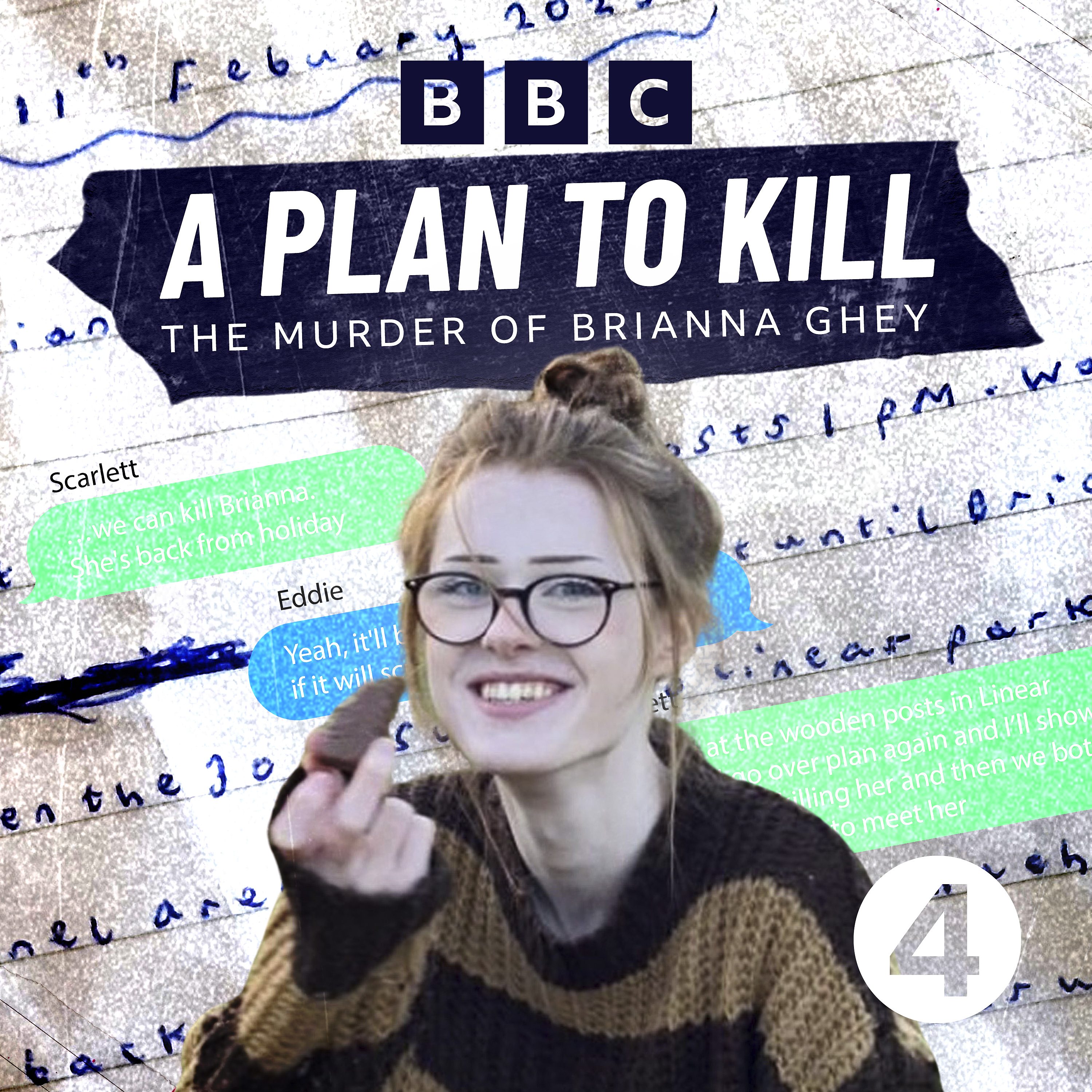
A Plan to Kill - The Murder of Brianna Ghey
Feb 2, 2024Tap to summarizeFile on 4 tells the story behind the brutal killing of schoolgirl Brianna Ghey. She was attacked in a park near Warrington in Cheshire on a Saturday afternoon in February 2023. Two teenagers - Scarlett Jenkinson and Eddie Ratcliffe - who were obsessed with murder and torture, have been convicted of her murder. In the build-up to the killing, they exchanged text messages outlining details of their plan. The girl even wrote a detailed plan of how they would go about the murder which was found by police in her bedroom. File on 4 has discovered how she had been part of a 'managed move' to Brianna's school after she poisoned a younger girl with a cannabis-infused 'gummy' and didn't tell her what was in it. The 13-year-old became very poorly and the police were alerted. The victim's family decided against further action and the matter was referred back to the school. Scarlett Jenkinson was suspended for five days and later transferred to Brianna's school where the two girls became friends. However, before accepting Jenkinson on their register, the school was not given all the details of the incident involving the cannabis sweet. Warrington Borough Council says a child safeguarding review is underway and it will examine all of the issues - including the circumstances surrounding the managed transfer. Reporter: Katie Barnfield Producer: Hayley Mortimer Technical Producer: Richard Hannaford Journalism Assistant: Tim Fernley Editor: Carl Johnston
Transcribe →The Murder of Brianna Ghey - A File On 4 special
Dec 20, 2023Tap to summarizeFile on 4 tells the story behind the brutal killing of 16-year-old transgender schoolgirl Brianna Ghey. She was attacked in a park near Warrington in Cheshire on a Saturday afternoon in February 2023. Two teenagers, who were obsessed with murder and torture, have been convicted of her murder. In the build-up to the killing, they'd exchanged text messages outlining a details of their plan. Reporter Katie Barnfield speaks to Brianna’s mother and the detective involved in bringing her killers to justice.Reporter: Katie Barnfield Producer: Hayley Mortimer Technical Producer: Richard Hannaford Journalism Assistant: Tim Fernley Editor: Carl Johnston
Transcribe →