Podcast
Focus on Africa
Hosted by BBC World Service · EN
Two essential stories to round off your working day. Explaining the news from Africa. Hosted by Nkechi Ogbonna.
121episodes
Episodes
Newest firstAll episodes
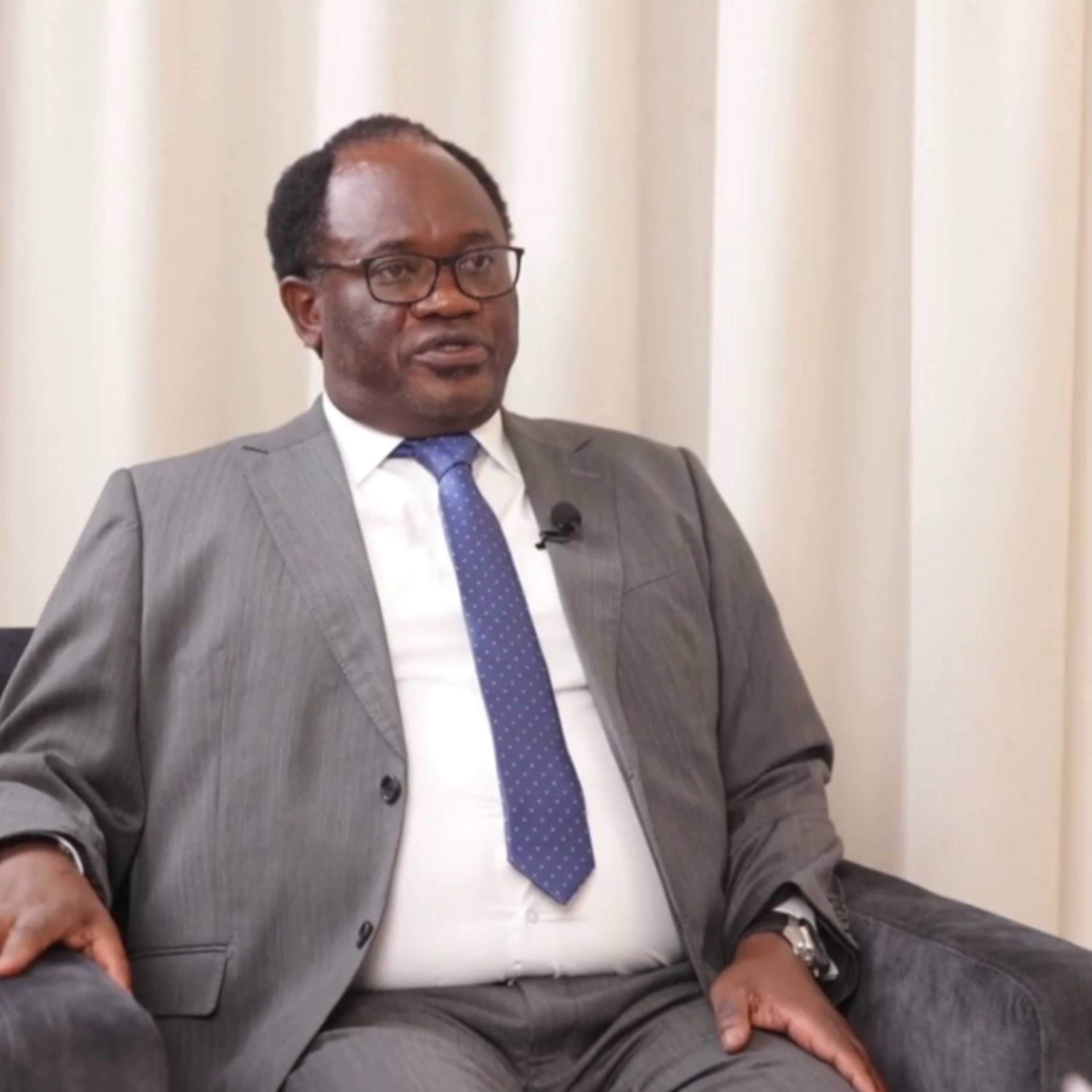
Exclusive interview with Zambia's Brian Mundubile
3d ago00:22:59Tap to summarizeZambia voters will head to the polls on the 13th of August in what is shaping up to be one of the country's most closely watched elections. Incumbent President Hakainde Hichilema is seeking a second term but faces a strong challenge from a united opposition. While several candidates are contesting the election, the race is widely seen as being between President Hichilema and Brian Mundubile, a lawyer, Member of Parliament, and the presidential candidate backed by an opposition alliance. We speak to opposition candidate Brian MundubileAnd young girls in northwestern Nigeria are defying insecurity challenges to pick interest in Cricket. Nigeria Cricket Federation has been honoured with the international Cricket Council (ICC) Criiio Cricket Festival of the Year award for a programme introducing girls to cricket in a region affected by kidnapping, and armed banditry Presenter: Nkechi OgbonnaProducers: Blessing AderogbaSenior Producers: Keikantse ShumbaTechnical Producer: Herbert MasuaEditors: Rhoda Odhiambo and Maryam Abdalla
Transcribe →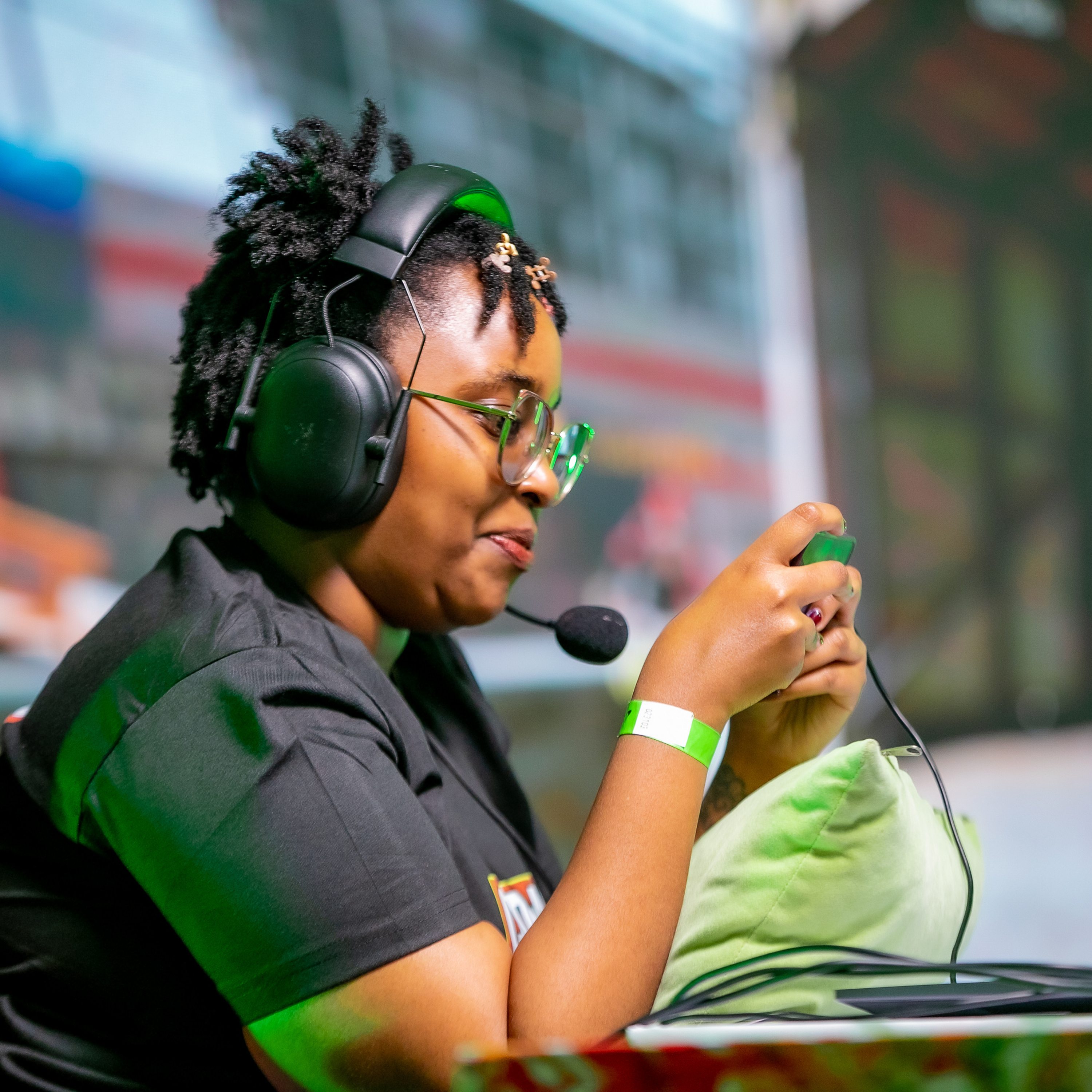
African women turning gaming into a living
6d ago00:22:59Tap to summarizeAfrica's video gaming industry is booming. The sector generated more than $1 billion in revenue in 2024, with mobile gaming making up around 90% of the market, according to KPMG. Although the industry has long been dominated by men, more women are entering the space, building careers as content creators, professional gamers and esports competitors. But breaking into the industry isn't always easy. Many female gamers continue to face abuse and harassment online. So what is it like to be a woman in Africa's gaming community? And why are more young Africans choosing gaming as a full-time career?Focus on Africa's Nkechi Ogbonna speaks to 30-year-old Techna from South Africa, who left her job to become a full-time gamer, and 25-year-old Saphra from Kenya about the opportunities, challenges and future of gaming on the continent.Presenter: Nkechi Ogbonna Producers: Fana Negash, Carolyne Jotham, Bella Twine and Brian Khisa Senior Producers: Keikantse Shumba and Priya Sippy Technical Producer: Davis Mwasaru Editors: Rhoda Odhiambo and Maryam Abdalla
Transcribe →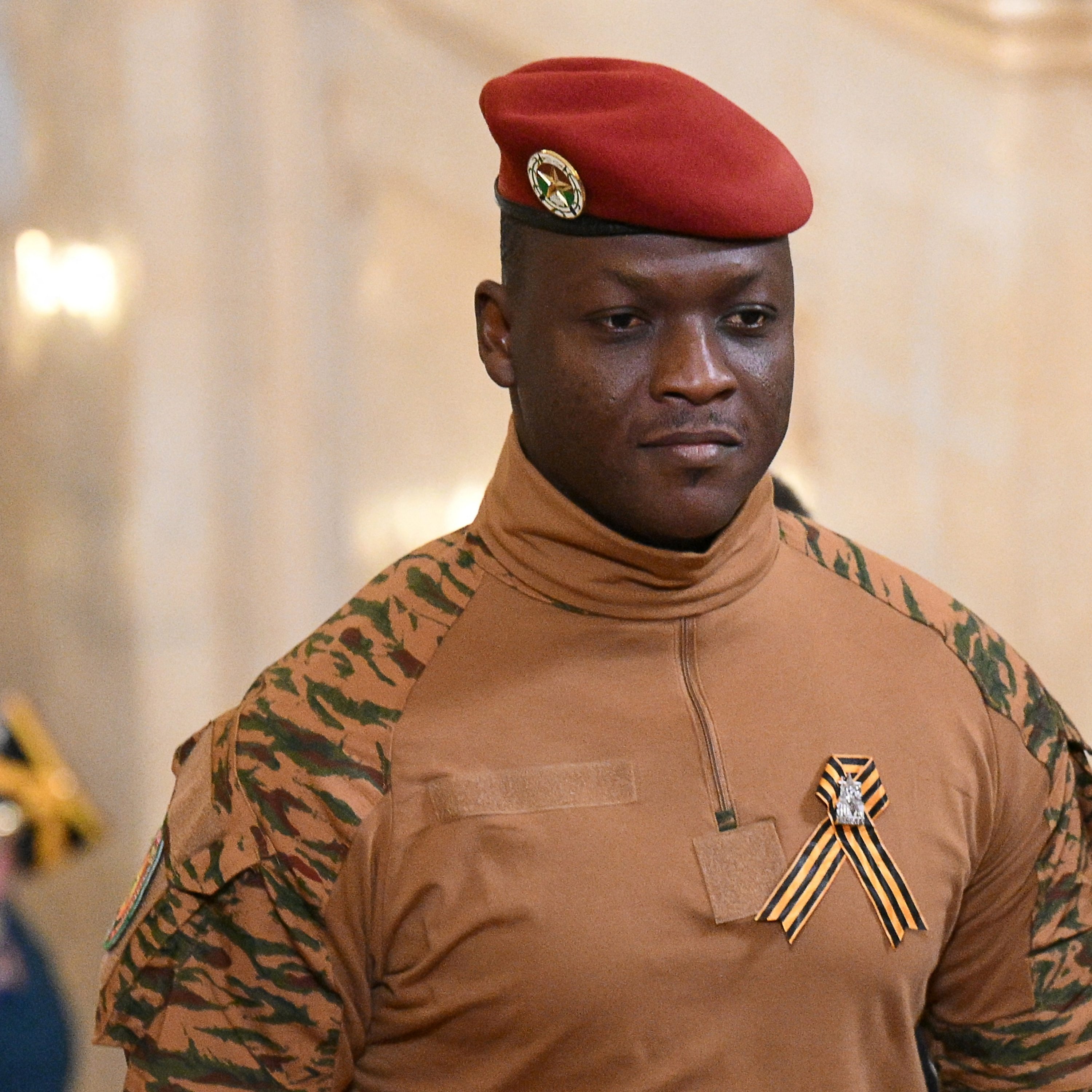
Burkina Faso's Traore on religious extremism
1w ago00:22:58Tap to summarizeIn Burkina Faso, the military-led government has launched a controversial campaign targeting what it describes as religious extremism. Transitional leader Captain Ibrahim Traoré, appears to be at odds with sections of the country's Muslim community after the arrests of some clerics and signing of a new law aimed at curbing radicalisation and extremist preaching. The government has announced plans to recall about 800 Burkinabè students studying Islamic law in Arab countries, while introducing a requirement for government approval before students can pursue similar studies abroad.And today marks International Day of Friendship by the United Nations, a day that recognises how friendships between individuals, communities and cultures can foster understanding, strengthen connections and even contribute to peace. We speak to two sets of old friends who have known each other for more than two decades. Presenter: Nkechi OgbonnaProducers: Bella Twine and Ayuba IliyaSenior Producers: Keikantse ShumbaTechnical Producer: Davis MwasaruEditors: Rhoda Odhiambo and Maryam Abdalla
Transcribe →
South Africa proposes strategic oil reserve expansion
1w ago00:22:58Tap to summarizeSouth Africa has announced plans to expand its strategic oil reserve for the first time since the apartheid era. this is in its response to the global supply shocks. The proposal aims to reserve approximately 36 million barrels, comprising 70% crude oil and 30% refined petroleum products, to meet 60 days of National demand. The proposal also requires licensed oil marketers to hold an additional 21 days of oil stock as a buffer. The government says this will mitigate oil supply shocks in cases of emergencies. And an exclusive chat with award winning Ugandan hip-hop artist and pioneer of the music genre Uga-flow, Navio, on East Africa's music scene and how he's stayed relevant, more than 20 years in the industryPresenter: Nkechi Ogbonna Producers: Bella Twine and Ayuba Iliya Senior Producers: Keikantse Shumba Technical Producer: Davis Mwasaru Editors: Rhoda Odhiambo and Maryam Abdalla
Transcribe →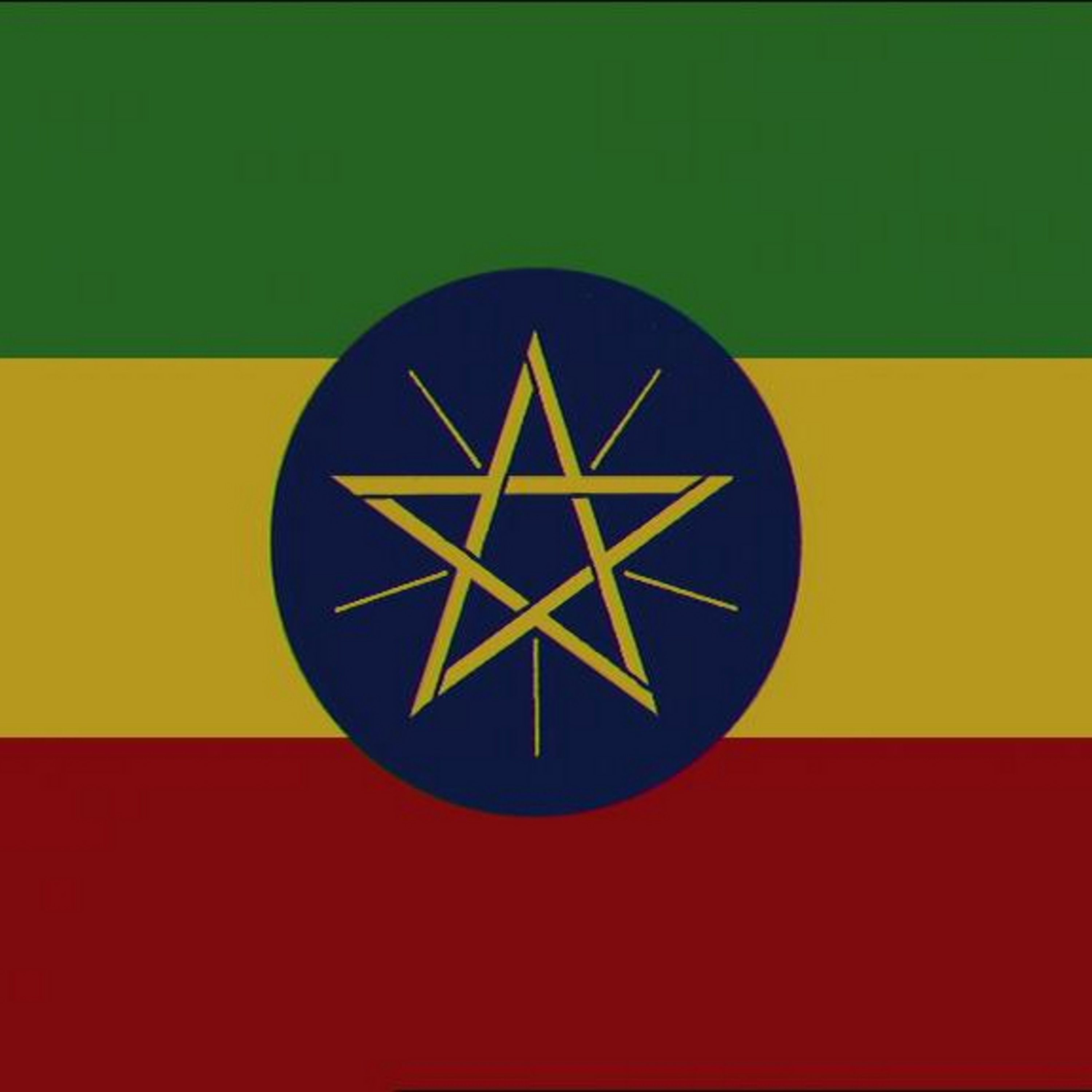
Ethiopians on death row in Saudi Arabia
1w ago00:22:58Tap to summarizeSaudi Arabia has executed five more Ethiopian migrants after convicting them of smuggling hashish, a concentrated form of cannabis. The Saudi Interior Ministry announced on Monday, July 27th. This latest execution brings the total number of Ethiopians put to death in the last three months to 17. The ministry emphasized that the executions were intended “to protect the security of the citizen and resident from the scourge of drugs, and to impose the most severe penalties prescribed by law on its smugglers and promoters.”And an exclusive interview with Zambia's Vice President Mutale Nalumango on her journey to high office and what her leadership means for women and young people, women in leadership and youth involvement in politics across AfricaPresenter: Nkechi Ogbonna Producers: Blessing Aderogba Senior Producers: Keikantse Shumba Technical Producer: David Nzau Editors: Rhoda Odhiambo and Maryam Abdalla
Transcribe →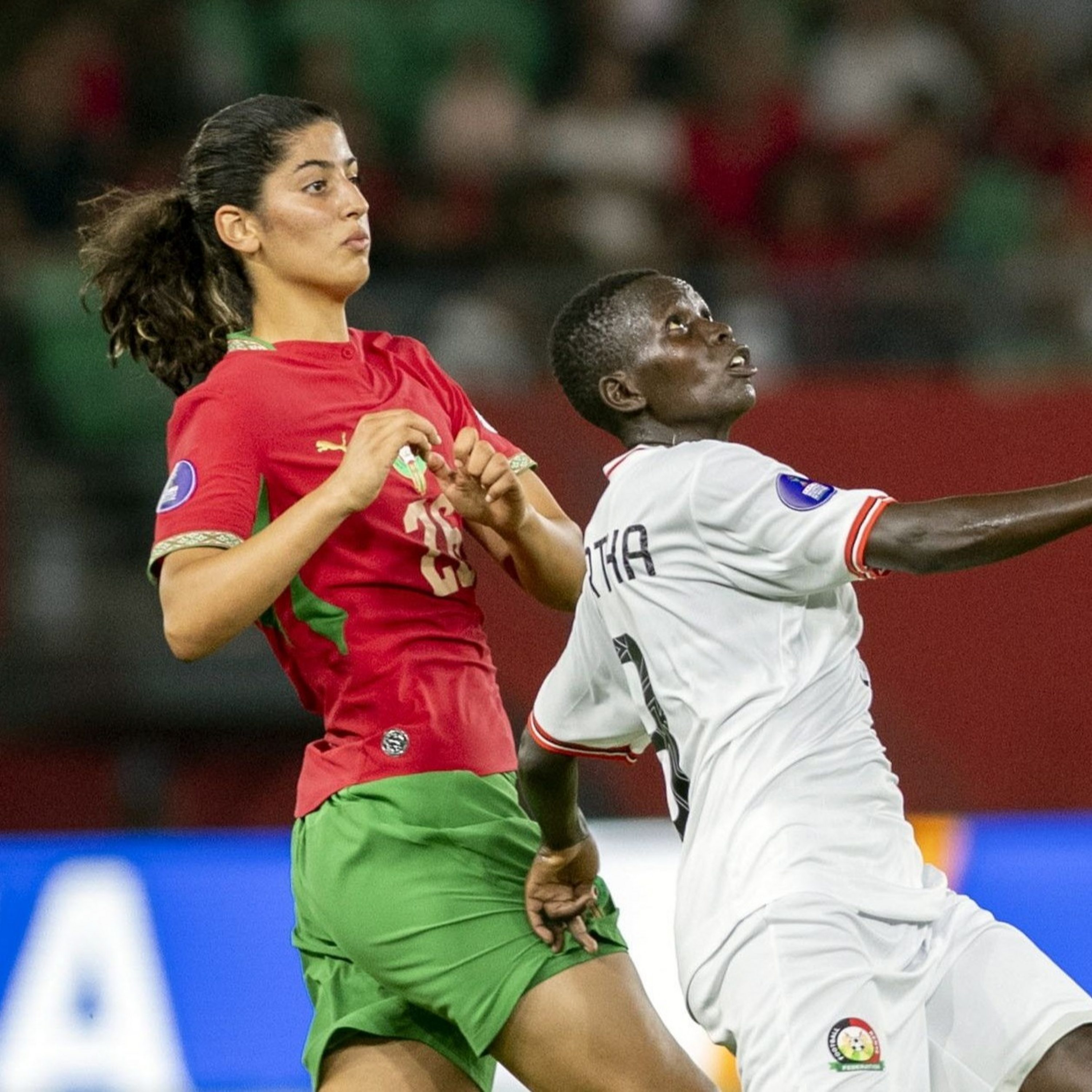
WAFCON officially kicks off in Morocco
1w ago00:22:59Tap to summarizeThe Women's African Cup of Nations (WAFCON) has kicked off in Morocco, with an expanded 16-team tournament bringing together the continent's best sides in the battle for the African title. The host country, Morocco has defeated Kenya , 4-0 (nil) in the opening match. Running till the 16th of August, the four semi-finalists will automatically qualify for next year's Women's World Cup, while the losing quarter-finalists will have another opportunity to reach the global stage through the inter-continental play-offs. This year, the stakes are higher than ever.Meanwhile, authorities in Liberia and Nigeria are investigating major cocaine and methamphetamine operations in one of West Africa's largest drug crackdowns in recent years.Presenter: Nkechi Ogbonna Producers: Bella Twine Senior Producers: Keikantse Shumba Technical Producer: David Nzau Editors: Rhoda Odhiambo and Maryam Abdalla
Transcribe →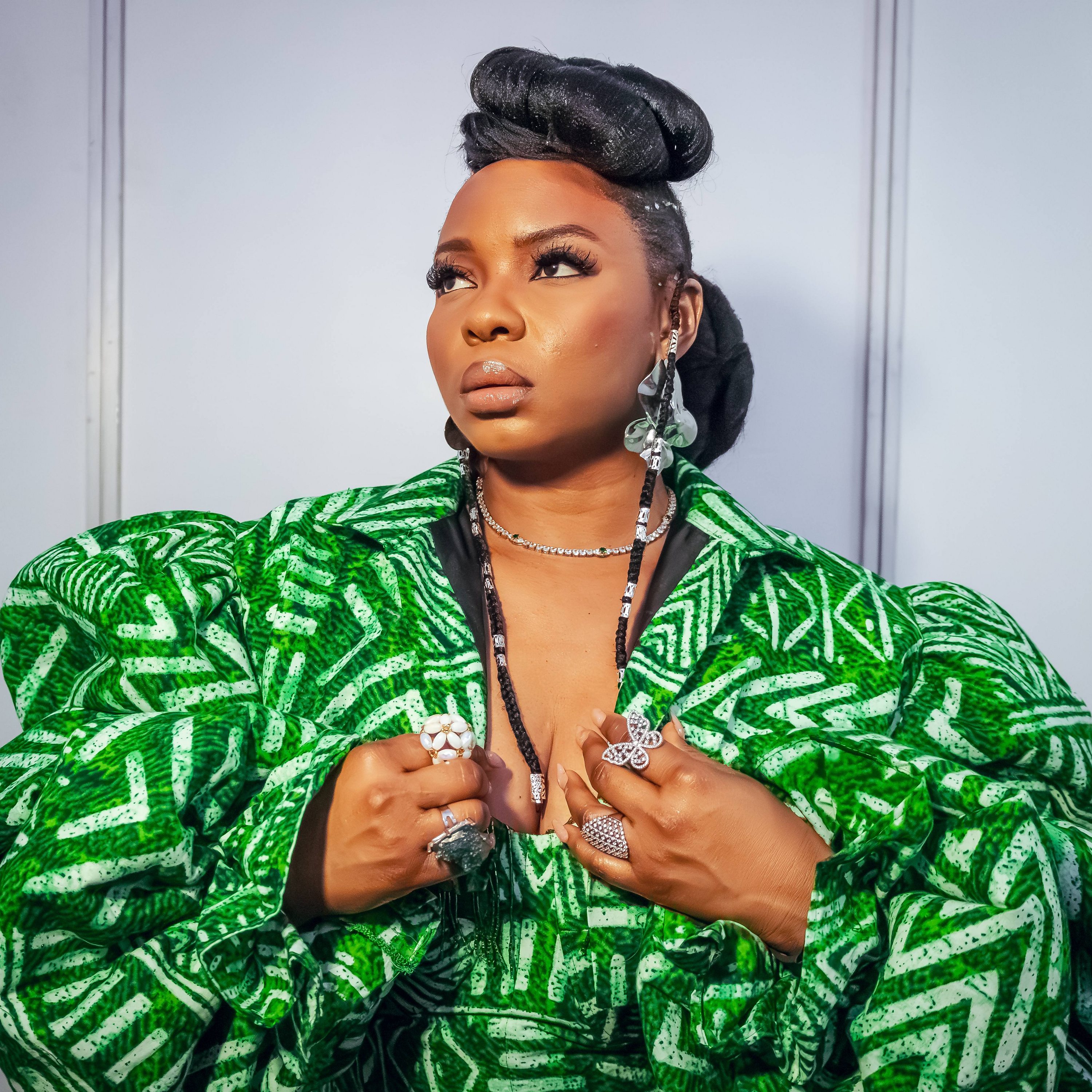
Yemi Alade: beyond the music
2w ago00:22:59Tap to summarizeGrammy-nominated Yemi Alade is one of Africa's biggest music stars and a trailblazer who has helped take Afrobeats to audiences around the world. She's collaborated with artists including Beyoncé and became the first female African Afrobeats artist to surpass 100 million views on a single music video. Now, she's touring the continent to promote her latest album. While in Kenya, she sat down with Focus on Africa host Nkechi Ogbonna to reflect on her longevity, the challenges women face in Africa's music industry, and what governments can do to better support artists.Presenter: Nkechi Ogbonna Producers: Keikantse Shumba, Fana Negash and Carolyne Kiambo Senior Producers: Priyanka Sippy and Charles Gitonga Technical Producer: Herbert Masua Editors: Rhoda Odhiambo and Maryam Abdalla
Transcribe →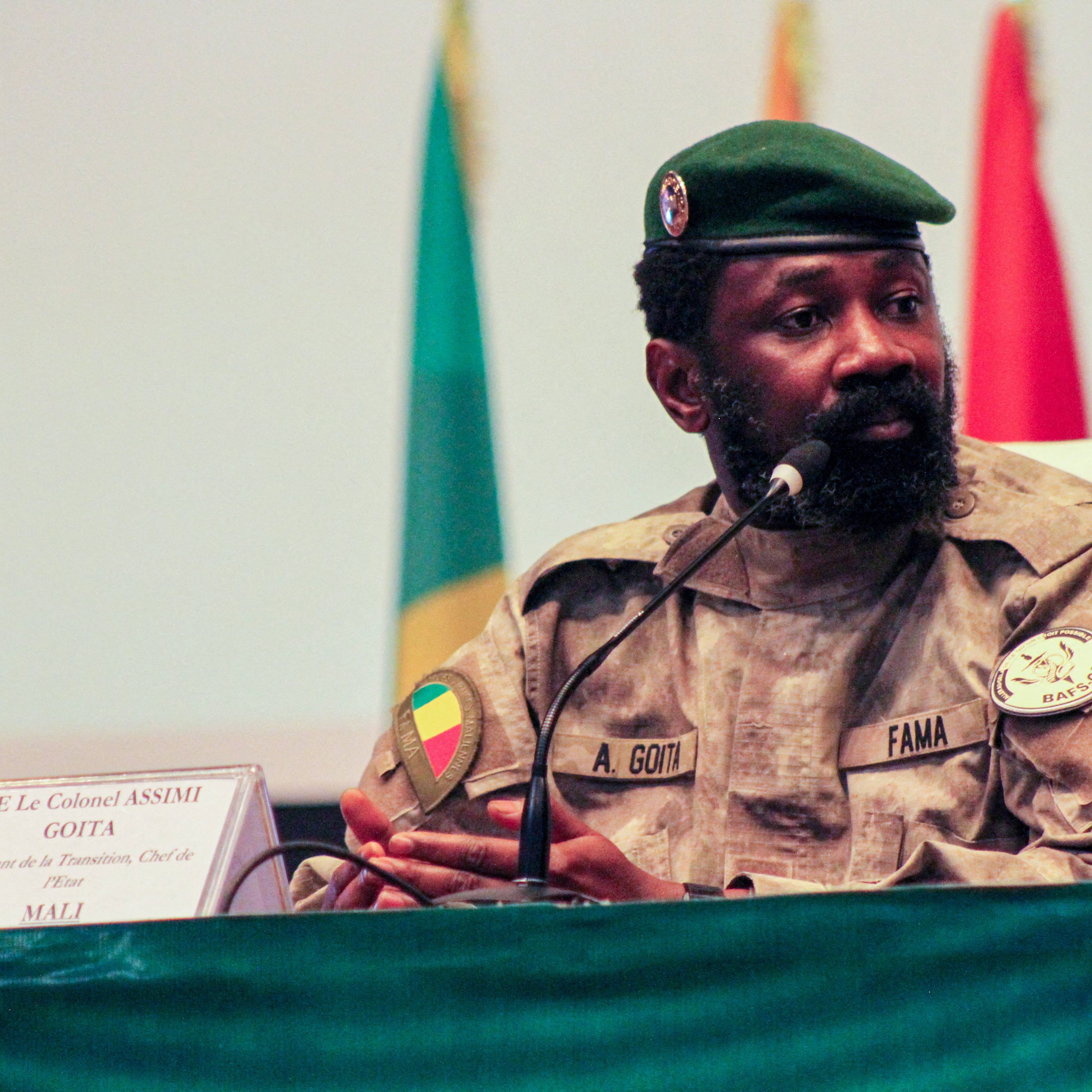
Mali insecurity escalates amid jihadist attacks
2w ago00:22:59Tap to summarizeAt least 50 soldiers have been killed in the latest attack in Mali as insecurity mounts in the country. The ambush took place near the northern town of Anefis and is one of the deadliest to occur in years. The attack has been claimed by Tuareg separatists and Al-Qaeda linked jihadists. The ambush has raised several questions about Mali's military strategy and playbook after the country ended cooperation with western allies and deepened ties with Russia.And do you know about the historic Gnaoua genre of music from Morocco? This music is one of UNESCO's Intangible Cultural Heritage traditions. It developed in Morocco from the 16th and 17th centuries and is rooted in the history and spiritual practices of sub-Saharan African populations brought to the region via the trans-Saharan slave trade.Presenter: Nkechi Ogbonna Producers: Bella Twine and Blessing Aderogba Senior Producers: Caroline Mwangi and Charles Gitonga Technical Producer: Maxwell Onyango Editors: Rhoda Odhiambo and Maryam Abdalla
Transcribe →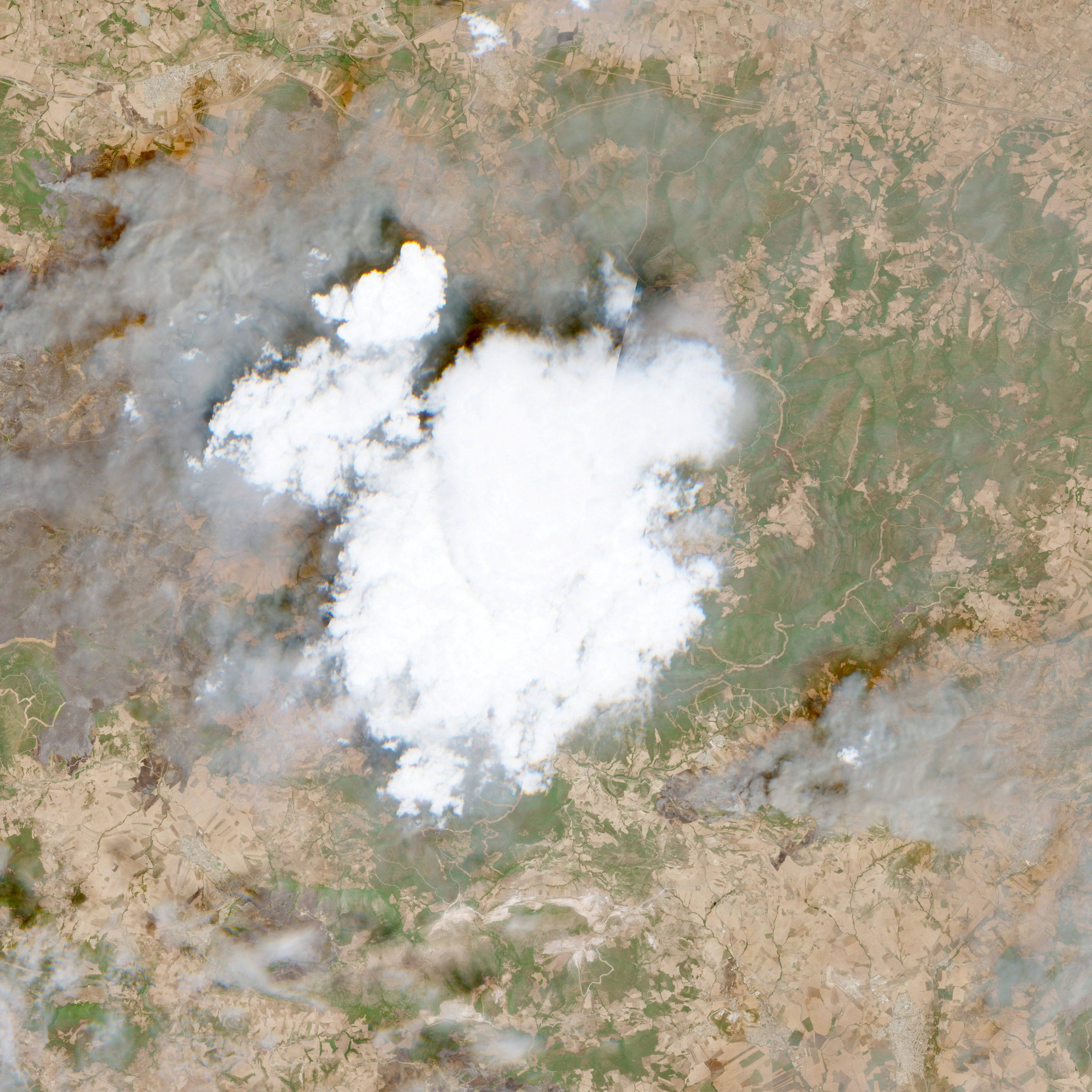
Deadly wildfires ravage Algeria
2w ago00:22:59Tap to summarizeThe Algerian government has said that six people have died in wildfires in several provinces in recent days, as a deadly heatwave ravages the country. Officials have also instructed provincial governors to carry out comprehensive assessments of the damage to help guide future compensation for affected communities. The fires come as several Mediterranean countries, including France and Italy, are struggling with severe wildfires driven by extreme summer temperatures. Since the beginning of July, civil defence teams have responded to nearly 1,500 wildfires nationwide, more than double the number reported during the previous year. Also, a new Google Trends report shows more Nigerian youth are using AI to learn foreign languages such as French and German, as well as sign language. Presenter: Nkechi Ogbonna Producers: Keikantse Shumba and Blessing Aderogba Senior Producers: Caroline Mwangi and Charles Gitonga Technical Producer: Maxwell Onyango Editors: Rhoda Odhiambo and Maryam Abdalla
Transcribe →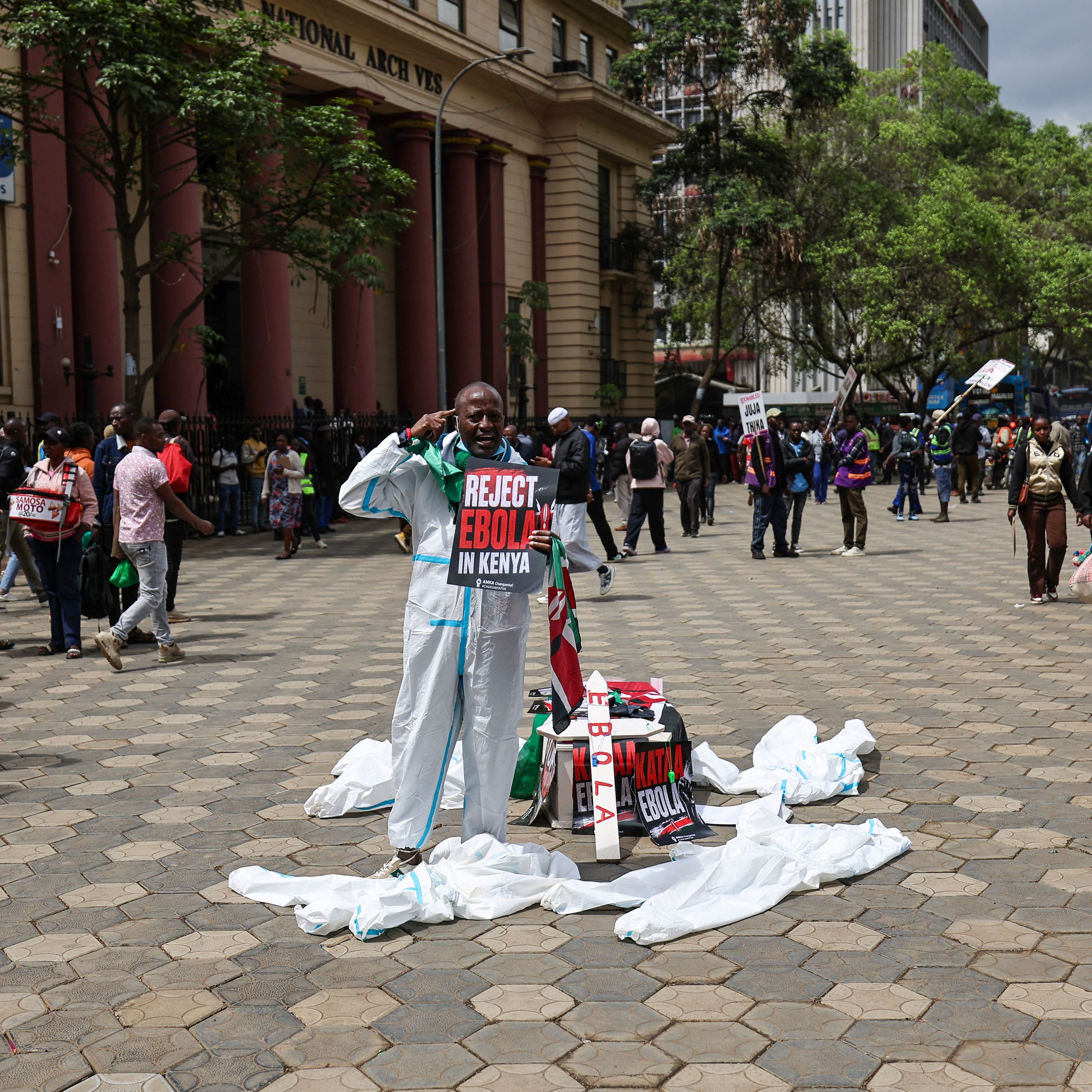
Ebola: Kenya denies hosting US aid workers
2w ago00:22:59Tap to summarizeKenyan authorities have denied reports that seven aid workers are quarantined in an Ebola facility in Central Kenya. Members of the public and civil society groups have raised concerns following reports that the aid workers who worked at Ebola health facilities in the Democratic Republic of Congo are quarantined at a US military base in the country. And, we shed the spotlight on foundational learning in Africa. According to UNICEF, four out of five children across Africa are unable to read or understand a simple sentence by the age of 10.Presenter: Nkechi Ogbonna Producers: Bella Twine, Keikantse Shumba, and Blessing Aderogba Senior Producers: Caroline Mwangi and Charles Gitonga Technical Producer: Maxwell Onyango Editors: Rhoda Odhiambo and Maryam Abdalla
Transcribe →