
Podcast
Focus on Africa
Hosted by BBC World Service · EN
Two essential stories to round off your working day. Explaining the news from Africa. Hosted by Nkechi Ogbonna.
123episodes
Episodes
Newest firstAll episodes
What next after South Africa anti-migrant protests?
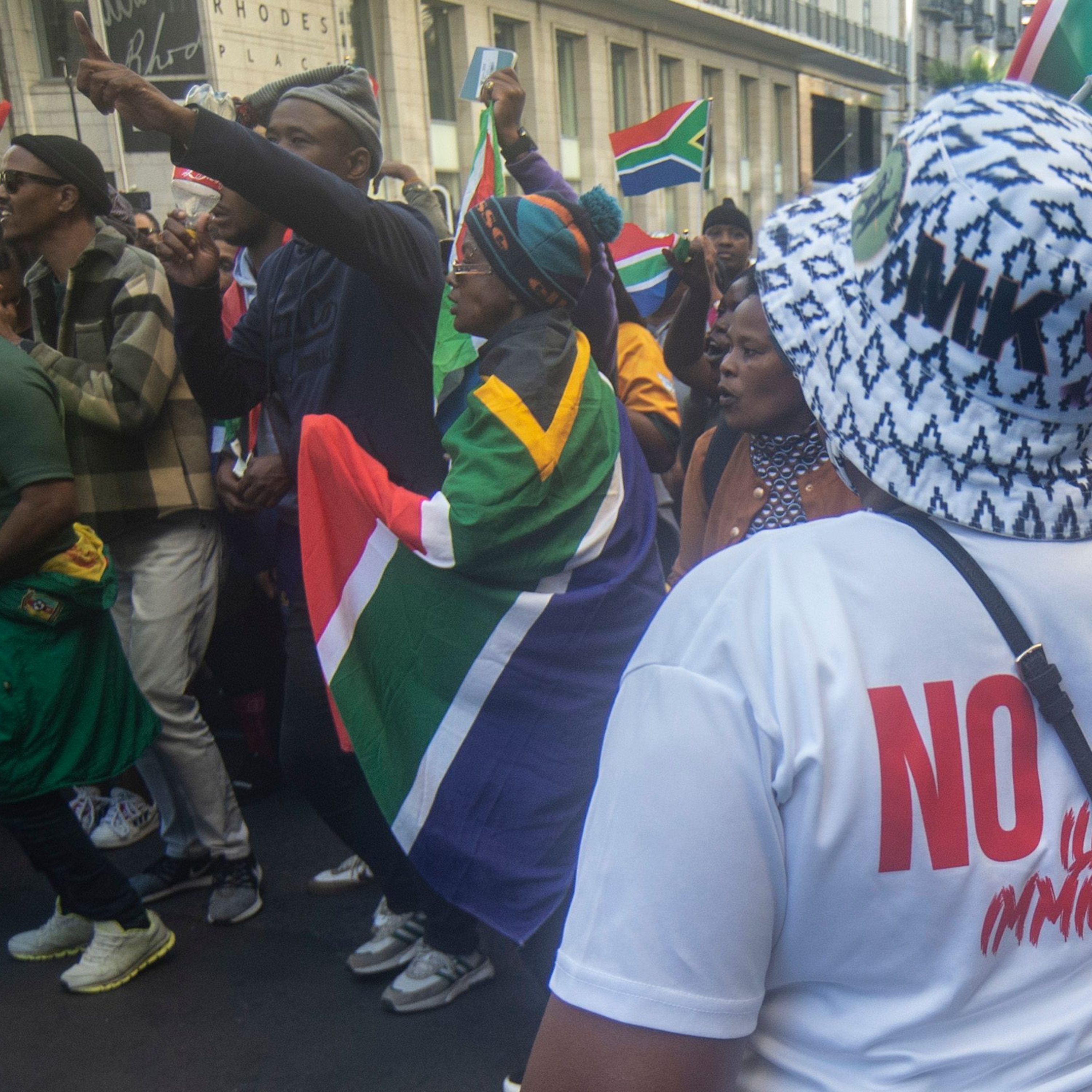
Jul 100:22:59Tap to summarizeSouth Africa on June 30 saw protests across different parts of the country. The demonstrators called for undocumented migrants to return to their home countries. While several African countries have repatriated their nationals from the country, many more are believed to still be residing in South Africa. We look at what's next for them and the country. And, in Tanzania, an indigenous tribe called the Hadzabe, one of Africa's oldest hunter-gatherer communities are preserving their knowledge using a CyberTracker app. Presenter: Nkechi Ogbonna Producers: Keikantse Shumba, Blessing Aderogba and Ayuba Iliya Senior Producer: Bella Twine Technical Producer: Maxwell Onyango Editors: Charles Gitonga and Maryam Abdalla
Transcribe →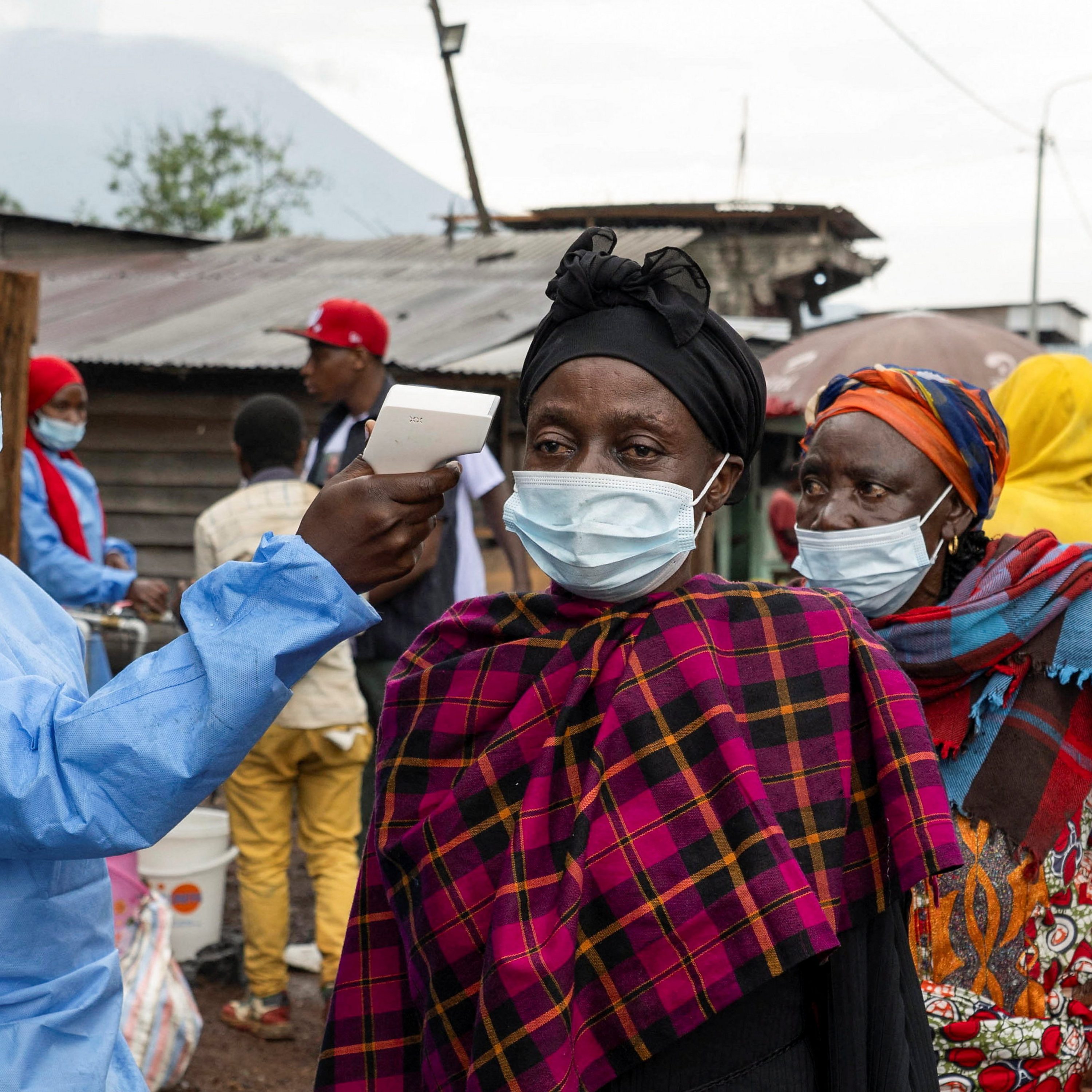
Tanzania strengthens border surveillance against Ebola
Jun 3000:22:58Tap to summarizeAs neighbouring Uganda and the Democratic Republic of Congo battle the Ebola outbreak, Tanzanian authorities say they're taking no chances. From screening travellers at border crossings to training frontline health workers, officials insist they're ready if the virus crosses into the country. But along the vast Lake Tanganyika shoreline, concerns remain over unofficial border crossings. And, at the 2026 World Cup, only eight of the 48 teams have squads made up entirely of home-born players. We explore how migration, identity and family ties are reshaping international football.Presenter: Nkechi Ogbonna Producers: Keikantse Shumba, Blessing Aderogba and Ayuba Iliya Senior Producer: Bella Twine Technical Producer: David Kinyanjui Editors: Charles Gitonga and Maryam Abdalla
Transcribe →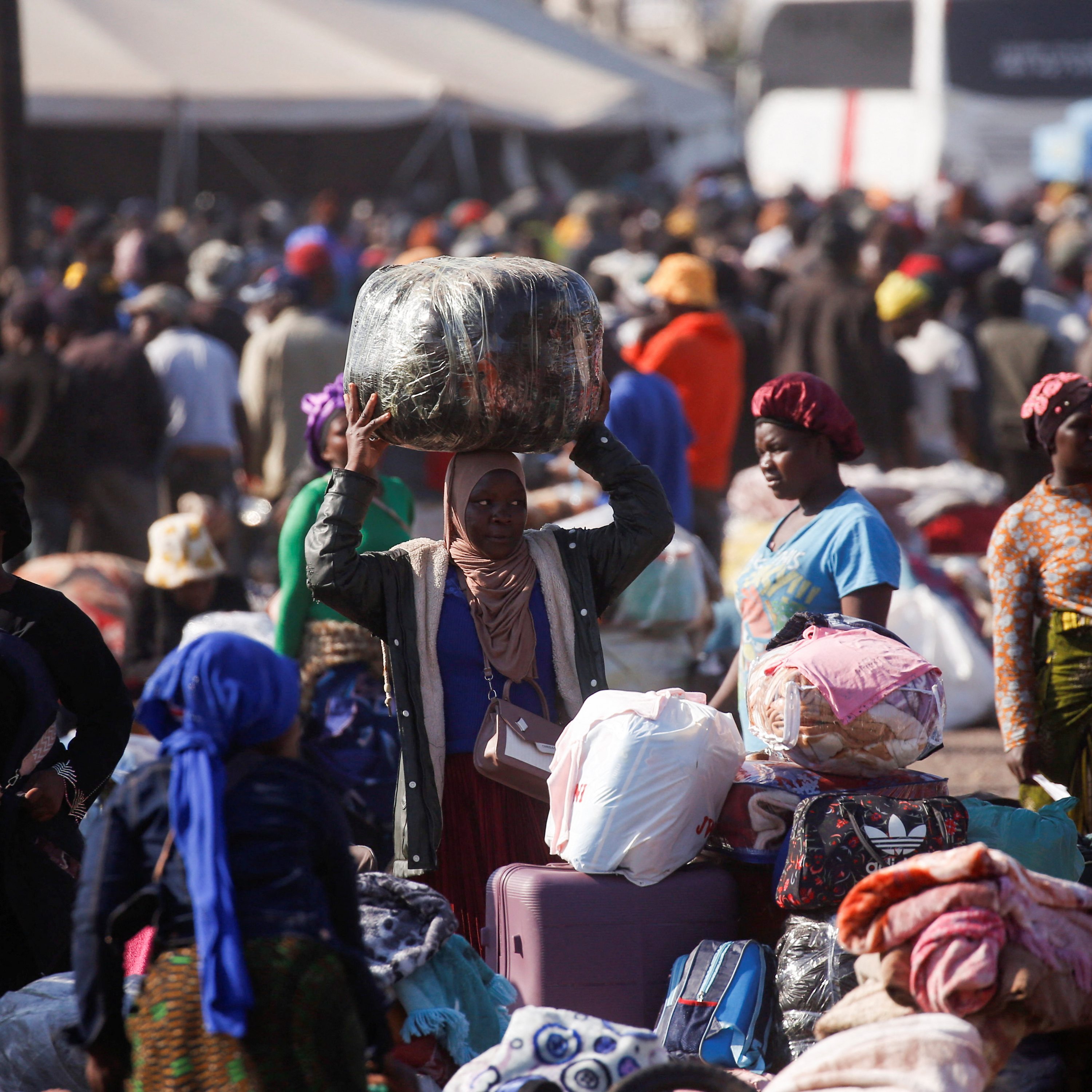
Inside the temporary immigrant camps in South Africa
Jun 2900:22:59Tap to summarizeTuesday, June 30, is the unofficial deadline set by anti-immigrant protestors for unregistered African nationals to leave South Africa. March and March movement, a group opposed to illegal migration, is expected to stage what they call “a national shutdown” following its demand for all undocumented foreigners to leave the country. Ahead of the nationwide protests, we hear from African nationals at a temporary camp in Durban waiting to be repatriated to their home countries. Also, Mali, Niger and Burkina Faso announce plans for a regional news agency. We look into what the move means for information control and accountability. Presenter: Nkechi Ogbonna Producers: Keikantse Shumba, Blessing Aderogba and Ayuba Illya Senior Producer: Bella Twine Technical Producer: David Kinyanjui Editors: Charles Gitonga and Maryam Abdalla
Transcribe →
Why are Kenyan Gen Z’s still protesting?
Jun 2600:22:58Tap to summarizeJune 25 marks a turning point in Kenya’s history. What started in 2024 as youth-led protests against the Finance Bill grew into nationwide demonstrations. Led largely by Gen Z, protesters demanded justice for the fallen, an end to corruption, and real economic change. More than 60 lives were lost in the historic anti-tax protests.In this episode we sit down with BBC reporters Akisa Wandera and Thomas Mukhwana. They break down why this leaderless youth movement refuses to back down and what this means for the future of Kenya.Presenter: Nkechi Ogbonna Producers: Fana Negash, Bella Twine, and Daniel Dadzie Senior Producers: Keikantse Shumba, Rhoda Odhiambo, and Carolyne Jotham Technical Producer: Herbert Masua Editors: Charles Gitonga and Maryam Abdalla
Transcribe →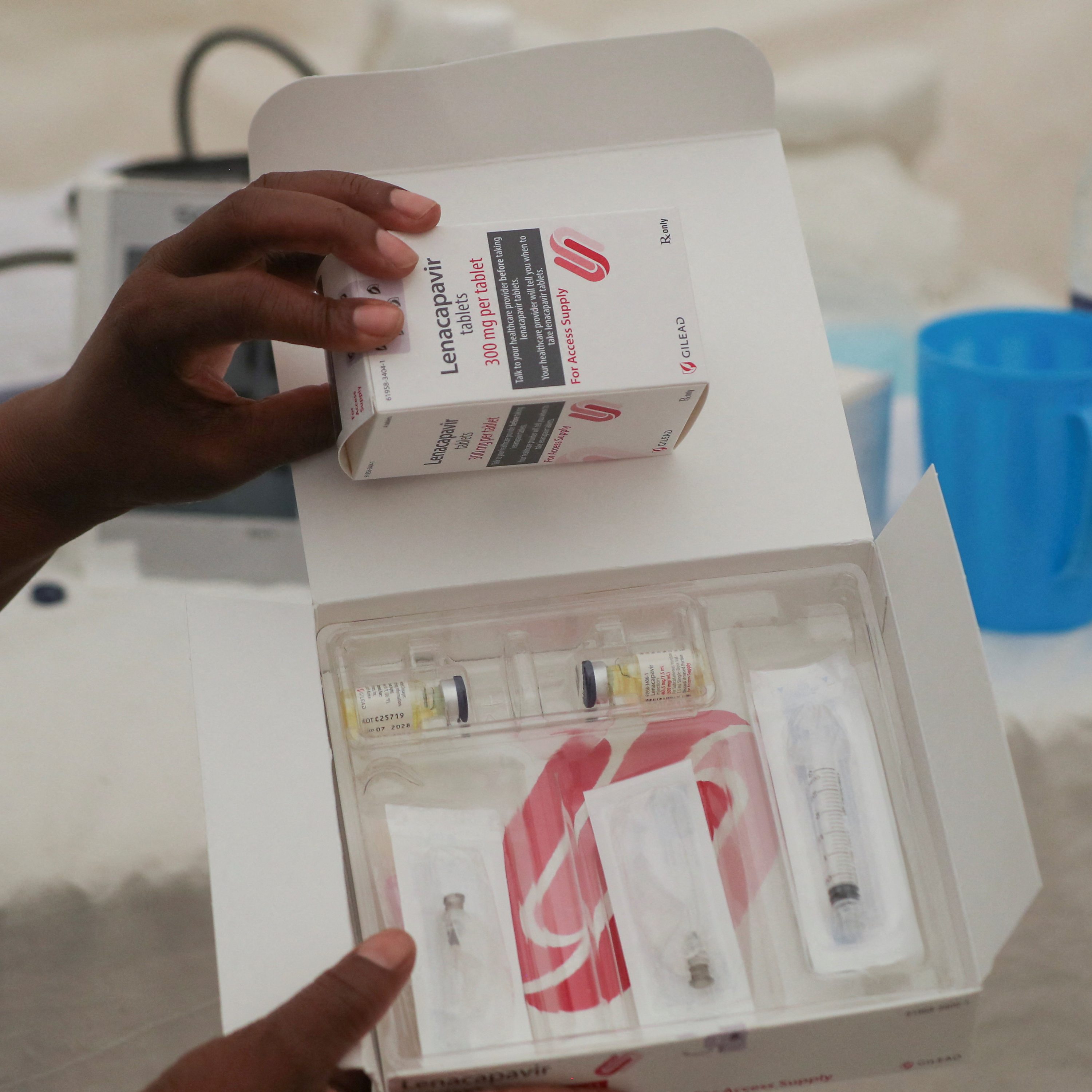
Lenacapavir offering new hope for HIV prevention?
Jun 2500:22:59Tap to summarizeThe United Nations has warned that nearly three million children could contract HIV by 2040, with more than half at risk of dying from AIDS-related illnesses if prevention and treatment efforts are not significantly expanded. The agency says the overwhelming majority of these infections are expected to occur in sub-Saharan Africa, where young people remain disproportionately affected by the epidemic. Amid these concerns, a major scientific breakthrough is offering new hope. Lenacapavir, a long-acting HIV prevention injection administered just twice a year, is being hailed as a potential game-changer, particularly for young people and others who struggle to adhere to daily prevention pills. In United States, Minnesota , the fentanyl epidemic continues to devastate families and communities, with overdose deaths leaving a lasting toll.Presenter: Nkechi Ogbonna Producers: Blessing Aderogba Technical Producer: Herbert Masua Senior Producer: Keikantse Shumba Editors: Charles Gitonga and Maryam Abdalla
Transcribe →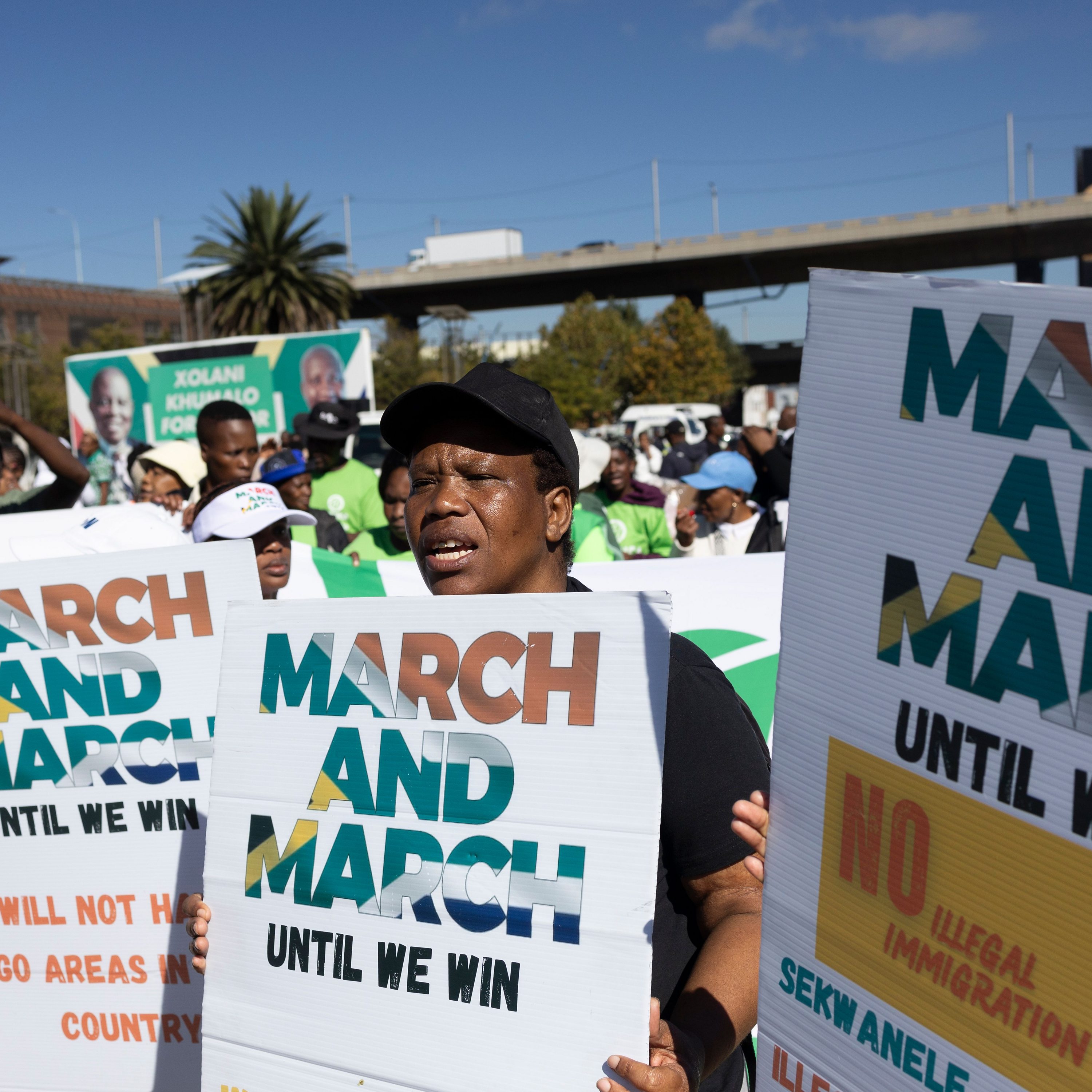
Deadline looms for migrants to leave South Africa
Jun 2400:22:59Tap to summarizePolice in South Africa have assured the safety of migrants and local businesses as civic organisations including the March and March anti-migrant group intensify calls for foreigners to leave. This precedes heightened tensions towards a June 30 deadline declared by the groups for migrants to leave the country. Meanwhile in Kuwait, the fate of domestic workers mainly from some African countries remains unknown as authorities introduce new labour laws preventing the recruitment of domestic staff from over twenty countries including Kenya, Uganda and the Democratic Republic of Congo.Presenter: Nkechi Ogbonna Producers: Ayuba Iliya Technical Producer: Herbert Masua Senior Producer: Keikantse Shumba Editors: Charles Gitonga and Maryam Abdalla
Transcribe →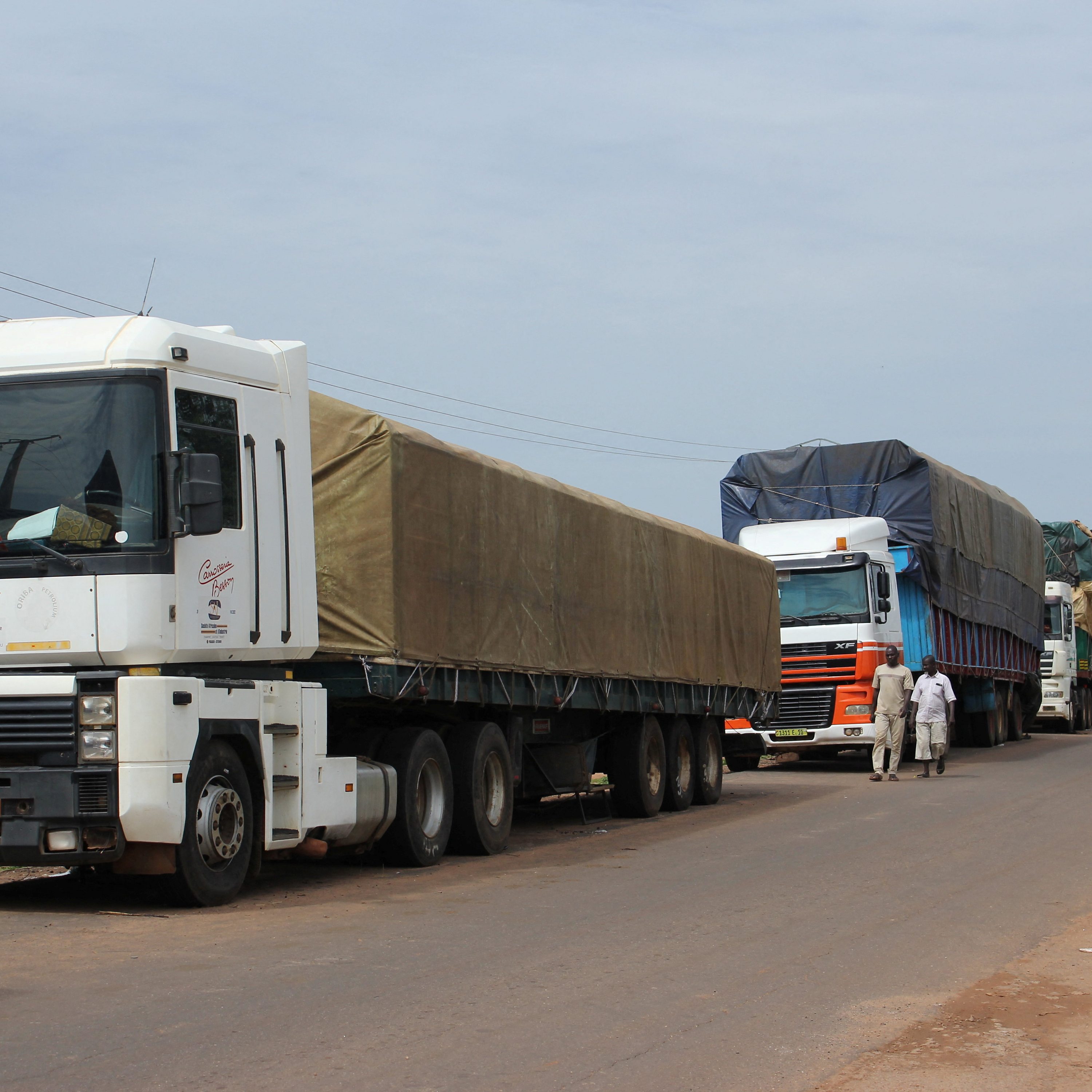
Benin and Niger push toward border reopening
Jun 2300:22:59Tap to summarizeNiger has set strict conditions for reopening its border with Benin closed since the July 2023 military takeover. Among them are a new defence agreement, greater transparency over foreign military activities near the border, and the creation of a joint intelligence unit. The conditions were outlined during talks in Cotonou, Benin's commercial capital between a Niger delegation led by Maj Gen Mohamed Toumba, a member of the ruling military junta, and Beninese officials.In The Gambia, the country is grappling with rising temperatures, coastal erosion, erratic rainfall, and growing pressure on communities that depend on agriculture and fisheries all due to climate changePresenter: Nkechi Ogbonna Producers: Ayuba Iliya and Blessing Aderogba Technical Producer: Herbert Masua Senior Producer: Keikantse Shumba Editors: Charles Gitonga and Maryam Abdalla
Transcribe →
What UK PM's resignation means for Africans
Jun 2200:22:59Tap to summarizeThe UK's Keir Starmer has resigned as Prime Minister and Labour leader after weeks of mounting pressure over political missteps, a slowing economy and falling support for the governing party. We examine what his departure could mean for UK-Africa relations and the estimated three million Africans living in Britain.And, nearly 118 million people worldwide are forcibly displaced, and refugees in parts of Africa spend an average of 16 years in exile. We explore what's behind these prolonged displacements and hear one former refugee's remarkable journey.Presenter: Nkechi Ogbonna Producers: Victor Chege, Priya Sippy and Blessing Aderogba Technical Producer: Herbert Masua Senior Producer: Keikantse Shumba Editors: Charles Gitonga and Maryam Abdalla
Transcribe →
Why I froze my eggs
Jun 1900:22:59Tap to summarizeShe had set herself a deadline: if she reached 30 without finding a partner, she would freeze her eggs. Her name is Amarachi Amusi, a Nigerian influencer and entrepreneur. She is among a growing number of women across Africa turning to the lengthy and costly procedure of egg freezing as a way of preserving their chances of motherhood while they wait to find a life partner.Presenter: Nkechi Ogbonna Producers: Fana Negash and Carolyne Wanjiru Jotham Technical Producer: Davis Mwasaru Senior Producer: Basma El Atti Editors: Charles Gitonga and Maryam Abdalla
Transcribe →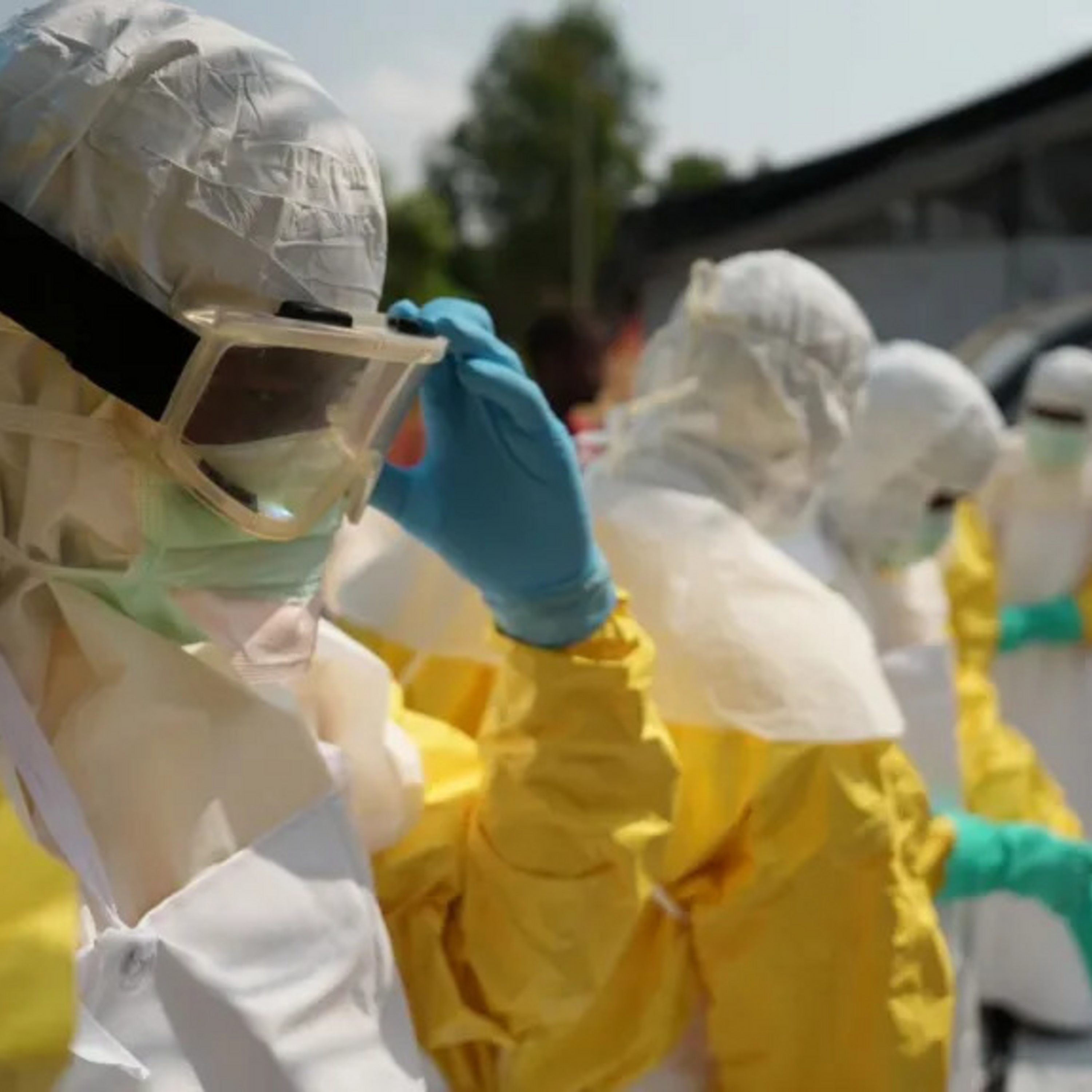
DRC Ebola: stories from the frontline
Jun 1800:22:59Tap to summarizeIn eastern Democratic Republic of Congo, where the Ebola outbreak continues to challenge communities, there is still reason for hope. Despite fear, violence and mistrust, many patients are surviving and recovering from the disease. In areas where treatment centres have been attacked and health workers threatened, every recovery offers a much-needed boost to families and communities struggling with the outbreak. We hear from the BBC’s Anne Soy who travelled to the DRC and has been following response teams in hotspots including Bunia, Rwampara and Mongbwalu. Also, we explain how Uganda's cryptocurrency ban has created an illegal network of digital transactions. Presenter: Nkechi Ogbonna Producers: Godwin Asediba and Bella Twine Technical Producer: Davis Mwasaru Senior Producer: Keikantse Shumba Editors: Charles Gitonga and Maryam Abdalla
Transcribe →