
Podcast
Focus on Flowers
Hosted by Indiana Public Media · EN
Focus on Flowers is a weekly podcast and public radio program about flower gardening hosted by master gardener Moya Andews.
32episodes
Episodes
Newest firstAll episodes
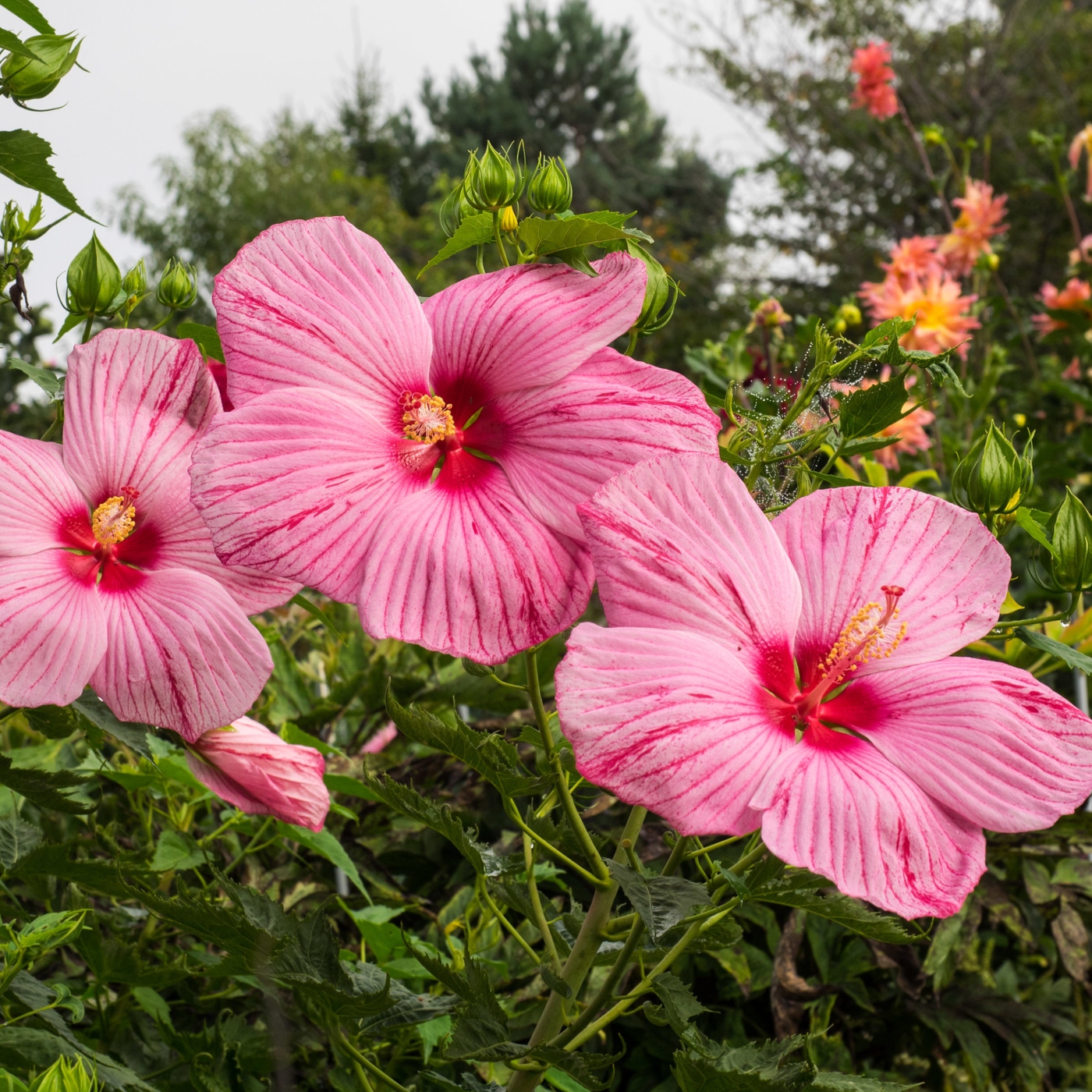
Big & Showy Hibiscus
1w ago00:02:00Tap to summarizeThere are over 200 species of hibiscus, and they are beloved because of their big showy flowers and green, clean-looking foliage. They fall into three different major categories: tropical, perennial and hardy. The tropical hibiscus is native to Hawaii and comes in beautiful colors, and we often see them in photos tucked behind the ear of a beautiful model. The perennial varieties go dormant in winter and come back the following spring, but they often do not survive cold snaps.Hardy hibiscus come just in three colors—white, pink and maroon—and can be grown from seeds. Their blooms are large and showy and grow on small shrubs about 3-4 feet tall. A popular one in Midwest gardens is 'Blue Bird' and it is as lovely as its name. Rose of Sharon shrubs that grow up to 15 feet tall are old-fashioned members of the Hibiscus family, too, and they reliably bloom in late summer/early fall, year after year, in purple, white, and violet shades. While the older varieties self-seed everywhere, modern ones do not. So, try 'Cherry Cheesecake' with pink flowers with maroon centers, which grows 4-5 feet in full sun and also part shade. But before you buy any hibiscus, check to be sure it is hardy in your zone.
Transcribe →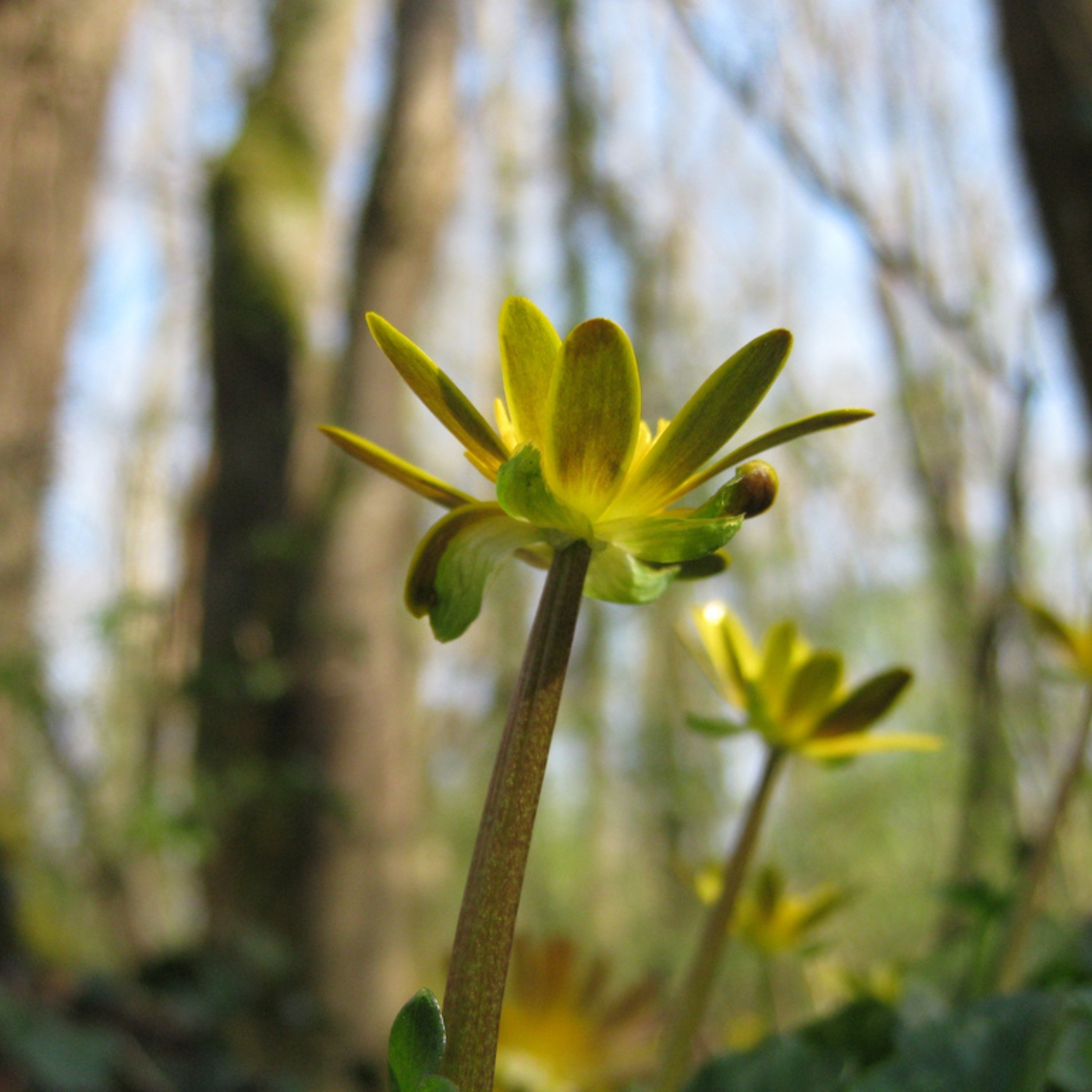
Woodland Poppy
2w ago00:02:00Tap to summarizeStylophorum diphyllum is our native celandine poppy that grows well in dappled shade in woodland conditions. It has cheerful yellow flowers and hairy seed pods. There are also two other woodland poppies that are native to China. All three species prefer moist soil and self-sow. They bloom in spring and intermittently into summer. Wordsworth even wrote a poem about this unassuming charmer:"Long as there’s a sun that sets,Primroses will have their glory;Long as there are violets,They will have a place in story:There’s a flower that shall be mine‘Tis the little celandine. Comfort have thou of thy merit,Kindly, unassuming spirit!Careless of thy neighborhood,Thou dost show thy pleasant faceOn the moor, and in the wood,And in the lane; there’s not a placeHowever mean it be,But ‘tis good enough for thee." Wordsworth obviously was as impressed with this versatile plant as we still are today. It is wonderful in shade gardens with companions such as forget-me-not, pulmonaria, ferns, bleeding heart, Virginia bluebells and other wild flowers.
Transcribe →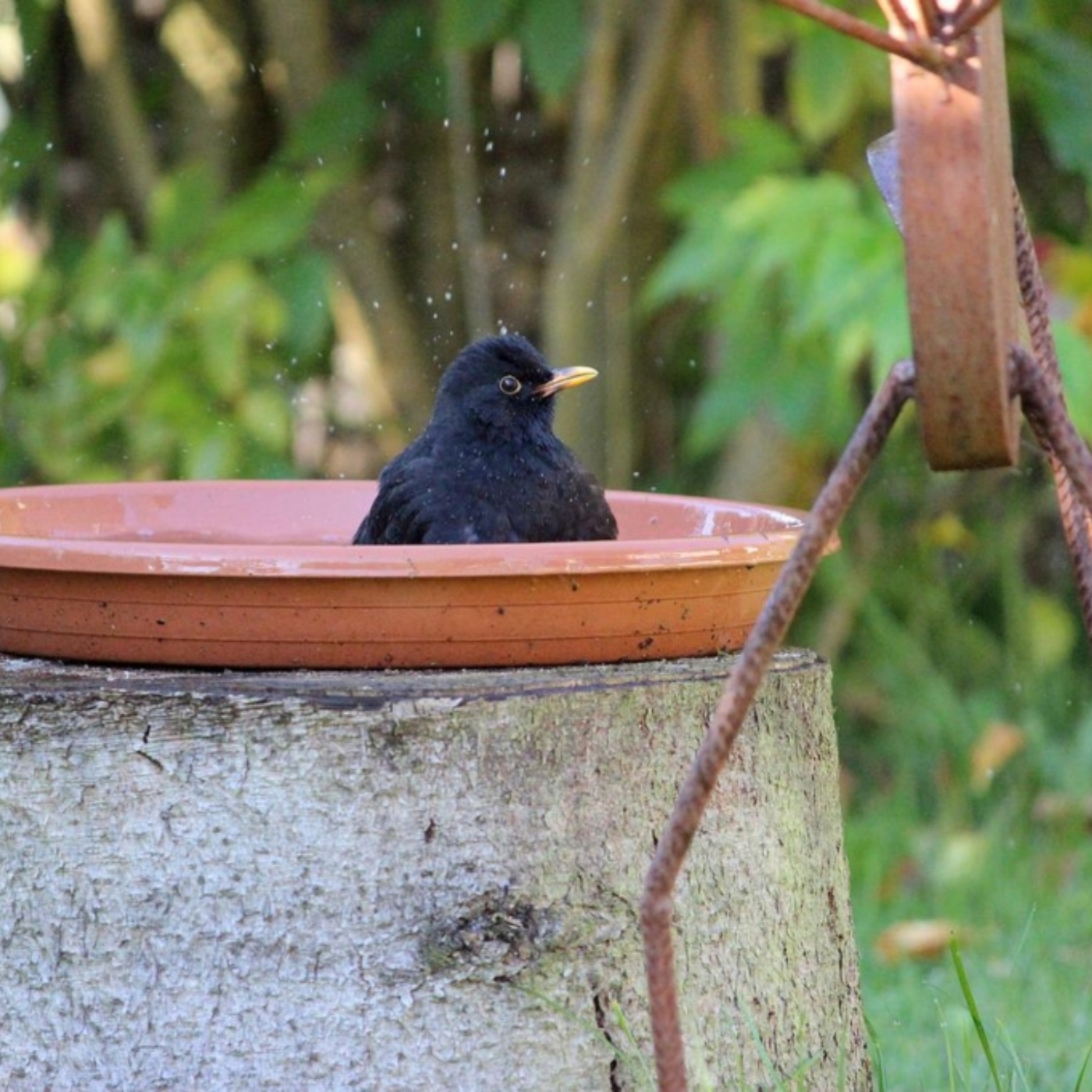
Nurture the Birds
3w ago00:02:00Tap to summarizeIf you welcome birds into your garden you probably know that during the summer, water sources are very important to them. Place your birdbaths in the shade and clean them regularly to keep the water fresh. Have a few birdbaths in different parts of your yard, maybe one where you can see it through a window. Some types of birds prefer ground level water sources also, so even a plant pot saucer can serve during hot days. You don't need feeders during the summer, but water is crucial in times of drought. Also, some debris in a yard gives birds places to search for insects and grubs. Grow shrubs that produce seeds and fruit that will appeal to your feathered friends and plant a variety of natives that the birds enjoy during different times. For example, native viburnums such as those that attract birds as well as pollinators. They are host plants for the larvae of spring azure butterflies and hummingbird clearwing moths. The Serviceberry arborea has flowers to attract insects and small fruits late spring early summer that are eagerly consumed by cedar waxwings, bluebirds, and catbirds. They also have fall color, attract butterflies, and are deer resistant.
Transcribe →Cannas
Jul 900:02:00Tap to summarizeCanna comes from the Greek word spelled "kanna," which means "reed," though the canna plant does not have narrow reed-like leaves. There are about 10 species in the genus, which has showy flowering plants that grow from tender rhizomes that can only be left in the ground over winter in zones 7-10. In other zones they must be dug and stored over the winter. Canna plants enjoy moist but well-drained soils in full sun. Plant the rhizomes 4-6 inches deep and space them 18-24 inches apart for best results. They can also be grown in large pots and stored in the pots in areas where the winter temperatures remain above 40F degrees. If dug for storage, do this after the first frost and store the rhizomes in vermiculite. The rhizomes can then be divided and replanted in the spring. If they shrivel during winter storage, spray lightly with water occasionally. Plants can be grouped and used to provide height and dramatic effect, in beds and borders, or used to conceal a fence or shed. When bloom is finished, cut the flower stalk right down. If you grow and enjoy these bold, showy plants, you will soon have a lot, as the rhizomes increase quickly. The original bright reds, yellows, and oranges, as well as the newer shades, pack quite a punch in the garden in high summer.
Transcribe →Oenothera
Jul 200:02:00Tap to summarizeThe common evening primrose is native to Virginia and was sent to England in the early 1600s, feeling quite at home there and has naturalized in several parts of Britain. The Missouri primrose was identified first in 1811. The evening primrose has both roots and leaves that are edible. The roots are sometimes eaten in France and some herbalists believed that the plant can be used medicinally for asthma and whooping cough. The botanical name for evening primrose, Oenothera, is from the Greek, which is interesting since all members of this plant family are natives of the New World. Oenothera fruticosa is hardy zones 3-8 and blooms in late spring, and its common name is sundrops. The nectar attracts butterflies and hummingbirds, and it grows 12-24 inches high. The pink evening primrose is Oenothera speciosa, and the flowers open in the evening and close in the morning. The white form is called 'Alba'. The Missouri evening primrose 'Missouriensis' has lemon yellow flowers on low red stems. It blooms from May through August and enjoys a dry soil. Divide these plants in spring or fall. Sometimes these primroses are aggressive growers, especially the pink ones, but they also often die out after a while. They are popular pass-a-long plants and easy to grow and are fun.
Transcribe →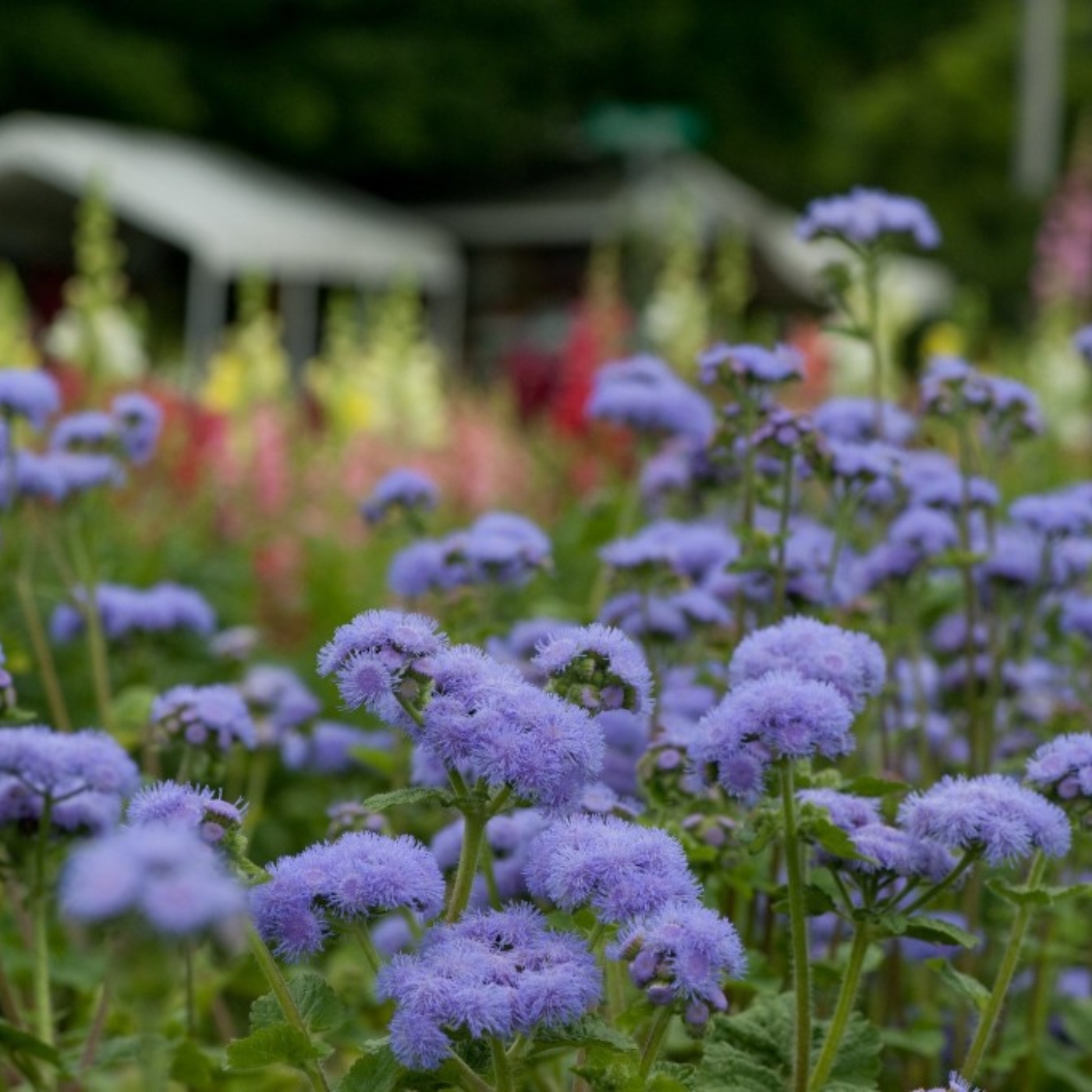
Billy Goat Weed
Jun 2500:02:00Tap to summarizeMany of us are familiar with ageratum, the low-growing annual with fuzzy flowers that are blue/lavender color. It is a member of the Ageratum genus that includes 43 species of annuals and perennials, most of which are native to warmer regions of the American continents. They have felted oval or heart-shaped leaves and clustered flower heads. They like full sun and moist well-drained soil, and a common name is floss flower. Another common name is billy goat weed, which suggest perhaps that goats may like them. I am guessing about that, as I have never seen a goat eating ageratum in my garden. Of course, I do not have any goats in my garden, even though I do have ageratum, as it pairs well with just about any other plant of any color. I also grow tall varieties ‘Bavaria’ and ‘Blue Horizon’, which are 18-20 inches tall and produce good cut flowers that dry well. Some species of ageratum can be pink and white as well as blue. Some even grow in light shade—for example, Ageratum altissima, which gets quite tall and has fluffy white blossoms. Some native varieties of ageratum winter over in our zone 6 and may become a pest as they self-sow prolifically. As long as you just grow varieties of this plant that are annual in our cold climate, however, it is well behaved. Otherwise, you may need to get some goats!
Transcribe →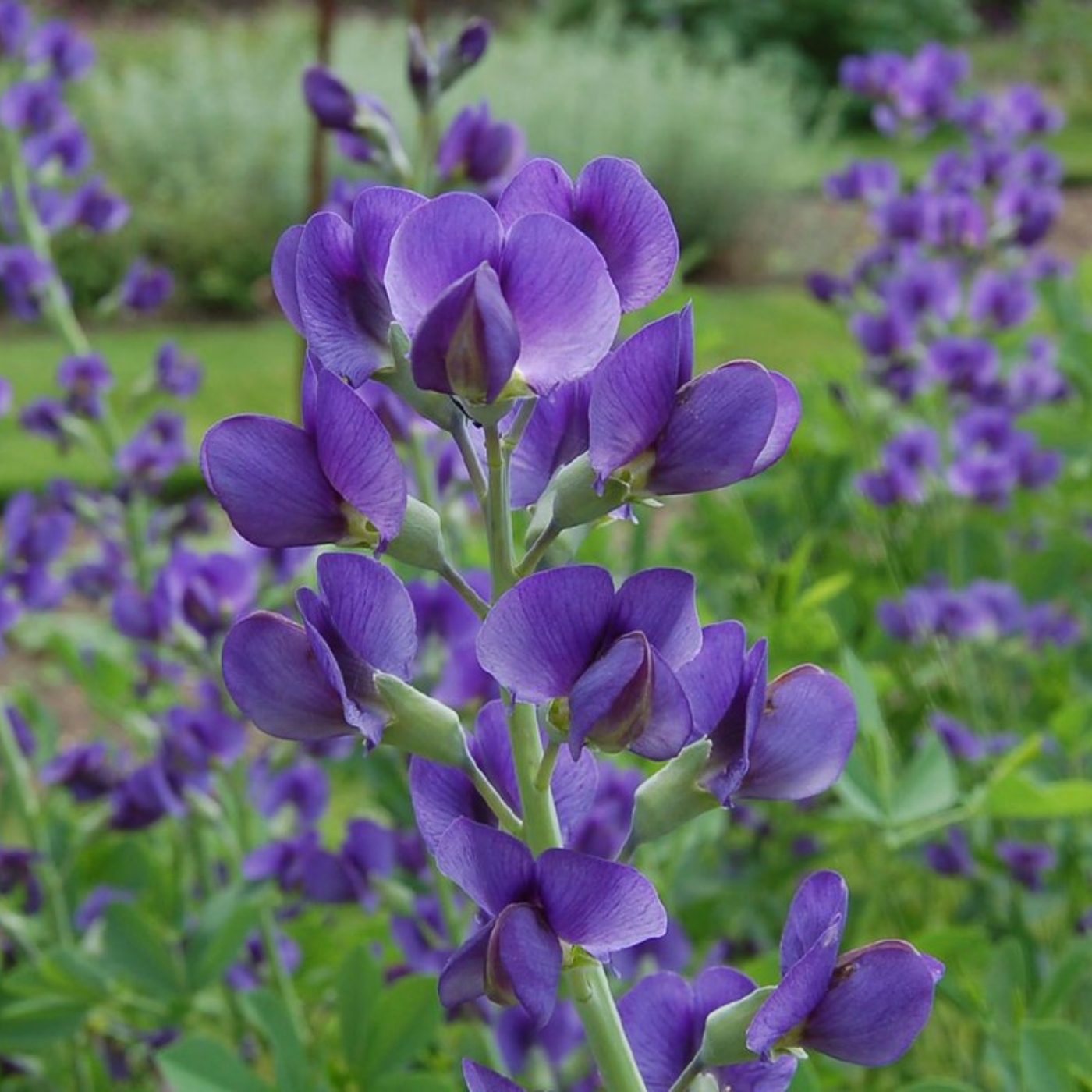
Baptisia australis
Jun 1800:02:00Tap to summarizeBlue false indigo, with the botanical name Baptisia australis, is a lovely shrub that blooms in the late spring in zones 3-9 in full sun or part shade. It grows about 4 feet tall and as wide and is drought tolerant and deer resistant and has blue/green foliage and blue flowers that resemble lupins. It was used by pioneers to dye cloth and is called 'false indigo' because its color is not as deep as true indigo. It has a big root system that cannot be divided. However, it grows easily from seeds. Gather the dark-colored seed pods in the fall and start new plants any time. This plant has been hybridized so that there are now white, purple, and yellow flowering varieties available and some that are smaller. They prefer full sun and good drainage to bloom well and can be planted as a hedge or as a background plant. The foliage stays grey/green and crisp and neat until late fall when it can be cut to the ground. I have mine in the front of a large flower bed, but if I was planting it now, I would place it at the back of a bed, as its flowering period is short, and it tends to self sow. However, the foliage always looks cool even on the hottest day of summer.
Transcribe →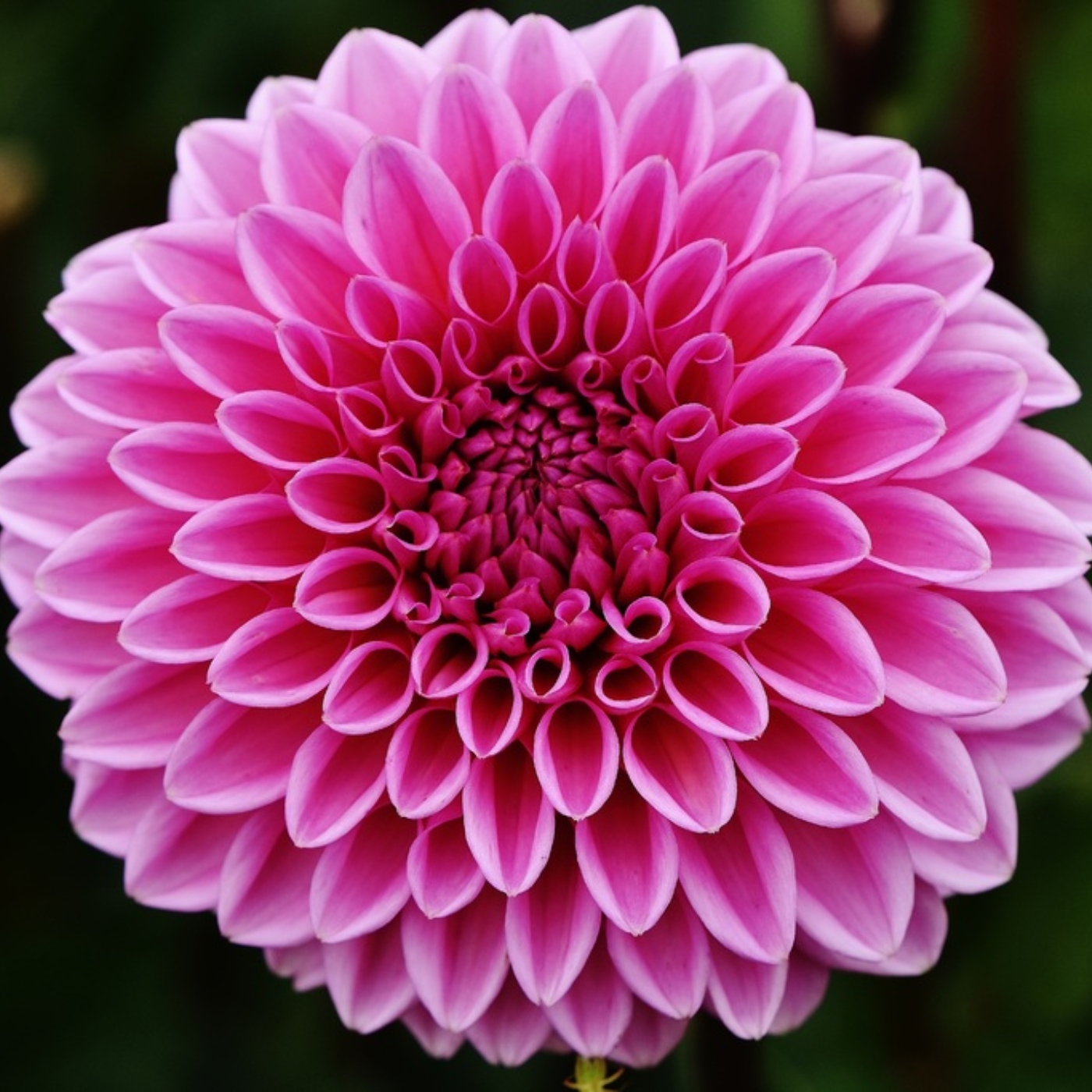
Dahlias
Jun 1100:02:00Tap to summarizeNative to Mexico, dahlias probably grew in Aztec gardens as they were already in cultivation when the Spaniards arrived.Francisco Hernandez, a botanist and physician to King Phillip of Spain, described them in a book published in 1651. But dahlias were not introduced to Europe until 1789 when seeds were sent from Mexico to the Royal Gardens in Madrid. The flower was named in honor of Dr. Dahl a Swedish botanist and pupil of Linnaeus. They were sent to Kew Gardens in England in 1798 by the wife of the British Ambassador to Madrid. By 1835, John Wedgewood, the founder of the British Horticultural Society, grew over 200 different varieties of dahlias. They were popular cut flowers with blooms of many sizes and colors. If a tuber has a sprout of more than 2" long, clip it off before you plant the tuber. Dig a hole 4-6 inches deep and place the tuber on its side and cover it with soil. Fertilizer is needed every 3-4 weeks and must be low in nitrogen. Do not water until sprouts are visible above the ground and then water deeply 3 times a week. Full sun is best, but plant in part shade if your temperatures go over 100F degrees. Dahlias bloom about 3 months after planting. Cut blooms that are 2/3 open and place the stems in hot (but not boiling) water in a plastic container and leave them in it until the water cools.
Transcribe →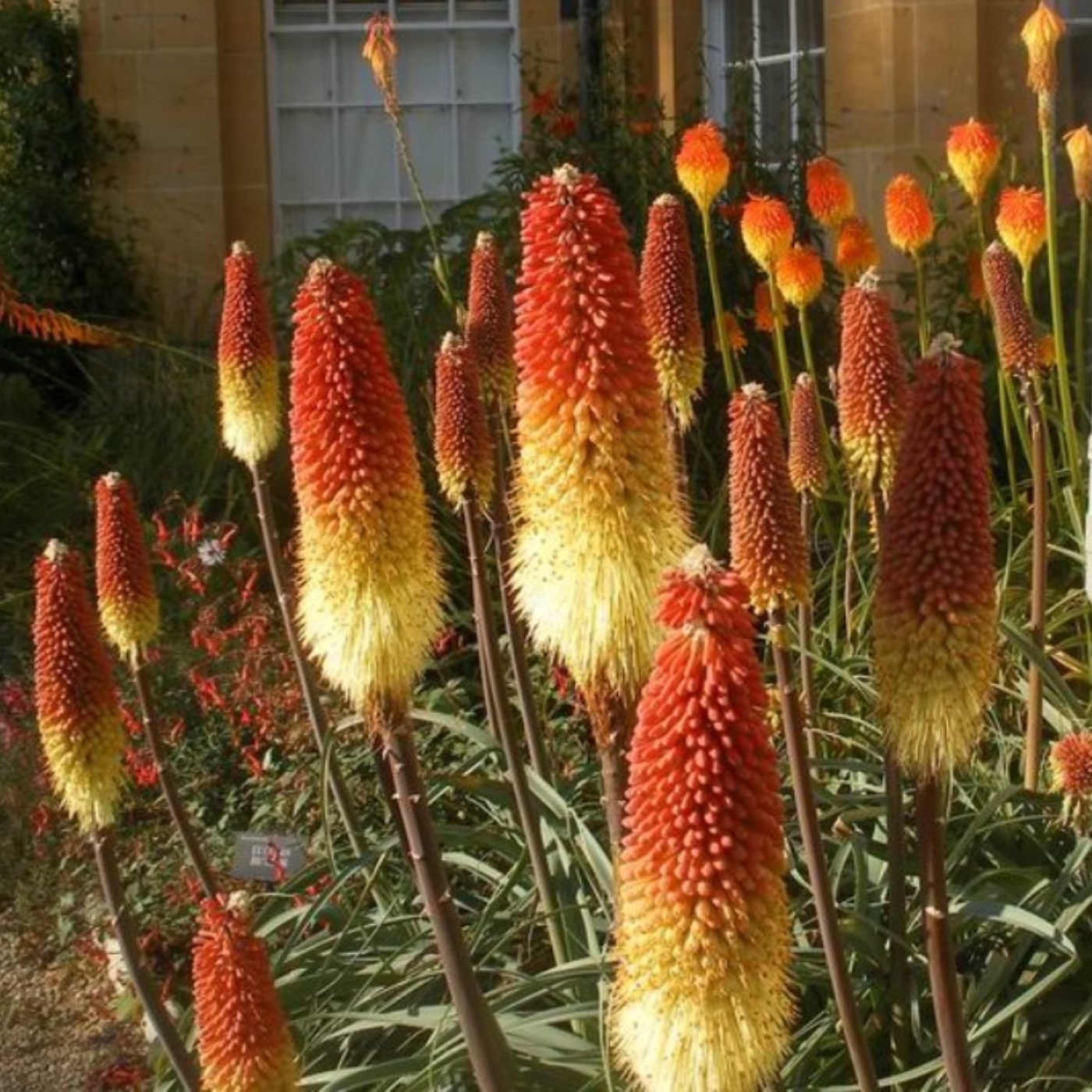
Torch Lilies
Jun 400:02:00Tap to summarizeRed Hot Pokers belong to the genus Kniphofia (Kniphofia uvaria) and are also known as tritoma or torch lilies. Some dwarf varieties are 'mango popsicle', 'pineapple popsicle', and 'red hot popsicle'. They are orange, yellow, and red with grassy foliage. They spread by rhizomes and can become invasive. Native to South Africa, they like full sun and well-drained soil and do well in zones 6 through 9, as they tolerate heat and drought and dislike boggy soil. Flowers fade first at the bottoms of the torch-shaped blooms, but the striking blooms last a long time on the plants. After the blooming is over, do not cut down the foliage until it yellows and dies back in the fall. These are not flowering plants to put in pots or urns, as they look best in clumps and swathes in garden beds. Their vertical shape and vibrant orange, red, and yellow blooms make a strong statement. Give them room to spread and do not combine them with small plants that they will overwhelm. They are interesting perennials that have become popular on both sides of the Atlantic. While they do not combine well with cottage garden plants, they do create a modern looking presence and are perfect near a mid-century modern home.
Transcribe →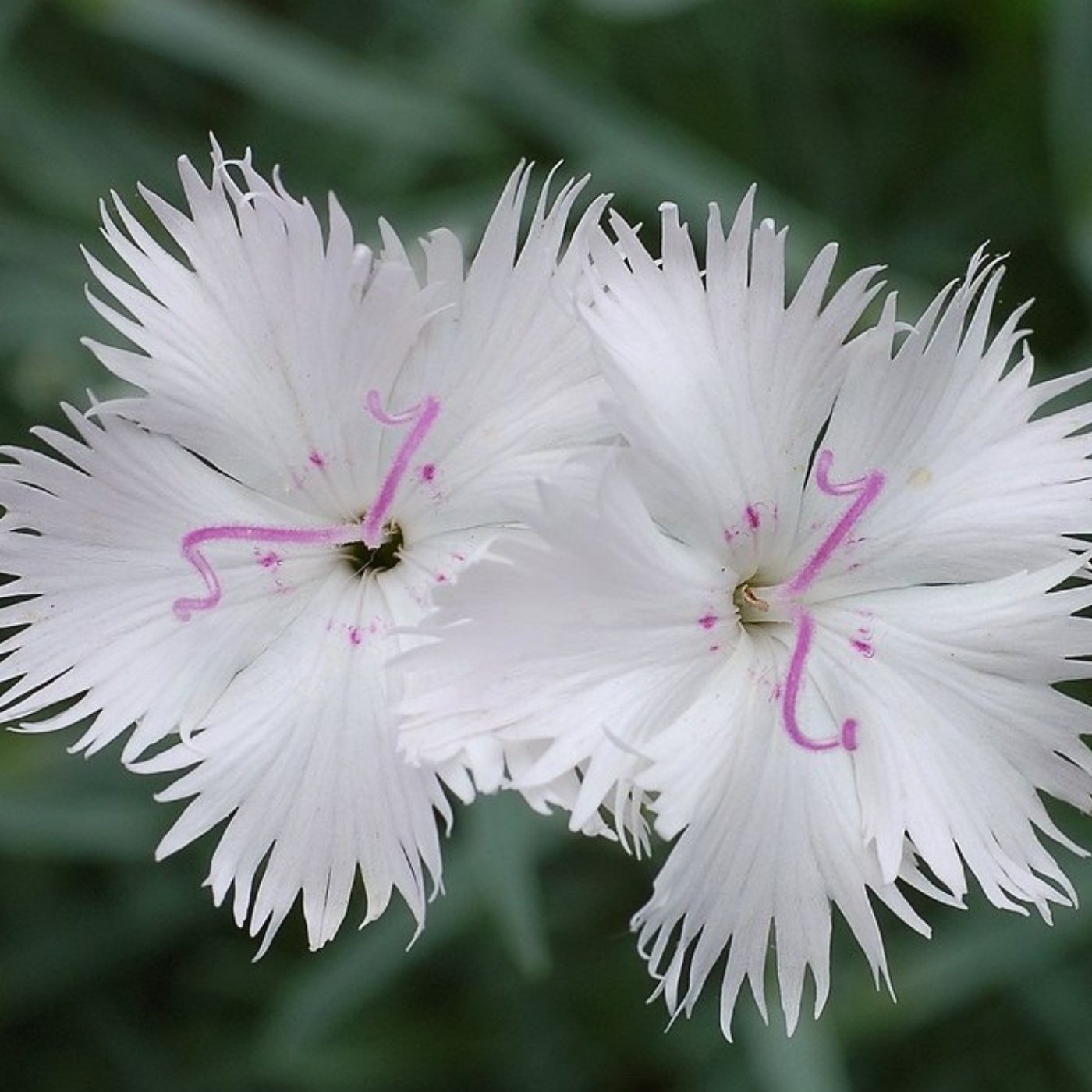
Sweet Dianthus
May 2800:02:00Tap to summarizeDianthus are well-behaved in our gardens. The flowers are fragrant, and the plants can be perennial, biennial, or annual. The common name "pinks” does not refer to the color but to the fringed edging of the petals that makes them look as if they had been cut with pinking shears. They like full sun but can manage some shade and a variety of soils. However, they do best in well-drained soil with good air circulation, as they are susceptible to root rot and fungal diseases. Rabbits eat the narrow grey/green leaves, but thankfully deer leave these plants alone. There are over 27,000 registered cultivar names, so there are plenty to choose from. Colors can be pink, lilac, purple, white, and combinations with picotee edging on the petals. They originated in Eurasian countries and are grown worldwide in home gardens because they are easy care and don't mind periods of dry weather. Dead heading keeps them looking attractive and the plants stay low. The flowers make sweet little arrangements and even just a few, in a small bottle, look pretty. I would not be without these plants in my Midwestern garden. Most varieties are not especially long lived, however, but that is okay as then one can always be tempted to try new varieties that come on the market. Common names are cheddar pinks, clove pinks, maiden pinks, and gillyflowers.
Transcribe →