Podcast
Focus on Flowers
Hosted by Indiana Public Media · EN
Focus on Flowers is a weekly podcast and public radio program about flower gardening hosted by master gardener Moya Andews.
32episodes
Episodes
Newest firstAll episodes
Outwitting the Weather
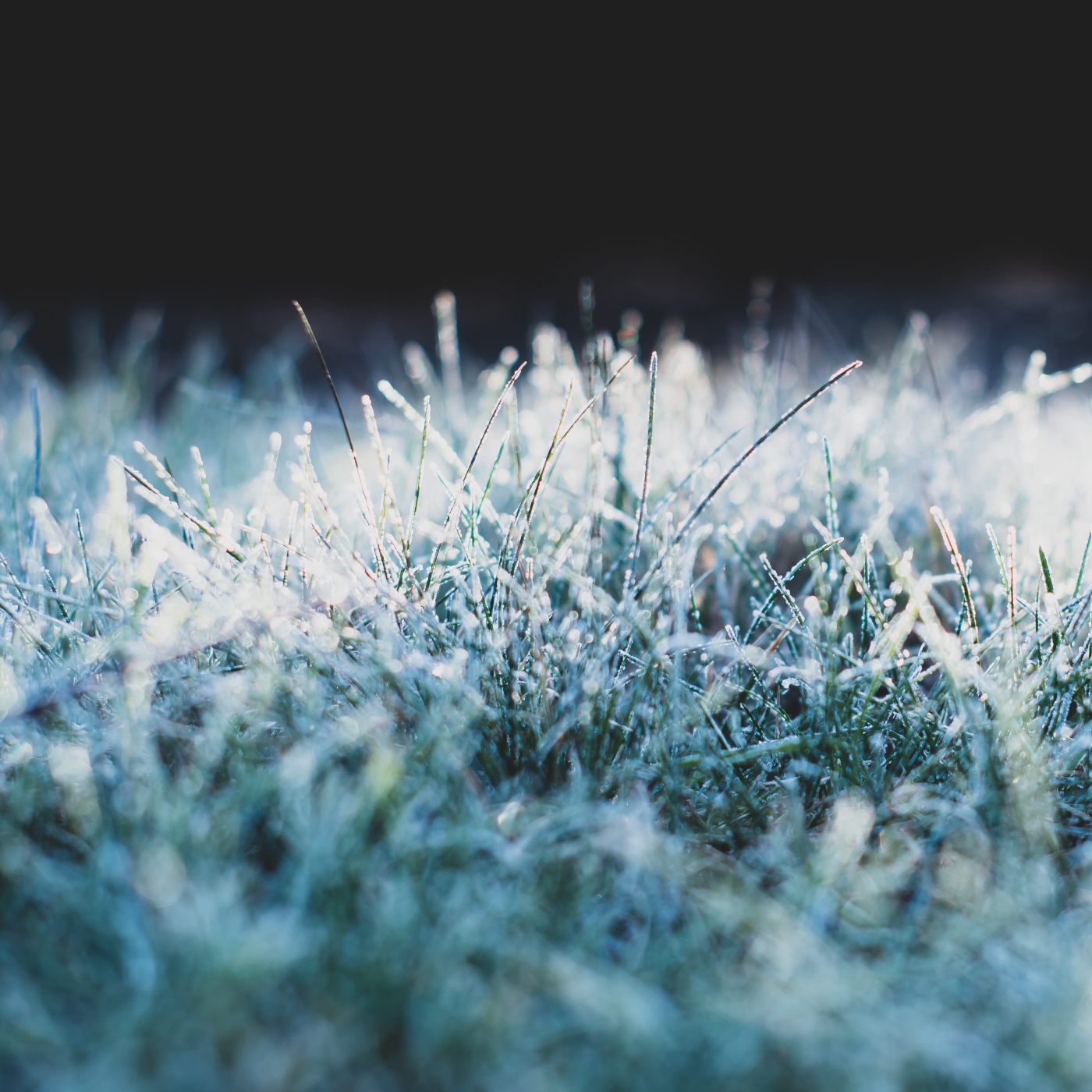
Mar 1200:02:00Tap to summarizeThe weather in our flower garden has to do with local atmospheric conditions: hot and cold; wet and dry; calm and stormy, and so on.Climate refers to the region’s atmospheric conditions and predictable events for that region or particular place. The US Department of Agriculture (USDA) divides North America into 20 separate zones, and the zone we garden in determines the plants that we can grow.But as well as the average highest and lowest temperatures that occur in our specific zone, many other factors affect our weather and the perennial plants we can grow since perennials need to winter over.Frost dates are very important. Gardeners need to know the average dates of the last frosts in the spring and the first frosts in the fall in their area. The date of the average last frosts is crucial so that we know when it is safe to set out our tender annual plants, which would be damaged or killed by a frost. The date of the last spring frost for a zone is like a marker that allows gardeners to schedule gardening efforts.Of course, there is a difference between usual and average frost dates. We also need to establish how many frost-free days there are in our climate, as this defines our growing season and our options about what we can grow.There are also micro-climates within our personal gardens: places, for example, where there is more sun, less wind, or more shelter for the plants.REFERENCE: Gardener’s Guide to Frost: Outwit the Weather and Extend the Spring and Fall Seasons, Phillip Harnden, Willow Creek Press (2003).NOTE: It is best for gardeners to err on the side of caution when planting spring annuals. If a late frost comes, the plants will be killed if they are planted too early. Annuals do best when the soil has warmed enough so that they can immediately begin to grow in their new location. In my Zone 6 Indiana garden that is usually around Mother’s Day.
Transcribe →
Clay is Okay
Mar 500:02:00Tap to summarizeMany of us with clay soil complain loudly about it, and it’s true that gardens with clay soil can be hard to dig. Also, with clay soil, it is not a good idea to put a bed in areas where standing water collects.However, one can have very successful flower gardens where there is clay soil, as it has excellent water-retention, and less water and nutrients need to be added to the soil than are needed with sandy soil, for example.Plants with tap roots such as coneflowers and Japanese anemones all do well in clay as their long roots penetrate deep down to access moisture during drought. Also, plants that dislike wet feet can be planted on a slope or in raised beds so water will easily run off.Bulbs do well in clay, as do shrubs such as hydrangea, lilac, spirea, dogwood, viburnum, kerria, and yew.Trees such as river birch, willow, crabapple, and serviceberry also like clay.Perennials such as asters, daylilies, baptisia, hellebores, hosta, irises, coreopsis, and black-eyed Susans also thrive.While fast-draining sandy soils need frequent watering, once clay soil is well saturated during a rain storm, gardeners don’t need to provide nearly as much supplemental watering for days. So, during dry spells, be thankful if you have moisture-retentive soil. — “Clay is okay!"
Transcribe →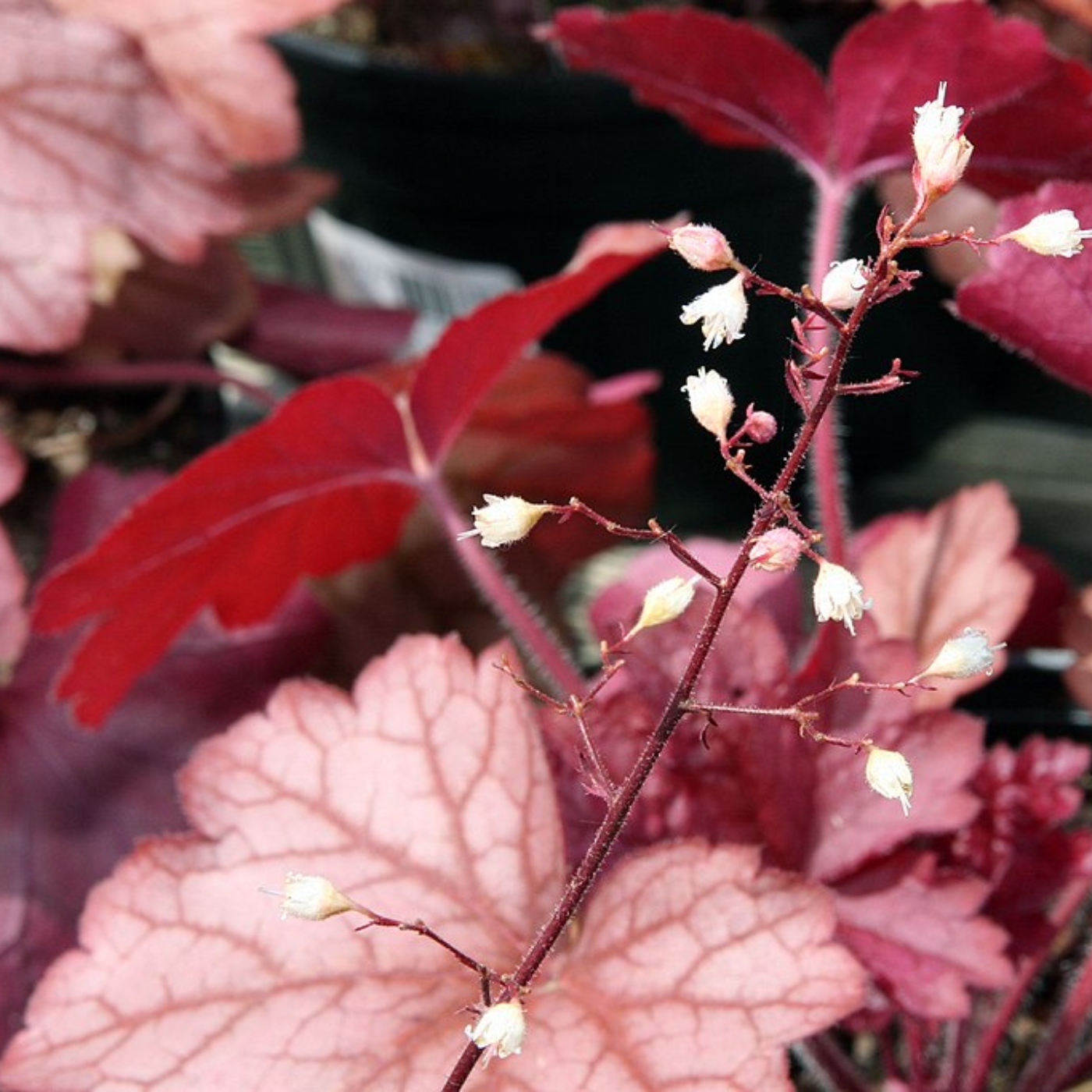
A New Generation of Coral Bells
Feb 2600:02:00Tap to summarizePlant families are like human families in that successive generations of their members often have improved looks, health, longevity, and vitality.This is certainly true of the latest versions of the heucheras, commonly known as coral bells. So many new heucheras are now available in many different foliage colors and combinations. The flowers themselves, spires of tiny florets that are raised high above the leaves, have not changed much but the leaves are almost unrecognizable when compared with the ordinary green leaves that this family of plants had in the past.If you browse online you will be amazed by the new generations of this common shade-loving perennial. The fanciful names evoke wonderful visual images of each of the new heuchera varieties. For example, ‘Forever Purple’, ‘Georgia Peach’, ‘Cherry Truffles’, and ‘Carnival Limeade’ give one an idea of the single-colored purple, peach, cherry, and lime foliage.But, there are also bicolor leaves featured on some of the new varieties. For example, ‘Red Lightning’ that has handsome chartreuse leaves with red veins and ‘Cinnamon Curls’ with cinnamon curly edged leaves.The photos in catalogs and online of this new plant generation are irresistible. I plan to order as many as I can afford for spring planting!
Transcribe →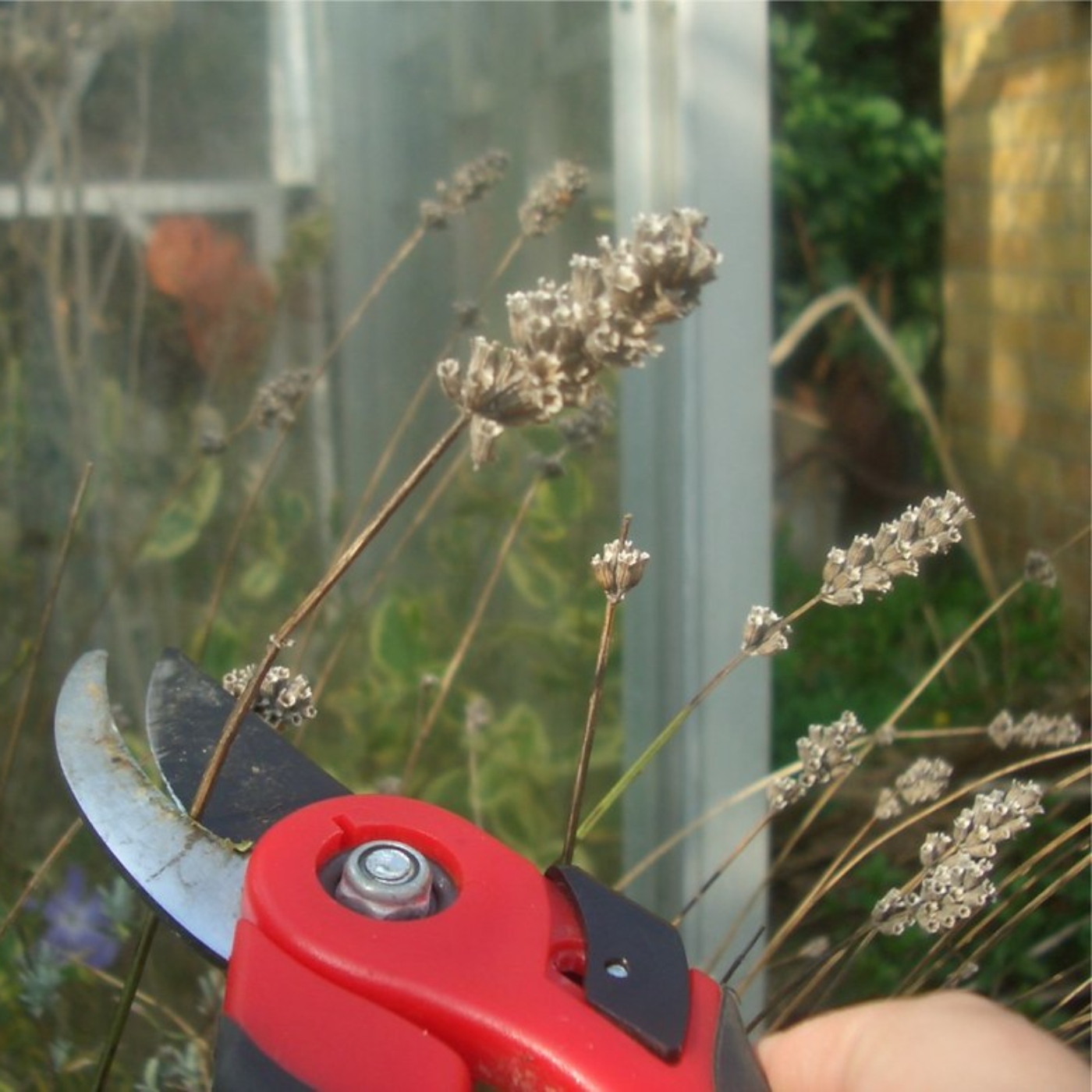
Deadheading: It Keeps the Color Coming
Feb 1900:02:00Tap to summarizeAt this time of the year we usually read about gardens instead of gardening.I have been reading about deadheading—the way we ensure plants keep blooming by chopping off the spent flowers. This prevents them from forming seeds, which is a signal that no more flowers are needed by the plant.Annuals have to produce a lot of flowers because they only live for one year and so have only one flowering period to procreate. Perennials, on the other hand, have a second way of continuing in life: they can grow back the next year on their own roots so setting seed is not so crucial for them. That means that we don’t have to snip off every spent flower on the perennials, (though it does increase their vigor), the way we should with our annuals to keep them blooming. Most perennials will only bloom for a few weeks anyway.However, the whole garden looks better if plants are deadheaded, so it is a good thing. You can snip each flower off individually, or you can cut back a plant that has finished flowering by snipping half of the plant off with shears.Colorful flowers attract pollinators that fertilize them, so annual flowers are often especially showy as they need to be pollinated in a shorter time frame in order to perpetuate themselves. This is why we need a sequence of different perennials that bloom at varied times to have continuous perennial blooms in our gardens. Many of us find that deadheading is a calming repetitive activity that we enjoy, so we do a bit each day all through the growing season. It keeps the color coming.
Transcribe →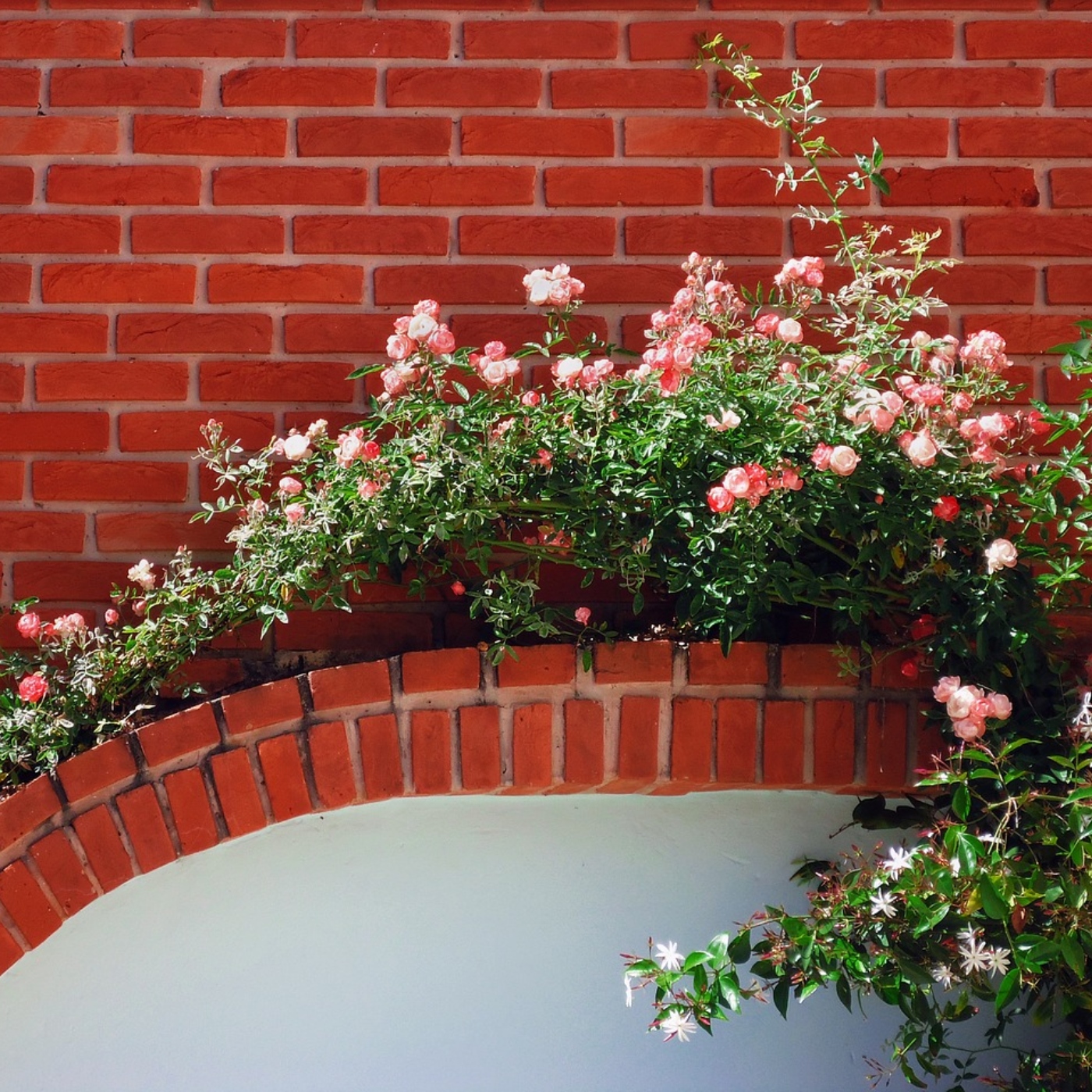
Roses in Words
Feb 1200:01:59Tap to summarizeIn February, it is appropriate to think about roses.Here is what Gertrude Jekyll (1843-1932) wrote:"There is scarcely any rose that we can wish to have in our gardens that is not also delightful in the cut state. A china bowl filled with well-grown hybrid perpetuals, grand of color and sweetly scented, is a room decoration that can hardly be beaten both for beauty and for the pleasure it gives, whether in a sitting room, or on the breakfast table. The only weak point about cut roses is that their life is short."William Fitzroy (1851-1924) wrote: “The houses I love best are those where warm old red bricks and old roses seem to melt into each other.”Margaret Millfield in 1931 had this advice:"Plant your rose in a good square hole, keep it weeded; prune it once a year, thoroughly; apply a spade of manure in February and you will have blooms the rest of your life."And John Boyle O’Reilly (1844-1909) wrote this verse:"The red rose whispers of passion, and the white rose breathes of love;O, the red rose is a falcon, and the white rose is a dove.But I send you a cream- white rose bud, with a flush on its petal tips;For the love that is purist and sweetest, has a kiss of desire on the lips."
Transcribe →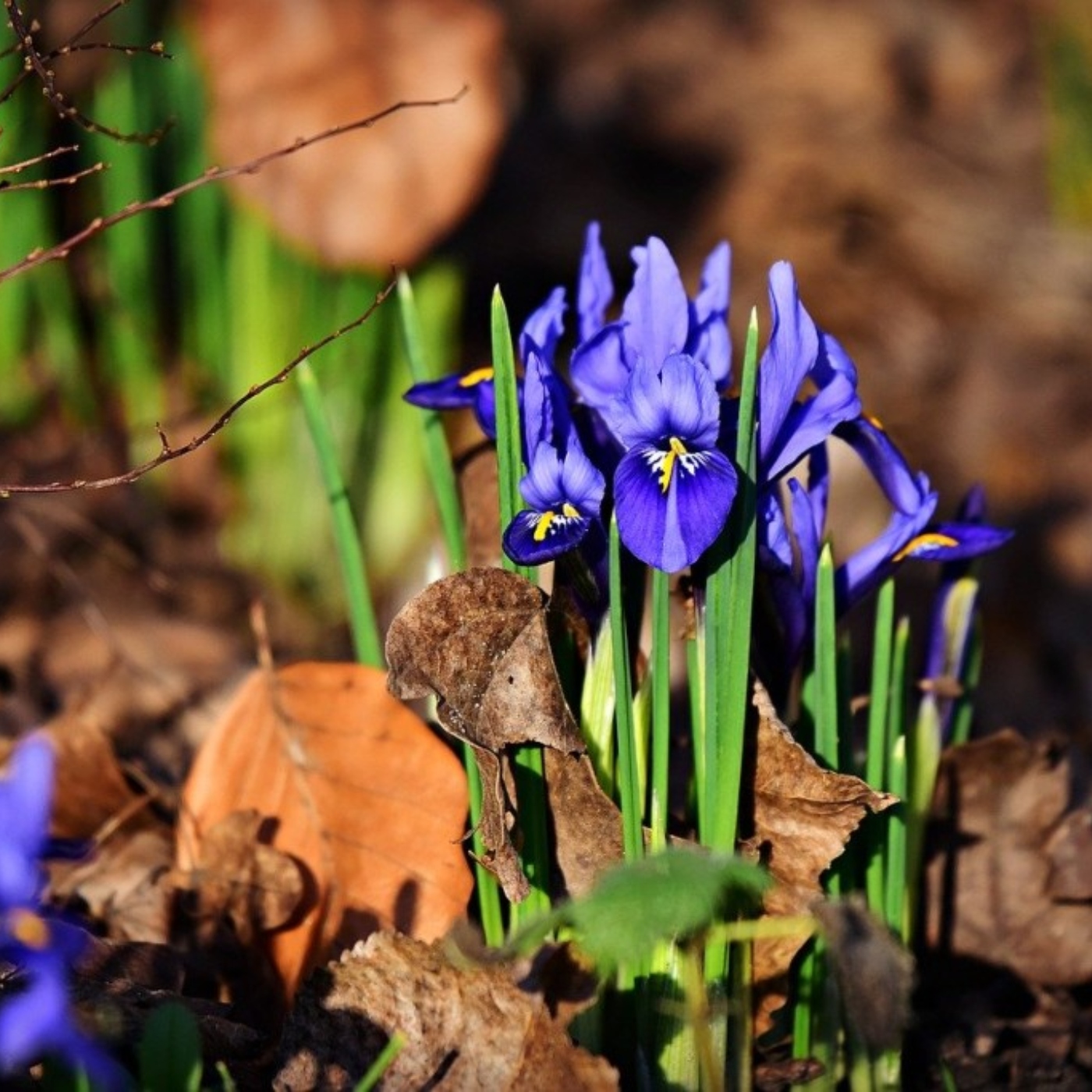
Tiny but Tough
Feb 500:02:00Tap to summarizeThe earliest iris to bloom is the petite Iris reticulata.The reticulated irises have a fibrous network on the bulbs that is similar in pattern to the markings on a giraffe, which is also described as reticulated, “like a net.” These earliest blooming iris have 3- to 6-inch stems and they bloom with the crocus. To display the blooms indoors, I use a tiny bottle for each one.There are also intricate patterns on the small petals, and their beautiful colors—maroon, purple, lavender, white, and yellow—delight winter-weary eyes.Plant the little bulbs in drifts in the fall. Since they dislike wet feet, a good spot for them is in a sloping or raised bed so there is good drainage.Iris is the sacred flower of the Goddess of the Rainbow, and iris means “eye of heaven.” (It is also the name of the center of our eyes.)After their spring bloom, Iris reticulata bulbs should be given an application of granular fertilizer, sprinkled over them, and their leaves should not be cut down. They are hardy in zones 5 to 9 and are long lived if they are not disturbed. Plant these little bulbs 3 inches deep.These darling little miniature iris are the start of a progression of flowers of varying types of plants in the family Iridaceae. They are followed late in the spring by the taller Siberian iris.Try to grow as many different types of iris in your garden so that you can have a progression of these blooms until June each year. The deer leave them alone![Note: Try the following : Iris histrioides ‘George’ Zones 3 to 8, which are dark purple with gold marks, and Iris histrioides ‘Katherine Hodgkin’ zones 5 to 8.]Reference: Perennials Short and Tall: A Progression of Flowers for your Garden by Moya Andrews and Gillian Harris, Indiana University Press (2008), Page 67.
Transcribe →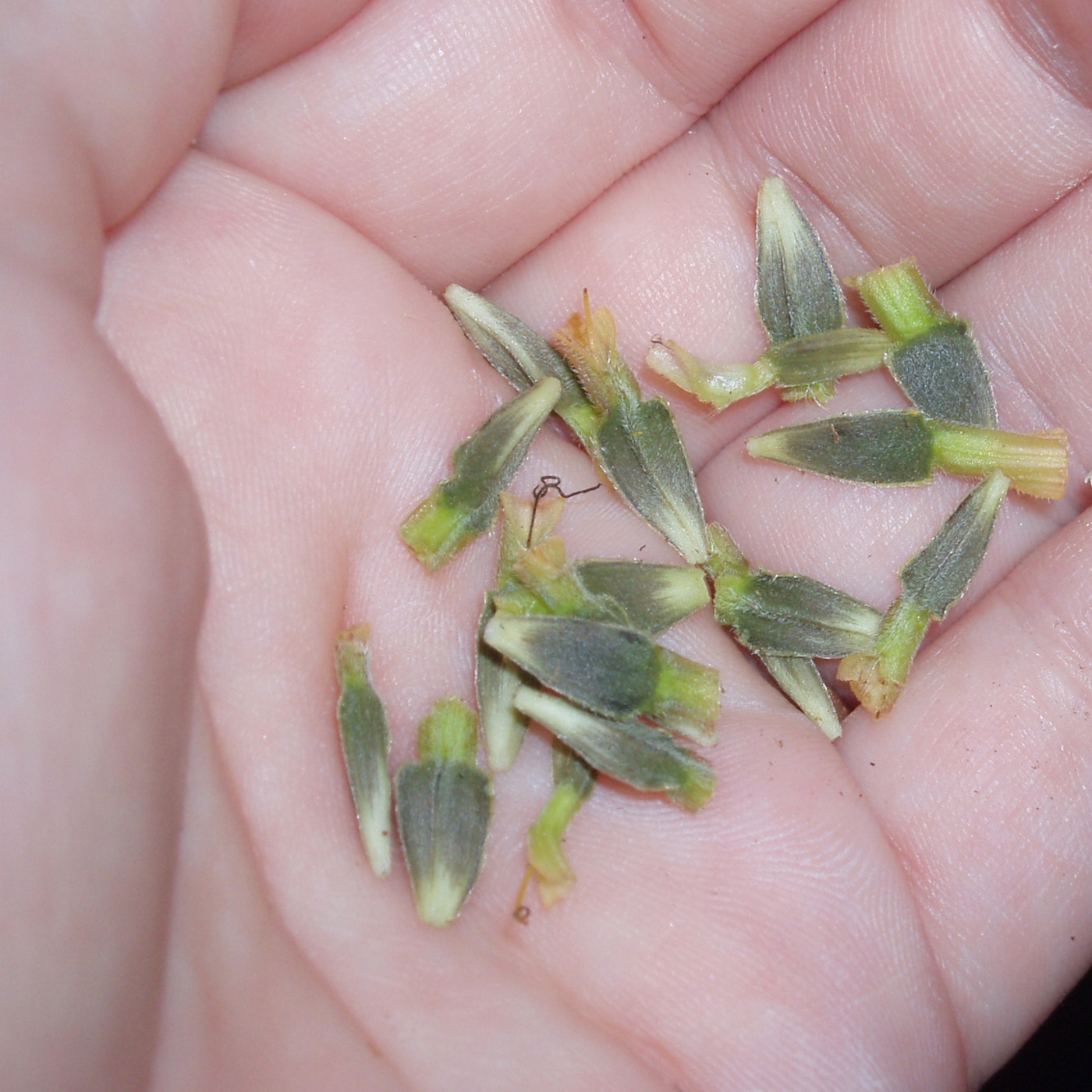
Easy Does It
Feb 300:02:00Tap to summarizeQuite a number of flowering annuals can be started by sowing their seeds directly into the garden. Wait until after the last frost in the spring when the soil has really warmed enough for seeds to germinate. I tend to pick up packets of seeds wherever I go so usually have a big stash of them, and it is fun to scatter them in my bare perennial beds. Since seeds are inexpensive, I throw them around with abandon expecting that they all won’t germinate, but hoping that some will and give me surprises later in the season. I especially love the tall blue/purple spires of larkspur, since delphiniums do not thrive in my climate. Last year I hopefully flung some into my bed of white German iris, and though the iris bloomed first, the larkspur looked lovely among the blue/grey iris foliage later. If I have big pots on my deck, I sow zinnia seeds into those. Even the small daisy-flowered variety ‘White Star’, which does not need to be dead-headed, does well in pots in full sun. Cosmos is a pretty, floriferous annual that can be scattered on top of the soil in beds, and it will bloom in 8 weeks. It has pretty foliage and is good for cutting, which stimulates the continued flowering all summer. Small French marigolds, the gold and brown ones, will germinate easily, also, and are very drought-tolerate, flowering until frost. And of course, I always save or buy Cleome seeds—better known by the common names of ‘Spider plant’ or ‘Cat’s whiskers’—and scatter them in the middle of beds or the back of borders because they grow tall and last a long time. Those I do not cut, as they are best left in the garden to produce seeds for the following year. Besides, I do not like their smell very much. Another favorite is blue Clary sage. Direct sowing is inexpensive, easy, and fun and usually results in a few surprises!
Transcribe →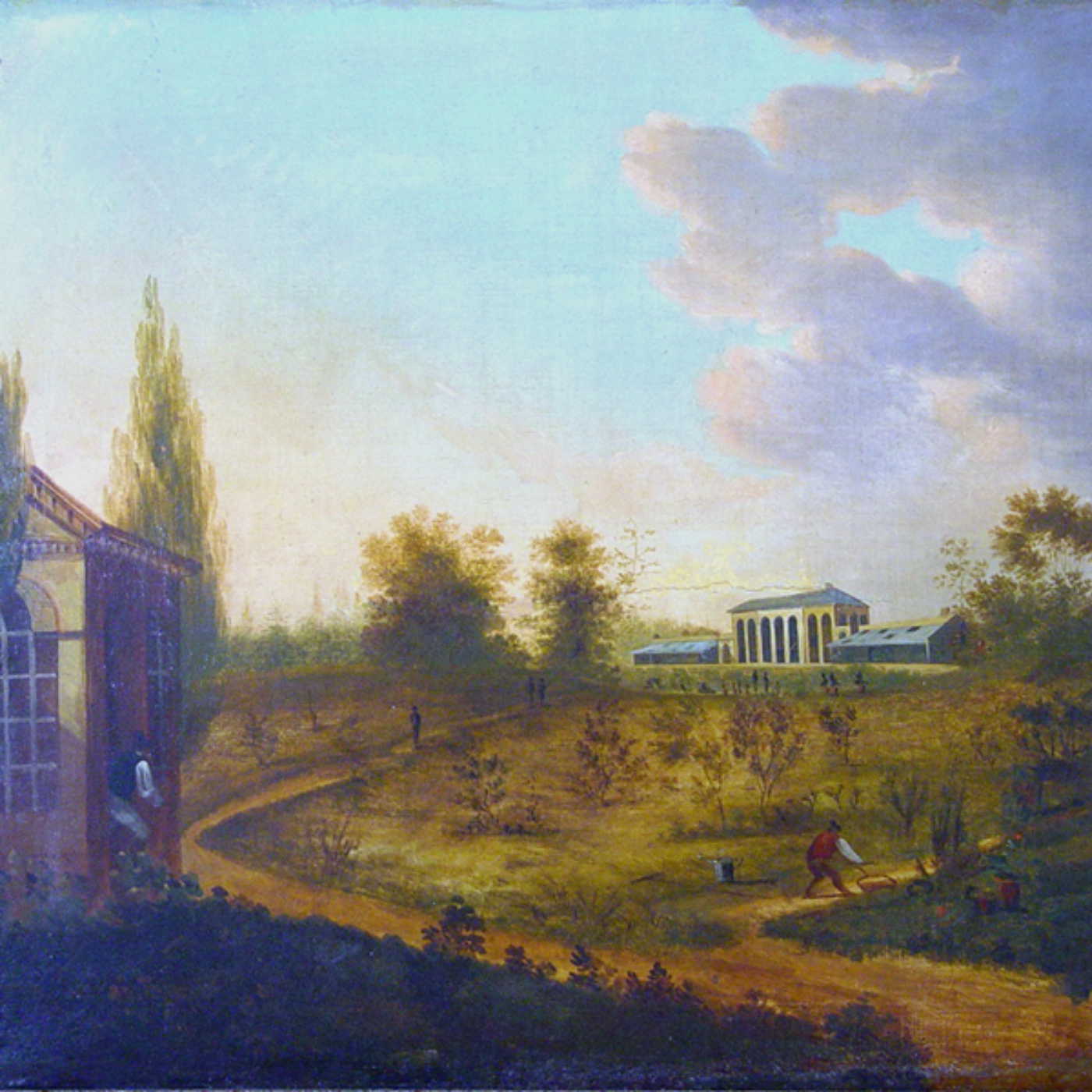
David Hosack
Jan 2900:02:00Tap to summarizeDavid Hosack was born in New York in 1769 and in a book about him by Kerri Miller, she states that he is responsible for the establishment of New York’s first botanical garden. There was an interview by Victoria Johnson on NPR that drew my attention to this. Hosack was a brilliant medical scientist who focused on medicinal plants. The Bartrams, earlier on, grew medicinal plants in their gardens in Philadelphia, but Hosak was the first to grow these plants in North America for scientific research purposes.Dr. Hosack studied medicine in both London and Edinburgh and then returned to North America to teach and practice at Columbia College in New York City. In London he had been trained in the classification of plants using the system developed by Linnaeus in the 18th Century. Miller describes in her biography how Hosack met Joseph Banks and other famous plant scientists in London in the early 1800s and became knowledgeable about European plants and their medicinal properties.When he returned to New York he realized the need for a public garden as a research facility for medical scientists and their students. He even wrote to President Jefferson to ask for plants gathered by the Lewis and Clark expedition. Later he became the personal physician of Alexander Hamilton and Aaron Burr. He used his own money, and later went into debt, to buy and maintain 20 acres on Manhattan Island to grow plants, including many natives that had not been known abroad, in order to study and teach students about their medicinal effects. His garden was the first scientific garden established on our shores.This is Moya Andrews, and today we focused on David Hosack.
Transcribe →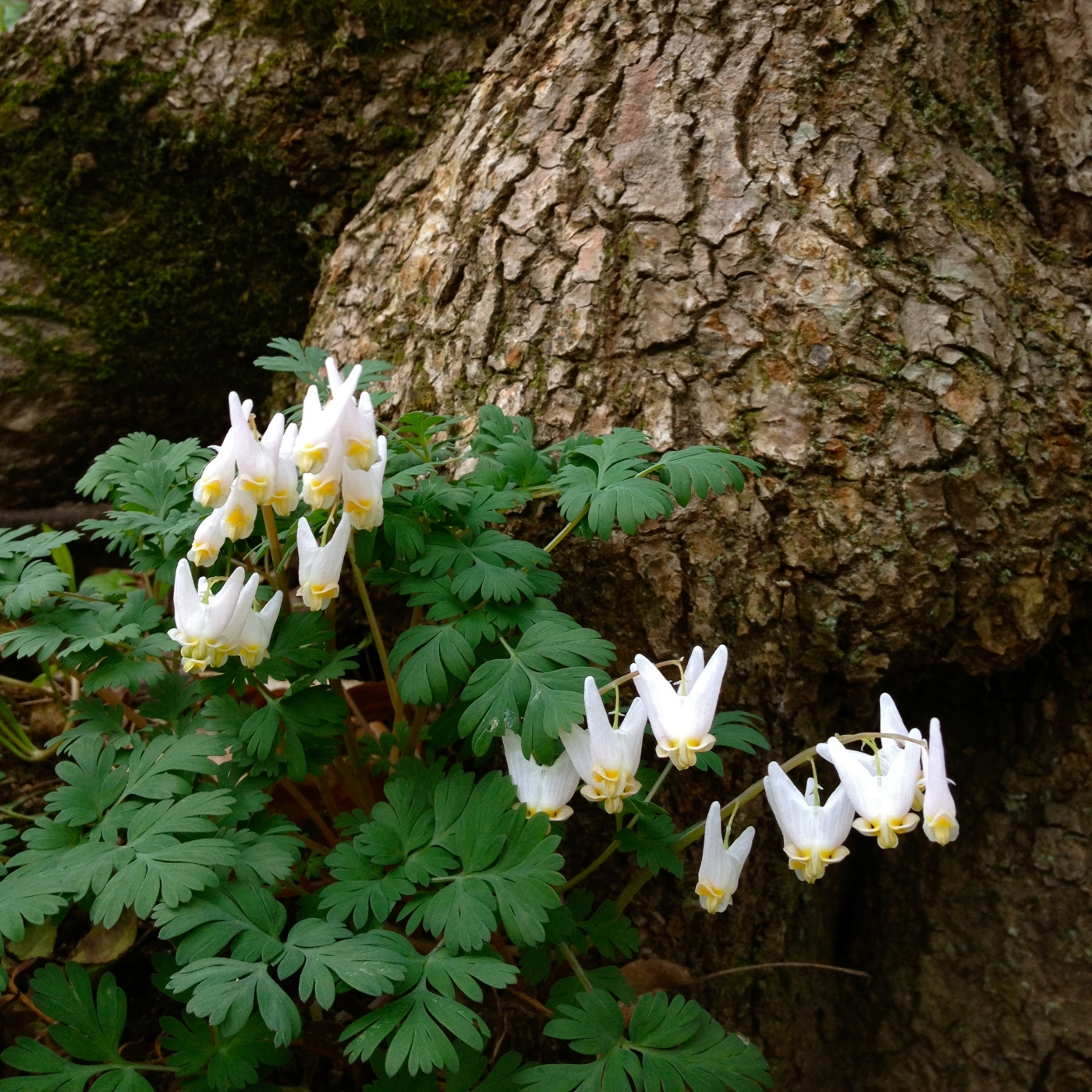
Spring Ephemerals
Jan 1500:02:00Tap to summarizeBefore long now, some of the earliest flowers to bloom will be stirring in our gardens. Many of them are ephemeral, a descriptor that means “short lived” or transitory. In garden-speak, this means that these cold-hardy little plants bloom early and then die down leaving no trace until they return the following year. Most grow in woodland settings, where the soil is moist from late snows under deciduous trees and there is weak sunlight, as the trees have not yet leafed out. Some bloom even before al the snow has melted. Their early flowers can be picked and taken into the house for tiny vases. When the blooms fade, the plants set seed and then go dormant. They are at their best planted where they are not disturbed after they die down, though they co-exist well with low growing plants that grow up over the bulbs and shade them in the hot dry summers. The sunshine-yellow winter aconite is usually the first to bloom, followed by the snow-white snowdrops (Galanthus spp., zones 3-9), hardy cyclamen (Cyclamen coum, zones 5-9), bloodroot (Sanguinaria Canadensis ‘multiplex’, zones 3-9), Dutchmen’s breeches (Dicentra culcullaria, zones 3-7), Virginia bluebells (Mertensia Virginica, zones 3-8), and European wood anemones (Anemone nemorosa, zones 5-8).Later the red trillium (Trillium erectum, zones 4-9), and Japanese woodland primrose (Primula Sieboldii, zones 3-8) light up our gardens. The best way to get these early bloomers in your garden is to acquire starts from another gardener during the early spring, or you can find them listed in catalogs. Their dense root systems help them persist and colonize.Notes: Source material from Amanda’s Garden, Dansville, New York.
Transcribe →
Interesting Quotes
Jan 800:02:00Tap to summarizeIn 1785 William Cowper wrote:Who loves a garden, loves a greenhouse too. Unconscious of a less propitious clime There blooms exotic beauty, warm and snug While winds whistle and the snows descend.In 1974 Maya Angelou said, "Nature has no mercy at all. Nature says ‘I’m going to snow. If you have on a bikini and no snowshoes, that’s tough. I’m going to snow anyway’." And there is a Chinese proverb that makes many of us smile:If you would be happy for a day, get drunk. If you would be happy for a week, take a wife. If you would be happy for a month, kill your pig. But if you would be happy all your life, plant a garden.And Jude Patterson wrote, “In winter, when roots and seeds sleep under the crusted snow, the gardener is an artist hatching ideas for the coming season.” But my personal advice to you in January is to be careful of all of those tempting offers that arrive in catalogs in the mail this month, as well as all of the seductive offers to order plants online. We are all so eager to have flowers on our gardens again, that we are susceptible to all of the plant offers that bombard us. But it really is too early to start ordering plants—January is too soon!—so try, if possible, to exercise some restraint.
Transcribe →