Podcast
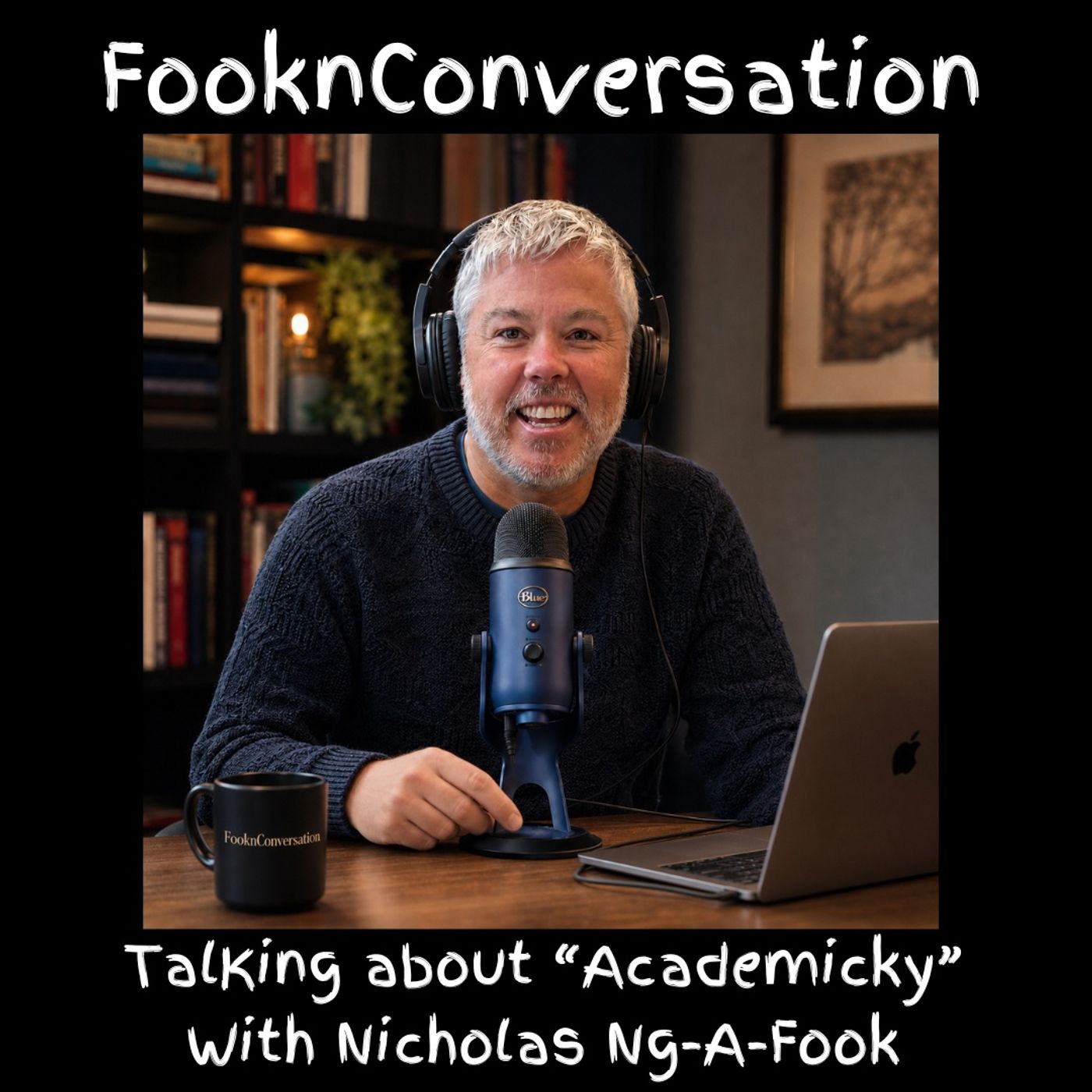
Fookn Conversation - Talking About “Academicky” Stuff
Hosted by Nicholas Ng-A-Fook · EN
How are we talking about the “academicky” stuff that informs our lived experiences? In response to such questions, Dr. Nicholas Ng-A-Fook invites you to delve deeper into the lives and thinking of different public intellectuals, writers, artists, community activists, politicians, school administrators, and teachers.
13episodes
Episodes
Newest firstAll episodes
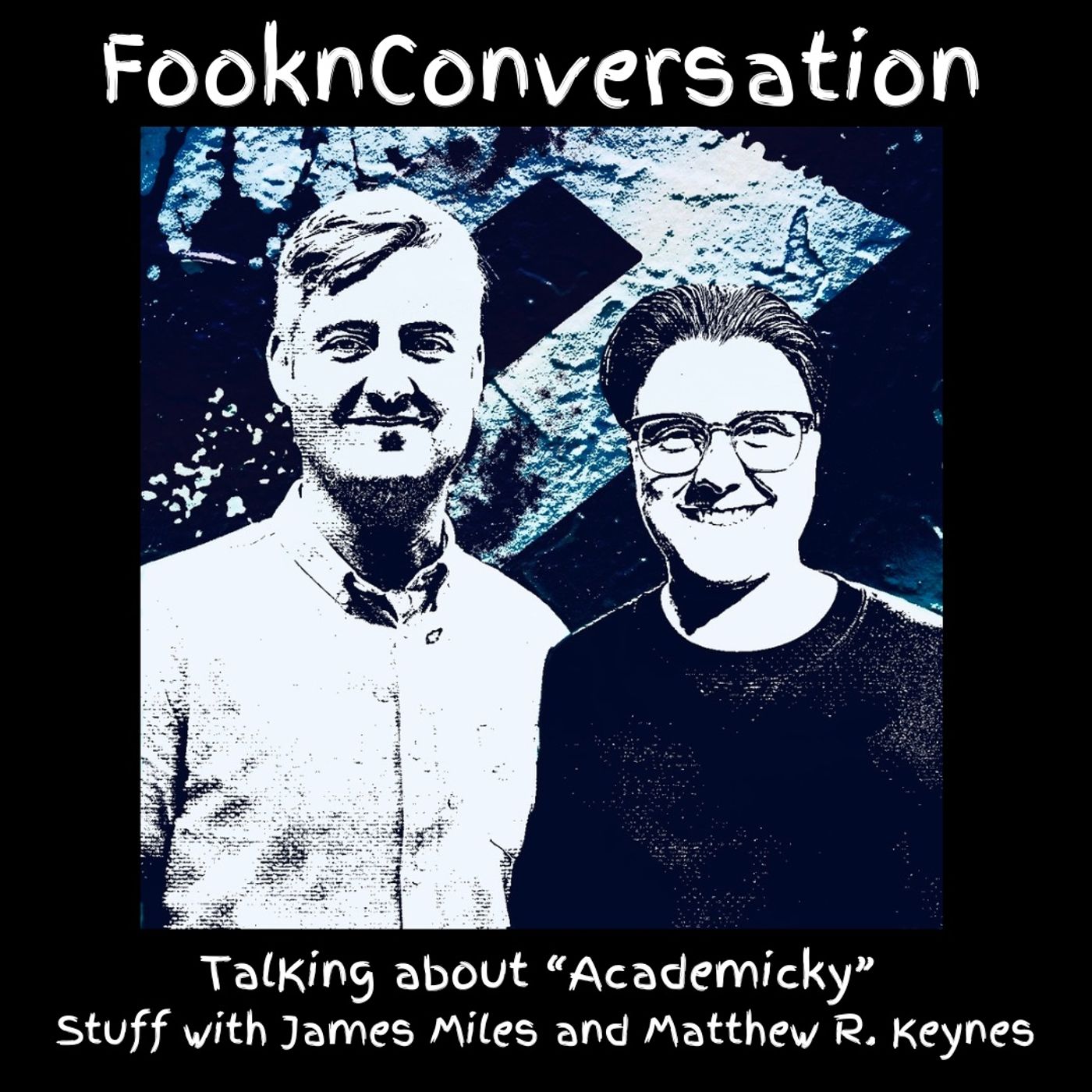
Dr. Matthew Keynes and Dr. James Miles
May 2001:01:35Tap to summarizeIn Episode 72, Dr. Nicholas Ng-A-Fook hosts Dr. James Miles and Dr. Matthew Keynes to discuss their new co-authored book, Education and Historical Justice: Redress, Reparations, and Reconciliation in the Classroom. Drawing on comparative case studies from Canada, Australia, Northern Ireland, and South Africa, their scholarship examines how education systems, teachers, and students are increasingly being called upon to respond to histories of harm, violence, colonialism, and injustice within what they describe as an emerging “age of apology.” Our conversation explores difficult histories, truth and reconciliation, historical consciousness, collective responsibility, and the tensions surrounding historical justice education in liberal democratic settler states. Dr. Miles and Dr. Keynes reflect on their respective journeys through history education research in Canada and Australia, their collaborative writing process during the COVID-19 pandemic, and the challenges of thinking beyond simplified narratives of guilt, empathy, and reconciliation. We also discuss contemporary struggles over curriculum politics, residential school denialism, public memory, redress, reparations, transitional justice, and the possibilities and limitations of history education in confronting misinformation, settler colonial violence, and democratic uncertainty.
Transcribe →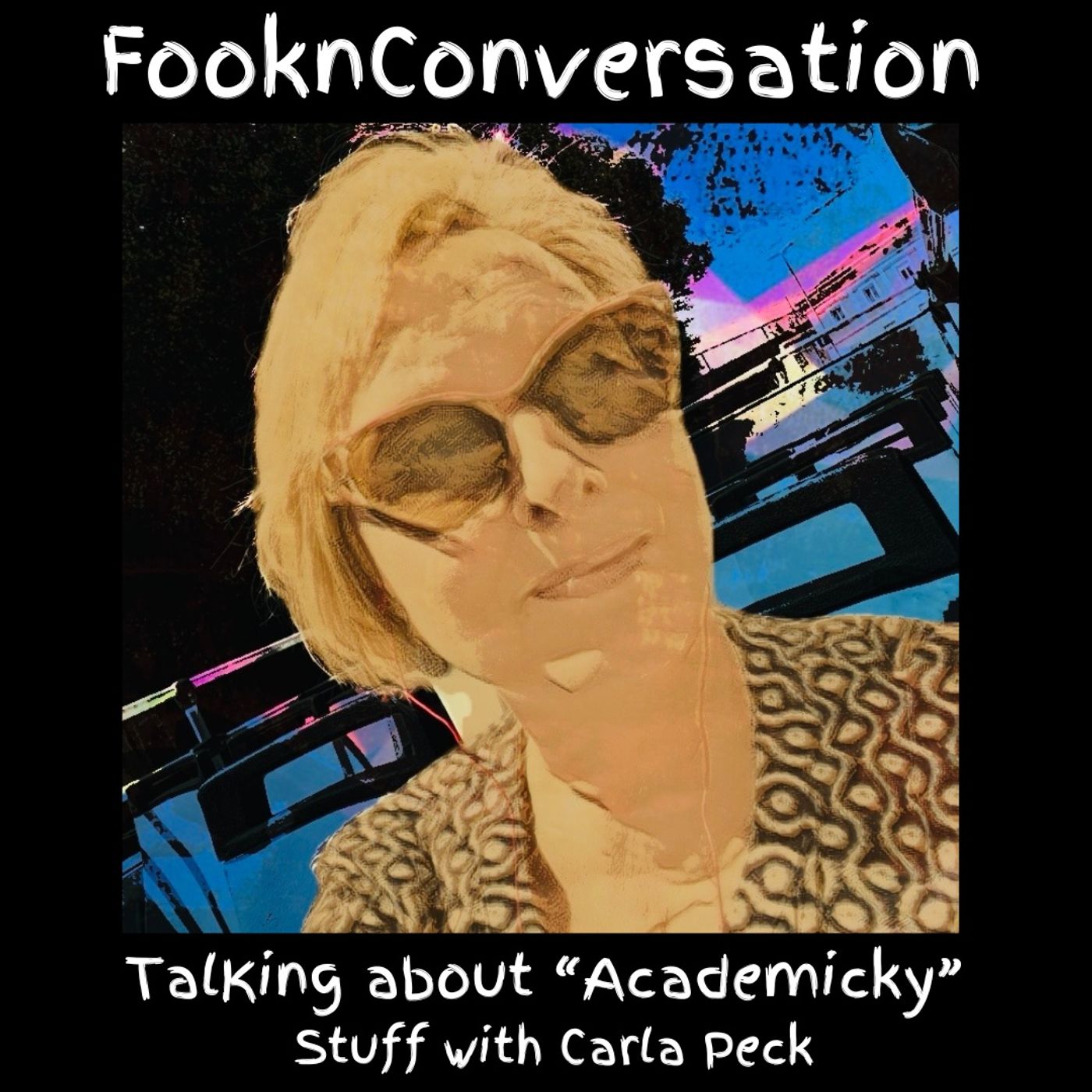
Dr. Carla Peck
May 1201:04:41Tap to summarizeIn Episode 71, Dr. Nicholas Ng-A-Fook hosts Dr. Carla Peck, Professor of Social Studies Education at the University of Alberta and Director of Thinking Historically for Canada’s Future, a national SSHRC-funded partnership focused on reimagining K–12 history education across Canada. Dr. Peck’s research explores how teachers and students understand history and democracy, with particular attention to how young people’s identities shape their historical consciousness, civic engagement, and sense of belonging within democratic life. Her scholarship asks what it means for students to see themselves in history and why such questions matter within increasingly polarized social and political contexts. Dr. Peck has authored and co-authored numerous articles and book chapters, and co-edited influential collections on difficult histories, global citizenship, and historical consciousness. Her most recent book, Rescuing Reason, co-written with Dr. Alan Sears, argues for the urgent role history education can play in sustaining democracy in Canada and beyond. Our conversation explores curriculum policy politics, historical thinking, civic empathy, public advocacy, and actions public intellectuals can take up toward confronting misinformation, polarization, and democratic decline.
Transcribe →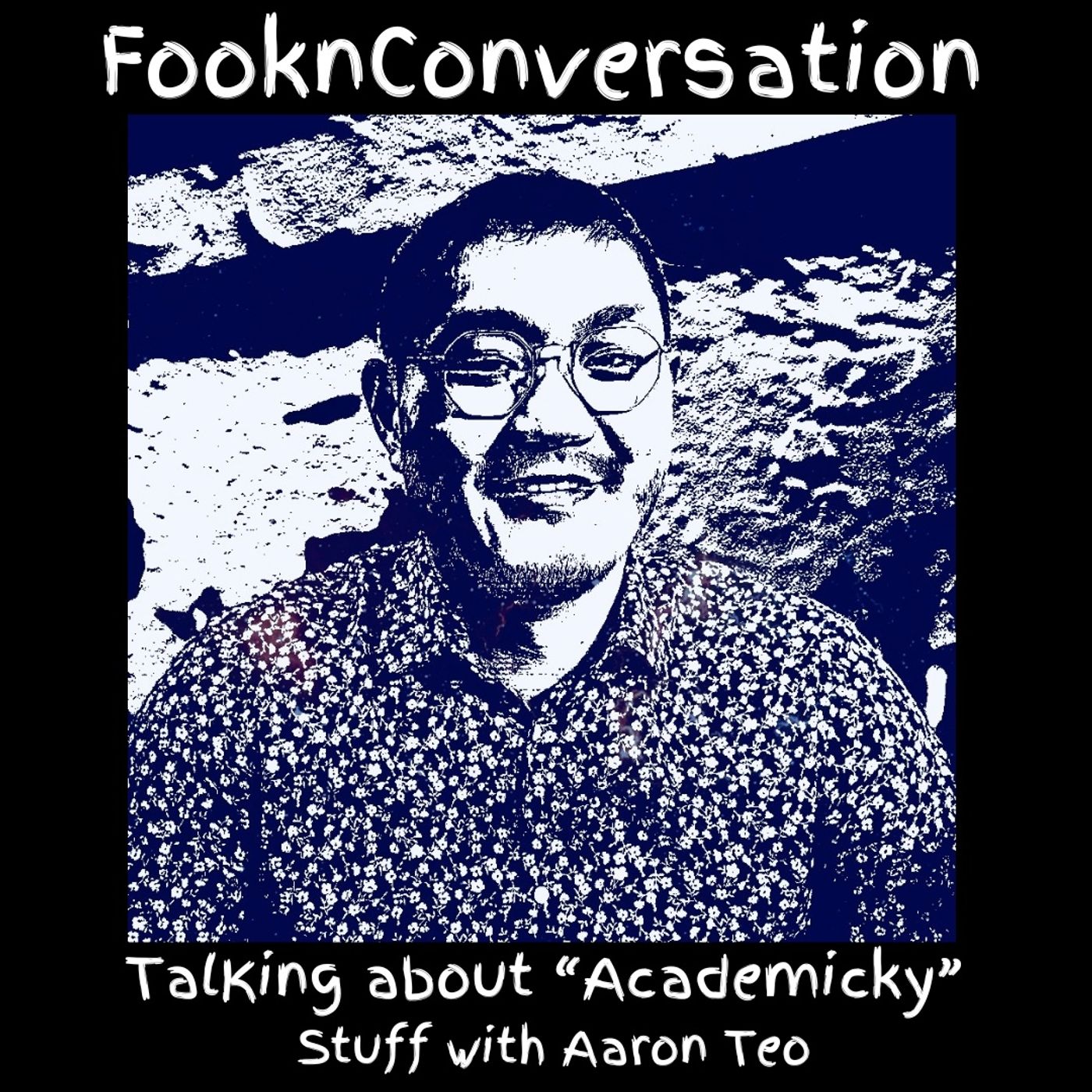
Dr. Aaron Teo
Feb 1300:57:03Tap to summarizeIn Episode 70 Dr. Nicholas Ng-A-Fook hosts Dr. Aaron Teo is a Singaporean Chinese first generation migrant settler living on unceded Jagera and Turrbal lands. He currently works as a sociologist of education at the University of Southern Queensland. Our conversation centers on his research into the racialized and gendered subjectivities of migrant teachers and students from Asia within the Australian context, and the enduring legacies of White Australia in contemporary schooling and teacher education. Dr. Teo reflects on his journey from international student to secondary teacher and middle leader in Queensland, and ultimately to doctoral studies shaped by autoethnography and duoethnography. He speaks candidly about navigating predominantly white educational spaces, teaching critical race theory in teacher education programs, and making academic writing accessible without losing theoretical depth. We discuss the rise of anti-Asian racism during COVID-19, his involvement with the Australian Human Rights Commission’s national study on university racism, and his community engagement with the Asian Australian Alliance. Aaron highlights the politics of perpetual foreignness, Asia illiteracy, and the conditional inclusion of racialized communities in settler colonial nation-states. Throughout, he calls for critical pedagogies that move beyond symbolic inclusion toward structural change, consciousness-raising, and collective responsibility in confronting racialization within and beyond the classroom.
Transcribe →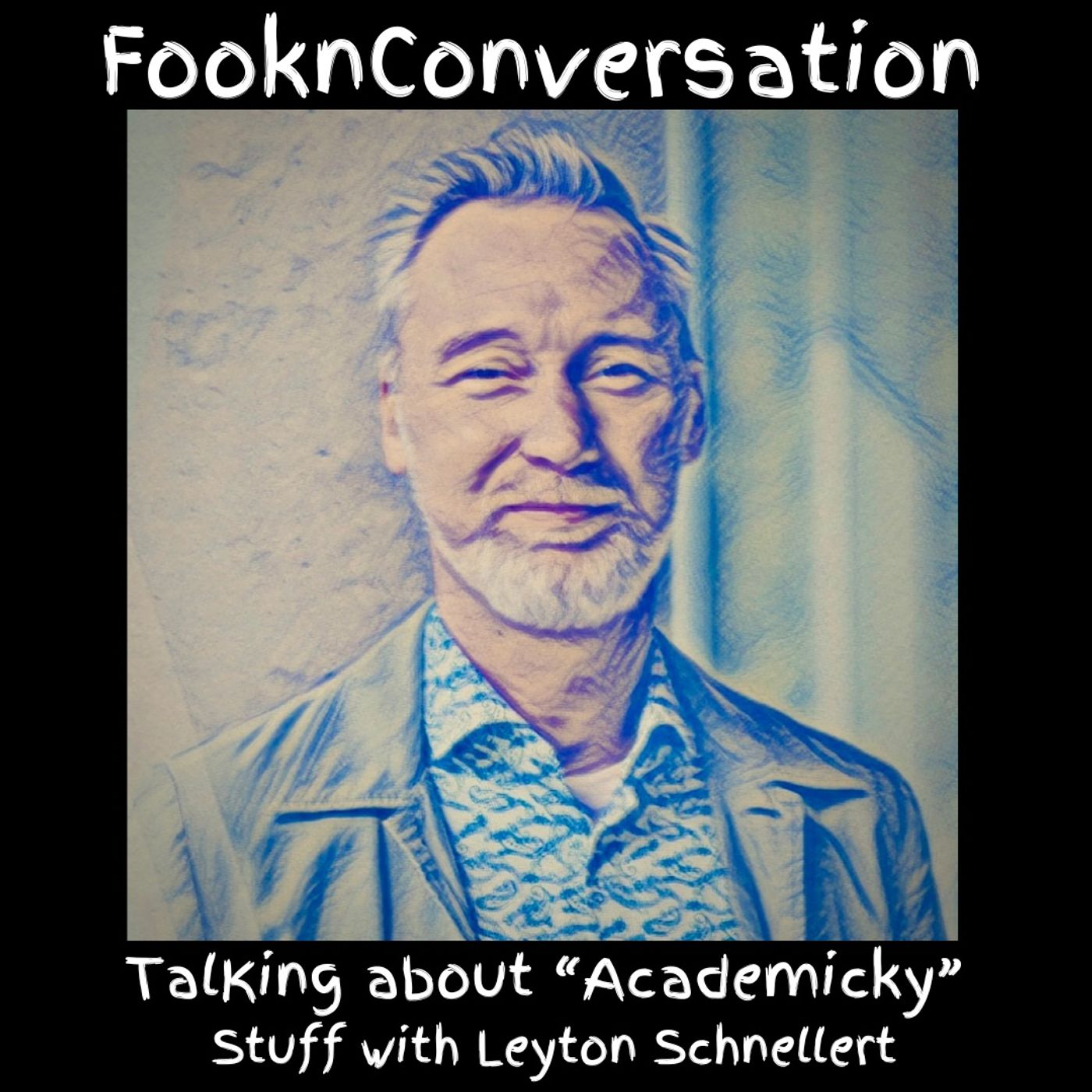
Dr. Leyton Schnellert
Dec 2900:59:45Tap to summarizeIn Episode 69 Dr. Nicholas Ng-A-Fook hosts Dr. Leyton Schnellert, an Associate Professor, at the University of British Columbia and Co-Director of the Canadian Institute for Inclusion and Citizenship. Our conversation examines his decades of community-engaged research with rural communities and self-advocates across British Columbia. We discuss Growing Innovation in Rural Sites of Learning and how rural educators are resisting deficit narratives by cultivating rural cultural wealth, community-based inquiry, and place-conscious pedagogies in the face of teacher shortages and the persistent urban pull. Dr. Leyton Schnellert also reflects on participatory disability theatre projects, such as but not limited to The Right to Love and Be Loved, where self-advocates with intellectual and developmental disabilities (IDD) claim space and voice their terms for doing theatre and social justice research. We talk about ethical relationality and decolonization in education change networks, learning alongside and from Indigenous community partners, Knowledge Keepers, and the land itself. Throughout the conversation, we return to themes of unlearning, liminality, consent, and uncertainty. We take up how meaningful change rarely follows a script. Dr. Leyton Schnellert shares stories of driving rural mountain roads, visiting smaller school communities, and (un)learning from students and self-advocates whose interruptions invite us to do education and research differently. Finally, he calls on us to consider what it means to do the beautiful, unfinished work of making education a more inclusive place for all.
Transcribe →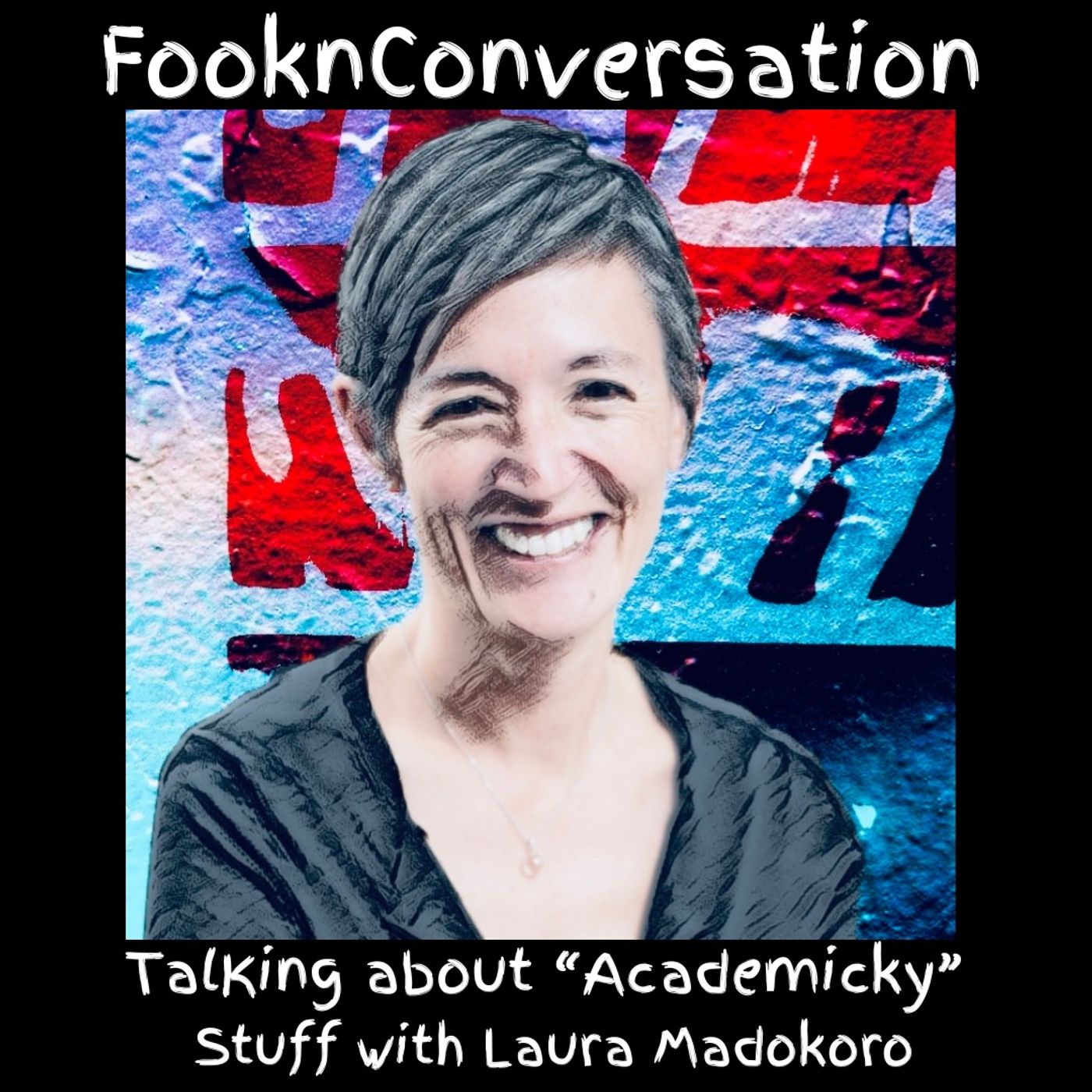
Dr. Laura Madokoro
Dec 501:04:07Tap to summarizeIn Episode 68 Dr. Nicholas Ng-A-Fook hosts Dr. Laura Madokoro, a mixed-generation settler historian from Quebec’s Eastern Townships and a leading scholar of migration, refuge, and humanitarianism. Now an Associate Professor at Carleton University, she draws on the intersecting confluences of an archivist, journalist, and historian to illustrate how stories surface held, and circulated within and by “humanitarian” settler colonial nation-states. Her first book, Elusive Refuge, reshaped understandings of the racialized politics of refugee admission, while her new book, Sanctuary in Pieces, examines two centuries of sanctuary, (re)fugitivity, and urban displacement. She also leads The Disaster Lab and Sites of Sanctuary, advancing work on diasporic disaster citizenship. Our conversation traced her early pathways through museums, archives, and journalism, and how these experiences cultivated a deep curiosity about whose stories get recorded, whose are silenced, and how one sentence can redirect an entire research trajectory. We discussed her long-standing interest in humanitarianism and the tensions between state rhetoric and the everyday labour of different historical and contemporary actors in a democratic commonwealth society. Dr. Madokoro reflected on the ethics of working with archives, the risks and responsibilities of making stories public, and the importance of respecting silence and refusal. She shares about the evolving practice of sanctuary, the challenges of visibility in volatile political climates, and how the body itself can serve as archive in understanding displacement. Throughout our conversation, she emphasized transparency, care, and humility in relation to the discipline of history. We closed our conversation by reflecting on writing during the pandemic and the importance of holding space for complexity, community agency, and our ethical responsibilities in relation to doing history as a beautiful, beautiful craft.
Transcribe →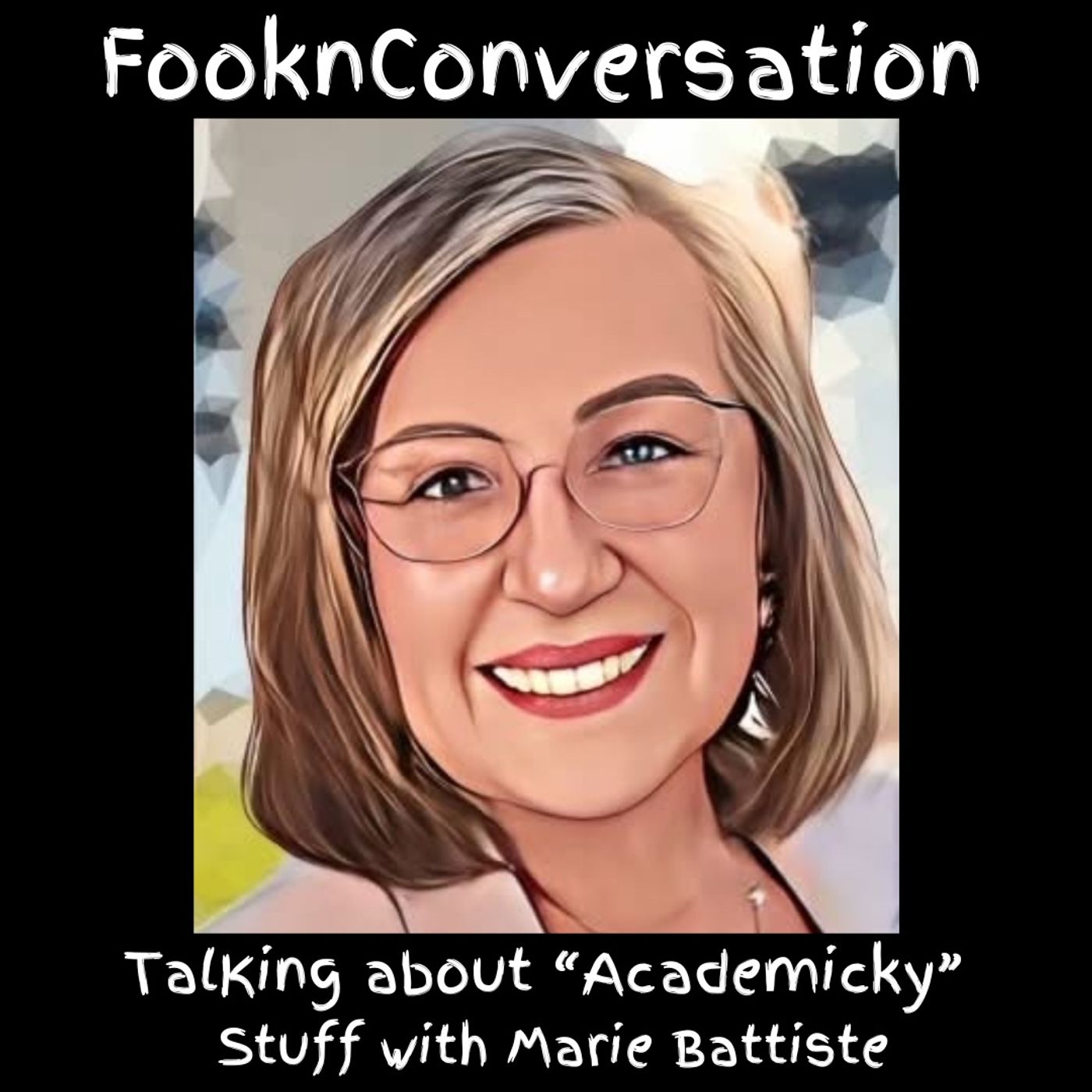
Dr. Marie Battiste
Oct 1700:58:32Tap to summarizeIn Episode 67 Dr. Nicholas Ng-A-Fook interviews Dr. Marie Battiste is a citizen of the Mi’kmaq Nation, a member of the Potlotek First Nation and the Aroostook Band of Micmacs in Maine. She is Professor Emerita at the University of Saskatchewan and one of the most influential scholars of Indigenous education in Canada. Her groundbreaking scholarship has advanced the work of decolonizing education, cognitive justice, and protecting Indigenous knowledges, shaping curriculum studies and educational policy across the country. Dr. Battiste has authored several books such as but not limited to Decolonizing Education: Nourishing the Learning Spirit, co-authored Protecting Indigenous Knowledge and Heritage: A Global Challenge and Protecting Indigenous Knowledge and Heritage: A Canadian Obligation with Dr. James (Sakej) Henderson, and edited several collections including Living Treaties and Visioning Mi’kmaw Humanities. Over her career, she has published more than 80 essays and reports, and her contributions have been recognized with six honorary degrees, election as a Fellow of the Royal Society of Canada, and numerous national and community distinctions. We discussed the following: The central role that her Mi’kma’ki/Unama’ki homeland has made in relation to scholarship, the intergenerational impact of settler colonial government policies of forced displacement and residential schooling on families and community life, graduate studies, career and family transitions, language revitalization through Mi’kmaw literacy and curriculum-making, cognitive imperialism, cognitive justice, restoration of Indigenous knowledge systems, influence of the American Indian and Civil Rights Movements, treaty education, and how trans-systemic approaches to law, knowledge creation, and education remain foundational to constitutional reconciliation, and advocates for rethinking university reward systems toward valuing Indigenous knowledge outside Eurocentric peer-review metrics and stresses our ethical responsibilities to protect land, water, air, each other, and more-than-human-kin.
Transcribe →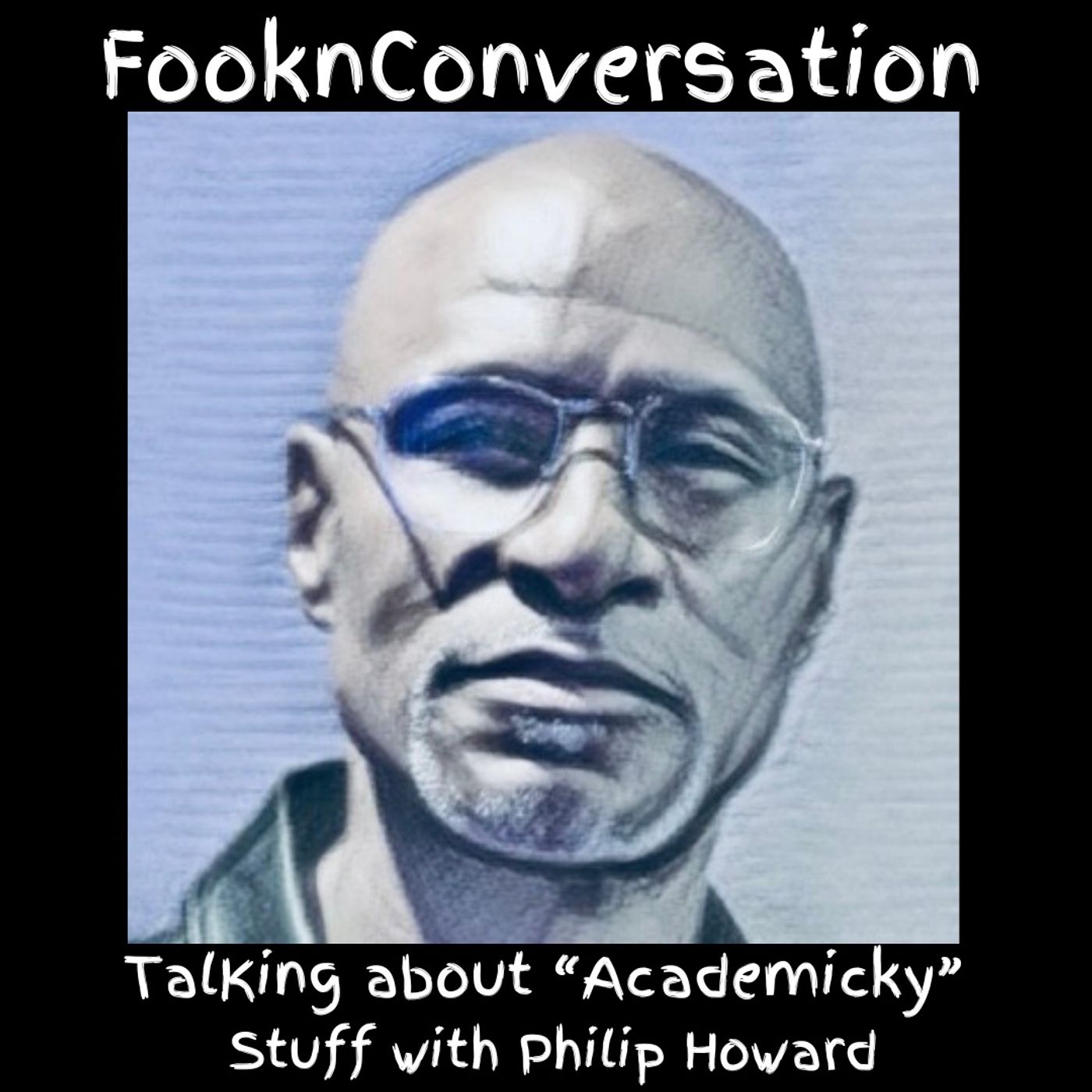
Dr. Philip S. S. Howard
Sep 801:00:09Tap to summarizeDr. Philip S. S. Howard is an Associate Professor in the Department of Integrated Studies in Education at McGill University’s Faculty of Education, where he explores the social formations, pedagogical processes, and epistemological frameworks that shape how we understand ourselves, form identities, and exercise agency in the context of antiblackness, colonialism, and racial injustice. Dr. Howard’s recent projects include an examination of contemporary Canadian blackface as a post-racialist phenomenon; narratives of Black life, agency, and resistance in educational contexts across Toronto, Halifax, and Montreal; and broader questions of Black Studies and its presence in Canada. We discussed the following: ISATT Conference at Glasgow University, British Empire and transatlantic slave trade, historical injustices and public memory, cosmetic versus substantive transformational change, post-2020 anti-Black racisms, post-racialist rhetoric, blackface in Canadian universities, cyclical backlash, Black Life, freedom movements, settler colonialism and higher education, Sylvia Wynter’s rethinking of the human in response to settler colonial logics, possibilities and limitations of institutionalizing Black Studies, critique of “Black excellence” discourse, historical consciousness and the archive, epistemologies of ignorance, and so much more.
Transcribe →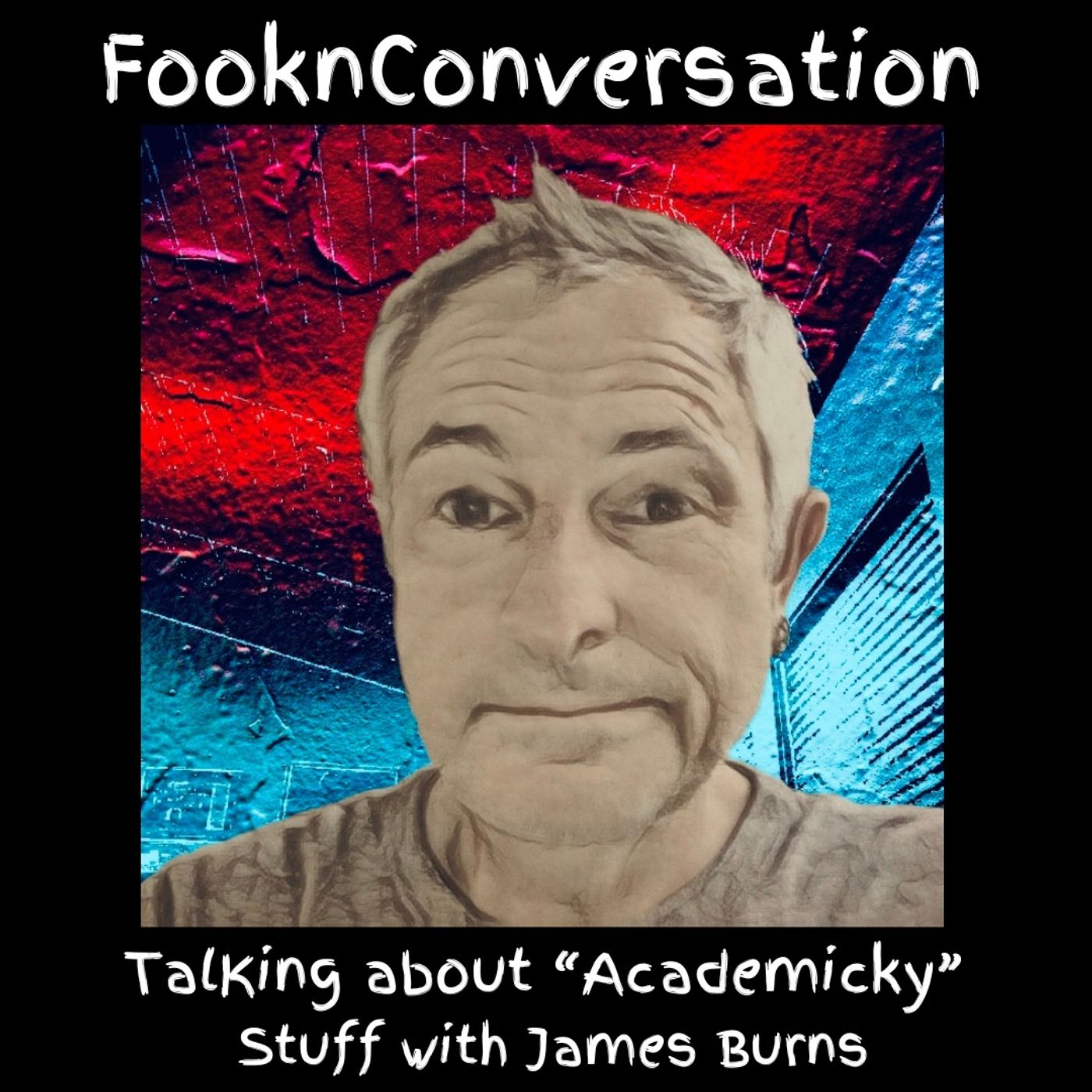
Dr. James P. Burns
Jun 10, 202501:03:10Tap to summarizeIn Episode 65 Dr. Nicholas Ng-A-Fook interviews Dr. James P. Burns an Associate Professor of Curriculum Studies at the University of New Mexico. Prior to joining the faculty at UNM, Dr. James P. Burns was an Associate Professor in the School of Education and Human Development at Florida International University and an Assistant Professor at South Dakota State University. His research interests include curriculum theory, Foucauldian studies, violence, ethics of non-violence, fascism, education policy, and masculinities studies. We discussed the following: Whose knowledge is of most worth, his reflections on Israel, Gaza, epistemicide, truth, and the banality of evil, history, myth of the frontier, manhood, crisis of masculinity, industrial military complex, historicity of American violence, popular culture, attacks on higher education, his forthcoming book Myth, Manhood and Curriculum Towards Truth, Self-Cultivation, and Reparation, and so much more.
Transcribe →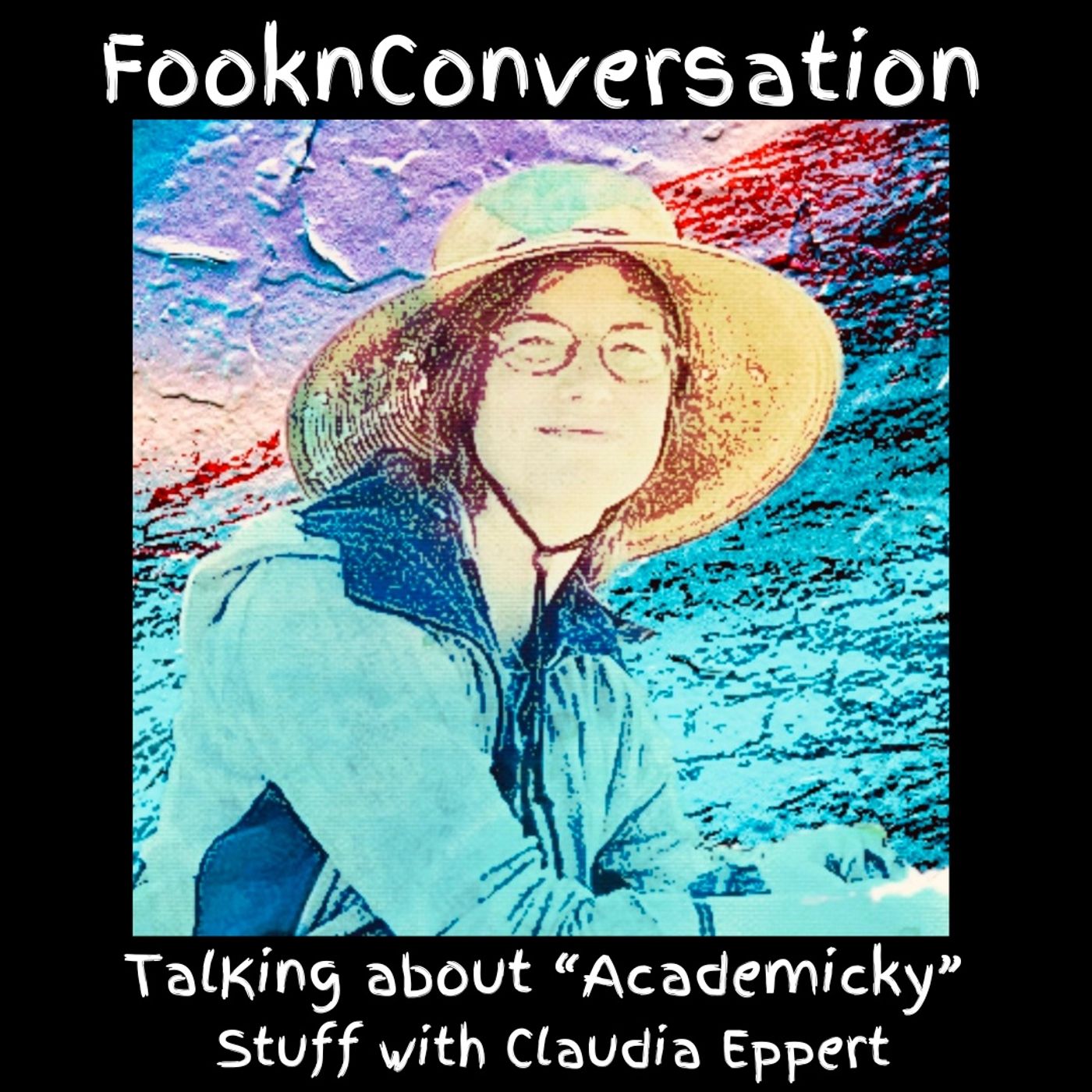
Dr. Claudia Eppert
Apr 17, 202501:11:10Tap to summarizeIn Episode 64 Dr. Nicholas Ng-A-Fook interviews Dr. Claudia Eppert a Professor of Secondary Education at the University of Alberta. Her research focuses on the ethics of witnessing social and ecological suffering and trauma through literary, aesthetic, and mindful, contemplative, holistic engagements, along with exploration of the possibilities of psycho-social transformation to a more just, compassionate, and regenerative world. We discussed the following: her educative lived experiences, teaching, graduate studies, literary studies and engagement, cross-cultural philosophical studies, memory work, life writing research, historical witnessing, shadow texts and questions, mindfulness, Buddhism, non-dualism and basic goodness, ecological witnessing, species extinction, and so much more.
Transcribe →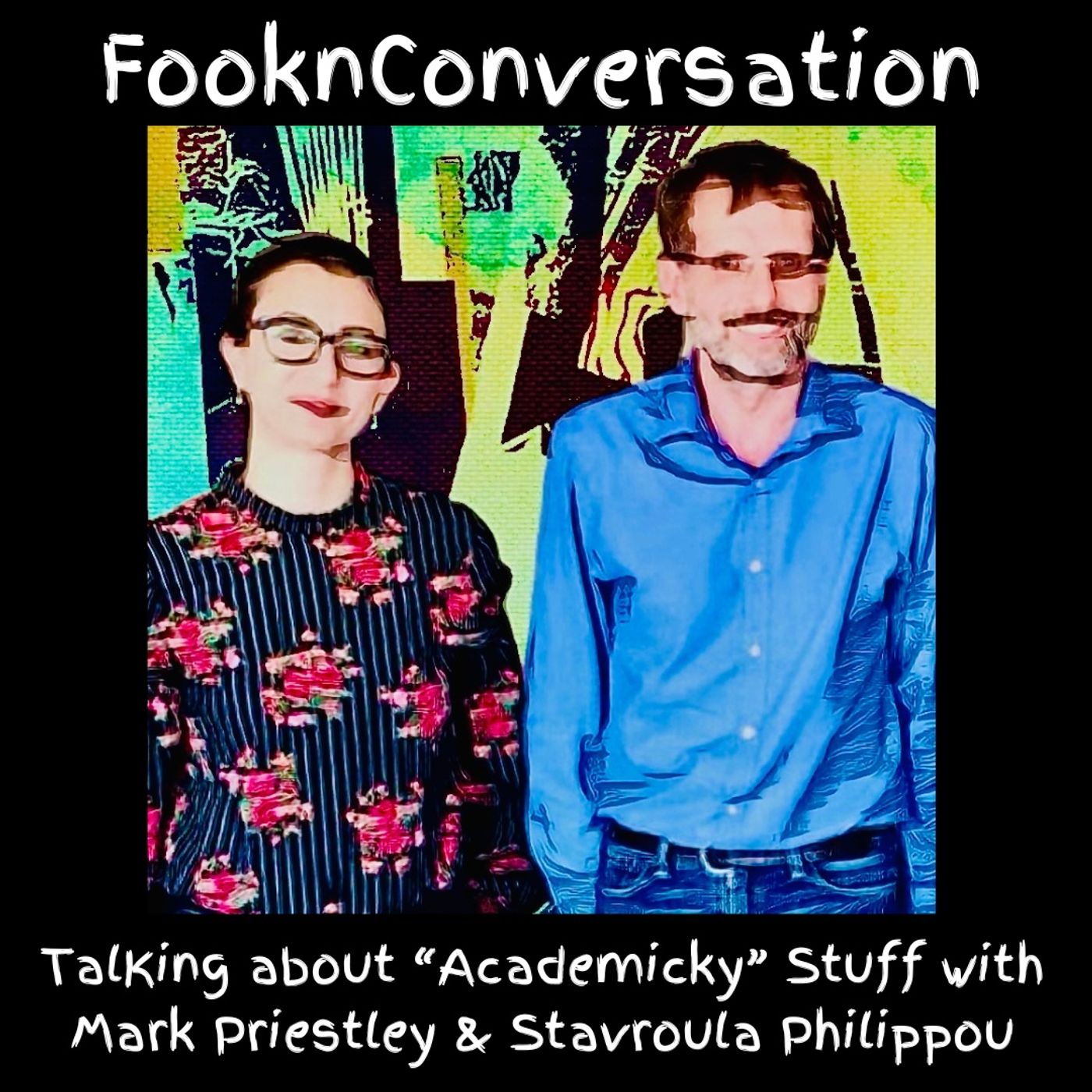
Dr. Mark Priestley and Dr. Stavroula Philippou
Mar 29, 202501:02:39Tap to summarizeIn Episode 63 Dr. Nicholas Ng-A-Fook interviews Dr. Mark Priestley and Dr. Stavroula Philippou. Dr. Priestley is a Professor of Education at the University of Stirling. His research focuses in part on the processes of curriculum making across the different layers of education systems. He is also the Director of the Stirling Centre for Research into Curriculum Making. Dr. Stavroula Philippou is an Associate Professor in Curriculum and Teaching within the Department of Education at the University of Cyprus. Both represent their respective countries as national Representatives of the International Association for the Advancement of Curriculum Studies (IAACS). Both are Co-convenors who support Dr. Majella Dempsey the Lead Convenor of Network 3-Curriculum of the European Educational Research Association (EERA). We discussed the following: educational and political differences in Canada, United Kingdom, Scotland, Cyprus, European Union and Middle East, their co-edited collection Curriculum Making in Europe, Supra, Macro, Meso, Micro, and Nano contexts of curriculum making as a social practice, collaborating on research with teachers as curriculum makers, navigating European Union Research Grants, their tenure as editors of the Curriculum Journal, implications of artificial intelligence for curriculum making, and so much more.
Transcribe →