← Fool Coverage with Manny MUA and Laura Lee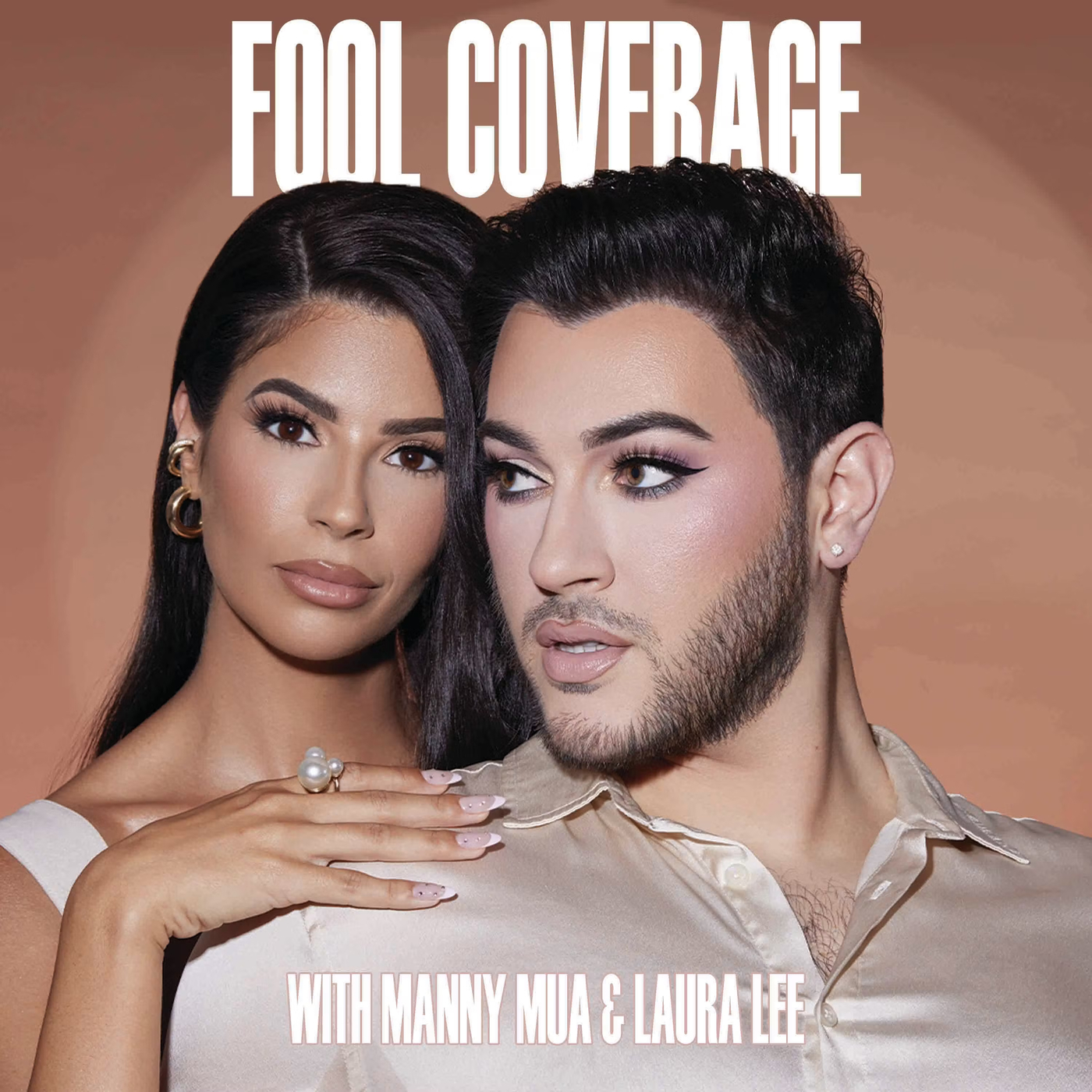
Fool Coverage with Manny MUA and Laura Lee
2016 influencers vs 2026 influencers… who’s better?
01:10:19
Loading summary
Transcript760 lines
- [00:00]
Narrator/Advertiser
If you're a small business owner, you already know what it takes to keep everything moving. You're juggling customers, invoices and about a hundred decisions every day. Thankfully, taxes don't have to be one more thing on that list. With Intuit TurboTax, you can get your business taxes done for you with a full service expert. TurboTax matches you with your dedicated tax expert who knows your industry, understands your business write offs and gives you the personalized advice your business deserves. Upload your documents right in the app, hand everything off and still feel like you're in the loop the whole way through. You can even get real time updates on your expert's progress right in the app, which makes it so much easier to stay on track. And you can get unlimited expert help at no extra cost, even on nights and weekends during tax season. Visit turbotax.com to get get matched with an expert today only available with Turbo Tax Full service experts.
- [01:02]
Tyler
Go the distance with CoverGirl's new eye enhancer Wrap tubing mascara for a lash extension effect. Shop now at your nearest retailer.
- [01:12]
Laura
I hate this. I hate being here.
- [01:16]
Tyler
SMS like cheesy over here.
- [01:18]
Laura
Chasing baby tea got me.
- [01:21]
Tyler
And share an opinion. But not everything is about you. That was the thing.
- [01:25]
Laura
2026 is eas. 2016 was so hard. Welcome to your favorite podcast. It's full coverage with your host Laura.
- [01:34]
Tyler
Lee and Manny Mua. We're back, back, back again in the new studio, you guys.
- [01:41]
Laura
Yes, we are. We love it.
- [01:42]
Tyler
Crocky.
- [01:43]
Laura
Crikey, crikey.
- [01:45]
Tyler
I feel like Crocodile Dundee.
- [01:47]
Laura
You look like him too in that little camo shirt.
- [01:51]
Tyler
I was lit. You know what's so funny? I was going to wear my, my green bass pro on top of this to really give the Floridian fantasy. But I want to film a TikTok after this and it was going to fuck my hair.
- [02:00]
Laura
I was like, I get it.
- [02:01]
Tyler
Sorry about that.
- [02:03]
Laura
Yep. It's like, I'm like, he's like this.
- [02:08]
Tyler
Yeah. I'm like, just stop.
- [02:09]
Laura
Our listeners are like, what's happening, you guys?
- [02:12]
Tyler
It was, the mic was. It had a mind of its own. But I was, I was going to wear that. But the thing is because my hair is so fine, it would fuck it immediate.
- [02:23]
Laura
Oh.
- [02:27]
Tyler
Flat. Oh, I'm like this.
- [02:32]
Laura
Flat as pink.
- [02:34]
Tyler
Well, what the fuck is wrong with me?
- [02:36]
Laura
I'm fucking dead right now.
- [02:38]
Tyler
Flat as nice.
- [02:40]
Laura
Honey, that rolled off the tongue too.
- [02:42]
Tyler
Quick, too quick, too quick. So I can't. So now I'm gonna be in just my camo Abercrombie shirt. I love Abercrombie shirts. I'm an obsession with Abercrombie like shirts. I literally just dropped like more than I needed to on an order.
- [02:57]
Laura
Go ahead, tell us the title.
- [03:01]
Tyler
I'm not gonna say what the total is, you guys, but today's episode, we thought it'd be so fun because honestly 2016 is trending right now. People are doing their recaps, they're doing all these like throwbacks because 2026 is 10 years since 2016, right? So it's like, oh my God, throw it back. So I thought it'd be kind of fun. We thought it'd be kind of fun to do like little like throwback to 2016, talk about some situations and like the differences between 2016 and 2026. And I actually have this like one post that I really want to deep dive on because I have like opinions on it specifically and I want to get your opinion on it as well.
- [03:33]
Laura
Oh, okay, I'm down.
- [03:35]
Tyler
But first speaks a bit.
- [03:36]
Laura
I'll start with my pick because I think it's.
- [03:38]
Tyler
Start it, start it.
- [03:40]
Laura
So I never run with water. Cuz you're supposed to hydrate before anyways.
- [03:43]
Tyler
Okay.
- [03:44]
Laura
Like you're not supposed to be chugging water on a run unless you're doing super long distance running. But you're not supposed to be chugging a lot of water, especially on a short run. Cuz it just can hurt your belly, weigh you down a bit. You want to hydrate before the run. Electrolytes, hours, days before the run. You want to be doing that work.
- [04:01]
Tyler
I'm like, this looking real good. So it's like cheesing up in here.
- [04:09]
Laura
I'm dead.
- [04:11]
Tyler
Oh, that feels good.
- [04:12]
Laura
So I went running. It was my first time ever doing eight miles.
- [04:16]
Tyler
And when I. Oh, with no water at all. Nothing.
- [04:20]
Laura
No water, Nothing. No. Yeah, cuckoo. I don't know what I was thinking.
- [04:24]
Tyler
You weren't.
- [04:26]
Laura
I wasn't thinking. I think I was just like, whatever, it'll be the same as all the other runs.
- [04:30]
Tyler
But it wasn't because it was doing.
- [04:33]
Laura
One mile more, let me tell you.
- [04:35]
Tyler
Wait, so you just didn't have water on the run or it was in your car?
- [04:38]
Laura
It was in my car. But it wasn't on the run.
- [04:40]
Tyler
Was on you, on your person and you usually have water on you?
- [04:43]
Laura
Never.
- [04:43]
Tyler
So then what was like exactly. Got it.
- [04:46]
Laura
So I was like, you're like, no, you're fine. When I. The seventh, they got you hit mile seven, I was. People were running past me with Water bottles. And I remember you were like this. Oh, give me a little spongebob.
- [05:01]
Tyler
Like this. You literally. Spongebob.
- [05:04]
Laura
I was like. I was. I was like. My tongue was literally a piece of sandpaper.
- [05:08]
Tyler
Yes.
- [05:08]
Laura
My lips were burning. Cu. They were so dry. And on top of it, I was like, I'll wear this cute baby.
- [05:13]
Tyler
And you're a water drinker.
- [05:15]
Laura
Water drinker. So you know, I know it well. I was like, I'll wear this cute little baby tea too, cuz it's kind of chilly when you get started. But you can't be wearing a jacket out there, cuz you'll sweat.
- [05:24]
Tyler
You'll die.
- [05:25]
Laura
So let me tell you, when I hit mile four, I was like, both of my armpits are on fire really bad right now. And I chafing. Chafing baby tea got me bad. Both armpits full rashes.
- [05:40]
Tyler
No.
- [05:41]
Laura
I was literally running like weapons down the beach. I swear to God. I swear to God.
- [05:47]
Tyler
You're running like this.
- [05:48]
Laura
Arms all the way out. No, I was. I couldn't put my arms down. And you're technically supposed to run with your arms down by your side for the momentum. Yeah. Couldn't do it. I was like literally running like this.
- [05:58]
Tyler
Shut up. Lord, it was that bad.
- [06:00]
Laura
Hit me on mile four.
- [06:01]
Tyler
Got it.
- [06:01]
Laura
So I'm. I'm cooked in the underarm. Okay. Never doing a baby tea again. Got it loose. Understood. Loose. You want to go loose. You don't want to go too tight. Okay. So I was like, okay. No, I'm like, well, now that my underarms are bleeding on fire. And then I was like, red is literally. I had like a rash for a week.
- [06:21]
Tyler
No, you didn't. Yes. Oh my God. Lord. I didn't. I'm gagged. I did not know that.
- [06:24]
Laura
Cuz I'm always in hoodies cuz it's cold. Yeah, but you would have seen it if it was summertime.
- [06:28]
Tyler
No way.
- [06:29]
Laura
Yes. I had a rash for a week cuz I chafed out both of my underarms.
- [06:32]
Tyler
Me between my thighs.
- [06:33]
Laura
I now I never had my.
- [06:40]
Tyler
Y' all know what the chub.
- [06:41]
Laura
There is thigh rescue.
- [06:45]
Tyler
There is thigh rescue. And I'm like.
- [06:48]
Laura
And it can save you. It can save you.
- [06:50]
Tyler
I need thy rescue. Trust.
- [06:52]
Laura
So then almost. I'm telling you, it felt like a piece of sandpaper in my mouth. Disgust. Yes. My lips burning. They were so dry. Because I was dehydrated. Chapped as hell. I was.
- [07:03]
Tyler
I know you got into that car falling apart. I was like, yes, you Were desperate. Desperate about to drink that ocean water, bitch.
- [07:11]
Laura
I was, baby. That contaminated ocean water.
- [07:14]
Tyler
Sick.
- [07:14]
Laura
Sick. I was ready for. I kept looking over at the ocean. It was like torture. People would run by with full water bottles. I was like, please, sir, please.
- [07:23]
Tyler
A Morse.
- [07:25]
Laura
Yeah, so. And then because I use my stupid fucking Apple watch, when I hit mile seven, it started at zero. I was so mad because never. I had worked so hard for eight miles. As soon as I hit mile seven, it goes and starts at zero. Like, why did it start at zero? I don't know.
- [07:44]
Tyler
Maybe because it's used to using seven and not.
- [07:46]
Laura
No, because I'm constantly jumping up, so. And it's never done that before.
- [07:51]
Tyler
Yeah.
- [07:51]
Laura
So I stop. Like, I literally. It dings, and I look down, and it's at zero. So I stop running. I'm like, what the is happening?
- [07:58]
Tyler
And.
- [07:58]
Laura
And I'm like, hello. So I was like, this is so sad. It's not gonna track my truck. And I work so hard because I have an app where it keeps up with all my workouts and my progression.
- [08:08]
Tyler
And my time, like, nowhere.
- [08:09]
Laura
It's like, this is. I've worked so hard, and I'm not even gonna have the recording of it, but whenever I stop, my watch, it corrected itself and picked back up that extra mile. Oh. I was like, thank God.
- [08:19]
Tyler
I know that that activated me.
- [08:21]
Laura
It fucked up my pace because when that happened, I stopped running. So I was, like, freaking out. Yeah. I was like, well, then I'm never running again. I'm never running again.
- [08:29]
Tyler
I ha.
- [08:32]
Laura
You literally.
- [08:32]
Tyler
You had a moment of clarity, and you're like, this sucks.
- [08:38]
Laura
That was literally like, this is the worst. But thank God, whenever I saved my run, it said I did the full eight miles. So the watch just glitched. And so many runners have given Apple a bad rap. And I've defended it, and I was like, no. Oh, no. Next day, I went and bought a Garmin. That never happening to me again. Never happening. How dare you?
- [08:58]
Tyler
How dare you dare you.
- [09:00]
Laura
But to be fair, apples for everyday use juice. And it is great for fitness, but it's not for, like, marathons and stuff. They didn't make it for that. So they're like, hey, hey.
- [09:08]
Tyler
They're like, listen, we're doing what you do. They're like, listen, listen. That wet arm that you have, it's not our fault. We did not say, we're gonna track this.
- [09:17]
Laura
It's gross. It's really gross.
- [09:19]
Tyler
But I bet that water, when it.
- [09:20]
Laura
Hit your lips, I still remember it right now. Like, I remember the bottle. I had the straw because when the water hit my throat, I was like.
- [09:28]
Tyler
Like, you breathe for the first time.
- [09:29]
Laura
Yeah. So now I bought a cheap vest off Amazon. It is fabulous love. And it has a little flash water bottle in it. And I can just like.
- [09:37]
Tyler
Because even if you had like a little thing, you can just go, I.
- [09:40]
Laura
Just need a little bit. Just a little bit.
- [09:42]
Tyler
God, that would literally kill me.
- [09:43]
Laura
Really change my run. Getting that water in there. Gonna want to pack water, guys.
- [09:47]
Tyler
Yeah, pack water. You guys, if you're gonna go on.
- [09:48]
Laura
An 8 miler, draw the line, pack the wall.
- [09:53]
Tyler
It's going to quick three.
- [09:54]
Laura
And I got energy packs too.
- [09:56]
Tyler
Oh, and that, like, does that really make a difference?
- [09:57]
Laura
It really makes a difference.
- [09:58]
Tyler
Does that have just caffeine? Like, what is the point?
- [10:02]
Laura
I have electrolytes in them and they. They just say so the one I specifically got is caffeine free.
- [10:08]
Tyler
Huh.
- [10:08]
Laura
But it just has electrolytes and energy, so I don't know what else.
- [10:11]
Tyler
I wonder what gives you energy though. Like, I'm curious what does?
- [10:15]
Laura
Like, I do a lot of electrolytes a couple hours before my run. And it's rough. Like, I'm doing the nasty ones. Like the real. Yeah, I ain't doing no. No offense, but like, not the tasty ones.
- [10:27]
Tyler
No, right. No offense to who?
- [10:28]
Laura
I'm like, I'm like.
- [10:29]
Tyler
I'm offended.
- [10:31]
Laura
The brand. The brand.
- [10:33]
Tyler
No offense.
- [10:34]
Laura
You taste like shit it the way I do. Tastes like shit to me.
- [10:37]
Tyler
I mean, it is what it is. But when they work, they work.
- [10:39]
Laura
It works. It works. It works. It works. So. Makes a big difference. So anyways, just bring water on your minds, guys. Just fuck it.
- [10:46]
Tyler
Just bring water.
- [10:46]
Laura
Not proven anything to anyone. I wasn't trying to. I just didn't need it.
- [10:50]
Tyler
You need it. You're fine.
- [10:51]
Laura
Never need. And I didn't want to wear a full fucking vest.
- [10:54]
Tyler
No. Right. But now it's like, you need it.
- [10:55]
Laura
Oh, no.
- [10:56]
Tyler
Game changer.
- [10:57]
Laura
Game changer.
- [10:58]
Tyler
Bring the damn best and bring the. When I tell you a camelback, I.
- [11:02]
Laura
Feel like a different person.
- [11:03]
Tyler
I love that.
- [11:04]
Laura
Yeah.
- [11:04]
Tyler
Because then it's actually like, oh, my God. You can. You can even go farther than 100.
- [11:08]
Laura
100.
- [11:08]
Tyler
You're not depleted as little pockets for myself.
- [11:11]
Laura
What's your pet?
- [11:12]
Tyler
My. My pit. I didn't even tell you this because it happened last night. So I get invited to like a friend's birthday party, birthday dinner. And I was like, yeah, of course. I would love to come. Like, she's very sweet. And I've known her for, like, a year and a half. And so she was like, I'm doing, like, an intimate dinner with, like, some of my close gay friends. And I was like, cool, sounds good. I would love to go. So she sent me the place and then the address, right? So she's like, be here at 6:30. Great. I put in the address from when I, like, got the address, and it was like 50 minutes away. And I go, on Sunday. On Sunday, Laura. 50 minutes on a.
- [11:49]
Laura
So it must have been far.
- [11:50]
Tyler
So I'm like, what the fuck? So then I end up checking like I'm about to leave. So I'm like, about, like, 45 minutes from leaving. And so I look at. It's like 42 minutes. I'm like, okay, it's not as bad as 50. But it got lower as the night came on. So I. I'm driving over. I get to the place. I'm like, maybe, like 10 minutes late, right? I get there and I pull up and I pull up to this place, and it's like, park your car here and walk 14 minutes to get to it. And I'm like.
- [12:18]
Laura
You got back to your car? Went home.
- [12:20]
Tyler
So I go, what the are you talking about? And so I text a walk. And I'm like, did you guys have to walk 14 minutes?
- [12:26]
Laura
Oh, my God.
- [12:27]
Tyler
And she's like, no. Oh. And I'm like, oh, my God. So then I type in the actual restaurant and not the address. Manny. It took me to the Palisades. Past the Palisades, Manny. It was in Hollywood. So I had to drive 40 minutes from the pal.
- [12:46]
Laura
Oh, my.
- [12:46]
Tyler
To Hollywood. I was 45 minutes late to the dinner. Luckily, it wasn't as intimate as I thought. It was like 20 people. Oh. I'm like, oh, it's not six people.
- [12:54]
Laura
Thank God people be using that term. It's real.
- [12:56]
Tyler
And I'm like, there was 20 people here. Loosely, 30 people. So I was there 40 minutes late. I was in my car for an hour and a half.
- [13:03]
Laura
Wow.
- [13:04]
Tyler
Because I went. It took me to an address that was literally blocked off in the Palisades of a restaurant. So I started to literally, like, go actual crazy in my car.
- [13:16]
Laura
Yeah.
- [13:16]
Tyler
After an hour and a half, I was so tempted just to be like, I'm not gonna make it.
- [13:21]
Laura
Yeah, well, I'm in the Palisades.
- [13:23]
Tyler
I went from Palisades to the Hollywood.
- [13:25]
Laura
That's so.
- [13:26]
Tyler
No, that was the thing is Hollywood. So I go, I'm gonna crash the out. And if I didn't look cute.
- [13:35]
Laura
Oh, you had already gotten ready.
- [13:36]
Tyler
Let me say something. If I wasn't cute last night, I wouldn't have made it.
- [13:41]
Laura
What a bummer.
- [13:42]
Tyler
But because I looked so cute, I needed to be seen and I craved that.
- [13:46]
Laura
Yeah, it was, you know, and I.
- [13:48]
Tyler
Knew there's gonna be 25 gay people.
- [13:49]
Laura
Drive an hour and like 40 minutes.
- [13:51]
Tyler
I was willing an hour to be seen, you know, to be heard and to be visible.
- [13:55]
Laura
Damn.
- [13:56]
Tyler
So it was really dark. And I just wanted you to know.
- [13:58]
Laura
That's a horrible.
- [13:59]
Tyler
That that was mine. An hour and 30 minutes in the car, you guys. I know, but let me tell you something. If you were fully glam and dressed up, you would have made the drive.
- [14:09]
Laura
I would have just like done a TikTok and went home.
- [14:12]
Tyler
You would have gone out, walked. 14 minutes. She's like, I'm in the wilderness, you guys. I'm like, no, Laura, you would have fucking. You're like, I hate this.
- [14:20]
Laura
Yeah, I hate this so much. I hate this. I hate being here.
- [14:25]
Tyler
So really, really spooky. And I got there so late and I was like, I'm sorry. Like, it took me to the literal wrong address and I was so fucking late. That was my pit from hell. I was mad.
- [14:35]
Laura
That's a pretty bad pit.
- [14:36]
Tyler
I was mad because I know. I was like, I know that might.
- [14:40]
Laura
Be worse than no water on a run.
- [14:42]
Tyler
It's worse.
- [14:42]
Laura
I think it's worse. I would rather go through what I went through than drive that far and not be at the location. I'm gonna be honest. Like, I could really live what I went through and not have to deal with that.
- [14:53]
Tyler
You guys, I really.
- [14:55]
Laura
Not to compare traumas, but.
- [14:56]
Tyler
No, we have to.
- [14:57]
Laura
Yours feels worse.
- [14:58]
Tyler
We have to compare it because it truly was traumatic for me.
- [15:02]
Laura
Did you take the Jag?
- [15:03]
Tyler
No. No.
- [15:04]
Laura
You did it, Annie. Why not?
- [15:11]
Tyler
I don't know. I did it, so I'm very glad I did it, honestly.
- [15:14]
Laura
We have to get rid of the couch because soon I'm going to be.
- [15:19]
Tyler
Like. The second you laugh, you sink in. Yes. I dead ass was like, I'm already going 45. I'm just gonna take the Toyota.
- [15:27]
Laura
Oh, yeah.
- [15:28]
Tyler
I'm already going so fucking far. So when I got there and it was still another 40 to go, I said, thank you, Toyota.
- [15:35]
Laura
If you guys ever think Manny's unrelatable, just know he's a literal millionaire who drives an old Toyota by choice. By choice. For fun. For fun. The couch got you, gal. For fun.
- [15:47]
Tyler
You guys. I don't drive it for Fun.
- [15:49]
Laura
He does.
- [15:49]
Tyler
It's just very practical. Yeah, and I'm not a literal millionaire. This episode is sponsored by Better Help. You guys. There is a new year. We are in 2026. And you know what? It doesn't require a new you, but it could require a better you. You know what I mean? And honestly, better help could just be that exact thing that you need for a better version of yourself because, you know, like, things can weigh us down, can hold you back, but with better help, you guys can actually move way past that and learn how to be a better version of yourself.
- [16:19]
Laura
BetterHelp actually has over 30,000 therapists, and BetterHelp is one of the world's largest online therapy platforms and they've served over 5 million people globally. That is crazy. Over 5 million people? That's incredible. They have 1.7 million client reviews, you guys. So me and Manny love Better help. We're big advocates for big advocates, mental health and just being your best self. So we love it because it's accessible and it's easy to get a therapist and you can switch therapists at any time.
- [16:50]
Tyler
BetterHelp makes it easy to get match online with a qualified therapist. Sign up and get 10% off at betterhelp.com/full coverage. That's BetterHelp. H E lp.com/full coverage. Thank you so much to CoverGirl for sponsoring this portion of full coverage. You guys go the distance with CoverGirl's new eye enhancer wrap tubing mascara for lash extension effect. Okay, guys, listen. We've been using the new CoverGirl Eye Enhancer Wrap tubing mascara and it has a few officially entered our inner circle of go to mascaras. It gives instant definition, length and lift. And the flexible tapered brush actually keeps your lashes separated instead of turning them into one clump. And the wear unreal. It's flake free and smudge proof for up to 30 hours. We're talking all day wear, filming errands, even that random workout class we said we wouldn't go to. And it still doesn't budge.
- [17:35]
Laura
What we're really obsessed with is the tubing formula. If you haven't tried tubing mascara yet, let us be the friends who explain. Ultra stretch lightweight tubes literally wrap around every single lash. That's why it gives that instant lash extension effect without the actual lash appointment. It's sweatproof, water resistant and ridiculously easy to remove. Just warm water on a cotton pad, not hot press for a few seconds and the tubes literally slide off. No tugging, no scrubbing. Honestly iconic.
- [18:04]
Tyler
And the Eye enhancing shades were obsessed. They got Max Motion Black for bold, brighter looking eyes. Espresso Energy for that soft, natural vibe. Midnight Stride for a lifted Wide awake look. Even when we're running on iced coffee.
- [18:17]
Laura
So if you're ready for lifted lashes that keep up with your day, go shop eye enhancer wrap tubing mascara at your nearest retailer. Now trust me, you're gonna be obsessed. Only from easy, breezy, beautiful covergirl. I beg to differ. I beg to differ. Maybe. Yeah.
- [18:36]
Tyler
Okay. So seriously, the Toyota is just so.
- [18:38]
Laura
I think that's a good thing about you.
- [18:41]
Tyler
I mean, I think that's a positive. It's just one of my things.
- [18:43]
Laura
Positive.
- [18:43]
Tyler
Yeah. I just don't really care.
- [18:45]
Laura
I know a lot of celebrities that drive old cars. Like, not like, rent vintage cool cars.
- [18:49]
Tyler
They're just like, chill cars. I just don't, like, really care.
- [18:54]
Laura
You also have, like, a really nice Jag that you prefer to drive your Yoda. And that's incredible.
- [19:00]
Tyler
It's so true. I will drive both. I do drive both. But the Toyota is about.
- [19:04]
Laura
If you ever got a wagon, I'd put you in therapy, because that's when.
- [19:08]
Tyler
I would know something happened.
- [19:10]
Laura
Something happened. Something bad happened.
- [19:12]
Tyler
Because that's very, like, LA changed me. But, babe, I'm like nine years in. I'm good.
- [19:18]
Laura
So don't even get me started. Don't even get me started.
- [19:22]
Tyler
Like, it's just not who I am, baby. So who I am. But yeah, it was really the pit from hell. And I think we're. We're good. What your peak?
- [19:32]
Laura
So my peak is I thought we should talk books for peaks.
- [19:35]
Tyler
Let's do. Because I just finished my second book.
- [19:37]
Laura
See, we need to talk about these things.
- [19:38]
Tyler
Have to.
- [19:39]
Laura
Have to read her two books. Actually, I read one book over the break and now I'm reading a second book. So the first book I wrote was Jay Shetty. You know he has like, the number.
- [19:46]
Tyler
Three podcast in the world that, like, with the blue eyes.
- [19:48]
Laura
Yes.
- [19:49]
Tyler
Because he shocks me sometimes.
- [19:51]
Laura
Tyler's like, I don't know if I trust this man. I'm like, no, no. If you listen to his podcast, Dead Ash will get past, like, the blue eyes and, like, the swaggy hair.
- [20:00]
Tyler
What?
- [20:00]
Laura
It looks like he has desier. It looks like they're his eyes.
- [20:04]
Tyler
And I thought they were fake at first. When I saw a clip of him, I remember once, he was just like.
- [20:07]
Laura
And you're like, exactly. You know how people buy eyes? Be looking?
- [20:11]
Tyler
Of course. It's the way I be looking at people.
- [20:13]
Laura
I'M like, hey, it's crazy.
- [20:14]
Tyler
Did you know my eyes are easel?
- [20:16]
Laura
I know. I'm like, hazel. You're acting crazy for hazel.
- [20:19]
Tyler
They're greed.
- [20:21]
Laura
Don't get crazy with hazel.
- [20:23]
Tyler
I'm like, you guys, you know they're hazel, right?
- [20:25]
Laura
You know only 2% of the people in the world have green eyes. And 2% of people in the hair have red hair or born with naturally red hair.
- [20:31]
Tyler
Only two, which is crazy. That's crazy. All the redheads are in Ireland.
- [20:37]
Laura
My Pilates teacher is the most beautiful redhead I've ever seen in my life.
- [20:41]
Tyler
Really?
- [20:41]
Laura
She. And she has like red.
- [20:44]
Tyler
Honestly, like, some redheads are beyond gorgeous.
- [20:48]
Laura
Incredible to like have that red haired gene because it's. It's such a.
- [20:52]
Tyler
So uncommon.
- [20:52]
Laura
It is. But the color itself is unbelievable that that grows out of a human.
- [20:57]
Tyler
Unbelievable.
- [20:57]
Laura
It's not. I mean, you can man make it, but for people.
- [20:59]
Tyler
No, not that color. I feel like that color is so.
- [21:01]
Laura
Specific and it's so. Such a.
- [21:03]
Tyler
Have you ever seen red pubes?
- [21:05]
Laura
Never.
- [21:05]
Tyler
I've seen them in real life.
- [21:06]
Laura
Is that insane?
- [21:07]
Tyler
Shocking.
- [21:08]
Laura
Nasty.
- [21:08]
Tyler
It's actually really shocking because it's literally red. No, I'm not saying that. It's red pubes and like the dick is the widest stick you've ever seen because they're like, they're literally like redhead. So they're really quite.
- [21:19]
Laura
I love that.
- [21:20]
Tyler
So it's literally like red hair and like translucent dick. Dead ass.
- [21:25]
Laura
See through.
- [21:25]
Tyler
Dead acid. See through. I can see the veins between the.
- [21:28]
Laura
Layers saying, does the penis have freckles?
- [21:32]
Tyler
No, but the body's full. It's only been one time.
- [21:36]
Laura
I wonder what the correlation is with freckles and red hair.
- [21:41]
Tyler
I don't know. Because a lot of people, not all.
- [21:44]
Laura
But a lot of people that have naturally red hair. I love freckles, by the way.
- [21:47]
Tyler
No, I. I will draw them on.
- [21:49]
Laura
I do not even put foundation on my nose most of the time so you can see my natural freckles.
- [21:54]
Tyler
You also have no pores and perfect skin. There's also that.
- [22:00]
Laura
I'm like, I wear. No, you're like, I don't have any.
- [22:02]
Tyler
Foundation on my nose.
- [22:05]
Laura
Okay.
- [22:06]
Tyler
I put full coverage on my nose. I'm like, oh, you don't.
- [22:14]
Laura
Go fuck yourself.
- [22:15]
Tyler
Like, go kill yourself.
- [22:16]
Laura
Yeah, I get it.
- [22:16]
Tyler
That's how you feel.
- [22:17]
Laura
I had to beep that one.
- [22:19]
Tyler
I'm like, yeah, I know you don't. Cause I see those freckles peeking through over here like this.
- [22:24]
Laura
Pack it in, baby, pack it in. I get it. Listen.
- [22:27]
Tyler
Okay, so the book. J. Shetty, you loved it.
- [22:29]
Laura
Oh, the book. Loved it. So he wrote a book called Think Like a Monk because he was a monk for, I believe, three years.
- [22:34]
Tyler
Oh, that's cool.
- [22:35]
Laura
After he graduated college, he went to live in an Asham in India and became a monk for three years. You have to, like, shave your head. Like, he tells.
- [22:42]
Tyler
He did the whole thing.
- [22:43]
Laura
Yes, did the whole thing. He tells, too, all the juicy details of, like, how monks live, which was very, very interesting because I've always wondered.
- [22:50]
Tyler
I actually wonder that. What did they say?
- [22:52]
Laura
Can't, like, jerk off or anything? No, they do, baby.
- [22:55]
Tyler
Of course.
- [22:56]
Laura
Cold water. They sleep on, like, a tiny mat in a room together. But they. He explains.
- [23:00]
Tyler
You can jerk off.
- [23:01]
Laura
I don't think you can.
- [23:02]
Tyler
I mean, if you're in a room full of.
- [23:04]
Laura
No, you have to, like, sustain from all of that.
- [23:08]
Tyler
Not.
- [23:08]
Laura
I would have to shave your head.
- [23:15]
Tyler
Don't think of me shaving my head.
- [23:18]
Laura
Imagine me.
- [23:21]
Tyler
Laura, your little head shaved pit head. I would be so scared.
- [23:26]
Laura
That is like, this.
- [23:27]
Tyler
It would be really dark.
- [23:28]
Laura
My hair is, like, all I got going for me right now.
- [23:31]
Tyler
So listen, it would be. Same with me. My heart shape. It'd be like. Yeah. Be really scary. Really. Queen of Hearts over here. It would be bad. Let's not imagine. So the girls have two.
- [23:44]
Laura
I don't.
- [23:46]
Tyler
I don't think even a buzz cut.
- [23:47]
Laura
Even girls. Even monks.
- [23:49]
Tyler
I don't know. I don't know anything about monks.
- [23:51]
Laura
I know.
- [23:52]
Tyler
I didn't either, but I read.
- [23:53]
Laura
But he explains thoroughly, like, why they do each thing, and it actually makes so much sense. So we're gonna play a quick little thing that I read in the book. This was one of the most profound things that the book, by the way, the book hit me with a lot of profound about life. Like, I was like, whoa. Like, the book's called Think like a Monk. But, like, he will do some things to your mind that you're like, okay, wow.
- [24:14]
Tyler
The monks were profoundly, like, getting him together and he wanted to share that.
- [24:18]
Laura
Exactly.
- [24:19]
Tyler
So it's literally like Dr. Strange. You know, the first movie. I like this, but okay, so Dr. Strange, he literally goes to find these monks, and then he's profoundly changed. Not the same. Obviously.
- [24:33]
Laura
He did. I forgot. I forgot.
- [24:34]
Tyler
In the first movie, he got her.
- [24:36]
Laura
But that's why he was profoundly changed.
- [24:37]
Tyler
Yes, because he lived the monks.
- [24:39]
Laura
I'm telling you, the monks changed him. It's all up here for them. They're so good, too. Okay, so one Little thing I read in the book. So he was like, think of three things that you. That happened to you in your life that you feel like you didn't deserve. So go ahead and just. You don't have to say them out loud, but just, like, ping. Three things.
- [24:55]
Tyler
I can only think of one.
- [24:56]
Laura
Okay, think of two.
- [24:58]
Tyler
I can think of two. I can think of two.
- [24:59]
Laura
You can think of two things. And you guys do this. Wherever you are listening.
- [25:03]
Tyler
We're doing it together.
- [25:03]
Laura
We'll all do it together. So let's all think of two to three things that have happened to you in your lifetime. You feel like you didn't deserve. Were the two things you thought of a negative thing that happened to you?
- [25:20]
Tyler
Yes.
- [25:21]
Laura
So you think that you do deserve the positive things that happen to you in your life, but you. The things that you don't deserve are negative.
- [25:30]
Tyler
Yep. I'm like, yeah, exactly. I only deserve good things to happen. That's crazy.
- [25:37]
Laura
Yeah. So that's like, the point.
- [25:39]
Tyler
So it's literally the point is to, like, be like, baby, all things have to all.
- [25:42]
Laura
But no, the point is, like, you should be grateful for the good things that happen to you because you don't necessarily deserve every good thing that's happened to you. But we live with the mentality that if anything good that happens to us, we deserve it.
- [25:53]
Tyler
Right.
- [25:53]
Laura
Anything bad that happens to us, we don't probably. Or maybe we do think we deserve a couple of them, but for the most part, we're like, we didn't deserve that. So we automatically go to negative because our mind says that we always deserve everything that's positive that happens to us.
- [26:06]
Tyler
We probably didn't deserve the positive things. They just happen.
- [26:09]
Laura
They just happen anyways. Just like the negative things do sometimes. You know what I mean? I was like, whoa, that, like, blew my mind. Because I was like, yeah, all the things I listed were negative on my.
- [26:18]
Tyler
Of course, I feel like I would.
- [26:21]
Laura
Never thought negative things, but that's, like, technically not correct thinking. You know what I mean? It's not seeing things for what they are. It's not seeing those good moments and those good things and those wins. Like, we just think we deserve every little good thing that happens to us, but it's something negative. We're all of a sudden like, I didn't deserve that. But did you deserve all the good, too? No, but you got it. But you got it.
- [26:41]
Tyler
Yeah. And it happened regardless.
- [26:42]
Laura
So there's a lot of things like that in the book. They're very profound. He's an Amazing writer. He, like, breaks stuff down. He helps you, like, think differently, like, about things and about life and, like, what's important.
- [26:53]
Tyler
I mean, he's, like, so successful. Oh, so huge.
- [26:55]
Laura
He is. But his podcast was so good because I started listening to it. It's so good it got me to buy his book because I was like, if he's this good on his podcast, he really is. I was like, I bet this book is phenomenal. So I blew through the book. It was fan fucking tastic. And now I'm reading Roxy. I believe you pronounce her last name New Fosse Nafasi. She wrote the Manifest book that I love. The orange Manifest book. She came out with her another book called Confidence Love. And it's really good. It's like building the foundations of confidence. And I love it. It's fantastic. I'm not finished with it.
- [27:32]
Tyler
I love that.
- [27:32]
Laura
That's what I'm reading now.
- [27:34]
Tyler
I love that. I just finished the second A Court of Miss and Fury book. Yours is, like, profound and good. Mine is like fairies and.
- [27:43]
Laura
But that's what makes the podcast interesting.
- [27:44]
Tyler
It's fun. Okay. I literally. So I actually read both books during the break, so I can't believe I read two books in one break, which is crazy.
- [27:50]
Laura
I can't believe you know how to read, honestly.
- [27:52]
Tyler
I can't believe I know how to read already. Crazy. Honestly. You know what's funny? The Kindle did help me read better and faster, I feel, because it's, like, easier to manage the reading. Because for me, what I would do because I had, like, a set of goal for myself where I was like, I need to read at least two chapters a day. Obviously, a lot of times I would go, like into like seven chapters, ten chapters a day. But then I would just be like, some days I can only do two. It just depends. But what I would do is that, like, when I climb into bed and I'm about to go to bed, the lights are off, but, like, my Kindle is lit, so I can, like, still read the book even though it's, like, darker and it's not going to hurt my eyes. There's a lot. A soft, like, warm, light Kindle makes.
- [28:32]
Laura
Reading anywhere and everywhere possible.
- [28:35]
Tyler
It's possible to read with it, but.
- [28:36]
Laura
With a book, you can't. Like, I'll be like, turn the fucking light off. And I'm like, yes.
- [28:42]
Tyler
That's like, I.
- [28:44]
Laura
Dark black bathroom in the bathtub. You can read.
- [28:47]
Tyler
You can do any. So basically. So the second book I just finished is literally Better than the first one. I'm reading the Court series. So it's like I read a court, thorns and roses. And I just finished a court of mist and fury.
- [28:57]
Laura
Slow, brief of what these are about.
- [28:59]
Tyler
So basically, it's about a woman that is in, like, the. The human world, right? And there's this border. It's called the Wall. And it's, like, past the wall are fairies, but fairies are not, like fairies. It's fairies that are, like, monsters. It's literally like hell, like, creatures that, like, want to kill humans, right? And the walls, this almost like, barrier defending, defending it. But things can get through, like, the Wall, right? So something happens where she actually is forced to go across the wall, and she's forced to live there. She can't live in the human world anymore because of, like, some situation that happened. So she basically gets taken by someone. Is like, you have to be here. Like, this is what it is. She ends up getting taken by someone that's, like, very important. And there's, like, a love story that unfolds, right? So there's, like, a love story, but towards the end of the book, slash into the second book, like, you realize that, like, they're not who they are. Like, they're not what they seem. And then. So. But the thing is, you think that the villain, like, the bad person is, like, bad, but they're actually, like, good. Like, it's. It's. There's a lot of.
- [30:07]
Laura
They twist you up.
- [30:08]
Tyler
They twist you up in the story, which is why I really like it. Because it's not exactly like, what I expect in a book. It's not exactly what I'm expecting even in a story. Like, if I were to watch it on tv, I'd be like, they gagged me. They got me. Like, I would like it in a show, in a movie.
- [30:20]
Laura
Are they making it a TV show, you said?
- [30:21]
Tyler
Yes, I've heard that they're making a TV show, and I heard that they're making it. So I'm not sure.
- [30:25]
Laura
Everywhere.
- [30:26]
Tyler
I think they're everywhere.
- [30:26]
Laura
Really popular.
- [30:27]
Tyler
They're so popular. And I only knew about it because my followers are the ones that told me about it. And I was like, okay. Like, maybe I'll, like, try it. Because the thing is, I enjoy the books because of the fact that it's built out a world that is easy for me to imagine.
- [30:40]
Laura
Yeah.
- [30:41]
Tyler
Like, it's. The read is easy, and it's easy to reimagine it, but it's so, like, holy shit. And the main character is not Annoying me.
- [30:48]
Laura
Okay.
- [30:48]
Tyler
And I think that's a big thing, too. When you're reading, like, fantasy. You're reading books in general. Sometimes the main character is literally, like, insufferable.
- [30:53]
Laura
Yeah.
- [30:54]
Tyler
Because the world around her is, like, so great. But they're insufferable. She's.
- [30:57]
Laura
Wait till they cast this TV show. And it's not the person you. I know. That's the first time it's ever happened, by the way. Scary, because I'll be the first time. That's your reading. Book readers. It gets really personal with these TV shows because, you know, you.
- [31:07]
Tyler
You imagine a whole world.
- [31:09]
Laura
Books are always better because, one, you get way more details and information because it's a book versus what they're having to act out. They can only give you so much.
- [31:15]
Tyler
Exactly.
- [31:16]
Laura
With the story, they can only do something 50 chapters. Right. That's endless. And they don't have. There's no budget on, like, building these things out so they can say and make whatever they want true. So you're able to, like, imagine that in a book. The best version of the best or the coolest. So when they get into casting, you're like, this is not who I saw.
- [31:34]
Tyler
Well, a lot of. You know what's funny? A lot of people had d. Not even a lot of people. Someone had said in my. On one of my comments, like, you remind me of Ryzen from a Quarter Thorns Rose. And I was like, I don't know what the fuck that is. And then I read the book, and I'm like, I'm literally not that person.
- [31:48]
Laura
Really?
- [31:48]
Tyler
Because they're, like, the hottest person in the entire world. So I was like, you're just, like, hyping me up, which is so sweet. But when I. When I was actually, like, reading the book, like, they were like, ugh. Like, he was just, like, pissing me the fuck off. I'm like, ew, this is so unfortunate. I got the book, too.
- [32:03]
Laura
And now I'm like, you're like, okay.
- [32:07]
Tyler
Like, it's literally like that. So I was like, oh, this is so crazy. Like, that. I'm, like, really, like, involved in and really invested in this world now because I'm like. And I feel like I have this almost mini book club on my stories where people are like, what do you think about this?
- [32:18]
Laura
And you need to keep that going.
- [32:20]
Tyler
I. I am going.
- [32:20]
Laura
How many books are there?
- [32:22]
Tyler
Five.
- [32:22]
Laura
Okay, that's. That's not bad.
- [32:24]
Tyler
Maybe there's six. I don't know. I. I think there's, like, five or six. So I have like I honestly for Christmas I got all five books in Canada. So I'm like I can just blow through it and it's all in one thing. So I just keep clicking and it just is the new thing.
- [32:36]
Laura
Amazing.
- [32:36]
Tyler
Dude. At the end of the second book they gagged me so fast.
- [32:40]
Narrator/Advertiser
Fierce.
- [32:40]
Tyler
Like they gagged me at the end of the first one that I'm like.
- [32:44]
Laura
I'm not mentally fire.
- [32:46]
Tyler
I'm not prepared. It's gonna be fire. And you're gonna watch it.
- [32:48]
Laura
Yeah.
- [32:48]
Tyler
When it comes out like it is so good. And I honestly think that you even like the book.
- [32:51]
Laura
Cuz it's just like I need it. I need a well done. Give it a go.
- [32:55]
Tyler
I think you like it. And honestly the fact that the second book is better than the first book to me is already like, these are books I want to read. Like, because I actually, I'm not gonna be like, it's like almost like dreading to try to finish something. But I'm not dreading it. I'm like enjoying and looking forward to it. Now I'm on book three. I just started last night. I read two chapters so I'm a little reader.
- [33:15]
Laura
Look at you.
- [33:17]
Tyler
Thank you so much to Cash App for sponsoring this portion of full coverage, you guys. Is your debit card boring? I get it, honey. Mine. It was boring. It was. What would you draw on your Cash App card personalization feature if you could customize it? I'm going moons, full blown moons. I want the whole starry sky on my card, you guys. Cash App just released a new status program for the way people actually spend called Cash App Green. It unlocks new ways for you to pay, get rewarded and easily grow or manage your money on your terms. Now, when you spend at least $500 a month with a Cash App card or Cash App Pay, you earn green status, which unlocks benefits like up to $200 of free overdraft coverages, higher borrow limits and custom personalized cashback offers. Every Friday at places you love to shop. Turn everyday spending into status with Cash App Green. Download Cash App today or visit Cash App New to learn more about this and other great features. Launching now for a limited time, new Cash App Customers can earn $10 if they use the code CASH APP10 in their profile at signup and send $5 to a friend within 14 days. Terms apply. Cash App is a financial service platform, not a bank. Banking services provided by Cash App's bank partners. Prepaid debit cards issued by Sutton bank member FDIC Cash App Green overdraft coverage. Borrow cash back offers and promotions provided by Cash App, a Block Inc. Brand Visit CA Forward SLLegal SLP Podcast for full disclosures.
- [34:41]
Laura
Thank you to Laundry Sauce for sponsoring this portion of Full Coverage. New year, it's time to get rid of old habits and possibly reinvent yourself. I have some big changes I'm making and then I also have some small ones if you guys don't know about Laundry Sauce. It is a premium collection of high performance detergent pods and other laundry essentials that are infused with bold and sophisticated fragrances scratch crafted by the world's top perfumers. So listen, we're switching over detergent too. This year it will have your entire closet smelling absolutely incredible. It is a total upgrade for 2026 laundry. Okay, we're changing the laundry with laundry sauce. They have pre measured pods that just makes it so much easier. There's no mess, no giant chunky bottles. It's just amazing, really. And guess what? When your laundry's done, it's going to smell so good. One of my favorite scents is the Australian sandalwood. It's warm, it's earthy. It smells like cedarwood, eucalyptus, suede and amber. Oh my gosh. It is a timeless, versatile scent. Tyler loves it too. Laundry Sauce is not just about your clothing smelling good. It is engineered for performance. Okay? So it's the perfect way to reinvent your signature scent. Elevate your laundry in 2026. For a limited time only, our listeners get 20 off your entire order. Use code full@laundrysouth.com that's 20 off at laundrysouth. With code full. After you check out, they'll ask where you heard about them. Don't forget to drop our name. Trust us, your laundries never smell this good.
- [36:16]
Tyler
Look at us. Look at us reading, Just expanding our minds. And I feel smarter reading.
- [36:20]
Laura
You are smarter.
- [36:21]
Tyler
I really do.
- [36:22]
Laura
You are smarter. It helps focus your thoughts too.
- [36:24]
Tyler
So like, also sometimes I have to read a chapter five times.
- [36:28]
Laura
Oh, yeah, absolutely not a paragraph.
- [36:31]
Tyler
I'm like, damn, that would suck. You guys. I'll be reading and I'll read two sentences and I'm like, I don't mind that.
- [36:38]
Laura
So your mind will get unfocused sometimes and like drift a little bit and you're like, oh my God.
- [36:41]
Tyler
And I'm like, what's happening?
- [36:42]
Laura
I need to go back. But you're actually physically still reading, but your mind is wandered, so you gotta go completely different. You just gotta go back.
- [36:48]
Tyler
So I have. I do that.
- [36:51]
Laura
Yeah.
- [36:51]
Tyler
So many times.
- [36:53]
Laura
You need that information. You're like.
- [36:55]
Tyler
I'm like, I can't focus on this one damn page. And I'll literally reread the page like three times. And I'm like, okay, I got it.
- [37:01]
Laura
But the more you read, the better that. That you get better at it.
- [37:03]
Tyler
You get better hone in on.
- [37:06]
Laura
Right.
- [37:06]
Tyler
It's just something I noticed. I'm like, damn, I can't read because I'm rereading the same thing four times.
- [37:11]
Laura
You're like, I've been on the stage, you guys.
- [37:13]
Tyler
I can't comprehend what's happening here. Can I read? I literally like. But I feel like the more you read, like you were saying, it does. It does get easier.
- [37:21]
Laura
It does.
- [37:21]
Tyler
To actually stay focused.
- [37:22]
Laura
100.
- [37:22]
Tyler
That's why, that's why I like to read before I go to bed. Because like there's nothing disturbing me. Like I'm not like no one in the world is like trying to contact me. I'm literally just like, like honed in.
- [37:30]
Laura
And your phone is like it's off.
- [37:33]
Tyler
Like I'm on the side.
- [37:34]
Laura
It's like nice to like get. Get off.
- [37:35]
Tyler
Take it off of my phone. I'm not like this right before bed.
- [37:37]
Laura
Right? Exactly. Will make you tired.
- [37:40]
Tyler
My Kindle.
- [37:41]
Laura
Yeah, but reading will make you tired.
- [37:43]
Tyler
It does.
- [37:44]
Laura
It literally makes me phone like stimulates you reading like brings you down.
- [37:48]
Tyler
Which is sometimes in the book you get stupid. It will. And you gotta keep activate me and like those. Those one night actually that's the night I finished the book. Because the end chapters, I would say like the last like seven chapters were so gaggy. Every single chapter. I didn't go back to 4:00am Shut up. And I don't even like say up that reading. I say of late.
- [38:06]
Laura
Yeah, you do.
- [38:07]
Tyler
Like two though, not four.
- [38:09]
Laura
Four's great because four.
- [38:10]
Tyler
The next day I didn't wake up till 11am I woke up. I said, what just happened?
- [38:15]
Laura
What's it that like, by the way, I'm still getting up at the same time.
- [38:19]
Tyler
Oh, that's so true.
- [38:20]
Laura
So fucked up.
- [38:21]
Tyler
My normal wake up would be like 9, 9:30.
- [38:24]
Laura
So jealous.
- [38:25]
Tyler
11 is when I woke up. I said that needs to change.
- [38:29]
Laura
I think that's really up that you can sleep in.
- [38:31]
Tyler
I know. It's so.
- [38:32]
Laura
It's so talent.
- [38:33]
Tyler
It is a skill. I've honed it naps. That's how.
- [38:39]
Laura
That is how your naps. Your nappies.
- [38:43]
Tyler
Okay guys, so let's get into this Damn conversation about 2016. I want us. I want to start off with the quote first because this. Honestly, I was kind of like, why is this kind of eating? Like, I fear it was fear it was eating. So basically this quote, there's a quote and it's from URLs. Okay, that's the ones that posted this. And they basically post this photo and it says, what I'm getting from this 2016 throwback is that everyone used to be so fun, so carefree and so at ease. Now everything is heavily curated and no one wants to be silly anymore. We need to bring that back. That is what it was saying. It has a lot of likes on it, has a lot of shares on it. People are like, oh my God. Yes, it is true to true. So part of me agrees, part of me disagrees with like the sentiment as a whole. My thing. What I think a big reason as why people aren't as carefree, creators aren't as carefree as they were in 2016 is because somebody who have been canceled.
- [39:34]
Laura
You want them to get to destroy their lives, lose all their followers and brand deals. That's why no one is carefree.
- [39:41]
Tyler
And that's.
- [39:42]
Laura
And people are like, no, just be. No, no, no. You could.
- [39:46]
Tyler
People could cancel.
- [39:48]
Laura
It is now literally, you will get canceled for sneezing. Like, people are getting canceled for being filmed on the street and looking at someone and it looks mean, it looked weird. So they're automatically evil. JLo's going through it right now because the glam body, the guy had to do a full video explaining that she was not rude to him. Her face was turned away, she was ready for her pose and the carpet was closed and she was tired and wanted to go in. And they made her come back out there and do that. You will get canceled for anything.
- [40:19]
Tyler
Anything and everything. So the them being like, oh, everyone used to be so care fans have so much fun.
- [40:24]
Laura
I wonder why they're not.
- [40:25]
Tyler
Well, back in 2016, people weren't getting canceled for everything. They weren't going through the intense, you know, vitriol that they go through online now. And it's gotten so much worse as time has progressed and people have gotten some more. So much more vicious online. So people have become a little bit more. A little reclusive.
- [40:43]
Laura
All it did is train people on what you can and cannot post. You can't post anything.
- [40:49]
Tyler
Yes.
- [40:49]
Laura
Like, so they gotta curate these things very curated.
- [40:52]
Tyler
Which is actually also what the part I don't agree with at the thing is like, I'm like, I do feel like back then people were still being curated. Like, I don't Think that people weren't curating themselves to an extent. They were like. I was like, you can't tell me that everyone in there, like, Desio context, trying to be very, like, like, wasn't their version of being curated or trying to come across, like, a certain way, trying to be certain aesthetic. They were still doing it. It was like, the beginning of starting to do it, but again, it was just a different version of what it is now. I just think that people were more carefree back in 2016 in the way of, like. Well, things weren't. People weren't getting canceled. They were giving their honest opinions.
- [41:24]
Laura
You could go Snapchat and, like, say how you really felt.
- [41:27]
Tyler
Yes.
- [41:27]
Laura
You could go. If you were upset about something and have a conversation and talk about it, you. I mean, you could do so much. You can't touch now. Like, you cannot even be. You can't even be like, let's have fun. Like, then people are like, how dare you? You know, the world's in about. Like, it's like, don't even bring up positivity and fun because, babe.
- [41:48]
Tyler
Because everyone's going through it.
- [41:49]
Laura
Everyone's going through it. You're not allowed to bring that. Like, it is so curated now down to. And. And everybody's a professional. And I mean that in the way of, like. Like, everybody kind of knows, like, we've seen enough and we kind of know what will happen to you if you, like, step out of line. You know what I mean?
- [42:07]
Tyler
It's a playbook at this point.
- [42:08]
Laura
There is a. There's a literal cancellation playbook.
- [42:10]
Tyler
It's important, but it's true.
- [42:12]
Laura
And that's why you see, actually, I mean, I don't know if you see less people getting canceled because people still get caught up. You know what I mean? They still, like, people cheat, but they're trying not to.
- [42:21]
Tyler
That's the thing is, like, they're trying so hard not.
- [42:23]
Laura
And by the way, no behavior has changed. So I don't know if people canceling. They think that they're, like, changing the world. It's just now they're not showing you.
- [42:33]
Tyler
Yeah, right.
- [42:34]
Laura
Like, no one's like, everyone's an angel now because we canceled. No, no. All the behavior is the same. It's just like, they know that they can't post it is all right. You don't get to see it now.
- [42:44]
Tyler
Yes. It's just like, monsters.
- [42:46]
Laura
More heavy. Yeah, right. You know, there's some monsters out there. They're just smart enough not to post it now.
- [42:51]
Tyler
Right. I also feel like when it comes to Nowadays in 2026, I see a lot of people in the what about me? Aspect of themselves. So for example, let me give you an example. Like, let's say someone's making a TikTok and they're talking about eating ice cream and they come. I just had the best chocolate ice cream is so fucking incredible. This is from the place that it. Some of comments bomb. Lactose intolerant. But what about. What about. But what about if you're lactose intolerant?
- [43:18]
Laura
Jimmy Lovato do that? She did actually.
- [43:21]
Tyler
Yeah. Yeah, she did. She got caught up for that. Maybe it was like yogurt.
- [43:25]
Laura
It was like yogurt. It was like ice cream or go.
- [43:27]
Tyler
Girl and something about an eating disorder. She had like an eating disorder. She was like, oh, I don't want to promote something like that. Something.
- [43:32]
Laura
She went to like a yogurt store.
- [43:34]
Tyler
Yes. And they had sugar free. I think that's what it was. It was like fat free. Maybe she's like, that's triggering me.
- [43:38]
Laura
Yeah.
- [43:39]
Tyler
So basically that's what I'm saying. So I think that the world that we live in is so like. But what about me? Well, not everything's about you.
- [43:45]
Laura
That's the thing.
- [43:46]
Tyler
So I think that's like why I think people are forgetting and they are not comprehending. Because someone ate ice cream with milk in it does not mean that you being lactose intolerant even matters. Like, who cares? You're lactose intolerant. Go eat the ice cream. That's lactose intolerant. Like, it doesn't like make sense to me why people make these sentiments or they comment these things and that. Like, it makes people that want to create content do things. It makes them not want to do it because it's like, why am I getting all this? What about me? Yeah, but like, you guys, like, the thing is you can share an opinion, but not everything is about you. That's the thing. There's nuances to every walk of life. There's difference of opinions, there's different things. People are allowed to have different opinions. And that's just like what life is.
- [44:28]
Laura
I think that people forget and it'd be really weird if we all had the exact same.
- [44:32]
Tyler
It would be a high mind.
- [44:34]
Laura
We'd be high five.
- [44:35]
Tyler
It'd be insane. Yeah, like, you can't. Like, we cannot live life like that.
- [44:40]
Laura
They don't think that far.
- [44:41]
Tyler
No, they. But these are.
- [44:42]
Laura
What about me? Also, people have an obsession with. This is a self development thing that I've Read. They have an obsession to be right. So whenever they correct you or it'd be better if you did it this way or they just are correcting you on whatever a word you said wrong, a typo you typed out wrong. They know it's heavy on the typos. They freak out because they're ex. It's not because they want you to be correct.
- [45:08]
Tyler
They want to be right because they.
- [45:09]
Laura
Want to be right and they don't even know that they're doing it. Like I didn't even know. Have you ever laughed so hard at someone because they missed said a word? That's also flexing your need in a way to be right. Like you're like kind of getting off on like haha, you were wrong and I say it right and I knew even if they misspoke. So funny. Because you're. You have a constant. It's driven by your ego, by the way. Which by the way, the book. I didn't learn that specifically from the book. Think like a monk. But he said, have you ever been. This was another profound thing. Have you ever been in a conversation with someone and you're like wish they'd quit talking so you could get what you want to say in. Like you have something you want to say. You're like, hurry up so you can get in. He was like, that's your ego.
- [45:49]
Tyler
And I was like, I've had friends like that.
- [45:52]
Laura
I've been that person.
- [45:53]
Tyler
I mean I feel like that too.
- [45:54]
Laura
But I don't know anyone who.
- [45:55]
Tyler
But what's crazy is when you can clock them doing it, you're kind of.
- [45:58]
Laura
Like, girl, yeah, like take a breath. It's crazy to an extent. Some human nature, you know?
- [46:05]
Tyler
Cuz you're also trying to think about, okay, like what can I say at.
- [46:07]
Laura
This moment, excited about the story you want to tell yours. It doesn't mean it's not driven by ego. It's still driven by ego. It's not always like an like a negative thing. Like you're nasty for doing it. That's not what it is. It's just like recognizing it and then be like oh, let me. Let me give it. Let me give myself a beat. You know what I mean? 100 like realizing those things. Because I never knew that was driven by ego at all.
- [46:27]
Tyler
Right?
- [46:27]
Laura
I just, you know, I don't know.
- [46:29]
Tyler
But it makes sense. When you say it out loud you're like, oh yeah, of course. Because like you want to feel validated by them too. Because you're validating there. So you Want the same feeling. It. It all makes sense. Think about it. And they say it and you're like, okay, that actually, like, correlates totally. But I think that, like, this, like, the ego is really what's killed a lot of people's, like, yearn for, you know, wanting to connect, like, because they're so obsessed with, like, their thing. And I think ego really kills, like, empathy in some capacity because it's like you're not being able to see outside of yourself because you're so obsessed with getting your thing out.
- [47:04]
Laura
Yeah.
- [47:04]
Tyler
And that. That kills empathy. And because we've lacked so much empathy, that's what's changed a lot from 2016. Empathy goes out the window more and more and more and more. And people forget that their life isn't the only life that's out there.
- [47:15]
Laura
I saw this Tick Tock and I knew it blew up because of the way the person looked. I instantly knew. I was like, that's why this blew up, because this person has two followers. But, yeah, this video has million views because the way they look and the way people are talking about this person in the comments, and I'm like, y' all are way too comfortable talking about a new another human being like this openly that you don't know. You don't know their story. You don't know where they're from. You don't know why they're like that. And you're so comfortable on people. That is a problem.
- [47:47]
Tyler
It's crazy.
- [47:48]
Laura
And I feel like that's always been a thing, but I just think with tick tock and how fast it moves and the way the algorithm moves, where something's getting a lot of comments, it'll go further out there. That has changed. That's different. You know what I mean?
- [47:59]
Tyler
And I also think that nowadays, because they've added likes to comments, likes to things. That's added a whole nother ball game because people feel so bold and embracing.
- [48:08]
Laura
To create crazy comments, the likes. So they'll say, even if they don't mean it.
- [48:13]
Tyler
Totally. They'll say heinous things.
- [48:14]
Laura
Care. They'll say heinous things to get the likes. Because. And by the way, there's just. So we're all clear, there's no such thing as someone that got famous for popular comment comment. So I don't know what that's. I don't know what you're feeling or what you think you're gonna get out of the top comment.
- [48:30]
Tyler
It's literally just dopamine.
- [48:31]
Laura
It is.
- [48:32]
Tyler
It's your own Little head.
- [48:33]
Laura
Because I'm like, you're not gonna get anything from it.
- [48:35]
Tyler
Anything from the attention and that.
- [48:37]
Laura
But no one knows who you are. No one even cares.
- [48:40]
Tyler
No one cares because they saw that. They're like, wow.
- [48:42]
Laura
Yeah, wow.
- [48:43]
Tyler
My opinion was right again. And it's validating for them. So at the end of the day, it's literally a combination for actual addiction.
- [48:50]
Laura
Ego. Check, check, check.
- [48:51]
Tyler
Yes. It checks it all. So they're addicted to like, like being able to get that little last word. It's like I've seen people that. People I know, my mutuals that are commenting every. On every video I see, trying to make profound statements. And I'm like, you don't even know what you're talking about. And I'm literally like, this is stupid. Like, what are you doing?
- [49:10]
Laura
What are you doing?
- [49:10]
Tyler
And so it's like there's just. It just happens. It's just one of those things. It happens. And I'm like, I don't understand why people do this. But that's something that's different because I think that the comments. Liking the comments has made people act crazy.
- [49:23]
Laura
Yeah.
- [49:23]
Tyler
Because they want attention. We act crazy. Mind you, I love going to the comments at times.
- [49:27]
Laura
Maybe the comments make it 20 times. But that's when it's funny. Like we're all like, the person posts a funny thing and then we react funny and we're all laughing and the person.
- [49:37]
Tyler
That's community.
- [49:38]
Laura
That's community right there. We're all having fun. Like you think the tick tock was funny getting those comments? Tears.
- [49:45]
Tyler
Hilarious.
- [49:46]
Laura
Tears will be. And now they've added pictures. The amount of pictures I said that's a positive.
- [49:52]
Tyler
Positive. It's not a positive.
- [49:53]
Laura
From 2026. The stickers. And there is more of a community. Like when things get. Are getting funnier, 100 things are getting.
- [50:00]
Tyler
Which I'm like, thank God.
- [50:02]
Laura
Yeah, thank God. Can I do a little complaint? Because I feel like Tick tock is more 2026.
- [50:06]
Tyler
Yeah, totally.
- [50:07]
Laura
You know, and then Instagram's a little more.
- [50:10]
Tyler
Yep.
- [50:11]
Laura
I have a very active Instagram. Just so we know, like my audience is there day night. No matter what I post, where I'm at, baby, they're on. And I love you so much. But TikTok is more active. I don't know if it's because it's a younger crowd over there, but like the comment, you always just get so.
- [50:28]
Tyler
Many more common engagement.
- [50:30]
Laura
You'll get so many less views sometimes on a video, but it'll have like double the Comp people are just more engagement people like and comment a lot more on TikTok. I don't know what that is.
- [50:39]
Tyler
I don't know what it is either. Actually. It's a great, it's a great.
- [50:41]
Laura
Because you have just like the same ease of doing that I feel like on an Instagram reel as you would a TikTok. But it's just like. And that's for everyone. You can go check like tick tocks. If they have a viral tick tock versus a viral Instagram reel, their integration will be way higher.
- [50:55]
Tyler
Way higher.
- [50:55]
Laura
Tick tock.
- [50:56]
Tyler
More likes, more comments.
- [50:57]
Laura
Young.
- [50:58]
Tyler
I actually don't know. I. I genuinely don't know what the difference is as to why it is. Maybe it's younger. Maybe it's, you know, it's shared more to people that would actually comment. Like, maybe the algorithm knows, like these people are engaged people. They'll actually like engage with your and share there. Maybe. Yeah, maybe there's more silent watchers on Instagram. Yeah, I'll get people that literally like in my dms, like, hey, like, hey, been following you for years. This is my first DM and I'm.
- [51:22]
Laura
Like, oh, well, howdy.
- [51:24]
Tyler
Howdy, girl. I know you're here. Like, it's like, like if I say like an opinion about something and they're like first time commenter and I'm like, oh.
- [51:30]
Laura
I'm like, period. You've been hiding this whole time because.
- [51:36]
Tyler
You know, like, for example, like we have girlies here that listen to full coverage that like have never probably commented once on the YouTube video.
- [51:41]
Laura
By the way, where were we at?
- [51:45]
Tyler
This episode is sponsored by hello Fresh. You guys, let me tell you something about Ms. HelloFresh, okay? I feel like they just make things so much easier in the kitchen, which is absolutely incredible and honestly, easy for me because I do not know how to cook and I feel like cooking is very, very hard. But hellofresh makes it so much easier because dinner isn't just about being good at cooking. It's about the mental load of figuring it out every single night when you're already exhausted. It's kind of the worst. But hellofresh makes it 10 times easier. Hellofresh removes that completely with pre portioned ingredients, step by step. Cards done in 30 minutes. Which makes things so much easier for me because I don't really know how to make a recipe from scratch. So I'm so excited to get into my hello fresh era in 2026. I just think it's absolutely genius. I'm gonna be Starting my hellofresh journey. Honey, let me tell you that. Go to hellofresh.com fullcoverage10fm to get 10 free meals plus a free Z willing knife. A $144.99 value on your third box offer valid while supplies last. Free meals applied as discount on first bucks. New subscribers only. Var.
- [52:50]
Laura
We were somewhere and the girl was like, I love you so much and can you tell Manny I love him too? And I told her, really? Where were we, Ty?
- [52:57]
Tyler
And you didn't tell me.
- [52:57]
Laura
It's everywhere. And I didn't tell you till now. It's everywhere, to be honest.
- [53:01]
Tyler
Happens everywhere.
- [53:02]
Laura
Everyone loves us. I mean, everyone loves us.
- [53:06]
Tyler
No, but it actually just happened to me recently. And they're like, please tell Laura I say hi.
- [53:08]
Laura
And I'm like, I didn't tell you it was somewhere. I was like, at a restaurant last week.
- [53:11]
Tyler
Mine was like, last week. Mine just happened last week.
- [53:13]
Laura
Last week.
- [53:14]
Tyler
So just.
- [53:14]
Laura
And you didn't tell me. Wow.
- [53:16]
Tyler
It was double.
- [53:17]
Laura
We both like, we're keeping it to us. I'm just kidding.
- [53:20]
Tyler
I forgot about. About that. You said that you love this. No, but I. I do think there's a difference in that with the Just. Also, because Tick Tock is more current. There's more of a, like, community in a way where it's like, it happened faster. We've had tick tocks for four or five years. We've had Instagrams for 12, 14 years. So it's just like, maybe there's more active, I think users. And I genuinely think, because there's more active users.
- [53:45]
Laura
More active users.
- [53:45]
Tyler
There's not as active users on Instagram. They're just not as active.
- [53:48]
Laura
Yeah.
- [53:48]
Tyler
That's just a fact. I think, at that point. And I do feel like Another difference between 2016, 2026, is that creators create content now to become famous creators.
- [53:59]
Laura
Yeah.
- [54:00]
Tyler
They're not like. And I feel like there wasn't that.
- [54:03]
Laura
Many incentives in 2016.
- [54:05]
Tyler
Yeah, that's what I'm saying.
- [54:06]
Laura
Incentives started, I will say, in 2016, but they just started. But, like, you know, we didn't all start in 2016. That's whenever we popped off. But we had all been doing it for years and years before 2016. 16. I mean, so whenever I started brands, not really doing pr.
- [54:24]
Tyler
Right.
- [54:24]
Laura
Never seen a brand trip before in my life.
- [54:26]
Tyler
Right.
- [54:27]
Laura
No one was rich. No one had a Mercedes, no one had a G Wagon, no one bought a house. Everyone lived in an apartment like me. And I remember it just giving me hope that, like, My God, I could afford something, something with this lifestyle like in this. And it evolved. So you do get a lot more of a genuine creator. Which, which we're not going to get that anymore. That's just done just because we've all seen what it can give you. So you're going to have people that come on because they want to cash in, you know.
- [54:54]
Tyler
Totally.
- [54:54]
Laura
And that's fair too. Like it's just.
- [54:56]
Tyler
I mean girls like dreams are dreams.
- [54:58]
Laura
You can't on someone because they're. They wanted a good life.
- [55:01]
Tyler
We started doing it when we did.
- [55:02]
Laura
So it's like it's going to be different intentions along the way and you know, people expect a lot more from it now. And let me just say this long form content because you know, it wasn't short form videos in 2016. With long form and YouTube is what was popular is about 20 times harder than short form content. So that's why everybody's a creator now. You know, they say, well if it was easy then everybody would be doing it. Well, now everybody is doing it and everyone is doing it. Like even when I started I didn't have an iPhone. Like it was still like a slide up phone. So like I had to film with a camcorder.
- [55:39]
Tyler
I recorded with. I literally.
- [55:41]
Laura
And now you can film literally anything with this. Anything you want. And it can be short and quick and take you a couple seconds.
- [55:49]
Tyler
So it was the exact same.
- [55:50]
Laura
So easy. 26 is easy. 2020, 2016 was so hard.
- [55:56]
Tyler
It was very tough. But you know what's funny in the antithesis of that, what was easier about 2016 is that you were able to be seen in a different capacity because not a lot of people were doing it in a way.
- [56:08]
Laura
Yeah.
- [56:09]
Tyler
Where it's like there was girl on my hand. I can count the amount of boys in beauty. You know what I'm saying?
- [56:15]
Laura
LA girlies I could probably count on my hand.
- [56:17]
Tyler
That's what I'm saying.
- [56:18]
Laura
Just wasn't us wide but girls in LA like making it. I could probably honestly count on my hands and toes.
- [56:25]
Tyler
Yes. And so now it's literally like there's so many people. So I feel like there's in ways it's hard for your content to be seen in the capacities and hard to blow up because it's like. Well, there's so many.
- [56:36]
Laura
You know what's funny? I was recently on a YouTube thing and I was explaining this because there were creators just starting and they were kind of frustrated because they were like, I feel like you're not Sharing my content. I'm like, like, there's really no, like, you know, they do these stupid Tick tocks. They're like, how to blow up or.
- [56:52]
Tyler
This is what I thought. Literally, like, I've never scrolled past something faster in my life.
- [56:57]
Laura
Literally giving you nothing. There is no magic trick. There's no trick to the algorithm that you're gonna trick it and you're gonna post this way at this time and you're gonna blow. It's. None of that's real. It's just hard work. And if that's not working for you, you have to take a look at the content you're creating. Be like, this isn't resonating with people. It's not interesting enough. It's not catching on. We need to switch it up. We need something up. That's just what it is.
- [57:20]
Tyler
There is no. I agree with you, like, the people that are trying to sell you something or sell you this, like, idea that it's like a certain way to do it.
- [57:28]
Laura
None of that's true. But I think it's harder now because someone will have like 10 million followers and I'll be like, I've never seen you in my life, ever. I have. And they'll like, have like 10 million followers on tick tock. Do you remember whenever VidCon, which I think still is a thing.
- [57:44]
Tyler
I remember Vidcon, they did the Tick.
- [57:47]
Laura
Tock meet and greets and no one showed up.
- [57:48]
Tyler
Up. Yes. And when they went viral on, they went viral. People were like, oh, my God. No one was here for my music.
- [57:54]
Laura
First of all, why are you airing.
- [57:56]
Tyler
Yourself out like that? Second, you're gonna break my heart in half.
- [57:59]
Laura
No, it was, it was brutal. It hurt me, but I was like, it's different. So whenever you have someone watching you multiple times a week for a 30 minute video. Not the same. That's. That's the thing with long form or short form. It's never the same as someone watching you for 30 seconds three times a week.
- [58:19]
Tyler
Totally.
- [58:19]
Laura
You know what I mean?
- [58:20]
Tyler
And I feel that personally, like, I. I'm watching someone that I really like and I've seen their YouTube videos. I've seen like streamers I like. I will sometimes watch streamers that play the video game I like because I'm like, oh, I just want to see. Because they're really, really good. I'm like, how can I get better? You know? But I'll watch a 30 minute, 30 minute video of theirs multiple times a week and I feel like I know more about them. And like, I feel connected to them. You have to give rather than someone that's on a clip.
- [58:43]
Laura
More on long form too. Like, you're not gonna get by with showing some heatless curls and like going about your.
- [58:49]
Tyler
You. Yep.
- [58:50]
Laura
Like, sure, you can get cash in and get the brand deals, but like, that following that's like, loves you and like going to be there for you. You got to give more. You got to give some of your life, some of your story, you know, like what you're into. You have to give. You got to give.
- [59:06]
Tyler
I was just thinking of a video earlier that you showed me that really pissed me off that maybe.
- [59:10]
Laura
What video?
- [59:11]
Tyler
It was like this person making a joke and the joke was just.
- [59:13]
Laura
Oh, not funny. That's why you were cracking up. Guess. Yeah.
- [59:16]
Tyler
It was like the second you said you're like heatless curls.
- [59:18]
Laura
I'm like, it was the stupidest joke I've ever heard. And she had like a hundred thousand likes on it. And I'm not trying to like take away from anyone's likes, but I'm like, you guys, what are we doing here?
- [59:29]
Tyler
What's happening? What's going on?
- [59:31]
Laura
What's happening?
- [59:32]
Tyler
No, it was just cracking me up because, like, I do feel like it's just that aspect is so different.
- [59:39]
Laura
Yeah.
- [59:40]
Tyler
Like, because the thing is, once someone is just relevant on Tick Tock there, they can do anything and it'll do well.
- [59:45]
Laura
Do you know what a brand person? So she works for a PR company and this PR company works with really big brands. Like, I don't want to name any of the brands to add them, but think of like some of the biggest brands that everybody in the world knows. If you said the name companies, if you will. She said, right now we're struggling to find talent to work with. I was like, well, then work with me.
- [60:09]
Tyler
Hello, hello, hello. I have a best friend.
- [60:11]
Laura
She goes back in 2016. 16. You had to have a talent to be online. Like you had. You couldn't just be a personality if you were. You had to be really funny.
- [60:22]
Tyler
Yeah.
- [60:23]
Laura
Like a Tana's talent was storytelling.
- [60:26]
Tyler
Yes. That's a talent.
- [60:27]
Laura
Famous, my God, especially her stories.
- [60:29]
Tyler
Amazing.
- [60:30]
Laura
You know, you had to have a talent. Like ours was makeup and beauty and like, she was like, now anyone can be a creator. And she was like, the brands we work with are not gonna pay someone making 30 second videos. They're not gonna pay someone making funny voiceovers for their content. Like, she was like, that's not talent. She was like, so like, we can.
- [60:50]
Tyler
It's A struggle.
- [60:51]
Laura
It's a struggle for them because they're like, we can pitch all these people because they've gotten these numbers and these fault and they don't want them. They're like, this is not what we want for representing our brand. I was like, wow, that's so.
- [61:03]
Tyler
It's insightful. It's very insightful.
- [61:05]
Laura
Very insightful.
- [61:05]
Tyler
Very interesting.
- [61:06]
Laura
I was like, that's so interesting on the brand side of things because me and you aren't really on the market anything.
- [61:13]
Tyler
I would not know any of that.
- [61:14]
Laura
Yeah. So that is a big difference for them.
- [61:16]
Tyler
I mean it.
- [61:17]
Laura
She was basically like, talent was a diamond dozen.
- [61:20]
Tyler
Right.
- [61:20]
Laura
And now you gotta dig for it. And I was like, oh, call out the girlies, honey.
- [61:25]
Tyler
But it's like when you, when you think about it, like, let's say someone who is like really relevant Tick tock. That, that has like, it's just like a day in my life video. Let's just say give an example. But they're not like, but. And the brand wants to work with them because they want to show like some makeup or something. But like they're bad at makeup because. Or they don't wear any at all. But they're relevant on tick tock. So it's like, why would the brand do that if you don't have a talent with that thing?
- [61:50]
Laura
See, that's what.
- [61:51]
Tyler
So it's tough because it's like. But they're relevant. They get a lot of good numbers and they're really, really great at what they do. And that niche. But it's not the niche that actually fits for what the brand would want.
- [62:00]
Laura
Yeah.
- [62:00]
Tyler
And like have talent to actually make the product look good or make whatever product it might be. Not just, you know, beauty, but. And just in general. But it makes sense because you actually have to have a talent to make something look like it's supposed to look. And the brands will be like, we don't work with you for that. Like, unless it looks sickening. What's the point?
- [62:17]
Laura
Right? And maybe not everyone's goal is to work with a fabulous brand. They just want to do what they're doing. That's great too. I'm not saying that. I'm just saying it's a difference from 20, 2016.
- [62:27]
Tyler
Totally. Well, also, just a fascinating side note from someone that's in marketing, like, I would never know. I was like, wow, that at all. Of course girlies could just do have fun and just shoot the shit. And I have so many videos that I'm just like voiceover I don't give a. Just like, just being stupid. But I obviously have talent when it comes to like beauty and like I can do, I can do things.
- [62:45]
Laura
You can do.
- [62:46]
Tyler
I can do things, Amy. So it's like, okay, well I can do that too. But like I enjoy. I what I love as someone that, you know, absorbs content and someone that puts out content. I like a bitch that can sit down, talk to me, just like get real and like talk about stuff. But then they like to make a fool of themselves too. I love that. I don't like who don't that take themselves too seriously. And I think that's something of 2026 and that goes into that curated thing. If you take yourself too seriously and you can't have fun with the things that you do. You're weird. To me, it's a red flag. It's a red flag because to me I'm like, oh, so you're not organic?
- [63:22]
Laura
Well, the problem is I just wouldn't be your friend in real life.
- [63:25]
Tyler
Life same.
- [63:25]
Laura
You know what I mean?
- [63:26]
Tyler
For me it's like, it's an organic thing.
- [63:28]
Laura
Like I know.
- [63:28]
Tyler
I mean that's not how you are.
- [63:29]
Laura
With you in real life.
- [63:30]
Tyler
That's not how you. It's.
- [63:31]
Laura
It must be so exhausting to put off this like kind of perfection vibe. It must be ex. I would hate making content if it had to be perfect every single time and I had to eat every single time and I had to be slay every single.
- [63:49]
Tyler
I would hate it.
- [63:49]
Laura
I'm like, have fun.
- [63:52]
Tyler
But you know, this goes back to that, this goes back to that post being like, like people are more curated now. I'm gonna like, yeah, because sometimes people are scared of showing their personality.
- [64:00]
Laura
I don't want criticism.
- [64:01]
Tyler
So it's like it's this double edged sword right? Where it's like, okay, but you're like boring.
- [64:05]
Laura
Yeah.
- [64:05]
Tyler
You don't want criticism, so you're willing to be boring.
- [64:07]
Laura
So it's like everyone's boring though. It's like finding the little tiny gems in there that aren't boring. Literally everyone's boring. You gotta pick out the little. You'll find rare finds in there.
- [64:17]
Tyler
Well, the thing is everyone's gonna be boring when you have as much personality as us in one finger. If we do some of the creators.
- [64:26]
Laura
No one gets to laugh unless we post.
- [64:29]
Tyler
God, I'm sorry, I'm sorry. It's up that they can't laugh without us. But it's true. Like, I do think that like there is a Fine line of like being able to show who you are but also protecting yourself if that really is what it is.
- [64:42]
Laura
You can be funny without telling your DNA 100.
- [64:46]
Tyler
Look at us.
- [64:47]
Laura
Hello.
- [64:48]
Tyler
Be funny, be funny.
- [64:50]
Laura
Just people don't literally, people are too scared, just live scared to like experience what people they. They're too scared of the criticism.
- [64:59]
Tyler
Do you know how many people I know, you guys, content creators wise, that their content online is the polar opposite.
- [65:05]
Laura
Of who they are in real life. Yeah.
- [65:07]
Tyler
And it's actually shocking to me.
- [65:09]
Laura
Spooky.
- [65:09]
Tyler
Because sometimes I think I'm like, why don't you just do this? Like, why don't you just be your. I'm so confused.
- [65:17]
Laura
So much better.
- [65:17]
Tyler
It'd be so much better. But again, a lot of times they're like, oh, I'm scared of criticism. Like I don't want to be. Or they want to be brand friendly. That's a big thing too because again, they're in to be contrary to my personality so bad.
- [65:28]
Laura
I'm like, get a brand deal.
- [65:30]
Tyler
Without being like, hey guys, welcome back to my house tour. Like, what are you talking about, bro?
- [65:36]
Laura
Right.
- [65:37]
Tyler
So, yeah, I just feel like in general there's so many things that have just been different from 2016 to 2026.
- [65:42]
Laura
And what's one of your favorite changes? That it's better in 2026.
- [65:47]
Tyler
For me, it's also just. It's really just about like how I feel in 2026 and like the things that I've learned from 2016 to 2026. I think that in 2016 I was kind of lost and I didn't like really. I thought I was doing things because I felt like I had to do things.
- [66:01]
Laura
Yeah.
- [66:02]
Tyler
Whereas now in 2026, I'm just doing whatever the fuck I want to do because I feel like I. That's what I want to do.
- [66:07]
Laura
Yeah.
- [66:07]
Tyler
So I think that's my biggest like, like gay difference between the years because I'm like, oh, Antonio's like, I didn't really know what I was doing and you know, I was scared of a lot of opinions and I was more of a people pleaser and I just thought I was doing. Because I. What I did it because I thought I had to do it. So many things, just different things, you know, and now I just don't really care as much.
- [66:29]
Laura
Yeah.
- [66:30]
Tyler
So it's probably that I probably just like caring less.
- [66:32]
Laura
Right.
- [66:32]
Tyler
What about you?
- [66:35]
Laura
That for sure. I mean, I feel more connected to my personal life than my career. So that naturally is going to give me A better future and 2026. Living four. But just like, as far as, like, in general, things changing. Well, one, let me say this. I love Gen Z. I know Gen Z gets a lot of, you know, they're like, of course they get a lot.
- [66:56]
Tyler
They're funny, though.
- [66:57]
Laura
They are. Gen Z's, like, way funnier than the Malaysia.
- [67:00]
Tyler
They make me younger, honey. Let me tell you, they're funny.
- [67:04]
Laura
They're funny, like, hilarious. Like, sometimes I'm like, I'm too old to be laughing.
- [67:08]
Tyler
I'm like, why am I laughing at this? You're funny, funny.
- [67:11]
Laura
Gen Z has a sense of humor.
- [67:12]
Tyler
Millennials take themselves too seriously.
- [67:13]
Laura
They do. Millennials do. J makes everything about them. And millennials take themselves too seriously.
- [67:19]
Tyler
It's literally like, where are we gonna win here?
- [67:21]
Laura
Yeah, I know.
- [67:22]
Tyler
Can we get a combo?
- [67:23]
Laura
Very funny. So I love that about 2026. Like, I love short form content. I love binging it it, I love creating it. I love, over a long. We've been through the.
- [67:33]
Tyler
I'll create the short form.
- [67:35]
Laura
I'll create the 3 minute video all day. I love it. I, I love the evolution of it. I get to work with way more brands now and do way more cooler things just because it's all evolved and like every brand, everything is. You think Porsche's taking me on a brand trip in 2016, girl. Exactly. It's just all evolved.
- [67:55]
Tyler
All the brands are actually part of 2026. Look at the comments of people's random videos. It's like Dr. Pepper commenting.
- [68:01]
Laura
See, that's what I'm talking about.
- [68:02]
Tyler
I'm like American Airlines commenting. Literally, like, it's crazy.
- [68:05]
Laura
Cheit, cheit, cheit.
- [68:07]
Tyler
It's like, wow, people are really plugged into social.
- [68:10]
Laura
So plugged in now. So it's, it's way more fun in that way. Like, there's so many things about it that are so much better than 2016 because we were like pioneering something that didn't even exist before. Before. So it had so much it needed to grow.
- [68:22]
Tyler
Yes.
- [68:23]
Laura
And now that it's gotten there, there's so much good. And I, I, I love it. I.
- [68:26]
Tyler
And it's funny because even like with all the things I said like that I just like don't love about 2026. 6. It's like done so many amazing things. So it's like, it's like, it's really give and take.
- [68:35]
Laura
It is, it's given, it's give and take.
- [68:36]
Tyler
Like it might not be the exact same as it was 2020 in 2016, but there's been so much good that's happened in these 10 years. You know, some negative, some positive. And like, that's just how life is. There's nothing that's perfect. But it's cool to see where social has gone to this point. And the fact that it's like, again, we've been content creators this whole time and we're still content creating.
- [68:55]
Laura
I didn't even know if we were careers content creators. Fourteen years in, I had literally we went to a job where we didn't know the future, which is taking a risk. And I think that's so, that's anytime.
- [69:07]
Tyler
We took huge risks those years ago, you're gonna bite.
- [69:08]
Laura
Big is whenever you take the risk. Okay, there's no big bite and no risk. That's just a fact. Like no risk, no reward. Yes, that's what it is. But with taking big risks, you're gonna experience a lot of failures. And as we have. But as I always say, I love this quote, congratulations on all your failures because most people don't even try. So good for us, it's the truth.
- [69:33]
Tyler
And honestly, the fact that we're so. Do it again. Like I was saying, like, it's really a testament to just being able to like, keep working, keep doing your best, keep doing your big one and like, things will pay off.
- [69:42]
Laura
We get to do this.
- [69:44]
Tyler
Me too. Me. It's so, it's such a blessing and it's so fucking cool.
- [69:48]
Laura
It's become fun.
- [69:50]
Tyler
It. It's the difference.
- [69:51]
Laura
Too fun now.
- [69:53]
Tyler
You know what's funny? There was a moment in 2016, it was too fun.
- [69:55]
Laura
It got too fun. It was too fun. It was too fun.
- [69:59]
Tyler
Cuz I didn't realize it was also my job. And then we all got canceled and I go, oh my God, I'm treating this like, like with. Not respectfully. And almost in a way where it's like, I respect what I do, I respect my career, I respect the things that I say, and I have more respect for myself nowadays. And I think that's what it like, almost went like, like too much fun. Went to like, almost like no fun at all. Hated it.
- [70:22]
Laura
Yep.
- [70:22]
Tyler
And then it went to like, I'm at a happy place. Yeah, I'm fun again. Like, I'm good in years. That's exactly how I feel.
- [70:28]
Laura
It's the best. So we'll comment down below what you guys liked more or less 2016, please, especially from a viewer standpoint or standpoint or if some of you guys are content creators, join the conversation with us.
- [70:43]
Tyler
And we love seeing it. Bye, guys.
- [70:48]
Laura
Pluto TV has thousands of free movies and TV shows. With movies like Joe dirt, pixels and 50 first dates. This is awesome. And TV shows like Survivor, SpongeBob SquarePants, the fairly odd Parents and Ghosts. Pluto to TV is always free. Pluto TV stream now pay Never.
- [71:16]
Tyler
You're welcome.