← For Good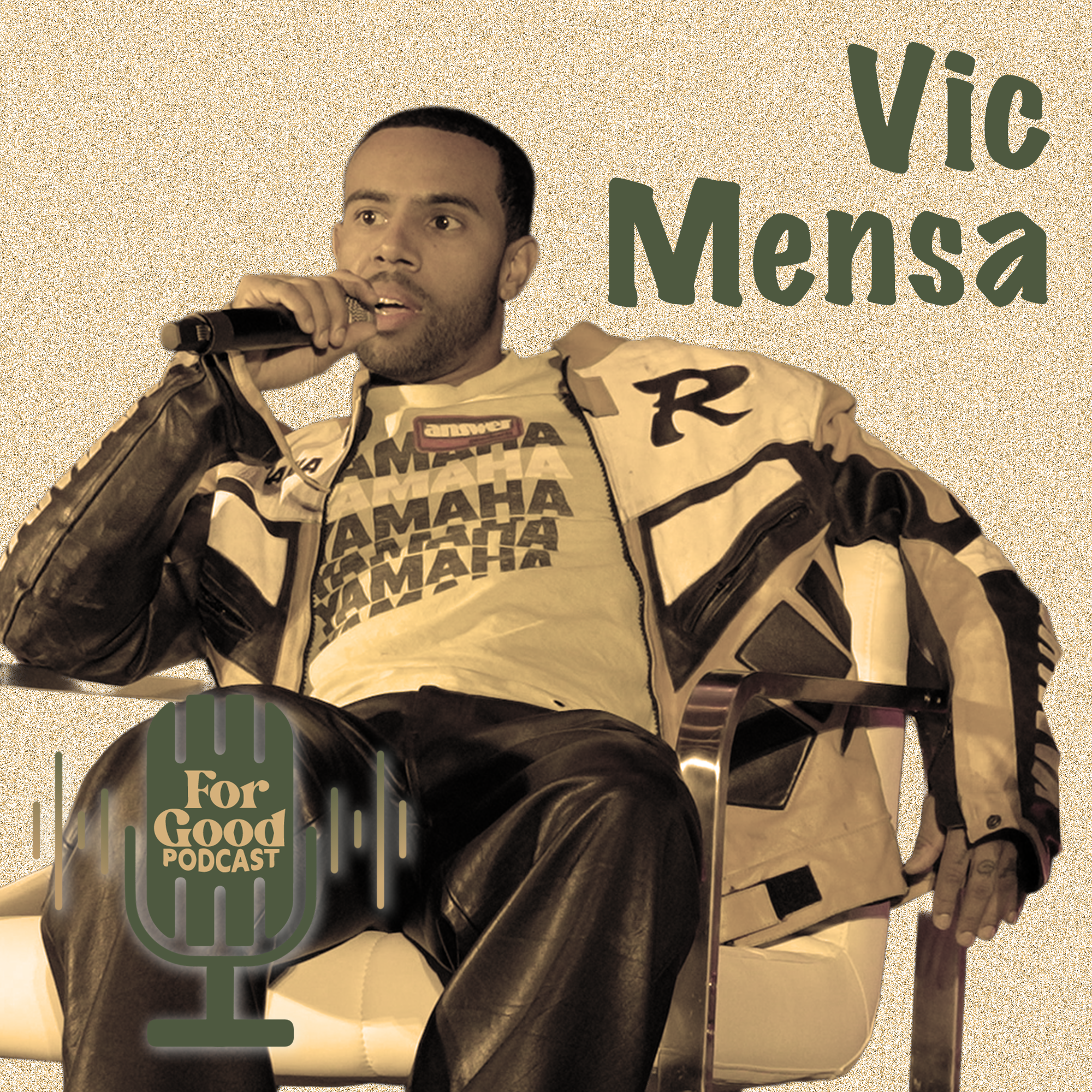
Loading summary
Transcript42 lines
- [00:01]
A
Start with what you have. Don't let lack of access or lack of resources prevent you from starting your ideas. Music shows us that when artists collaborate with each other, they make some of the most magical moments, you know what I mean? And collaboration is one of our greatest assets evolutionarily, you know what I mean? The species that are most open to adaptation and collaboration are those that like that survive. And so I think especially in a space of brands owned by people of color and occupying such a minute percentage of the industry, we all should be collaborating with each other, sharing information, I mean sharing practices, sharing stages, events. I lowkey felt like when I looked back at it after I posted it, I was like, this is unnecessarily denigrating another black man for the joke.
- [00:51]
B
I hear that. What's up everybody? It's your guy, Jojo Simmons. And we are back from our two week hiatus, our holiday hiatus, our holiday break. Hope everybody enjoyed their holiday, their Christmas, their New Year's. But welcome back to another episode of the For Good podcast where we focus on the good, never the bad. And we're judged on what we do, not what we have. Today we have a special episode. Last month I was out in Vegas at MJ bizcon surrounded by visionaries and founders building real businesses and real legacies in the cannabis space. But beyond the booths and panels, I got to sit down with my guy, Vic Mensa for a fireside chat. And we had one of those rare conversations where you can feel the weight of what someone's carrying and the intention behind how they move through the world. I'm excited to share some of that with you. Now let's get into it, guys. Our guest is someone who's lived a life far bigger than the headlines. He's a musician, an entrepreneur, an activist from the south side of Chicago. From his foundation Save Money, Save Life, which focuses on mental health and violence prevention, to building 93 boys as Illinois's first black owned brand. Vic is building legacy in real time as a father and a founder. Everybody, Vic Mensah, welcome to the stage. Let's give him some more. Love this Vic Mensa, man. Biggest black brand in Chicago right now. What's up, brother? Thank you for coming on, my brother. Good seeing you, brother. For people who only know you from the headlines or from music, who is Vic Mensa right now in this chapter in your life?
- [02:24]
A
I'm a new father. I got a one and a half year old son named Mansa Musa, an entrepreneur. I run 93 Boys, Chicago's first black owned business A musician, artist, actor, and I mean, above all, just a human being.
- [02:45]
B
Dope. So coming from the south side of Chicago, I know that shaped a lot of how you view the world. What parts of the environment built you into what you are today.
- [02:53]
A
My father always said he wanted me to be raised in Chicago so I could get the truth about America. Chicago is a place that's full of so much rich history, from revolutionaries and the Black Panther Party to music and literature and culture and Gwendolyn Brooks and Kanye west and Lupe Fiasco and also so much street culture. You know, Chicago is really the birthplace of modern gang banging. Also a lot of segregation. Chicago is an incredibly segregated city. So it's so many things happening at one time. And I do think that those things influence and inspire me, you know, in every way. Like inspire my worldview, maybe inspire my passion for helping people. Because it's a city where you see the disparity between haves and have nots so vividly, so blatantly that it's impossible to ignore. You know, it's just so necessary that all of us, and not just those of us that are black or brown, like all of us should care about equity. Because, you know, not only is it the right thing, but realistically, all the data shows in every sector that cross cultural collaboration is valuable for everybody's sales. You know, I mean, it's valuable for all brands and like inclusion. What's the, the target right now is diversity, equity. It's a racist place, y'.
- [04:25]
B
All.
- [04:28]
A
Yeah, America doing racist things is not baffling. Obviously we don't need to explain what is wrong with our government, you know what I mean? So I think it doesn't change my direction as much as reaffirm the necessity of the direction. Like, we exist as honestly the opponents of that narrow minded, racist brand of thinking and attacks on dei. They only further necessitate the things that you and I do, you know what I mean? Because the people that we're going to empower, like the people we're going to collaborate with, are often those that would be recipients of so called DEI programs. I mean, and if you even get into it for real, it's like so much of America's greatness and the, the backbone, the real secret, the recipe to America's greatness is DEI is collaboration between people of all different cultures and communities. And simple math though, that when progress is made, there will be resistance and they'll try to drag it back down and then we'll continue our mission upward. And it's like Inescapable. I think they see very real trends of population growth and population changes in the demographic of the nation. But, you know, that's a culture war, you know, I mean, the real, the numbers, the data shows that diversity increases the value of everything for everyone. It's all of our cross to bear as Americans. We all are. We have different roles in the shit, you know what I mean? But it's all of our cross to bear to work towards a more equitable and collaborative society. That's my mission and I feel like it should be all of our mission as well. Music shows us that, you know, when artists collaborate with each other, they make some of the most magical moments, you know what I mean? And even in fashion, the dawn of like high level collaborations has really come to be. That's where we're at. Collaboration is one of our greatest assets evolutionarily, you know what I mean? The species that are most open to adaptation and collaboration are those that like, that survive. And so I think especially in a space of brands owned by people of color and occupying such a minute percentage of the industry, we all should be collaborating with each other and sharing information. I mean, sharing practices, sharing stages, events. That's why I love to do this with you. It's a blessing, man. Cause I know that you've been doing the authentic work of engaging yourself in the community. And the last time we spoke was some years ago before you started this podcast, but you were laying the groundwork.
- [07:27]
B
I love everything I'm doing right now because it's giving back to the people. And I've never felt more fulfilled than doing that and being amongst the community and being able to shine a light on the people that matter. You know what I mean? So I know what you're saying when you're doing something you love, but it still involves your business and you're able to tie those two and bridge that gap. It's the sweetest spot you can get as an entrepreneur because you're like, hey, I'm doing something I love and I'm feeling good doing it and I'm making money, right? Like, it's. There's no better feeling than that. When did you realize that the equity was important and who it actually benefits, Right? Like, how did that shape the mission behind 93 Boys? The word equity. Like, when did you realize, like, wait, this is more important than just the word equity, right? Like us owning is important. When did you realize that? When you entered the space?
- [08:15]
A
In everything I do, I try to bring in an element of charitable giving and you know, community engagement. Just because that's my heart. That's like how I was raised. Not necessarily even just in the home, but as a native son of the city of Chicago. I had so many people like those that I've mentioned already today invest in me as a child and be like, I want to see you succeed. And you know, I've been the beneficiary of community neighborhood programs in under resourced neighborhoods that identified and supported young talent. When I was a kid, I was in this youth program called DYN Digital Youth Network. It was community program run by a guy named Brother Mike. And he was brilliant, man. He would incentivize kids to learn skills by offering them shit they wanted. So I wanted to record my raps, you know what I mean? I wanted to, it was studio right there and I'm like, yo, let me get in, I'm gonna do my 16. I mean, he's like, you could record your rap, but do a PowerPoint presentation, make this PowerPoint presentation, make this thing on Photoshop and then I'm gonna let you record your song. And you know, those skills stayed with me for life, you know what I mean? Like to this day, like I can sit down and I can make my own presentation for a pitch to a brand, to Puma if I wanna make a pitch. Or I can make my own designs. When I started 93 Boys, the original prototype design was something I made in Photoshop. You know, I ended up having our team professionalize it. But those skills stayed with me for, I mean in the pandemic, you know, when people needed them fake Covid tests, I was a one stop shop because my brother Mike, you know what I mean, made sure I knew how to use Photoshop.
- [10:13]
B
I didn't have one.
- [10:16]
A
I had a vaccine and a fake, I had the whole thing. But you know, point being Brother Mike, man, he was a brilliant mentor to me, to chance, to no name, to our whole group. And he passed away, he passed away young maybe when we were like 21 years old. And his selfless investing in me ingrained that spirit in me that I always felt like when I have the ability to, when I have resources, when I have influence, I'm going to use that in that same way, you know, that's dope.
- [10:51]
B
And our communities enable us to have guys like that that care about you for real, right?
- [10:56]
A
So as I came into the music industry and being someone that's revolutionarily minded and educated in those ways, it's always been important to me to pay that forward. I was really doing a nonprofit organization for five plus years. And I don't know if anybody here has ever been in the nonprofit foundation space, but, you know, it's a thankless game. You can dedicate your life literally to helping people and standing up community programs. And you're a non for profit organization. You might be barely keeping the rent paid in your office and people hate on you, you know what I'm saying? And so at a point in time, after doing the nonprofit thing for quite some time, I was like, I was pretty burnt out on it and I felt like my energy was waning in that space. And just the way God works is like, honestly, my work in the nonprofit space opened the doors for me. So as I came into this brand from its initial ideation, that was the plan for it was like, yo, if we're going to be, if we're going to be creating a business based on selling something that's been used to steal freedom from so many people, then we need to be trying to liberate through that business model. Yeah.
- [12:19]
B
What does it mean to you for the communities impacted by the war on drugs, the word ownership, and having ownership in this community and space, how important is that? What does it mean to you? What does that mean?
- [12:31]
A
I think there's so many ways to skin a cat, so many ways to structure a business, you know? You know, like, I think what's important as far as ownership is having creative control, being able to direct the flow of revenue and resources back into your people, being able to collaborate with the people you want to collaborate with, with being able to support the people that you want to support. So having, having me in a position that I'm in, although I don't own 100% of everything, you know what I mean? I own my IP and I work with partners, but that still dictates the way that my people will benefit from this. Because I know the community organizations in Chicago. I know who's on the ground doing real work. Obviously, the model of charitable giving is a, is a tax haven for so many. I mean, you know, you got to do what you could do. But like, not all charity is created ev even, you know what I mean? Or created equal. Like oftentimes these bigger, these bigger NGOs and bigger nonprofit organizations, not to point fingers at them, but it's like they have massive overhead, you know, and you might not, what, what you're giving may not actually be touching real people. And so I think in the conversation of ownership, it's having people to really represent our community with A genuine love for the people, a genuine connection to the people, genuine history with the people in positions of power. And that can look many different ways, you know what I'm saying? But at the end of the day, I feel like it's having people be genuinely empowered. Now when you get to these situations, as is true in Illinois and many other places, that larger companies are just propping up black and brown faces with complex legal maneuvers in place to dilute their ownership over time and ultimately push them out just so that they can get into social equity licensing, you know, that's straw man fraudulent ownership, you know, oftentimes, you know, that's something to be vigilant, to be vigilant against, you know, that we, that we have to like acknowledge because it's how they play in the game, you know what I mean? Like, it's no way you got all these social equity licenses and then you end up with the same owners of the original like behemoth medical licenses, you know what I mean? That doesn't add up.
- [15:14]
B
Yeah, it's cause we're, you know, the community is the culture. And if, if we sell the culture, which is our ownership, then we'll never get what it's supposed to look like, in my opinion. And I hear you talk about a lot about community and touching the people and your non for profit situations. But I also want to talk about what you've done with 93 boys. I remember first seeing you come out and you were giving out gas, you were giving out so many other things. Can you tell us how with 93 boys are you using it to reinvest back into the community?
- [15:43]
A
I think with 93 boys, man, I try to look at it like three Cs, cultivation, culture and community. So although I've been talking a lot about the community right now, but what is equally important to me in it is genetic and the actual flower plant, the products, and in the same token, the design and the art direction, creative direction that accompanies it. I'm coming from music, which is a medium that encapsulates all of these things as well, at least on the design and cultural front, you know what I mean? So music videos, short films, merch, design, like I apply all those things to 93 boards and try to elevate the, the visual, try to elevate the storytelling, the branding, try to infuse humor, you know what I mean? Try to infuse like a street level relatability, but also high level creative direction.
- [16:44]
B
And I know you spoke about having fun making it funny. I wanted to talk about these marketable videos that you put out. My favorite one happened to be the Jim Jones one. I'm from New York, so it was very funny. Yeah, why you going? Did Jim Jones hit you up about that one? Is that why you took it down? Why'd you take it down?
- [17:00]
A
No, I took it down because. Cause I didn't want Jim Jones to hit me. Everybody, you know what I'm saying?
- [17:06]
B
Jimmy, my guy, man, he love you, Jim.
- [17:08]
A
But no, I do love Jim Jones. I'm actually a big fan of Jim Jones. And that was why I took it down was because even though it was so funny, I had to kind of think about it. I'm kind of new to the social media space. Like I've put a lot of attention and focus into growing that this year. But before this year I was not focused on it. And in that Jim Jones thing in particular, I was like, this was so funny. But then I low key felt like when I looked back at it after I posted it, I was like, this is unnecessarily denigrating another black man for the joke.
- [17:41]
B
I hear that.
- [17:42]
A
I meditate every morning. I do a very specific breathwork meditation that is really like a non negotiable for me being in the gym. Prozac, Zoloft, Wellbutrin. Effects are so many, too many to count. And they've been pretty dismal in the efficacy over those years. I think things that have been much more effective for me in addressing my mental health are meditation, overall wellness, plant medicine. It's been baseline psychedelic medicine. Like those things have really improved and continue to be the ways that I regulate my mental health. People from our community are also dealing with so much trauma. So many of the people that I know that have the most big T trauma in their life are those that don't have the access to the mental health care, that don't have even the cultural acceptance to break through the stigma of seeking out and getting mental health care. And you know, I think having conversations about it in open and vocally and visibly maybe can help bring people into a greater understanding of the need for a focus on mental health amongst our people. You know what I mean?
- [19:16]
B
As the conversation kept going, it naturally shifted into something even more personal. We talked about fatherhood and how becoming a dad changes the way you move, the way you think and the way you define success. Vic opened up about how fatherhood has impacted him not just as a parent, but as a man and a leader. That perspective hit home for me because fatherhood has a way of realigning your priorities in ways nothing else can.
- [19:38]
A
You know, having my son, I think it does increase the need for discipline and also, like, gives me a different sense of purpose and joy too, you know what I mean? It's like, as I think about how to raise my son and how to cut through the influence of TV and music and media and social media and like the negative messaging that exists and all those things, how do I. How do I really try to cut through it? Yeah, how do I really try to cut through that? Because I think about, like, how many misguided messages older people, like guys I looked up to gave me. You know what I mean? Like, it's so important that we teach boys. Really, like teach boys to respect people, to respect women, to treat people well, you know what I mean? Because the world is going to teach them the absolute opposite, like what we teach little boys and obviously little girls too. But I was specifically thinking about boys because I have a son and just thinking about like how important it is to instill deeply into his program as something that can outlast the negative messages of music. Like, to treat people well, with respect.
- [20:59]
B
I agree. You know, myself and my younger brother had that conversation maybe a year ago about how even in the hip hop space, a lot of young boys are taught wrong of how to even treat people, how to treat women, how to go about certain situations. So I agree with you, man. I think cutting through that noise and being that fatherly figure, whether it's to your own son or other young boys, it's important to always spread that knowledge and make sure they know that they're valuable as well. Because a lot of it comes from them not feeling valuable or them not feeling enough. And they just go down the wrong paths, you know what I mean? So when you think about legacy beyond music and beyond business, what do you want your kids and your community to inherit from you?
- [21:41]
A
I would just hope that I can lead by example and that the best of me, you know, the best of what I have to offer can inspire somebody else. Because I'm so far from perfect and I got my long list of mistakes and controversies and I've been marred by so many things, but I keep trying to, you know, and I keep trying to grow and making a genuine effort to being a better person.
- [22:06]
B
You're doing it, man. You're showing up in the communities, you're giving back. You're doing a lot of the stuff these people aren't doing, especially as a celebrity that they would so called say doesn't have to do it right. So you're doing it, brother. And I know you say you trying every day, but my father said, don't say you trying when you're doing it. Cause you're actually doing it.
- [22:21]
A
Go. There we go. Shout out to the real.
- [22:22]
B
We don't use the word trying when you're actually doing it. Trying when you're not doing it, you actually do.
- [22:26]
A
I appreciate that. I appreciate that. Appreciate that.
- [22:28]
B
So for everyone listening, if they remember anything from this conversation, what are the three things you want them to take away from this conversation we had today? As we close this out soon, the.
- [22:38]
A
First thing I would say for people to take away is start with what you have. Don't let lack of access or lack of resources prevent you from starting your ideas. If you've got an idea to start a brand, make packaging. You know what I mean? Find flour. Just put something in the bag. Start with what you have. Second thing I would say for people to take away is make your work your ministry. And that doesn't have to mean that you're doing the community programs that are important to me, but try to bring your heart into your business.
- [23:20]
B
Oh, man, I really do appreciate you. As the. We see the time is running out. We here live at MJ Bizcon. Everybody clap it up. We here live at MJBiz.
- [23:28]
A
Appreciate y', all, man.
- [23:29]
B
Sir. So I want to, before we close out, I want to give you your flowers once again for all you've been doing for your community in Chicago, especially with, you know, the 93 boys. I think you've been killing it on that, on those aspects of things, you've been killing it. On the mental health aspects of things, you've been. Been killing it. When it comes to speaking up for people and just being there and being a vessel and being the representation of the community when it comes to culture. So I want to appreciate you for doing that for the culture, man. Clapping.
- [23:56]
A
Big message for big love. Thank you. And same to you, my brother.
- [23:59]
B
Thank you, brother.
- [23:59]
A
Yes, sir.
- [24:00]
B
So, yeah, man, we're going to close this one out, guys. We're here live at MJBizCon. This is the For Good podcast where we focus on the good, never the bad. And we're measured by what we do, not what we have. I'm checking out. Till next time. I'm here live at MJ Bizcon. JoJo's movements. Big Mensah. Peace, guys.
- [24:17]
A
Much love.
- [24:20]
B
Thanks, guys, for tuning in to our live podcast. We hope to do more of these in the future. If you'd like to see what MJ Bizcon in Las Vegas looks like from the inside, head over to the for good podcast YouTube channel to watch the video version of this episode. Immediately following the episode, we've cut together a little vlog of the day with me walking around the convention floor with my guy, Little Easy E, and talking to my boy, Corvin Cooper, and my friends over at Last, Prisoner Project and other business leaders. So until next time, guys, peace.