
Podcast
Foreign Policy Live
Hosted by Foreign Policy · EN
Each week, Foreign Policy Live will feature a substantive conversation on world affairs. Host and FP editor in chief Ravi Agrawal will be joined by leading foreign-policy thinkers and practitioners to analyze a key issue in global politics, from the U.S.-China relationship to conflict and diplomacy. FP Live is your weekly fix for smart thinking about the world.
Foreign Policy magazine subscribers can watch these interviews live and submit questions and suggestions by going to https://foreignpolicy.com/live/.
46episodes
Episodes
Newest firstAll episodes
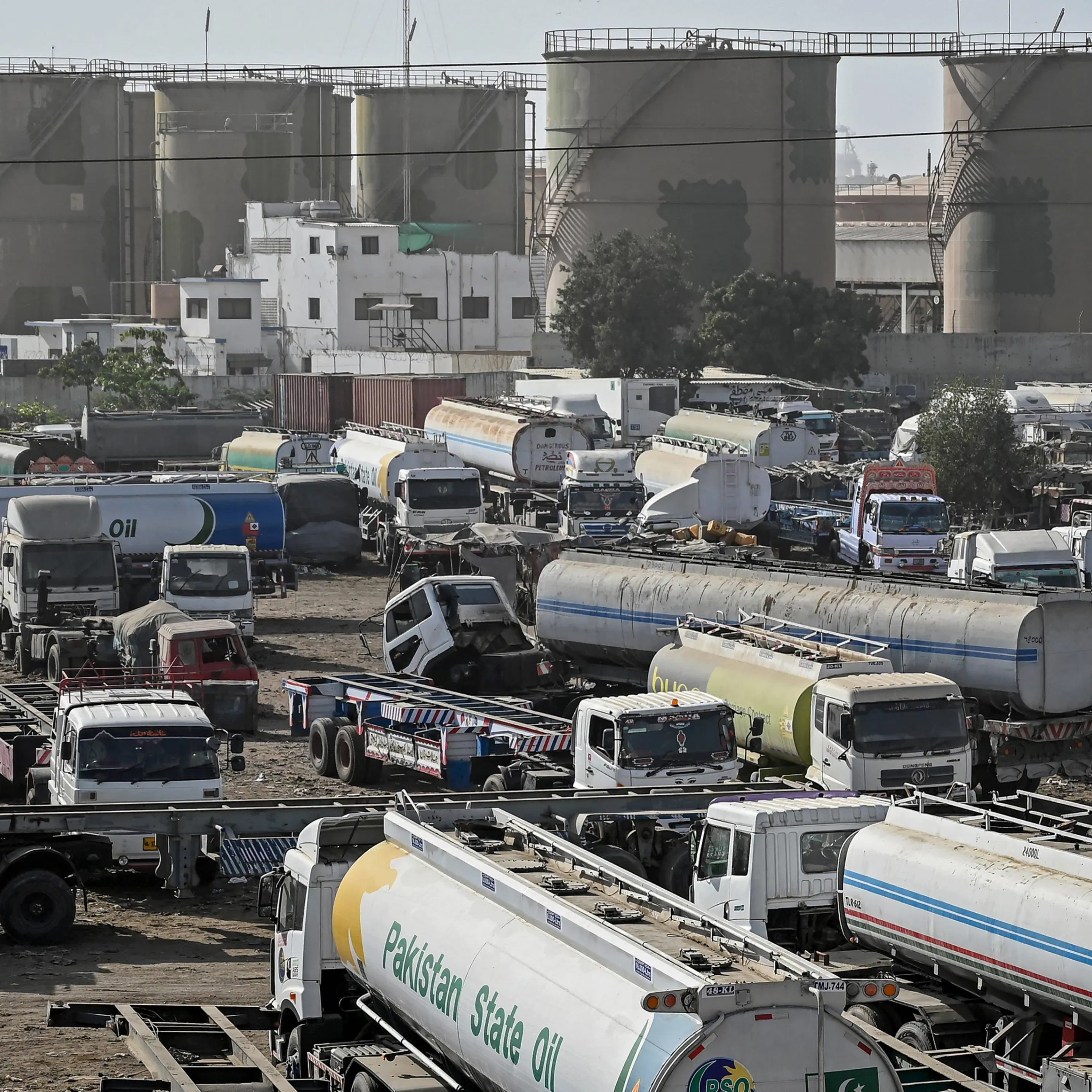
The Iran War Cease-Fire and the Return of the Energy Weapon
Apr 800:41:11Tap to summarizeAfter news of a 14-day cease-fire in the middle east conflict, Ravi shares his initial thoughts and analysis. Plus, the rationale for attacking Iran revolved around security. How did the global narrative become about energy? Iran’s strongest weapon has turned out to be its ability to strangle the Strait of Hormuz, an important trade choke point. What does the return of energy as a weapon mean for the global economy? Meghan O’Sullivan, author of Windfall: How the New Energy Abundance Upends Global Politics and Strengthens America’s Power, explains how countries need to think about their energy security. She is a professor at Harvard University and has previously served as deputy national security advisor for Iraq and Afghanistan in the George W. Bush administration. Ravi Agrawal: Why Trump Mishandled Iran New York Times: How Trump Took the U.S. to War With Iran Amir Handjani: The War Will End With a Hormuz Toll Booth Nils Gilman: Electrostates vs. Petrostates Jason Bordoff and Spencer Dale: Making the U.S. More Resilient to Oil Price Shocks Foreign Affairs: Jason Bordoff and Meghan L. O’Sullivan: The Return of the Energy Weapon Foreign Affairs: Jason Bordoff and Meghan L. O’Sullivan: The Iran Shock And the Dangerous Allure of Energy Autarky Learn more about your ad choices. Visit megaphone.fm/adchoices
Transcribe →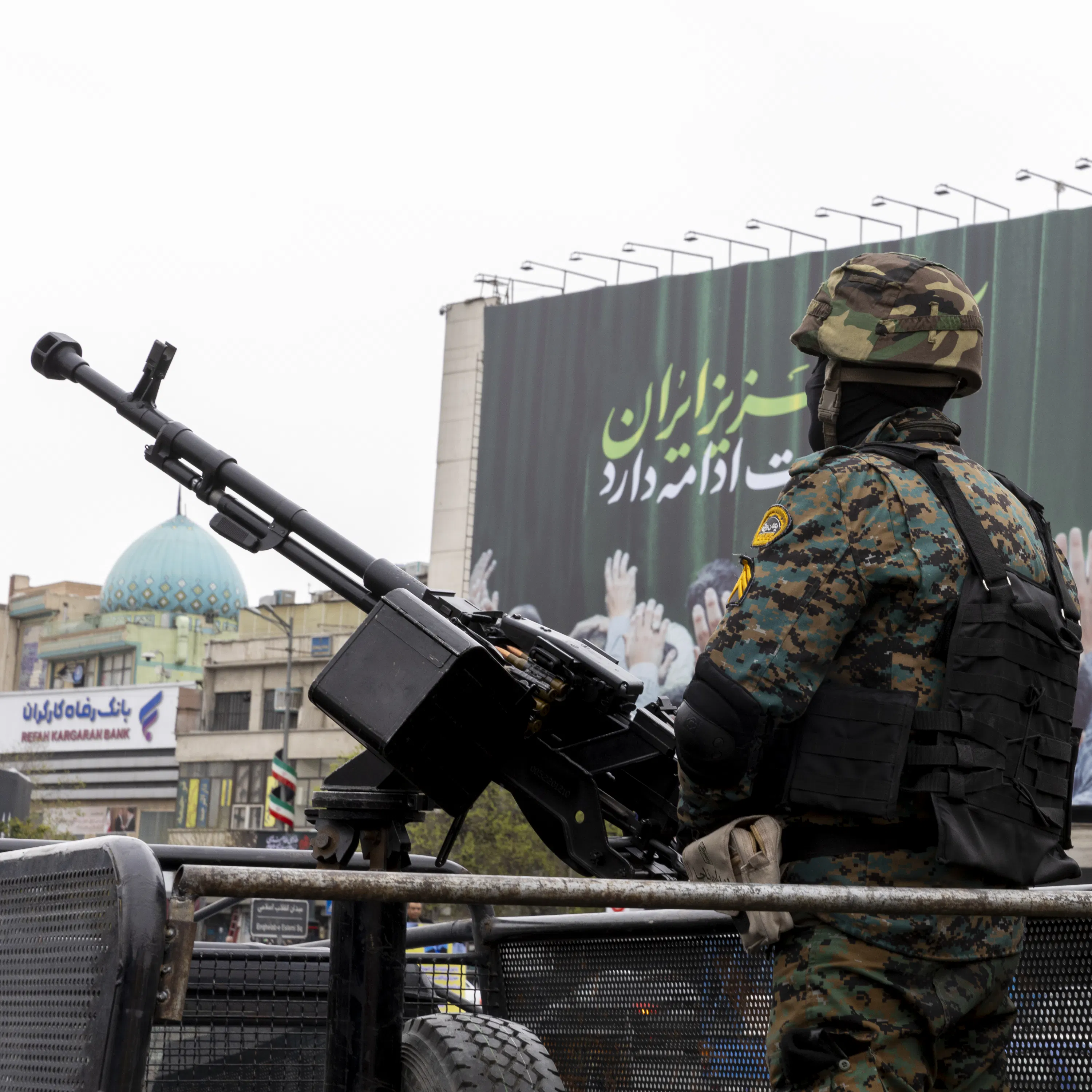
What Is Iran’s Endgame?
Mar 3100:42:44Tap to summarizeAs the U.S.-Israel war against Iran enters a second month of conflict, how is Tehran’s surviving leadership thinking about an endgame? And how will the conflict reshape geopolitics in the region? Ali Vaez has extensive contacts with Iranian lawmakers and sits down with Ravi Agrawal to discuss the regime’s options. Vaez is a project director at the International Crisis Group. Plus, Ravi’s Read on how the White House seems to be winning the battle but losing the war. Ravi Agrawal: Trump Is Losing the War in Iran Robert A. Pape and Ali Vaez: The Iran War Has Escaped Its Authors Zakiyeh Yazdanshenas: What Iran Wants From the War Thomas Juneau: Get Ready for a Weaker but Nastier Iran Menahem Merhavy: Iran’s Civilizational Rhetoric Is Hollow Arash Reisinezhad: Iran’s Biggest Wartime Advantage is Geography Learn more about your ad choices. Visit megaphone.fm/adchoices
Transcribe →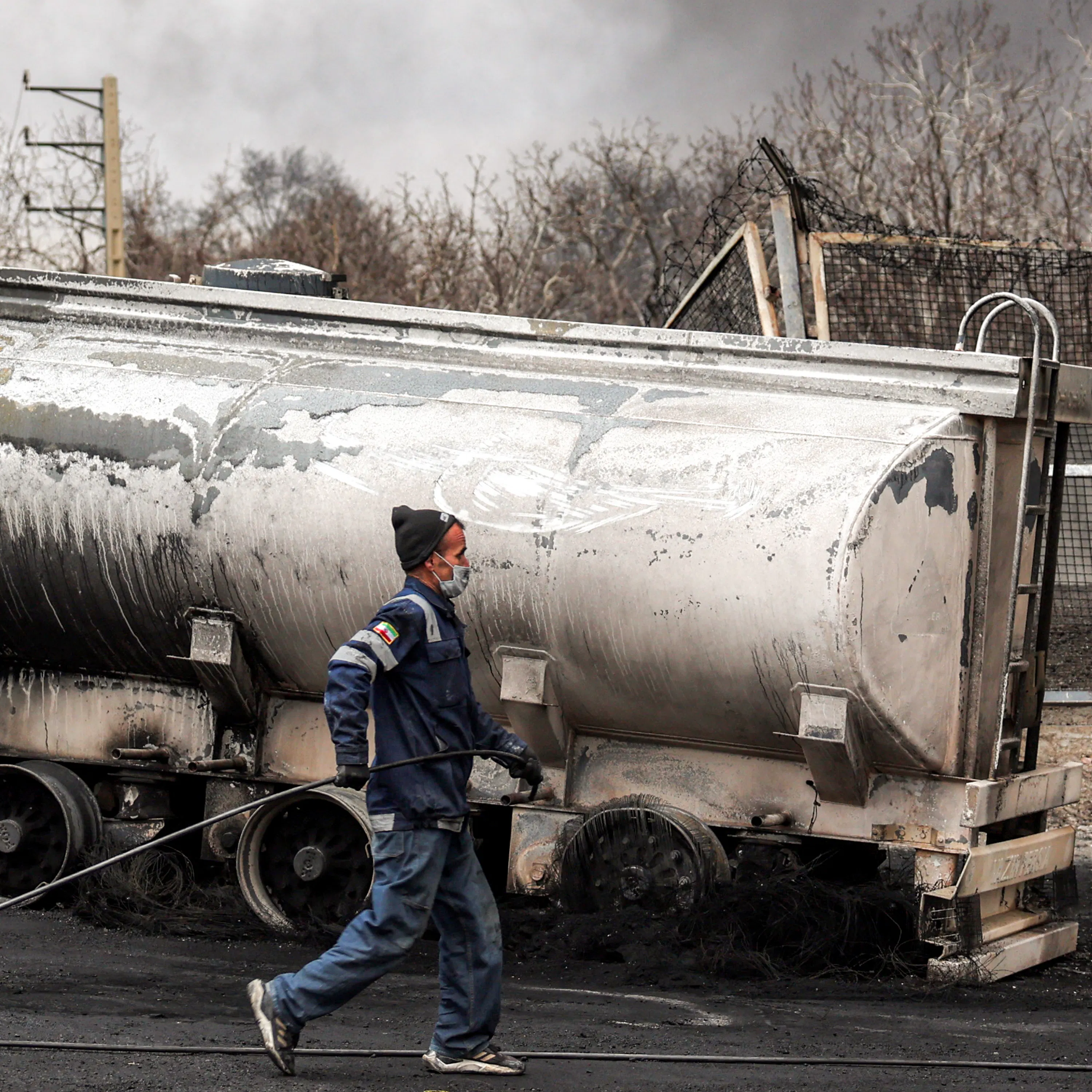
How High Could Oil Prices Go?
Mar 2600:41:48Tap to summarizeCrude and gas prices are soaring after the closure of the Strait of Hormuz and attacks on regional energy infrastructure amid war in the Middle East. How bad could the energy shock get and for how long? FP columnist Jason Bordoff sits down with Ravi Agrawal to discuss. Bordoff previously served in the Obama administration as a senior director for energy and climate change in the National Security Council. He is also the founding director of the Center on Global Energy Policy at Columbia University. Jason Bordoff and Spencer Dale: Making the U.S. More Resilient to Oil Price Shocks Esfandyar Batmanghelidj: The Iran War Is Jeopardizing the Entire Global Economy Jason Bordoff and Erica Downs: How the Iran War Could Consolidate China’s Energy Dominance Keith Johnson: Iran Is Putting a ‘Toll Booth’ in the Strait of Hormuz Nils Gilman: Electrostates vs. Petrostates Keith Johnson: Europe and the U.S. Still Haven’t Choked Off Russia’s Energy Riches Maisoon H. Kafafy: Empty Words Don’t Open Straits Learn more about your ad choices. Visit megaphone.fm/adchoices
Transcribe →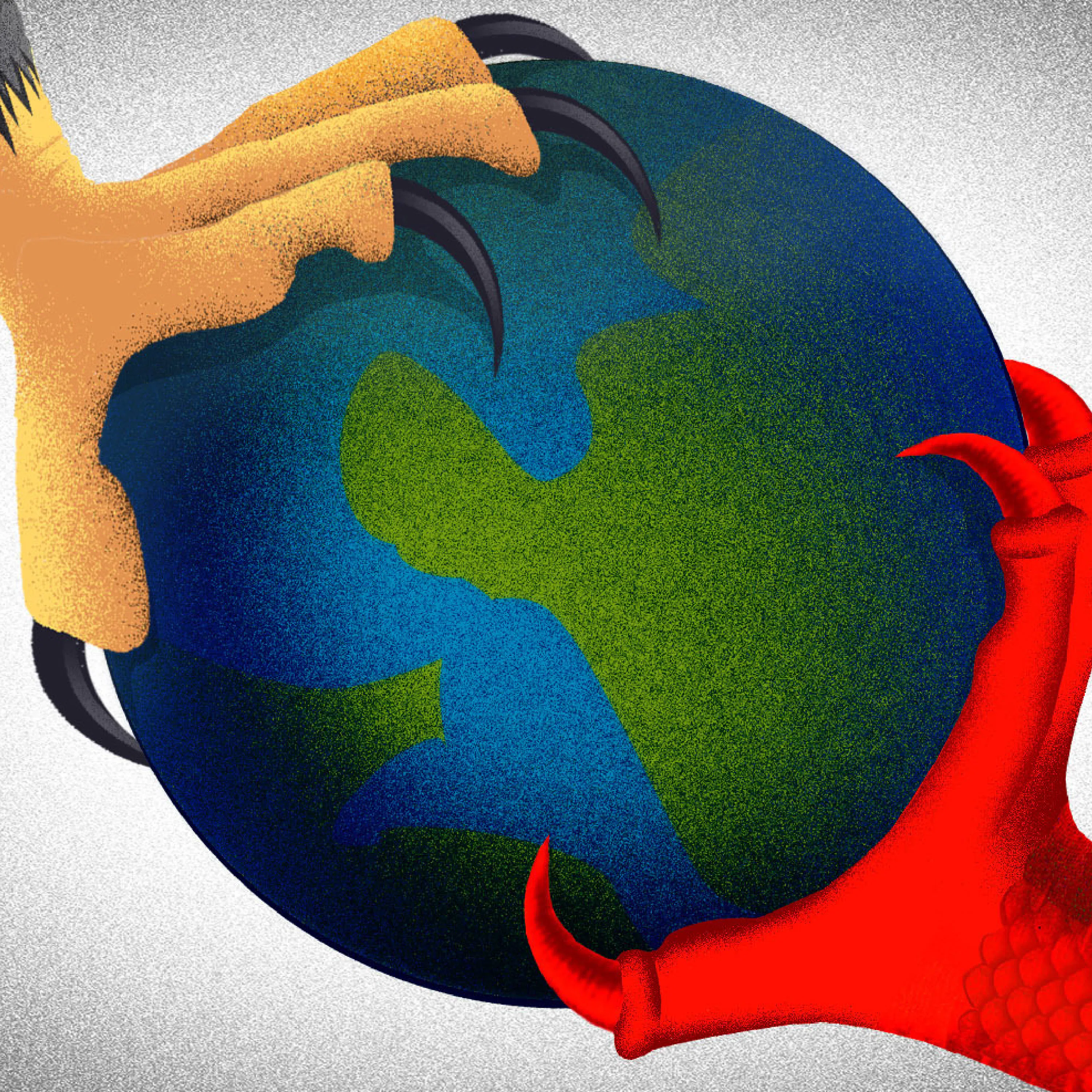
The World After Trump
Mar 2400:40:34Tap to summarizeIt’s widely accepted that the post-WWII order has changed, but the question remains—what comes next? Political scientist Hal Brands maps out three possible scenarios in a cover essay for Foreign Policy’s latest print issue and joins FP Live to discuss. Brands is a professor of global affairs at the Johns Hopkins School of Advanced International Studies and the author of The Eurasian Century: Hot Wars, Cold Wars, and the Making of the Modern World. Hal Brands: Three Scenarios for a Post-Trump World Emma Ashford: A Better Trans-Atlantic Relationship Is Entirely Possible Sarang Shidore: Can Middle Powers Gel? Suzanne Nossel: What Would an Abundance Foreign Policy Look Like? Nils Gilman: Electrostates vs. Petrostates Learn more about your ad choices. Visit megaphone.fm/adchoices
Transcribe →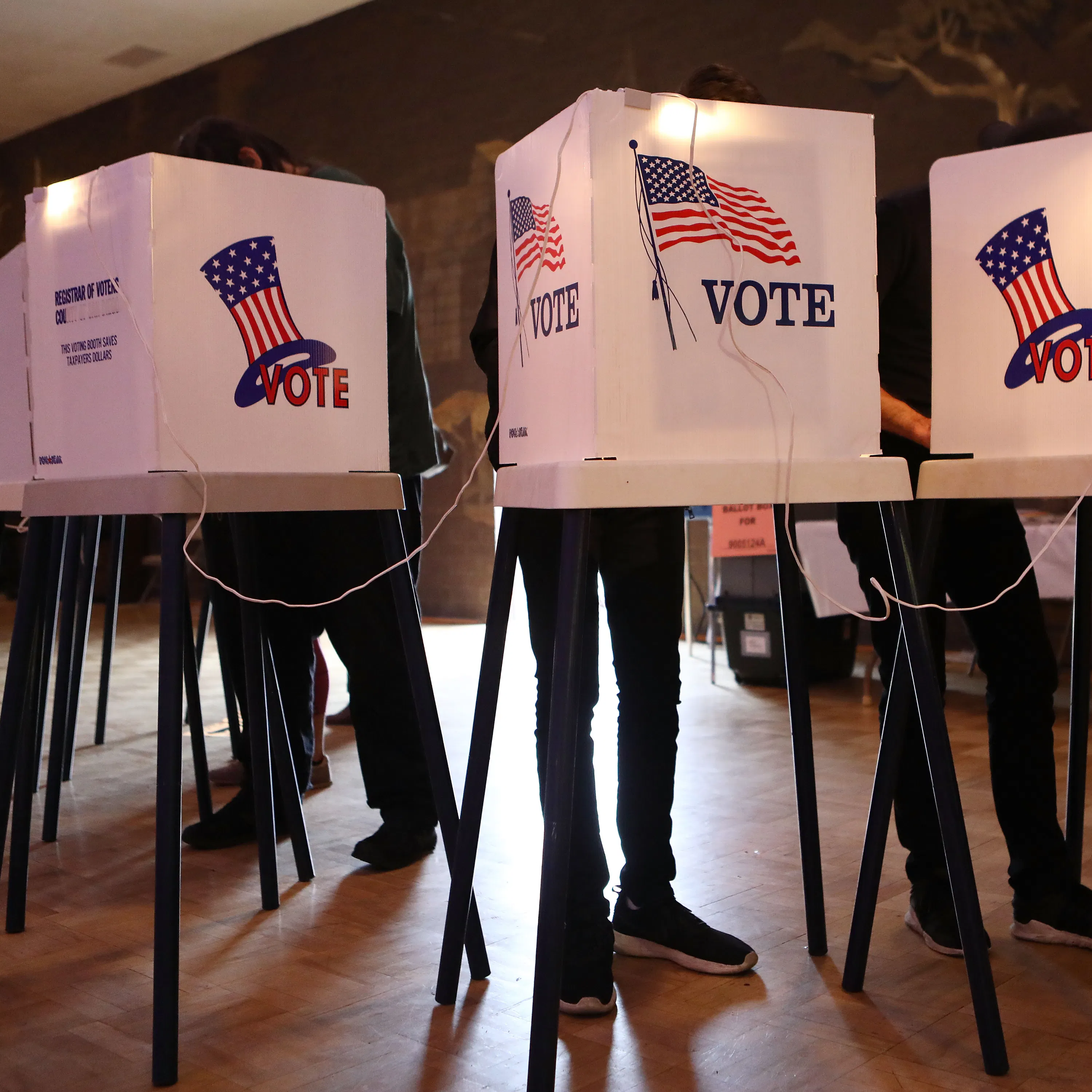
How to Have Politics Without Politicians
Mar 1800:46:15Tap to summarizeIt’s no secret that democracy is in trouble. Studies show that a growing number of countries are less free, and polls suggest ordinary citizens are losing faith in their governments. What can be done to fix this? Hélène Landemore has a radical solution: to get rid of politicians and electoral politics and instead create assemblies of ordinary citizens. She explores this concept in her new book, Politics Without Politicians: The Case for Citizen Rule, and joins FP Live to interrogate the idea. Hélène Landemore: The Problem With Representative Democracy Nicholas Bequelin: The Age of Defensive Democracy Hélène Landemore: More Power to More People Learn more about your ad choices. Visit megaphone.fm/adchoices
Transcribe →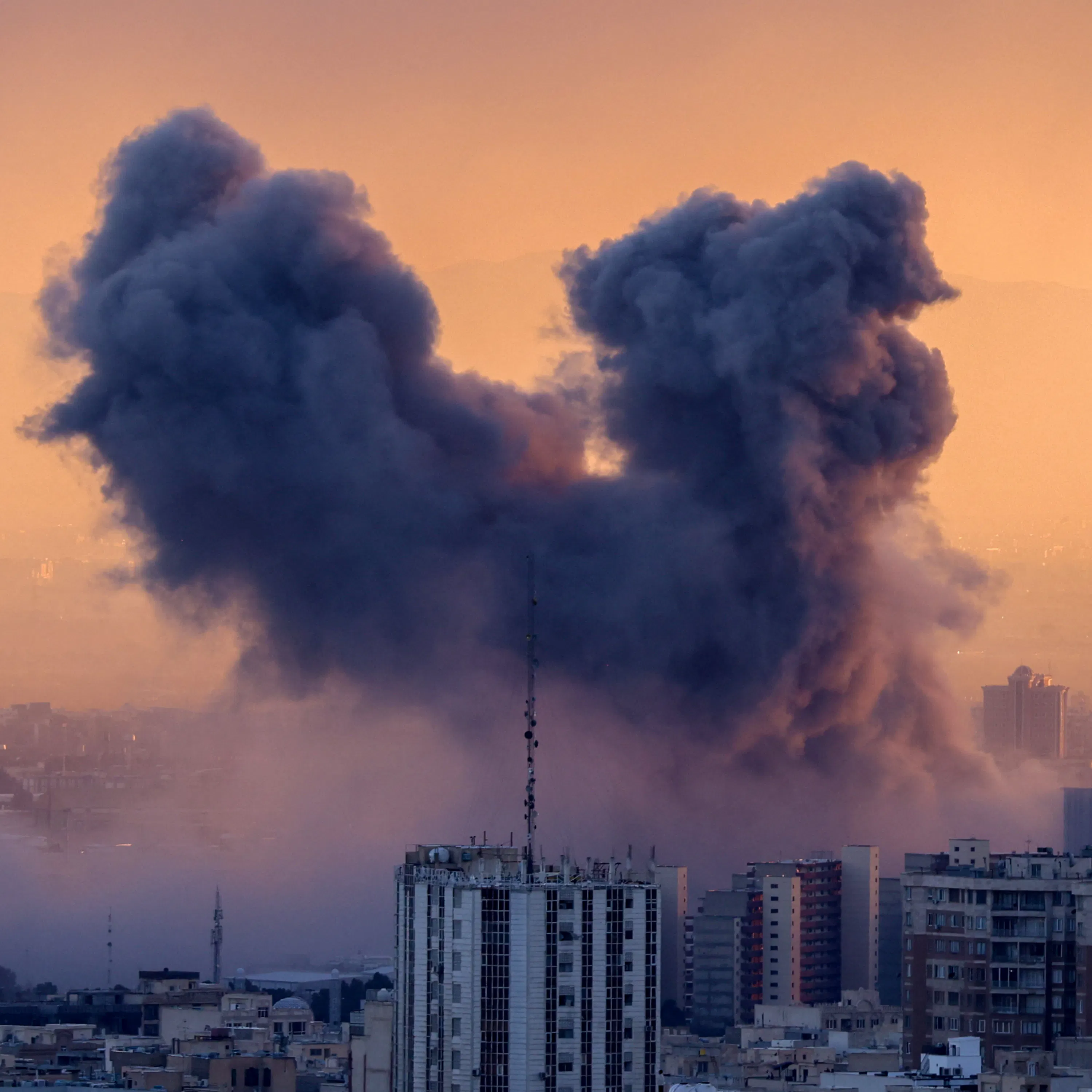
A Debate Over the War in Iran
Mar 1200:40:59Tap to summarizeAs the war in Iran soon enters its third week, two experts join FP Live for a debate. Were the United States and Israel justified in attacking Iran? And will the war advance U.S. interests in the region, or set them back? Trita Parsi and Matthew Kroenig sit down with executive editor Dan Ephron to discuss. Parsi is the executive vice president at the Quincy Institute, and Kroenig is an FP columnist and a senior director at the Atlantic Council. Trita Parsi: Iran’s Despair Is U.S. Policy Matthew Kroenig: The Case for Destroying Iran’s Nuclear Program Now Matthew Kroenig: Why a Wider War with Iran Is Unlikely Matthew Kroenig: Trump Made History. Now the Iranian People Can, Too. Michael Hirsh: So This, Finally, Is the ‘Trump Doctrine’ John Haltiwanger: The Trump Administration’s Iran War Justifications Keep Changing Suzanne Nossel: It’s Time to Retire the Pottery Barn Rule Learn more about your ad choices. Visit megaphone.fm/adchoices
Transcribe →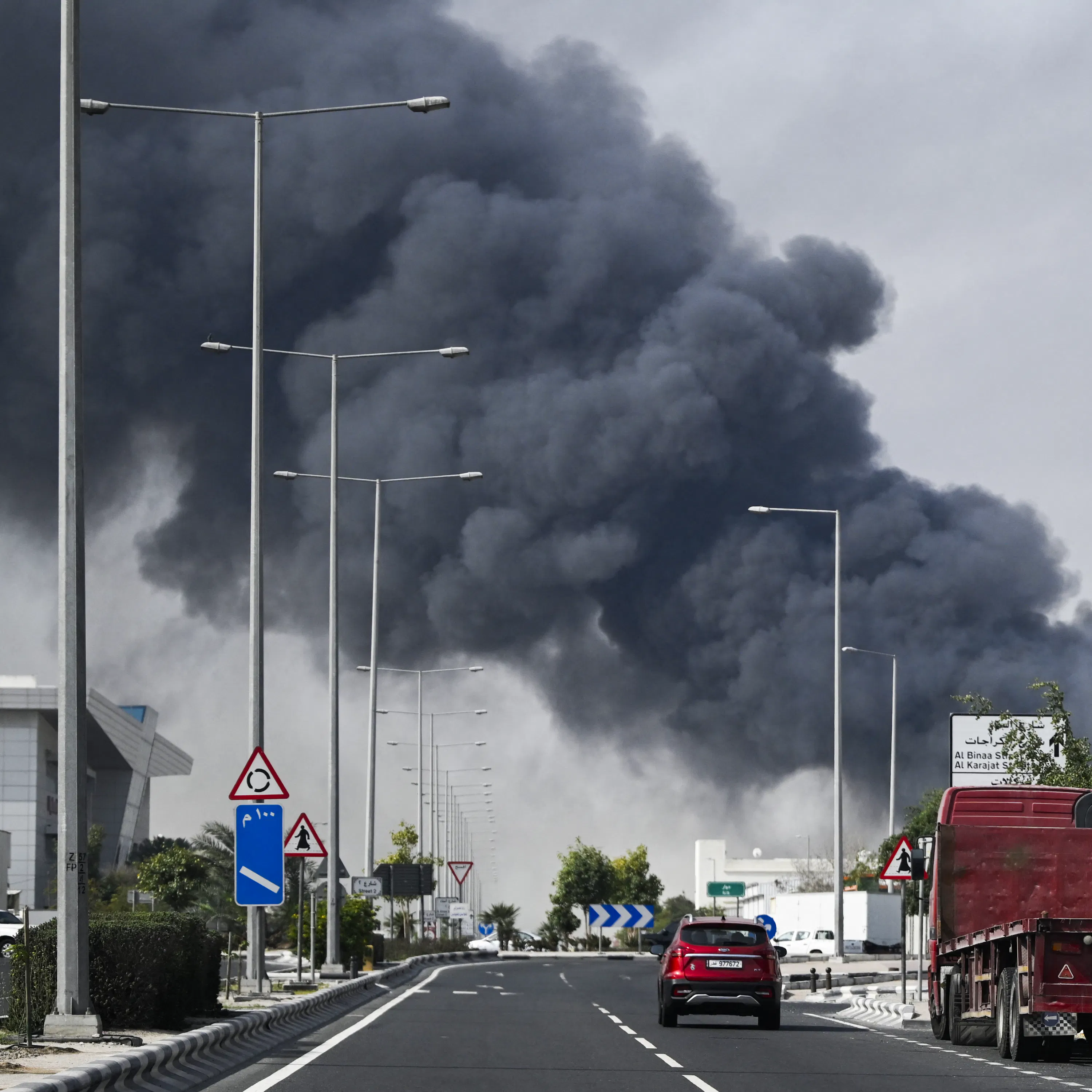
Will the Gulf States Join the War?
Mar 500:42:47Tap to summarizeAs the United States and Israel attack military facilities across Iran, Tehran has been retaliating. But it has attacked Gulf countries more than it has targeted Israel. Why? And how will the likes of Qatar, Saudi Arabia, and the United Arab Emirates respond? Will it shift their geopolitical alignment away from the United States? Regional experts Mina al-Oraibi, the editor in chief of the National, and Firas Maksad, a managing director at the Eurasia Group, join FP Live to share their perspectives. Khalid al-Jaber and Omar H. Rahman: Security Alliances With the U.S. Have Made Gulf States More Vulnerable David Petraeus and Clara Kaluderovic: The Drone Attrition Trap Macdonald Amoah, Morgan D. Bazilian, and Jahara Matisek: The First 36 Hours of War Consumed Over 3,000 U.S.-Israeli Munitions Firas Maksad: The Middle East Has Two New Rival Teams Esfandyar Batmanghelidj: The Iran War Is Jeopardizing the Entire Global Economy Learn more about your ad choices. Visit megaphone.fm/adchoices
Transcribe →
War in the Middle East
Mar 300:39:26Tap to summarizeOn Saturday, Israel and the United States struck Iran, killing Supreme Leader Ayatollah Ali Khamenei. Tehran has been responding with volleys of missiles aimed at Israel—and also at several other countries in the region. How will the conflict end? How long can Tehran sustain this fight? Iran expert Vali Nasr joined Ravi Agrawal for an emergency episode that ran live on the afternoon of Monday, March 3. Daniel Byman: 6 Questions About Operation Epic Fury Barbara Slavin: Death Comes to the Dictator Ali Hashem: Iran Is Built to Withstand the Ayatollah’s Assassination Alireza Nader and Nik Kowsar: Khamenei Is Dead. Who’s In Charge of Iran? Amos C. Fox and Franz-Stefan Gady: Iran, Israel, and the U.S. Are Racing the Clock Anchal Vohra: Iran’s Proxies Are Out for Themselves for Now Emma Ashford: Trump Is Betraying His Base by Waging War on Iran Learn more about your ad choices. Visit megaphone.fm/adchoices
Transcribe →
What a U.S. Attack on Iran Will Look Like
Feb 2500:46:29Tap to summarizeAs U.S. President Donald Trump considers a military strike on Iran, what are the options on his table? What will his military advisors recommend he should and shouldn’t do? David Petraeus has often been in the position of providing such advice to the White House, and he joins FP Live to explain what could happen in the coming days. Petraeus ran U.S. and allied forces in the Middle East as the head of Central Command (CENTCOM) and later ran the CIA. Plus, One Thing from Ravi on the fourth anniversary of the war in Ukraine. FP Contributors: Four Years of War in Europe Marc Lynch: Four Scenarios for a Postwar Iran Arash Reisinezhad and Arsham Reisinezhad: What War With Iran Would Look Like Ali Hashem: The United States Is Dangerously Misreading Iran Ali Hashem: Iran Dangerously Misunderstands Its Situation Brought to you by: quince.com/fplive Learn more about your ad choices. Visit megaphone.fm/adchoices
Transcribe →
Kurt Campbell on Trump’s China Ambiguity
Feb 2000:47:38Tap to summarizeU.S. President Donald Trump’s China policy often seems deliberately ambiguous. Is that a virtue or a flaw? Kurt Campbell is a longtime China watcher who rose up to run Asia policy under the Biden administration. He was the original architect of the so-called “pivot to Asia” during the Obama administration. He joins FP Live to discuss Trump, former U.S. President Joe Biden, and the world’s most important bilateral relationship. Plus, One Thing from Ravi on Trump’s Board of Peace. Aaron David Miller: Billions in Pledges Expected for Trump’s Board of Peace but Doubts Persist Mira Rapp-Hooper and Ely Ratner: Washington’s Silence in Asia Is a Gift to Beijing New York Times: On China, Trump Is Rolling the Dice on America’s Future Foreign Affairs: The U.S.-China Crisis Waiting to Happen A. Wess Mitchell: The Grand Strategy Behind Trump’s Foreign Policy Craig Singleton: China Grapples with Trump’s Radical Use of Power Lili Pike: Did Biden Get China Right? Learn more about your ad choices. Visit megaphone.fm/adchoices
Transcribe →