
Podcast
Foreign Policy Live
Hosted by Foreign Policy · EN
Each week, Foreign Policy Live will feature a substantive conversation on world affairs. Host and FP editor in chief Ravi Agrawal will be joined by leading foreign-policy thinkers and practitioners to analyze a key issue in global politics, from the U.S.-China relationship to conflict and diplomacy. FP Live is your weekly fix for smart thinking about the world.
Foreign Policy magazine subscribers can watch these interviews live and submit questions and suggestions by going to https://foreignpolicy.com/live/.
46episodes
Episodes
Newest firstAll episodes
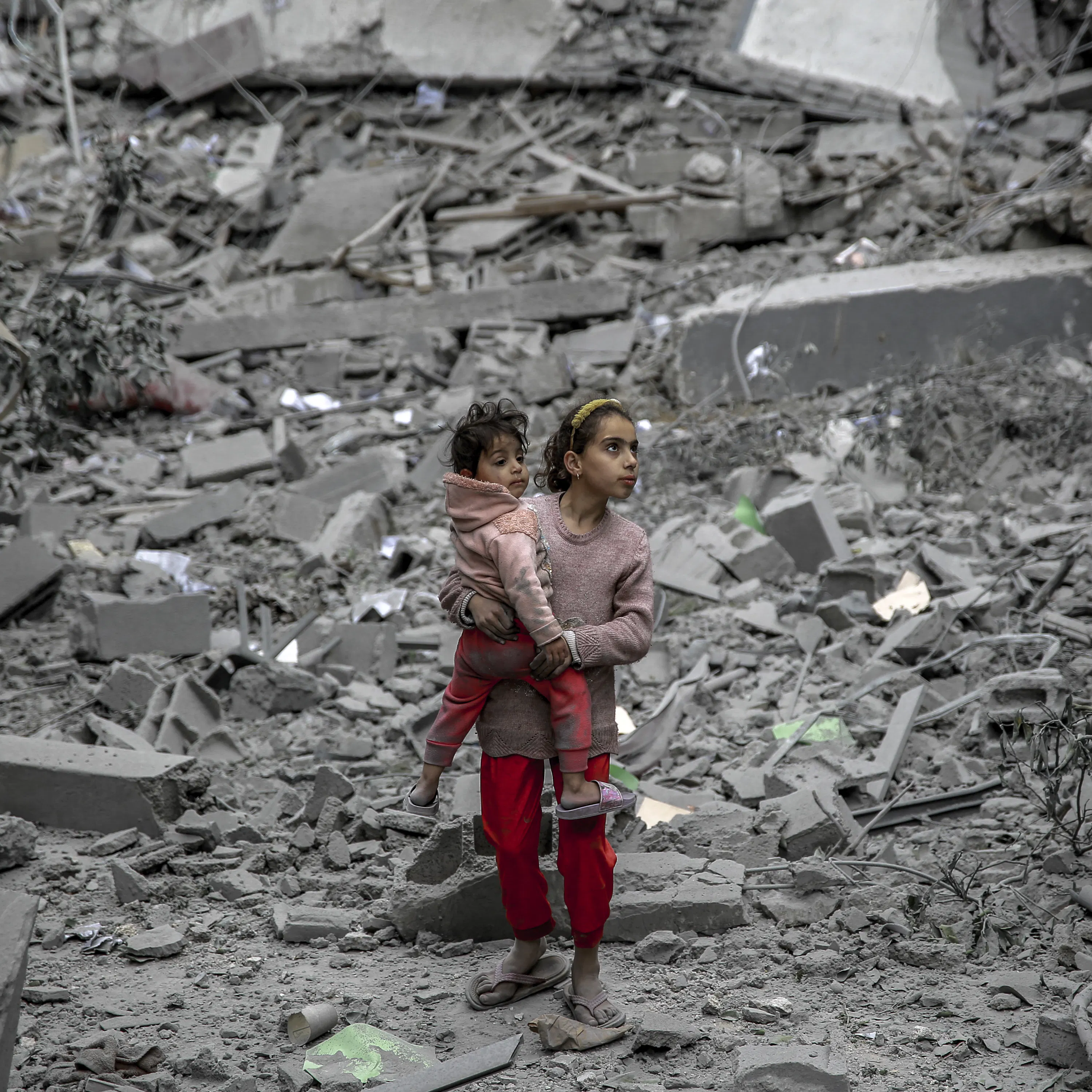
Why the World Is So Polarized Over Gaza
Feb 14, 202500:48:51Tap to summarizeHow history will weigh the war in Gaza, with author Pankaj Mishra. Mishra recently previewed his new book on the subject with Foreign Policy, in a piece titled “How Gaza Shattered the West’s Mythology.” He shares more now with Ravi Agrawal.Suggested reading (FP links are paywall-free):Pankaj Mishra: The World After Gaza: A HistoryPankaj Mishra: How Gaza Shattered the West’s MythologyDavid E. Rosenberg: Why Gaza Is Israel’s Forever WarRan Greenstein: Settler Colonialism Isn’t What You Think It IsHoward W. French: Why Are We Ignoring Human Rights Criticism of Israel?FP Contributors: What Trump’s Gaza Plan Means for the World Learn more about your ad choices. Visit megaphone.fm/adchoices
Transcribe →
Assessing Trump’s Early Moves
Feb 5, 202500:50:07Tap to summarizeU.S. President Donald Trump began his second term with rapid-fire proposals ranging from invading Greenland to imposing tariffs on top trading partners. How are these moves being viewed globally? FP Live host Ravi Agrawal is joined by three experts, spanning three continents, to learn more.Nathalie Tocci serves as the director of the Italian think tank Istituto Affari Internazionali. Former Singaporean diplomat Kishore Mahbubani is an author and geopolitical analyst. And Ed Luce is a columnist for the Financial Times.Suggested reading (FP links are paywall-free):Ravi Agrawal: Trump is Ushering In a More Transactional WorldEmma Ashford and Jennifer Kavanagh: Europe Isn’t Ready for Trump 2.0Matthew M. Kavanagh and Luis Gil Abinader: Abolishing USAID Is Both Unconstitutional And DisastrousStephen M. Walt: What IR Theory Predicts About Trump 2.0Edward Alden: Trump Will Be His Own Trade Czar Learn more about your ad choices. Visit megaphone.fm/adchoices
Transcribe →
Trump’s Tariff Wars
Jan 31, 202500:49:19Tap to summarizeAt a White House press briefing on Tuesday, the Trump administration maintained that it would impose a 25 percent tariff on imports from Mexico and Canada on Feb. 1. This comes after announcing a 10 percent duty on China earlier in the week. Trade and capital expert Brad Setser is skeptical that it will follow through, though, saying that the economic ramifications of tariffs at that scale would be a “ pretty bloody big shock.” Setser sits down with host Ravi Agrawal to share more.Suggested reading (FP links are paywall-free):Aaron L. Friedberg: Tariffs Are a Scalpel, Not a HammerWendy Cutler: How Trump Could Strike a Trade Deal With ChinaKeith Johnson: How to Read Trump’s Day-One Trade ActionsScott Kennedy: Markets Are Underpricing the Possibility of a U.S.-China Economic War Learn more about your ad choices. Visit megaphone.fm/adchoices
Transcribe →FP at Davos: Defending the Cyber Frontlines
Jan 25, 202500:46:54Tap to summarizeFP Live host Ravi Agrawal kicked off a lively discussion on the new frontiers of cybersecurity at the World Economic Forum in Davos, Switzerland. He was joined by panelists Samir Saran, president of the Observer Research Foundation; Matthew Prince, co-founder and CEO of Cloudflare; Andrius Kubilius, European commissioner for defense and space; Joe Kaeser, chairman of Siemens Energy’s supervisory board; and Mirjana Spoljaric Egger, president of the International Committee of the Red Cross.Suggested reading (FP links are paywall-free):Minxin Pei: China’s Secret to Controlling the InternetRishi Iyengar: North Korea Does More Cyberspying Than You ThinkDmytro Kuleba: The Fight For Ukraine Is Forging a New World Learn more about your ad choices. Visit megaphone.fm/adchoices
Transcribe →
Will Trump Actually Deport Millions of Unauthorized Workers?
Jan 17, 202500:49:19Tap to summarizeImmigration was a top issue among voters in the 2024 U.S. election, with President-elect Donald Trump calling for the “largest deportation operation in American history.” And with the incoming administration expected to take action as soon as Trump returns to office, what are the possible ramifications of this policy? Edward Alden, author of the recent book When the World Closed its Doors: The COVID-19 Tragedy and the Future of Borders, joins host Ravi Agrawal to share his insights.Suggested reading (FP links are paywall-free):Transcript: Will Trump Actually Deport Millions of Undocumented WorkersEdward Alden: When the World Closed Its DoorsEdward Alden: The Great Deportation of 2025Howard W. French: The U.S. Can’t Afford to Be a Bad NeighborChristina Lu: What Trump’s Mass Deportations Would Mean for the U.S. Economy Learn more about your ad choices. Visit megaphone.fm/adchoices
Transcribe →Heather Cox Richardson on American Democracy
Sep 29, 2023Tap to summarizePolitical polarization and disinformation may seem to be on the rise in the United States, but these tactics are not new. As historian Heather Cox Richardson notes, political candidates in early U.S. history would game elections by saying that their opponent was dead.Are there reasons to be hopeful about democracy? Boston College Professor Heather Cox Richardson joins Ravi Agrawal to discuss her new book, Democracy Awakening: Notes on the State of America.Suggested reading:Heather Cox Richardson: How the U.S. Created Its Own RealityHeather Cox Richardson: Democracy Awakening: Notes on the State of AmericaHélène Landemore: More Power to More PeopleFP Contributors: 10 Ideas to Fix DemocracyBrought to you by:betterhelp.com/FPLivegreenchef.com/60FPLive Learn more about your ad choices. Visit megaphone.fm/adchoices
Transcribe →