Podcast
Forensic Tales
Hosted by Rockefeller Audio · EN
Not all stories have happy endings...
Hosted by Courtney Fretwell, M.S. in Forensic Psychology, Forensic Tales is a weekly true crime podcast with a forensic twist. Each episode features real cases and explores how forensic science, criminal profiling, and investigative techniques were used to uncover the truth—or, in some cases, left more questions than answers.
From fingerprint analysis and DNA evidence to bloodstain pattern analysis and behavioral profiling, every episode breaks down the science behind the headlines. Whether it's a solved murder, a cold case, or a controversial investigation, Forensic Tales takes you beyond the crime scene and into the forensic evidence that shaped the case.
63episodes
Episodes
Newest firstAll episodes
SPECIAL EPISODE: The Forensic Evidence Against D4vd
2d ago00:33:33Tap to summarizeIn this special episode of Forensic Tales, we examine the forensic case against recording artist D4vd, whose legal name is David Anthony Burke, following his five-day preliminary hearing. Fourteen-year-old Celeste Rivas Hernandez was found dead inside the front trunk of a Tesla registered to Burke in September 2025. During the hearing, prosecutors presented autopsy findings, DNA evidence, suspected bloodstains, a damaged inflatable pool, chainsaw purchases, Tesla location records and thousands of messages recovered from Burke’s phone and iCloud account. We also examine the limitations raised by his defense, including questions about evidence collection, DNA transfer, presumptive blood testing, the unidentified murder weapon and whether the digital evidence proves who was driving the Tesla. A judge ultimately determined that prosecutors presented sufficient probable cause for the case to proceed to trial. Burke has pleaded not guilty and is presumed innocent unless proven guilty in a court of law. Content warning: This episode discusses the death and alleged sexual abuse of a minor. Some graphic details have been omitted. Episode sources: Los Angeles County District Attorney: https://da.lacounty.gov/media/news/d4vd-ordered-stand-trial-murdering-dismembering-14-year-old-girl Associated Press: https://apnews.com/article/65647a24c7808bebc0b6ff9040f50615 ABC7 Los Angeles: https://abc7.com/post/d4vd-murder-case-singers-lawyers-ask-more-dna-testing-wasnt-done-chain-saws-car-celeste-rivas-hernandez-killing/19564190/ For more episodes and information, visit: https://forensictales.com Hosted by Simplecast, an AdsWizz company. See pcm.adswizz.com for information about our collection and use of personal data for advertising.
Transcribe →The Mysterious Death of Christina Kettlewell (The 8 Day Bride) | Patreon Bonus Preview
6d ago00:07:29Tap to summarizeIn May 1947, newlywed Christina Kettlewell traveled to a remote cottage in Severn Falls, Ontario, with her husband, Jack, and his close friend Ronald Berry. Three days later, the cottage was destroyed by fire, Jack was found unconscious, and Christina’s body was discovered face down in only nine inches of water. An autopsy determined that Christina had drowned, but the forensic evidence raised more questions than answers. Why were there no burns or significant injuries on her body? What role did the codeine found in her stomach play? And why did the accounts provided by the two men closest to her seem to conflict with the physical evidence? This special preview introduces the mysterious death of Christina Kettlewell, also known as the Eight-Day Bride. The complete episode—including the alleged love triangle, missing money, insurance policies, purported suicide notes, coroner’s inquest, and competing theories—is available now as July’s bonus episode on Patreon and through Apple Podcasts subscriptions. Support the show and listen to the complete bonus episode: Patreon: patreon.com/forensictales You can also subscribe directly through the Forensic Tales page in the Apple Podcasts app. Hosted by Simplecast, an AdsWizz company. See pcm.adswizz.com for information about our collection and use of personal data for advertising.
Transcribe →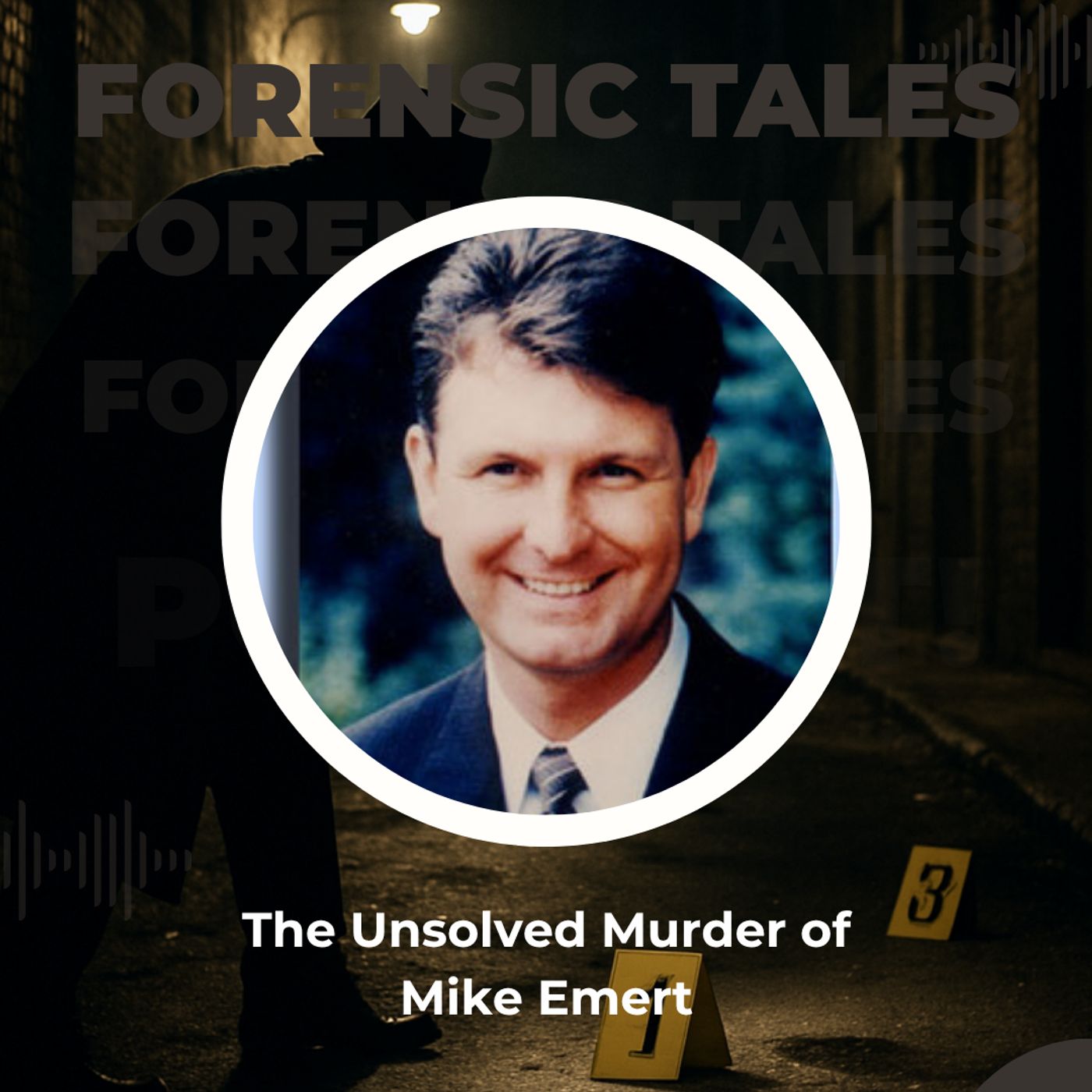
The Unsolved Murder of Mike Emert
1w ago00:42:33Tap to summarizeOn January 4, 2001, successful Seattle-area real estate agent Mike Emert left to meet a prospective buyer at a vacant home in Woodinville, Washington. Just hours later, he was found stabbed 19 times inside the home's bathtub with the shower and sinks still running in what investigators believed was a calculated attempt to destroy forensic evidence. In this episode, we examine the meticulous crime scene, the forensic evidence recovered from Mike's abandoned Cadillac Escalade, and the years-long investigation that led detectives to believe they were looking at a professional hit rather than a robbery or crime of passion. We also explore the DNA breakthrough that linked Gary Krueger to the case more than a decade later, why that discovery came too late to question the suspect, and how Mike's murder forever changed safety practices for real estate agents across Washington. If you have any information regarding the murder of Mike Emert, please contact the King County Sheriff's Office. Forensic Tales is a Rockefeller Audio production. The show is written & produced by Courtney Fretwell. If you'd like to submit a case, please email courtney@forensictales.com. Follow Forensic Tales: Instagram: https://www.instagram.com/forensictales Facebook: https://www.facebook.com/forensictales Website (including source material & additional readings): https://forensictales.com Patreon (ad-free episodes & bonus content): https://www.patreon.com/forensictales Support the show by subscribing, leaving a rating and review, and sharing this episode with others interested in forensic science and true crime. Hosted by Simplecast, an AdsWizz company. See pcm.adswizz.com for information about our collection and use of personal data for advertising.
Transcribe →You Might Also Like: Till Death Do Us Part (The Body in the Clearing: Harry Crawford and Annie Burkett)
2w ago01:18:57Tap to summarizeW Hey everyone! Courtney here. I have a little bonus for you today. Since Forensic Tales is part of the Believe Podcast Network, I wanted to introduce you to another podcast on the network that I think some of you might enjoy. Today's episode is from Til Death Do Us Part, and it's called "The Body in the Clearing: Harry Crawford and Annie Burkett." To friends and neighbors, he seemed like an ordinary husband. But when his wife, Annie Birkett, vanished without a trace, a shocking investigation uncovered secrets no one saw coming. Don't worry—this isn't taking the place of a Forensic Tales episode. I'll still be back with a brand-new episode on Monday. Until then, I hope you enjoy this one! If you enjoyed this episode, subscribe to the Til Death Do Us Part Podcast wherever you get your podcasts. Hosted by Simplecast, an AdsWizz company. See pcm.adswizz.com for information about our collection and use of personal data for advertising.
Transcribe →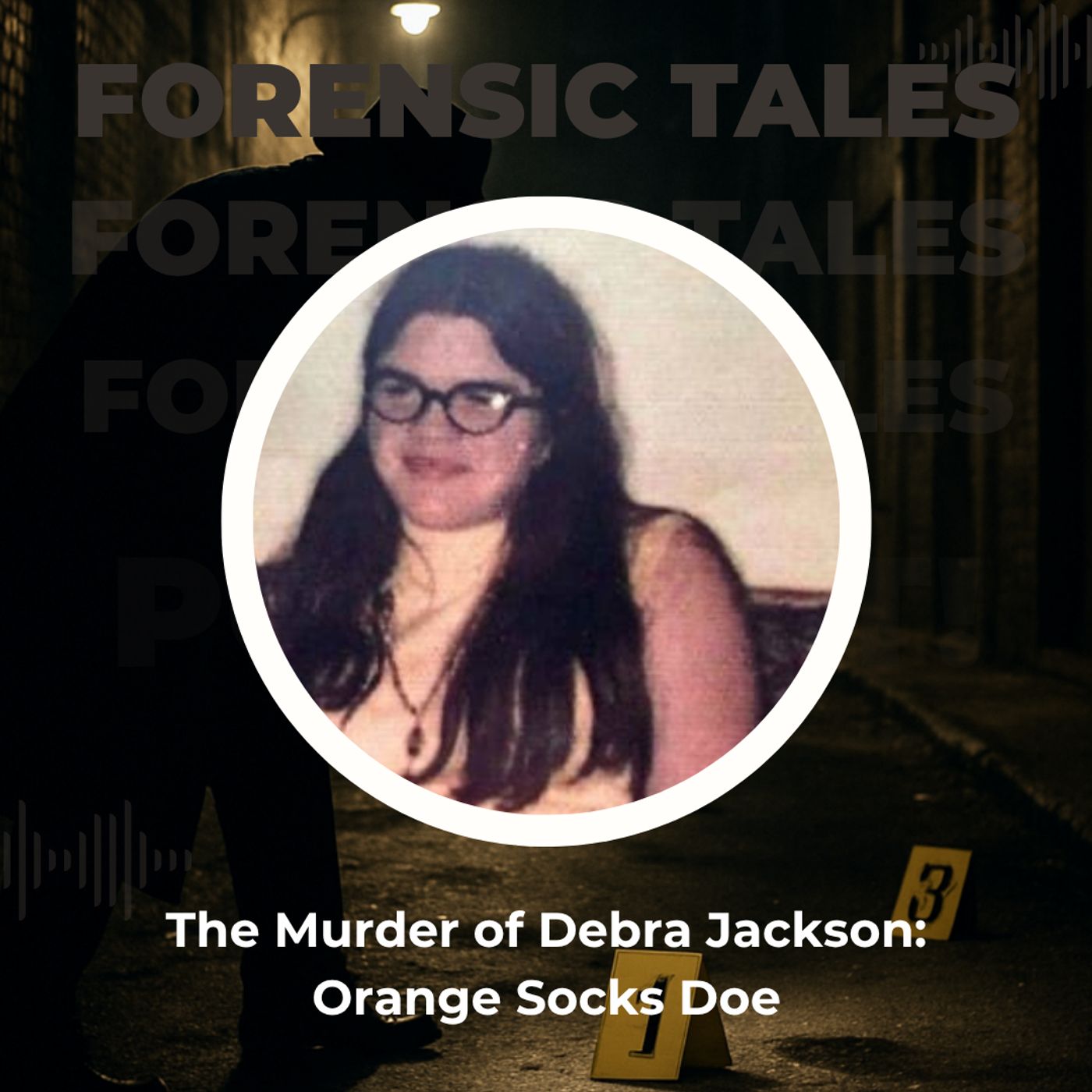
The Murder of Debra Jackson (Orange Socks Doe)
2w ago00:33:31Tap to summarizeFor more than four decades, she was known simply as "Orange Socks." Found murdered along Interstate 35 in Georgetown, Texas, in 1979, the young woman remained unidentified despite extensive investigative efforts. Her case appeared to be solved when serial killer Henry Lee Lucas confessed to her murder—but as the years passed, serious doubts emerged about whether his confession could be trusted. In this episode of Forensic Tales, we examine the forensic evidence, the investigation that led to one of America's most controversial serial killer confessions, and the DNA technology that finally identified Orange Socks as Debra Jackson more than 40 years after her death. We also explore the remaining forensic evidence that could one day identify the person truly responsible for her murder. In this episode, we discuss: The discovery of Orange Socks Doe The autopsy and forensic examination Early investigative theories Henry Lee Lucas and his controversial confession False confessions and the importance of corroborating evidence DNA analysis and investigative genetic genealogy Debra Jackson's identification The remaining mystery surrounding her killer If you enjoyed this episode, please consider leaving a rating and review—it helps more people discover the show. To get early ad-free access to weekly episodes, monthly full-length bonus episodes, exclusive merchandise & more, consider joining our Patreon. You can support the show for as little as $3/month. For a complete list of sources used in this episode, visit our website. Follow Forensic Tales: Instagram: https://www.instagram.com/forensictales/ Facebook: https://www.facebook.com/ForensicTales Website: https://www.forensictales.com Have a case suggestion or feedback? courtney@forensictales.com Thank you for listening to Forensic Tales. Hosted by Simplecast, an AdsWizz company. See pcm.adswizz.com for information about our collection and use of personal data for advertising.
Transcribe →The Spray Tan Defense: The Death of Lina Kaufman
3w ago00:40:00Tap to summarizeWhen 33-year-old Lina Kaufman was found unresponsive in the bathroom of her Florida home in November 2007, her sudden death left investigators with more questions than answers. She appeared to be a healthy young mother with no known medical conditions, making her death all the more mysterious. But when the medical examiner eventually ruled her death a homicide caused by mechanical asphyxiation, suspicion quickly turned toward her husband, Adam Kaufman. In this episode of Forensic Tales, we revisit one of the most unusual cases we've ever covered—completely rerecorded and refreshed for 2026. At the center of the trial was one of the strangest defense theories ever presented in a courtroom: Could Lina's recent spray tan have triggered a fatal medical event? Or was the "spray tan defense" simply an attempt to explain away murder? Join me as we examine the forensic evidence, expert pathology testimony, conflicting medical opinions, and courtroom battle that ultimately ended with Adam Kaufman's acquittal. Years later, Lina Kaufman's death remains one of the most debated cases in forensic pathology. In this episode, we discuss: The mysterious death of Lina Kaufman Adam Kaufman's 911 call and the initial investigation The autopsy findings and ruling of mechanical asphyxiation The controversial "spray tan defense" Competing forensic pathology testimony Myocarditis vs. homicide Crime scene evidence and forensic analysis The 2012 murder trial and not guilty verdict Why the cause of Lina Kaufman's death continues to divide forensic experts This episode is a newly rerecorded and updated version of a case originally released in 2023, featuring refreshed narration and production for both longtime listeners and those discovering the case for the first time. Support Forensic Tales Join Patreon for monthly bonus episodes and early, ad-free access to every episode: https://www.patreon.com/ForensicTales Follow Forensic Tales Website: https://www.forensictales.comInstagram: https://www.instagram.com/forensictalesFacebook: https://www.facebook.com/forensictalesTikTok: https://www.tiktok.com/@forensictales Thank you for listening and supporting Forensic Tales. If you enjoyed this episode, please consider leaving a rating and review on Apple Podcasts or Spotify—it helps others discover the show. Hosted by Simplecast, an AdsWizz company. See pcm.adswizz.com for information about our collection and use of personal data for advertising.
Transcribe →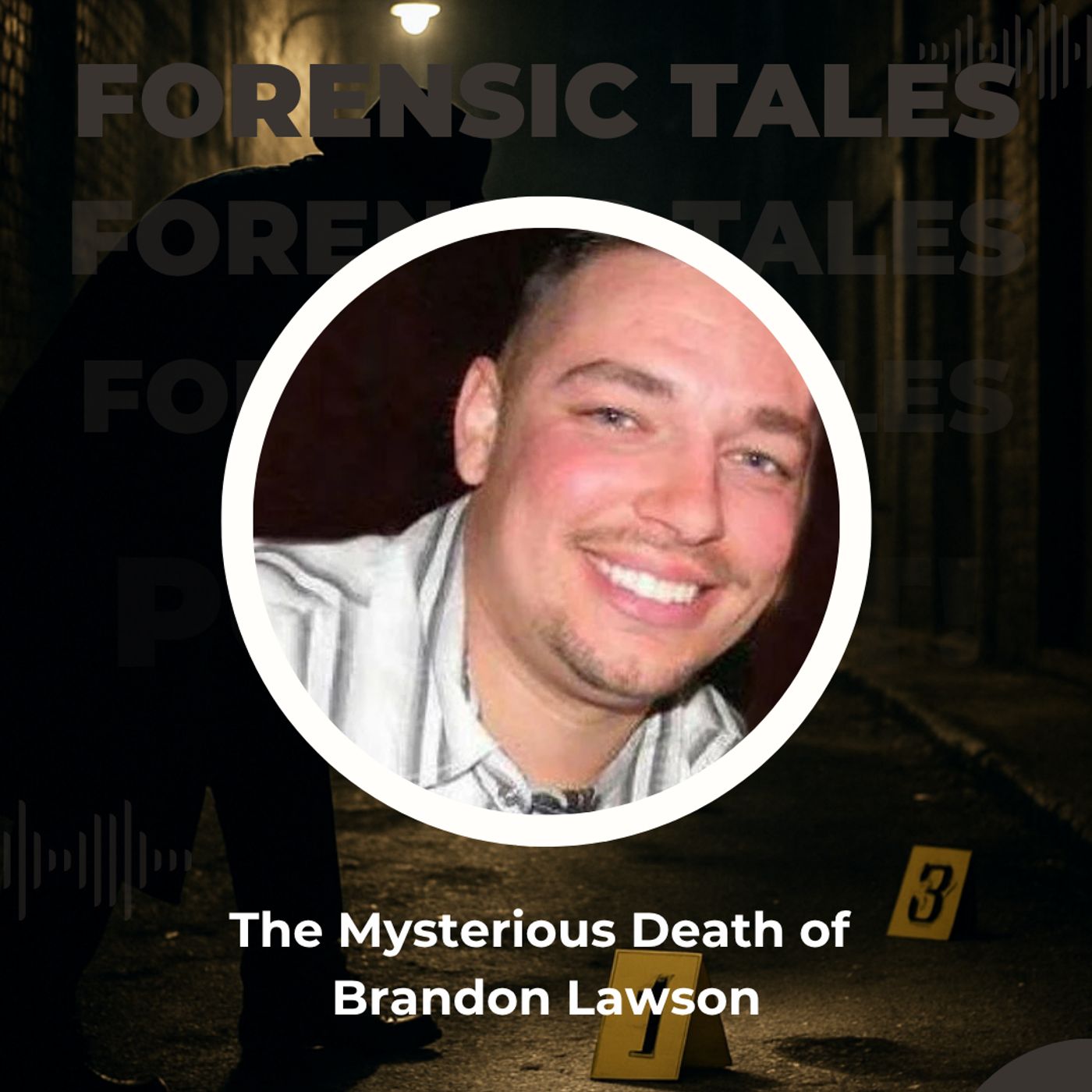
The Mysterious Death of Brandon Lawson
3w ago00:40:07Tap to summarizeIn the early morning hours of August 9, 2013, 26-year-old Brandon Lawson abandoned his pickup truck along a remote stretch of Highway 277 near Bronte, Texas. Moments earlier, he had made several frantic phone calls to family members and a chilling 911 call, claiming he was being chased through a field. Then, he vanished. For many years, Brandon's disappearance became one of the most debated missing person cases in America. Was he suffering from methamphetamine-induced psychosis? Did he encounter foul play? Or was there another explanation entirely? In this episode of Forensic Tales, we explore Brandon's final hours, analyze the infamous 911 call, examine the forensic evidence, and discuss how advances in DNA testing ultimately identified his remains in 2024—while still leaving investigators without an official cause of death. In this episode, we discuss: Brandon Lawson's life leading up to his disappearance The timeline of August 8–9, 2013 His mysterious phone calls and the infamous 911 recording The competing theories surrounding his disappearance The discovery of his clothing and remains in 2022 The forensic DNA process that confirmed his identity Why Brandon's cause of death remains unknown If you enjoyed this episode, please consider leaving a rating and review on Apple Podcasts or Spotify. Your support helps more people discover Forensic Tales. For ad-free episodes and exclusive bonus content, visit: https://www.patreon.com/forensictales Follow Forensic Tales: Instagram: https://www.instagram.com/forensic_tales Facebook: https://www.facebook.com/ForensicTales Website: https://forensictales.com Have a case suggestion or feedback? Email: courtney@forensictales.com Hosted by Simplecast, an AdsWizz company. See pcm.adswizz.com for information about our collection and use of personal data for advertising.
Transcribe →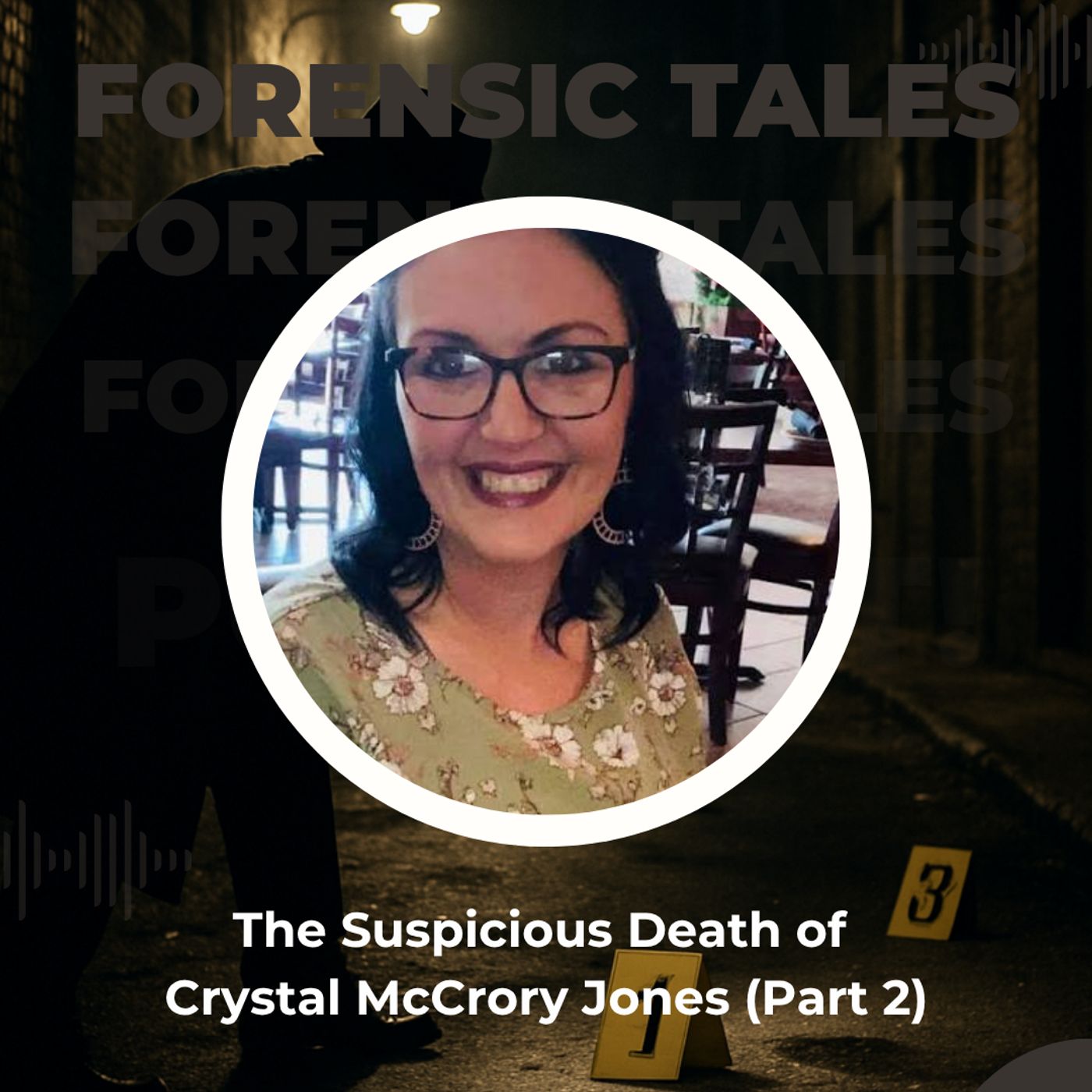
The Suspicious Death of Crystal McCrory Jones (Part 2)
4w ago00:36:29Tap to summarizeWhen Crystal McCrory Jones was found dead inside her home on February 9, 2023, investigators quickly ruled her death a suicide. But after obtaining the autopsy report, investigative records, photographs, and other official documents, Crystal's family began uncovering what they believe are significant inconsistencies in the investigation. In Part Two of this special two-part series, we take a closer look at the forensic evidence. From questions surrounding the autopsy findings and undocumented injuries to concerns about lividity, crime scene processing, timeline discrepancies, and other investigative decisions, we examine the evidence that has led Crystal's family to continue searching for answers more than two years later. This episode also explores Crystal's medical history, her previous suicide attempt more than a decade earlier, the events leading up to her death, and why her family believes the official investigation left too many important questions unanswered. As always, this episode is intended to examine the available evidence and present the facts documented in investigative records, interviews, and materials provided by Crystal's family. Listeners are encouraged to evaluate the evidence and draw their own conclusions. In this episode: The autopsy findings and alleged errors Bruising, lividity, and forensic pathology Crime scene processing concerns Timeline and GPS evidence Ring doorbell and digital evidence Crystal's medical history and mental health Why the family continues to challenge the official ruling The ongoing search for answers If you haven't already, be sure to listen to Part One, where we cover Crystal's life, the events of February 9, 2023, the initial investigation, and the circumstances surrounding her death. Listen every episode ad-free and support the show on Patreon: https://www.patreon.com/forensictales Follow Forensic Tales: Website: https://forensictales.com Instagram: https://www.instagram.com/forensictales Facebook: https://www.facebook.com/forensictales TikTok: https://www.tiktok.com/@forensictales Have a case suggestion or feedback? Email: courtney@forensictales.com Forensic Tales is a Rockefeller Audio production. The show is written & produced by Courtney Fretwell, who is also the host of the Find My Killer podcast, which covers unsolved murders, mysterious disappearances, and suspicious deaths. Listen to Find My Killer wherever you listen to Forensic Tales. If you'd like to hear more about Crystal's story, check out the Without Warning, Bayou Secrets podcast produced by the family's private investigator. You can also check out the family's Change.org petition. Hosted by Simplecast, an AdsWizz company. See pcm.adswizz.com for information about our collection and use of personal data for advertising.
Transcribe →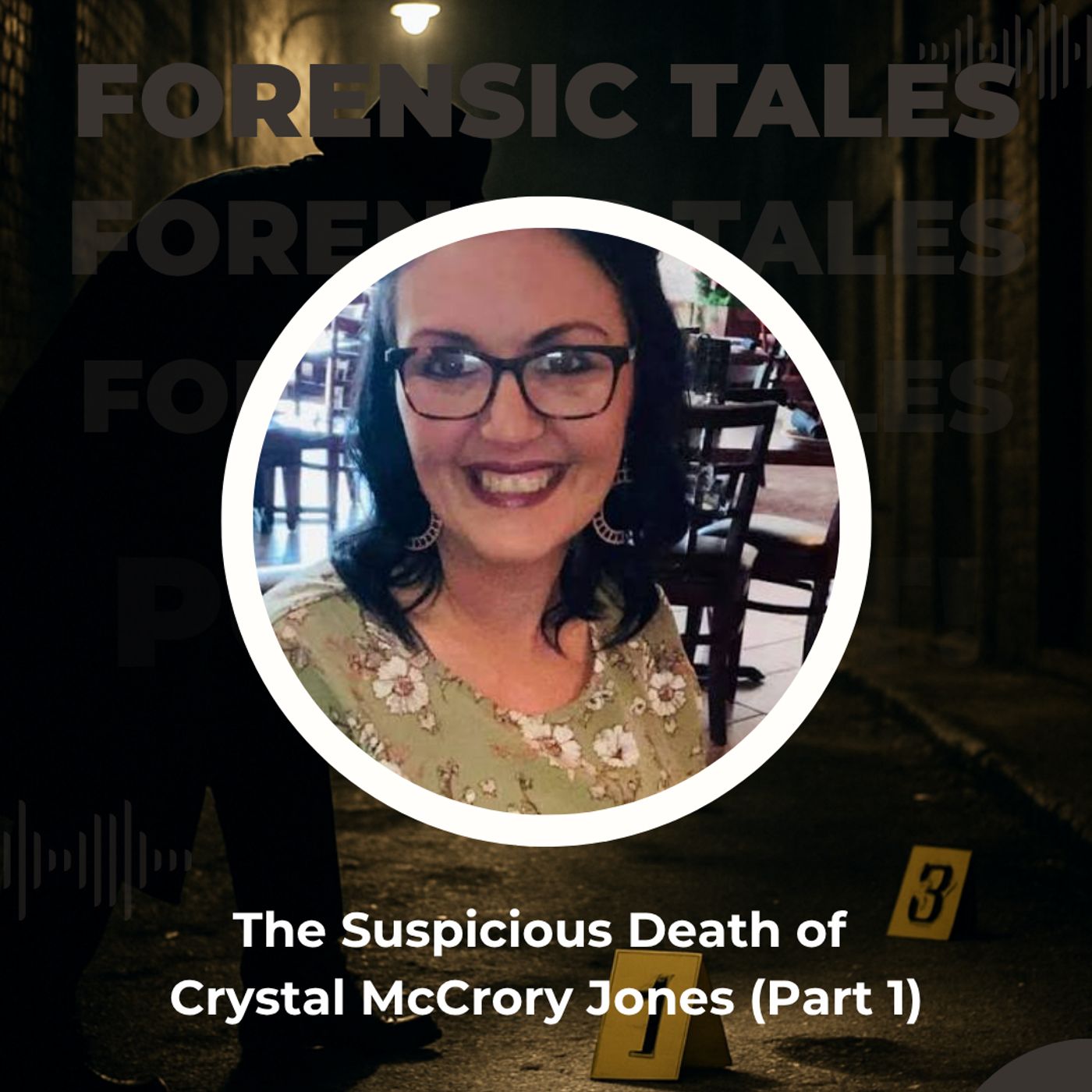
The Suspicious Death of Crystal McCrory Jones (Part 1)
4w ago00:43:22Tap to summarizeOn the afternoon of February 9, 2023, Crystal McCrory Jones failed to show up for a doctor's appointment. Concerned after repeated calls and texts went unanswered, her husband contacted the West Carroll Parish Sheriff's Office and requested a welfare check. Inside the home, deputies discovered Crystal dead from a single gunshot wound to the head. Less than two hours later, her death was ruled a suicide. But for Crystal's family, that conclusion came far too quickly. In Part One of this two-part series, we examine Crystal's life, her final day, the initial investigation, and the many questions that emerged almost immediately after her death. We'll walk through the timeline, the welfare check, the crime scene, the first interviews, and the investigative decisions that continue to raise concerns for those closest to Crystal. This episode includes information obtained from investigative records, police reports, interviews, and documents provided by Crystal's family. In this episode: Crystal's life and family The events of February 9, 2023 The welfare check that changed everything The initial investigation Crime scene observations The first interviews with investigators Why Crystal's family began questioning the official ruling Correction: In the episode, I mention Crystal becoming a grandmother to Tony's grandchild. Jana clarified that Crystal was not accepted as the child's "grandma" by Tony's family. Correction: During the welfare check, Deputy Harris did not discover the front door was unlocked on his own. Tony had already told him over the phone that the door was unlocked and directed him to the bedroom. Coming Thursday in Part Two: We'll examine the autopsy findings, forensic evidence, investigative inconsistencies, and the questions that continue to surround Crystal's death more than two years later. Listen ad-free and hear both parts right now on Patreon: https://www.patreon.com/forensictales Follow Forensic Tales: Website: https://forensictales.com Instagram: https://www.instagram.com/forensictales Facebook: https://www.facebook.com/forensictales TikTok: https://www.tiktok.com/@forensictales Have a case suggestion or feedback? Email: courtney@forensictales.com Forensic Tales is a Rockefeller Audio production. The show is written & produced by Courtney Fretwell, who is also the host of the Find My Killer podcast, which covers unsolved murders, suspicious deaths, and disappearances. Available wherever you listen to Forensic Tales. Hosted by Simplecast, an AdsWizz company. See pcm.adswizz.com for information about our collection and use of personal data for advertising.
Transcribe →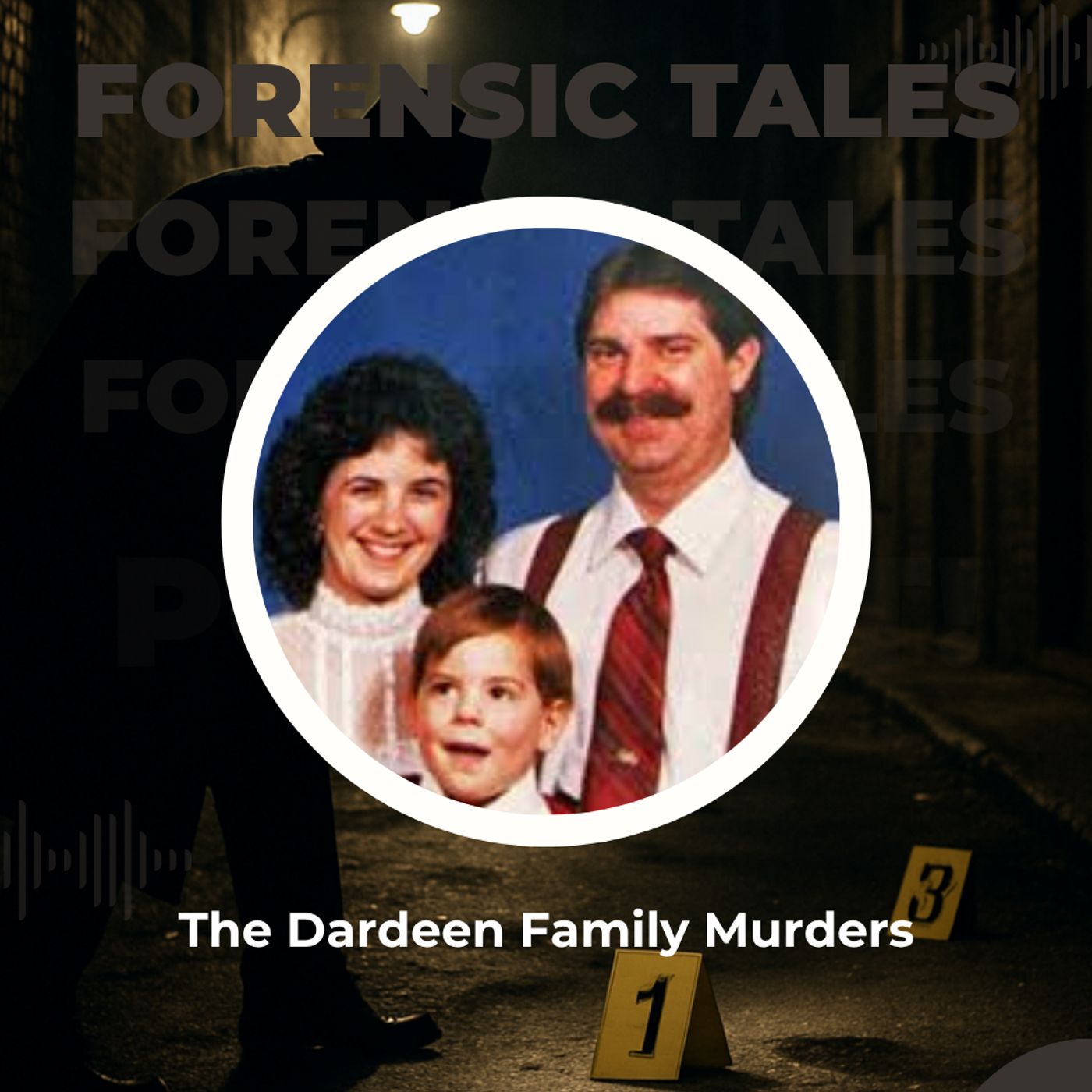
The Dardeen Family Murders
Jun 2900:45:51Tap to summarizeOn November 18, 1987, the small town of Ina, Illinois, was forever changed when Keith and Elaine Dardeen, their 3-year-old son Peter, and their newborn daughter Casey were found murdered in one of the most horrific crime scenes investigators had ever encountered. Nearly four decades later, the murders remain officially unsolved. In this episode of Forensic Tales, I take a closer look at the lives of the Dardeen family, the timeline leading up to the murders, the crime scene investigation, the forensic evidence, and the theories that continue to surround this heartbreaking case. From early rumors and community panic to the controversial confessions of serial killer Tommy Lynn Sells, we'll examine what investigators know, what they don't, and whether this mystery may ever be solved. In this episode: The Dardeen family's life in Ina, Illinois The discovery of the crime scenes Crime scene processing and forensic evidence Autopsy findings and timeline reconstruction How rumors fueled fear throughout southern Illinois The investigation and persons of interest Tommy Lynn Sells' conflicting confessions Why the case remains unsolved today If you enjoy Forensic Tales, consider supporting the show on Patreon for early, ad-free episodes, bonus content, and behind-the-scenes updates. Patreon: https://www.patreon.com/forensictales Follow Forensic Tales: Website & Episode Sources: https://forensictales.com/the-dardeen-family-murders Instagram: https://www.instagram.com/forensictales Facebook: https://www.facebook.com/forensictales TikTok: https://www.tiktok.com/@forensictales If you enjoyed this episode, I'd truly appreciate it if you left a rating and review wherever you listen to podcasts. It helps more people discover the show and supports independent creators like me. Hosted by Simplecast, an AdsWizz company. See pcm.adswizz.com for information about our collection and use of personal data for advertising.
Transcribe →