← Forest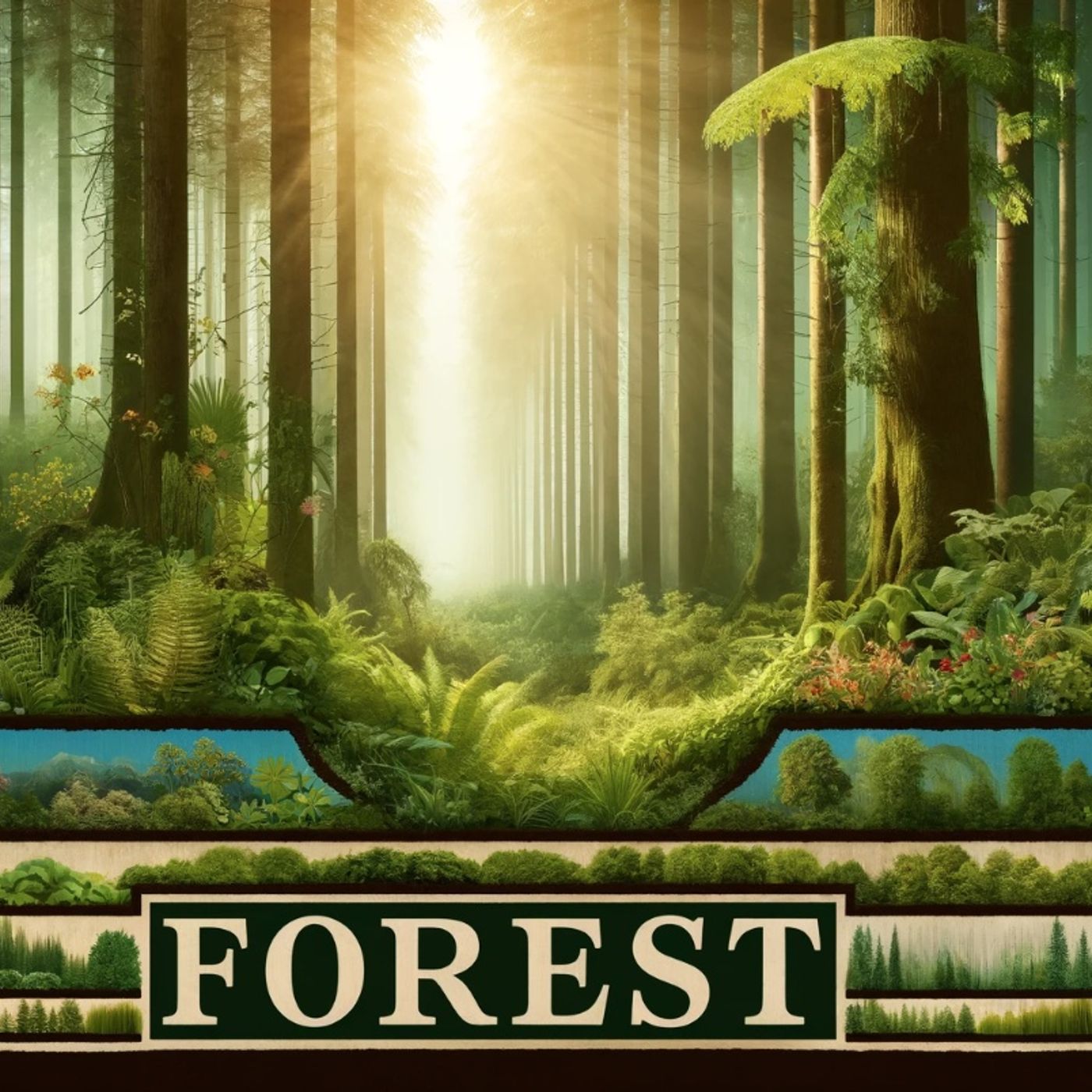
Forest
Unveiling the Layers of Life - Exploring the Forest Ecosystem
00:12:25
The episode takes readers on an immersive journey through the layers of a forest ecosystem, from the forest floor to the canopy. It explores the complex web of life that exists within each layer, detailing the various flora and fauna that call the...
Loading summary
Transcript4 lines
- [00:00]
A
If you work in university maintenance, Grainger considers you an MVP because your playbook ensures your arena is always ready for tip off. And Grainger is your trusted partner, offering the products you need all in one place, from H Vac and plumbing supplies to lighting and more. And all delivered with plenty of time left on the clock so your team always gets the win. Call 1-800-GRAINGER visit grainger.com or just stop by Granger for the ones who get it done.
- [00:30]
B
Forests are more than just a collection of trees. They are intricate ecosystems teeming with life. From the tiniest microorganisms to the tallest trees, every element plays a crucial role in maintaining the delicate balance of the forest. In this article, we will embark on a journey through the layers of the forest, unveiling the complex web of life that thrives within the forest floor. A World beneath our Feet Our exploration begins on the forest floor, a realm often overlooked but brimming with vitality. This layer is where fallen leaves, twigs, and other organic matter accumulate, forming a rich tapestry of decomposing material known as the litter layer. This seemingly mundane layer is a hotbed of activity, hosting a myriad of decomposers such as bacteria, fungi, and invertebrates. These decomposers play a vital role in the forest ecosystem by breaking down dead plant and animal matter, releasing nutrients back into the soil. This process not only nourishes the plants growing above, but also supports a diverse array of of life. From the tiny springtails that bounce among the leaf litter to the larger millipedes and beetles that burrow through the decaying matter, the forest floor is a microcosm of life. The decomposition process is not just a simple matter of breaking down organic material. It is a complex cycle that involves numerous stages and a wide range of organisms. Bacteria and fungi are the primary decomposers, secreting enzymes that break down the tough cellulose and lignin in plant matter. As they consume the organic material, they release nutrients like carbon, nitrogen, and phosphorus back into the soil. These nutrients are then taken up by the roots of plants, fueling their growth and allowing them to produce the leaves, flowers, and fruits that feed the forest's herbivores. The waste products and remains of these animals, in turn, become food for the decomposers, completing the cycle and ensuring that the forest remains healthy and productive. Amidst the decomposers, we also find a fascinating assortment of flora adapted to thrive in the low light conditions of the forest floor. Mosses and lichens cling to rocks and fallen logs, their delicate structures belying their resilience ferns unfurl their fronds, adding a touch of prehistoric charm to the understory. These plants not only contribute to the biodiversity of the forest, but also provide shelter and sustenance for the creatures that call the forest floor home. Mosses, in particular, play a crucial role in the forest ecosystem. These tiny, non vascular plants are often overlooked, but they serve a variety of important functions. They help to retain moisture in the soil, prevent erosion, and even filter pollutants from the air and water. Some species of moss also have medicinal properties and have been used for centuries in traditional healing practices. Lichens, too, are more than just a pretty addition to the forest floor. These unique organisms are actually a symbiotic partnership between a fungus and an alga, or cyanobacterium. The fungus provides the structure and protection, while the alga, or cyanobacterium produces food through. Squirrels are adapted to life in the treetops, their agile bodies and grasping limbs allowing them to navigate the complex network of branches with ease. Birds, in particular, are a prominent feature of the canopy. Many species, such as toucans and parrots, are specially adapted to life in the treetops, with strong beaks for cracking open hard fruits and seeds, and zygodactyl feet, two toes pointing forward, two pointing backward for grasping branches. The canopy is also home to a wide variety of raptors, such as hawks and eagles, which use the high vantage points to spot prey on the forest floor below. The canopy also plays a vital role in regulating the forest's microclimate. The dense foliage acts as a buffer, moderating temperature and humidity levels beneath the canopy. This creates a stable environment for the plants and animals of the understory and forest floor, sheltering them from the extremes of heat and cold, drought and downpour. The canopy also influences the forest's water cycle. As water evaporates from the leaves of the trees, it rises into the atmosphere, forming clouds that eventually release their moisture as rain. This process, known as transpiration, is a key driver of local and regional rainfall patterns and helps to maintain the lush, moist conditions that are so essential to the health of the forest. The Emergent Layer Titans of the Forest in some forests, a select few trees manage to break through the canopy, forming an even higher layer known as the emergent layer. These giants, often spanning over 200ft in height, are the true titans of the forest. Emergent trees are exposed to the full force of the elements, enduring strong winds, intense sunlight and lightning strikes. Despite the challenges, the emergent layer is a crucial component of the forest ecosystem. The towering trees provide habitat for a unique assemblage of species such as eagles, hornbills and certain species of monkeys which which rely on the lofty perches and unobstructed views. The emergent trees also act as beacons for pollinators and seed dispersers, their flowers and fruits attracting a wide array of birds and insects. The emergent layer also plays a key role in the forest's carbon cycle. These massive trees are among the largest living organisms on Earth and they store vast amounts of carbon in their wood and leaves. When they die and decompose, this carbon is slowly released back into the atmosphere, but the process can take centuries, making old growth forests an important carbon sink. The water's edge where forest meets stream no exploration of the forest ecosystem would be complete without if you work in
- [07:37]
A
university maintenance, Granger considers you an MVP because your playbook ensures your arena is always ready for tip off and Grainger is your trusted partner, offering the products you need all in one place, from H Vac and plumbing supplies to lighting and more. And all delivered with plenty of time left on the clock so your team always gets the win. Call 1-800-GRAINGER visit grainger.com or just stop by grainger for the ones who get
- [08:04]
B
it done Mentioning the Vital Role of Water Streams, rivers and ponds that wind through the forest are not just sources of life giving moisture, they are ecosystems in their own right. The banks of these waterways are lined with specialized plants adapted to the moist conditions, such as willows, alders and cattails. These riparian zones are havens for biodiversity, providing habitat for a wide range of species. Birds such as kingfishers and herons hunt for fish in the clear waters, while dragonflies and damselflies dart among the reeds. Amphibians, like frogs and newts lay their eggs in the shallows, their tadpoles developing in the safety of the water. The presence of water also influences the surrounding forest. The moist conditions along the banks create microclimates that support unique plant communities and provide critical habitat for moisture loving species. The roots of trees and other vegetation help to stabilize the banks, preventing erosion and maintaining the integrity of the waterways. The relationship between the forest and its waterways is a reciprocal one. The forest helps to regulate the flow of water, absorbing excess during heavy rains and releasing it slowly during drier periods. This helps to prevent flooding and maintain a steady supply of water for the plants and animals that depend on it. In turn, the waterways carry nutrients and sediment from the forest out to the sea, supporting coastal ecosystems and fisheries. Conclusion from the depths of the soil to the heights of the emergent layer. The forest is a tapestry of life, each thread interwoven with countless others. Every layer, from the forest floor to the canopy, plays a vital role in maintaining the balance and biodiversity of the ecosystem. By understanding the intricate relationships between the plants, animals and other organisms that call the forest home, we can better appreciate the importance of preserving these irreplaceable habitats. As we have seen, the forest is a complex and dynamic system, with each component playing a crucial role in the health and functioning of the whole. The decomposers of the forest floor, the diverse flora and fauna of the understory, the towering giants of the canopy and emergent layer, and the life giving waters that flow through it all each is an essential piece of the puzzle. But the forest is more than just an ecological marvel. It is also a vital resource for humanity. Forests provide us with a wide range of goods and services, from the timber we use to build our homes, to the clean air and water we depend on for survival. They are also important cultural and spiritual spaces, providing inspiration, solace and a connection to the natural world. As we conclude our journey through the layers of the forest, it is clear that this ecosystem is far more than the sum of its parts. It is a complex, dynamic and endlessly fascinating world. One that we have only begun to unravel. By continuing to study and explore the heart of the forest, we can deepen our understanding of the natural world and and our place within it. And perhaps most importantly, we can learn to be better stewards of these invaluable ecosystems, ensuring that they continue to thrive for generations to come. The forest is not just a collection of trees. It is a living, breathing entity. A testament to the incredible diversity and resilience of life on Earth. As we move forward into an uncertain future, it is more important than ever that we recognize the value of these ecosystems and work to protect them. For in the heart of the forest lies not just the key to the survival of countless species, but also perhaps the key to our own. Thank you for listening to this episode of the Heart of the Forest, An Ecosystem Unveiled. We hope you enjoyed exploring the incredible world of the forest ecosystem with us. From the depths of the forest floor to the lofty heights of the emergent layer. If you found this episode informative and engaging, please consider subscribing to our podcast for more fascinating journeys into the natural world. This episode was brought to you by Quiet Please. A podcast network dedicated to bringing you immersive thinking, thought provoking content that illuminates the wonders of the world around us. Be sure to check out our other episodes and share them with your friends and family. Once again, thank you for tuning in. And until next time, keep exploring the incredible complexity and beauty of the natural world.