Podcast
Founder Thesis
Hosted by ThePodium.in · EN
Dickens said, it was the best of the times, it was the worst of the times. The words have never been truer. Best because there’s never been a better time to be an entrepreneur. Worst because the clutter is mind-numbing. Founder Thesis breaks through the noise to bring you stories of success & failure, grit & struggle, bouquets & brickbats from some of the most brilliant entrepreneurs in India.
17episodes
Episodes
Newest firstAll episodes
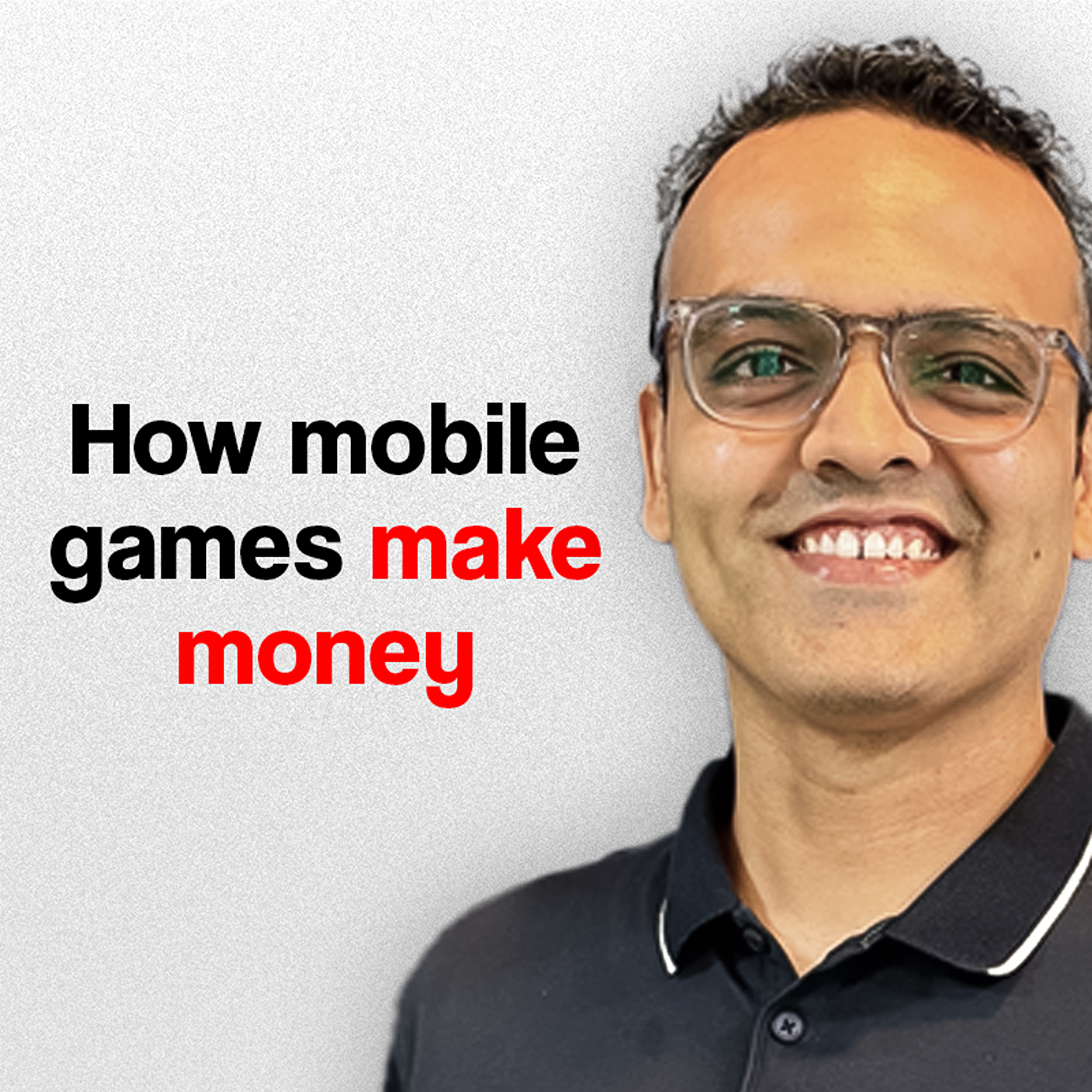
How Mobile Games Actually Make Money | Anurag Choudhary (Felicity)
3d ago01:23:51Tap to summarizeMost people assume a gaming company gets built by a gamer. Anurag Choudhary does not play video games, and he has built one of the only mobile game publishing operations in India that funds titles locally and scales them to players in the United States. A decade inside Indian consumer internet gave Choudhary an unusual education, first scaling Swiggy's restaurant network from 5,000 partners to over 100,000, then watching his own short video startup Wakao collapse into what he calls empty DAU before he returned a million dollars to his investors. Felicity, the Bengaluru publisher he founded in 2023, now runs north of $3 million ARR by financing games from India's 30,000 independent developers and monetising them in Tier 1 Western markets, where a single player is worth 20 to 30 cents a day. Speaking with host Akshay Datt, he argues that casual gaming is not a creative business but a user acquisition arbitrage, that organic app installs are effectively dead after Apple's IDFA change, and that being underfunded makes founders greedy in ways that permanently cap their scale. With Indian capital and talent rotating hard into entertainment gaming, the timing is sharp. 👉Why Anurag Choudhary chose gaming despite not being a gamer, and how Rovio's 51 failures before Angry Birds shaped his decision to build a portfolio instead of a single app. 👉How Felicity's three step funnel works in practice, from a $5,000 prototype tested on 400 US installs, to a $15,000 soft launch for monetisation, to a $40,000 to $50,000 outright buyout of the game. 👉What the real retention bar looks like inside a casual gaming business, including why Felicity demands 30 percent Day 1 retention and expects Day 7 to hold at 40 to 50 percent of that. 👉Why organic installs died after Apple's IDFA change, how US cost per install went from 50 cents to more than $2, and what that broke for every solo developer shipping an app today. 👉How an Arrows puzzle game reached a $1 million ARR run rate in three weeks, why two thirds of its daily revenue came from Korea and Japan rather than the US, and what geo specific creatives had to do with it. 👉Understand why Choudhary says your core IP is not your game but your infrastructure, why India cannot support a $100 million casual gaming business on domestic users alone, and why he is happy to wait 180 days to break even. #AnuragChoudhary #FelicityGames #FounderThesis #AkshayDatt#HowMobileGamesMakeMoney #MobileGamePublishingIndia #IndianGameDevelopers #AppLovin #IDFA #GamingIndustry #StartupIndia #GameMonetization #CasualGamingBusiness #BuildFromIndia #IndieGameDevelopers Disclaimer: The views expressed are those of the speaker, not necessarily the channel
Transcribe →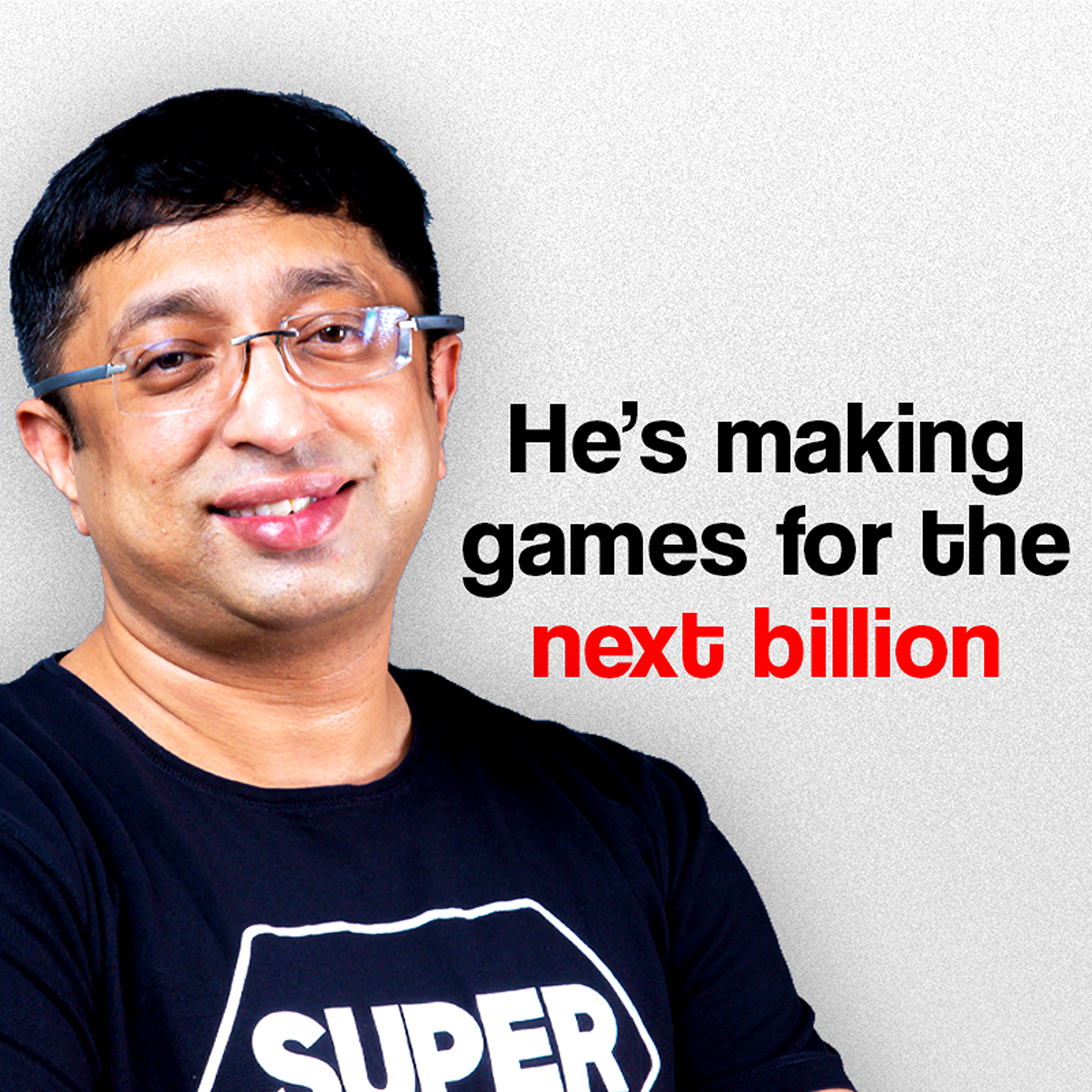
Roby John(SuperGaming) on how the gaming business actually makes money
1w ago01:11:35Tap to summarizeMost people still think gaming is entertainment, not an industry bigger than movies and music combined. This conversation is a rare look at building a gaming studio in India that reaches 200 million players, told by the founder actually doing it. Roby John was one of India's first iPhone developers, and after his edtech startup TapToLearn collapsed, he spent two years in the dark before building SuperGaming into a studio played by over 200 million people. SuperGaming makes free-to-play mobile games like Indus Battle Royale and licenses its own engine to global giants, even running the official mobile Pac-Man for Bandai Namco. Across this conversation with host Akshay Datt, Roby explains why gaming now commands a bigger wallet share than movies and music, why he launches in India where under 1% of players pay but monetizes in Brazil where 6 to 12% do, and why he is grateful for the app store tax most founders resent. With India's gaming market crossing 5 billion dollars and a new online gaming law reshaping the sector, this mobile game development story could not be more timely. 👉How SuperGaming grew a free-to-play portfolio to more than 200 million lifetime players across titles like MaskGun, Indus, and Silly Royale 👉Why Roby John treats India as a fast, free feedback lab and monetizes in Brazil, where in-app purchase conversion runs 6 to 12% versus under 1% at home 👉How the studio de-risks a hit-driven business by licensing its Indus Engine and SuperPlatform, including running the official mobile Pac-Man for Bandai Namco 👉What "ossification" means and why roughly 70% of app store game revenue still goes to titles made before 2020 👉Why Roby believes AI can cut the cost of a world-class game from 50 million dollars to 3 to 5 million, and why India is 5 to 7 years from its own billion dollar breakout Subscribe to Founder Thesis for weekly founder conversations and follow Akshay Datt on LinkedIn [https://www.linkedin.com/in/akshaydatt/] for daily insights. 00:00 - Inside India's Global Gaming Studio Bet 07:39 - How the Gaming Industry Actually Works 12:45 - Why Gaming Beats Movies and Music 29:52 - The Failed Startup Before SuperGaming 33:27 - Building Indus, the Wakanda of India 42:15 - How to De-Risk a AAA Game 50:22 - Extraction Shooters, Mobile Gaming's Next Genre 57:15 - India vs Brazil Monetization Gap 01:08:40 - The Truth About App Store Tax 01:16:43 - Can AI Build Cheaper Games #SuperGaming #RobyJohn #FounderThesis #AkshayDatt #IndianGamingStartup #MobileGameDevelopment #IndusBattleRoyale #IndianGameStudio #BattleRoyaleIndia #FreeToPlayGames #GameDevelopmentIndia #HowToBuildAGameStudio #IndianStartups #GamingIndustryIndia #Web3Gaming #ExtractionShooters #AppStoreTax #StartupPodcast #FounderInterview #aiingaming Disclaimer: The views expressed are those of the speaker, not necessarily the channel
Transcribe →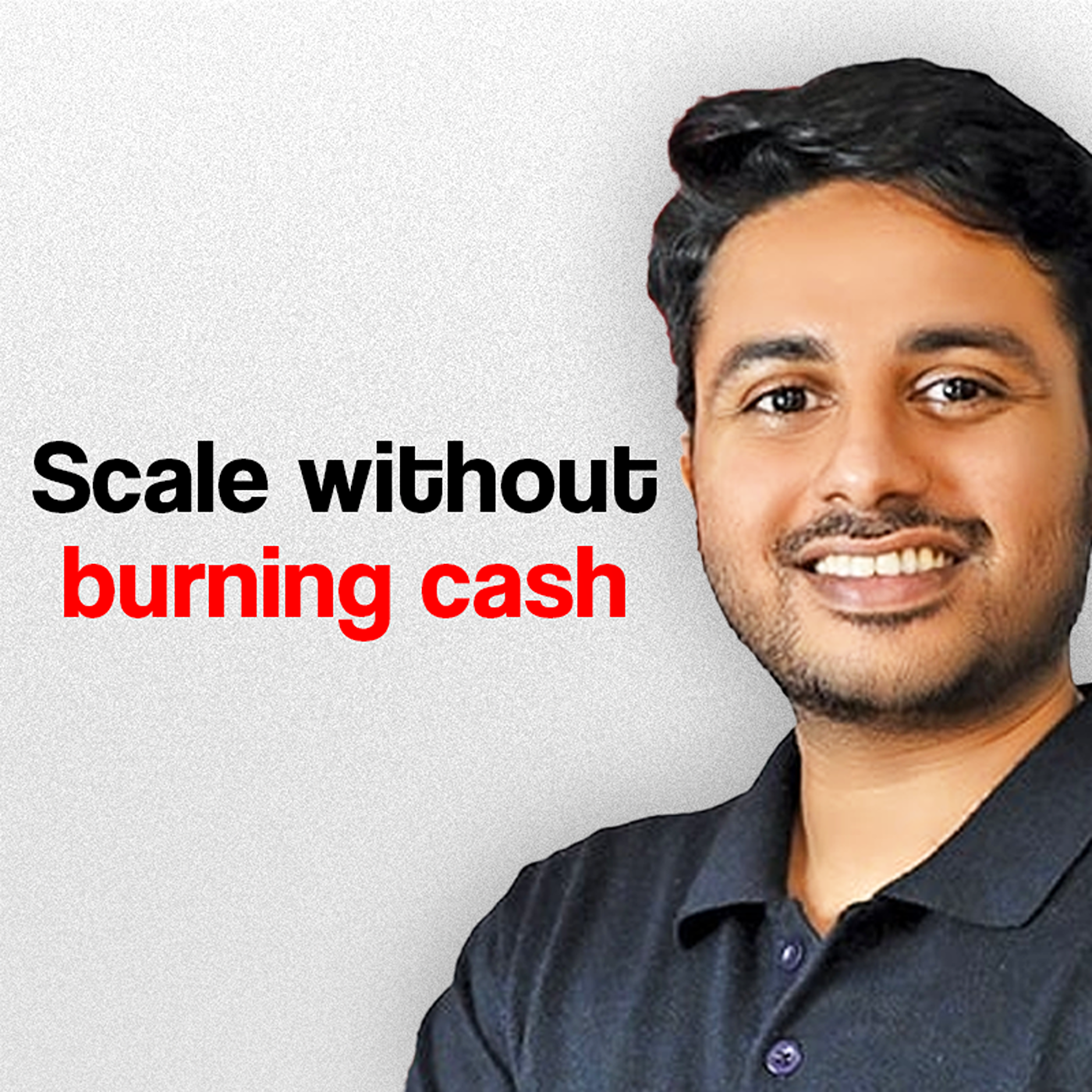
Akshay Shekhar (Kazam) on the India Energy Stack: UPI for Electricity
2w ago01:03:58Tap to summarizeMost founders spend to acquire customers, but Kazam built an EV charging business where customers pay upfront and the cost of acquisition turns positive. Akshay Shekhar breaks down the India EV charging infrastructure playbook, from a broken first prototype to 250,000 charge points and a shot at the country's next open digital network for energy. What makes this story unusual is where it started, a Hindi and English YouTube channel reviewing early EVs, which the founder of Kazam used as cheap market research before building any hardware. Akshay Shekhar, a second-time founder who passed through PepsiCo and Godrej after a failed IKEA-style furniture venture, now runs a device-agnostic platform that helps fleets, OEMs and utilities install, manage and monetize EV charging. In this conversation with host Akshay Datt, he explains why he calls hardware a distribution wedge rather than the business, how load-balancing software cut fleet vehicles left uncharged overnight from 40 percent to under 10 percent, and why India wastes double-digit percentages of power at night that smart charging can absorb. With revenue up 4X to 6 million dollars and the India Energy Stack taking shape, the timing on peer-to-peer energy trading makes this a sharp read on where EV charging is headed. 👉How Kazam turned a YouTube channel and one Facebook ad into 20,000 leads and 1,500 paying charging hosts 👉Why Akshay Shekhar runs a positive CAC model where customers pay for hardware instead of the company spending to acquire them 👉What the Pine Labs playbook of hardware, SaaS and transaction fees looks like applied to EV charging infrastructure 👉How Kazam cut fleet vehicles left uncharged overnight from 40 percent to under 10 percent with load-balancing software, winning clients like BigBasket 👉Why peer-to-peer energy trading and the Unified Energy Interface could become the UPI moment for electricity in India Subscribe to Founder Thesis for weekly founder conversations and follow Akshay Datt on LinkedIn https://www.linkedin.com/in/akshaydatt/ for daily insights. 00:00 - The Gateway For New Energy Explained 02:29 - Building The Petrol Pump For EVs 06:00 - YouTube Channel As Market Research 08:59 - One Ad, 20,000 Charging Leads 10:32 - The Broken Prototype First Order 12:31 - Type 6 vs Type 7 Charging 22:16 - Load Balancing EV Fleet Charging 30:02 - Peer To Peer Energy Trading 41:12 - Why Kazam Isn't A Hardware Company 48:41 - Vehicle To Grid Battery Arbitrage 58:15 - Founder Lessons From A Failure #Kazam #AkshayShekhar #FounderThesis #AkshayDatt #EVChargingIndia #ElectricVehicles #EVInfrastructure #IndiaStartups #EVChargingStation #IndiaEnergyStack #UnifiedEnergyInterface #EVChargingBusiness #StartupIndia #PeerToPeerEnergyTrading #EVStartup #HowToStartEVChargingBusiness #IndiaEVMarket #CleanEnergyIndia #EnergyTransition #founderpodcast Disclaimer: The views expressed are those of the speaker, not necessarily the channel
Transcribe →
Ajay Jain (SilverX) on How To Pitch A VC
4w ago00:59:28Tap to summarizeMost founders open their VC pitch with a billion-dollar TAM slide. Ajay Jain, co-founder of Silverneedle Ventures, refuses to look at it, and the bottom-up question he asks instead is the real test that decides who gets funded into his ₹800 Cr Silver X deep tech fund. From his family's money-lending Dukan before grade two, to seven years inside Intel's pre-silicon chip verification team, to incubating 3,000 startups at T-Hub, Ajay Jain arrived at venture capital from an unconventional pipeline. As co-founder of Silverneedle Ventures and the newly launched ₹800 Cr Silver X fund, he is now betting exclusively on Indian deep tech: satellites that launch with ISRO, AI tools that automate bank compliance, brain-mapping platforms for surgical planning. In this conversation with host Akshay Datt, Ajay unpacks why he ignores top-down TAM analysis, why most founders fail the 30 second pitch test, and why India's $12 billion RDI Scheme has rewritten the math of deep-tech investing. As global SaaS valuations compress and India's sovereign science push accelerates through 2026, this is the operating manual for how to pitch a VC in India's next venture decade. 👉Why Ajay Jain refuses to look at any startup's TAM slide and the specific bottom-up question he asks every founder instead. 👉How Silverneedle's ₹76 Cr Fund I delivered the markups, OnFinance up 5 to 8x in 18 months and Dhruva Space backed by a ₹105 Cr government grant, that justified raising an ₹800 Cr deep tech fund. 👉What the 30 second pitch test actually looks like and why most founders fail it before they even ask for money. 👉Why Ajay walked into HR tech, burned his fingers, and now uses it as a case study for why a big market alone never funds a startup. 👉How India's $12 billion RDI Scheme is rewriting the underwriting math for deep tech VCs and what it means for founders raising in 2026. Subscribe to Founder Thesis for weekly founder conversations and follow Akshay Datt on LinkedIn [https://www.linkedin.com/in/akshaydatt/] for daily insights. 00:00 - The Dukan To Deep Tech Origin Story 00:13:17 - What Makes A Venture Capitalist Qualified 00:18:00 - Silver X: ₹800 Cr Deep Tech Fund 00:27:43 - Why Most Founders Get TAM Wrong 00:33:00 - Bottom Up Economics For Indian Startups 00:40:35 - Why HR Tech Looks Big But Isn't 00:48:00 - Picking OnFinance, Dhruva Space, BrainSight 00:55:00 - Why Vertical AI Beats Foundation Models #AjayJain #SilverneedleVentures #SilverX #FounderThesis #AkshayDatt #IndianDeepTech #VentureCapitalIndia #HowToPitchAVC #IndiaStartups #DeepTechVC #IndianSpaceTech #DhruvaSpace #OnFinanceAI #BrainSightAI #RDIScheme #IndianVCFunding #StartupFundingIndia #QuantumComputingIndia #DeepTechFunding #TAMAnalysis Disclaimer: The views expressed are those of the speaker, not necessarily the channel
Transcribe →
How to Run a Profitable Services Firm in the AI Era | Sridhar Muppidi (ello.ai)
Jul 601:18:56Tap to summarizeMost service businesses are adding people to grow. One Hyderabad founder did the opposite and cut his team from 1,000 to 600 with zero drop in revenue, a live case study in AI and the future of work. Sridhar Muppidi, co-founder of [x]cube LABS and ello.ai, breaks down exactly how, and what it means for anyone building in the AI era. Few people have built through as many tech cycles as Sridhar Muppidi, who started in the dot-com boom, co-founded the cloud telecom firm PanTerra Networks, and shipped India's first game on the Apple App Store before scaling [x]cube LABS into a bootstrapped agency that has created over $5 billion in value for clients like Amazon, Sony, and Dr Lal PathLabs. His newest bet, ello.ai, builds enterprise voice agents that let customers talk to software in Hindi, Telugu, and a dozen Indian languages instead of clicking through menus. In this conversation with host Akshay Datt, he argues that AI came for high-paid coders before blue-collar work, that today's cheap AI tokens are a subsidy with a reckoning coming, and that the engineer over 40 is now the most valuable hire. With Indian IT shedding entry-level roles and the AI and the future of work debate intensifying, his ground-level view is timely and contrarian. 👉How [x]cube LABS cut headcount from 1,000 to 600 people with no drop in revenue using AI coding agents 👉Why AI displaced high-paying programmer jobs before blue-collar work, reversing the 2012 consensus 👉Why Sridhar calls AI model companies drug dealers and predicts a token pricing reckoning 👉What separates writing code with AI from orchestrating coding agents, and how to brief them like a real team 👉Why almost every piece of software built in the last 40 years must be rebuilt for AI agents and voice 👉Why a profitable quick commerce idea his team built in 2015 slipped away, and the lesson he took from it Subscribe to Founder Thesis for weekly founder conversations and follow Akshay Datt on LinkedIn https://www.linkedin.com/in/akshaydatt/ for daily insights. #SridharMuppidi #xcubeLABS #elloai #FounderThesis #AkshayDatt #VoiceAI #AIandJobs #IndianStartups #AIcodingAgents #FutureOfWork #EnterpriseAI #ConversationalAI #AITokenEconomics #SaaSPricing #TechLayoffsIndia #AIagents #StartupPodcast #IndianITjobs #AIautomation #DeepTechIndia Disclaimer: The views expressed are those of the speaker, not necessarily the channel
Transcribe →
From Zero to 400 Harbors: Building FreshToHome's $320M Supply Chain
Jun 2901:17:30Tap to summarizeBuilding a supply chain across 400 fish harbors before spending a single rupee on marketing sounds like madness, until you realise it is exactly how FreshToHome became India's largest India D2C food startup in the fresh fish and meat category. In this conversation, Shan Kadavil, the ex-Zynga executive who left Silicon Valley to rebuild how India sources, moves, and delivers protein, walks host Akshay Datt through a decade of counterintuitive decisions that no competitor has been able to replicate. Shan Kadavil's path from helping scale Farmville to 400 million players at Zynga to running India's most complex perishable supply chain is one of the most unusual founder arcs in the Indian startup ecosystem, and the lessons he draws across both worlds are sharper for it. FreshToHome, which he co-founded in 2015 alongside fish exporter Mathew Joseph and six ex-Zynga colleagues, now delivers preservative-free and antibiotic-residue-free fish, seafood, poultry, and mutton to over 2 million customers across 160 cities in India and all seven UAE Emirates, having raised over $320 million from investors including Amazon, Peter Thiel, and the Investment Corporation of Dubai. In this conversation with Akshay Datt on Founder Thesis, Shan reveals why he deliberately delayed marketing investment for three years, how a real-time e-auction platform built for 3 AM harbor bids became FreshToHome's deepest competitive moat, and why he believes the conventional wisdom that "Indians only buy fish on weekends" is not a demand problem at all, it is a supply chain failure in disguise. With India's fresh meat delivery startup landscape heating up and QCommerce platforms reshaping every D2C category, Shan's framework for deciding what belongs on Blinkit versus your own app, backed by actual unit economics, could not be more timely. 👉How FreshToHome built a real-time e-auction platform that processes 1,000 bids at 3 AM across 400 harbors, giving fishermen consistently higher prices than local auction floors while securing FreshToHome the freshest and most competitively priced catch across India. 👉Why Shan waited until 2018-19 to spend seriously on marketing, and how FreshToHome cut marketing spend from 25-30% of revenue down to 2-3% while continuing to grow, by solving LTV-to-CAC ratios at the city level first. 👉What the actual unit economics of selling fish through a QCommerce dark store look like, why a typical dark store can only absorb around 70 fish orders per day versus FreshToHome's own dark stores doing 250-400, and why Shan treats QCommerce as a complement rather than a threat to the own-app channel. 👉How FreshToHome reduced perishable wastage from over 20% at launch to 2% today, and why that number is the single most important operational metric in any fresh food supply chain business. 👉Why Shan co-founded FreshToHome with eight co-founders, how he structures each city as an independently run internal company with its own CEO and P&L, and why he believes founders building operationally brutal businesses should always err toward more co-founders, not fewer. 👉Why Shan predicts India will become a net importer of fish within this decade, pointing to over 550 containers of Vietnamese Basa already being imported annually as early evidence of a structural protein demand gap that no single category player has yet moved fast enough to fill.#FreshToHome #ShanKadavil #FounderThesis #AkshayDatt #IndiaDTCFoodStartup #OnlineFishDeliveryIndia #FreshMeatDeliveryIndia #IndiaFoodSupplyChain #DTCBrandBuildingIndia #IndiaStartups #D2CIndia #FoodTechIndia #IndiaEcommerce #StartupIndia #SupplyChainIndia #IndiaFoodtech #MeatDeliveryIndia #IndiaFounderStory #ProteinEconomyIndia #ZyngaIndia Disclaimer: The views expressed are those of the speaker, not necessarily the channel
Transcribe →
Rajesh Jain (Netcore Cloud) on How to Bootstrap a SaaS Company to $100M Revenue
Jun 2202:16:28Tap to summarizeMost founders chase venture capital like oxygen, but the man who pulled off India's first major dot-com exit built a bootstrapped SaaS company to over $100M in revenue without a single growth round. He also argues that $500 billion of global ad spend is being set on fire every year, and that marketing as we know it is quietly broken. The man behind India's first internet portal, Rajesh Jain sold IndiaWorld to Sify for $115 million in 1999, a deal he closed in 15 days at 166 times revenue, just before the dot-com bubble burst. He then spent nearly a decade failing at everything before turning Netcore Cloud into a full-stack MarTech platform now serving 6,500+ brands across 40 countries, helping them retain customers across email, WhatsApp, and AI-driven personalization. Across this conversation with host Akshay Datt, Rajesh explains why 90% of marketing budgets go to acquisition while customers quietly churn, why he runs his company like an autocracy rather than a democracy, and how MarTech AI agents and "AI twins" will reshape customer retention marketing. As the AI boom draws constant comparisons to 1999, hearing from a founder who survived one bubble and is now betting on the next makes this especially timely. 👉How Rajesh Jain sold IndiaWorld to Sify for a $115 million acquisition in just 15 days, and why timing the exit mattered more than building the business 👉Why he calls $500 billion of global digital ad spend pure waste, with 90% of marketing budgets going to acquisition and only 10% to retention 👉What it actually takes to build a bootstrapped SaaS company to $100M+ revenue without VC, and why he says Netcore is "funded by its customers" 👉How MarTech AI agents, a "Co-Marketer," and consumer "AI twins" will change customer retention marketing over the next few years 👉Why Rajesh failed at nearly everything for 7 years after his dot-com exit, and the lesson he learned about chasing technology instead of problems Subscribe to Founder Thesis for weekly founder conversations and follow Akshay Datt on LinkedIn [https://www.linkedin.com/in/akshaydatt] for daily insights. 00:00 - Born for the Nation: Origin Story 02:04 - From Civil Engineering to Computers 05:55 - IIT Bombay to Columbia University 09:48 - Two Years Inside US Telecom 13:08 - Returning to India to Build 14:09 - The Failures Before India Internet Pioneer 16:02 - The IndiaWorld Idea That Worked 24:50 - Building India's First Internet Portal 38:44 - The $115 Million Dot-Com Exit 49:43 - Why He Never Became a VC 50:53 - How Netcore Cloud Started 57:32 - The SMS Business That Got Killed 01:05:00 - From CPaaS to MarTech Pivot 01:11:00 - The AdTech Tax Wasting Billions 01:22:43 - How MarTech AI Agents Work 01:27:50 - AI Twins and Customer Retention Marketing 01:35:00 - Bootstrapped SaaS Company With Zero VC 01:45:49 - Outcome-Based Pricing for MarTech 02:06:09 - The Man Who Helped Elect a PM #RajeshJain #NetcoreCloud #FounderThesis #AkshayDatt #IndiaWorld #Sify #BootstrappedStartup #MarTech #SaaSIndia #IndianStartups #DotComExit #CustomerRetention #AIagents #MarketingAutomation #StartupFounderIndia #HowToBootstrapSaaS #IndiaInternetHistory #B2BSaaS #ProfitableStartup #aiinmarketing Disclaimer: The views expressed are those of the speaker, not necessarily the channel
Transcribe →
The Series A VC Reshaping Indian Startup Funding | Rajeev Kalambi @ Cactus Partners
Jun 1201:10:10Tap to summarizeMost founders chase the billion-customer dream and the unicorn lottery at the same time. This India VC funding strategy conversation dismantles both, as Rajeev Kalambi of Cactus Partners explains why he deliberately refuses the power law, why there is no single Indian market, and how he targets steady returns instead of moonshots.With 26 years across corporate banking, investment banking, and buy-side fund management, Rajeev Kalambi brings a downside-first discipline rarely heard in venture capital, having lived through three funding cycles in just five years.At Cactus Partners, the early-growth fund he co-founded, he writes first institutional cheques at Series A into post product-market-fit companies with industry-beating gross margins, deliberately occupying the underfunded gap between crowded seed funds and late-stage private equity.In this conversation with host Akshay Datt, he argues that India is really three or four economies and only the top 10% truly pays, that premium beverages can never scale because you are effectively shipping water, and that smart investors sell picks and shovels rather than prospecting for AI gold. He also breaks down his 5 Ts framework and why GMV masks the only number that matters, the take rate. As funding stays disciplined and China Plus One reshapes Indian manufacturing, his anti-power-law thesis lands at the right moment.👉Why Cactus Partners rejects the venture power law and underwrites growth risk instead of mortality risk, targeting consistent returns over unicorn bets👉How the firm stayed 2x up by 2023 while peers nursed 50 to 70% drawdowns, by holding valuation discipline through the 2021 euphoria👉What the 5 Ts framework (Team, TAM, Tech, Traction, Transaction) reveals about how a disciplined VC actually screens an early-growth deal👉Why the "1.4 billion consumer" pitch is a trap and profitable consumer brands must target only the top 10% with the ability and intent to pay👉How to read a B2B aggregator's real value through take rate, not inflated GMV, and why premium beverages drown in the cost of shipping waterSubscribe to Founder Thesis for weekly founder conversations and follow Akshay Datt on LinkedIn [https://www.linkedin.com/in/akshaydatt] for daily insights.00:00 - What Qualifies Someone to Be a VC02:35 - Buy Side vs Sell Side Explained05:48 - Inside a Sports and Consumer Fund08:45 - Why Premium Beverages Cannot Scale India15:55 - The Consumer Thesis: Targeting India's Top 10%18:11 - Why This VC Backs Asset-Heavy Manufacturing25:43 - Avoiding Herd Instinct and AI Hype28:43 - Underwriting Growth Risk, Not Mortality Risk38:23 - The 5 Ts Framework for Picking Founders42:23 - Why the Series A Funding Gap Exists49:05 - The Anti-Power Law Investment Thesis01:00 - Picks and Shovels: How to Invest in AI#FounderThesis #AkshayDatt #RajeevKalambi #CactusPartners #IndiaVCFunding #VentureCapitalIndia #SeriesAFunding #IndianStartups #StartupFunding #PowerLaw #AntiPowerLaw #PicksAndShovels #ChinaPlusOne #IndiaManufacturing #ProductMarketFit #GMVvsTakeRate #VCInvestmentStrategy #HowVCsPickStartups #EarlyGrowthVC #startupvaluationDisclaimer: The views expressed are those of the speaker, not necessarily the channel
Transcribe →
Is Venture Capital Built to Break Founders - Amrit Chandan @ Lorefully
Jun 501:10:48Tap to summarizeMost founders pitch VCs without understanding the math that decides their fate, and Amrit Chandan learned this the hard way after raising $19M for his battery startup Aceleron and losing it to a 24-hour boardroom ultimatum. This conversation breaks down the UK venture capital trap, the cap table mistakes that cost founders their companies, and the playbook he is using to build his next AI startup Lorefully to profitability with zero VC. A Forbes 30 Under 30 climate tech founder whose family migrated from India to Kenya to the UK, Amrit Chandan co-founded Aceleron in 2016 to build the world's first serviceable lithium-ion battery, raising over $19M from Toyota Mobility 54, Mercia, and BGF across seven years before being forced out as CEO in June 2022. Aceleron entered administration in September 2023 and was acquired by Pune-based Advik Hi-Tech in April 2024, after which Amrit co-founded Lorefully, an AI knowledge intelligence platform that captures expert conversations at live events. The platform has captured 5.5 million words of expert knowledge in five months, runs with just six people, has taken zero institutional VC, and is on track for £500K in revenue and profitability this quarter. In this conversation with host Akshay Datt, Amrit unpacks why UK venture capital structurally takes too much founder equity too early, the 24-hour ultimatum that ended his first company, why first-time hardware founders should license their IP instead of manufacturing, and how a free booth at InstallerSHOW unlocked £400K for the organiser and saved his second startup. The episode lands at a moment when European VC dilution dynamics and the climate tech funding squeeze are pushing more Indian founders to rethink the institutional capital playbook. 👉How Aceleron raised over $19M from Toyota Mobility 54, Mercia, and BGF to build serviceable lithium-ion batteries that could be repaired instead of thrown away 👉Why Amrit was given a 24-hour ultimatum to step down as CEO in June 2022, and what happened in the five weeks after when the investor pushing for his removal walked away 👉What UK venture capital does structurally that takes too much founder equity too early, and why he ended up at 15% ownership before Series B 👉How a free booth at InstallerSHOW 2025 unlocked over £400,000 in sponsor revenue for the organiser and saved his new company Lorefully 👉Why first-time hardware founders should license their intellectual property instead of trying to manufacture, based on Amrit's own $19M lesson 👉How Lorefully captures 5.5 million words of expert knowledge at trade shows using human facilitators and AI, on track for profitability with just six staff #AmritChandan #Lorefully #Aceleron #FounderThesis #AkshayDatt #IndianFounders #UKStartups #ClimateTech #BatteryStartup #VentureCapital #CapTable #FounderDilution #HardwareStartups #AIstartupsDisclaimer: The views expressed are those of the speaker, not necessarily the channel
Transcribe →
India's Non-Invasive Answer to Elon Musk's Neuralink | Siddharth Panwar @ NeuroDx
May 2901:01:26Tap to summarizeMost Indian AI startups are racing to build chatbots for Indic languages. Dr. Siddharth Panwar took a different bet, building India's first non-invasive brain-computer interface on 60,000 hours of EEG data that hospitals were about to throw away. Trained at Stanford as an electrical engineer and forged at IIT Delhi as a brain scientist, Dr. Siddharth Panwar spent ten years sitting outside neurologists' rooms collecting EEG data that nobody else wanted. That patience became NeuroDx.ai, the deeptech startup behind MANAS-1, India's first 400-million-parameter brain foundation model trained on 60,000 hours of EEG signals from over 25,000 patients. In conversation with host Akshay Datt, Siddharth explains why the West gave up on EEG too soon, why a non-invasive brain-computer interface can capture 80 percent of Neuralink's value at a fraction of the cost, and why Indian VCs still struggle to underwrite frontier scientific risk in AI neurodiagnostics. Selected as one of twelve IndiaAI Mission sovereign AI champions, NeuroDx is the only physiological foundation model in the cohort, arriving exactly as Indian deeptech enters its sovereign AI moment. 👉How Siddharth Panwar built India's first 400-million-parameter brain foundation model, MANAS-1, with zero institutional VC on the cap table 👉Why the Western medical system gave up on EEG and how AI foundation models are bringing it back into clinical relevance 👉What separates MANAS-1 from Neuralink, and why a non-invasive brain-computer interface scales to populations that brain surgery never can 👉How NeuroDx aggregated 60,000 hours of EEG data from 25,000 patients by salvaging signals that hospitals were deleting every month 👉Why being selected as 1 of 12 IndiaAI Mission sovereign AI champions changes the financial and policy economics of building deeptech in India Subscribe to Founder Thesis for weekly founder conversations and follow Akshay Datt on LinkedIn [https://www.linkedin.com/in/akshay-datt] for daily insights. 00:00 - Introduction 00:02:14 - What Brain Computer Interface Really Means 00:03:09 - Non-Invasive Alternative to Neuralink 00:04:11 - EEG: India's Forgotten Diagnostic Edge 00:13:36 - EEG as the Language of Brain 00:16:19 - MANAS-1: India's Brain Foundation Model 00:21:02 - 400 Million Parameters Explained Simply 00:30:09 - Inside the IndiaAI Mission Selection 00:35:00 - Bootstrapping a Frontier AI Lab 00:49:19 - Why $10M is India's Biggest Test #NeuroDx #SiddharthPanwar #FounderThesis #AkshayDatt #MANAS1 #BrainComputerInterface #BCI #IndiaAIMission #DeeptechIndia #IndianStartups #Neuralink #EEG #FoundationModels #SovereignAI #AINeurodiagnostics #NonInvasiveBCI #IITMandi #BootstrappedStartup #HealthcareAI #IndianDeeptech Disclaimer: The views expressed are those of the speaker, not necessarily the channel
Transcribe →