
Podcast
Free Food For Thought
Hosted by FF4T · EN
Free Food for Thought is a student-run, student focused podcast that seeks to feed intellectual curiosity. We interview renowned speakers, thought leaders, and anyone else we think has an idea worth hearing!
13episodes
Episodes
Newest firstAll episodes
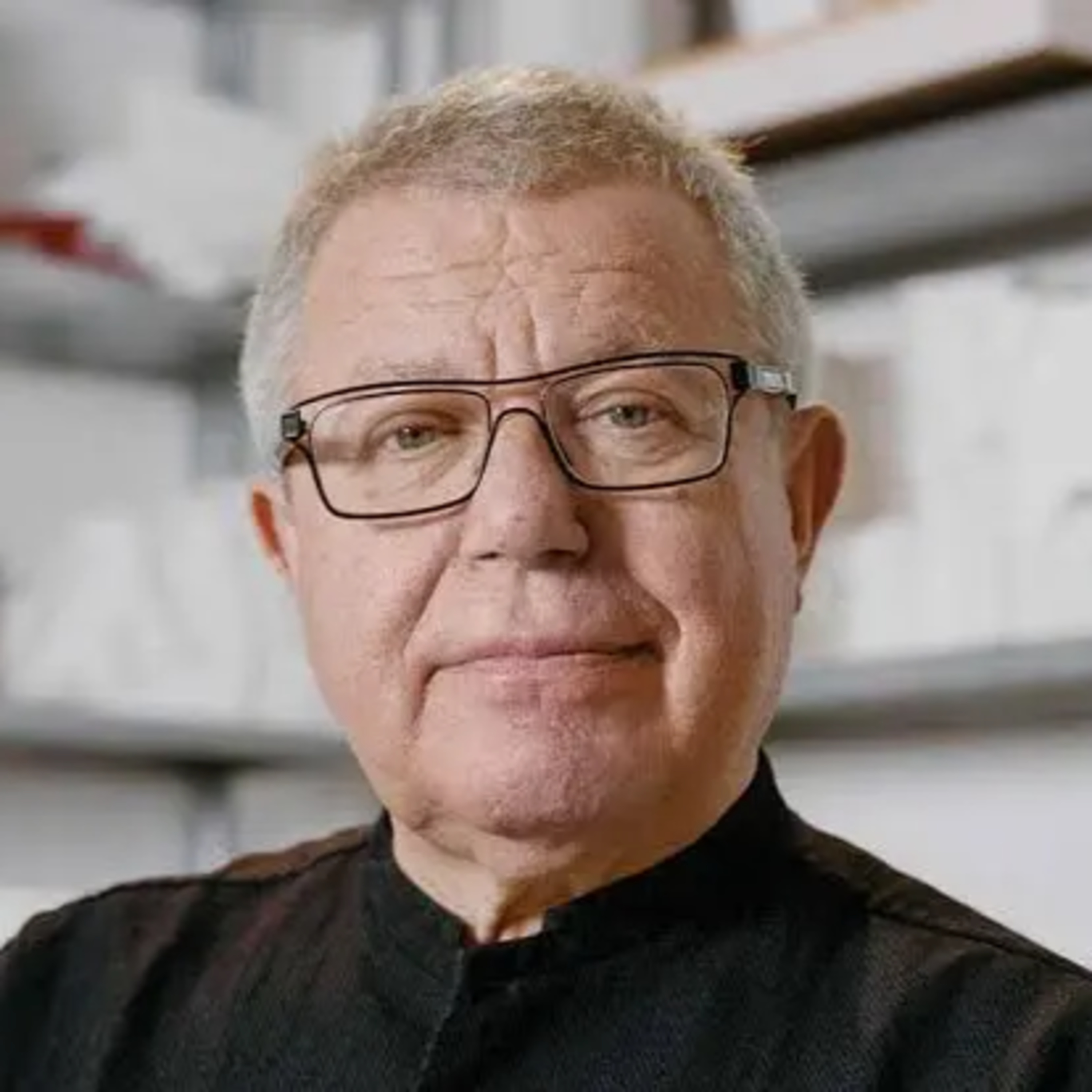
Daniel Libeskind on Memory Foundations
May 1600:18:26Tap to summarizeIn this episode, Grace and Caleb sit down with Daniel Libeskind, the globally renowned architect behind projects including the Jewish Museum Berlin and the master plan for the rebuilt World Trade Center site. Libeskind reflects on how his upbringing as the child of Holocaust survivors, his experience immigrating to America, and his belief in architecture as a vessel for memory have shaped his work. Together, they discuss the relationship between history and the built environment, the role of optimism in architecture, and why great design should bring cultural meaning and human energy into everyday life.
Transcribe →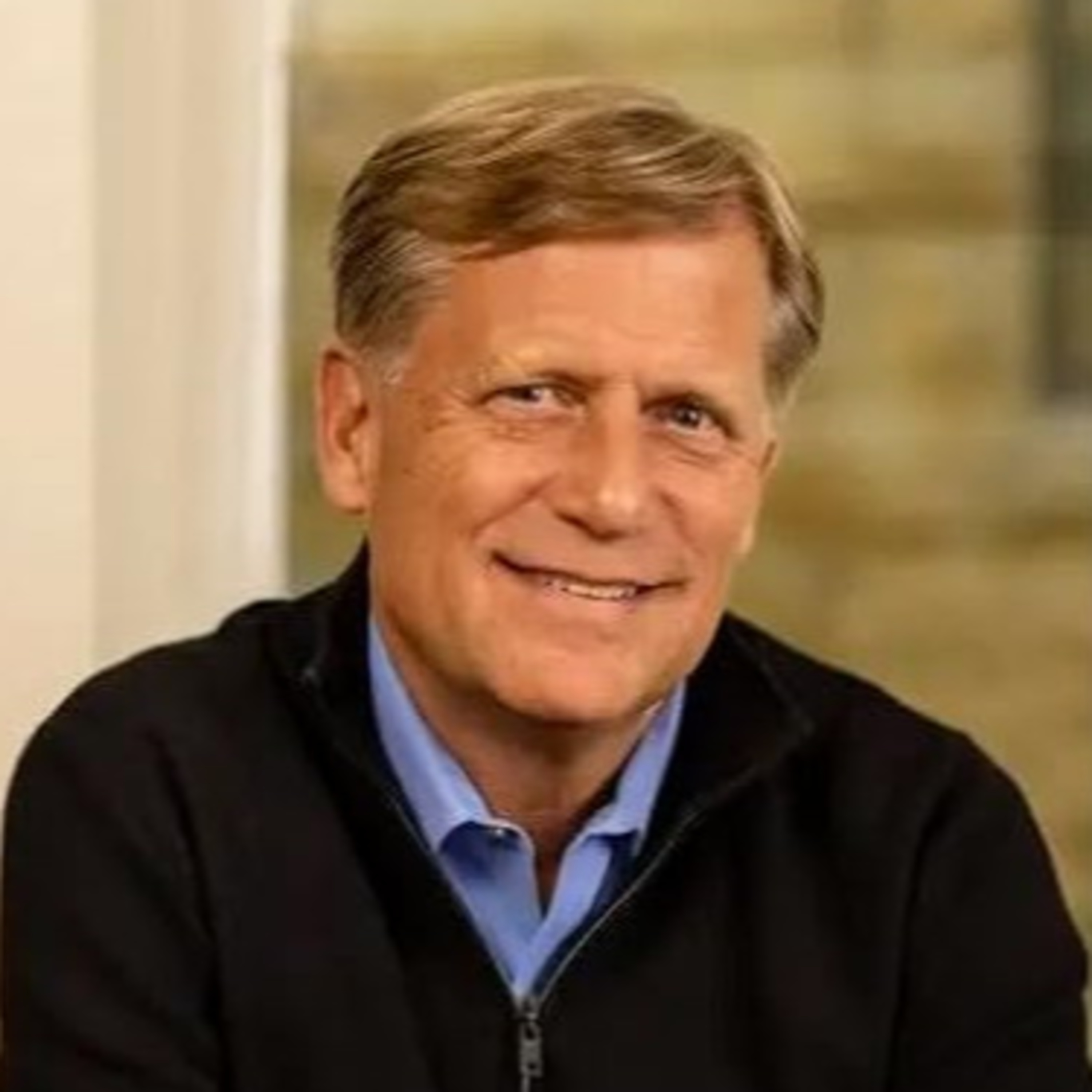
Michael McFaul on China, Russia, and Democracy
Apr 3000:24:22Tap to summarizeAmbassador Michael McFaul, former U.S. Ambassador to Russia and Stanford professor joins Tudor and Daniel to discuss themes from his book “Autocrats vs. Democrats,” arguing that while today’s US–China rivalry shares some Cold War features—two great powers, ideological competition, and global scope—it differs crucially because of deep economic interdependence, a less existential ideological clash, and a more polarized, less internationally ambitious United States. He contrasts China’s generally more defensive export of its model to the developing world with Vladimir Putin’s aggressive promotion of illiberal populist nationalism within Western societies via media, NGOs, the church, election interference, and military force, emphasizing that Putin is a true ideologue whose choices often go beyond narrow national interest. Drawing on comparative cases from Eastern Europe, South Africa, and the Arab Spring, McFaul explains that successful democratic transitions often involve splits within authoritarian elites, something he currently does not see clearly in Russia or Iran. He also reflects on the personal risks of high-level diplomacy, recounting how Russian intelligence and media portrayed him as an architect of revolution and used conspicuous surveillance of him and his family in Moscow as psychological pressure, underscoring both the human costs and the complexity of modern great-power politics.
Transcribe →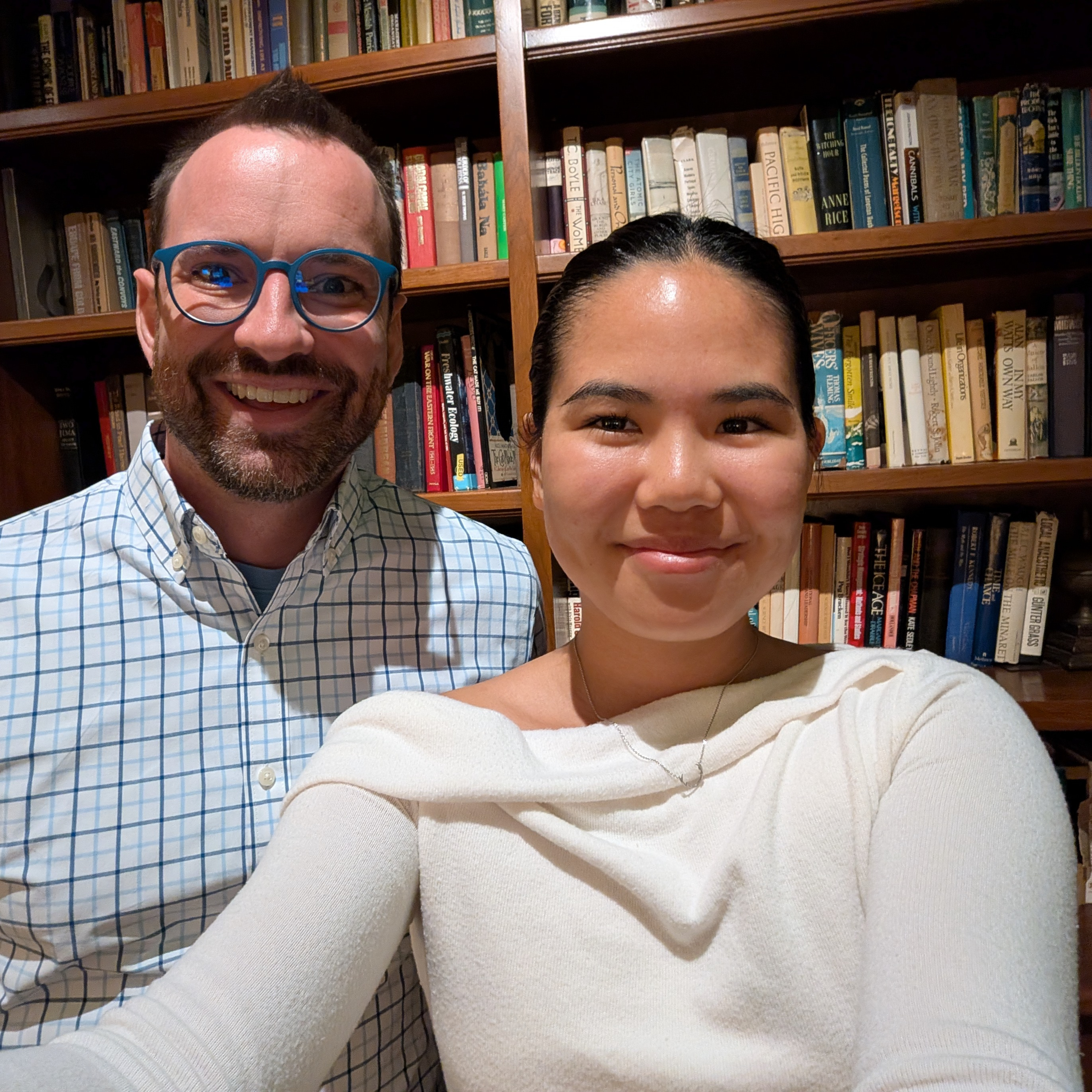
Jeff Kukucka on Psychology and Forensic Science
Apr 900:42:32Tap to summarizeIn this episode, Natalie sits down with Jeff Kukucka, a professor of psychology at Towson University. He comments on the fallibility of forensic investigations due to human error and bias. In this riveting conversation, he draws from his work as a researcher, expert witness, and government consultant to explain how the brain can produce unsound forensic decisions and how crime labs can (but often neglect to) adopt science-based protections against bias and error. He also emphasizes psychology as an essential science, especially when making essential evaluations in forensic investigations.
Transcribe →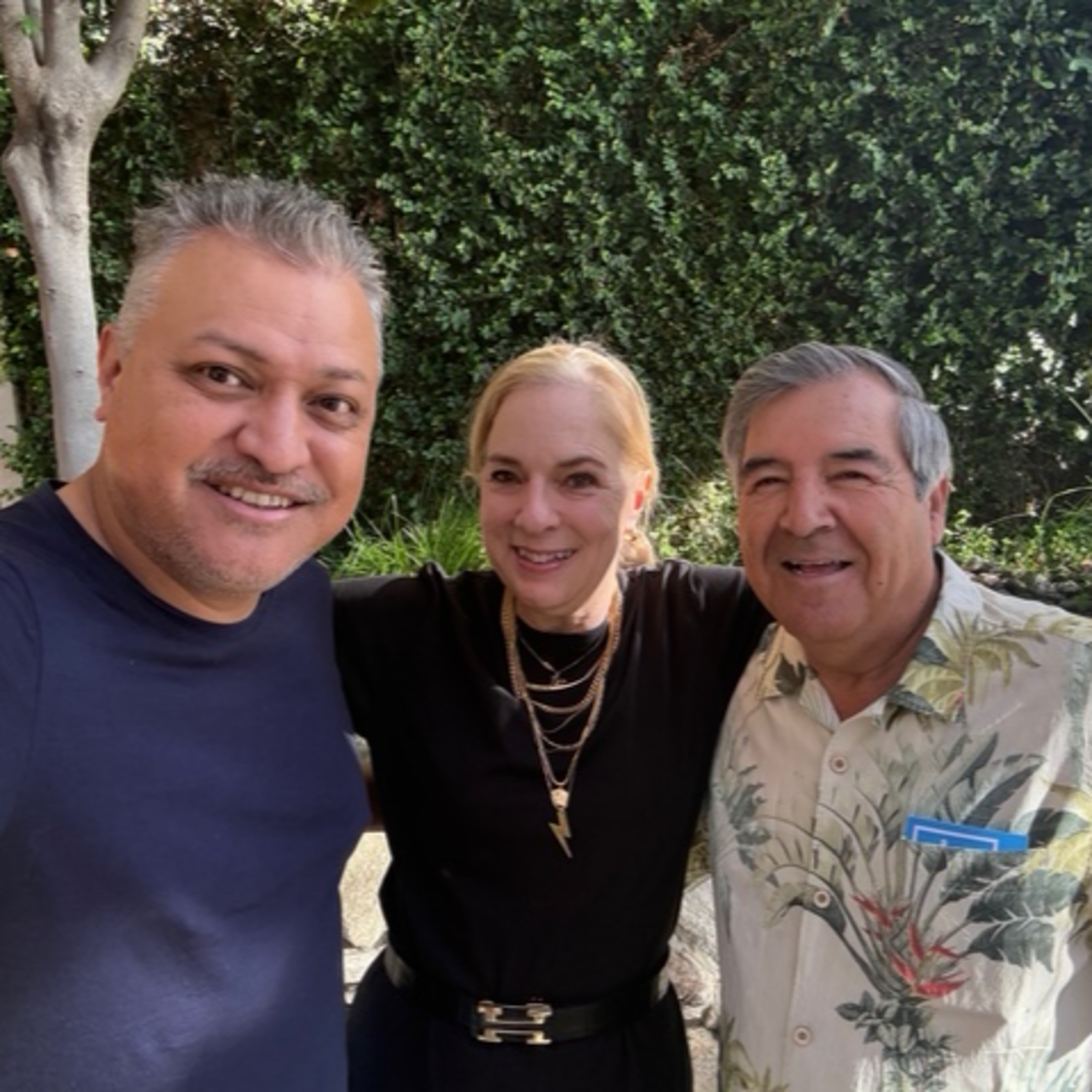
The Migrant Child Farmworkers - Now High-Profile Professionals
Apr 100:32:31Tap to summarizePlease join us in this special episode, where Natalie interviews CMC alum and independent filmmaker Diane Wagner (class of ‘87), who is the executive producer of the upcoming documentary called “The Migrant Child Farmworkers - Now High-Profile Professionals.” The film shares the previously untold and inspiring stories of eleven children, most of whom were migrant child farmworkers or children of farmworkers. Many were immigrants. They overcame homelessness, hunger, poverty, neglect, and abuse to become highly successful engineers, doctors, lawyers, medical professors, researchers, educators, and leaders elected to the U.S. Congress and California State Legislature. In this episode, two individuals featured in the film, Pediatrician Dr. Ramon Resa and former Apple engineer Enrique Diaz, join us to share their personal experiences and reflections from their journeys from being migrant child farmworkers to becoming the highly accomplished professionals they are today. Find the link to their film website here: https://www.migrantchildfarmworkerstohighprofileprofessionals.com/
Transcribe →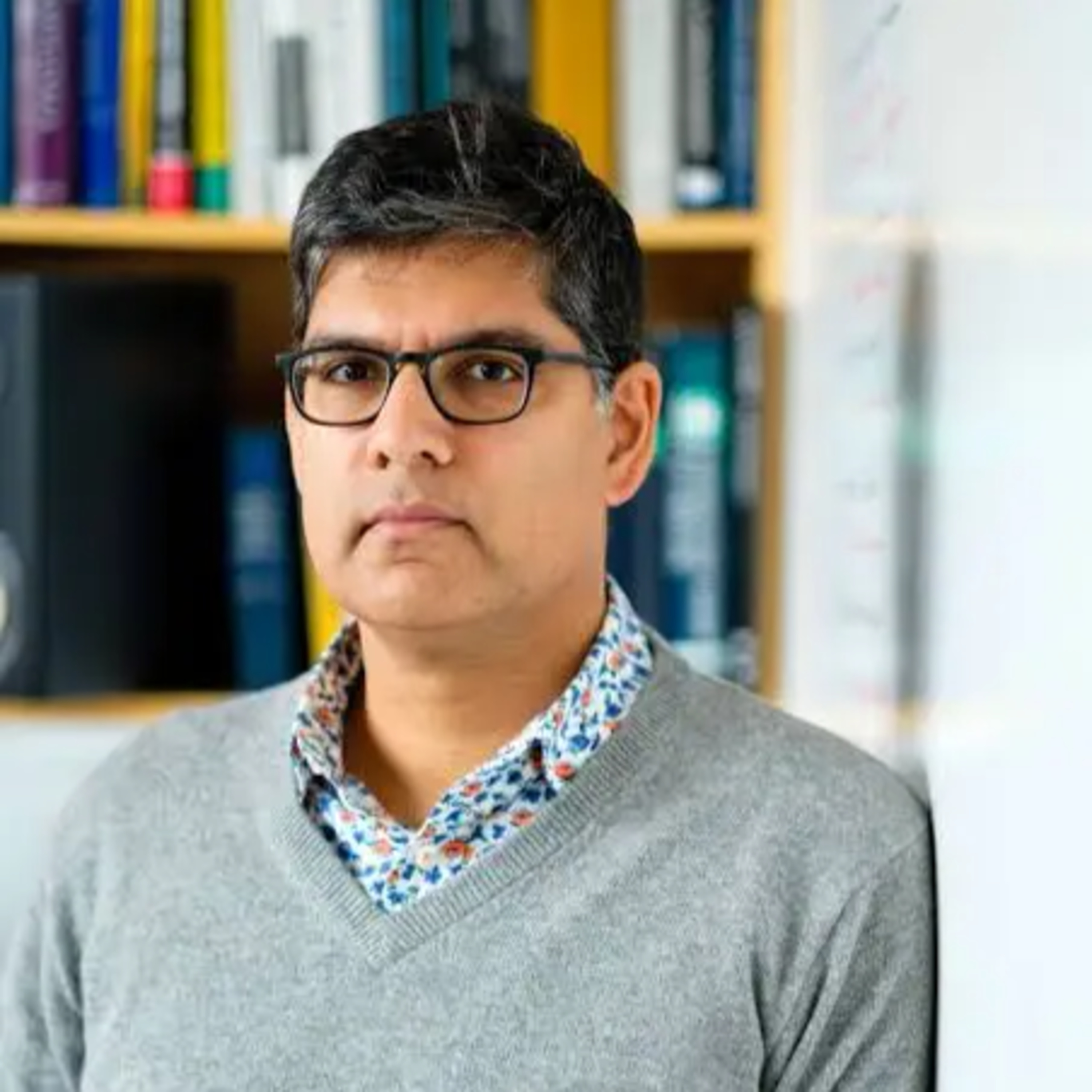
Dr. Sandeep Robert Datta and The Brain
Mar 2900:40:17Tap to summarizeIn this episode, Tudor and Kimmy dive into the magic of the brain with Harvard neuroscientist Dr. Sandeep Robert Datta. From decoding why we lost our sense of smell during the pandemic to using AI to digitize scent with Osmo, they explore how odors reveal the secrets of motivated action. The conversation also tackles the "Ministry" interfering with academic "Hogwarts", discussing the rising tension between government interests and blue sky research.
Transcribe →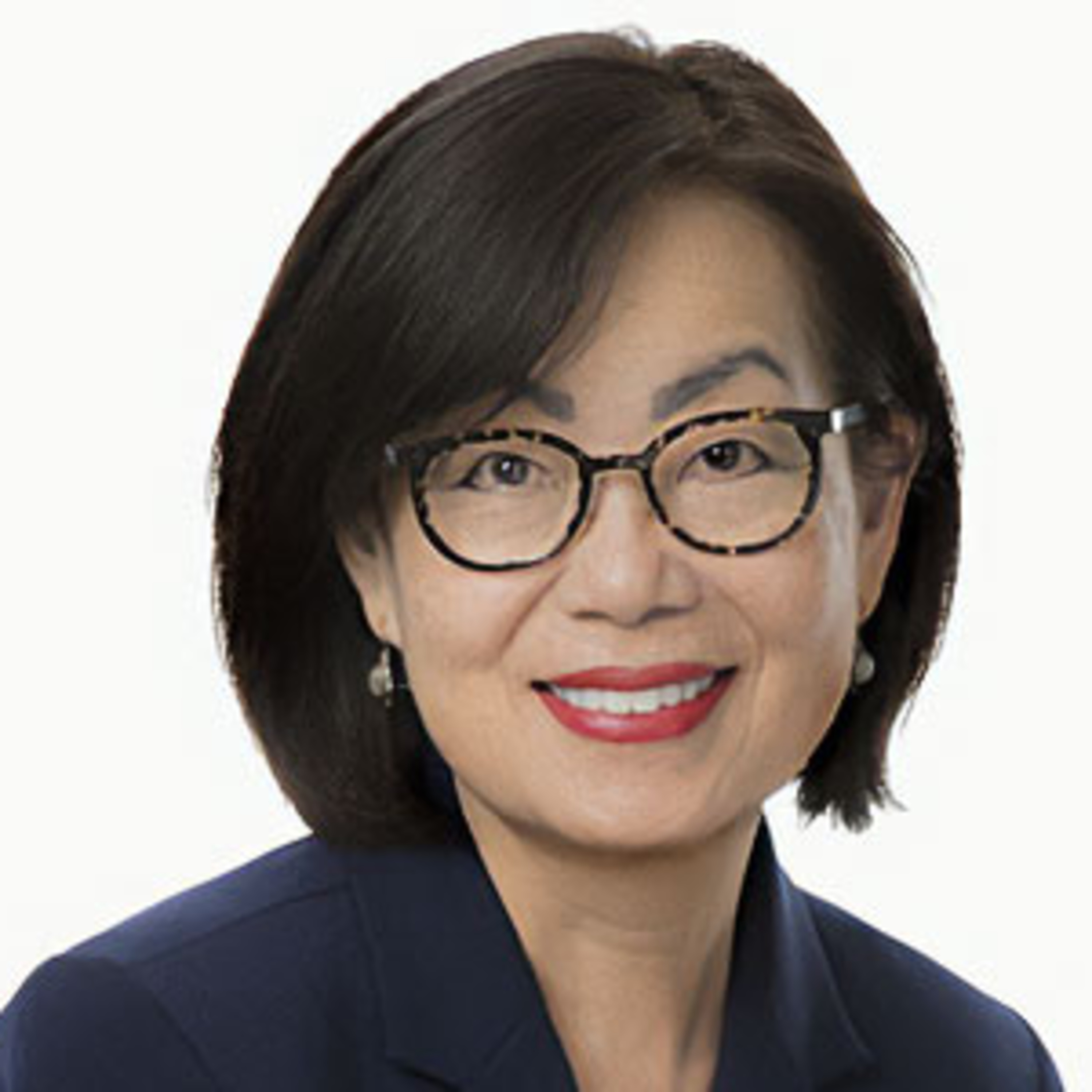
Terry Tang and The Free Press
Mar 2500:32:35Tap to summarizeIn this episode, we collaborate with the Keck Center to engage in an engaging conversation with Terry Tang, the Executive Editor of the LA Times and the first woman to lead its newsroom in 142 years. Tudor, Srisha, and Tara host this new episode to dive deep into "Inside the Newsroom," exploring the mounting economic, legal, and physical risks that modern journalists face. From the ethics of self-censorship to concerning surrounding reporting on controversial topics, Tang discusses why free press remains a vital, yet increasingly vulnerable, pillar of democracy.
Transcribe →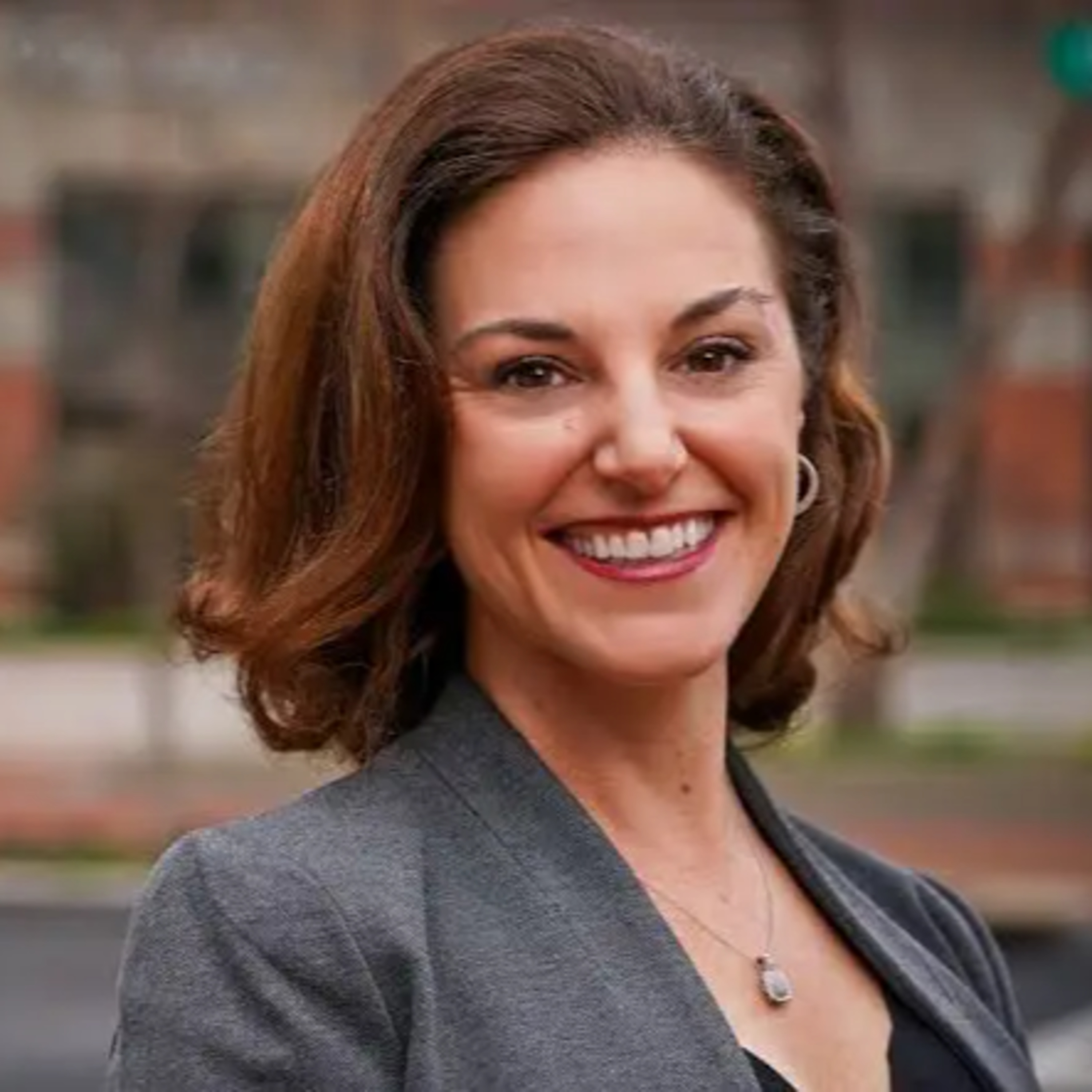
Melissa Kearney on the Two-Parent Privilege and Global Fertility Decline
Mar 400:42:33Tap to summarizeIn this episode, Caleb and Daniella sit down with Melissa Kearney, a professor of economics at Notre Dame University and a leading expert on family and social policy. As the author of the widely acclaimed 2023 book, The Two Parent Privilege: How Americans Stopped Getting Married and Started Falling Behind, Kearney joined the show to discuss how shifting family structures are widening the gap in socioeconomic inequality and impacting the nation's long-term economic health.
Transcribe →
Steve Sabicer on Reclaiming Craft and Connection in Food, Nature, and Society
Mar 200:32:52Tap to summarizeIn this episode, Tudor and Kimmy sit down with Steve Sabicer to discuss his journey from a Fortune 500 executive to a master butcher. They explore the philosophy behind his CMC talk, The Enlightened Omnivore, and how we can reclaim craft, intention, and connection in a high-speed, modern world.
Transcribe →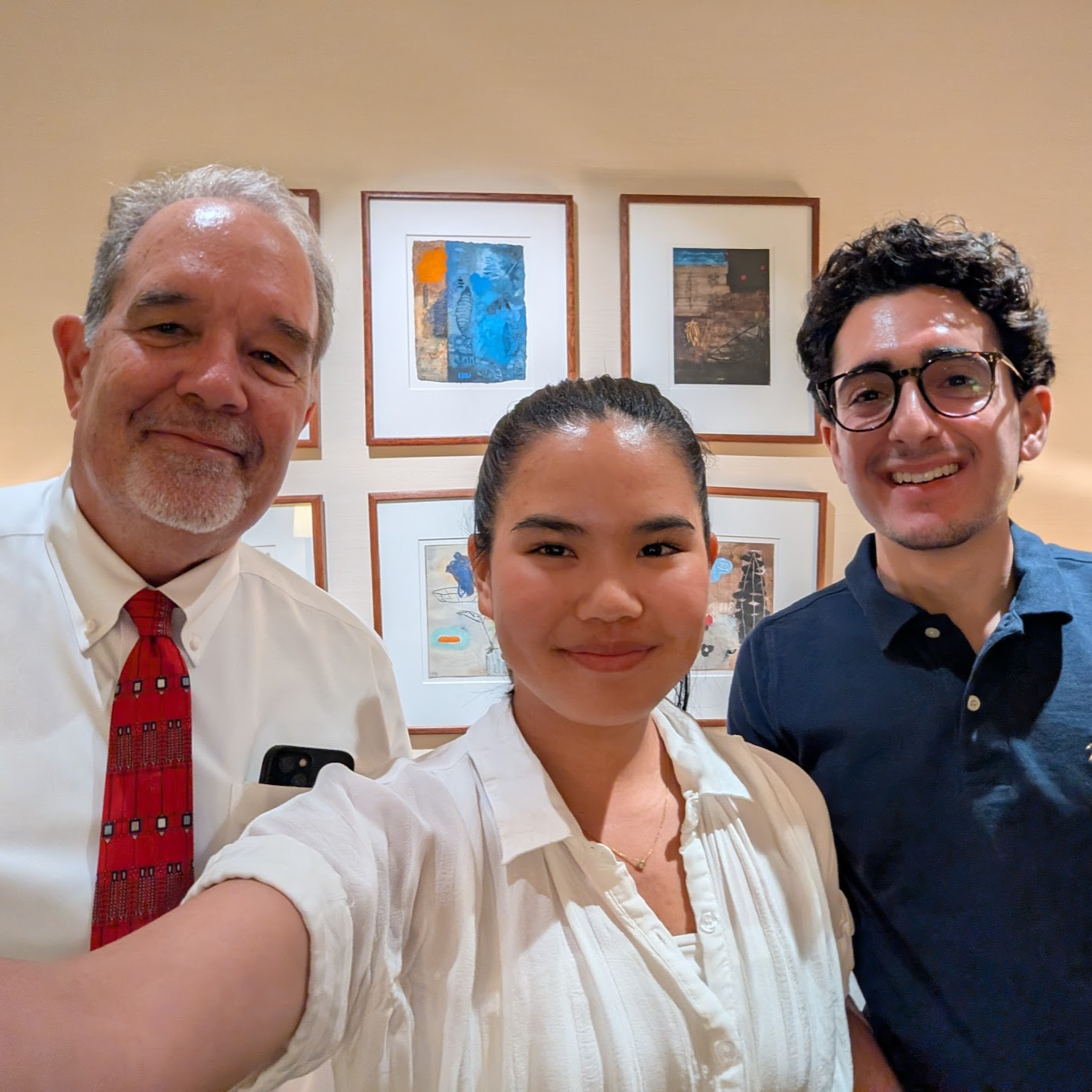
Professor Hurley on The Ethics of Lying
Feb 1000:47:33Tap to summarizeJoin CMC Professor Paul Hurley as he sits down with Daniel Bazmi and Natalie Chen to discuss outcome-based decision-making versus reasoning grounded in beliefs, values, and principles. The discussion centers on one especially thorny case: lying. Is it ever okay to lie? Is it okay if the person or corporation you want to lie to is morally compromised? Or, are outcomes ultimately irrelevant? Tune in to find out.
Transcribe →
Alan Auerbach on Social Security and the National Debt
Dec 1200:34:39Tap to summarizeJoin Caleb as he sits down with Alan Auerbach, Professor of Economics and Law at University of California, Berkeley, as they answer the question: will you collect Social Security? Auerbach breaks down what Social Security actually is (and isn’t), why “promised” benefits can still be at risk, and what a world of reduced payouts would mean for retirees and the broader economy. Along the way, they tackle the greater fiscal picture: who finances U.S. borrowing, what could make today’s deficits harder to sustain, and why Washington struggles to align on reforms to Social Security, Medicare, and the broader safety net.
Transcribe →