Podcast
FreshEd
Hosted by FreshEd with Will Brehm · EN
FreshEd is a weekly podcast that makes complex ideas in educational research easily understood. Five shows. Three languages.
Airs Monday.
Visit us at www.FreshEdpodcast.com
Twitter: @FreshEdPodcast
All FreshEd Podcasts are licensed under a Creative Commons Attribution-NonCommercial-ShareAlike 4.0 International License.
43episodes
Episodes
Newest firstAll episodes
FreshEd #314 – The Culture Trap (Derron Wallace)
1w ago00:37:15Tap to summarizeToday we explore the experiences of Black Caribbean youth in the United Kingdom and the United States. My guest is Derron Wallace, an assistant professor of sociology and education at Brandeis University. Derron Wallace’s new book is The Culture Trap: Ethnic Expectations and Unequal Schooling for Black Youth. freshedpodcast.com/wallace/ -- Get in touch! Twitter: @FreshEdpodcast Facebook: FreshEd Email: info@freshedpodcast.com Support FreshEd: www.freshedpodcast.com/donate
Transcribe →
FreshEd #428 – EdTech in South and Southeast Asia (Molly Wyss and Brad Olsen)
2w ago00:31:55Tap to summarizeToday we explore the adoption and scaling of education technology across South and Southeast Asia. My guests are Molly Wyss and Brad Olsen. Molly Wyss is an assistant project director at the Centre for Universal Education in the Global Economy and Development Program at Brookings, where Brad Olsen is a Senior Fellow. There new report is entitled From Access to Impact: Government Decisionmaking and Scaling of EdTech in South and Southeast Asia. freshedpodcast.com/wyss-olsen -- Get in touch! LinkedIn: @FreshEdpodcast Facebook: FreshEd Email: info@freshedpodcast.com
Transcribe →
FreshEd #427 – Problems with standardised effects sizes in education evaluations (Jack Rossiter)
3w ago00:37:09Tap to summarizeToday we unpack various sources of distortion when calculating standardised effect sizes in education evaluations. This might seem technical, but understanding how measures of effectiveness are calculated can help us temper the confidence we place in claims about "what works." My guest is Jack Rossiter. Jack Rossiter is an independent researcher and non-resident fellow at the Centre for Global Development. Together with David Evans, Susannah Hares, and Catherine Henny, he recently co-wrote the working paper entitled “The Illusion of Comparability Among Standardised Effect Sizes: Why Education Evaluations Should Report Raw Effects.” freshedpodcast.com/rossiter -- Get in touch! LinkedIn: @FreshEdpodcast Facebook: FreshEd Email: info@freshedpodcast.com
Transcribe →
FreshEd #109 – Learning to be a teacher (Maria Teresa Tatto and Ian Menter)
Jul 1200:41:15Tap to summarizeHow do teachers learn to teach? My guests today, Maria Teresa Tatto and Ian Menter, discuss the many paths to become a teacher in England and the USA and the policy environment that is shaping current practice. Learning to be a teacher, they argue, requires much more than simply having a lot of content knowledge. Just because you may know math really well does not mean that you would be a good math teach. Teaching is a skill that must be systematically learned and practiced. Together with Katharine Burn, Trevor Mutton, and Ian Thompson, Teresa and Ian have a new co-written book entitled Learning to Teach in England and the United States: The Evolution of Policy and Practice, which was published by Routledge earlier this year. Maria Teresa Tatto is Professor in the Division of Educational Leadership and Innovation at Arizona State University, and the Southwest Borderlands Professor of Comparative Education at the Mary Lou Fulton Teachers College. Ian Menter is Emeritus Professor of Teacher Education at the University of Oxford and a Fellow of the Academy of Social Sciences. www.freshedpodcast.com/tatto-menter -- Get in touch! LinkedIn: @FreshEdpodcast Facebook: FreshEd Email: info@freshedpodcast.com
Transcribe →
FreshEd #426 - Rohingya Refugee Teachers in Cox’s Bazar (Chris Henderson)
Jul 500:25:53Tap to summarizeToday we explore the Rohingya refugee crisis. My guest, Chris Henderson, conducted research on teacher motivation in Cox’s Bazar in Bangladesh, which is home to over 1 million Rohingya refugees. Chris Henderson is an Education in Emergencies Specialist at NORRAG at the Geneva Graduate Institute. His latest article, which entitled “Through teaching I found myself again”: The role of self-efficacy in Rohingya refugee teachers’ motivation to teach in Cox’s Bazar, Bangladesh, will soon be published in Compare. freshedpodcast.com/henderson -- Get in touch! LinkedIn: @FreshEdpodcast Facebook: FreshEd Email: info@freshedpodcast.com
Transcribe →
FreshEd #117 – Teachers and the Fourth Industrial Revolution (Jelmer Evers)
Jun 2800:37:03Tap to summarizeToday we continue our exploration of the Fourth Industrial Revolution and what it means for education. Last week, we looked at comparative education as a field. Today we look at teachers. What are the prospects and perils of the fourth industrial revolution for teachers? My guest today is Jelmer Evers. Jelmer is a teacher, blogger, writer, and innovator. He teaches history at UniC in the Netherlands and works with Education International, the global federation of teacher unions. He was nominated for the global teacher prize in 2012 and is known for his book called Flip the System. Today Jelmer and I discuss his new co-edited volume Teaching in the Fourth Industrial Revolution: Standing at the Precipice, which was published by Routledge earlier this year. www.freshedpodcast.com/jelmerevers/ -- Get in touch! LinkedIn: @FreshEdpodcast Facebook: FreshEd Email: info@freshedpodcast.com
Transcribe →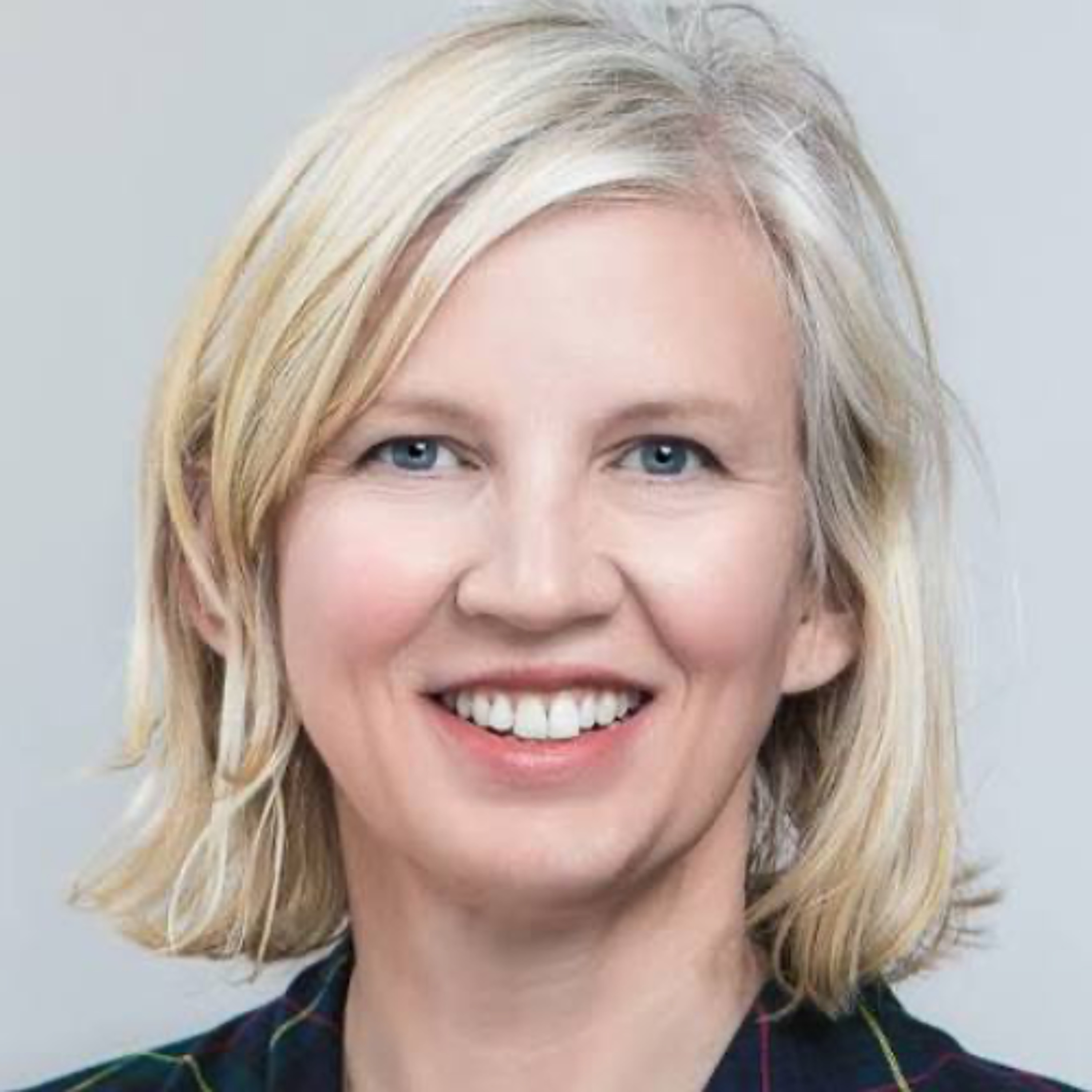
FreshEd #336 – Digital Humanitarianism (Fleur Johns)
Jun 2100:41:23Tap to summarizeToday we look at digital humanitarianism and how digital interfaces are constructing new forms and modes of governance. My guest is Fleur Johns, who has recently authored the new book #Help: Digital Humanitarianism and the Remaking of International Order. Fleur Johns is a professor in the faculty of law and justice at the University of New South Wales in Sydney. She is currently an Australian Research Council Future Fellow. freshedpodcast.com/johns -- Get in touch! Twitter: @FreshEdpodcast Facebook: FreshEd Email: info@freshedpodcast.com Support FreshEd: www.freshedpodcast.com/donate
Transcribe →
FreshEd #327 - Building the Post-Pandemic University (Mark Carrigan and Susan Robertson)
Jun 1400:36:46Tap to summarizeToday we take stock of the Covid-19 pandemic and higher education. After nearly four years, how have universities changed and what might their future look like? With me to discuss the post-pandemic university are Mark Carrigan and Susan Robertson. Mark Carrigan is a lecturer in education at the University of Manchester and Susan Robertson is a professor of the sociology of education at Wolfson College at the University of Cambridge. Together with Hannah Moscovitz and Michele Martini, they’ve recently co-edited the volume entitled Building the Post-Pandemic University: Imagining, Contesting and materializing Higher Education Futures. freshedpodcast.com/carrigan-robertson/ -- Get in touch! Twitter: @FreshEdpodcast Facebook: FreshEd Email: info@freshedpodcast.com Support FreshEd: www.freshedpodcast.com/donate
Transcribe →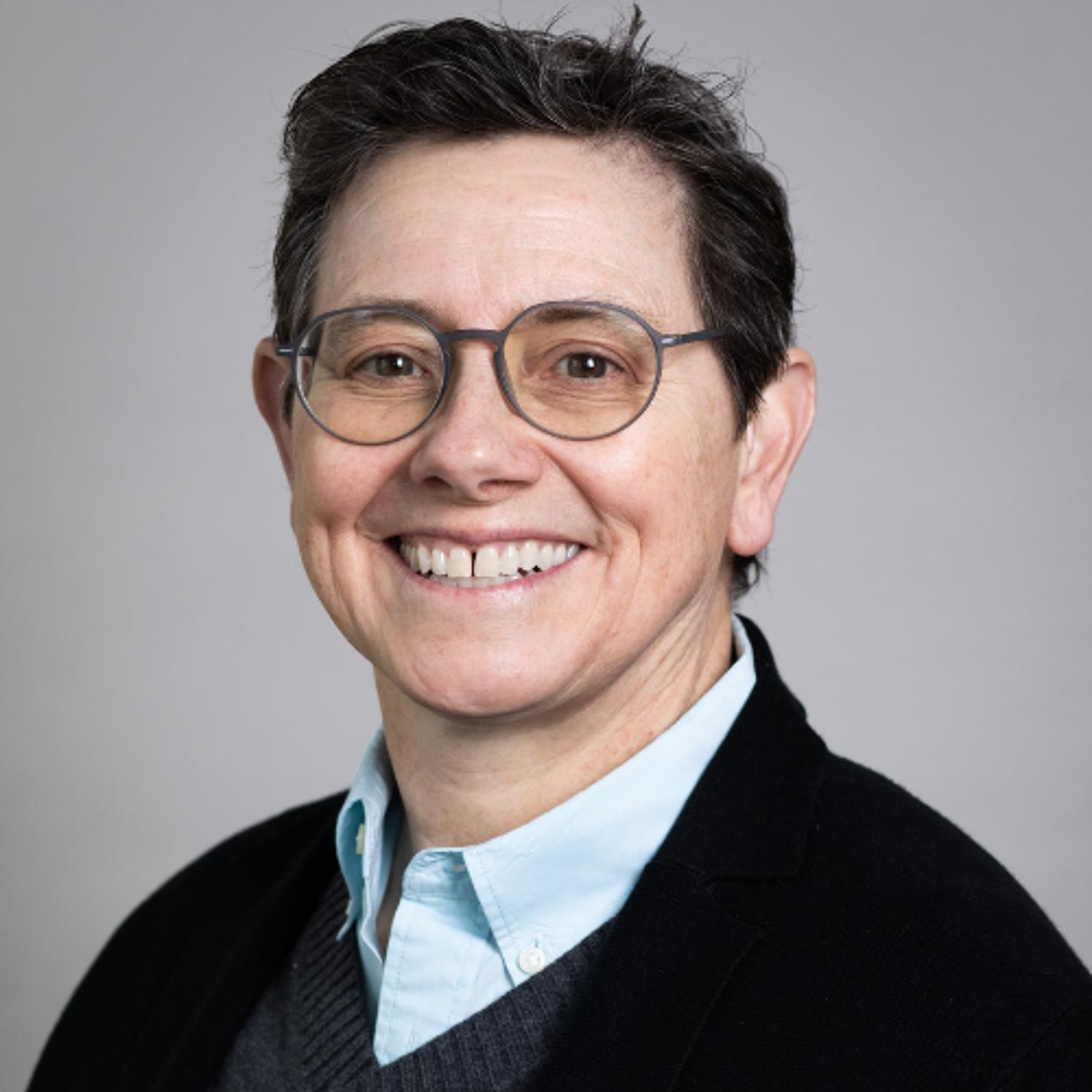
FreshEd #425 – Hacking Canvas; or Reimagining Technology in Education (Claire Bond Potter)
Jun 700:29:03Tap to summarizeToday we unpack the massive global hack of the Canvas Learning Management System in May 2026 that impacted some 9000 education institutions and stole an estimated 275 million users’ data. To discuss this event and its implications with me is Claire Bond Potter. Claire Bond Potter is Professor of History emeritus at The New School for Social Research, author of the Political Junkie Substack, and creator of Why Now?, a political-history podcast . Her latest article in Chronicle of Higher Education is entitled Kill Canvas. Now. freshedpodcast.com/potter -- Get in touch! LinkedIn: @FreshEdpodcast Facebook: FreshEd Email: info@freshedpodcast.com
Transcribe →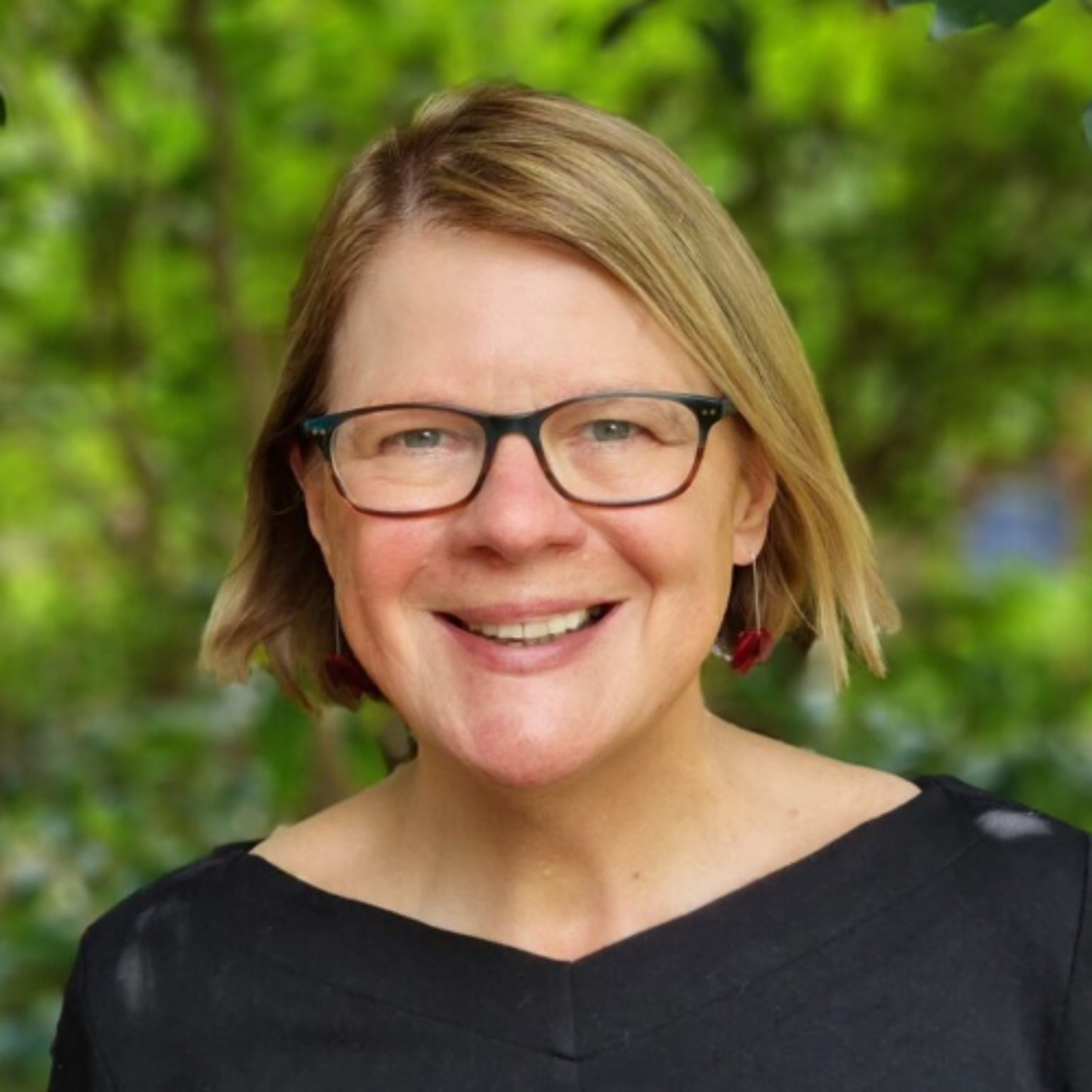
FreshEd #340 – Funding, Equity & Achievement in Australian Schools (Barbara Preston)
Jun 100:29:43Tap to summarizeToday we look at funding, equity, and achievement in Australian Schools. My guest is Barbara Preston. Barbara Preston is an Independent Researcher based in Canberra. She’s recently authored the report “Funding, Equity and Achievement in Australian Schools,” which documents a national symposium that was convened by Jane Kenway and Fazal Rizvi earlier this year. freshedpodcast.com/preston -- Get in touch! Twitter: @FreshEdpodcast Facebook: FreshEd Email: info@freshedpodcast.com Support FreshEd: www.freshedpodcast.com/donate
Transcribe →