← Front Burner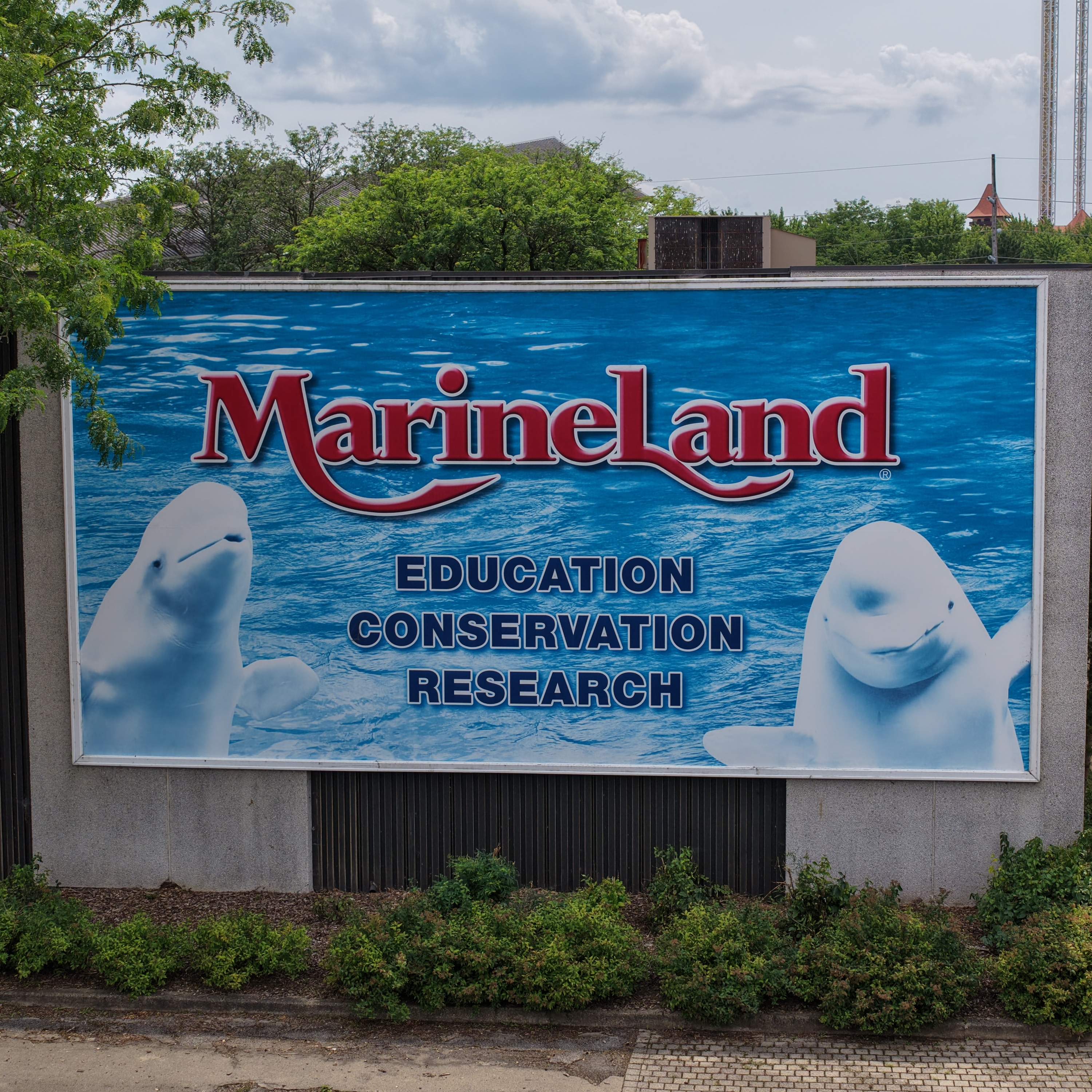
Front Burner
Marineland’s scandalous decline
00:23:45
<p>At its peak, Marineland was the second most popular tourist destination in Ontario’s Niagara region after the falls. Visitors could get up close and personal with beluga whales, dolphins and orcas, and watch them perform in elaborate shows. Throw in a side of rollercoasters and other exhibits and you had a family friendly attraction built to last.</p><p><br></p><p>But for years, the park has been mired in controversy and allegations of animal abuse. Business has declined to the point that the park is now closed to the public. However, several animals including 30 beluga whales remain trapped there. Marineland says it needs money or a new home for the whales, or else they might have to kill them.</p><p><br></p><p>Liam Casey of the Canadian Press has been covering this story for years. He lays out what could happen to the whales, and what it all means for other parks like Marineland.</p><p><br></p><p>We'd love to hear from you! Complete our <a href="https://insightscanada.qualtric...
Loading summary
Transcript63 lines
- [00:00]
Darina
Hi, I'm Darina, co founder of Quo. You might know us as openphone. My dad is a business owner and growing up he always kept his ringtone super loud so he'd never miss a customer call. That stuck with me. When we started Quo, our mission was to help businesses not just stay in touch, but make every customer feel valued no matter when they might call. Quo gives your team business phone numbers to call and text on your phone or computer. Your calls, messages and contacts live in one workspace so your team can stay fully aligned and reply faster. And with our AI agent answering 24. Seven, you'll really never miss a customer. Over 90,000 businesses use Quo. Get 20% off@quo.com tech that's Q U O.com tech and we can port your existing numbers over for free. Quo. No missed calls, no missed customers.
- [00:57]
Liam Casey
This is a CBC podcast.
- [00:59]
Jamie Poisson
Hi everyone, it's Jamie. I just wanted to take a moment to thank some of the people who have been writing in to David, a teacher in Calgary who'd love to hear more stories set in non western countries. He suggested coverage of the ongoing conflicts in Sudan and the Congo as an example. David, thank you so much for this feedback. We really, really appreciate it. If you have any suggestions for us, please email frontburnerbc CA and while you are at it, please give us a follow. Wherever you get your podcasts, it is the best way to make sure that you don't miss an episode that you wanna hear. Okay, here's today's episode. There's a place I know in Ontario.
- [01:39]
Liam Casey
Where the sea lions get. So the story goes.
- [01:42]
Jamie Poisson
It's amazing. So if you watched any amount of Canadian TV in the 90s or 2000s, you probably remember this jingle. At its peak, Marineland was the second most popular tourist destination in Ontario's Niagara region after the Falls. Visitors could get up close and personal with beluga whales, dolphins and orcas and watch them perform in elaborate shows. Throw in a side of roller coasters and other exhibits and you had a family friendly attraction. But for years the park has been mired in controversy and allegations of animal abuse. Business has declined to the point that the park is now closed to the public. However, several animals, including 30 beluga whales, remain trapped there. Marineland says it needs money or a new home for the whales or else they might have to kill them. Liam Casey of the Canadian Press has been reporting on the highs and mostly lows of Marine land for the better part of 14 years. It's a story that seems to refuse to go away. So I Have him here to talk with me about what is going on with these whales, how Marineland ended up in this position, and what it means for other parks like it. Liam, hey, it is great to have you on frontburner.
- [03:06]
Liam Casey
Hey, Jamie, thank you so much for having me on.
- [03:08]
Jamie Poisson
So I just want to say that you have been covering Marineland for over a decade, going back to when you and I worked together at the Toronto start. We were sitting, I think, beside each other when you were working on this, right?
- [03:20]
Liam Casey
Yeah. My memory is that we were. We sat next to each other and we were both doing different internships. And one day, Graham Harley, the city editor that both you and I loved, came up and assigned me a story. It was coming off a recent A one story written by our court supporter, Peter Small, who wrote about SeaWorld winning a court decision against Marineland to get one of their killer whales back, this killer whale named Akaika. And so Graham asked me to. He gave me a week and said, you know, head down there and kind of tell a bigger story about Akaika and marine land and what's kind of happening down there. So that kind of started the whole thing.
- [04:13]
Jamie Poisson
Yeah, I feel like it consumed basically everything else we talked about for that entire year. Hey, I remember one of your earliest pieces was about John Holler, right. The man that founded and built Marineland in the early 60s and made it one of the biggest tourist attractions in the Niagara region. So maybe let's start there. Who is he? How did he come to create one of the most controversial theme parks in the country?
- [04:39]
Liam Casey
So John Olor came over from Slovenia back in the 50s, and part of his life until that point was in a circus act. And he came over here and had the idea that he would like to kind of continue that in Canada. He started with a seal, I believe, named Jeff, and they started doing kind of like local shows when he was, you know, able to kind of train this seal. And it started. So it started like very kind of humble beginnings, but it kept kind of growing. He kept growing the business, buying up more and more kind of property. So Marineland sits right now on a large piece of land about a kilometer from the falls. So so very close to sort of tourist kind of central there. And so he bought up kind of plots of land kind of over the years, kept expanding, kept investing in the business. You know, more and more animals, both like land and marine mammals.
- [05:40]
Jamie Poisson
Next to this place, this is the most popular spot in Niagara Falls.
- [05:51]
Liam Casey
He just kind of turned it into sort of the most popular kind of zoo Aquarium in the country for. For a long time.
- [05:58]
Jamie Poisson
Fair for me to say that in like the 90s, 2000s maybe, we're talking about the Free Willy kind of era, right? The. The movie Free Willy, we. We started to see more protesting against the park.
- [06:15]
Liam Casey
Yeah, it serves like. So there's been. There's also been a long history of protesters there. And it really started to pick up. This is before my time, but it seemed to really start to pick up kind of, you know, related to free. And, you know, that particular whale named Keiko was actually at Marineland for a.
- [06:32]
Jamie Poisson
Period of time a few years back. Children all over the world fell in love with the star of the movie Free Willy. You remember it, the killer whale cruelly kept in terrible conditions and a street kid's attempts to free him.
- [06:46]
Liam Casey
You know, so the. The story of Keiko was that Keiko's kind of moved around from several different parks, including a notorious marine mammal park in Mexico. And sort of there's this groundswell to, you know, get Keiko out of there. They ended up doing it kind of in between the waters, Norway and Iceland. And, you know, Keiko managed to kind of live for, you know, a little more than a year, but eventually died.
- [07:15]
Jamie Poisson
Good evening. We got the heartbreaking news from Norway tonight. Keiko, the orca whale, known to millions as the Scottish of the free willing movies, is dead. He died this afternoon in Norwegian coastal waters following the sudden onset of pneumonia.
- [07:30]
Liam Casey
Around that time, a bunch of protests kind of started to pick up at Moonland. You know, a lot of people just. Just didn't believe that, like, killer whales or belugas should be kept in captivity. Those protests kept up for. For decade.
- [07:57]
Jamie Poisson
I remember. You know, the. The other thing I wanted to talk to you about is this guy, this whistleblower that you talked to as part of your series, Phil Demers. Right. And tell me more about what he alleged about the way that marine land itself was caring for these larger sea mammals. Right. Not just whales, but also walruses, right?
- [08:20]
Liam Casey
Yeah. So Phil Demers was. He became sort of a central whistleblower for our work at the Scar. And he was there for about 12 years, from 2000 until 2012. And he was a whale trainer involved with kind of all aspects of different marine mammals there. He developed this unusual bond that this walrus named Smooshy that would just follow him kind of like everywhere. I would walk her between the stadium and the. And the aquarium and just walk her into, you know, broad daylight while the park opened. People are watching me walk this walrus and this walrus would follow me, you know, down the. The asphalt into the aquarium. And then we put my arm around her and watch the show. And people would lose their mind because they couldn't believe this man just walked in with a baby walrus. You know, these are really fond memories. And he describes it as sort of like he was somehow imprinted as her kind of walrus mom on. On Smooshy, who was young when Smooshi came to the park. So he left in 2012, sick of all the problems that the park was having with water at the time.
- [09:27]
Linda Diebel
In May of 2012, I got a phone call from someone who said that there was a lawyer who was talking to somebody who had worked at Marineland and thought this person had some issues with Marine land and wondered if I wanted to talk to them. It was really difficult. And finally, in the end, he decided he would talk to us. And that was Phil Demers, the first whistleblower.
- [09:48]
Liam Casey
And the star colleague, Linda Diebel, managed to get Bill to go on the record and kind of talk about his time there, as well as interviewing a bunch of other people. And I was kind of there helping Linda a bit in the background.
- [10:01]
Linda Diebel
In the end, we were working with 15 whistleblowers, and it was their feeling that problems that had existed with the water not being able to get the levels right had caused health problems in the animals, and also short staffing had caused problems.
- [10:20]
Liam Casey
And they were trying to figure out how to deal with the water. They had problems with that. There's this part of the system back then was this ozone system that would help kind of purify the water. And so this was affecting the pools where the walruses, seals, sea lions and dolphins were housed. There were several different pools that were kind of all connected and that that system was failing. So what happened is that there was a lot of skin and water problems among the dolphins, seals and sea lions. We had a story about Larry, the harbor seal, who went blind because of the water. They were know people at Leanland were doing kind of like whatever they can to try to protect the whale, the seals, sea lions and dolphins, you know, and then some of these seals and sea lions spent weeks kind of out, out of the water in what they would call like dry dock or in these areas where they just wouldn't come into contact with the water. So Bill ended up kind of quitting, going kind of public. He sort of has since become kind of the face of, you know, the kind of trainer turned outspoken critic of the park.
- [11:31]
Jamie Poisson
Yeah. And am I right to say that Marineland actually ended up suing him for trying to steal Smushy the walrus.
- [11:40]
Liam Casey
Yeah. So about it would have been, thanks, I believe it was Thanksgiving weekend of 2012, so the same period of time where Linda launched her original series of stories. And then I came on board to help with a bunch of follow up stories. The protest that year on Thanksgiving, which was an annual kind of protest, they usually protested the start. The start of the season of mainland, which was in May, and then the end of the season at mainland, which was Thanksgiving weekend. This was a very large protest. Hundreds of people were there. And at one point, the protesters just like barged right into the park. Come on. Yeah, yeah. So they. They said they alleged that they being Greenland, alleged Bill broke into the park. So they sued him for trespassing and also for plotting to steal a walrus. So Bill. Bill denied this completely, said he was never in the park and certainly was never plotting to steal a walrus that can weigh, you know, I think, a ton, like a thousand kilograms or something. And so then he countersued for defamation and abuse of process. And Leland, at this time had kind of sued. They had sued a bunch of other people who had spoken to us and were threatening to sue other people, and they eventually sued us. At the start. That came after this particular lawsuit, you.
- [13:16]
Jamie Poisson
Know, after all these whistleblowers and all this attention, the spca, the Ontario government, get involved. Right. They move to. Yeah. Overhaul animal welfare laws in the province. In 2019, the Canadian government passes a bill to ban whales and dolphins in captivity. Right. And. And just what did all of this mean for Marineland as a business and the animals still being kept there?
- [13:43]
Liam Casey
So, yeah, so the real kind of law that affected Marineland came in 2019 when the federal government passed what people were calling the Free Willy bill.
- [13:50]
Jamie Poisson
It will do what many scientists have told us must be done, protect these extraordinarily evolved, sentient creatures from a captivity that amounts to animal cruelty.
- [14:02]
Darina
Thank you, Mr. Speaker.
- [14:05]
Liam Casey
So it banned cetacean captivity, which is kind of whales and dolphins. Marineland was kind of grandfathered in for a lot of the loss. Like, the province kind of banned killer whale captivity. At that point, they only had the one killer whale, Kiska, who would, you know, kind of swim alone for, I think about 11 years. But they also forbade breeding, which did have an effect on mainland, had to separate its males and female belugas. And that, you know, according to a story that I wrote this morning from a new whistleblower, kind of, you know said there's some issues with separating those whales and it also banned exporting and importing cetions. So this is where kind of it comes into the news of recent days. Dreaming of getting the all new iPhone 17 Pro designed to be the most powerful iPhone ever.
- [15:18]
Jamie Poisson
Then stay in bed and let a Boost mobile expert deliver and set it up for you.
- [15:22]
Liam Casey
Oh, actually they will have to get up and open the door.
- [15:24]
Jamie Poisson
Oh, right.
- [15:25]
Liam Casey
Delivery available for select devices purchased@boostmobile.com terms apply. Narvel Morso is one of the most famous indigenous artists ever. Looking at his paintings, it's easy to see why.
- [15:35]
Jamie Poisson
Colors are intense. Color is medicine.
- [15:38]
Liam Casey
But look a little closer and you'll see something else. Fakes. We believe it's the world's biggest art fraud. There are thousands of fake Norval Morisot paintings beneath some of these forgeries. Assaults, abuse and even an unsolved murder. I want my paint black.
- [15:54]
Jamie Poisson
I know you killed that boy.
- [15:56]
Liam Casey
Forged available now wherever you get your podcasts.
- [16:02]
Jamie Poisson
As much as I do love this journey down memory lane, just tell me what the latest news is.
- [16:09]
Liam Casey
Okay, so the latest news is the federal government, the fisheries minister, Joanne Thompson, denied Marineland's permit request to export the whales to Chimlong in a massive kind of aquarium in China.
- [16:25]
Jamie Poisson
Whales do not belong in tanks in captivity for entertainment purposes. And that really was at the center of the decision.
- [16:33]
Liam Casey
And she basically said it's because it wasn't consistent with this 2019 law that banned captivity and forbade breeding. And another thing that that law did, it also made it legal for these whales to entertain humans. So she basically said, well, we're not going to move those whales to China because they don't have the same laws that we do. They would. The whales would be subject to entertainment and also subject to breeding. In response, Marineland sent them a minister a letter two days later. Now, Marineland says euthanizing the whales will.
- [17:09]
Jamie Poisson
Be a direct consequence of the minister's decision to deny those exports permits.
- [17:14]
Liam Casey
The reason, and it essentially said, we are broke, we're going to be out of money any minute now and we can't feed or care for the whales anymore. So if you don't float us some emergency funding within, I think it was four days, we're going to kill all the belugas. Which then kind of set off a firestorm sort of around the world that there was this threat to euthanize, like all these belugas, you know, not for health reasons or anything else, just because they were supposedly running out of money. So part of that 2019 law gives the minister this power to weigh in on importing or exporting and with the vague language that it has to be done in the best interest of the animal.
- [18:03]
Jamie Poisson
And so, Liam, like, where are we right now when it comes to the potential fate of all of these belugas?
- [18:13]
Liam Casey
So that's like the million dollar question that I'm still trying to answer kind of every day. As far as I know this morning, the whales are still alive. Most people I've talked to don't believe the euthanasia is a credible threat just because of the, of the logistics to do it. This is not kind of an easy thing to do, generally speaking, even for a very sick whale. I think also very difficult maybe to convince the veterinarians and the whale trainers and the workers there to follow through with this. However, I've covered Marineland for 14 years and it keeps telling myself to expect the unexpected with Marineland.
- [18:59]
Jamie Poisson
And I mean, I understand the park's not open to the public right now. Right. Like you can't go to marina. Yeah. So like, what other, what other options could there be?
- [19:10]
Liam Casey
So I think Chiman was the obvious option because it is big and it's relatively new and marine kind of the marine park industry is rising in China.
- [19:21]
Jamie Poisson
But the government's saying that they're not going to allow them to go. So I guess, like, where does that leave them?
- [19:29]
Liam Casey
I think it depends who you ask. But Marineland says they're left with no options and that's why they have this, their finger on the nuclear option of euthanasia. They say there's nowhere they can go. They can, you know, they did move five belugas down to Mystic Aquarium, which is this aquarium in Connecticut that was in 2021, you know, but there's just no place that could take like 30 BlueGas is a lot.
- [19:55]
Jamie Poisson
Well, can they split them up?
- [19:57]
Liam Casey
I think they could split them up, yep. I think they might want to keep them in family pods. There are families among these 30 belugas.
- [20:07]
Jamie Poisson
Why can't we put them back in the wild? Like, I just finished watching, ironically finished watching Free Willy the other week with my five year old. You know, that whale goes back to the ocean. Why can't we do that?
- [20:21]
Liam Casey
I think everybody involved seems to say that that is just not an option. About half the belugas are, are born in captivity, so they've never like had to hunt down a wild fish, for example, or something like that one. This, this woman who spoke to me today, Christy, who published it, Christy Burgess, she Told me a story about how last year there's been some problems with people breaking into Marineland and thinking it's abandoned, but they still have, you know, animals there. So. So she told me a story about them breaking in, some people breaking in last year. So they stole a fish out of the fish pond, a carp, and dumped it into the beluga pool. And it just terrified the, all the belugas. They didn't really know what the heck to do with this thing. So that I think is an example of what challenges might be faced by the belugas if they were put into the ocean. You know, they're coming from this kind of pool environment, so it's unclear how physiologically they might handle the ocean, you know, and all the different kind of organisms and bacteria and stuff like that that might be new to them. I understand that there's a good chunk of marinelands, belugas that require medicine and medical treatment to help with their health. So that might be another thing they would lose if they were just to be released into the wild.
- [21:39]
Jamie Poisson
It's really sad, this whole tale. It's really sad for these whales.
- [21:43]
Liam Casey
Yeah, yeah, there's, there, there's no great option right now, like every. But there's like, there's no winners in this situation. Everyone's kind of a loser. Like all levels of government, Marineland, the whales, like, it's, it's not a good situation.
- [22:08]
Jamie Poisson
You mentioned before that this marine park in China is on the rise. I understand SeaWorld in the US is still going strong, for example. And I know so much of our conversation today has been focused on just marine land, but like, I'm just curious to hear your thoughts here all these years later, why you think marine parks have continued to stick around and even thrive in, in other parts of the world like this.
- [22:33]
Liam Casey
Well, I think it just goes back to the aspect of, you know, going to a zoo and what you may or may not like about a zoo, you know, there is the kind of spectacle of, of seeing an animal that you've never seen before. You know, like you go to Marineland and we went there a couple of years ago before they banned me. And, you know, it is kind of impressive to see these animals, like, up close. Like, what does a, you know, a beluga that, you know, could weigh upwards of £2,000, like, you know, and you, you can get within spitting distance of these animals, you know, and, and in the old days you could, you could feed them, you can get food and feed the belugas. There is these sort of, I Guess, you know, immersive experiences that you can get in the middle of Canada, you know, in the middle of Ontario that otherwise you wouldn't be able to see. And I think that that kind of goes a long way. I think, especially when you go as a family and you're experiencing some of these things, especially as a child, like there's this kind of, you know, wonderment to see being these animals. And I think that. I think that reverberates with a lot of people. You know, I think more and more in places like Canada, there's people that know, see situation like Greenland and kind of feel the opposite. They sort of feel sad, you know, and I think that has, you know, the government. Governments have passed laws kind of banning this and, you know, there wasn't really much of an outcry against banning it, you know, so it's the. The shift is kind of. We've seen the whole shift kind of happen in Canada, and I think places like China are sort of, you know, they haven't had marine parks around for decades and decades, you know, so. And these are like new. Like, like, you see pictures of Chim long, you see Pictures of. Of SeaWorld. Like, these are, you know, they look kind of impressive. They don't look run down like some places, you know, there are. There's also a whole bunch of other stuff at these places, like rides and things like that, you know, so in like SeaWorld, a publicly traded company, they're a big company, or they have all the reason financially to keep that business kind of running too, you know.
- [24:47]
Jamie Poisson
Yeah, makes sense for sure. Liam, thank you so much for this. We didn't even get to the tale of how you got banned from Marineland, which I think we should save for another day, but really appreciate this.
- [25:00]
Liam Casey
Thanks, Jimmy.
- [25:08]
Jamie Poisson
All right, that's all for today. I'm Jamie Poisson. Thanks so much for listening. Talk to you tomorrow.
- [25:24]
Liam Casey
For more CBC Podcasts, go to CBC CA Podcasts.