
Podcast
Full Story
Hosted by The Guardian · EN
Guardian Australia's daily news podcast. Every weekday, join Guardian journalists for a deeper understanding of the news in Australia and beyond. You can support The Guardian at theguardian.com/fullstorysupport
192episodes
Episodes
Newest firstAll episodes
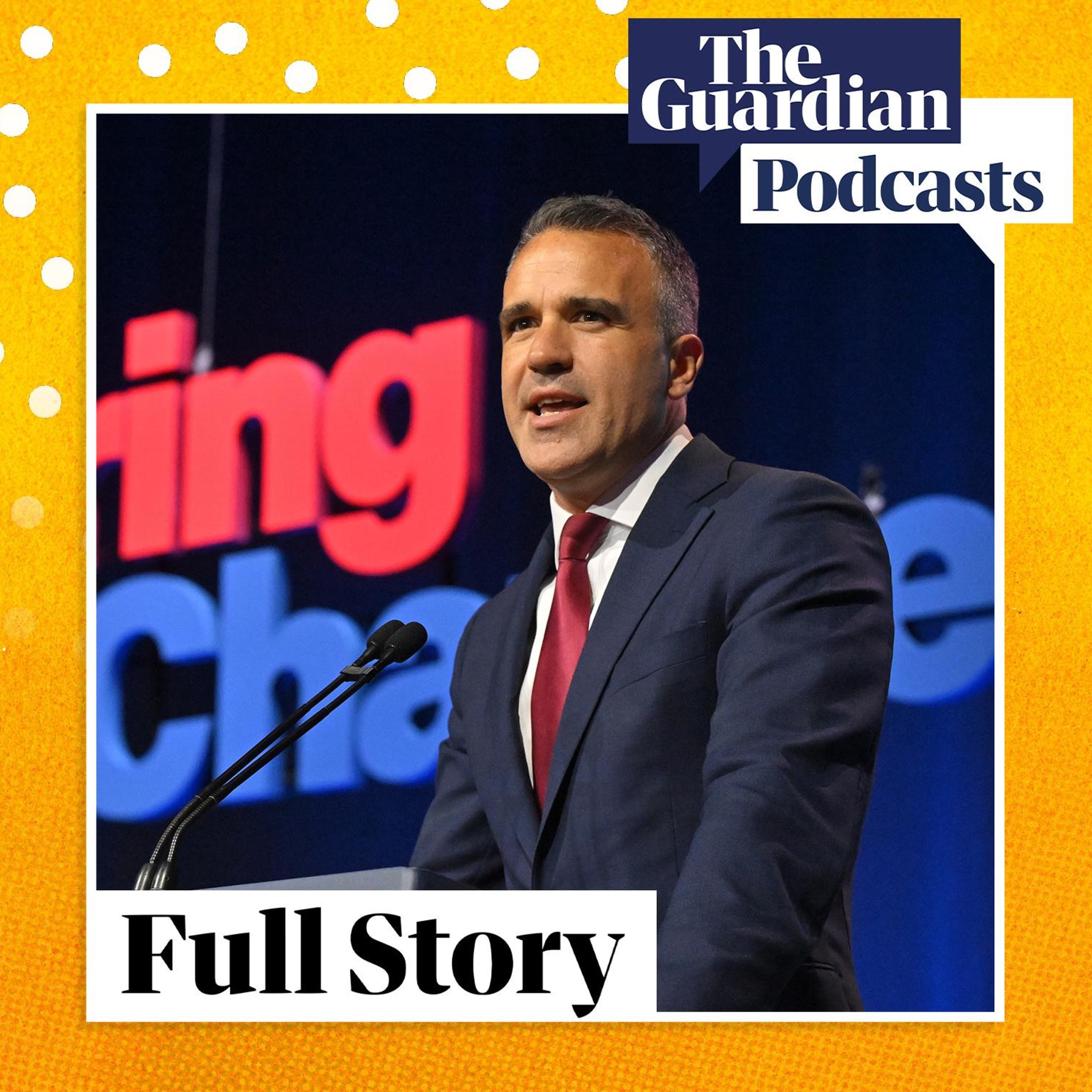
SA premier Peter Malinauskas at the ALP national conference
3w ago00:24:17Tap to summarizeSpeaking with political editor Tom McIlroy and chief political correspondent Dan Jervis-Bardy at the 50th Labor conference in Adelaide, Peter Malinauskas talks about his own state contest with One Nation and why progressives should not speak down to Pauline Hanson’s supporters. And despite the US admitting this week that the production rate of Virginia-class submarines has not increased, the SA premier argues that abandoning Aukus would pose an even greater risk than the controversial agreement’s potential problems
Transcribe →
Back to Back Barries: Barnaby bends the media cycle
3w ago00:36:58Tap to summarizeTony Barry and George Megalogenis (filling in for Barrie Cassidy) give their view on One Nation MP Barnaby Joyce’s viral moment this week and why they think it played well to his party’s base. George takes us back to past elections that produced favourable results for One Nation to remind us that we have been here before and that political predictions often don’t come true. And they sign off with a listener email asking if the rise in polling is damaging democracy
Transcribe →
Newsroom Edition: An El Niño summer looms – we need to talk about climate change
3w ago00:19:09Tap to summarizePolitical and media attention this week has once again been squarely focused on One Nation’s antics. But while Pauline Hanson had her Euro summer, many of that continent’s biggest cities were enduring their worst heat stress in recorded history. In Australia, an El Niño summer is not far away and we may be headed for our hottest winter on record. Jo Tovey speaks with Mike Ticher and assistant climate editor Donna Lu about whether Australia is being too complacent about the changing climate
Transcribe →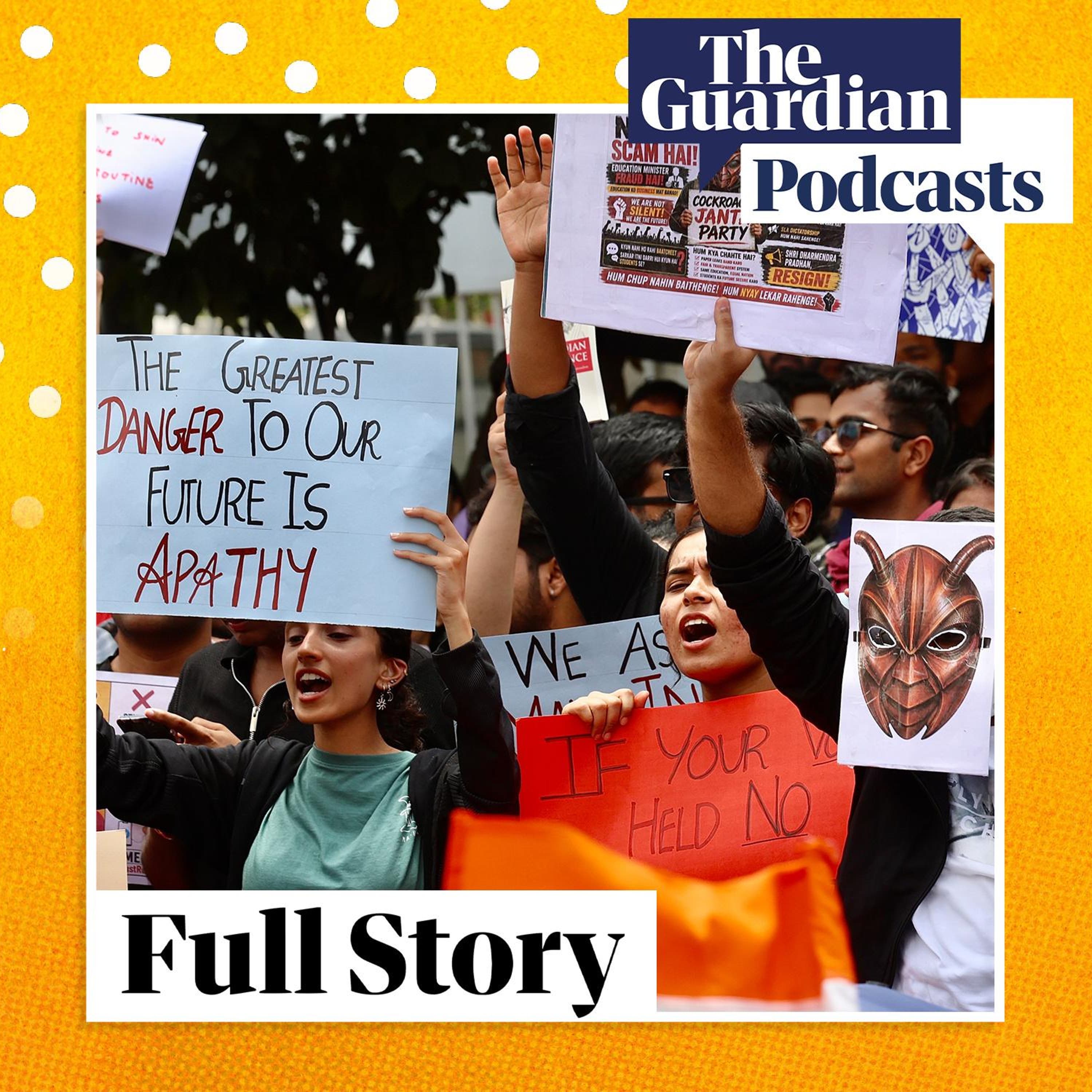
What’s behind the protests in India?
3w ago00:21:49Tap to summarizeTens of thousands of young protesters poured on to the streets of India’s capital, New Delhi, this week amid an explosion of anger over the country’s education system and youth unemployment. The protesters are supporters of the Cockroach Janta party, which started as an online joke but has quickly become an unexpected challenge to the powerful rightwing government of Narendra Modi. Nour Haydar speaks to the Guardian’s south Asia correspondent, Hannah Ellis-Petersen, about what’s behind India’s growing protests
Transcribe →
Decoding America: making the US military macho again
4w ago00:28:21Tap to summarizeCo-hosts Reged Ahmad and Jonathan Yerushalmy look at why Donald Trump chose to make a prime-time address about the US electoral system: was he trying to destabilise and undermine confidence before the midterms, and will it work? Also: why is the US defense secretary, Pete Hegseth, ordering annual testosterone deficiency screening for soldiers in the military aged 30 and older?
Transcribe →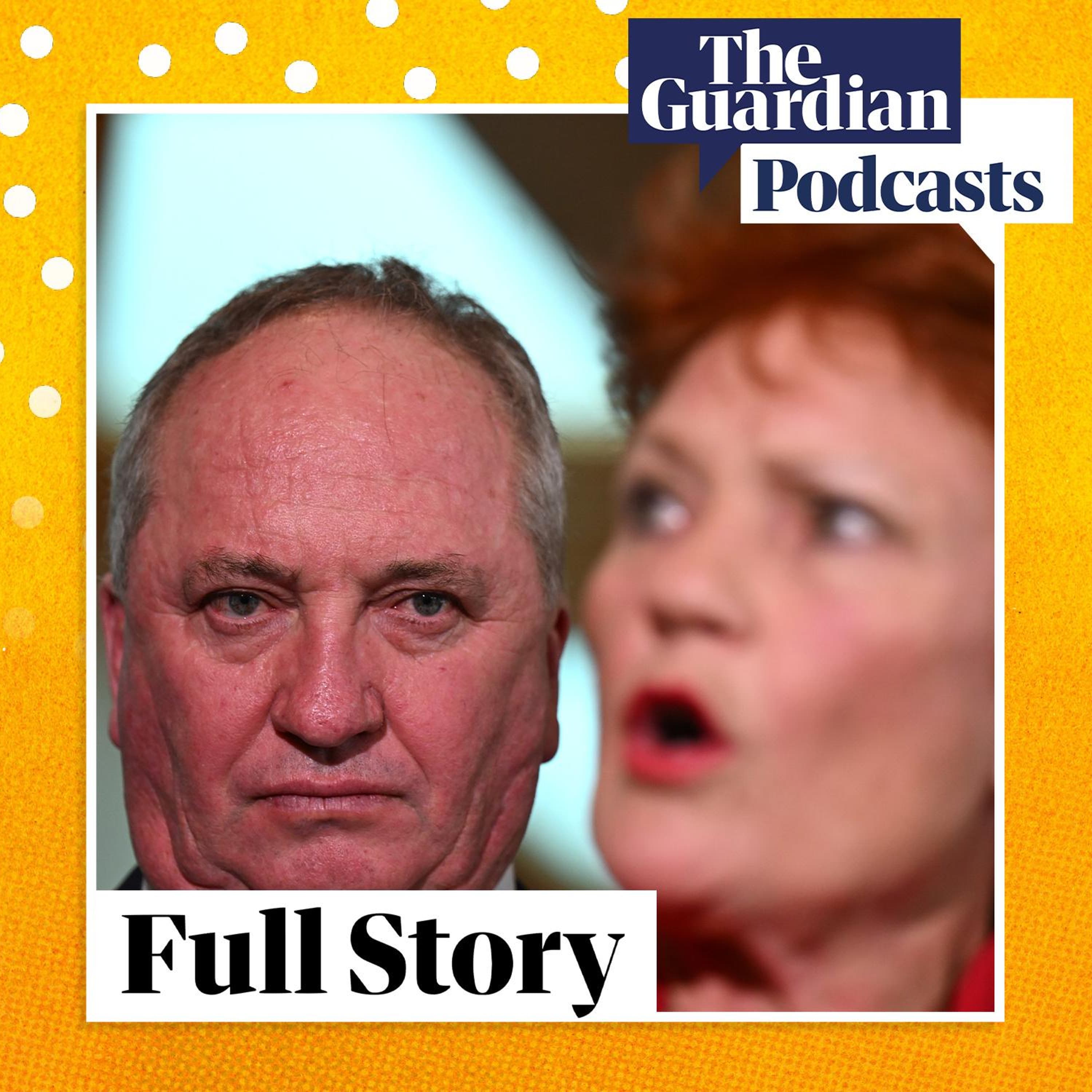
The fallout from Pauline Hanson’s Euro Summer
4w ago00:17:33Tap to summarizeThere has been no end to the negative headlines generated in response to comments made by Pauline Hanson on her trip overseas – and it has forced members of One Nation, including Barnaby Joyce, to defend and explain her actions back home. Guardian Australia political reporter Josh Butler speaks to Reged Ahmad about how the trip’s many controversies could play with One Nation supporters in Australia
Transcribe →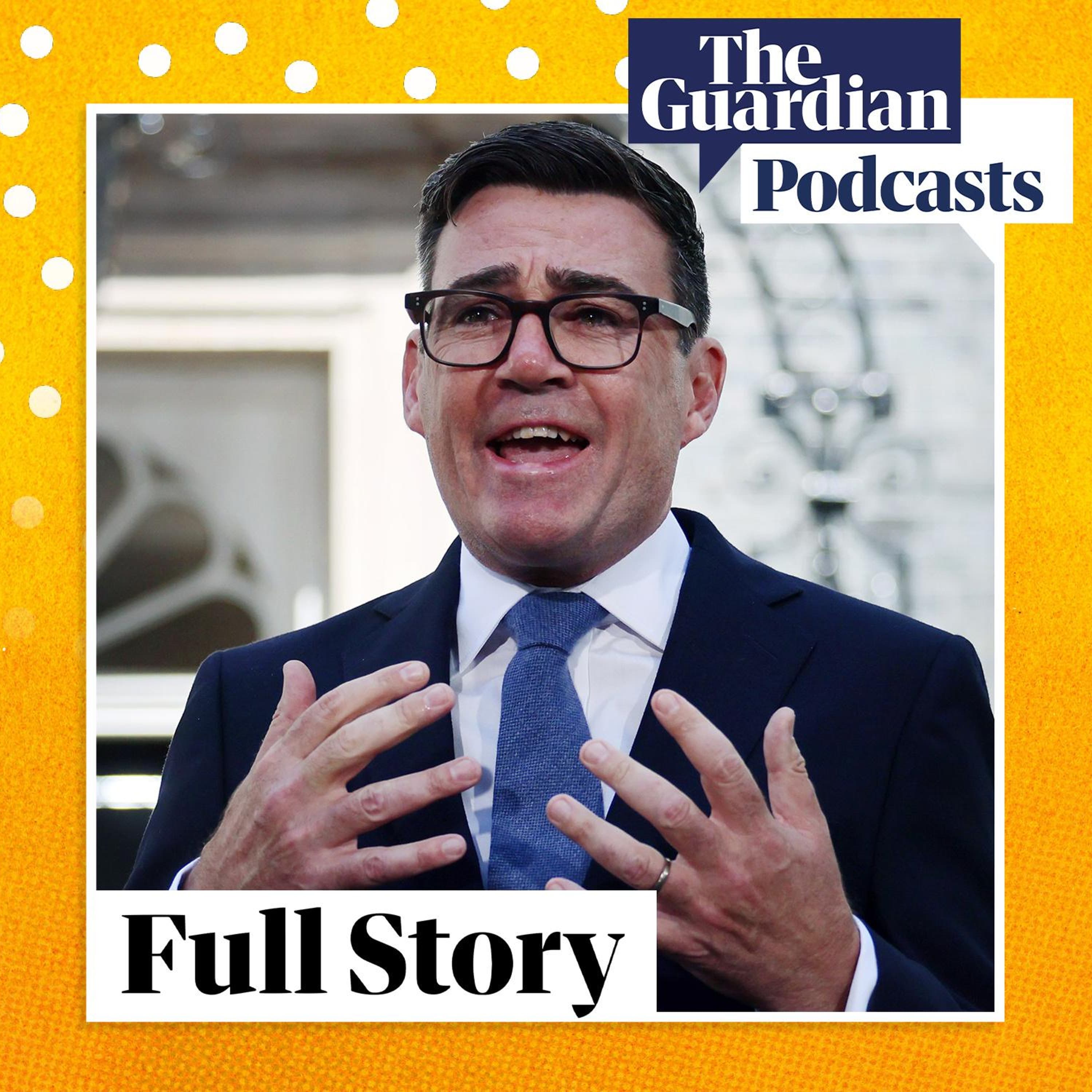
Burnham begins: what awaits the new British PM?
4w ago00:29:35Tap to summarizeSenior political correspondent Peter Walker and former No 10 press secretary Paul Harrison analyse Andy Burnham’s first day as PM
Transcribe →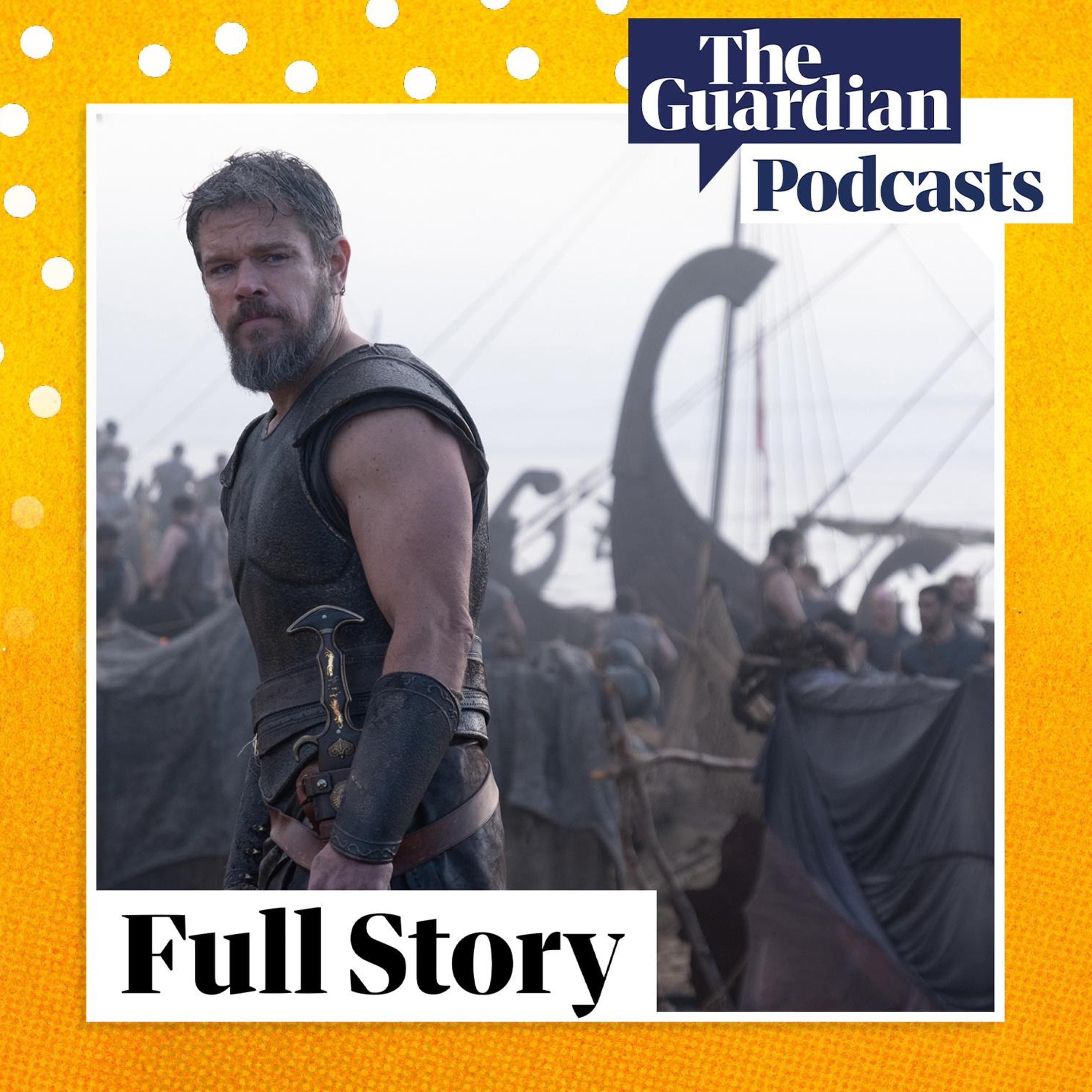
Can Nolan’s Odyssey revive cinema?
4w ago00:19:12Tap to summarizeChristopher Nolan’s The Odyssey has opened in Australia to much hype and intense interest. The first film ever to be shot entirely on Imax film has prompted fans to go on their own epic journey – crossing oceans to see it at one of just 41 cinemas around the world equipped to screen it in its original 70mm format. But as Homer’s Odyssey plays out onscreen, a struggle is happening offscreen too, with some saying this film could help the prospects of an ailing cinema industry trying to stay alive in an age of streaming. Reged Ahmad speaks to the deputy culture editor, Sian Cain, on whether The Odyssey has the capacity to entice people away from their devices and back to the big screen.
Transcribe →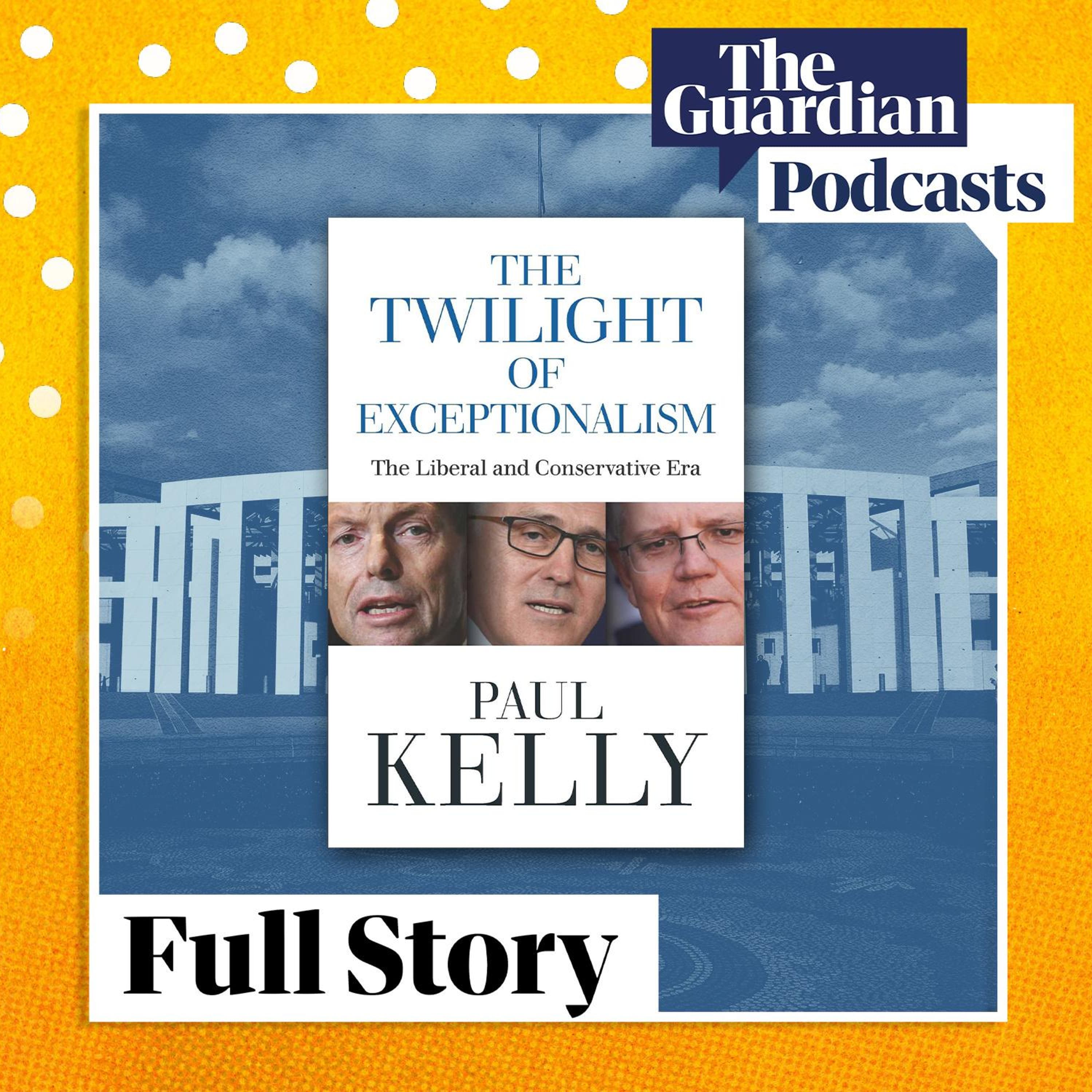
Abbott, Turnbull and Morrison: Paul Kelly on the Liberals’ identity crisis
4w ago00:30:19Tap to summarizeGuardian Australia political editor Tom McIlroy talks to Paul Kelly about his new book on the turbulent era of the Liberal party under prime ministers Tony Abbott, Malcolm Turnbull and Scott Morrison. In The Twilight of Exceptionalism, Kelly writes about how the Liberal leadership changed hands from a conservative to a progressive and then a transactional centrist. The Australian newpaper’s editor-at-large argues that this period demonstrated the party was fractured over its values and confused about its identity in a changing world
Transcribe →Back to Back Barries: will Tommy Robinson sink Pauline Hanson?
4w ago00:32:51Tap to summarizeThis week Barrie Cassidy and Tony Barry examine the One Nation leader’s podcast interview with far-right British activist Tommy Robinson and ask: will this interview cause fractures within the party and weaken her leadership? They also look at the rightwing party’s position on international affairs and new polling in the lead-up to the Victorian election
Transcribe →