
Podcast
Fund Shack Private Equity Podcast
Hosted by Ross Butler, Fund Shack is produced by LinearB Group LTD · EN
Private equity, venture capital and alternative investments - long-form podcasts with industry leaders
Dive into in-depth conversations with industry leaders and gain exclusive insights into the world of private capital.
🎙️Fund Shack is dedicated to providing thought-provoking, authentic discussions with the most respected private capital managers, asset managers, professional advisers, & thought leaders. Our long-form interviews are unscripted, ensuring genuine & enriching conversations. Hosted by Ross Butler, 25 years in the private capital industry.
18episodes
Episodes
Newest firstAll episodes
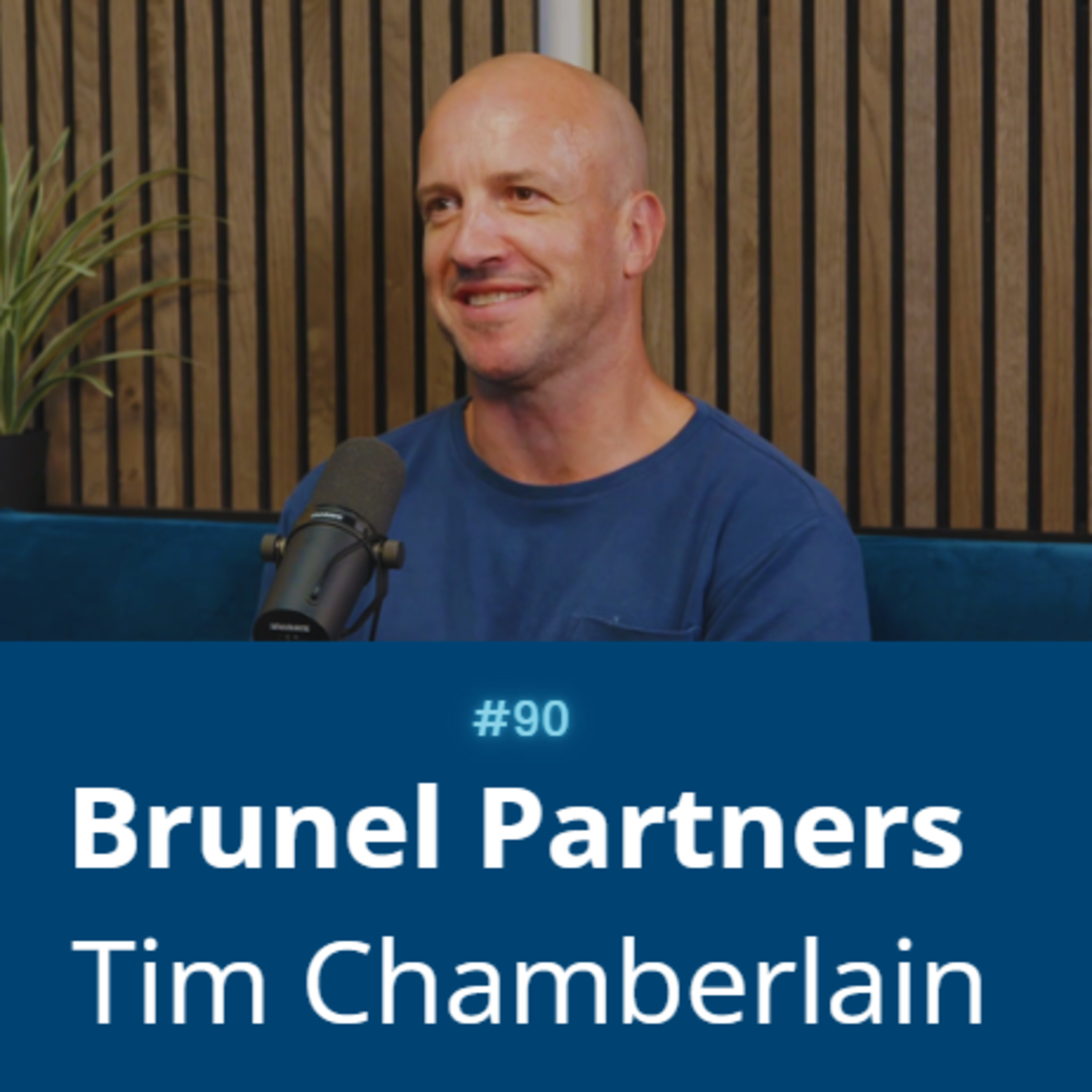
Private Capital in Brazil: Where Are the Best Opportunities?
Yesterday00:34:01Tap to summarizeBrazil offers one of Latin America’s deepest private capital markets, with opportunities across private equity, private credit, infrastructure, agriculture, critical minerals and distressed investing. Success requires local networks, thematic focus and a clear understanding of currency risk.Ross Butler speaks with Tim Chamberlain of Brunel Partners about why global investors remain underallocated to Latin America, where capital scarcity creates opportunity, and why private market structures may suit volatile economies.Why Brazil is often the best entry point into Latin AmericaAgriculture, critical minerals and infrastructureBrazilian private credit and FIAGRODistressed investing and complex capital structuresCurrency exposure and the cost of hedgingBrazilian family offices, pension funds and precatóriosTim argues that the strongest investment cases are usually thematic rather than broad regional allocations. Brazil’s scale, legal framework and domestic capital markets create depth, while high interest rates and conservative bank lending can leave middle-market companies short of flexible finance.The discussion also examines currency risk at asset level. A Brazilian business may earn revenue from exports, commodities, dollar-linked contracts or inflation-linked concessions, so its economic exposure can differ from the currency in which a fund is denominated.Brazil may benefit from demand for data centres, renewable energy, agricultural production and critical resources. Private capital can provide patient finance, negotiated governance and specialist expertise where conventional markets remain limited.🔹 🔹 🔹 🔹 🔹 🔹 🔹 🔹 🔹 #PrivateEquity #PrivateCapital #Brazil #LatinAmerica #PrivateCredit🔹 🔹 🔹 🔹 🔹 🔹 🔹 🔹 🔹 About Tim ChamberlainTim Chamberlain is based in São Paulo and works with Brunel Partners, a placement and advisory firm connecting Latin American managers, entrepreneurs and investment opportunities with global institutional capital.Tim began his career in Asia before joining Eurekahedge and opening its New York office. He moved to Brazil in 2010 and helped establish Brunel Partners in 2014.🔗 CONNECT on LinkedIn 🌐 Brunel Partners📧 contact@brunel-partners.com.br🔹 🔹 🔹 🔹 🔹 🔹 🔹 🔹 🔹 Host: Ross Butler is the founder and host of Fund Shack. He has worked around private capital for 25 years as a journalist, policy adviser and consultant, and is the author of Invest Like a Barbarian: Share in the Spoils of a Private Markets Revolution.🔗 CONNECT on LinkedIn 🌐 Fund Shack🔹🔹🔹🔹🔹🔹🔹🔹🔹📘 Order Ross Butler’s book 👉 Invest Like a Barbarian: Share in the spoils of the Private Markets revolution #investlikeabarbarian🔹🔹🔹🔹🔹🔹🔹🔹🔹Important informationThis conversation was recorded ahead of Brazil’s October 2026 presidential election. Political observations and market conditions reflect the position at the time of recording.🔹🔹🔹🔹🔹🔹🔹🔹🔹Interested in joining Fund Shack as a guest or exploring sponsorship opportunities? Contact Katie at Katie@linearB.media to discuss upcoming episodes, editorial themes and partnership options.
Transcribe →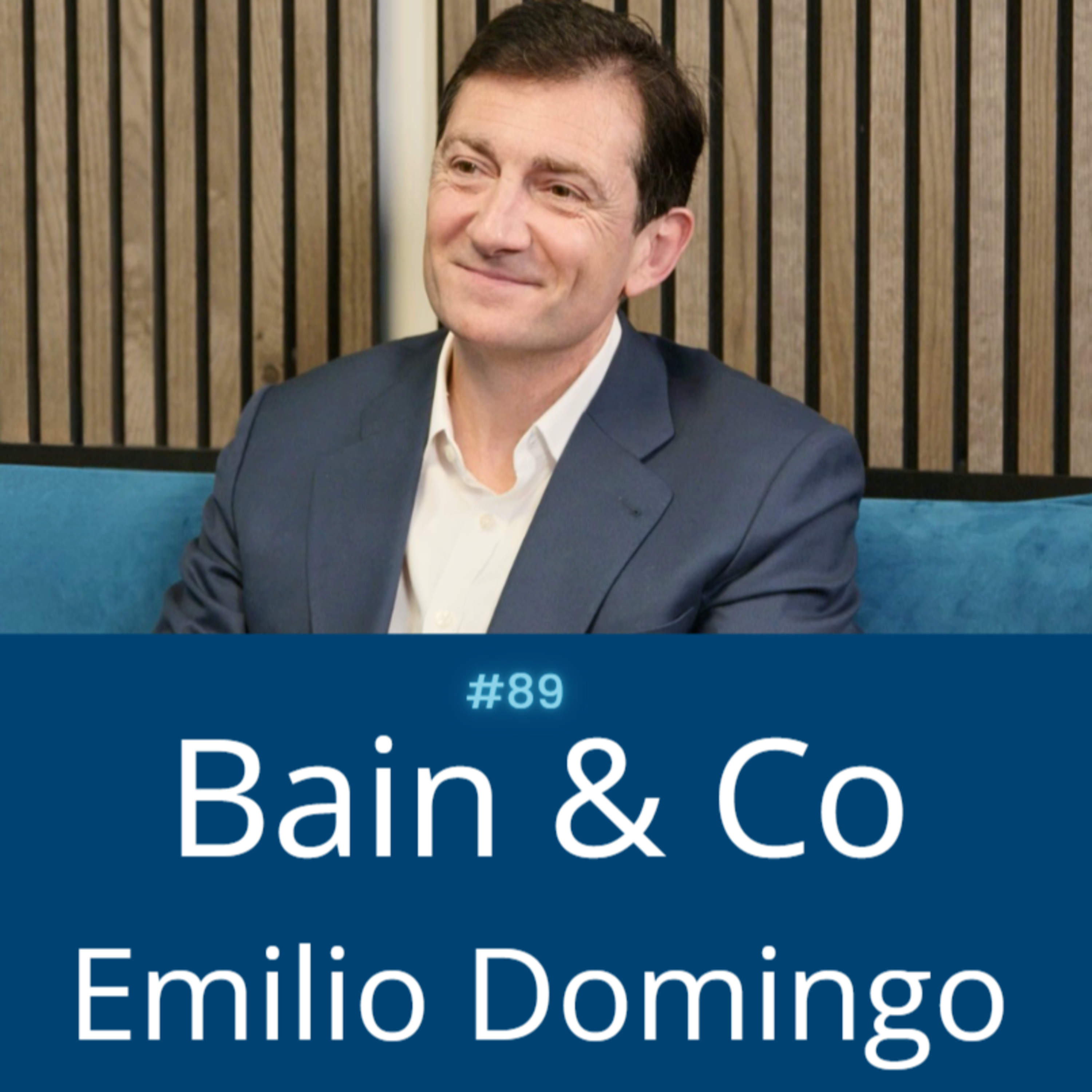
Private Equity in 2026: Why “12 is the new five” | Emilio Domingo, Bain & Company
Jul 200:25:45Tap to summarizePrivate equity is entering a tougher operating environment, where cheap debt and multiple expansion can no longer be relied on to deliver returns.In this episode of Fund Shack, Ross Butler speaks with Emilio Domingo, Partner in Bain & Company’s London office and Chief Commercial Officer for Bain’s EMEA Private Equity practice, about Bain’s latest private equity outlook, the idea that “12 is the new five”, and what it means for GPs, LPs and portfolio company management teams.In this episode, we cover:🔹Why Bain says “12 is the new five” for private equity🔹Why average buyouts may now need much higher EBITDA growth to achieve similar returns🔹Why margin expansion has contributed surprisingly little to private equity returns🔹The “leaky bucket” problem of inflation, price erosion and supply chain shocks🔹Why scale, specialisation and accumulated experience are becoming more important🔹How private equity balances value creation playbooks with entrepreneurial management🔹Bain’s view of full potential diligence🔹Why speed matters in private equity transformation🔹The rise of the Chief Transformation Officer🔹How AI is changing investment teams, value creation teams and portfolio companies🔹Whether AI will favour emerging managers or scaled private equity platforms🔹Why private equity-backed companies may have an edge in AI adoption🔹Bain’s outlook for private equity and the industry’s liquidity challengeChapters:00:00 Why “12 is the new five” changes private equity02:46 The new EBITDA growth challenge for buyouts04:34 Why margin expansion has been so difficult07:26 Why scale and specialisation are becoming critical09:44 Private Markets Capability sponsor message10:39 Value creation, governance and entrepreneurial management12:57 The art of building a world-class value creation plan14:33 Why speed matters in private equity transformation15:51 The rise of the Chief Transformation Officer17:23 How AI is changing private equity investing20:11 Will AI favour emerging managers or the largest firms?22:23 Why private equity could become the AI winner23:41 Bain’s outlook for the future of private equity🔹🔹🔹🔹🔹🔹🔹🔹🔹Guest bio: Emilio Domingo is a Partner in Bain & Company’s London office and Chief Commercial Officer for Bain’s EMEA Private Equity practice.In this role, Emilio drives the commercial agenda for Bain’s regional private equity practice, helping the firm bring its capabilities, solutions and products to financial investor clients.🔗 CONNECT on LinkedIn https://www.linkedin.com/in/emiliodomingo/ 🌐 https://www.bain.com/industry-expertise/private-equity/ 🔹🔹🔹🔹🔹🔹🔹🔹🔹Host: Ross Butler is the founder and host of Fund Shack. He has worked around private capital for 25 years as a journalist, policy adviser and consultant, and is the author of Invest Like a Barbarian: Share in the Spoils of a Private Markets Revolution.🔗 CONNECT on LinkedIn https://www.linkedin.com/in/rossbutler1/🌐 www.fund-shack.com🔹🔹🔹🔹🔹🔹🔹🔹🔹📘 Order Ross Butler’s book 👉 Invest Like a Barbarian: Share in the spoils of the Private Markets revolution ♾️ http://q-r.to/Invest-Like-A-Barbarian#investlikeabarbarian🔹🔹🔹🔹🔹🔹🔹🔹🔹About our sponsor: Private Markets Capability for Wealth AdvisersClients are increasingly asking not only whether they should invest in private markets, but how private equity and private credit fit within a portfolio, what the liquidity trade-offs are and what the underlying risks actually look like.The PMC-Q50 was developed to help advisers test their preparedness before those conversations take place.The free assessment takes around 25 minutes and produces a personalised private markets capability profile. It identifies where knowledge is strong, where it may need sharpening and which areas should be prioritised next.Take the PMC-Q50 assessment. https://pmc-q50.scoreapp.com🔹🔹🔹🔹🔹🔹🔹🔹🔹
Transcribe →
Beyond SpaceX: War, AI, Orbital Infrastructure and green utopia | Mark Boggett | Seraphim Space
Jun 1901:10:25Tap to summarizePrivate Markets Podcast, Fund Shack www.fund-shack.comSpace is no longer just about rockets, satellites and astronauts. In this episode, Ross Butler speaks with Mark Boggett, CEO and General Partner of Seraphim Space, about how SpaceTech is becoming a critical infrastructure layer for defence, communications, data, AI, energy and industrial activity.Following the recent SpaceX IPO, many investors are being forced to develop a view on space. But as Mark explains, SpaceX is only one part of a much broader ecosystem. Launch and Starlink may dominate the headlines, but the wider opportunity includes Earth observation, satellite communications, orbital infrastructure, in-space servicing, data platforms, defence applications, AI-enabled analysis and even the early foundations of space-based energy and computing.The conversation explores why defence is currently the main revenue engine for SpaceTech companies, particularly across dual-use technologies that serve both military and commercial markets. Mark explains how European governments are reassessing their dependence on US space capabilities, why Germany is becoming more active, and why the UK continues to produce strong SpaceTech start-ups while still facing a later-stage capital gap.Ross and Mark also examine the commercial side of the market. AI is making satellite data easier to ingest, interpret and apply across industries. Falling launch costs, particularly through Starship, may change the economics of orbital infrastructure. That could make previously speculative ideas, such as orbital data centres, in-space manufacturing and solar energy generation, more plausible over time.Mark also discusses Seraphim’s own investment model, from accelerator stage through to venture and listed growth capital. He explains why specialist knowledge matters in SpaceTech, why vertical integration can create powerful moats, and why permanent capital may be well suited to companies building the next layer of digital infrastructure in space.In this episode:Why space is better understood as infrastructure than as a conventional sectorWhere the opportunity sits beyond SpaceX, Starlink and launchWhy defence demand is accelerating revenues across dual-use SpaceTechHow AI is changing the economics of satellite dataWhy falling launch costs could unlock orbital computing and manufacturingHow orbital debris and in-space servicing are becoming investable marketsWhy Seraphim uses accelerator, venture and listed growth capital structuresGuest: Mark Boggett is CEO, General Partner and co-founder of Seraphim Space, an investment firm dedicated to the global SpaceTech market. He helped launch the world’s first venture-capital fund focused exclusively on SpaceTech in 2016.🔗 CONNECT on LinkedIn https://www.linkedin.com/in/mark-boggett-5044631/ Seraphim’s platform spans an accelerator, early-stage venture capital and the London Stock Exchange-listed Seraphim Space Investment Trust, giving the firm exposure to businesses from formation through to growth stage.🌐www.seraphim.vcHostRoss Butler is the founder and host of Fund Shack. He has worked around private capital for 25 years as a journalist, policy adviser and consultant, and is the author of Invest Like a Barbarian: Share in the Spoils of a Private Markets Revolution.🔗 CONNECT on LinkedIn https://www.linkedin.com/in/rossbutler1/🌐 www.fund-shack.com🔹🔹🔹🔹🔹🔹🔹🔹🔹📘 Order Ross Butler’s book 👉 Invest Like a Barbarian: Share in the spoils of the Private Markets revolution ♾️ http://q-r.to/Invest-Like-A-Barbarian#investlikeabarbarian🔹🔹🔹🔹🔹🔹🔹🔹🔹Our sponsor Private Markets Capability: https://privatemarketscapability.com/Take the PMC-Q50 assessment. https://pmc-q50.scoreapp.com
Transcribe →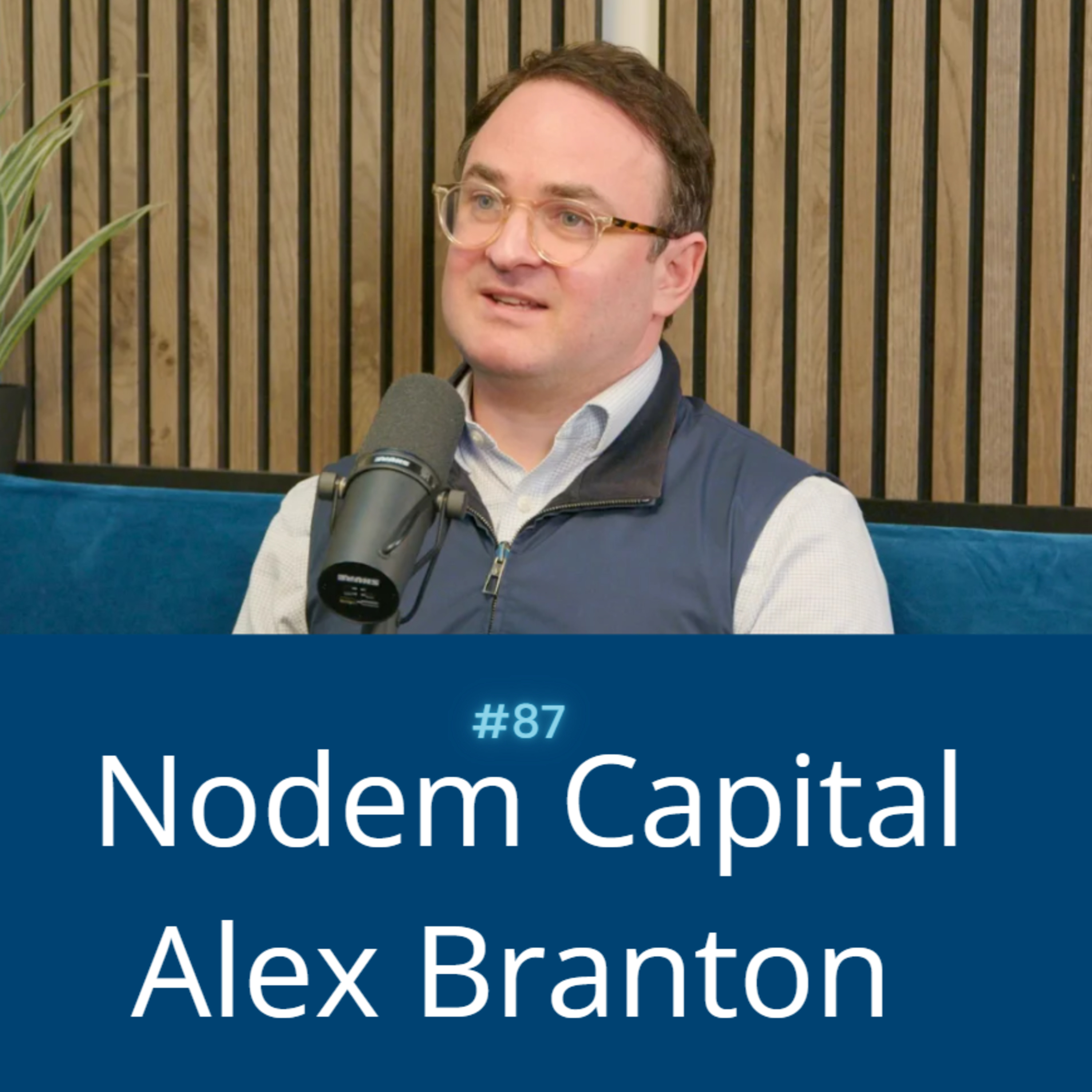
What NAV Is Really Signalling in Private Markets | Alex Branton, Nodem Capital
Jun 400:49:47Tap to summarizePrivate markets were built around illiquidity. Investors commit capital, managers invest it over time, and cash comes back when assets are sold. But as private equity, private credit and private markets have scaled, the industry has had to build a more sophisticated liquidity toolkit.In this episode of Private Markets Podcast, Fund Shack, Ross Butler speaks with Alex Branton, Chief Investment Officer at Nodem Capital, about what NAV really means, how NAV lending works, and why secondaries, continuation vehicles, structured secondaries and evergreen funds are becoming central to private markets.Alex explains how NAV lending sits on a spectrum. At low loan-to-value ratios, it looks like conservative credit. At higher LTVs, it begins to resemble preferred equity or structured secondaries, where the lender takes more equity-like risk and future upside is shared.The episode explores why NAV loans are controversial. They can fund an accretive acquisition, support a strong portfolio company or buy a discounted secondary position. But they can also accelerate DPI or distribute cash when the underlying assets may not be ready for exit. The structure is not the issue. The motivation is.Ross and Alex also discuss the robustness of NAV itself. NAV is not cash in the bank. It is a manager mark, shaped by comparable multiples, valuation policy, auditor review and GP judgement. For NAV loans, secondaries and evergreen funds, NAV matters because it is the reference point for buying, selling, lending and redeeming.The conversation then turns to evergreen funds and private wealth access. Alex is positive about evergreen vehicles, but warns that implied liquidity creates a challenge. Investors need to understand how NAV is constructed, how redemptions work and what happens when negative headlines trigger outflows.The episode finishes with private credit, software exposure, defaults and recent market anxiety. Alex argues that the market should distinguish between genuine credit risk and liquidity pressure inside fund structures. His view is that private credit headlines are often overstated, but underwriting standards, leverage, amend-and-extend behaviour and smaller-market lending should still be watched carefully.Topics covered include:🔹What NAV really means in private markets🔹How NAV lending works🔹 LP-led and GP-led secondaries🔹Continuation vehicles and strip sales🔹Structured secondaries and preferred equity🔹Loan-to-value, downside protection and equity risk🔹DPI acceleration versus accretive NAV loan use cases🔹Why NAV lending is controversial🔹LPAC governance and investor alignment🔹 Why NAV is not the same as cash🔹 Secondary market pricing and bid-ask spreads🔹Evergreen funds and private wealth access🔹 NAV squeezing, or NAV stretching🔹Private credit risk, SaaS exposure and default rates🔹Why fund structure matters as much as asset qualityThis episode is essential listening for GPs, LPs, private credit investors, secondaries specialists, family offices, wealth advisers and anyone trying to understand how liquidity, valuation and alignment are changing across private markets.Guest: Alex Branton, Chief Investment Officer, Nodem Capital🔗 https://www.linkedin.com/in/alex-branton-b6130a27/Host: Ross Butler, Fund Shack🔗 https://www.linkedin.com/in/rossbutler1/
Transcribe →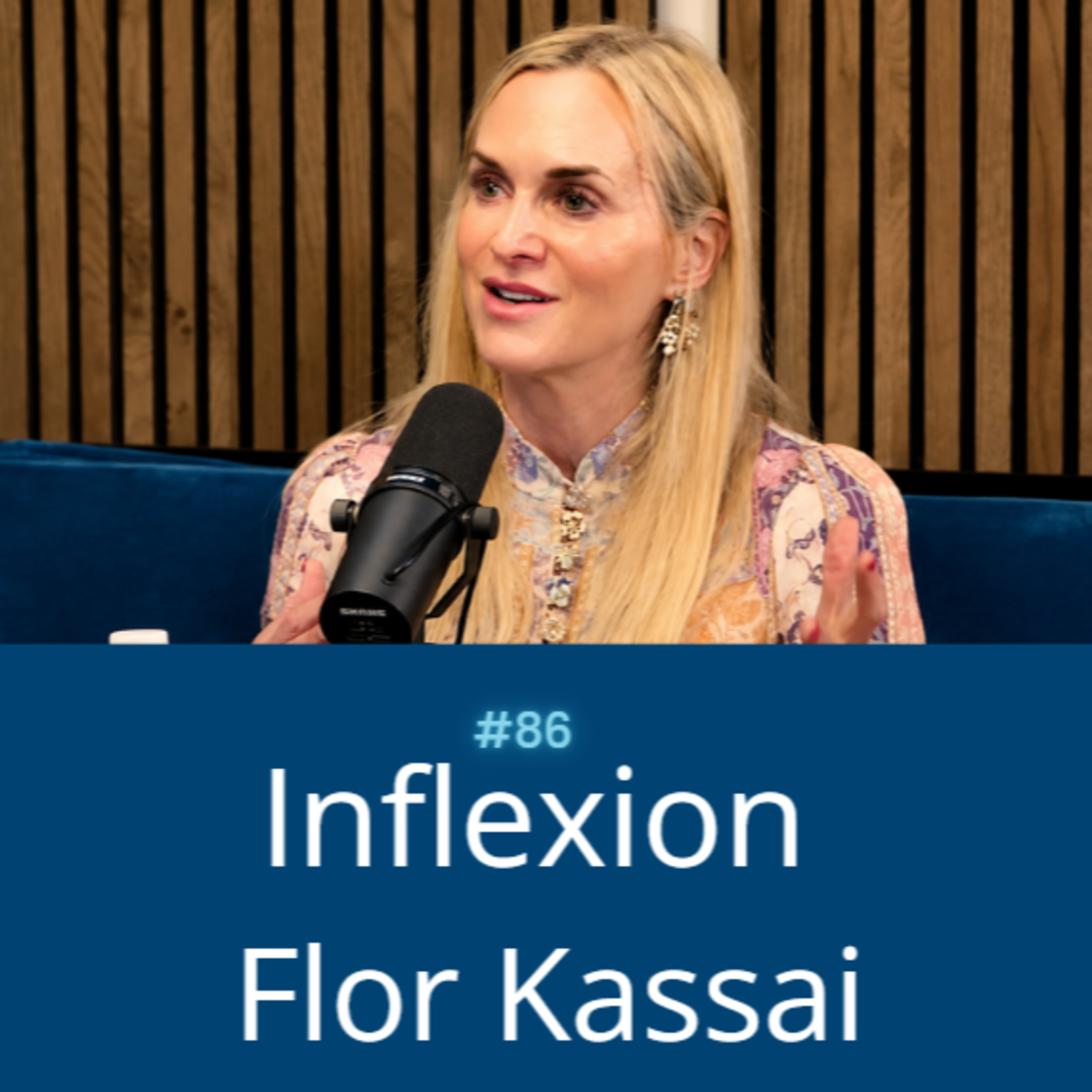
Private Equity Is a Talent Business - Flor Kassai, Inflexion
May 1400:29:52Tap to summarizeFlor Kassai, Managing Partner and Head of Buyout at Inflexion, joins Ross Butler to discuss European mid-market private equity, talent, origination and repeatable value creation.Flor argues that private equity is more of a talent business than an investment business. In her view, getting the right management team into a company is the central variable in whether a deal can scale, adapt and create value.This episode explores how Inflexion thinks about dealmaking in 2026, including the importance of pricing power, margin quality, sub-sector expertise and repeatable playbooks. Flor explains how Inflexion has built depth in areas such as testing, inspection, certification and compliance, veterinary roll-ups, fund administration, corporate services, skincare, wealth management and even darts.The discussion also covers direct origination in the European mid-market. Flor explains why trust is built over years, not meetings, and why local presence still matters in a world increasingly shaped by AI and data-led sourcing. The conversation includes Inflexion’s relationship with Easyfairs founder Eric Everard, its expansion beyond the UK into Benelux, the Nordics and DACH, and its use of continuation funds to extend ownership of high-quality assets.Also discussed:Why 2026 is a tricky but attractive environment for disciplined private equity investorsHow Inflexion repeats sub-sector playbooks across strategies and geographiesWhy management teams and talent are central to private equity value creationHow direct origination works in founder-led and relationship-driven marketsWhen buy-and-build works, and when organic growth is the better answerWhy continuation funds can be a good structure when the next phase of value creation is clearWhat Nodor reveals about finding value in unexpected mid-market nichesFlor’s career journey from Argentina to JP Morgan, Wharton, Bain, Hg and InflexionWatch the full episode and explore more private markets insights at Fund Shack.🔹🔹🔹🔹🔹🔹About our guest Flor Kassai is Managing Partner and Head of Buyout at Inflexion. She leads Inflexion’s buyout strategy and has been closely involved in the firm’s growth across the UK and Northern Europe.🔗https://www.linkedin.com/in/florencia-kassai-a711b2/🌐 https://www.inflexion.com/people/flor-kassai/🔹🔹🔹🔹🔹🔹About our host Ross Butler 🔗 CONNECT on LinkedIn https://www.linkedin.com/in/rossbutler1/🌐 www.fund-shack.com📘 Order Ross Butler’s book: Invest Like a Barbarian: Share in the spoils of the Private Markets revolution ♾️ http://q-r.to/Invest-Like-A-Barbarian#investlikeabarbarian🔹🔹🔹🔹🔹🔹 🏢 Private Markets Capability – 5-Minute AssessmentPrivate markets are moving into the adviser channel faster than most firms are building real capability. This short diagnostic looks at how consistently your team can explain, challenge and navigate private markets in client conversations.In less than 5 minutes, you’ll see: Where your capability is strong Where it varies across individuals Where your firm may be exposed as the market evolvesNo preparation required. Instant score and clear next step.👉 Take the assessment: https://private-markets-capability-assessment.scoreapp.com/🔹🔹🔹🔹🔹🔹
Transcribe →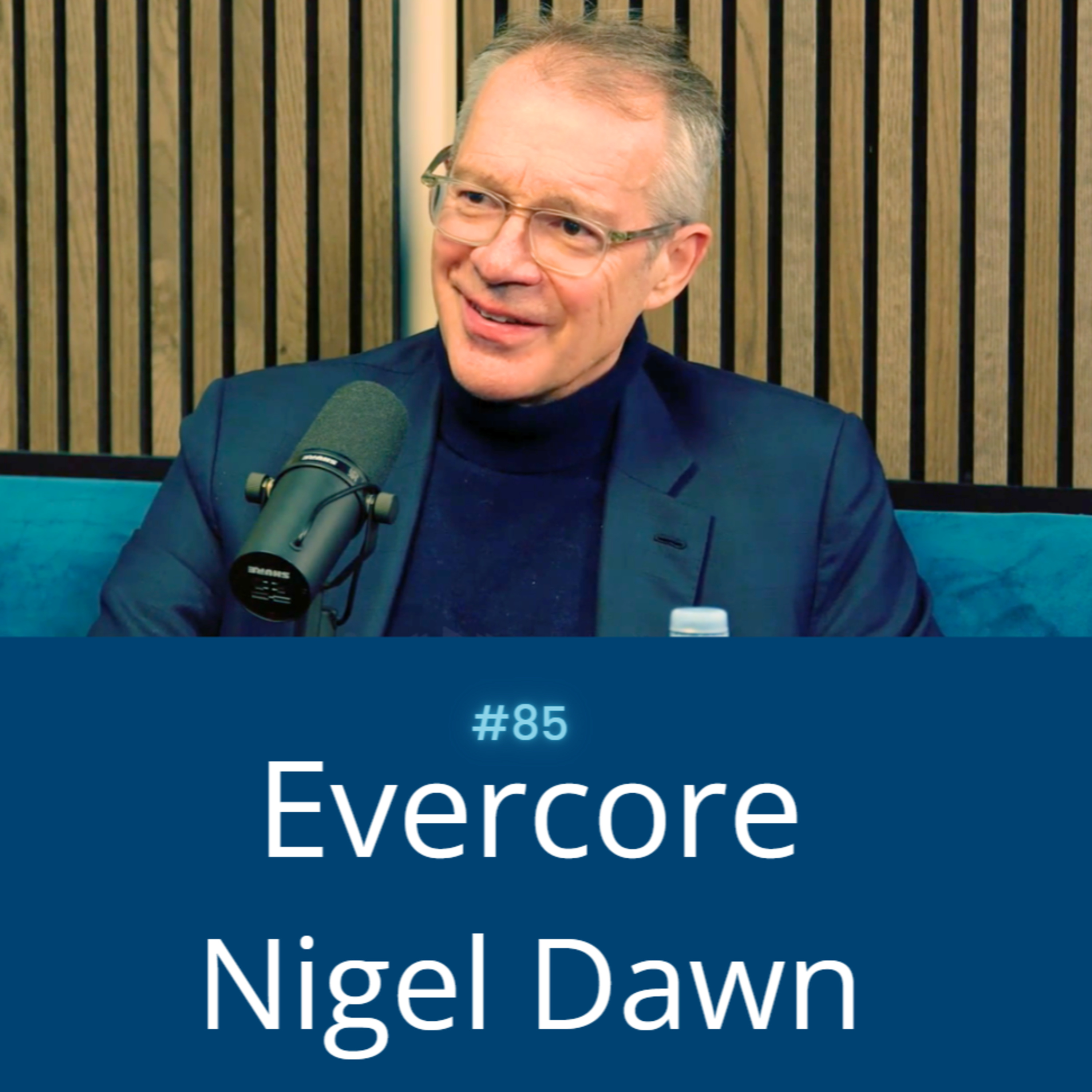
Where Private Markets Meet Reality | Secondaries Explained | Nigel Dawn | Fund Shack Ep. 85
May 500:43:49Tap to summarizePrivate markets look stable… until they don’t.NAVs move slowly. Returns look smooth. Volatility appears contained.But none of that is tested until an investor actually tries to sell.That’s where secondaries come in.The secondaries market is where private markets lose their narrative and face reality.It’s where valuation becomes negotiation.Where liquidity becomes optional.And where the difference between price and value stops being theoretical.In this conversation, Nigel Dawn, Global Head of Private Capital Advisory at Evercore, breaks down how secondaries have quietly become one of the most important forces shaping private markets today.If you want to understand private markets properly, this is where you start.What is the secondaries market in private equity?The secondaries market allows investors to buy and sell existing private market assets, including fund interests and company stakes, providing liquidity in an otherwise illiquid asset class.Why does the secondaries market matter?It is the point where private market valuations (NAVs) are tested against real transaction prices, making it critical for price discovery, portfolio management and liquidity.What are continuation vehicles?Continuation vehicles are structures that allow private equity managers to hold high-quality assets for longer while offering liquidity to existing investors and bringing in new capital.How large is the secondaries market?Despite rapid growth, it remains small at roughly 2% of total private markets NAV, suggesting significant room for expansion.What is the outlook for secondaries?Growth is expected to accelerate, particularly in private credit secondaries, driven by demand for liquidity, portfolio management and new investor access.What’s covered Why secondaries are the true pricing mechanism in private markets The shift from stigma to strategic portfolio managementHow continuation vehicles actually work (and why they’re misunderstood)The difference between NAV and executable priceHow conflicts are managed in GP-led transactionsThe rise of private wealth capital in secondariesWhy private credit secondaries are the next major growth areaChapters 00:00 Secondaries: where private markets meet reality01:26 What the media gets wrong about private markets03:00 From stigma to strategy, evolution of secondaries06:13 Why the market is still only ~2% of NAV07:45 Continuation vehicles explained10:30 Not “kicking the can” what’s really happening15:53 Conflicts, ILPA and investor protection19:28 How pricing works (NAV vs price)22:03 Retail capital and evergreen structures30:37 Liquidity solutions (NAV lending, strip sales, etc.)32:14 Private credit secondaries, next wave38:04 Has private markets lost its partnership model?Secondaries are no longer a niche.They are becoming the operating system of private markets liquidity, enabling:Active portfolio managementReal price discoveryCapital recycling at scale🔹🔹🔹🔹🔹🔹Nigel Dawn is Global Head of Private Capital Advisory at Evercore.He advises institutional investors, sovereign wealth funds and private equity firms on secondaries transactions globally.🔗 https://www.linkedin.com/in/nigel-dawn-9aa121/ 🌐https://www.evercore.com/who-we-are/overview/🔹🔹🔹🔹🔹🔹Ross ButlerPrivate Markets Capability – 5-Minute AssessmentPrivate markets are moving into the adviser channel faster than most firms are building real capability.This short diagnostic looks at how consistently your team can explain, challenge and navigate private markets in client conversations.In less than 5 minutes, you’ll see: Where your capability is strong Where it varies across individuals Where your firm may be exposed as the market evolvesNo preparation required. Instant score and clear next step.👉 Take the assessment: https://private-markets-capability-assessment.scoreapp.com/🔗 CONNECT with Ross on LinkedIn https://www.linkedin.com/in/rossbutler1/
Transcribe →
Permira Credit – What's really happening in Private Credit | David Hirschmann | Fund Shack Ep. 84
Apr 1400:34:39Tap to summarizePrivate credit has grown into a $1.6–1.7 trillion market, but much of the current narrative is dominated by concerns around defaults, AI disruption and liquidity.In this episode, David Hirschmann, Co-Head of Permira Credit, explains why private credit is a structural evolution of the financial system, not a cyclical boom, and why much of the perceived risk reflects a misunderstanding of how credit actually works.What we cover🔹The post-GFC origins of private credit🔹How direct lending competes with syndicated loans🔹Why borrowers pay a premium for certainty and flexibility🔹 The role of equity cushions in protecting lenders🔹 What really happens in a default scenario🔹Why extreme default forecasts may be overstated🔹The difference between equity risk and credit risk🔹How AI impacts credit underwriting🔹Why information advantage matters in private credit🔹How LPs assess and differentiate managersPrivate credit is often judged through an equity lens, focusing on valuation risk and market sentiment.In reality, credit investing is driven by cash flow durability, capital structure and recovery dynamics, which can produce strong outcomes even when equity returns disappoint.🔹🔹🔹🔹🔹🔹David HirschmannCo-Head of Permira Credit & Head of Private Credit🔗CONNECT on LinkedIn https://www.linkedin.com/in/david-hirschmann-4072a2/🌐 https://www.permira.com/investing/credit🔹🔹🔹🔹🔹🔹Ross ButlerFounder and Host Fund Shack 🔗 CONNECT on LinkedIn https://www.linkedin.com/in/rossbutler1/🌐 www.fund-shack.com🔹🔹🔹🔹🔹🔹📘 Order Ross Butler’s book 👉 Invest Like a Barbarian: Share in the spoils of the Private Markets revolution ♾️ http://q-r.to/Invest-Like-A-Barbarian#investlikeabarbarian 🔹🔹🔹🔹🔹🔹 Chapters00:00 – Private credit: structural shift or temporary boom? Why the asset class has grown so rapidly and why the current narrative may be misleading02:20 – The post-GFC origin story. How bank retrenchment created the opportunity for private lenders04:30 – Banks vs private credit: competition or coexistence? Where banks still dominate and where private lenders have the edge07:00 – Private debt vs syndicated loans. Cost vs certainty, and why borrowers increasingly choose private markets10:30 – Is private credit too borrower-friendly? Relationship lending, sponsor alignment and the role of equity cushions12:00 – What happens when deals go wrong? Restructuring, debt-to-equity conversion and recovery dynamics14:30 – Default rates: are markets overreacting? Why extreme forecasts may reflect macro fear rather than fundamentals16:00 – AI risk: equity vs credit perspective. Why technological disruption impacts valuation more than repayment20:00 – What investors get wrong about credit risk. Why leverage and covenants alone don’t tell the full story23:00 – Case study: restructuring and recovery. How a challenged investment still delivered a positive outcome25:00 – Can LPs really differentiate between managers? Market concentration and what actually matters in manager selection27:00 – Why experience is critical in private credit. Downside management, restructuring and long-cycle investing🔹🔹🔹🔹🔹🔹 About Fund Shack Private Markets Podcast, Fund Shack www.fund-shack.comExplores private equity, private credit, infrastructure, secondaries and private wealth access through long-form, technical conversations with leading practitioners and thinkers.💡 Suggest a guest: katie@linearB.media 📩 Join our community Substack: https://privateequitypodcastfundshack.substack.com/📘 Explore episode summaries, transcripts and related content at www.fund-shack.com🔔 Subscribe for more deep-dive private markets conversations
Transcribe →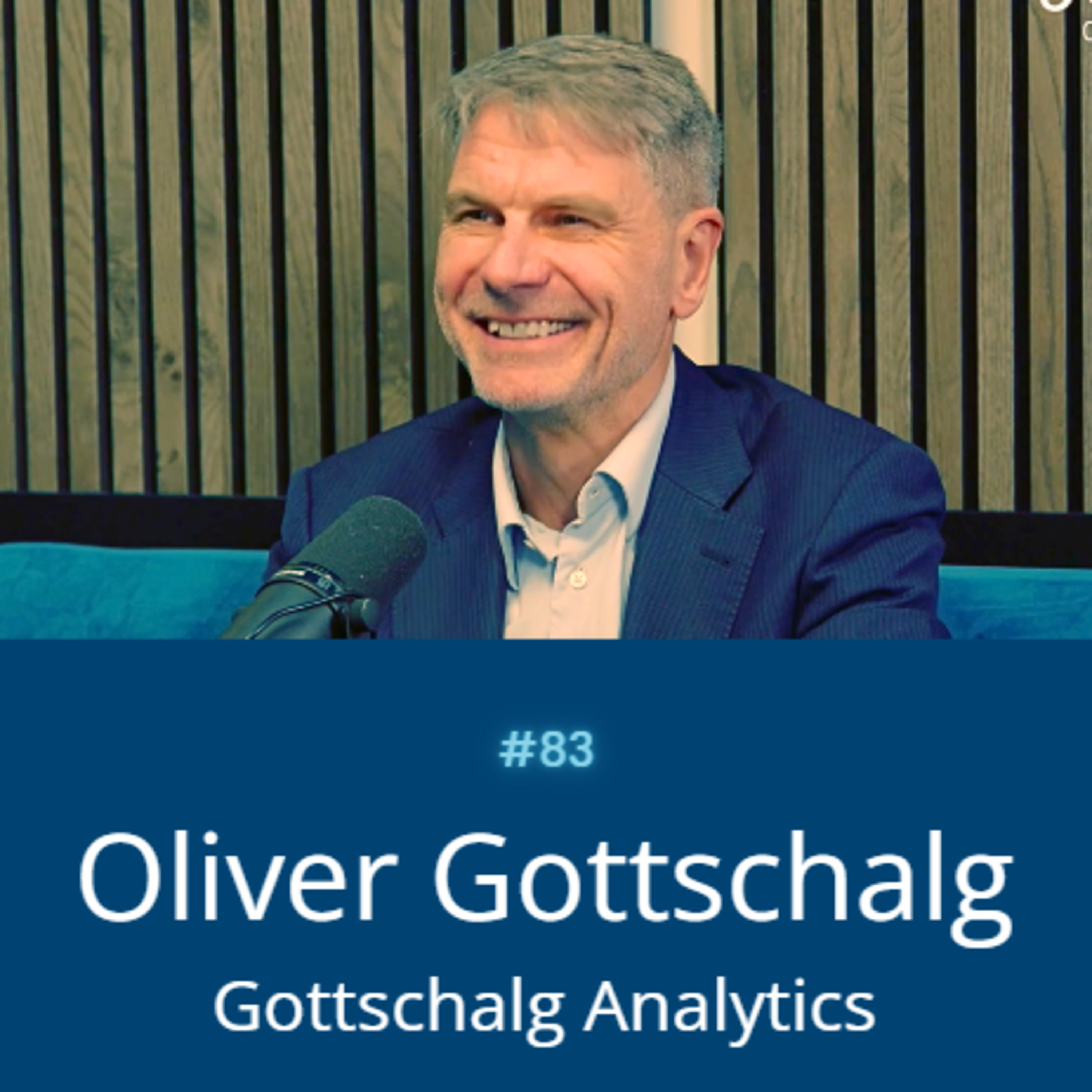
How machines will transform private capital markets | Ep. 83
Feb 400:44:06Tap to summarizeCan algorithms already outperform human decision-making in private equity?In this episode of Private Markets Podcast, Fund Shack www.fund-shack.com, Ross Butler speaks with Oliver Gottschalg, Professor at HEC Paris and founder of Gottschalg Analytics, about how machine learning is already reshaping private equity fund selection and secondaries pricing.Drawing on more than 25 years of empirical research and extensive real-world back-testing, Gottschalg explains why algorithmic decision support can improve outcomes using the same opportunity sets LPs invest in today. The discussion explores why private markets may be structurally better suited to machine learning than public markets, where human judgement still matters, and how lower-cost, more scalable private equity products could emerge.🔹🔹🔹🔹🔹🔹Topics covered include:How machine learning can outperform “normal” private equity allocation decisionsWhat conservative back-testing on real LP portfolios revealsWhy private equity secondaries pricing remains inefficientThe limits of explainability and the rise of predictive decision-makingHow humans should interact with algorithms as downside governors, not alpha generatorsWhat this means for LPs, GPs and the future cost of liquidity in private markets🔹🔹🔹🔹🔹🔹Guest: Oliver Gottschalg, Professor of Strategy and Business Policy at HEC Paris, Director of the HEC Private Equity Certificate, and Founder of Gottschalg Analytics.🌐 Gottschalg Analytics: https://www.gottschalg.com/🔗 https://www.linkedin.com/in/oliver-gottschalg-b53b6261/Host: Ross Butler, Founder and Host Fund Shack 🌐 www.fund-shack.com🔗 CONNECT on LinkedIn https://www.linkedin.com/in/rossbutler1/📘 Order Ross Butler’s book 👉 Invest Like a Barbarian: Share in the spoils of the Private Markets revolution ♾️ http://q-r.to/Invest-Like-A-Barbarian#investlikeabarbarian 🔹🔹🔹🔹🔹🔹About Fund ShackPrivate Markets Podcast, Fund Shack www.fund-shack.comExplores private equity, private credit, infrastructure, secondaries and private wealth access through long-form, technical conversations with leading practitioners and thinkers.💡 Suggest a guest: katie@linearB.media 📩 Join our community Substack: https://privateequitypodcastfundshack.substack.com/🎧 Listen on podcast platforms or watch the full episode on YouTube📘 Explore episode summaries, transcripts and related content at www.fund-shack.com🔔 Subscribe for more deep-dive private markets conversations
Transcribe →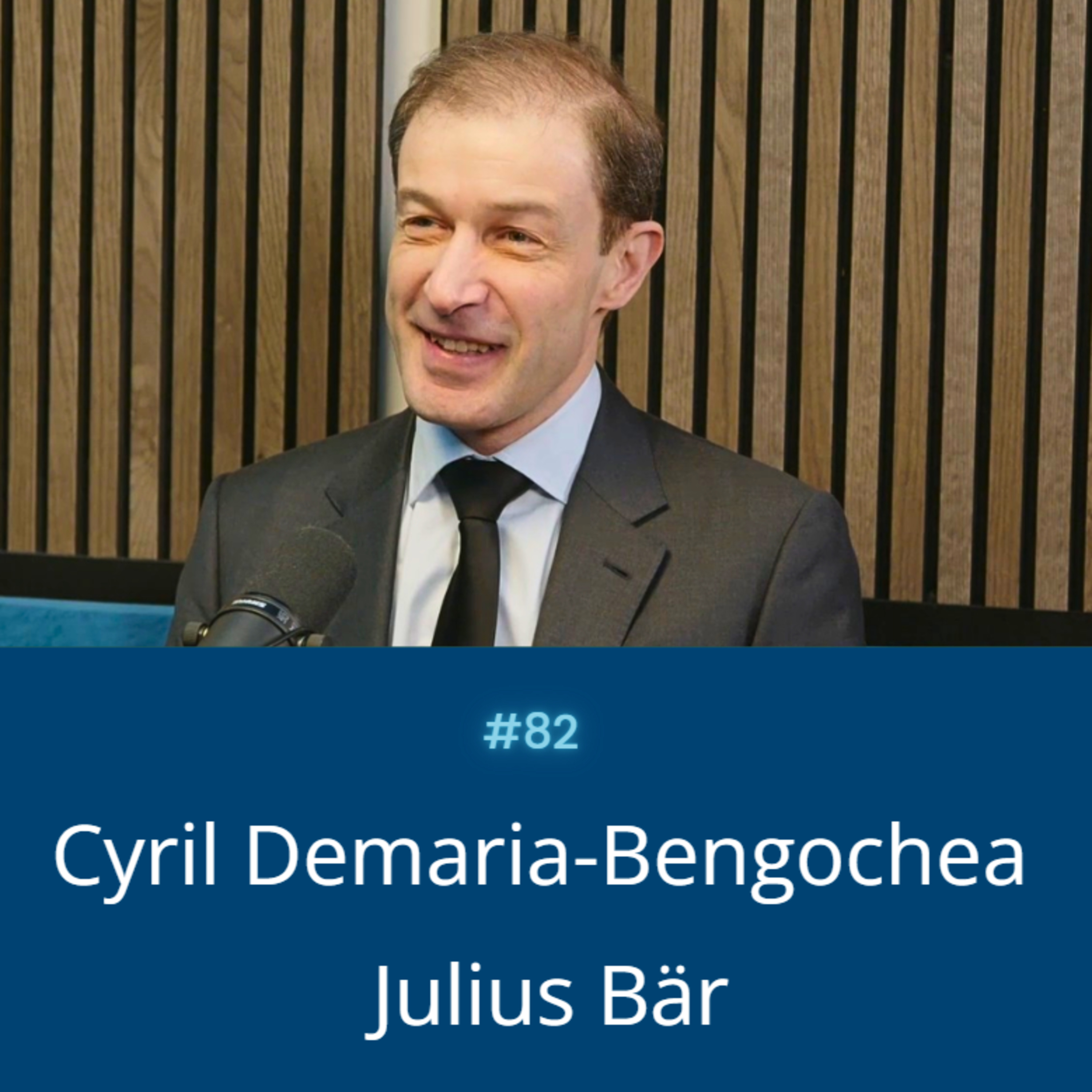
Evergreen Funds, Private Credit and the Information Problem | Cyril Demaria-Bengochea
Jan 700:52:29Tap to summarizeIn this episode of the Private Markets Podcast, Fund Shack, Ross Butler is joined by Cyril Demaria-Bengochea, Head of Private Market Strategy at Julius Baer and Associate Professor at EDHEC Business School.Cyril brings a rare combination of academic rigour and practical industry insight, shaped by his work with institutional investors, private banks, regulators, and industry bodies including Invest Europe and ILPA. Together, Ross and Cyril unpack what is really changing in private markets, why innovation is accelerating despite slower fundraising and exits, and why information quality, not liquidity or leverage, is now the industry’s biggest constraint.The discussion explores how continuation funds have moved rapidly into the mainstream, why evergreen structures have become central to private-wealth portfolios, and where the real risks sit beneath commonly used labels like “semi-liquid”. Cyril also offers a measured, data-driven view on private credit, arguing that its growth reflects capital filling the void left by regional banks rather than an unchecked expansion of systemic risk.The episode goes on to examine listed versus unlisted private equity, the limits of trading private shares without public-market disclosure, and how private markets increasingly compete with fixed income rather than public equities in long-term portfolio construction.This is a technical, practitioner-focused conversation for allocators, advisers, wealth managers, and professionals navigating private markets at scale.Topics covered include: Evergreen private equity funds, continuation vehicles and GP-led secondaries, private credit and direct lending, portfolio construction for private wealth, listed private equity vs unlisted structures, liquidity and redemption risk, transparency and due diligence, AI and venture capital cycles, and the role of information in market discipline.🔹🔹🔹🔹🔹🔹💼 Cyril Demaria-Bengochea Head of Private Market Strategy at Julius BaerAssociate Professor at EDHEC Business SchoolAuthor and advisor to Invest Europe, ILPA, and the European Commission🌐 https://www.juliusbaer.com/international/en/our-solutions/investing/other-solutions-and-products/private-markets-offering/🔗 CONNECT on LinkedIn https://www.linkedin.com/in/cyril-demaria/Ross ButlerFounder and Host Fund Shack 🌐 www.fund-shack.com🔗 CONNECT on LinkedIn www.linkedin.com/in/rossbutler1/🔹🔹🔹🔹🔹🔹📘 Order Ross Butler’s book 👉 Invest Like a Barbarian: Share in the spoils of the Private Markets revolution ♾️ http://q-r.to/Invest-Like-A-Barbarian🎬Meet the Author webinars https://l.ead.me/BarbarianWebinar#investlikeabarbarian 🔹🔹🔹🔹🔹🔹Fund Shack is a podcast exploring private equity, venture capital, private credit, infrastructure and real assets, through in-depth conversations with the investors, founders and thought leaders shaping the future of private markets.🔗 More episodes: www.fund-shack.com💡 Suggest a guest: katie@linearB.media 📩 Subscribe to our Substack: https://privateequitypodcastfundshack.substack.com/🔹🔹🔹🔹🔹🔹
Transcribe →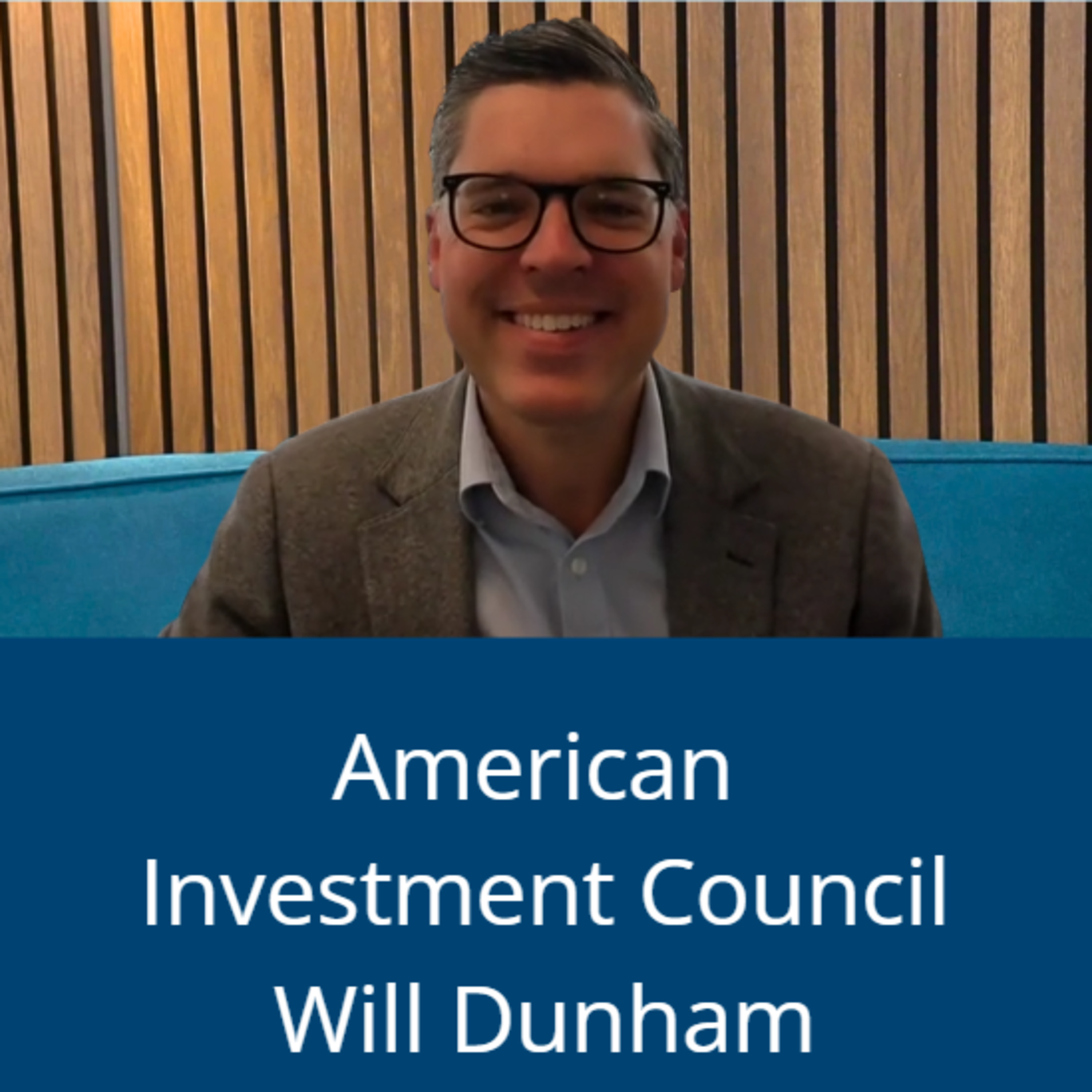
Private Equity Myths vs Reality: Jobs, Housing and 401(k)s | Will Dunham American Investment Council
Dec 1100:34:49Tap to summarizeWill Dunham, President and CEO of the American Investment Council, joins Fund Shack to unpack one of the most misunderstood debates in modern finance: the real economic impact of private equity and private credit in the United States.We explore how private capital supports 13 million American jobs, why online narratives around housing and healthcare often diverge from the data, and how private equity is funding manufacturing reshoring, AI infrastructure and national security. We also examine the policy shift opening 401(k) retirement plans to alternative investments, the controversy around private credit and systemic risk, and the broader question of whether private capital remains aligned with everyday Americans.Topics include: 🔹private equity in US housing🔹build-to-rent supply🔹rent-to-own models 🔹healthcare access and innovation🔹 the growth of private credit🔹Federal Reserve research on systemic risk🔹the shrinking US public markets🔹pension fund returns🔹the diversification challenge for retirement savers🔹the SEC private fund adviser rule🔹the political dynamics shaping private capital's licence to operate.For investors, advisers, policymakers and allocators seeking a clear view of how private markets actually function on Main Street, this episode offers grounded analysis rather than headlines.🔹🔹🔹🔹🔹🔹Thank you to our episode partner, Brookfield’s Private Equity Group: A Global leader in acquiring and driving operational transformation in industrials and essential business services.For more information, visit: www.brookfield.com/it-takes-industry🔹🔹🔹🔹🔹🔹💼 Learn more at: Will Dunham President and Chief Executive Officer🌐 www.investmentcouncil.orgCONNECT on LinkedIn www.linkedin.com/in/dunhamwill/ Ross ButlerFounder and Host Fund Shack 🌐 www.fund-shack.comCONNECT on LinkedIn www.linkedin.com/in/rossbutler1/🔹🔹🔹🔹🔹🔹📘 Pre-order Ross Butler’s book 👉 Invest Like a Barbarian: Share in the spoils of the Private Markets revolution ♾️ http://q-r.to/Invest-Like-A-Barbarian#investlikeabarbarian 🔹🔹🔹🔹🔹🔹Fund Shack is the private equity podcast with in-depth conversations with investors, founders, and thought leaders shaping the future of private markets.🔗 More episodes www.fund-shack.com 📩 Subscribe to our Substack: https://privateequitypodcastfundshack.substack.com/Suggest a guest: katie@linearB.media🔹🔹🔹🔹🔹🔹
Transcribe →