Podcast
Future Nonprofit
Hosted by Historic Agency · EN
Join Ted Vaughn, co-founding Partner of Historic, award-winning author, and social entrepreneur, as he uncovers bold strategies and best practices from top nonprofits and social-impact businesses. Hear personal stories and hot takes from inspiring guests navigating the path to a more innovative and impactful future for nonprofit organizations.
Future Nonprofit has been featured in Forbes and is a Webby Awards honoree.
In each episode, we explore all things innovation to amplify the future of nonprofit impact, discover best practices from top nonprofits and social-impact businesses, and explore daring ways to think about and solve your organization's big problems.
Watch the full interviews at futurenonprofit.com or on YouTube --
21episodes
Episodes
Newest firstAll episodes
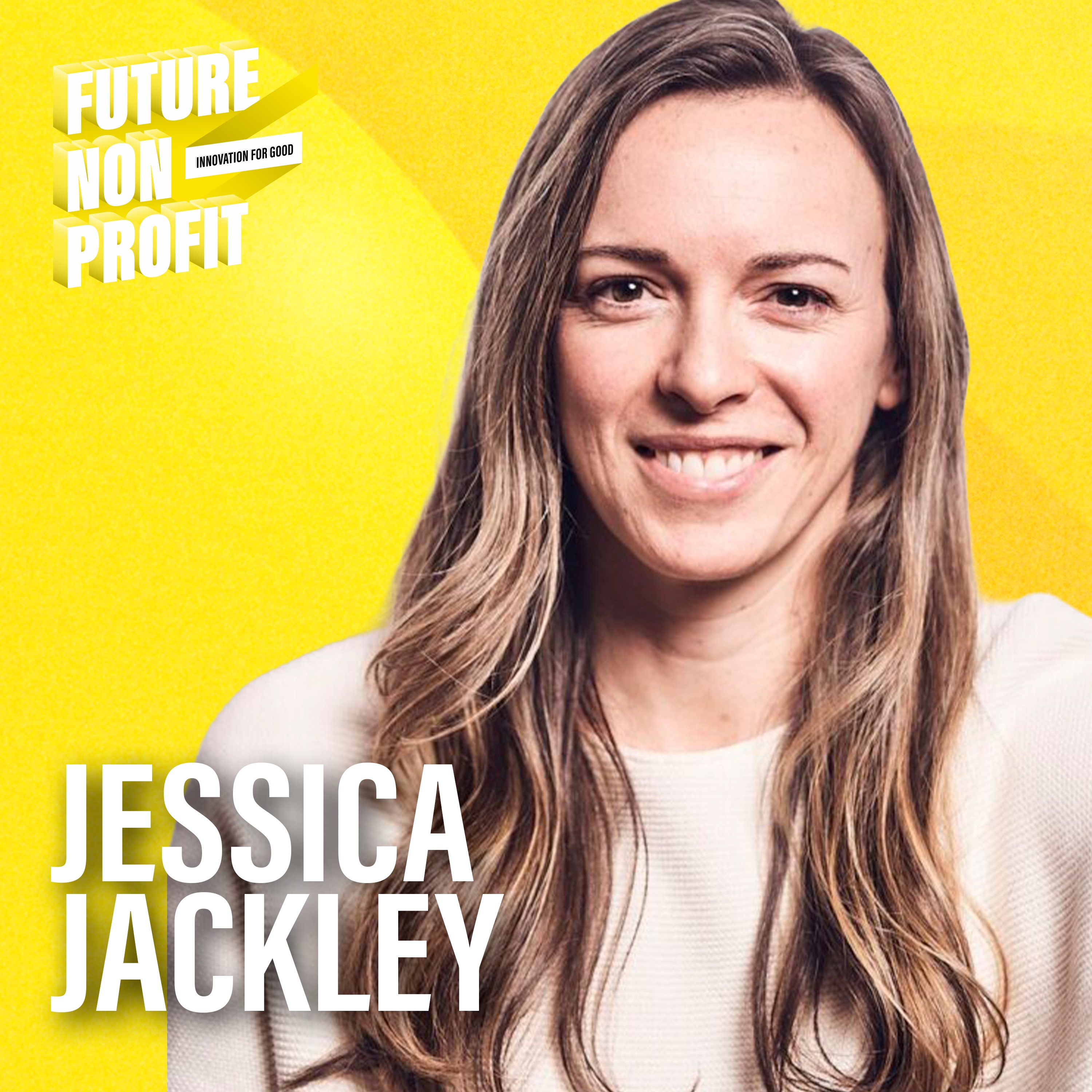
Jessica Jackley on How to Embrace Tension as a Leader & Build an Unforgettable Organization
2w ago00:34:10Tap to summarize“You should ask yourself first, what truly, like in your bones, do you actually value and what do you really wanna get done in the world?” –Jessica JackleyJessica Jackley’s answer to this question has always been the same: To help people. But she never guessed she’d do it as an entrepreneur.Jessica once believed that business was nothing but greed and manipulation. But then something funny happened: Entrepreneurs kept proving that capital could be used for good. So she listened—to talks from Dr. Muhammad Yunus, to the early pioneers at the Center for Social Innovation at Stanford, and to her friends in East Africa with brilliant plans to better their communities with just a hundred dollars.That listening led Jessica to start Kiva, now one of the world’s largest crowdfunding platforms for social good. Today, she’s leading the world in social entrepreneurism: proving that when we listen, connect, and design solutions around real human stories, the paths to helping people are infinite.In our conversation, Jessica shares her unexpected path to social entrepreneurism, how Kiva scaled, and her approach to designing an impact-driven career without sacrificing time with family.Find links to resources mentioned and key takeaways in the show notes for this episode: https://www.futurenonprofit.com/jessica-jackley
Transcribe →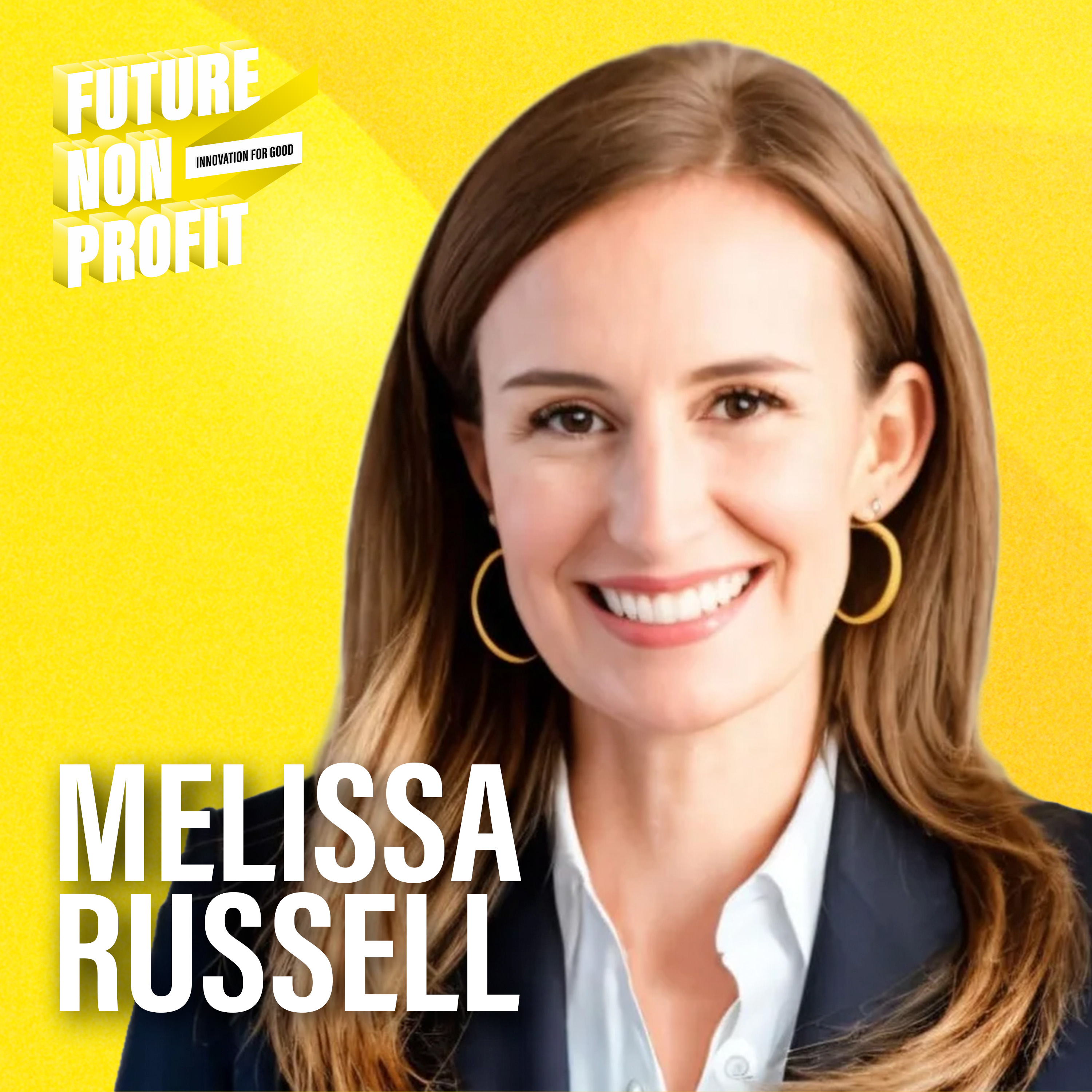
Melissa Russell on Scaling Innovation, Culture, & Team Alignment (charity: water)
Jun 300:34:13Tap to summarize“When you make the transition from operator to leader, you have to be intentional about how you’re defining success.”—Melissa RussellWhat does it actually take to scale a nonprofit without losing culture or clarity along the way?There’s no one better to show us the way than Melissa Russell. Melissa carries a wealth of nonprofit leadership experience as the current President of charity: water and former President of International Justice Mission (IJM), where she’s strengthened clarity and culture through seasons of growth and created environments where both results and people matter.Charity: water is an incredible organization. Not only have they funded over 186,000 water projects in 29 countries, but their innovation to engage donors in seeing exactly where their donation goes is second to none.In this conversation, you’ll hear how Melissa found her way into nonprofit leadership (or rather, how it found her), along with what she’s learned in such high-level roles about leadership, vision-casting, culture, and innovation.Listen in!Find links to resources mentioned and key takeaways in the show notes for this episode: https://www.futurenonprofit.com/melissa-russell
Transcribe →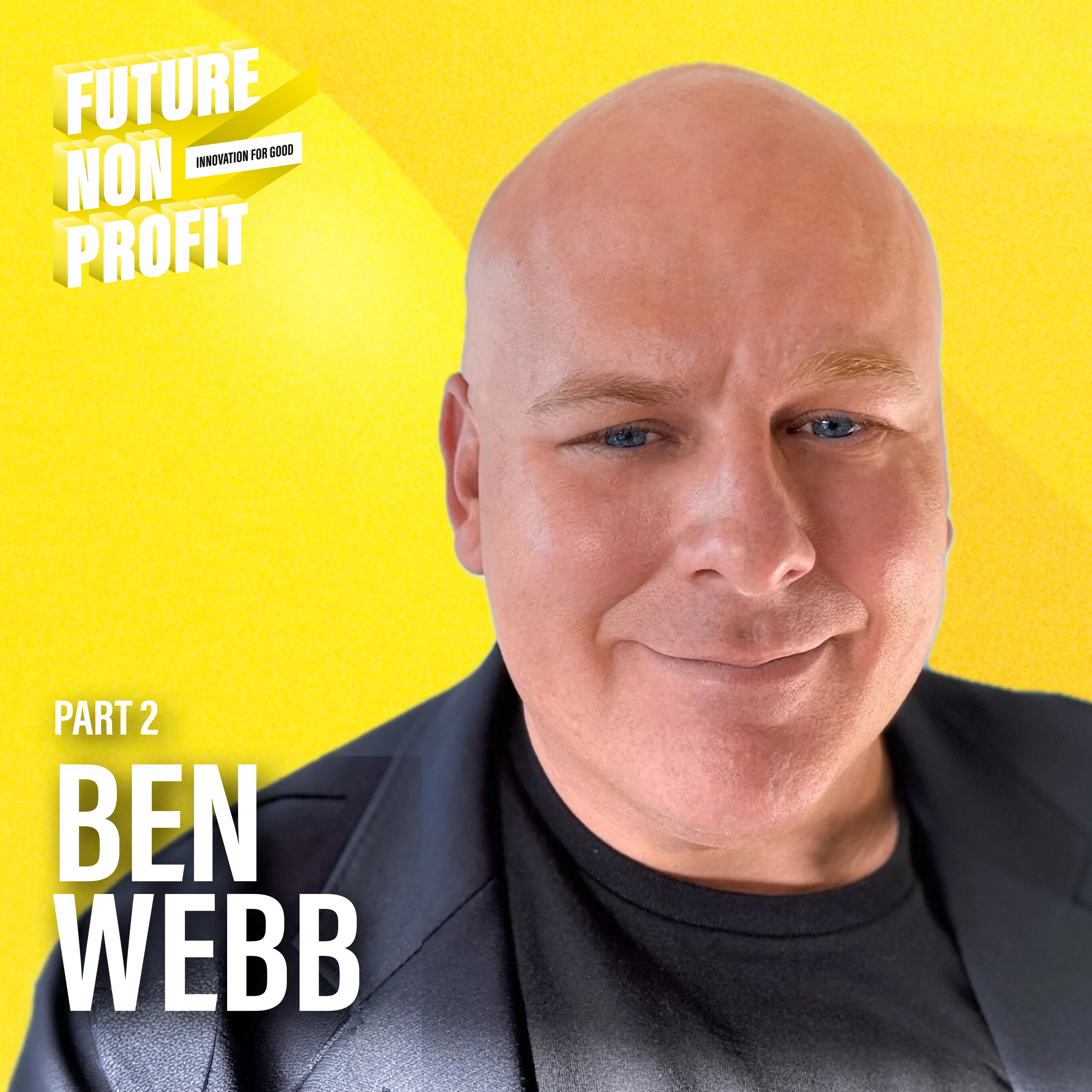
PART 2 | Ben Webb on the Most Effective Approach to Nonprofit Marketing (International Justice Mission)
May 700:25:36Tap to summarize“Much of what I've encountered throughout my career is people building a campaign to keep the organization happy versus meeting a clear, objective goal.” –Ben Webb(Did you miss Part 1? You can find it here.)Which department is accountable for a nonprofit’s revenue?If you said fundraising, you’d be with the majority. But according to Ben Webb, CMO of International Justice Mission (IJM), you’d only be partly right.Ben believes that when we view marketing as a revenue partner, marketing becomes a powerful culture builder—capable of amassing valuable insights, building trust between teams, upholding organizational excellence, and transforming the hearts of donors.And in this conversation, he shares the exact process they use to accomplish that at IJM.After this special marketing-focused episode, you’ll walk away with a reframe on storytelling in nonprofit marketing, an understanding of how to combat the “nothing’s working” challenge of nonprofit marketing today, and why accountability to results is such an opportunity on nonprofit teams today.Find links to resources mentioned and key takeaways in the show notes for this episode: https://www.futurenonprofit.com/ben-webb-part-2/
Transcribe →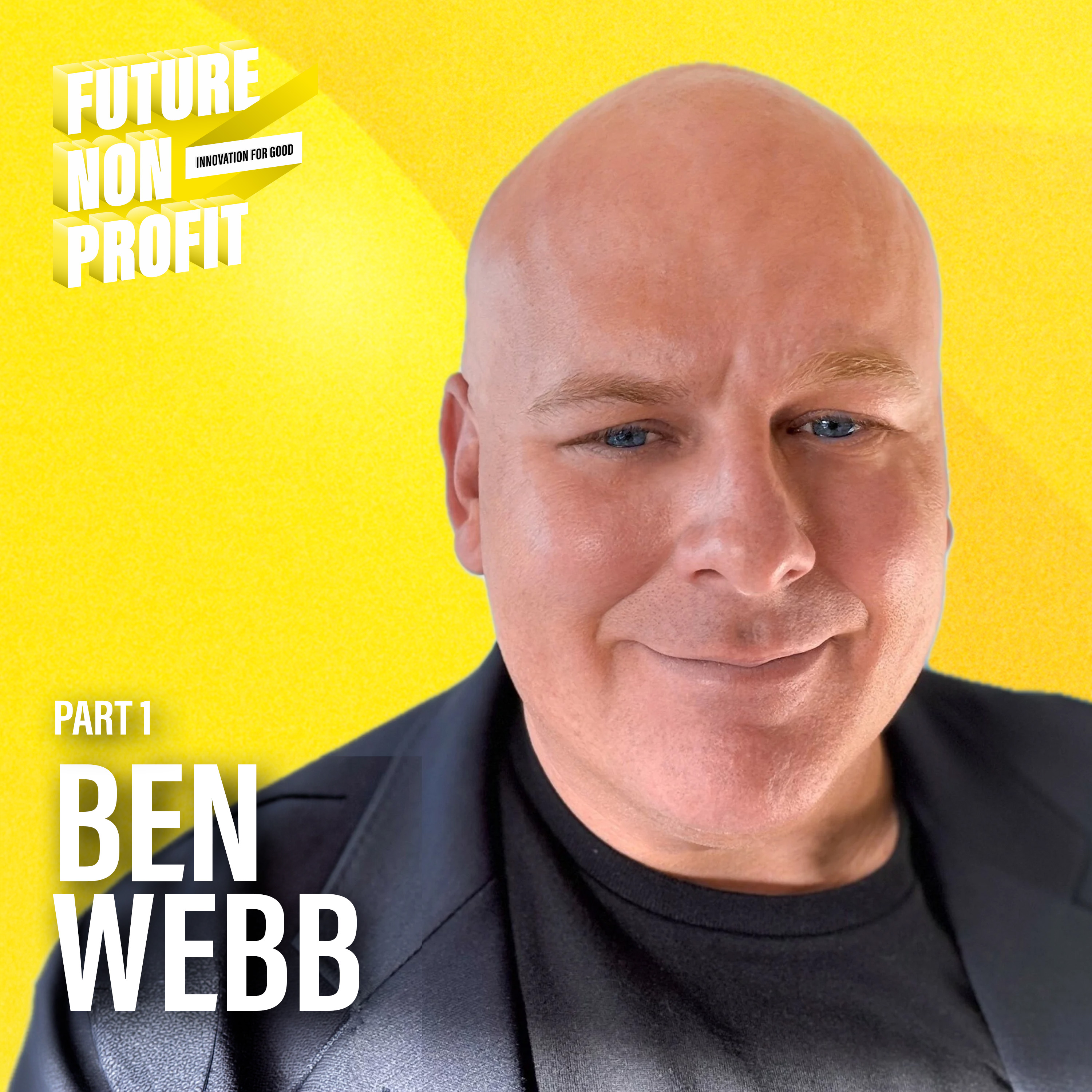
PART 1 | Ben Webb on Leading Without Losing the Mission (International Justice Mission)
Apr 100:32:15Tap to summarizeAs a leader, facing distractions is part of the job.Ben Webb, CMO of International Justice Mission (IJM), is committed to finding what he calls “sandcastles” in leadership—the areas we put our energy that just wash away without moving us closer to the ultimate outcome. Through his approach to marketing, he’s helping build an entire culture at IJM of stronger cross-department collaboration, communication, and innovation.If you’re not familiar, IJM works globally to build a future where children and families are safe from violence and slavery, including human trafficking.In this episode, Ben shares why compassion (not just for others, but also for yourself!) makes all the difference as a people leader, how inheriting a computer business started his unlikely journey towards nonprofit work, and how organizations let their focus drift from the ultimate mission as they grow.Ben is a mission-minded leader with a ton of heart, and I can’t wait to hear what you take away from his story.Find links to resources mentioned and key takeaways in the show notes for this episode: https://www.futurenonprofit.com/ben-webb-part-1/
Transcribe →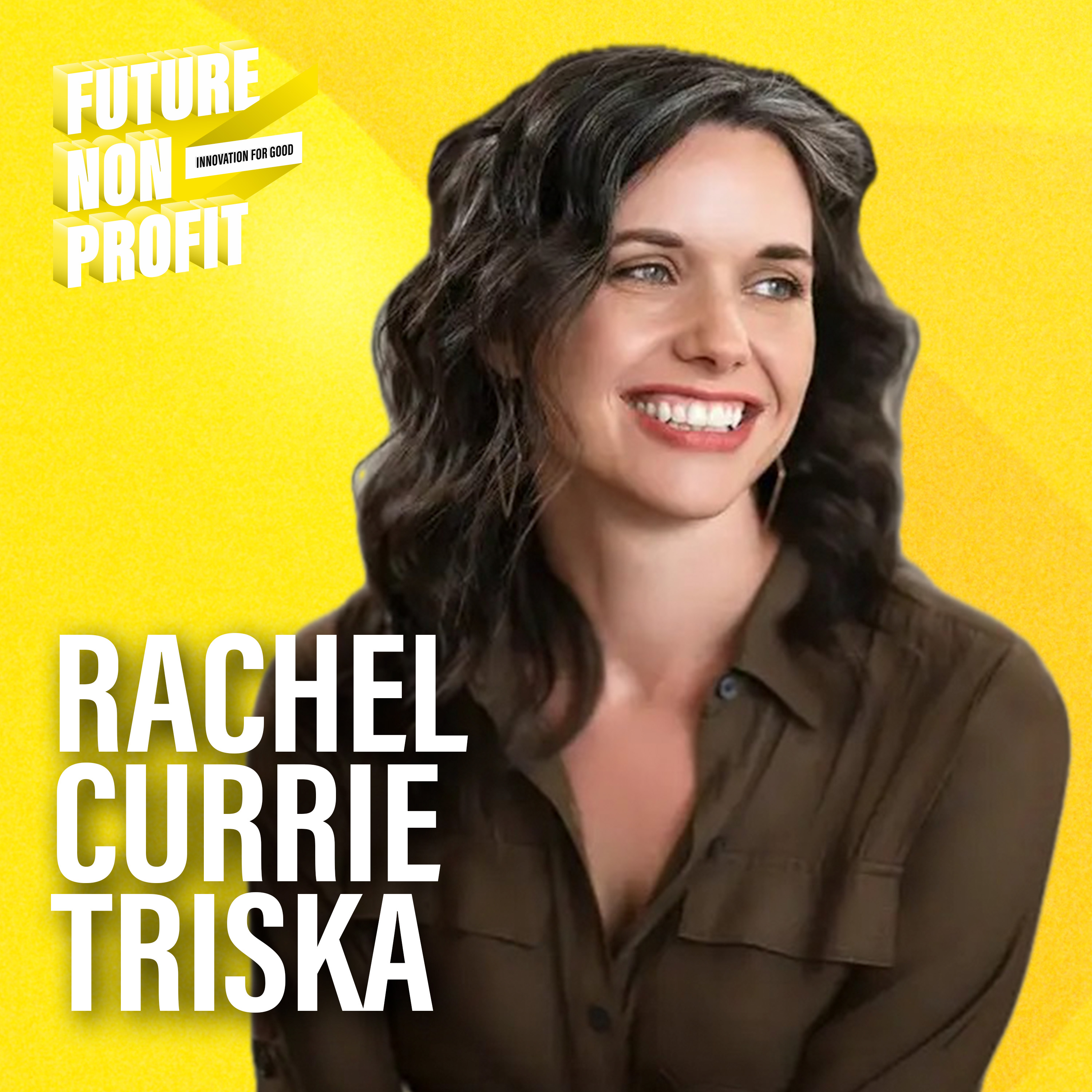
Battling Burnout Through Life-Affirming Systems (Rachel Currie Triska, VolunteerNow)
Mar 1800:38:52Tap to summarize“If you have one person in burnout, you can't address it by dealing directly with the symptoms of that person. It's the system that's making people burnout, not individuals.”Rachel Currie Triska learned the hard way that driving at full speed eventually burns out the engine.As a CEO, founder, and social change leader, Rachel’s default is high performance. But when burnout brought collapse, she was forced to build a new system: one where restoration is a prerequisite to performance.At VolunteerNow, she’s uncovering how to make restoration a foundational part of their culture, so community members, volunteers, and nonprofit operators thrive and transform all at once.In this episode, Rachel shares:What severe burnout actually looked like at the height of her leadership roleHow she maintains a life-affirming culture at VolunteerNow™Why leaders need to be honest about nationwide economic constraints for nonprofitsFind links to resources mentioned and key takeaways in the show notes for this episode: https://www.futurenonprofit.com/rachel-currie-triska/
Transcribe →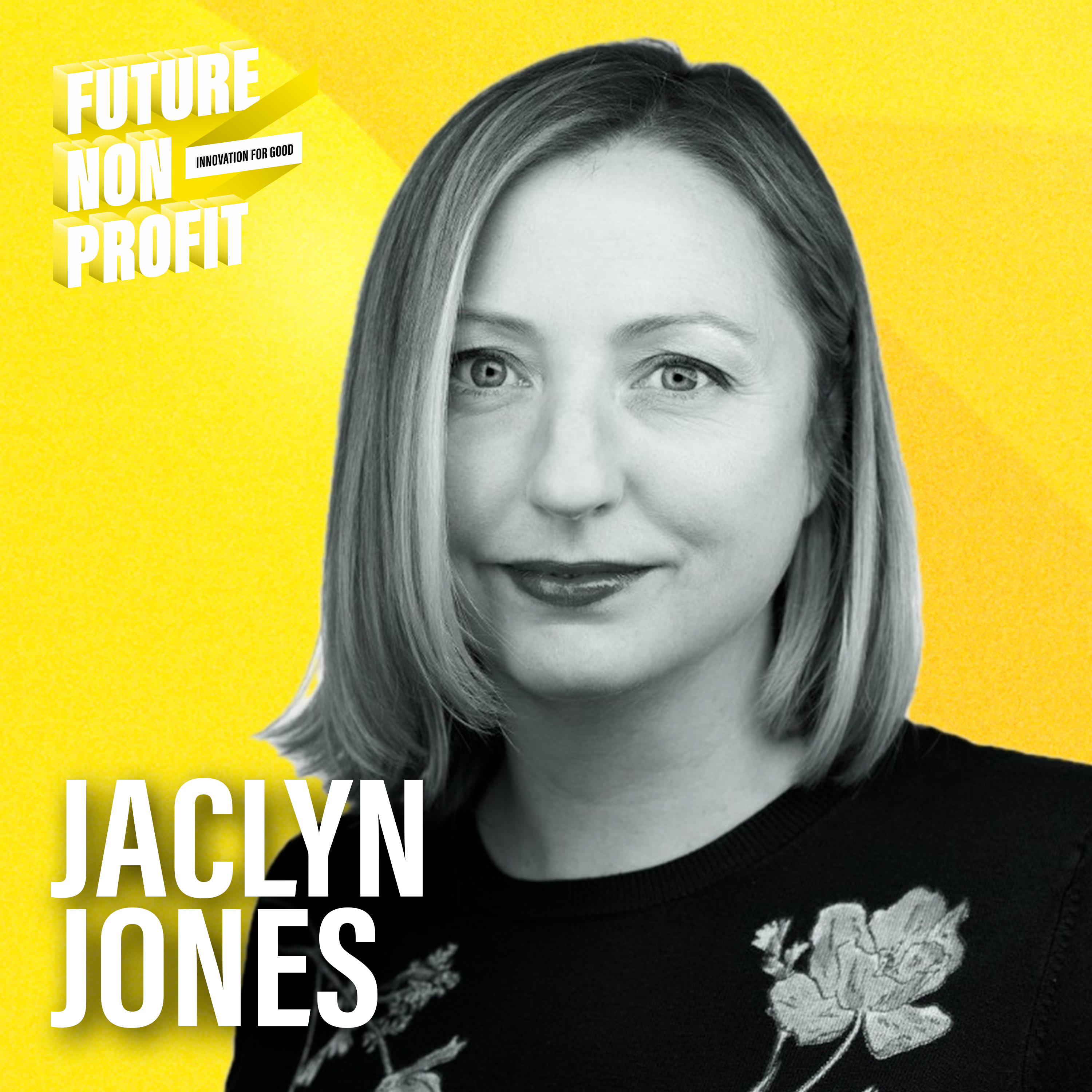
What Nonprofits Risk When Focusing Only on Short-Term ROI (with Jaclyn Jones)
Feb 2700:35:15Tap to summarize“I don't think there’s a generosity crisis. What I think we're seeing is less about the heart of people and more about the struggles people are going through right now.” –Jaclyn JonesOngoing retention decline has nonprofits chasing quick wins and short-term ROI. But when you believe without question that humans are generous like Jaclyn Jones, you play the long game.As the Chief Philanthropic Economist at Masterworks, Jaclyn is exposed daily to the economic trends behind giving. But in the face of downward trends, she doesn’t panic. She pivots. Jaclyn believes that sustainable giving is hidden behind short-term ROI numbers. And as nonprofits, it's our job to create the conditions, and build the relationships, that reveal it. In this episode, Jaclyn shares:How to look beyond immediate ROI numbers when analyzing retention and other success metricsWhy she thinks today’s economic trends actually disprove a “generosity crisis” in nonprofit givingHow to innovate your channel strategy to connect with donors in ways that are actually meaningful to themFind links to resources mentioned and key takeaways in the show notes for this episode: https://www.futurenonprofit.com/jaclyn-jones/
Transcribe →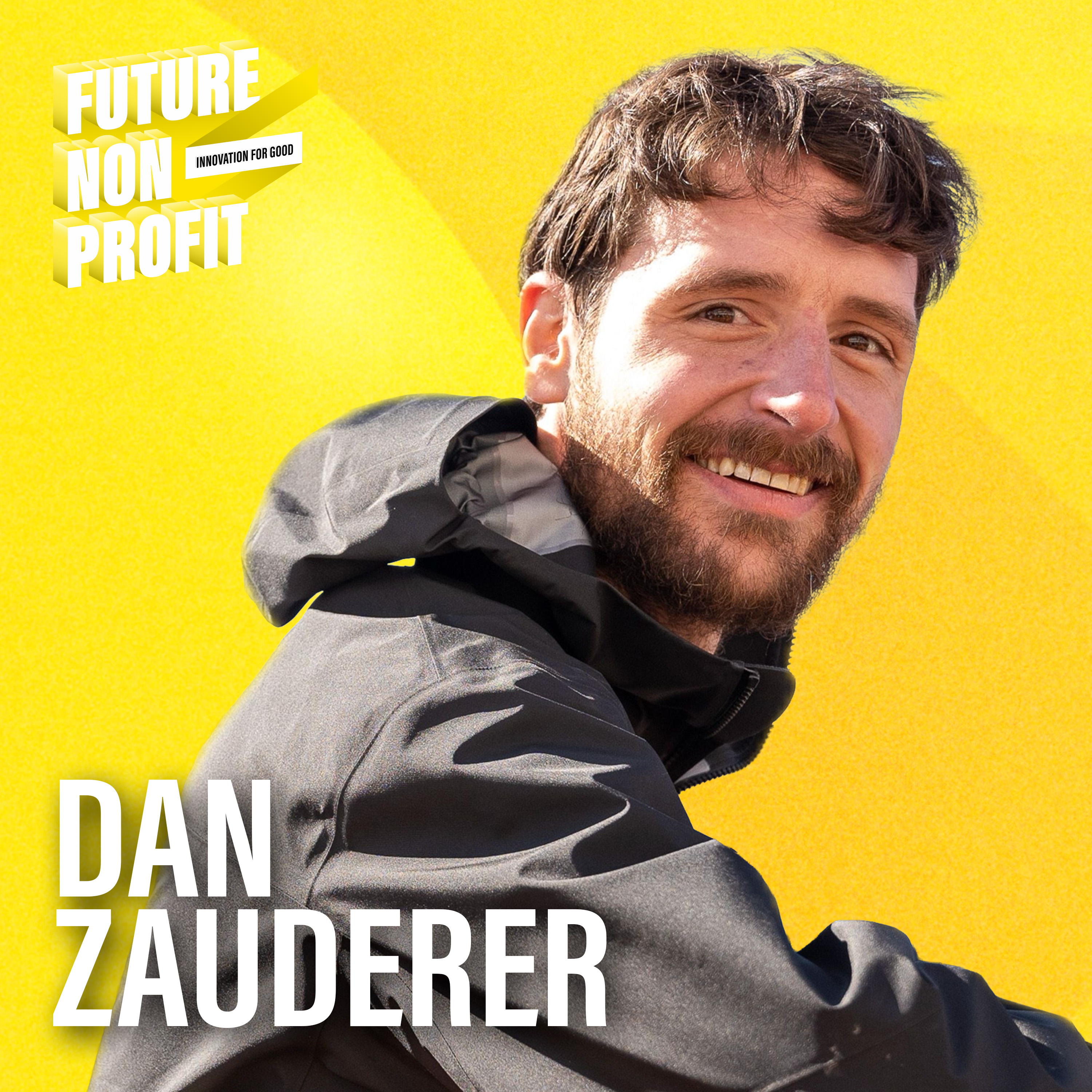
Feeding Community: Dan Zauderer on Multiplying Meals, Connection, & Impact in New York City
Feb 1300:33:23Tap to summarize“We're tackling the crisis of food insecurity, but we're also tackling this epidemic of disconnection. And we're building bridges and building connections that people are just craving right now.” –Dan ZaudererWhat if joy fed more than just the soul? What if it could fill a parking lot with a hundred volunteers, rescue pallets of unpurchased food, and drive it city-wide to families in need?It’s no fantasy. In the Bronx and Greater New York City, it’s happening.For Grassroots Grocery founder Dan Zauderer, what started as a single community refrigerator has exploded into a celebration of neighbors helping neighbors, full of genuine fun, memories shared, and countless families fed.What he’s found? The joy just keeps on growing.In this episode, Dan shares:The serendipitous makings of Grassroots Grocery and its growth from a single community refrigerator to a thriving nonprofitWhy he thinks joy and connection are the reason for his volunteer waitlistHow he uses technology to create a more human experienceWhat he’s learning about boundaries and growth in mutual aid leadershipFind links to resources mentioned and key takeaways in the show notes for this episode: https://www.futurenonprofit.com/dan-zauderer/*This episode includes a clip from an interview originally aired on the TODAY Show. That content is the property of NBCUniversal Media, LLC and is used here for informational purposes only. For the full segment, click here.
Transcribe →
Building a Memorable Brand: Jim Moriarty on Why Attention, Trust, & Competency Matter More Than Ever
Feb 500:38:40Tap to summarize“I do not believe that nonprofits live in a separate world. I believe that they live in the same world [as every other brand].” –Jim MoriartyNonprofits aren’t operating in a separate marketplace than for-profits. They’re competing for the same attention, trust, and loyalty as every other brand.Jim Moriarty, brand strategist and former CEO of the Surfrider Foundation, believes this is the case—positing that both sectors are after the same consumer attention, and that both are doing real good in the world.With vast experience in both sectors, Jim thinks nonprofits can learn a thing or two from for-profit brands about evaluating performance, building trust, and clarifying your mission.In this episode, Jim shares:Why the lines are blurry between for-profits and nonprofits for consumersWhy Nike’s mission to make sports accessible to all is actually a core part of their modelWhat nonprofits can learn from brands about building consumer trust and competency in delivering on their promiseHow a clear narrative, real-world activation, and constant feedback can accelerate momentumFind links to resources mentioned and key takeaways in the show notes for this episode: https://www.futurenonprofit.com/jim-moriarty/
Transcribe →
Succession, Legacy, & the Next Generation: A Conversation with Steve Woodworth
Dec 1000:30:27Tap to summarizeMany leaders build for today. Strategic leaders build for tomorrow.Steve Woodworth is one of those rare leaders who’s spent his life focused on legacy—measuring success not just by what happens during his time, but by what’s made possible for those who come after.“Did I set the organization up for the next generation to do even more than what we've done in my generation of leadership?”—Steve WoodworthSteve is a longtime leader in faith-based nonprofit marketing and organizational development. From early innovation at World Vision to building Masterworks, he has spent his career helping nonprofits create deep, meaningful, and sustainable impact. Most recently, he is also the author of Lost in Transition: Lessons from the Most Disastrous and Successful Ministry Successions.Today, Steve is navigating a pivotal succession at Masterworks, gradually moving from his position as CEO to an advisory role.In this conversation, he shares:Timeless principles for nonprofit marketing (many of which he learned while running cable TV programs for World Vision in the ‘80s!)How he’s navigated a years-long succession process in MasterworksWhy a “toe in the water” testing method is strategic for nonprofitsHow he schedules time for mentorship of his teamSteve is a leader with decades of wisdom to share around leadership and innovation. I (Ted) was honored to hear a portion of that wisdom in this episode.Find links to resources mentioned and key takeaways in the show notes for this episode: www.futurenonprofit.com/steve-woodworth
Transcribe →
Putting Trafficking Out of Business: Jeremy Vallerand on Building a Global Anti-Trafficking Network
Oct 2900:31:34Tap to summarizeHow do you fight global sex trafficking? With a global solution. Jeremy Vallerand (Atlas Free) shows how networked partnerships, not duplication, drive faster, measurable impact against exploitation.Jeremy founded Atlas Free to strengthen what already works: resourcing effective local partners instead of reinventing programs. Today, Atlas Free supports a global network focused on ending sexual exploitation and meeting urgent needs.In this episode, Jeremy shares:His unexpected road to founding Atlas FreeHow to utilize a network approach to leadershipAnd his challenging take on doing justice with mercyJeremy offers a new nonprofit model built on collaboration, showing us how building strong partnerships and treating others with dignity can lead to sustainable, collective change. Jeremy’s contagious conviction will challenge your thinking about mercy, fuel your own passion for justice, and give you a new perspective on how we bring change to the world.Find links to resources mentioned and key takeaways in the show notes for this episode: www.futurenonprofit.com/jeremy-vallerand
Transcribe →