← Get Sleepy: Sleep meditation and stories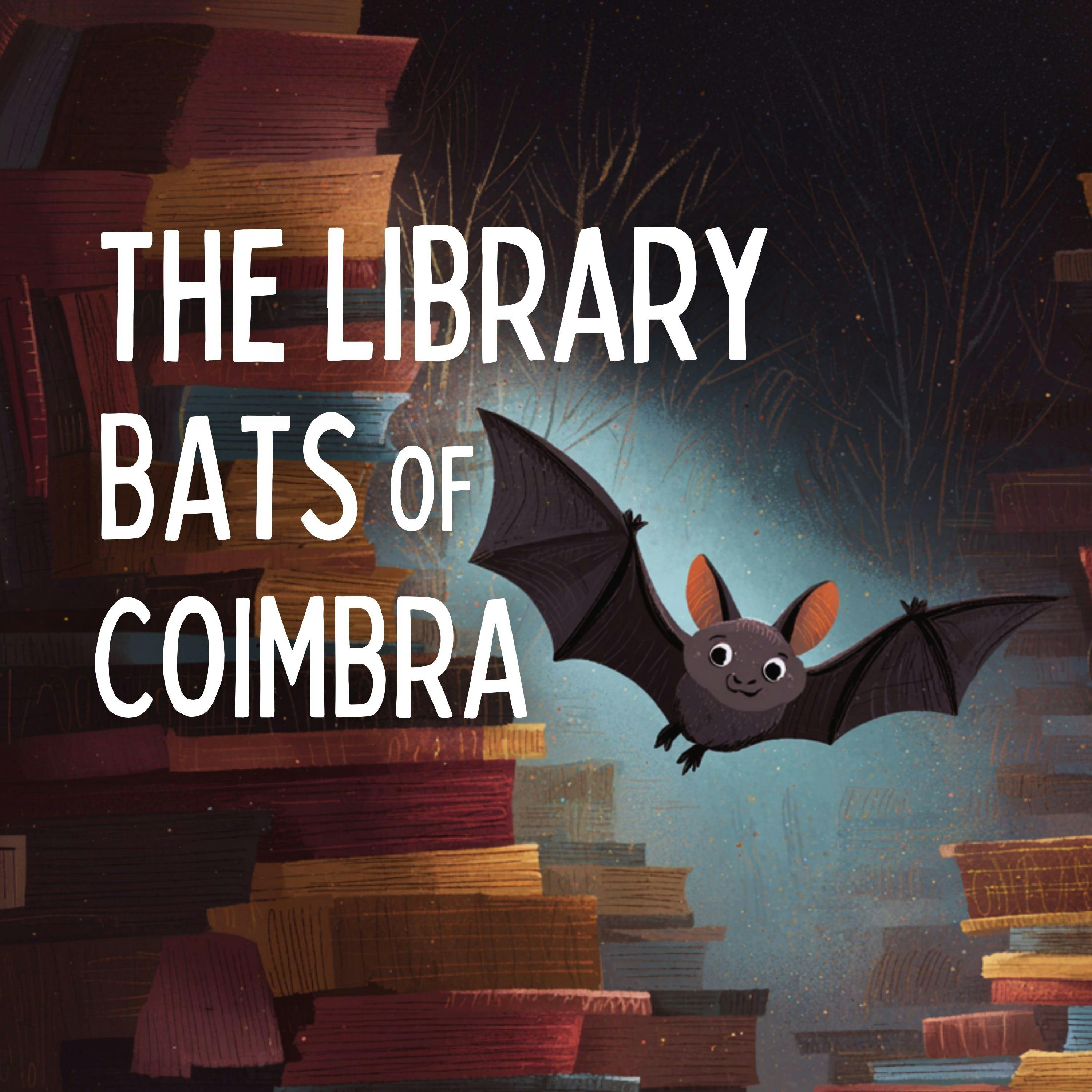
Loading summary
Transcript3 lines
- [00:01]
A
If you've benefited from Get Sleepy, then the single best way you can support our work is with a Premium membership. And right now is the very best time to try out Premium because during the month of October you can enjoy a 90 day free trial on any Premium membership in our network. You'll get ad free listening across the entire catalogue, access to all exclusive bonus episodes, and much more. Totally free for 90 days. So if you've been thinking of trying a Premium membership or wondering how you can support our work, now is the perfect time. Give it a go for a few months before you commit and see if the Premium experience helps you sleep even better. You can cancel any time. Don't wait though, because the 90 day free trial is only available during the month of October. So take advantage of this incredible deal now by going to slumberstudios.com premium. That's slumberstudios.com premium. Or if you're on Apple Podcasts, you can sign up directly in the app. Thank you so much for your support. A big thanks to tonight's sponsor, Nature's Sunshine. Last time I told you about their amazing Brainedge supplement which helps with focus, clarity, energy and more. Well, this time I'm going to tell you about Marine Glow, the only collagen product clinically proven to protect against blue light while supporting both skin and eye health. Most of us spend a lot of time in front of screens nowadays. Blue light damage doesn't just happen to our eyes, it impacts our skin too. That's why Marine Glow is such a great product. It's a delicious, refreshing tropical flavoured drink that's clinically proven to increase skin hydration by 40% and improve the skin's natural defense against blue light by 200%, helping to ward off digital aging. Plus, clinically studied ingredients safeguard vision from screen related stress so your eyes are well looked after too. Protect your eyes and skin against harmful blue light effects with marine glow. Get 20% off your first order and free shipping by using checkout code getsleepy all as one word@naturesunshine.com that's code getsleepyaturesunshine.com I'll leave the link in the show notes as well.
- [02:50]
B
When did making plans get this complicated? It's time to streamline with WhatsApp, the secure messaging app that brings the whole group together. Use polls to settle dinner plans, send event invites and pin messages so no one forgets mom 60th and never miss a meme or milestone. All protected with end to end encryption. It's time for WhatsApp message privately with everyone. Learn more@WhatsApp.com.
- [03:17]
A
Good evening and welcome to Get Sleepy where we listen, we relax, and we get sleepy. I'm Thomas, your host and I really appreciate you being here. Thanks for joining us for the fourth of five bonus episodes we're releasing each Friday throughout October, the last of which will be coming out this time next week on Halloween. That's because during the month of October we're offering a 90 day free trial to any new subscribers of Get Sleepy Premium or the entire Slumber Studios Podcast bundle. And we wanted to mark this really special offer by bringing you even more great content to enjoy with the 90 day free trial. You can listen to all our episodes completely ad free, access our Premium exclusive Thursday episodes and enjoy our entire back catalogue of stories and meditations dating all the way back to November 2019. It really is the very best time to become a Premium member, so to enjoy your 90 day free trial, visit slumberstudios.com premium and I'll put a link in the show notes too. Our story tonight was written by Alicia Stefan and I have the pleasure of reading it for you. Get cozy in your bed as we whisk you away to the famous Biblioteca Joannina or Joannin Library at the University of Coimbra. Once we're within its ancient walls, you'll meet one of its many tiny resident bats who live side by side with precious tomes and keep them safe from gobbling insects. Never fear. Just like you, the bats are welcome in the oldest library in Portugal. It may be hard to believe, but the librarians have been graciously accommodating them for more than 200 years. And if you feel nervous about the idea of meeting the bats in our story, you can rest easy. Our friendly protagonist and his family are nearly undetectable by day and hard at work minding their own business. By night. You will merely be alone as a welcome observer before we embark upon this fascinating journey. Tuck yourself up in bed where you feel cozy and warm. Wiggle your fingers and toes, allowing them to relax. Gently loosen your jaw and let go of any tension you've been holding there. Then breathe in through your nose. Hold at the top for a few seconds and exhale very slowly. Repeat this cycle, allowing yourself to settle more and more each time. Now we will have to be very quiet to observe these bats, so let go of busy thoughts and daytime worries. As you'll see, nighttime in the library is a whole different place from the one humans inhabit by Day, it is time to let go of the world of people and step over to follow the friendly helpers of the dark. This is where our story begins. During the sunlit day, Pip and his family slept in their secret places. They had lived in the grand halls of the library his entire life. According to his family members, so had his forebears. His parents, their parents and their parents before them had always dwelled in the peaceful spaces of the Johannine library, quietly resting in its nooks and crannies by day and roaming its isles, unfettered by the light of the moon. Unlike bats in wild places, they did have to compromise with the humans a little. When the sun rose, the people came and opened the old wooden doors. They began trickling through the library and removing the protective cloths that had covered the furniture. At night, when everything was clean and ready, they opened the doors to the legions of guests once again. People came all day long in groups, inching their way along the red carpet that ran down the middle of the library. They stayed contained there, penned in by the ropes along the walkway. But they craned their necks greedily, devouring the room with their eyes. Each person gazed in awe at the soaring ceilings, the beautiful paintings, and the countless wonderful books. They were amazed by these rows and rows of books, some of which had rested there for hundreds of years. Most of the time, Pip was peacefully sleeping while the people visited. But occasionally he would wake and watch them cycling in and out in small groups. Sometimes there would be one person talking loudly to the others. This lead person would drone on about human things. If Pip could have understood, he would have learned all about the construction of the library in the early 18th century. The talking person would direct the visitors to the portrait of King John V of Portugal, a lover of enlightenment who had given input on the design of the library. They would elicit head nods and murmurs while pointing out the significance of building a library where only a small medieval prison had once stood. If he'd been able to understand the guides, Pip would have swelled with pride when they described the colony of soprano Pipistral bats who lived in the library. He would have enjoyed the amazement of the visitors as they learned about how he and his family were considered important pest control, keeping the precious books safe from harm. But Pip knew nothing of these things. He had his own view of the world inside the Joannin Library. Pip knew all of the books by their smells and their places on the shelves. The scent of the old tomes was home to him. They meant safety and comfort. Each night, when the humans Sit close to the old wooden doors and the moon first came through the windows, he and his family would emerge sleepily from their hiding spots and begin their nightly work. Swooping and soaring through the library, they snapped up tiny insects that would seek to take up residence in their stacks, eating their precious walls of words and paper. Although they were very small, Pip and his family took this work seriously and could eat as many as 3,000 tiny insects in one evening. Bats were the only wild creatures who were welcome in this place. The humans and the bats didn't see each other during the humans daytime visits. But sometimes when the library hunkered under grey and rainy skies, or right when dusk crept in the tall windows, he and his family would sing happy little waking sounds to each other. On those occasions, the children, and only some of the adults in the room, seemed to notice. They would nudge each other with excitement and strain to catch more. For those with excellent hearing, it was a rare opportunity to be assured that Pip and his family were really hiding there behind the books, just as the tour guide had promised them. And when that batsong became audible, they knew that the animal helpers of the Johannine Library were preparing for their nocturnal activities. When night fell, the librarians and caretakers would close the heavy teak wood doors of the library and go home. Finally, the bats would venture out from behind their oak shell. Those first hours after sunset were a busy time. Even though Pip was a mere 40 millimetres in length from head to tail, he would confidently spread his wings to their maximum span of five times that amount. The best hunting was no more than a few meters from the ground in a short time. Despite his petite size, Pip could eat thousands of destructive little bugs. When he wasn't gracefully sweeping up insects, he sometimes soared high into the graceful arches of this, the top floor of the library, where the lofty ceilings were heavily decorated with priceless paintings. Pip didn't know what these images meant. He didn't care that they represented the ideals and principles of the people who had created his library home. In contrast to the humans who visited its confines each day, he wasn't impressed by the aged black, red and gold painted shelves, the elegant tables or the fancy red carpet. He did not secretly yearn to climb the ladders to the forbidden mezzanine above the main floor, or gently plunk the keys of the impressive grand piano. He didn't marvel at the graceful white and gold columns that appeared to hold up the artificial sky under which he floated. And he did not gawk at the decorative patterns on the age old Floors. Pip had no idea that the books behind which he roosted at night were hundreds of years old. His lifespan, which seemed grand to him, would likely be no more than a decade, a mere 10 years at most, out of the centuries during which his family had been caretakers of this place. And it was probably best for his pride that he didn't know that the books were also periodically sanitised in a nitrogen chamber as further protection against pests. Pip didn't know what nitrogen was, but he felt that bat security was the best possible maintenance for the library. He would not have seen the need for more. He didn't even know that modern devices were constantly monitoring the temperature and humidity inside his home, making it easier for the humans to preserve the treasures inside. Why shouldn't 2 meter thick walls and grand old wooden doors be sufficient? They had been for his ancestors. Pip felt strongly that he was enough, because this was the only job he had ever known. Besides his family, there were a few other bat occupants who shared their space. These bats seemed very large to Pip, measuring more than twice his size. They were also notoriously solitary and grumpy. He always knew when they were about to come out of their hiding places because they'd make a rattly noise first. But this other species of bat lived harmoniously with his family and didn't cause him any bother. In fact, they didn't even like to eat the same tiny insects as the soprano Pipistrelles, preferring larger moths and beetles. So the help that the larger bats gave in keeping the library clean was welcomed by all. They just weren't very jolly company. He was aware that there were other rooms beneath the floor where he hunted. Legend has it that one of his predecessors had flown down there through an open door long ago. But this enterprising bat had not liked the lower ceilings, they say, or the lack of roosting spots. He hadn't wished to linger in these inferior spaces, where the glory of his library home was much diminished. The floors downstairs were not worth the wander. The other bats said. Do not seek the portals to go below. Stay upstairs, where it is beautiful and safe, his family always said. There were also portals that led upwards to the balcony level, but only the humans needed them. The librarians used doors hidden in fake marble arches in order to climb to the mezzanine levels, where only they were permitted to go. Likewise, the ladders on the balcony level tucked neatly into the bookcases, retrieved as they were needed only by those who were authorised. Pip required neither ladder nor door. He spread his wings and soared as high as he liked, embracing all the sky the library contained no place in that room was off limits to him. Almost everything Pip needed was inside the main floor of the Joanin Library. Only one thing was lacking, and that was water. Each night, when his tummy was full, Pip would follow his family members through gaps in the heavy wooden doors or out of the open windows. Shortly before he was born, those grand doors had been replaced, but the gaps had been preserved just for the bats. With this unfettered access, each night his family surged out into the night sky to fly above the ancient city of Coimbra. Free from the completed task of hunting, they would twist and soar more freely, hurtling their tiny bodies through the town with new freedom, they made their merry way towards the Mondego River. Weighing roughly the same as a €1 coin, pip and his family could travel as fast as 30 or 40 kilometres per hour. When they weren't feeding on insects. With their dinner behind them, they were on a mission to get water. As the tiny brown creatures hurtled through the city, they flew above terraced streets containing rows of tall, colourful buildings. In contrast, the many white houses glowed faintly in the moonlight, nestling under their reddish brown tile roofs. The little bats surely thought nothing of the exquisitely preserved medieval Midtown, the 17th century bell tower, or the 12th century cathedral that was built in the durable Romanesque style of thick walls and round arches. They sometimes performed dazzling acrobatics around crosses and statues placed all over the city by those mysterious humans of the past. Pip and his family had no awareness that this great city was once the capital of Portugal, or that no fewer than six medieval kings had been born there. They also couldn't know of the role their library home played in the history of its great university. But they did have a sense of place and of permanence. To them, the storied nighttime streets of Coimbra were home, as it had been for their many ancestors, dwelling in their baroque vault of books and manuscripts, While more than 140,000 human residents settled down to sleep. The bats soared past the narrow winding streets and the closed shops. And as a backdrop to this maze of streets, businesses and homes, there was always the shining Mondego river in the distance, with the midnight blue sky up above. Behind that lay the silhouette of the Serra Delusia mountain range, as if painted on the horizon, its dark hills cloaked in low lying fog. There was an old story that a magical forest had once existed beyond the city. According to the tale, there were many wondrous creatures living there, and it was rife with buried treasures. Supposedly, a number of adventurers went into the forest hoping to discover its secrets, but none ever returned. Pip and his family did not know this story. The river was as far as they would wander, but it was a majestic waterway, and it was enough for them. Their entire world existed between its silver ripples and the library, where they roosted by day. Nearing this nightly destination, Pip and his family zoomed effortlessly among the tall old trees that lined the riverwalk. Occasionally, they would pass a pair of lovers walking hand in hand, or a lone person pondering the stars. Pip loved to feel the rush of air across his little face, just ever so slightly pink against his dark brown fur. To be under this canopy of stars after so many hours tucked inside a hiding place in the library was exhilarating. His life was a comfortable balance of safety and adventure, his days balanced with his nights. All was as it should be. After quenching their thirst at the river, the bats would circle and fly homeward again. They retraced their path through the drowsy city. Down below, humans still gathered in cafes and restaurants, chatting in pockets of the town, often drifting upward through the darkness. All the way to the bats came the plaintive sound of the local fadhu music as men sang yearning words to the sound of melancholy strings. Almost certainly, many of these evening merrymakers were students. Coimbra was home to one of Europe's oldest and greatest universities. There was even a legend about a prince who so desired to study that he disguised himself as a student before he was discovered and returned to his royal position. He fell in love with a local girl in Coimbra. According to the story, he treasured her always and would often secretly return to see her again. But while the bats listened to the singing of the humans, the people on the ground didn't have hearing strong enough to detect the bats. This was due to the high frequencies of the sounds that Pip and his family used to orient themselves in the dark, using echolocation. At about 55 kilohertz, their tiny noises wouldn't have been within the range of sound that even a child could notice. And so they sailed through the darkness, sure of their path, but without attracting the notice of any revellers or stargazers on the cobblestone streets of Coimbra. But tiny bats need a lot of sleep. Pip and his family were not meant to roam the shores of the river or all night. Nor did they feel the need to hunt insects until the dawn. Slipping one by one through the gaps in the heavy wooden door, they happily returned to the library each evening, refreshed by their journey to the water. Once they had reclaimed the space, they explored it anew. They refamiliarised themselves with the interior shape of its ceiling. They flew near the portrait of King John V on the wall with its jaw dropping frame rich with gold flourishes. They swooped past decorative pillars, easily climbing to the top level of bookcases, out of the reach of any person without a ladder. They luxuriated in their space, just big enough to accommodate them, but small enough to feel cosy, safe and known. And then, one by one, the little bats, and even the solitary big grouchy bats found their way to their favourite roosting places. If there had been a human observer, they would have seen the pairs of wings dwindle gradually as one very tired bat followed another, seeking that clandestine space amid the cosy smelling tomes. Once there, they settled themselves in, folding up their wings. Then, as bats must do, they relaxed only after turning themselves upside down and attaching their little feet to their usual rooster. After exchanging sweet bedtime farewells, Pip, his siblings, parents, aunts and uncles drifted off to dreamland. When the sun rose and the human caretakers arrived to remove the cloths from the tables, Pip and his family would be fast asleep. When the visitors arrived and stared at the books from the safety of the red carpet, Pip and his family would dream on. And as the world of humans discussed history and kings, books and thick walls, Pip and his family would still be slumbering, sweetly dreaming of the shiny Mondego river and the plaintive strains of the singers. And so life would go on inside the ancient Shoenne library until night fell. Once.