Podcast
Gleaning and Gathering
Hosted by Eric Himelick · EN
I love meaningful conversations, and this is probably what it would sound like if we had a chance to have that chat in my home office. It is my effort to process what I'm thinking out loud (and sometimes with friends.) I am a Christian, husband, father, pastor, church planter, community developer, author, and social entrepreneur. I am a mortal on a journey through this beautiful, delightful world God has given us, and I live in wide-eyed, child-like wonder.
The name? I'm always gleaning life lessons on the farm and beyond, and The Gathering is the congregation with whom I share life.
27episodes
Episodes
Newest firstAll episodes

Fostering Authentic Dialogue Across Disagreement: A Conversation with Dr. Phil Brown
5d ago00:25:01Tap to summarizeDr. Phil Brown joins the conversation to talk about how Christians can disagree honestly without becoming defensive, dismissive, or uncharitable. The discussion focuses on what makes dialogue possible when convictions run deep, especially within Christian and evangelical circles. Phil shares the habits, books, and hard-earned lessons that have shaped his approach over the last 30 years.In this episode, Phil Brown explains why emotional reactions often make it harder to ask, "What is the question behind the question?"He distinguishes between dialogue within the shared frame of Christian orthodoxy and conversations with people outside that frame.Phil argues for mapping areas of agreement before targeting points of disagreement.He uses examples from Calvinist and Arminian conversations to show how theological differences can be explored more constructively.He explains why understanding practical theological outcomes matters, not just abstract doctrinal labels.Phil reflects on the importance of accurately representing an opponent’s view before critiquing it.He warns against straw man arguments and insists on charity in theological debate.He describes how "iron manning" another position can deepen understanding and even moderate one’s own views.He shares how Crucial Conversations and Crucial Accountability reshaped his approach to conflict, safety, and long-term relationships.He emphasizes humility, self-examination, and the willingness to step back when one is not emotionally ready for dialogue.He revisits his own journey toward greater openness, especially through continued exposure to people who disagree with him.He closes with a call to embrace the long view: God grows lasting things slowly, and Christian maturity develops over a lifetime.
Transcribe →
Opportunity Cost: The Cost of Doing Nothing
3w ago00:24:53Tap to summarizeIn this episode of Gleaning and Gathering, I share a family update, reflects on the passing of time, and offer encouragement for leaders to move from big dreams to daily, faithful action. We also talk about the value of planning, the cost of inaction, and the importance of building rhythms and systems that support a purposeful life.In this episode, we cover:A family update, including milestones for each of his childrenReflections on 20 years at Victory Acres FarmThe importance of planning, systems, and daily actionThe idea of “opportunity cost” and the danger of doing nothingEncouragement for young people to pursue God-given dreamsThe value of mentorship, coaching, and accountabilityThe Rooted Life Planner and intentional weekly rhythmsCall to actionIf you’re a pastor or leader interested in joining a small group focused on intentional leadership and the Rooted Life Planner, reach out to learn more.
Transcribe →
Heritage: Remembering Where You're From (EPISODE 126)
Jul 900:11:17Tap to summarizeA short reflection on the blessing of family and heritage.
Transcribe →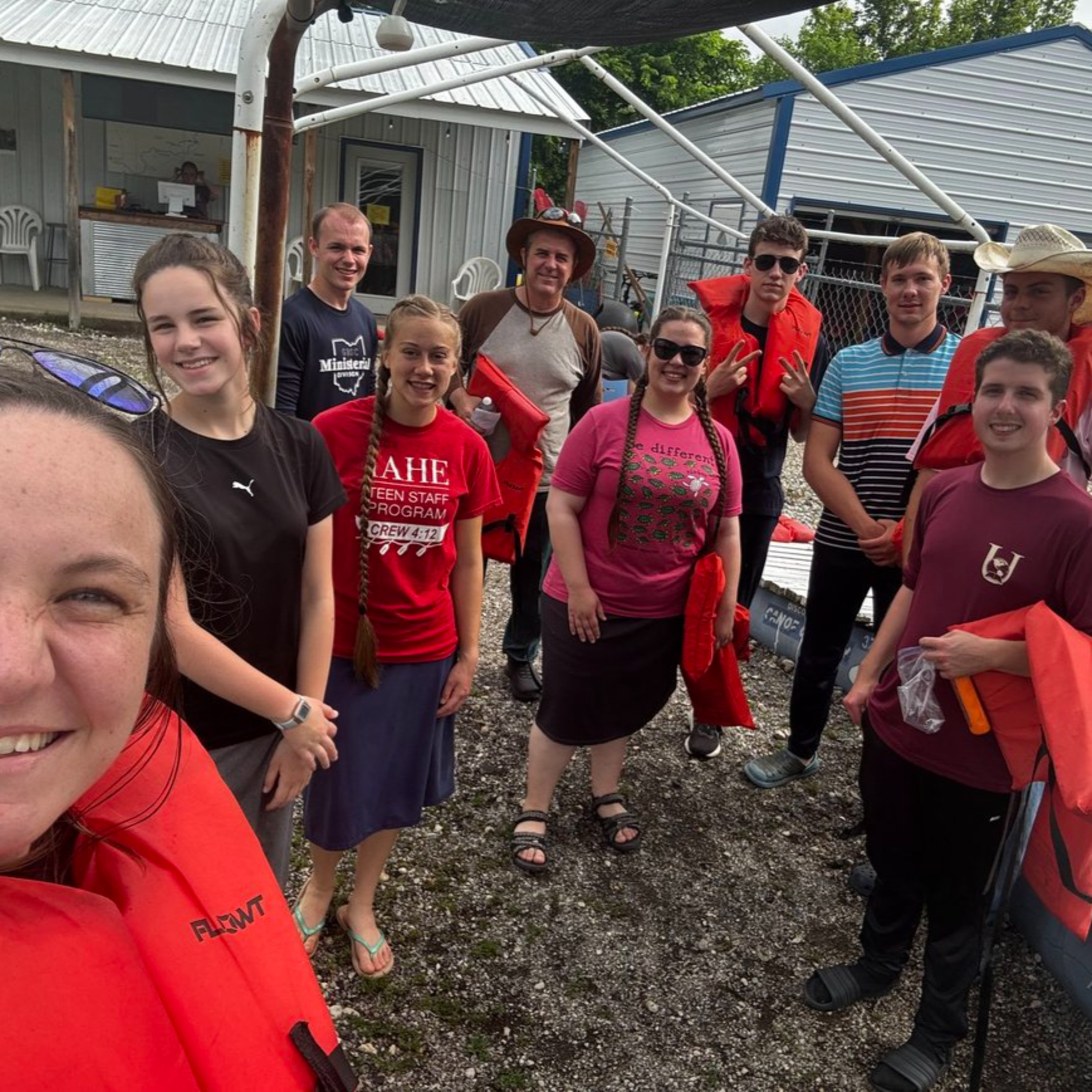
Nehemiah Discipleship Program Leaders 2026
Jun 1700:32:52Tap to summarizeEric interviews 5 of the NDP leadership participants to talk about their favorite parts of NDP and how it has helped them to become better leaders.
Transcribe →
Thinking Christianly About Israel — Navigating Faith, Politics, and Relationships
Apr 1100:47:55Tap to summarizeEric Himelick and Martin Barnard explore their evolution from dispensationalism to a more Christ-centered understanding of Scripture, emphasizing the importance of love, conversation, and biblical literacy. They discuss their efforts at rethinking their views on Israel and Jewish people without going to extremes. Main topics:The shift from support for Israel rooted in dispensationalism and the reasons for itThe dangers of social media and sound bites in shaping polarized, oversimplified viewsThe importance of real relationships, love, and dialogue over polarization and superficial engagementBiblical grounding for understanding Israel’s role in God's redemptive planPractical steps for Christians to foster understanding and love across dividesLinks:The Hope of the Gospel by Vic ReisnerIdentifying the Seed by Robert McKenzieMutually Insured Engagement articleThe Internet Is Not What You Think It Is by Justin SmithNeil Postman's "Amusing Ourselves to Death"Eric Himelick - Twitter | LinkedInMartin Barnard - Twitter | LinkedInClosing note: Please send all hate mail to Martin. (Afterall, he started this conversation.) I hope that our conversation here highlights the importance of Biblical and loving engagement. We hope that you will seek to foster friendships like this, and to root your views in Scripture rather than the changing cultural or political trends of our day.
Transcribe →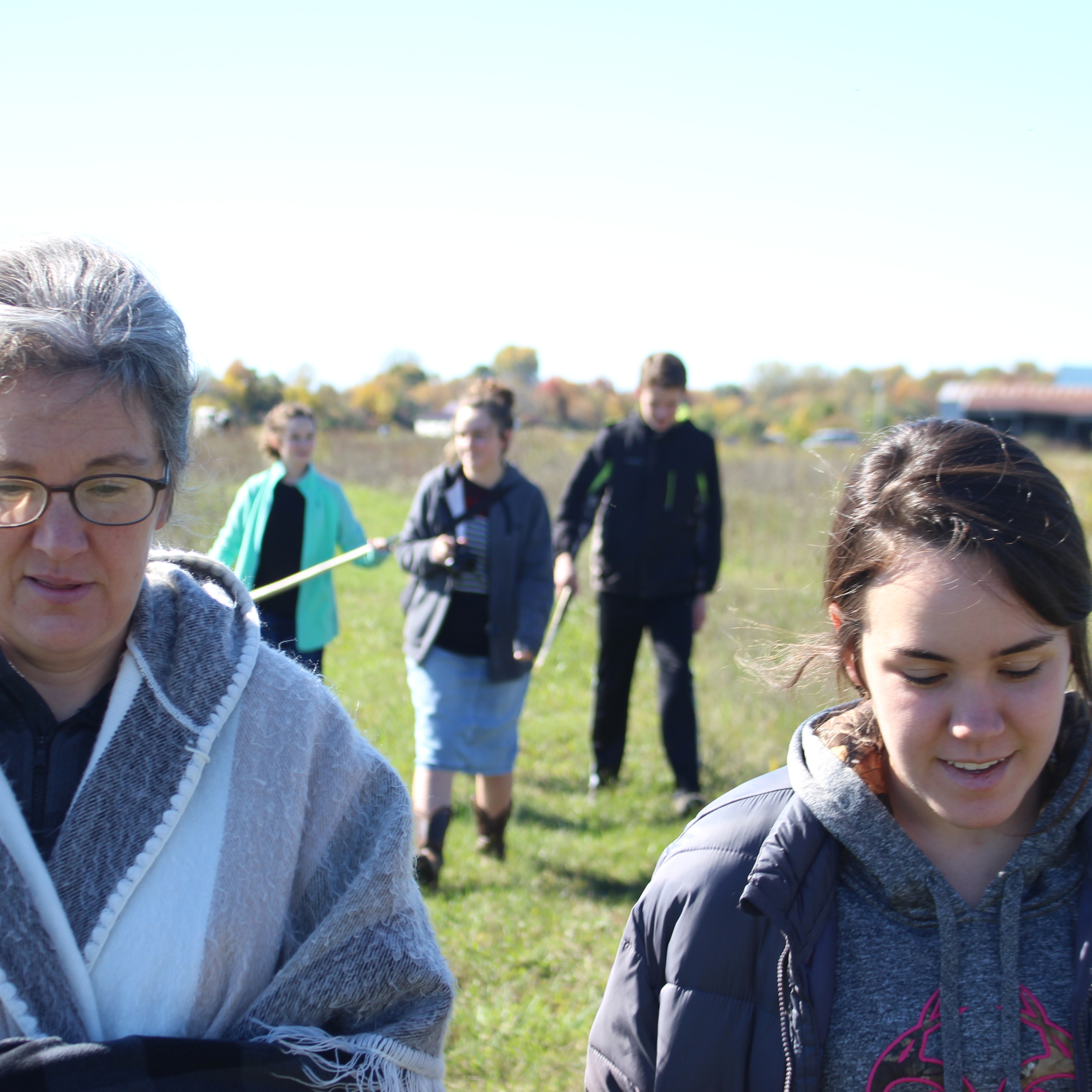
Mentors Needed: Bring Someone With You
Apr 500:08:59Tap to summarizeMentoring today is more crucial than ever, especially in a time when father figures and positive male role models are diminishing. In this episode, Eric Himelick explores how mentorship can fill vital gaps in young men’s lives, revealing the emotional and social impact of guiding the next generation.Key Topics:The increasing absence of positive male role models and its social consequencesHow mentorship provides a roadmap, not just adviceThe importance of visible life models to teach conflict resolution, integrity, and humilityThe mental health and engagement benefits for mentored youth, including higher graduation and employment ratesPersonal stories illustrating the transformative power of even small investments of timeThe cultural erosion of apprenticeship and guild-style mentorshipPractical ways for men of all ages to mentor within their communityThe biblical foundation for mentoring, emphasizing passing down faith and values (2 Timothy 2:2)Big Brothers Big SistersTimestamps:00:00 - Introduction: The significance of mentorship in today's society00:28 - The crisis of father absence and its effects on young men0:58 - The lack of clear rites of passage and identity for modern men1:27 - How mentorship offers guidance and models manhood1:57 - The importance of real-world example in navigating conflict and maintaining integrity2:20 - Vulnerability and the silence of struggling young men2:38 - Mentorship as a map for life, not just advice2:58 - Benefits proven by organizations like Big Brothers Big Sisters3:28 - Personal reflections: You don’t need to be perfect to mentor3:56 - Rebuilding mentorship through community and shared experience4:24 - The personal and societal Return on Investment from mentoring4:30 - Overcoming doubts about what one can give as a mentor4:59 - The historical context of apprenticeship and passing down values5:28 - Practical ways to mentor at any stage of life5:59 - The vulnerability involved in reaching out and offering help6:16 - Identifying those in your sphere who need mentoring6:46 - A story of personal engagement at Victory Village Shop7:16 - The ripple effect of small acts of kindness in mentoring7:44 - The starfish story: Every small effort counts8:53 - Encouragement to begin sharing your lessons and experiences9:04 - Reflecting on personal worth and the importance of passing on what you've learned9:32 - Biblical encouragement: 2 Timothy 2:2 and generational faith sharing10:36 - Call to action: Find someone to mentor, and walk alongside them in faith and life.
Transcribe →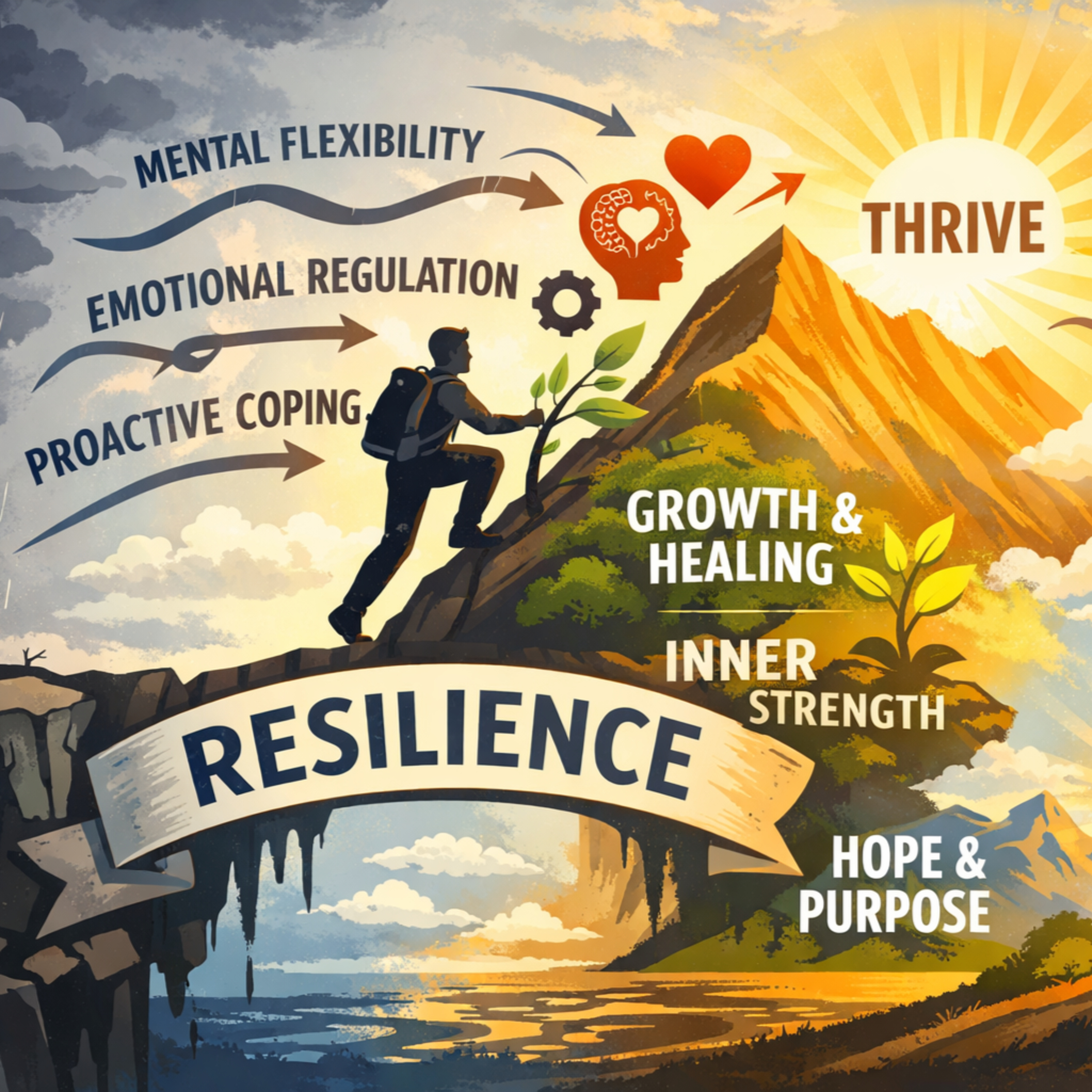
Moving Towards Resilience (EPISODE 122)
Mar 1300:20:32Tap to summarizeIn this episode I'm reflecting on my personal journey and the book A Resilient Life by Gordon MacDonald. As the theme for NDP 2026, I'm thinking a lot about this right now.I hope you'll benefit from my journey and my thoughts.
Transcribe →
Building Leaders: The Power of the Nehemiah Discipleship Program (EPISODE 121)
Feb 2800:26:38Tap to summarizeThis episode explores the Nehemiah Discipleship Program (NDP), its impact, and how it develops young leaders through hands-on experience, spiritual growth, and community building. It emphasizes the importance of discipleship, hard work, and intentionality in faith-based leadership development. Key topics:The origins and purpose of NDPExperiences and impact of participantsCore values: hard work, spiritual growth, communityMentorship and skill developmentThe theme of resilience and biblical foundations Links and Resources:Victory Acres - https://victoryacres.orgNehemiah Discipleship Program Application - https://victoryacres.org/disciple610 Coffee Company - https://610coffee.com
Transcribe →
Raising a Princess: A Conversation with my Daughter Rebecca (EPISODE 120)
Feb 2200:26:18Tap to summarizeWhat are some of your core childhood memories?What was it like to grow up in our home? (And what did we get right?)What will you do differently with your family because of your experiences?What do you know at 23 that you wish you had known at 13?These are just a few of the questions that I asked Rebecca, my daughter, on her 23rd birthday in a delightful, meandering podcast conversation.Parents: the days are long, and the years are short. Enjoy every moment.
Transcribe →
9 Things That Leaders Learn Too Late (EPISODE 119)
Feb 100:50:42Tap to summarizeThere are some things that you don't understand about leadership until you've dealt with challenges and faced problems. I found this list on LinkedIn, and it spoke to me. The picture for this podcast is me at 18... There are a few things that I wish I would have known then.9 Things Leaders Learn Too LateBy Fraol MussaHere are the lessons most people only understand once they’ve carried real responsibility:1. Clarity matters more than speedYou stop rushing to look capable.You slow down to make the right call.2. Calm is something you practiceIt’s not natural.It’s learned in the moments that test your patience the most.3. People remember how you made them feelYour presence shapes the room more than your advice ever will.4. You won’t always be understoodAnd that can sting.But understanding comes later, long after the results speak.5. Respect grows from consistencyNot charisma.Not charm.Just showing up the same way on the days that feel heavy.6. Pressure reveals your habitsGood or bad.You can’t hide the work you did on yourself.7. Your character shows in private momentsEspecially in how you treat people who have nothing to offer you.8. Silence teaches more than reactionsNot every misunderstanding needs your energy.Sometimes restraint is the real answer.9. Strength grows when you stop proving yourselfYou shift from trying to look like a leaderto becoming the kind of person people trust without convincing.
Transcribe →