Podcast
Global Health Lives
Hosted by Delan Devakumar · EN
Global Health Lives is a podcast exploring some of the most important issues in global health, but from the perspective of the people working in it. We discuss their lives, what influenced them and the challenges they face both professionally and personally.
15episodes
Episodes
Newest firstAll episodes
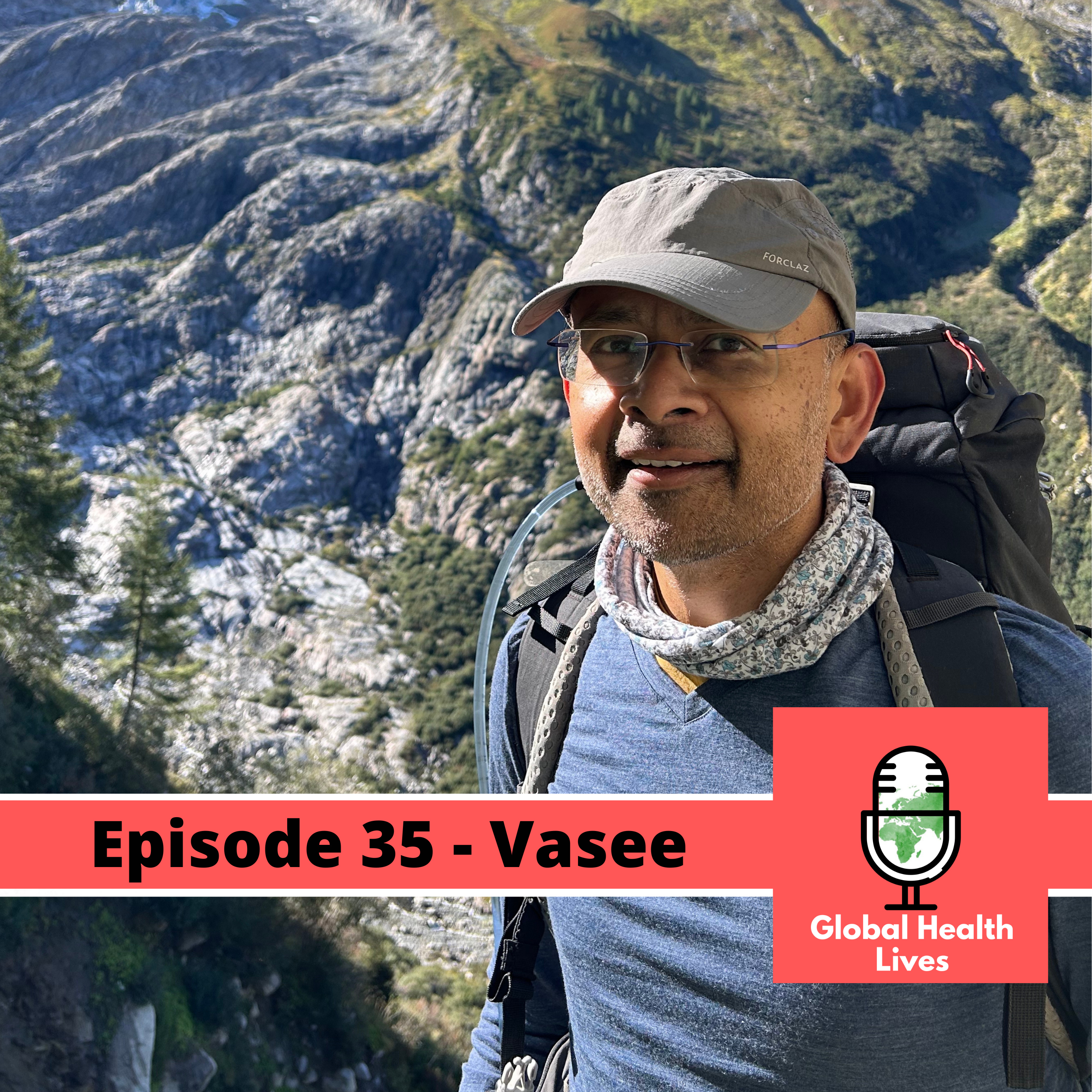
Vasee
Jul 1200:35:25Tap to summarizeDr Vasee Moorthy is a Senior Advisor in Science and Strategy at the World Health Organization (WHO). He is a medical doctor with expertise in infectious diseases and clinical trials. In this episode Vasee describes his work in malaria and malaria vaccines, and the importance of clinical trials, including WHO’s work on improving the system for conducting them.
Transcribe →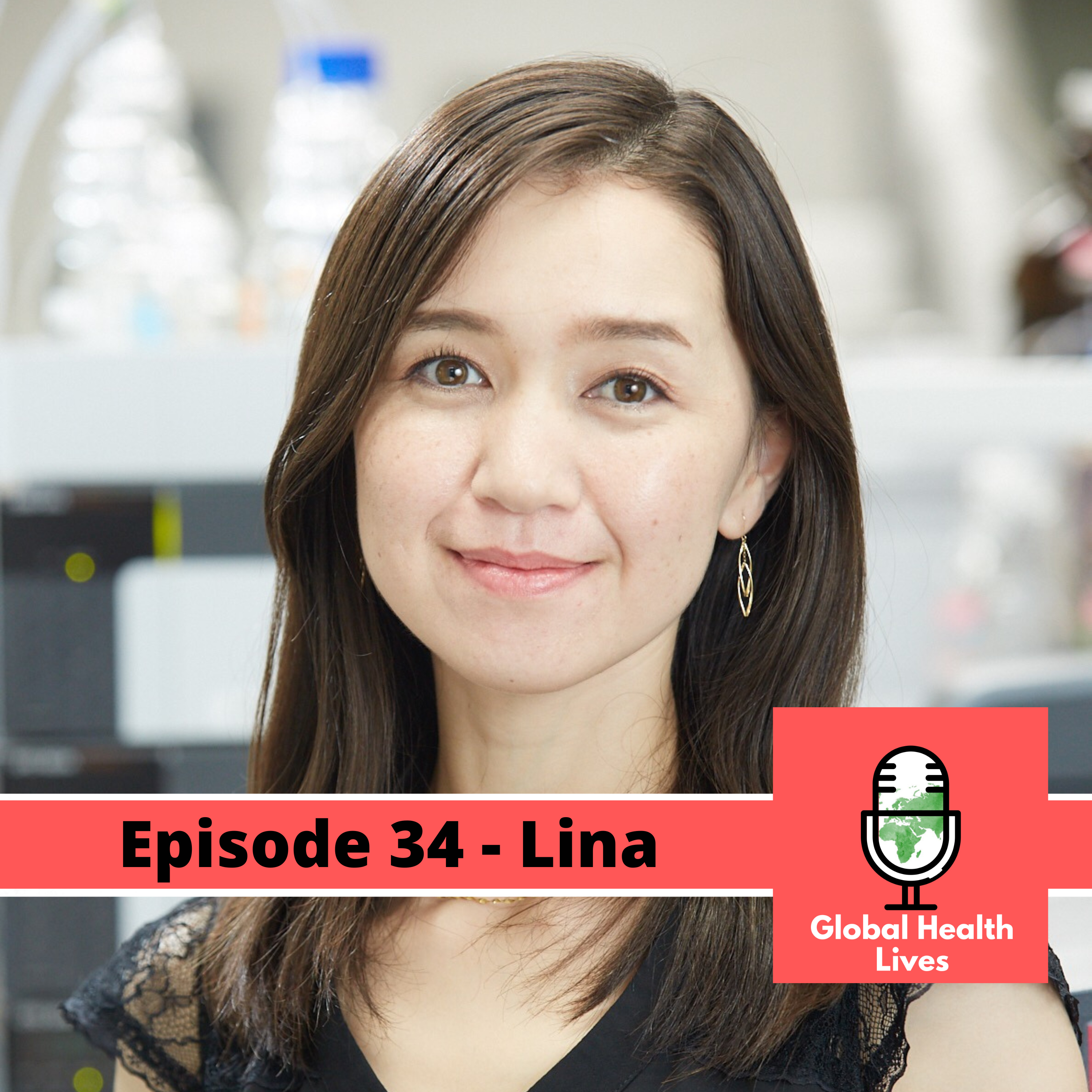
Lina
Jun 1400:32:15Tap to summarizeProfessor Lina Madaniyazi is an associate professor in Nagasaki University, School of Tropical Medicine and Global Health. Lina is an environmental epidemiologist who focuses on the health impact of air pollution and climate change.In this episode Lina talks about the impact of global heating on mortality, the wide effects of air pollution on health. She also talks her journey from Xinjiang to Beijing to Brisbane to Nagasaki and the importance of people in her life.
Transcribe →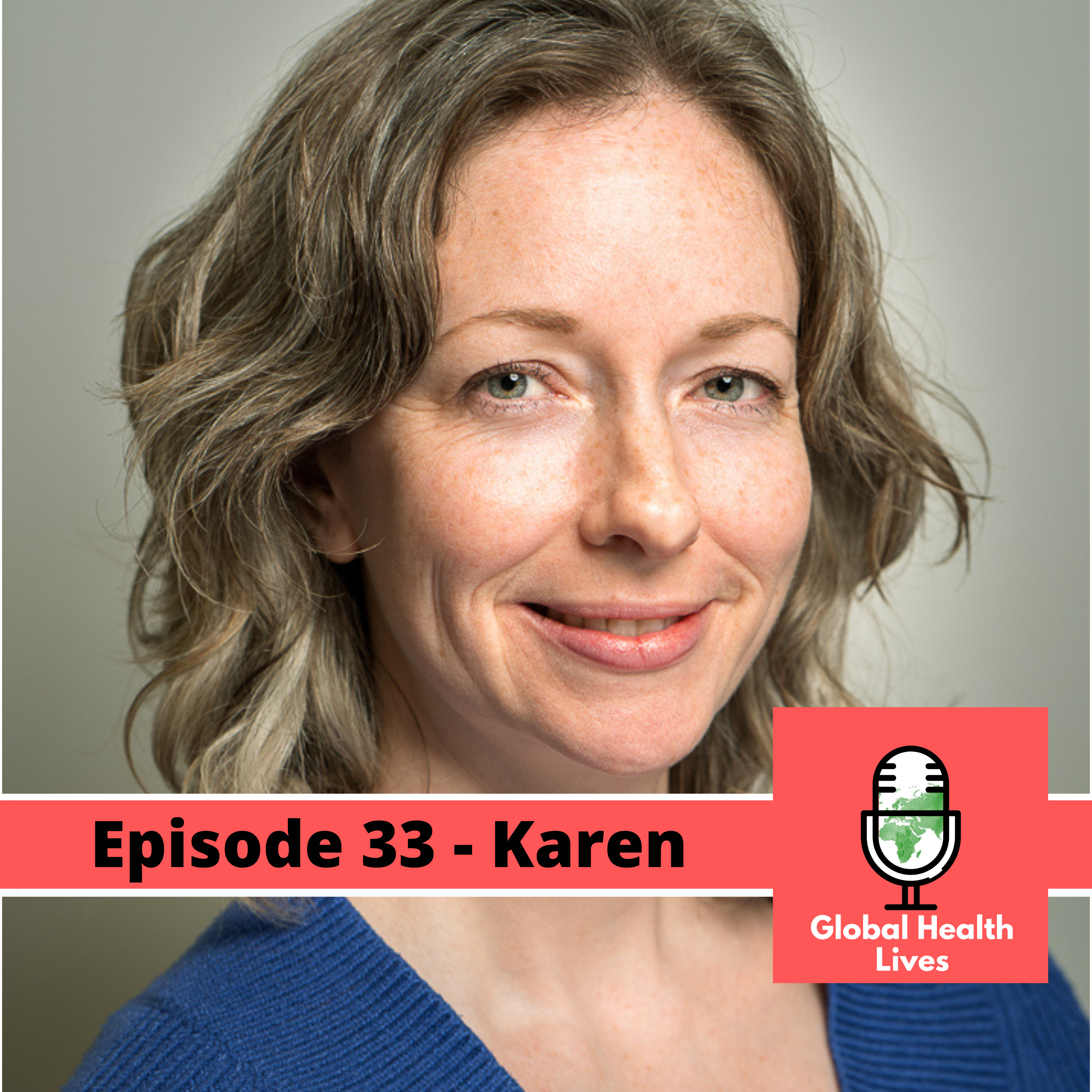
Karen
May 1700:28:55Tap to summarizeProfessor Karen Devries is a professor of social epidemiology at the London school of hygiene and tropical medicine. Karen uses epidemiological methods to understand and reduce violence against children, adolescents and women. In this episode we will discuss the global statistics on violence against children and women and interventions to reduce violence in schools. Karen talks about how to do this work in the correct way, taking care of participants and also the researchers.
Transcribe →
Nothando
Apr 1200:34:15Tap to summarizeProfessor Nothando Ngwenya is a faculty member at the Africa Health Research Institute in South Africa. Nothando is a psychologist, who also has a degree in computer science and specialises in adolescent mental health.In this episode Nothando talks about complex trauma, adolescent mental health and the problems with measurement, her childhood growing up in Johannesburg, and her own issues with fertility.
Transcribe →
Siri
Mar 1500:35:07Tap to summarizeProfessor Siri Aas Rustad is the research director at the Peace Research Institute Oslo. Siri researches conflicts around the world.In this episode Siri talks about the global conflict landscape, how the numbers are estimated, why the world is as it is, and her predictions for the future. [Note, the episode was recorded in September 2025. All the numbers quoted are correct as of that month.]
Transcribe →
Essi
Dec 22, 202400:31:41Tap to summarizeProfessor Essi Viding is a Professor of Developmental Psychopathology and the Pro-Vice Provost for the Mental Health and Wellbeing Grand Challenge at UCL. Essi is psychologist who works to understand the origins of behaviour and mental health disorders. In this episode Essi describes the developmental origins of mental health problems, the recent rise in mental health problems in adolescents and the role of social media, and the importance of supporting women to pursue careers in science.
Transcribe →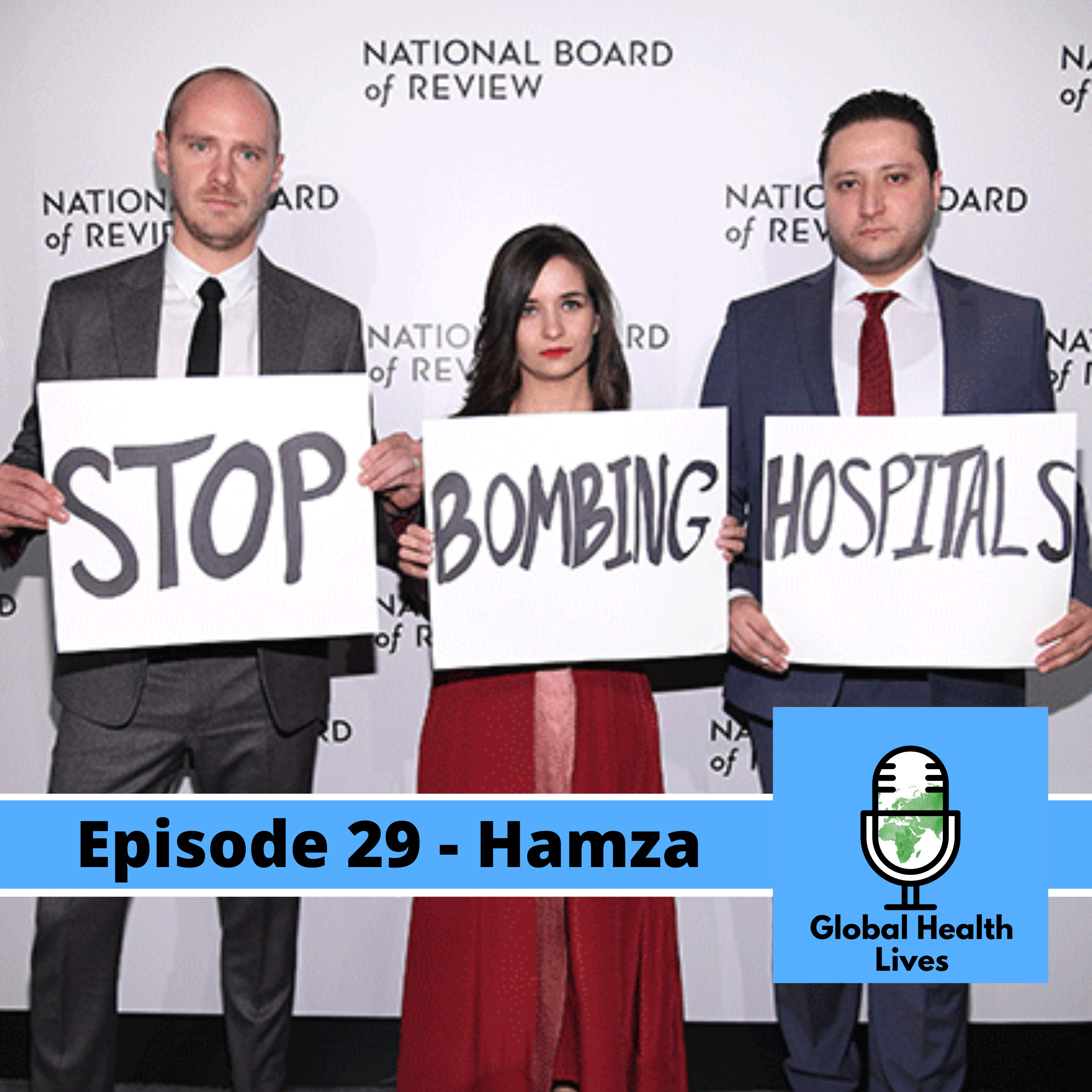
Hamza
Nov 17, 202400:37:08Tap to summarizeDr Hamza al-Kateab is a Syrian doctor, an activist and a public health advocate. He set up and ran a hospital in East Aleppo during the war in Syria. This work was documented in the film For Sama, created by his wife Waad al-Kateab. Hamza is now an activist working to stop the bombing of health facilities in Syria and other conflict areas through the campaign “Action For Sama” (www.actionforsama.com / @actionforsama).
Transcribe →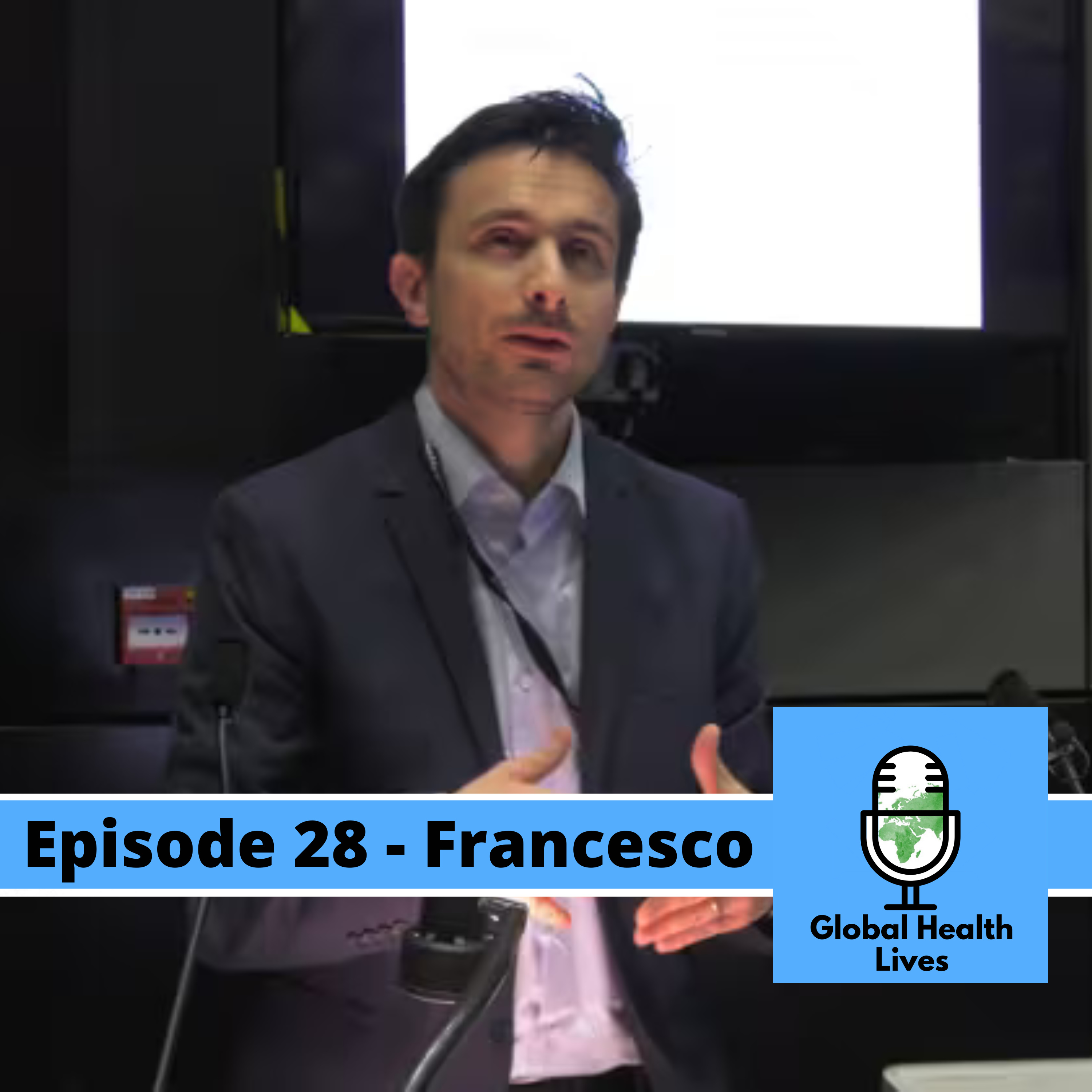
Francesco
Oct 13, 202400:34:50Tap to summarizeProfessor Francesco Checchi is a professor of epidemiology and international health from the London School of Hygiene and Tropical Medicine. Francesco is an epidemiologist who has worked for 25 years in crisis and humanitarian settings with Médecins Sans Frontières and Save the Children and as an academic. In this episode he talks about his work estimating mortality in conflicts and on vaccinations. He also discusses broader issues about humanitarian work. Francesco also talks about his own mental health and how he has coped.
Transcribe →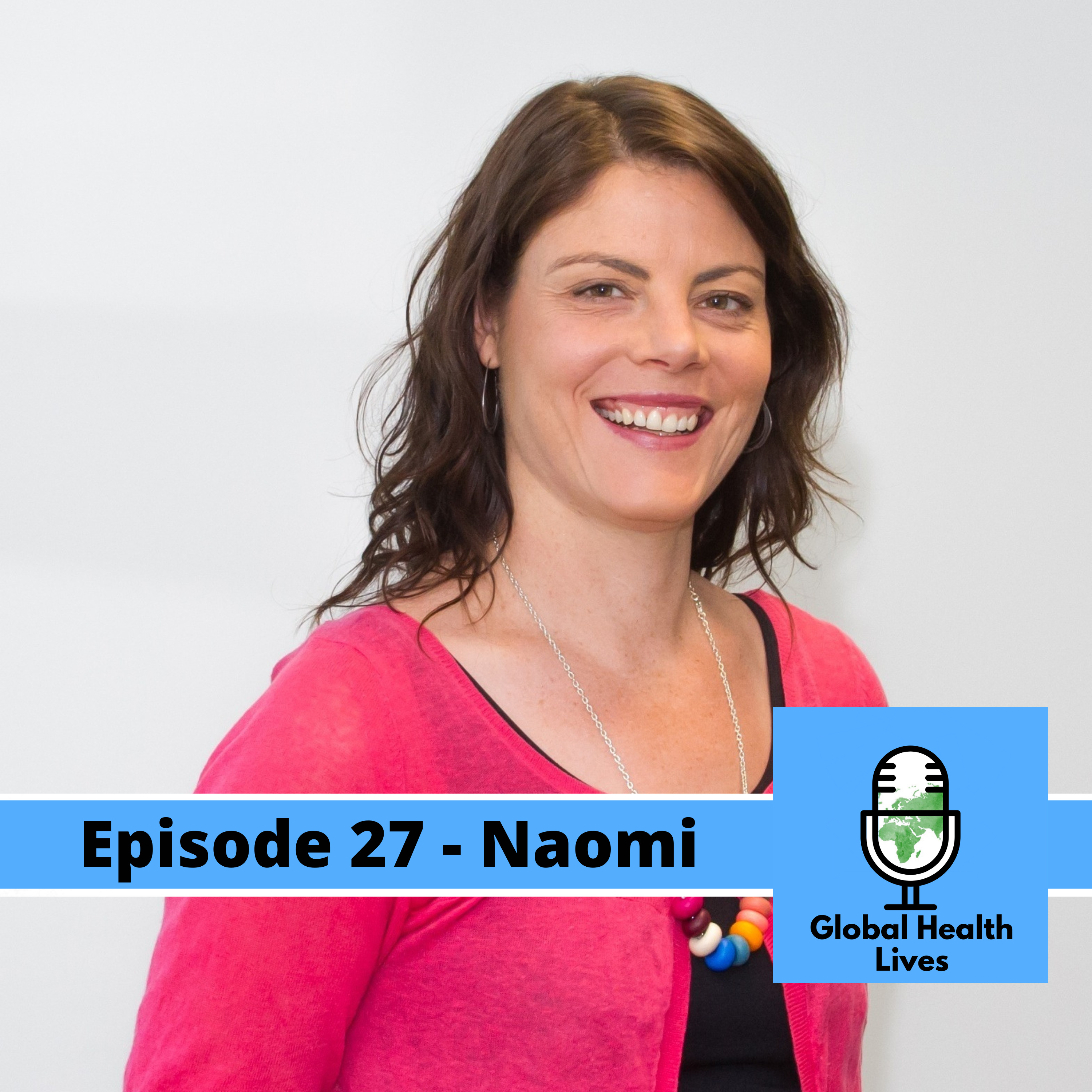
Naomi
Sep 15, 202400:34:16Tap to summarizeProf Naomi Priest is a lifecourse and social epidemiologist at the Australian National University. Naomi’s research focuses on understanding how social forces become embedded and embodied to influence health and health inequalities throughout life. In this episode, Naomi talks about how racism impacts child and adolescent health and school-based interventions to reduce racism.
Transcribe →Wouter
Aug 18, 202400:35:04Tap to summarizeDr Wouter Arrazola de Oñate is a medical doctor in public health and activist. He is the medical director of the Belgian lung and TB association. In this episode, Wouter talks about his work in TB from a clinical and public health perspective and the importance of advocacy to improve health.
Transcribe →